标签: Belize

伯利兹

  • Free Secondary Education Moves Closer to Reality

    Free Secondary Education Moves Closer to Reality

    The Government of Belize, under Prime Minister John Briceño, has announced a comprehensive suite of major national investments set to transform key public sectors in the upcoming 2026-2027 fiscal year. This ambitious development agenda prioritizes human capital and national infrastructure, signaling a period of significant public investment.

    Central to this initiative is the dramatic expansion of the Education Upliftment Project (EUP). Launched in 2022 as a small pilot with 947 students, the program has experienced exponential growth, surpassing 1,000% expansion. It is now projected to encompass over 14,000 students across 27 government secondary schools, effectively achieving tuition-free secondary education for 100% of students in the national system and realizing a historic goal for the nation.

    Parallel to educational reforms, the National Health Insurance (NHI) scheme is undergoing its most significant expansion. A strategic investment of $57 million will extend universal primary care coverage to the entire Cayo District, one of Belize’s fastest-growing regions. This expansion is projected to increase NHI enrollment beyond 325,000 Belizeans nationwide. The funding also addresses critical infrastructure and staffing shortages, with planned upgrades to polyclinics and recruitment of additional medical professionals to ensure service quality matches expanded coverage.

    Complementing these social programs, the government has committed over $80 million to a nationwide infrastructure overhaul. Major projects include a $21 million upgrade of the George Price Highway, an $8 million enhancement of the Philip Goldson Highway, and the complete replacement of Belize City’s iconic Swing Bridge and BELCAN Bridge at costs of $3.8 million and $3.5 million respectively. An additional $46 million is allocated for comprehensive road maintenance across the country, alongside a $1.6 million investment in sports facility improvements.

    Prime Minister Briceño emphasized that these interconnected initiatives represent a holistic approach to national development, aiming to eliminate financial barriers to education, achieve universal healthcare access, and modernize critical transportation networks simultaneously.

  • Belize Investigates Elderly American Found on Drifting Catamaran

    Belize Investigates Elderly American Found on Drifting Catamaran

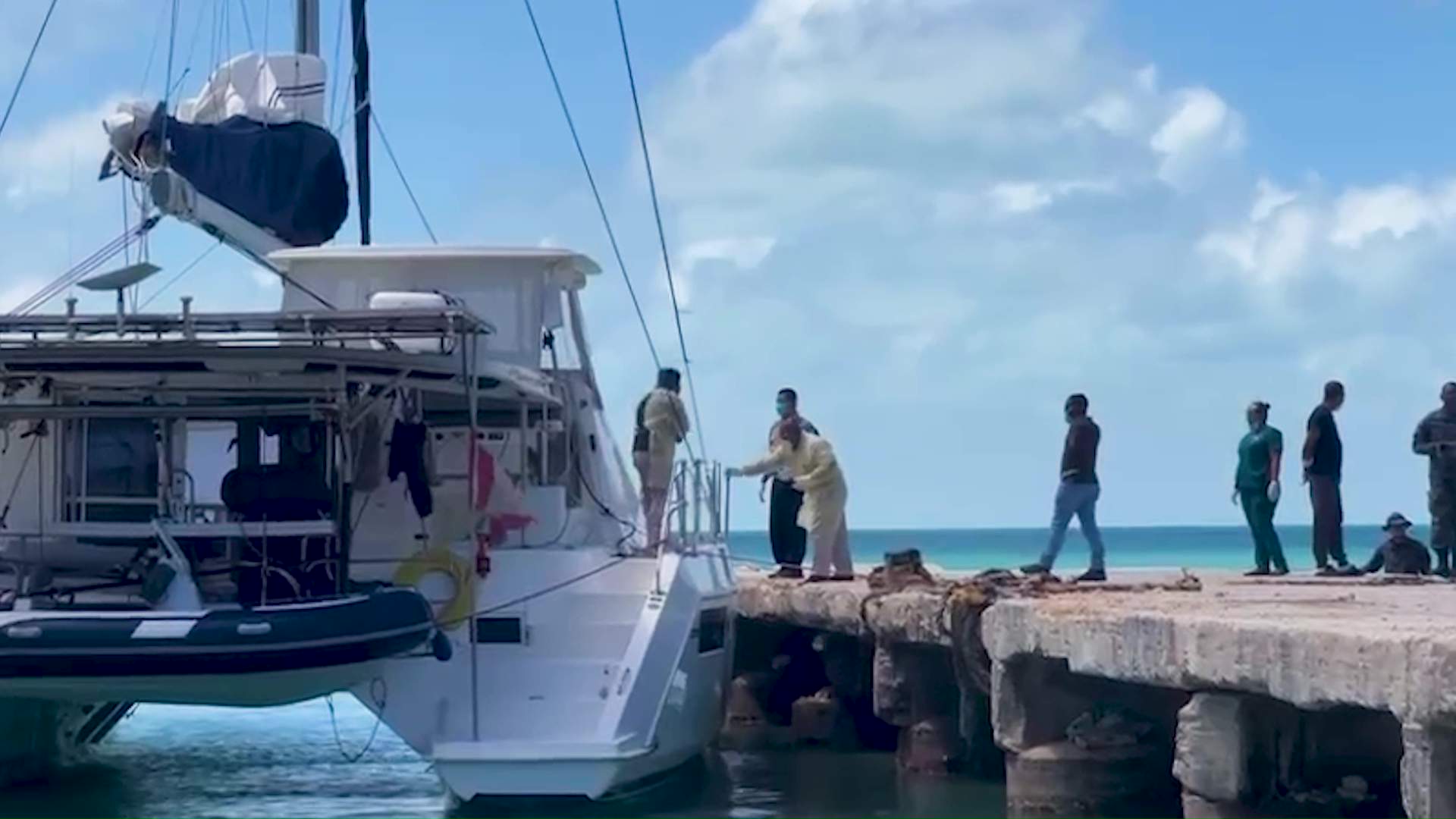
    Belizean authorities have launched a comprehensive investigation into the mysterious death of an elderly American man discovered aboard a drifting catamaran approximately sixty miles offshore. The case unfolded when the MSC Divina cruise ship crew relayed a distress call concerning a vessel in waters east of Belize City on Monday.

    According to official statements from Francis Usher, CEO of Belize’s Ministry of National Defense and Border Security, the cruise ship rescued a distressed woman from the catamaran who reported her husband had suffered sudden cardiac arrest. However, when Belize’s Rescue Team reached the abandoned vessel on Wednesday morning, they encountered a more complex scenario—the man’s body showed signs of blood and advanced decomposition, prompting immediate suspicion.

    The coast guard towed the catamaran to Caye Caulker for preliminary examination before transferring both the vessel and the deceased to Belize City for further analysis. Usher confirmed that the victim’s son is currently in Belize coordinating repatriation arrangements and provided crucial information that the couple had departed from Livingston, Guatemala, approximately one week earlier.

    Notably, authorities acknowledged significant response challenges due to the vessel’s remote location when the distress call was received. The distance proved too great for immediate coast guard intervention, forcing officials to consult regional partners while monitoring the craft’s movement via ocean currents.

    The Belize Police Department has taken custody of the catamaran at a secure coast guard base for detailed forensic examination. While officials refrain from openly speculating about foul play, the presence of unexplained wounds on the body has elevated the investigation’s priority status. The case continues to develop as forensic experts and maritime investigators work to reconstruct the couple’s final voyage.

  • ICJ Nears Key Ruling on Guatemala’s Bid in Sapodilla Cayes Dispute

    ICJ Nears Key Ruling on Guatemala’s Bid in Sapodilla Cayes Dispute

    The International Court of Justice (ICJ) approaches a pivotal ruling on March 19, 2026, regarding Guatemala’s petition to intervene in Belize’s maritime case against Honduras concerning the disputed Sapodilla Cayes. This development marks a critical juncture in a decades-long territorial conflict that now involves three Central American nations.

    Belize initiated proceedings against Honduras in 2022 after diplomatic negotiations collapsed regarding Honduras’ constitutional claim to the islands. Guatemala subsequently sought formal involvement, asserting that the court’s eventual decision could directly impact its own ongoing territorial and maritime case against Belize. While Belize maintained neutrality toward Guatemala’s intervention request, Honduras vehemently opposed it, accusing its neighbor of procedural abuse.

    The fourteen islands comprising the Sapodilla Cayes—spanning over 38,000 acres at the southern extremity of the Belize Barrier Reef—represent significant ecological and strategic value. This biodiverse marine sanctuary hosts manatees, sea turtles, and vibrant coral gardens, making its sovereignty crucial for environmental protection and maritime boundary definition.

    Legal representatives for Belize presented arguments characterizing Guatemala’s intervention as potentially premature, given the existing separate case between the two nations. Former Foreign Minister Eamon Courtenay previously expressed concerns that Honduras’ constitutional claim might compel that nation to intervene in the Belize-Guatemala case, potentially complicating resolution efforts.

    Ambassador Assad Shoman, Special Envoy for the Belizean Prime Minister, advocated for coordinated case management at The Hague last November, suggesting sequential hearings to maximize judicial efficiency. The impending decision may establish significant precedent for how international courts manage overlapping territorial disputes globally, with potential implications for regional geopolitics and marine resource management in the western Caribbean.

  • PUC Declares BTL Dominant Across Telecom Markets

    PUC Declares BTL Dominant Across Telecom Markets

    Belize’s telecommunications landscape faces potential restructuring after the Public Utilities Commission (PUC) formally designated Belize Telemedia Limited (BTL) as the dominant player across nearly all retail and wholesale markets. The landmark determination, finalized following extensive public consultation, encompasses mobile services, broadband provision, and international connectivity infrastructure.

    The regulatory assessment revealed widespread stakeholder consensus regarding BTL’s market supremacy, particularly concerning control over the critical ARCOS-1 submarine cable landing station. This infrastructure advantage enables BTL to function simultaneously as bandwidth wholesaler and retail competitor, creating what industry participants describe as an unlevel competitive landscape.

    Evan Tench, Chairman of the Belize Cable Television Operators Association, articulated the concerns of independent providers: “BTL controls the landing site and imposes markup on bulk bandwidth before selling to operators. This creates wholesale price disparities that extend into retail markets where we compete directly.”

    Cable operators are advocating for direct infrastructure access at cost-based rates, free from BTL’s intermediary role. Additionally, they highlight the competitive disadvantage stemming from BTL’s ability to offer quad-play bundles—combining mobile, broadband, fixed-line, and content services—while smaller providers lack access to essential components.

    The industry association proposes regulatory changes that would enable cable operators to enter mobile services through MVNO arrangements, obtain numbering resources for fixed-line offerings, and secure equitable interconnection terms. These measures, they argue, would establish genuine market competition rather than the current asymmetrical arrangement.

    Speednet Communications, drawing on two decades of operational experience, submitted detailed recommendations emphasizing practical solutions including regulated access to passive infrastructure, cost-oriented interconnection rates, and equitable treatment at critical facilities.

    The PUC has indicated it will implement regulatory measures to enhance transparency, ensure non-discriminatory access to essential services, and strengthen consumer protections while promoting infrastructure development. This determination raises broader questions about market concentration, investment protection for government and Social Security Board holdings in BTL, and the long-term evolution of Belize’s telecommunications sector.

  • New Poll Reshapes Belmopan’s Power Picture

    New Poll Reshapes Belmopan’s Power Picture

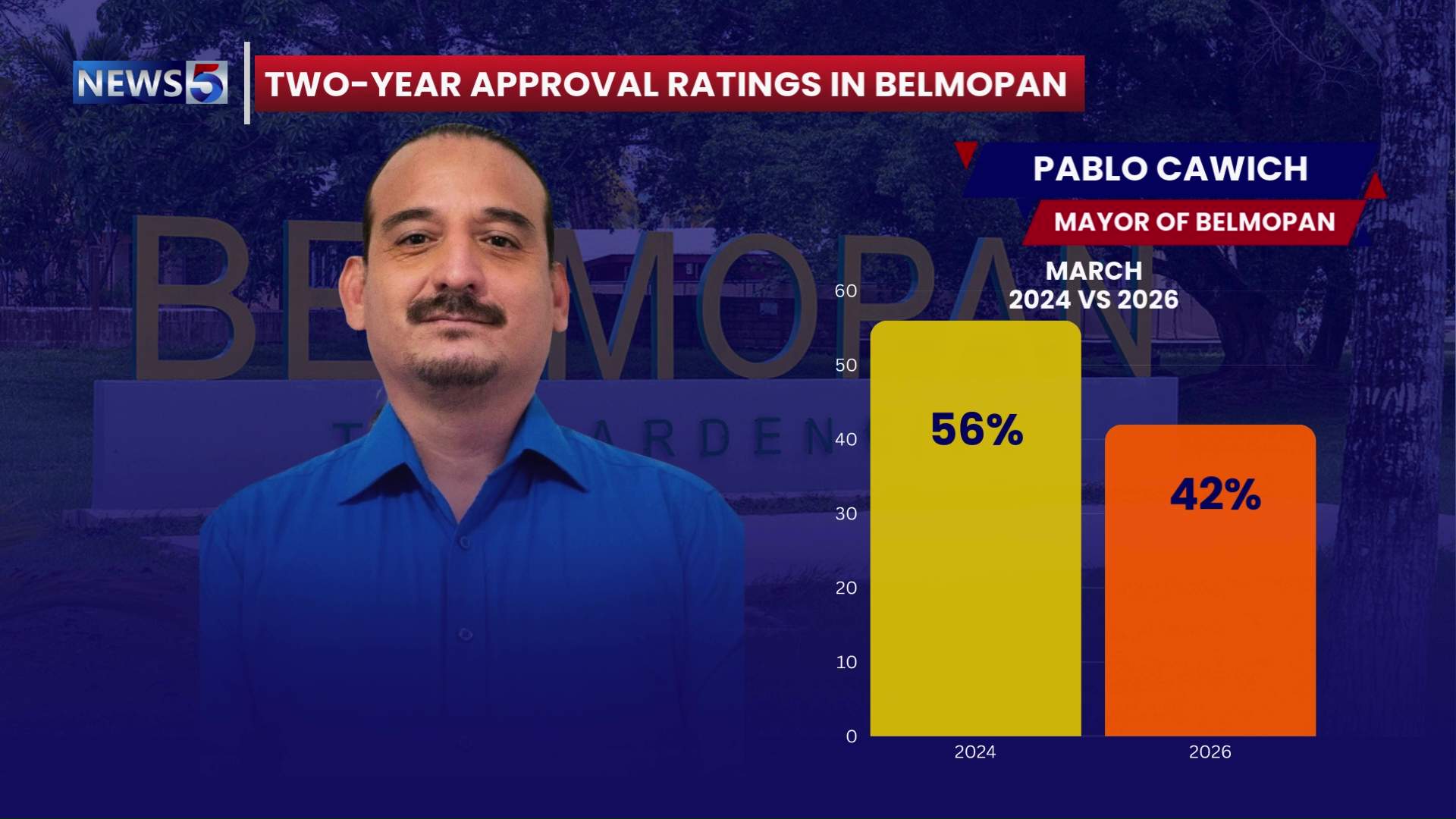
    A seismic shift is underway in Belmopan’s political arena, according to fresh approval rating data that reveals significant changes in public sentiment. Prominent pollster Dr. Phillip Castillo’s latest survey indicates Mayor Pablo Cawich has experienced a substantial decline in support, plummeting from his 56% election victory margin two years ago to just 42% currently. While the mayor remains technically ‘above water’ with approval still exceeding disapproval, a considerable undecided segment represents a critical vulnerability.

    In stark contrast, Area Representative Oscar Mira continues consolidating his position as what Castillo describes as ‘the undisputed powerbroker in Belmopan.’ Mira’s approval ratings have climbed from 65% to 67%, building on his consistent electoral performances of 60% in 2020 and 65% in 2025.

    Prime Minister John Briceño’s numbers show a complex picture—while failing to break the 40% threshold in Belmopan, he performs better here than in several other municipalities including Dangriga. Castillo attributes this relative strength to Belmopan’s superior socioeconomic indicators compared to national averages.

    Responding to the poll, Mayor Cawich maintained he was previously unaware of the survey but emphasized his administration’s focus on tangible outcomes rather than popularity contests. He highlighted innovative accountability measures including a developing GIS-based task management system that will enable residents to report and track municipal issues through citizen science. Additionally, the administration has launched a 675-TELL WhatsApp hotline to streamline communication between citizens and city officials.

    The diverging trajectories between these key political figures signal potentially significant ramifications for Belmopan’s governance dynamics and future electoral contests.

  • The Transformative Power of Sports

    The Transformative Power of Sports

    BELIZE CITY – This past weekend, the La Ruta Maya canoe race demonstrated that sports transcend mere competition, evolving into a powerful catalyst for national unity, economic vitality, and social transformation. The event, which captivated the nation, showcased how athletic endeavors create ripple effects far beyond the riverbanks where spectators gathered.

    The transformative power of sports manifests through multiple dimensions. For young athletes like University of Belize paddler Keane Gillett, sports provide pathways to education through scholarship opportunities that might otherwise remain inaccessible. “They’ve provided me with a scholarship for being able to do something I love,” Gillett stated, emphasizing the challenge of balancing training with academic commitments.

    Minister of State Devin Daly attributes his personal and professional development to athletic participation. “I wouldn’t be the politician, I wouldn’t be the man, I wouldn’t be the father without sports,” Daly reflected. “It has taught me ways to resolve conflict positively, deal with stress, network, and show camaraderie.”

    In communities facing significant challenges, sports programs serve as stabilizing forces. Leaton St. Clair, manager of Port Loyola FC, documented a disturbing correlation between program suspensions during COVID-19 and rising violence in Belize City’s Southside. “When that stopped the program from functioning, the killing went up,” St. Clair revealed. “Some youths backslid without positive outlets.”

    The economic impact extends throughout local economies. John Marsden, owner of the Defenders basketball team, detailed how sporting events stimulate small businesses: “Barbers, hair techs, nail techs, clothes vendors, taxis, food vendors – numerous small businesses benefit from the spill-off effect.”

    Globally, sports maintain their role as diplomatic instruments. Allan Sharp, President of the Belize Olympic Committee, emphasized their unifying capacity: “There is nothing like sports that brings people who are different to be united – whether countries with political differences, gender, races, or religion.”

    From creating economic opportunities to fostering discipline and preventing violence, sports continue proving their multifaceted value to Belizean society with every competition.

  • Chang, PM Spar Over Alleged Customs Kickbacks

    Chang, PM Spar Over Alleged Customs Kickbacks

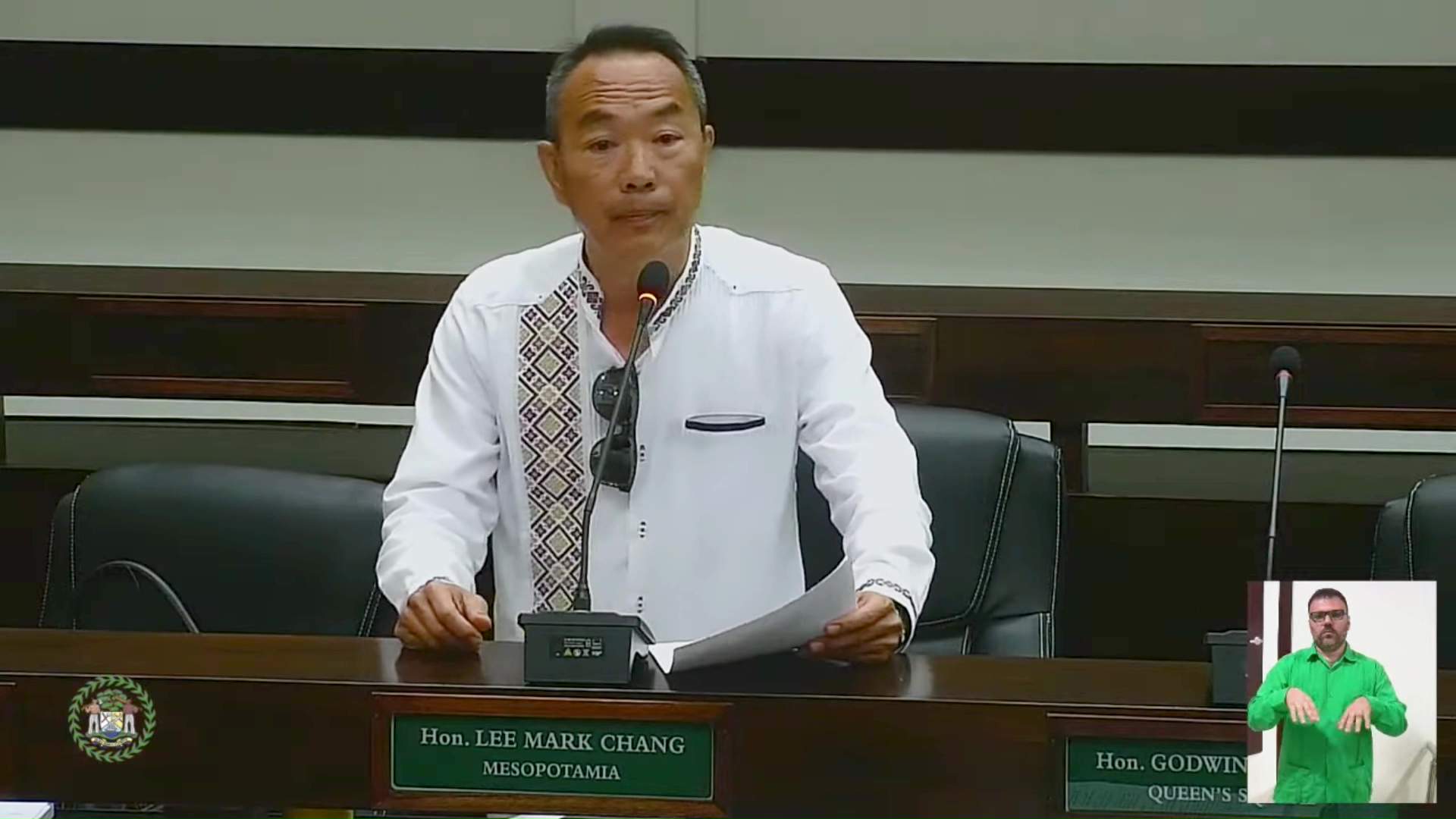
    A heated confrontation over systemic corruption allegations within Belize’s customs operations dominated parliamentary proceedings on Tuesday, March 11, 2026. Mesopotamia Area Representative Lee Mark Chang ignited the debate by revealing what he described as widespread bribery practices at border checkpoints, where importers allegedly pay off customs officers to secure reduced duties on imported vehicles.

    Chang presented a compelling case that exorbitant import costs are inadvertently fueling corruption networks. He advocated for structural reform through significant duty reductions, particularly for vehicles older than five years, arguing that such measures would eliminate the financial incentives driving corruption while making vehicle ownership more accessible for working-class citizens.

    Prime Minister John Briceño acknowledged the historical nature of these issues while defending his administration’s ongoing efforts to address them. He revealed that his government has already implemented assessment tightening measures and is actively working with the Ministry of Finance, Customs Department, and vehicle importers to establish a balanced solution.

    The Prime Minister outlined a forthcoming legislative initiative to amend the Customs Act, proposing that strategically reducing vehicle taxes could actually increase government revenue by eliminating corrupt middlemen. This approach, he argued, would create a more transparent system where the government collects appropriate duties directly rather than losing revenue to unofficial payments.

    The exchange highlighted fundamental differences in addressing systemic corruption, with Chang emphasizing immediate duty reductions and Briceño focusing on comprehensive legislative reform and enforcement improvements.

  • Government Doubles Penalties for Vehicle Insurance Violations

    Government Doubles Penalties for Vehicle Insurance Violations

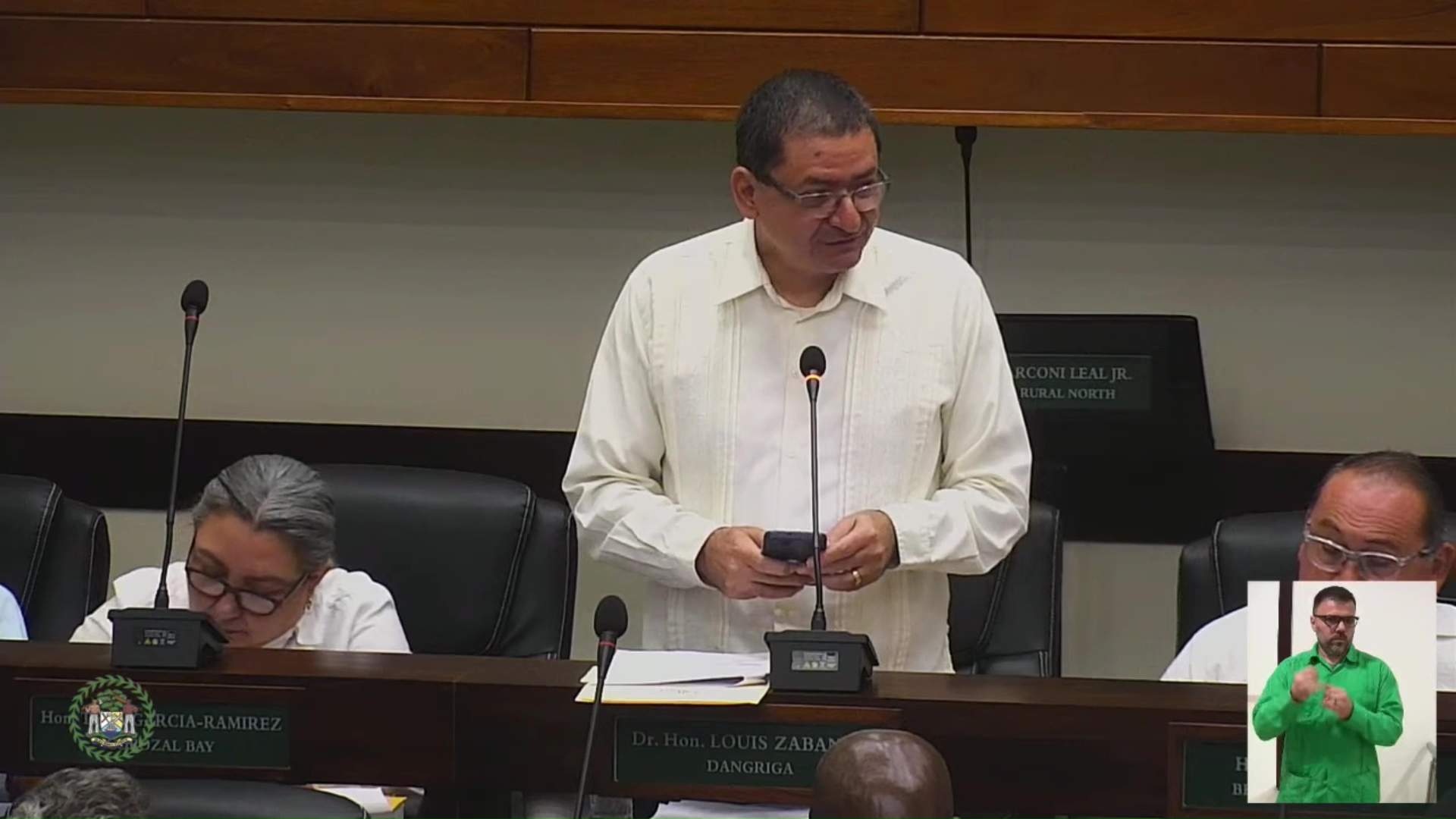
    The Belizean government has enacted sweeping reforms to its traffic enforcement legislation, substantially increasing penalties for motor vehicle insurance violations in a bid to modernize national road safety protocols. Transport Minister Dr. Louis Zabaneh presented the legislative amendments during a parliamentary session on Tuesday, marking the first update to insurance penalty structures since 1999.

    The revised legislation dramatically escalates consequences for operating uninsured vehicles, raising maximum fines from $400 to $1,000 while extending potential imprisonment terms from six to eight months. Minister Zabaneh emphasized that the previous penalty framework had become economically outdated and insufficient as a deterrent against insurance non-compliance.

    Concurrently, the amendments expand enforcement capabilities by granting traffic wardens from both national transport departments and municipal authorities enhanced powers to implement provisions under the Motor Vehicle Insurance (Third Party Risk) Act. This strategic empowerment of enforcement personnel represents a significant shift in Belize’s approach to traffic regulation.

    Government officials characterize these measures as essential components of a comprehensive initiative to strengthen regulatory compliance and improve overall road safety standards throughout Belize. The legislative changes reflect growing concerns about the adequacy of existing traffic laws and demonstrate the administration’s commitment to addressing road safety through strengthened legal frameworks and improved enforcement mechanisms.

  • House Debates Loan for Caye Caulker Wastewater Project

    House Debates Loan for Caye Caulker Wastewater Project

    The Belize House of Representatives engaged in vigorous debate on Tuesday regarding a proposed $25 million loan to fund Caye Caulker’s critically needed wastewater infrastructure project. While demonstrating rare bipartisan support for the environmental initiative, lawmakers clashed over financial implications and potential consumer impacts.

    The comprehensive wastewater system, long anticipated by the island community, will be partially financed through a $10 million loan from the Inter-American Development Bank complemented by a $2.25 million grant from the Global Environment Facility. The project encompasses construction of a modern sewage network and treatment plant addressing both environmental protection and tourism infrastructure needs.

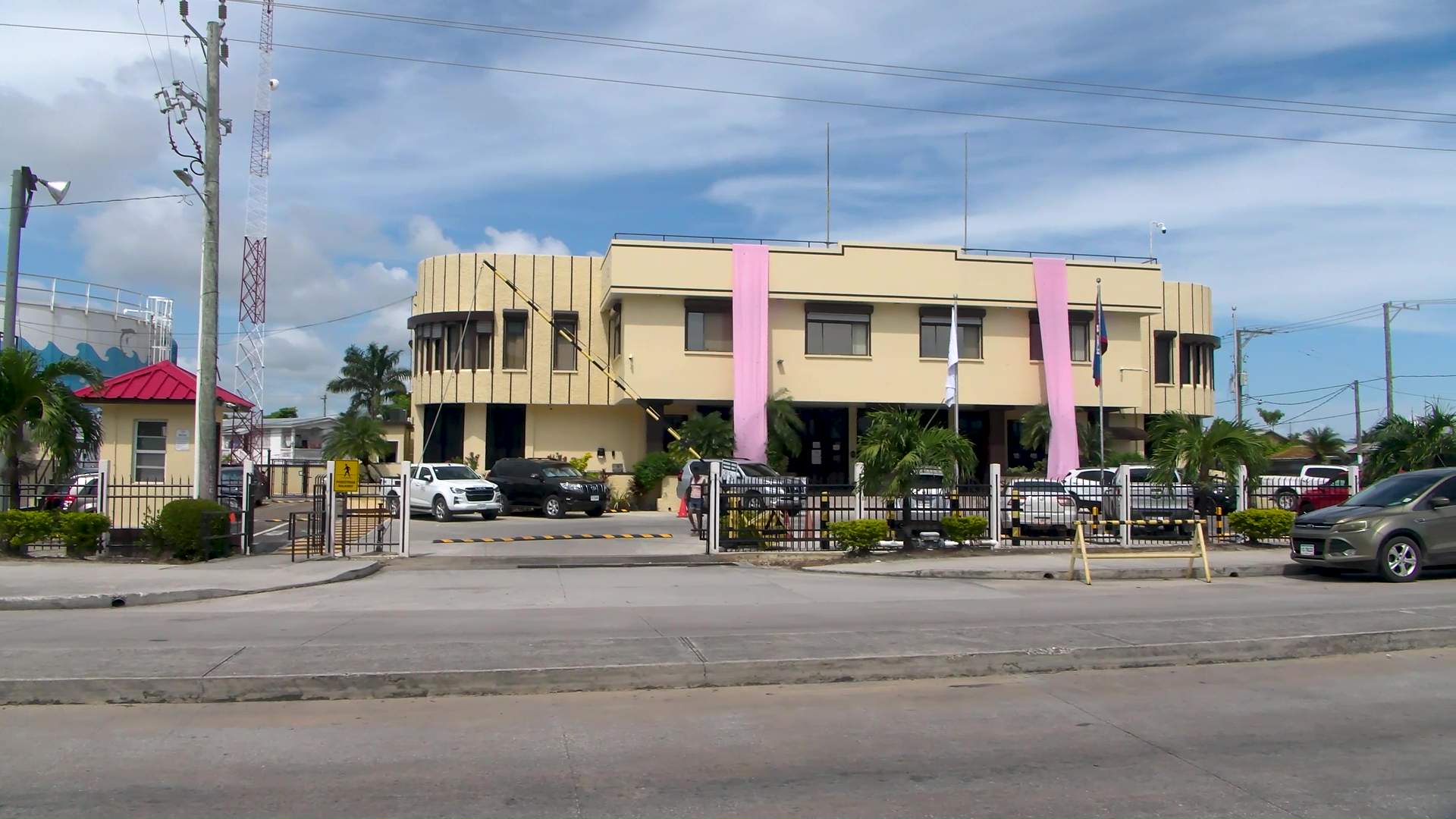
    Opposition Leader Tracy Panton raised substantial concerns regarding the sovereign guarantee attached to the loan motion, highlighting potential contingent liabilities on public funds. ‘What is the current financial position of BWSL?’ Panton questioned during deliberations. ‘How will this new loan facility affect long-term financial sustainability and the rates passed on to consuming public?’

    Representing Belize Rural South, Area Representative Andre Perez passionately defended the project’s magnitude and necessity. ‘Environmentally it is very, very important, long overdue,’ Perez asserted. ‘The contribution of this small community to this country far justifies this investment, particularly regarding tourism industry impacts.’

    The parliamentary session revealed fundamental disagreements about debt allocation mechanisms, with opposition members seeking assurances that Belize Water Services Limited could manage additional debt without transferring financial burdens to ratepayers. Despite consensus on the project’s environmental and social value, the financing structure remains contentious, ensuring further legislative scrutiny before final approval.

  • Belizeans Cautioned of Scams Following Virtual Kidnapping

    Belizeans Cautioned of Scams Following Virtual Kidnapping

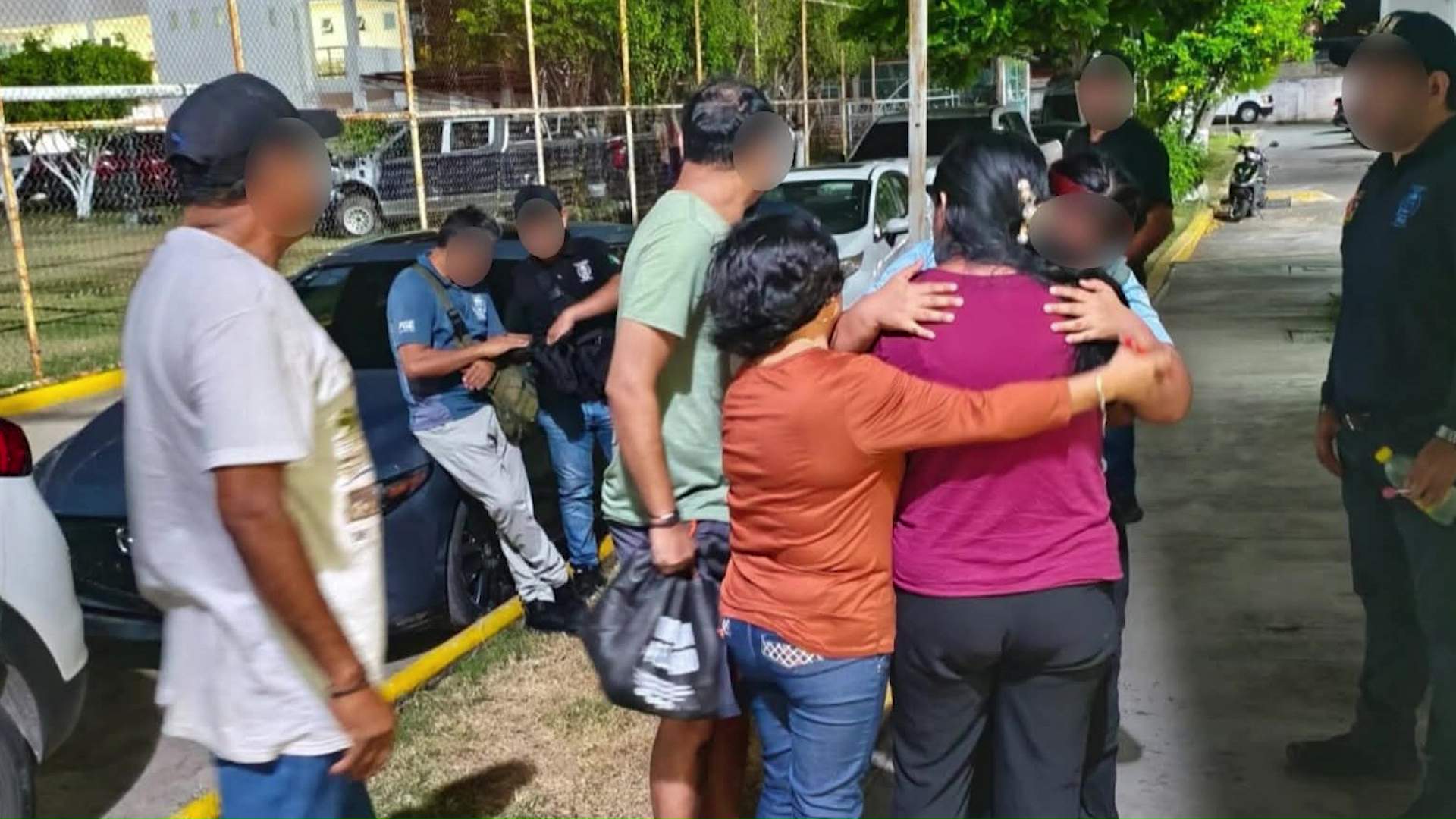
    A sophisticated virtual kidnapping scheme has targeted Belizean citizens in Mexico, leveraging psychological manipulation and digital surveillance to extort thousands of dollars from terrified families. The scam, orchestrated from a detention facility in Tamaulipas according to Mexican authorities, involves criminals cloning phones, monitoring communications in real-time, and coercing victims into producing staged proof-of-life materials.

    In two recent cases, families received harrowing ransom calls claiming cartel kidnappings in Chetumal. The scammers employed a multi-phase psychological operation: first directing victims to public locations to test compliance, then isolating them in hotel rooms while making financial demands. Through simultaneous intimidation of both captives and their families, the perpetrators created an illusion of imminent danger that prompted rapid payment to controlled accounts.

    Belize’s Ambassador to Mexico Oscar Arnold revealed additional targeting patterns, including an elderly woman victimized during a dental visit after her contact information was compromised. The ambassador noted the criminals’ strategic ransom pricing—sufficiently high for profitability but low enough for families to pay quickly.

    In a separate but related incident, Belizean travelers faced vehicle verification challenges in Chetumal when Mexican auto-theft units identified VIN irregularities. While determined to be legitimate investigations rather than extortion attempts, these encounters highlighted cross-border documentation vulnerabilities.

    Authorities advise heightened vigilance regarding unknown callers, cautious handling of personal information during travel, and immediate contact with local law enforcement when threatened. The virtual kidnapping trend demonstrates evolving criminal methodologies that exploit digital tools and transnational travel patterns.