标签: Belize

伯利兹

  • Police Say New Year’s Eve Killing Gang-Related

    Police Say New Year’s Eve Killing Gang-Related

    Belize City authorities have officially classified the fatal shooting of Ian Arthurs on New Year’s Eve as a gang-related incident, despite vehement denials from the victim’s family regarding his alleged gang affiliations.

    According to Assistant Superintendent of Police Stacy Smith, the violent episode unfolded when Arthurs was operating a pickup truck at the intersection of Kraal Road and Faber’s Road. An unidentified assailant on a motorcycle opened fire on the vehicle, resulting in Arthurs’ death and injuring a female passenger identified as Ms. Butler.

    Police investigations have revealed significant contextual evidence linking the homicide to ongoing gang tensions. ASP Smith confirmed that law enforcement is examining potential connections to another shooting incident that occurred on December 29th, suggesting the possibility of retaliatory violence.

    The victim’s background has become a focal point in the investigation. Official records indicate Arthurs had pending litigation regarding alleged gang membership at the time of his death, alongside a prior conviction for possession of a prohibited firearm. These factors, combined with the geographical context of the shooting in a known gang-operating territory, have solidified the police’s classification of the case as gang-related.

    Authorities continue to pursue active investigations into the circumstances surrounding the shooting, examining all possible angles and motivations behind the targeted attack.
  • Police Seek Two Men in Bella Vista Investigation

    Police Seek Two Men in Bella Vista Investigation

    Authorities have launched a public appeal for information regarding two individuals wanted for questioning in connection with an ongoing criminal investigation in Bella Vista. The police are seeking twenty-two-year-old Santos Chirinos and twenty-two-year-old Dixon Caceres, though specific charges have not been formally disclosed.

  • Is the Police Prepared for Possible Gang Retaliation?

    Is the Police Prepared for Possible Gang Retaliation?

    Authorities in Belize’s Old Capital district are implementing intensified security measures amid growing concerns about potential gang-related retaliation following two recent shootings. The situation escalated significantly after the fatal shooting of Ian Arthurs, which occurred shortly after another violent incident on Crawl Road.

    Assistant Superintendent of Police Stacy Smith, serving as Staff Officer, addressed public safety concerns while confirming that investigators are examining possible connections between the two incidents. Although no definitive link has been established between the Arthurs murder and the earlier Crawl Road shooting, police are actively exploring the theory that these events represent escalating tensions between rival gangs operating within a concentrated urban area.

    The police department emphasizes that both operational tactics and community outreach initiatives remain actively deployed to prevent further violence. ASP Smith highlighted the importance of collaborative efforts, stating that while law enforcement maintains intelligence-driven operations and neighborhood policing strategies, residents themselves play a crucial role in de-escalating tensions and ensuring community security.

    Police response times have been described as reasonable, with one individual already apprehended in connection with the recent violence. The department reassures citizens that their safety mandate continues through coordinated interventions, while simultaneously calling for public cooperation in sharing information and helping to reduce existing tensions in the affected neighborhoods.

  • Police Wrap up 2025 with Cocaine Bust in Orange Walk

    Police Wrap up 2025 with Cocaine Bust in Orange Walk

    In a strategic operation marking the final hours of 2025, Belizean law enforcement authorities successfully apprehended a suspected drug trafficker in Orange Walk District. The targeted anti-narcotics mission, executed on December 31st at approximately 9:40 PM, resulted in the arrest of Henry William Cawich, a 36-year-old electrician from Trinidad Village.

    Acting upon verified intelligence reports, specialized police units accompanied by canine support personnel conducted a sanctioned search of the suspect’s residence. The operation yielded substantial evidence: seven transparent bags containing multiple parcels of suspected cocaine, all concealed within a single plastic container. The total confiscated substance weighed twenty-one grams.

    Assistant Superintendent of Police Stacy Smith, Staff Officer overseeing the operation, confirmed that the suspect was present during the search procedure. Following the discovery, Cawich was formally arrested and charged with possession of controlled drugs with intent to supply, a serious criminal offense under Belizean narcotics legislation.

    The year-end operation demonstrates the continued vigilance of Belize’s anti-narcotics units in combating drug trafficking networks. Such coordinated efforts between intelligence divisions and canine units represent ongoing strategies to disrupt the distribution of illicit substances within local communities.

  • Can the Chiquibul Ecosystem Withstand Ecotourism?

    Can the Chiquibul Ecosystem Withstand Ecotourism?

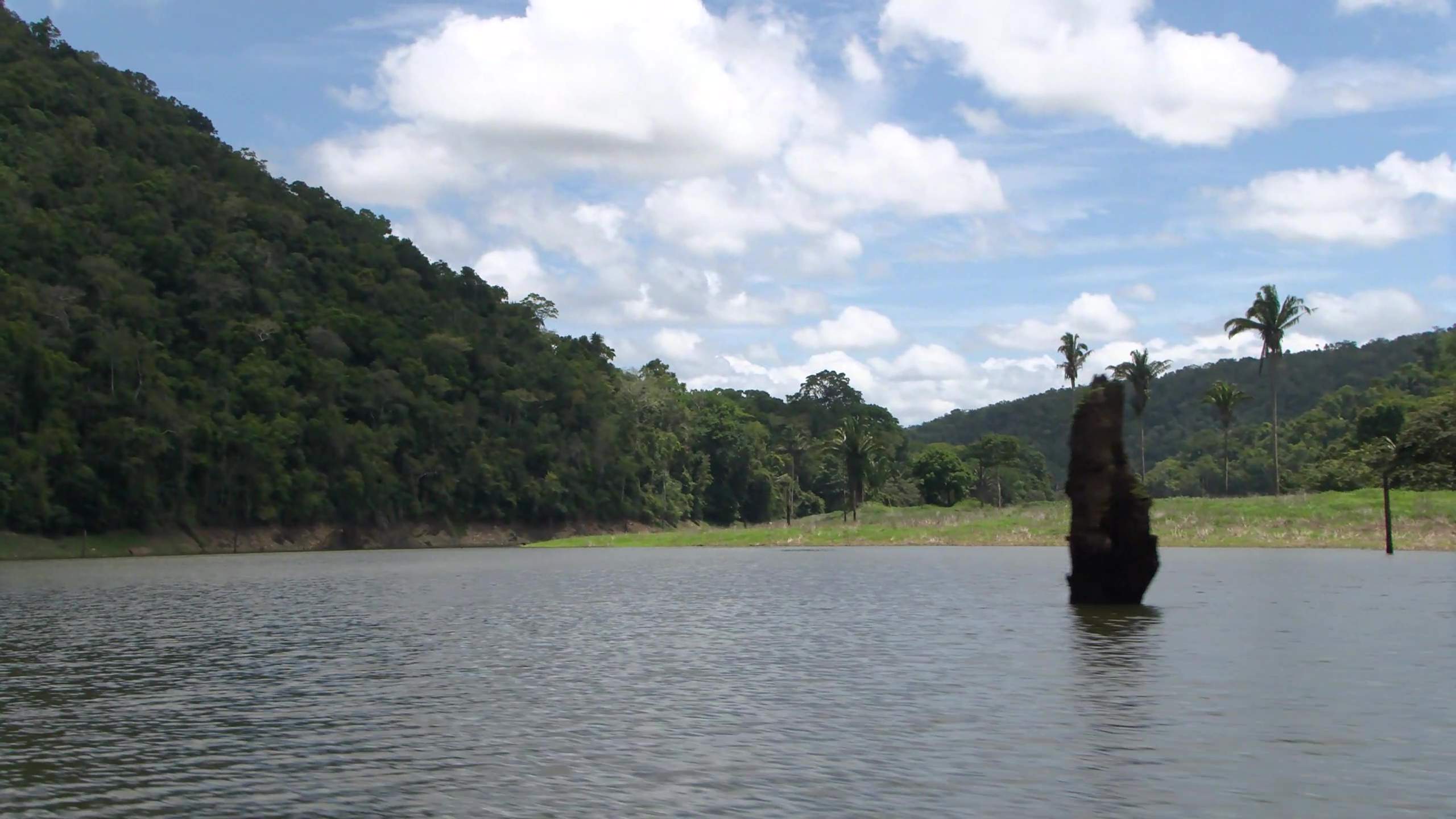
    The pristine wilderness of Belize’s Chiquibul Forest, renowned for its exceptional biodiversity including tapirs, white-tail deer, and scarlet macaws, now stands at a critical juncture. The recent completion of the Caracol Road infrastructure project has opened previously inaccessible areas to development, triggering government review of multiple eco-tourism proposals that could forever alter this fragile ecosystem.

    With international conservation hospitality company Wilderness expressing interest in establishing high-end cabanas and the Belizean government evaluating sustainable development frameworks, stakeholders are grappling with fundamental questions about balancing economic opportunity with environmental preservation. The Chiquibul ecosystem provides 45% of the nation’s water resources and represents significant carbon sequestration value, making conservation priorities particularly urgent.

    Minister of Sustainable Development Orlando Habet acknowledges the delicate balance required: “Certain things would have to be off limits. We need to protect the headwaters and wildlife.” This sentiment echoes concerns raised by conservationists and tourism industry representatives alike, who recognize both the economic potential and environmental risks.

    The previously developed Sustainable Development Plan for the Chiquibul-Mountain-Pine Ridge-Caracol complex, created in 2020, now requires urgent updating and implementation. Senator Janelle Chanona emphasizes the need for “a multi-stakeholder governance body” to ensure all Belizeans benefit from development rather than only “the connected few.”

    As proposals undergo scrutiny, the fundamental question remains whether Belize can establish a model for truly sustainable tourism that protects watersheds, wildlife habitats, and cultural heritage while creating economic opportunities. The decisions made in coming months will determine whether the Chiquibul becomes a global conservation success story or another case study in ecological compromise.

  • What Happened to the Chiquibul Sustainable Development Plan?

    What Happened to the Chiquibul Sustainable Development Plan?

    A critical examination of Belize’s Chiquibul-Mountain Pine Ridge-Caracol complex reveals growing concerns over the absence of an updated sustainable development framework. Originally established during the Barrow Administration, a comprehensive 15-year plan was designed to balance economic advancement with environmental preservation in this ecologically sensitive region.

    Rafael Manzanero, Executive Director of Friends for Conservation and Development (FCD), emphasizes the dramatic transformation occurring within the landscape. “It is changing,” Manzanero states. “The area is no longer secluded or hidden away. It has become significantly more accessible, heightening the urgency for implementing sustainable development protocols.” He advocates for revisiting and modifying the original sustainable tourism development model conceived a decade ago, particularly emphasizing the importance of the Western Maya Mountains region.

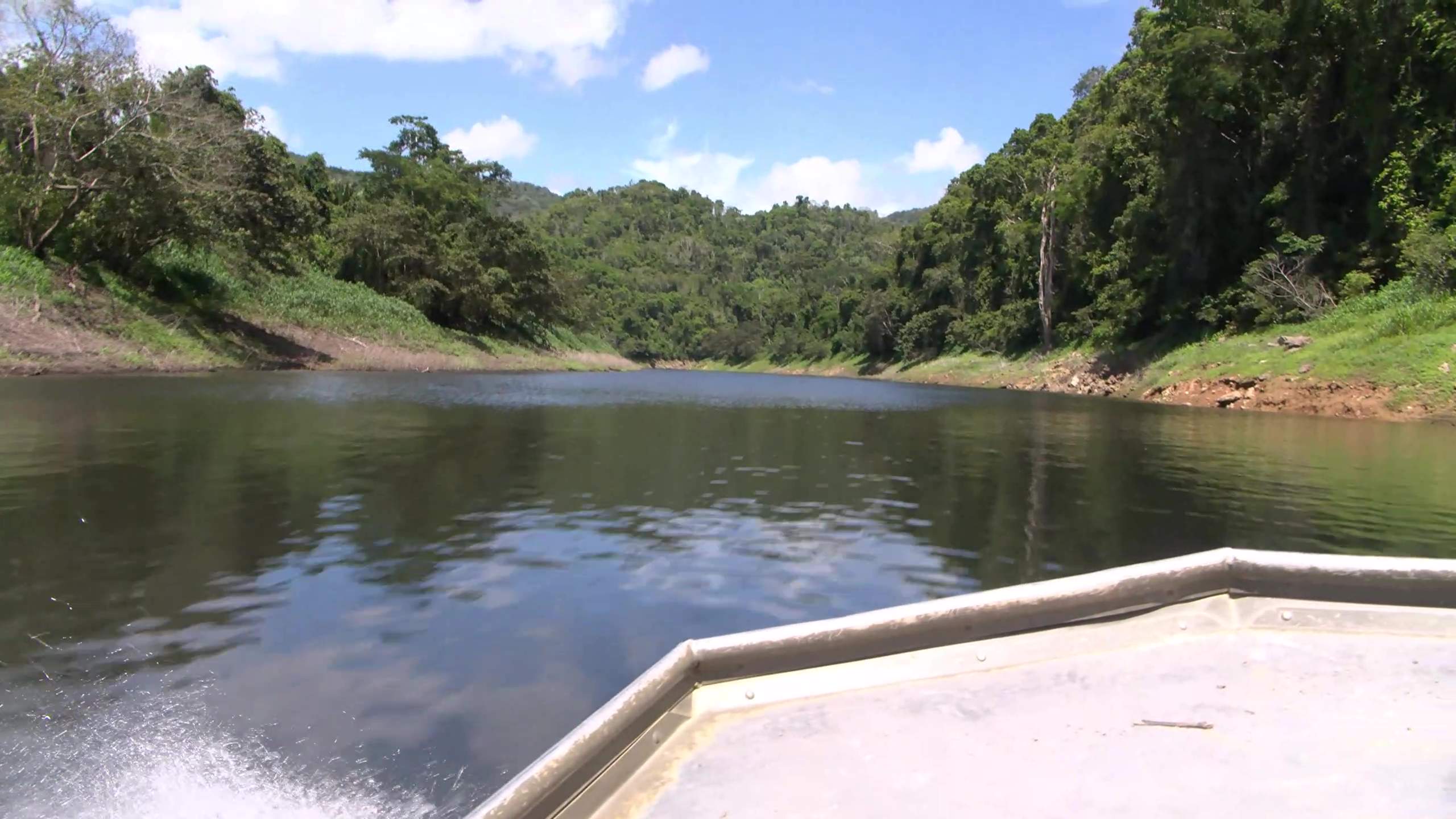
    Echoing these concerns, Orlando Habet, Minister of Sustainable Development, acknowledges the critical importance of the Chiquibul area’s resources. “We must reexamine this,” Habet emphasizes, highlighting that approximately forty percent of Belize’s population receives water originating from the Chiquibul watershed. The minister further notes the additional significance of the region’s dam infrastructure in national water supply systems.

    Both experts concur that without immediate attention to sustainable development pillars, increased accessibility could accelerate environmental degradation rather than foster responsible growth. The original plan’s vision of creating a model for sustainable tourism development remains achievable, according to Manzanero, but requires governmental commitment and updated strategies to address the transformed landscape realities.

  • GOB Moves to Establish Macaw Sanctuary in Red Bank

    GOB Moves to Establish Macaw Sanctuary in Red Bank

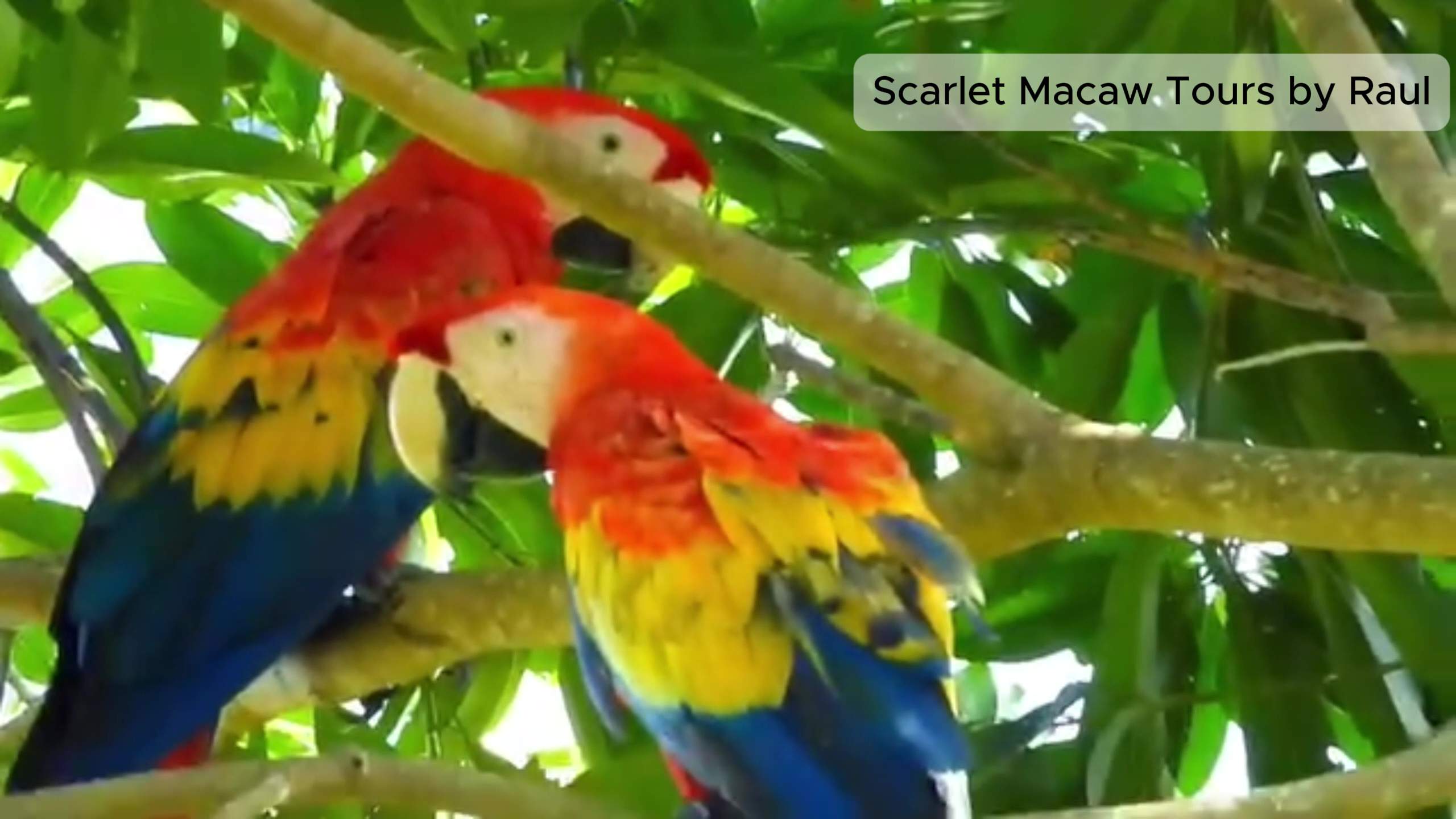
    The Government of Belize, under the Briceño Administration, is advancing decisively toward the formal establishment of a dedicated sanctuary for the protection of scarlet macaws in the vicinity of Red Bank Village. This significant environmental initiative follows an extensive series of consultations with local residents, private landowners, and tourism operators, marking a critical step in a multi-year governmental effort.

    Orlando Habet, the Minister of Sustainable Development, provided detailed insight into the process, confirming that Cabinet-level discussions on the proposal were initiated several years ago. The primary objective has been to secure and preserve vital nesting and feeding grounds for the macaw population along the local river ecosystems.

    The progression of the project has been deliberately measured, a pace largely attributable to the complex land ownership structure within the targeted region. A substantial portion of the land is held under private ownership and is actively utilized for agricultural purposes by inhabitants of Red Bank and neighboring Mennonite settlements.

    Minister Habet reported that a breakthrough has been achieved with the identification and precise mapping of a specific area proposed for sanctuary status. However, he acknowledged logistical ‘glitches’ that require resolution, notably involving the reassignment of recently issued private land titles. Collaboration is underway with the Ministry of Natural Resources to facilitate the potential cancellation of these titles and the relocation of affected individuals to alternative sites.

    A key consideration in the planning has been balancing strict conservation with socio-economic needs. Recognizing that many in Red Bank depend economically on macaw-related tourism, the government is opting to designate the area as a ‘Wildlife Sanctuary II’ rather than a more restrictive category. This classification will legally permit controlled tourist activities, thereby allowing local guides to continue their livelihoods while ensuring the macaws’ habitat is officially protected from more disruptive development.

  • Protected Area Planned to Safeguard Red Bank Macaws

    Protected Area Planned to Safeguard Red Bank Macaws

    The Belizean government is advancing plans to establish a protected sanctuary for the Red Bank macaws, though the proposal has generated divided opinions among local stakeholders. Orlando Habet, Minister of Sustainable Development, Climate Change, and Disaster Risk Management, confirmed that community consultations have revealed significant concerns about equitable benefit distribution from tourism operations.

    Minister Habet identified the area as ecologically sensitive, emphasizing the need to prevent further land distribution in the vicinity. The government intends to engage with Mennonite farming communities whose agricultural activities have encroached dangerously close to critical river habitats. Additionally, officials will negotiate with private landowners to potentially incorporate portions of their properties into the sanctuary system.

    Local residents have expressed skepticism about direct benefits, particularly questioning why tour operators profiting from macaw-viewing tours contribute minimally to village development. In response, government representatives proposed multiple community-based economic opportunities including handicraft production, small-scale food service establishments, and formal financial agreements with tour operators.

    The ministry is considering implementing an entrance fee system managed through the Protected Areas Conservation Trust (PACT), which would fund both conservation efforts and village development projects. Revenue could support infrastructure improvements such as community center upgrades while ensuring sustainable tourism practices. Minister Habet acknowledged that while village councils seek tangible benefits, tour operators remain cautious about new financial arrangements, creating complex negotiations that must balance conservation priorities with community economic needs.

  • Ocean Academy Ready to Build But Waiting on Government Approval

    Ocean Academy Ready to Build But Waiting on Government Approval

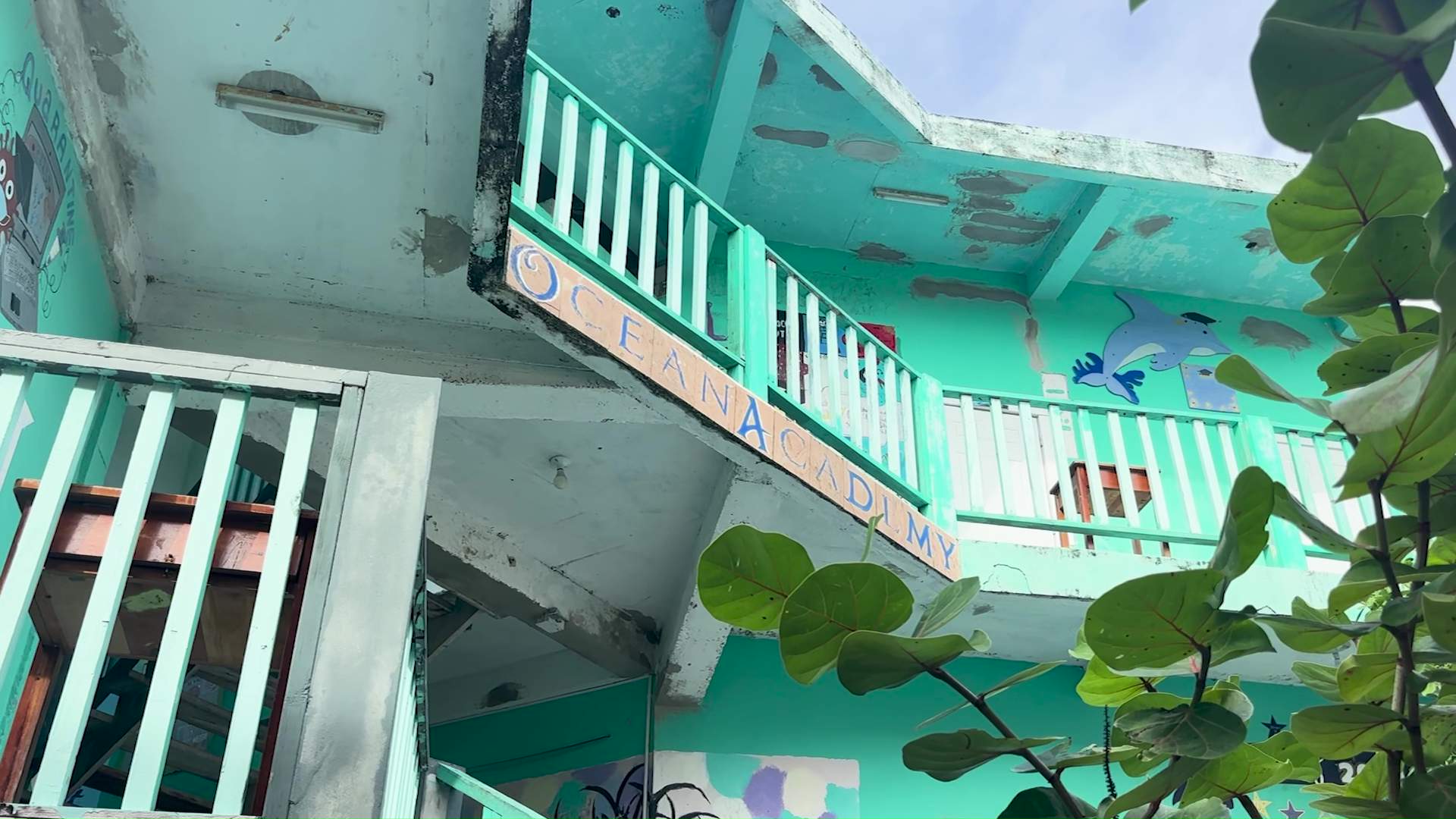
    The only secondary education institution on Caye Caulker island faces an unprecedented crisis as Ocean Academy remains shuttered due to hazardous environmental conditions and bureaucratic delays. Following November health inspections that identified severe flooding, mold proliferation, and mosquito infestations, administrators were compelled to suspend in-person instruction indefinitely.

    Nearly twenty students currently attend makeshift classes above local establishments including ‘The Magic Grill,’ where they balance notebooks on their laps amid stacked, unused chairs. This temporary arrangement implements a hybrid learning model that rotates between digital instruction and borrowed spaces throughout the community.

    Despite raising $60,000 through community efforts and accumulating over 2,000 cinder blocks for foundation work, construction of the school’s first permanent classroom remains paralyzed awaiting government authorization. The frustration among parents and educators has reached critical levels as promises of a new campus—initially funded through a 2015 Caribbean Development Bank loan of $70 million—have remained unfulfilled for five years.

    Area Representative Andre Perez claims no formal approaches have been made regarding construction approvals, stating willingness to collaborate while denying any administrative obstruction. Conversely, former Education Minister Patrick Faber attributes the project’s stagnation to governmental transition, suggesting the current administration abandoned previously established development plans.

    Village Council Chairlady Seleny Villanueva-Pott reports complete breakdown in communication with education ministry officials, leaving the community without clarity regarding timeline or implementation strategies. Principal Noemi Zaiden emphasizes the psychological and educational necessity of providing students with a stable learning environment, particularly following the Christmas break.

    Representative Perez has announced plans for an ‘authentic’ groundbreaking ceremony with construction commencement projected for May, though community stakeholders remain skeptical given the history of unfulfilled commitments. The situation represents a critical test of educational infrastructure development in Belize’s offshore communities.

  • Baby ‘Chosen’ Enters the World on New Year’s Day

    Baby ‘Chosen’ Enters the World on New Year’s Day

    The dawn of 2026 brought a unique celebration to Belize as the Karl Heusner Memorial Hospital (KHMH) welcomed its first newborn of the year. At precisely 2:03 PM on January 1st, Cliffarah Ramos, a 27-year-old resident of Belize City, gave birth to a healthy baby girl weighing 7 pounds 5 ounces, named Chosen.

    The birth holds special significance for Ramos’s family as Chosen represents the first female born into their lineage in thirteen years. In an exclusive interview, the first-time mother expressed overwhelming joy and relief, stating, “I am just happy that my baby came healthy, strong, and we are both okay. By the grace of God.”

    The name ‘Chosen’ was a predetermined decision by Ramos, who explained, “From ever since, even if it was a boy or a girl, I said my baby’s name would be Chosen. I just love the name.”

    Medical officer Dr. Mikael Gilharry detailed the delivery process, noting that after Ramos arrived at the hospital at 6 AM already dilated to 3 centimeters, the medical team determined she wasn’t progressing further despite intense labor pains. An emergency cesarean section was performed successfully without complications.

    Ramos praised the KHMH medical staff for creating a comforting environment during her solitary delivery experience: “Every worker, doctor and nurse that dealt with me was so sweet… They made me feel comfortable.”

    In a decades-long tradition, Santiago Castillo Limited celebrated the milestone by committing to supply diapers and wipes for Chosen’s first hundred days. Marketing Manager Aisha Trapp announced the company would extend this gesture to identify and gift the first babies born in other public hospitals nationwide.

    While Chosen was the sole newborn at KHMH on New Year’s Day, arriving four days ahead of schedule, the hospital’s quiet maternity ward contrasted with Belize Medical Associates where baby Melissa Majano was born on December 30th, symbolizing the continuous cycle of new life entering the world.