标签: Barbados

巴巴多斯

  • New linear accelerator brings ‘world-class cancer care’ to QEH

    New linear accelerator brings ‘world-class cancer care’ to QEH

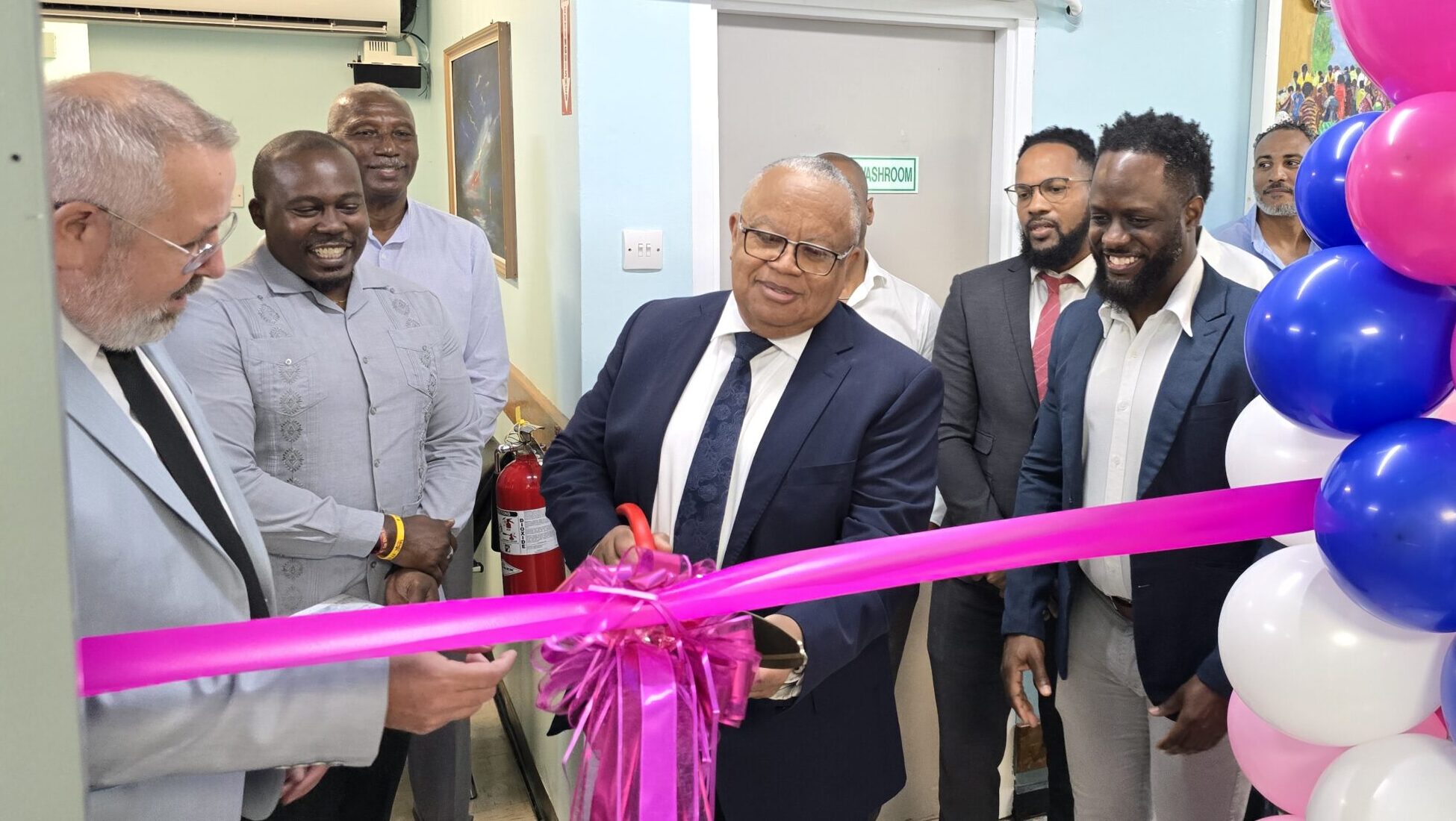
    Barbados has entered a transformative phase in oncology treatment with the operational launch of Queen Elizabeth Hospital’s state-of-the-art Halcyon 4.0 Linear Accelerator (LINAC), marking a significant advancement in the Caribbean’s healthcare landscape. The $10 million radiation therapy system, inaugurated Tuesday, represents the initial step in what Health Minister Senator Jerome Walcott describes as “the transformation of Barbados’ healthcare” system.

    The cutting-edge technology arrives as Barbados confronts a substantial public health challenge: non-communicable diseases and cancer account for approximately 80% of adult deaths, with cancer specifically responsible for 25% of mortality. The system specifically targets prostate, breast, and colon cancers that disproportionately affect the population.

    Medical Physicist Corey Drakes explained the technological breakthrough: “The Halcyon LINAC introduces high-quality CBCT imaging for precise tumor localization. Through intensity-modulated radiation therapy, we can precisely conform radiation to lesions while preserving surrounding healthy tissues, significantly enhancing safety protocols for both patients and medical staff.”

    For patients, this translates to multiple benefits: radiation beams can be shaped more accurately around cancerous areas, minimizing exposure to healthy organs and skin. Treatment sessions become shorter and more comfortable, with reduced side effects. Crucially, patients can now receive world-class radiotherapy without leaving Barbados, remaining close to family support systems during treatment.

    QEH Chief Executive Officer Neil Clarke reported immediate practical benefits, including a dramatic reduction in waiting times for initial oncology consultations from 140 days to under 30 days. “This is life-saving,” Clarke emphasized, noting that six patients have already received treatment through the new system, with plans to address a backlog of over 100 cases within six months.

    The installation positions Barbados as a regional leader in cancer care, with capacity to support Caribbean collaboration, training, and standardized high-quality treatment. Drakes, who underwent specialized training in Washington alongside a radiation therapist, credited the achievement to international partnerships including the International Atomic Energy Agency, Varian Medical Systems, Global Medica, and Washington University Hospital.

    With approximately 150 patients currently dependent on radiotherapy at QEH and ten new cases monthly, the Halcyon system represents both a medical and symbolic victory. As Drakes concluded: “This is a celebration of patients and their courage. Today we begin a new chapter of precision, compassion, and innovation.”

  • Aidan clinches victory at Ellerslie’s Second Annual All‑Boys Speech Competition

    Aidan clinches victory at Ellerslie’s Second Annual All‑Boys Speech Competition

    In a remarkable display of oratorical prowess, sixteen-year-old boxing enthusiast Aidan Callender delivered a speech so powerful it earned him top honors at Ellerslie School’s Second Annual All-Boys Speech Competition on Tuesday. The event, themed ‘Beyond Words,’ witnessed Callender’s gripping performance that seamlessly blended pugilistic metaphors with personal vulnerability, ultimately securing him both the championship title and the Principal’s Award for Most Impactful Speech.

    The competition represented phase two of the Mr Executive and Business Challenge, an institutional initiative designed to foster discipline, confidence, and mentorship among male students. Six contenders participated in the contest, each receiving guidance from members of the school’s executive team as mentors.

    Last year’s champion, Tejare Forde—now deputy head boy—set the tone with an inspirational preamble emphasizing connection over perfection. Forde, who leveraged his own victory into a third-place finish at the National Optimist Oratorical Competition, reminded participants: ‘When a boy is given a platform, he can arise, and when he is given guidance, he can soar.’

    Callender embodied this philosophy through a narrative rich with boxing imagery and candid self-reflection. He opened with the arresting line: ‘Life doesn’t ask permission before it punches you in the face,’ immediately capturing the audience’s attention. He recounted early failures with humor—’To be honest, I failed miserably’—before pivoting to a defiant response to criticism: ‘Perhaps I do talk too much… but because I was never meant to stay quiet.’

    His climactic conclusion—’Stand tall, wear your gloves, and remind the world the fight is not over yet’—prompted a standing ovation and an emotional embrace from his mentor, Mr. Rollins.

    Elias Duncan claimed second place and the Deputy Principal’s Award for Most Memorable Speech, while Kamar Maynard took third with a message centered on perseverance and ambition. Shawn Clarke, deputy chair of the board of management, presented participation certificates and commended the contestants for their courage and eloquence.

    Now in its second year, the competition has evolved into a cornerstone event at Ellerslie School, attracting eager audiences and reinforcing a culture of leadership and self-expression. As the newly crowned champion, Callender will advance as the school’s representative in the Mr Executive Gentleman and Business Challenge, extending the impact of his victory well beyond the auditorium.

  • Govt to reform expungement law, allowing ‘clean slate’ after 15 years

    Govt to reform expungement law, allowing ‘clean slate’ after 15 years

    The Barbadian government has unveiled sweeping reforms to its criminal rehabilitation system, introducing legislation that would permit offenders who have remained crime-free for 15 years to have their convictions expunged—regardless of their original sentence length. Attorney General Dale Marshall presented the Criminal Records (Rehabilitation of Offenders) (Amendment) Bill in Parliament on Tuesday, marking a significant shift in the nation’s approach to criminal justice and societal reintegration.

    The proposed framework establishes tiered rehabilitation periods: one year for non-custodial sentences, five years for prison terms of 1-5 years, ten years for sentences of 5-7 years, and a uniform 15-year threshold for all lengthier incarcerations. This revolutionary approach means even individuals who served decades in prison could qualify for record clearance after maintaining a clean record for 15 years post-release.

    However, the legislation maintains permanent ineligibility for severe crimes including murder, rape, treason, child exploitation offenses, terrorism-related acts, and firearms violations. Attorney General Marshall emphatically stated: “Our capacity for forgiveness does not run that far when it comes to firearm offenses. We must send a clear message about the seriousness of these crimes.”

    The proposed bill will undergo extensive public consultation through the Select Committee on Governance and Social Policy. Marshall emphasized this participatory approach: “We recognize that Parliament must engage in sensible dialogue with our citizens on transformative legislation of this nature.”

    Since initial reforms took effect in 2021, the system has processed 246 expungement applications, with 136 approved, 73 deferred due to documentation issues, and 22 denied. Marshall expressed particular concern about employment barriers faced by rehabilitated individuals, noting historical limitations that confined them to casual labor positions regardless of their rehabilitation efforts.

    The Attorney General clarified that the system offers no second chances for repeat offenders: “If the state provides this mechanism and you reoffend, you cannot return seeking the same generosity.” The government’s position is that sustained law-abiding behavior represents the primary evidence of rehabilitation when no objective measurement exists.

  • Education officials push for stronger monitoring of healthy foods in schools

    Education officials push for stronger monitoring of healthy foods in schools

    Barbados education authorities have launched a reinforced initiative to ensure healthier eating environments in schools, framing it as a critical national priority for student development. The urgency was emphasized during a two-day capacity building workshop at Erdiston Teachers’ Training College, organized by the Ministry of Education to strengthen implementation of the National School Nutrition Policy.

    Deputy Chief Education Officer Julia Beckles delivered a direct appeal to canteen operators and food vendors operating within school precincts, urging sustained commitment to providing nutritious alternatives. “I especially trust that you will do so as a matter of your own attitude to health, to the health and well-being of our children,” Beckles stated, characterizing healthy school environments as requiring “an all of Barbados approach” with multi-sectoral collaboration.

    The official grounded the initiative in international child rights frameworks, specifically referencing Article 24 of the Convention on the Rights of Child which guarantees children’s right to protective care and healthy spaces. Beckles expanded the concept of school environment to include not just school premises but also the routes children take to school, indicating a comprehensive approach to student wellbeing.

    Health concerns provided the pressing context for the initiative, with officials highlighting Barbados’ alarming rates of non-communicable diseases (NCDs) and emerging diabetes cases among school-aged children. Deputy Nutrition Officer Brian Payne identified cultural practices as significant challenges, noting that unhealthy dietary habits are often deeply embedded in traditional celebrations and daily life.

    The policy adopts a holistic ‘whole-school approach’ that encompasses students, teachers, administrators, and the entire school food environment. Payne explained that the strategy aims to transform both food options and physical activity environments while providing necessary support systems for educational staff. Officials emphasized that maintaining vigilance against reverting to old practices remains the primary implementation challenge, making ongoing training and awareness essential for sustainable change.

  • Minister to ‘lead’ compliance checks of vendors outside school gates

    Minister to ‘lead’ compliance checks of vendors outside school gates

    Barbados is launching a nationwide initiative to address childhood obesity by regulating food and beverage sales near school premises. Education Minister Chad Blackman announced he will personally lead inspections of vendors operating outside school gates to ensure compliance with nutritional standards.

    The minister characterized the initiative as a critical public health intervention amid what he described as a non-communicable disease endemic on the island. Rather than employing punitive measures, the government will emphasize dialogue and reasoning with vendors while maintaining a firm stance on selling only nutritious items to students.

    Blackman highlighted the contradiction between existing school nutrition policies that govern food sold inside school compounds and the unregulated sales occurring just meters away from classroom entrances. The 2023 School Nutrition Policy, designed to limit sugary drinks and unhealthy snacks on school premises, has been undermined by vendors operating outside school fences who aren’t bound by the same standards.

    The minister stressed that this effort represents a ‘whole of country’ approach to creating healthier eating environments for children. While acknowledging the important role vendors play in the community, Blackman emphasized their responsibility to sell nutritious options, stating that ‘to whom much is given, much is expected.’

    Blackman revealed his unconventional methodology, which will involve personally driving around the country to conduct face-to-face assessments with his officers. The approach will balance firmness with fairness, focusing on education and conversation rather than immediate penalties for non-compliance.

    The minister also addressed economic concerns regarding healthier options, framing the crisis as a potential business opportunity for entrepreneurs to develop affordable, nutritious alternatives. This initiative forms part of a broader commitment made with the Heart and Stroke Foundation to cultivate a healthier generation of Barbadians.

  • Why Barbados cannot slip on vaccines

    Why Barbados cannot slip on vaccines

    The Americas, including Barbados, has relinquished its hard-won measles-free certification, triggering urgent public health warnings from the Ministry of Health and Wellness. This reversal stems from resurgent outbreaks in Canada—a primary tourism source for the Caribbean—highlighting how interconnected global travel networks facilitate disease transmission. Chief Medical Officer Dr. Kenneth George emphasized that heightened mobility directly elevates Barbados’ exposure to imported cases.

    Compounding the threat, vaccine misinformation proliferates through digital and social channels, ranging from unintentional misunderstandings to deliberately misleading claims. Notably, skepticism has been amplified by influential figures, including new leadership at the U.S. CDC with a history of vaccine hesitancy. Such misinformation risks delaying or avoiding vaccinations, undermining herd immunity.

    Measles remains a severe and highly contagious disease capable of causing pneumonia, encephalitis, and death. Infected individuals can transmit the virus for days before symptom onset, making containment challenging. Children under five are most vulnerable, though all age groups face risks.

    The proven solution remains the MMR vaccine, administered at 12 and 18 months, which provides 97% lifelong protection. Barbados’ historically robust immunization infrastructure offers a foundation for defense, but sustained success requires public cooperation. Health authorities urge citizens to consult medical professionals—not unverified online sources—and ensure timely vaccinations. Protecting vulnerable populations, including young children and those with chronic conditions, depends on collective adherence to science-based prevention.

  • Violent start to yuletide season

    Violent start to yuletide season

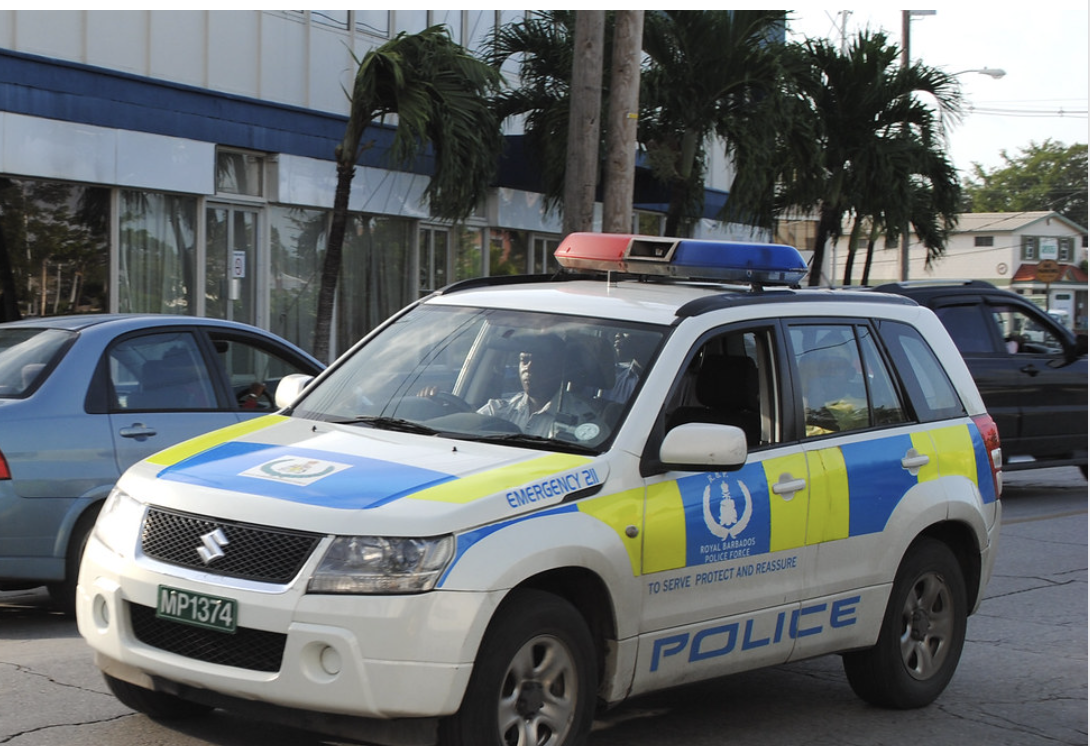
    The festive atmosphere in Christ Church, Barbados was shattered by violence on Monday evening as two separate shooting incidents occurred within a three-hour timeframe, leaving two victims hospitalized at Queen Elizabeth Hospital (QEH).

    According to police reports, the first attack unfolded at approximately 7:30 p.m. in the Gall Hill area. An unidentified motorist was traveling along the roadway when an assailant opened fire on his vehicle. The wounded driver managed to transport himself to QEH via private vehicle, where he currently remains under medical supervision.

    At around 10:30 p.m., a second violent encounter occurred when a local catamaran owner was confronted at gunpoint within his own residence. Investigations reveal that the perpetrator discharged multiple rounds, striking the homeowner before fleeing the scene. Emergency responders transported the gunshot victim to QEH by automobile for urgent treatment.

    Barbados law enforcement authorities have confirmed that active investigations into both shootings are ongoing, though no suspects have been publicly identified nor motives established.

    A colleague of the catamaran owner, speaking anonymously on Tuesday, provided a medical update: ‘He’s stable but requires surgery today for two gunshot wounds—one to the chest and another to the face. Remarkably, he remained coherent throughout the ordeal, even providing essential operational information during transportation to the hospital. We maintain positive expectations for his full recovery.’

    The victim himself reflected on the psychological impact and security implications of the attack. ‘Assailants strike when you’re most vulnerable—when your guard is down. This reality necessitates constant vigilance, not just for business professionals but all citizens. Even within your own home, traditionally considered a safe haven, situational awareness remains critical.’

    The traumatic experience has prompted the businessman to comprehensively reassess security protocols for his commercial operations and rental properties. ‘This incident forces me to reexamine how I protect myself, my business, my guests, and most importantly, my family. My priority now is implementing enhanced security measures for everyone under my protection.’

  • Paw-paw revival ‘could cut imports’ — agriculture officials

    Paw-paw revival ‘could cut imports’ — agriculture officials

    Barbados stands on the brink of a potential agricultural transformation that could dramatically reduce its dependence on imported papaya within the coming years. This optimistic outlook emerges from groundbreaking research into disease-tolerant papaya varieties and innovative integrated pest-management techniques currently undergoing validation in local trials, according to senior agricultural officials.

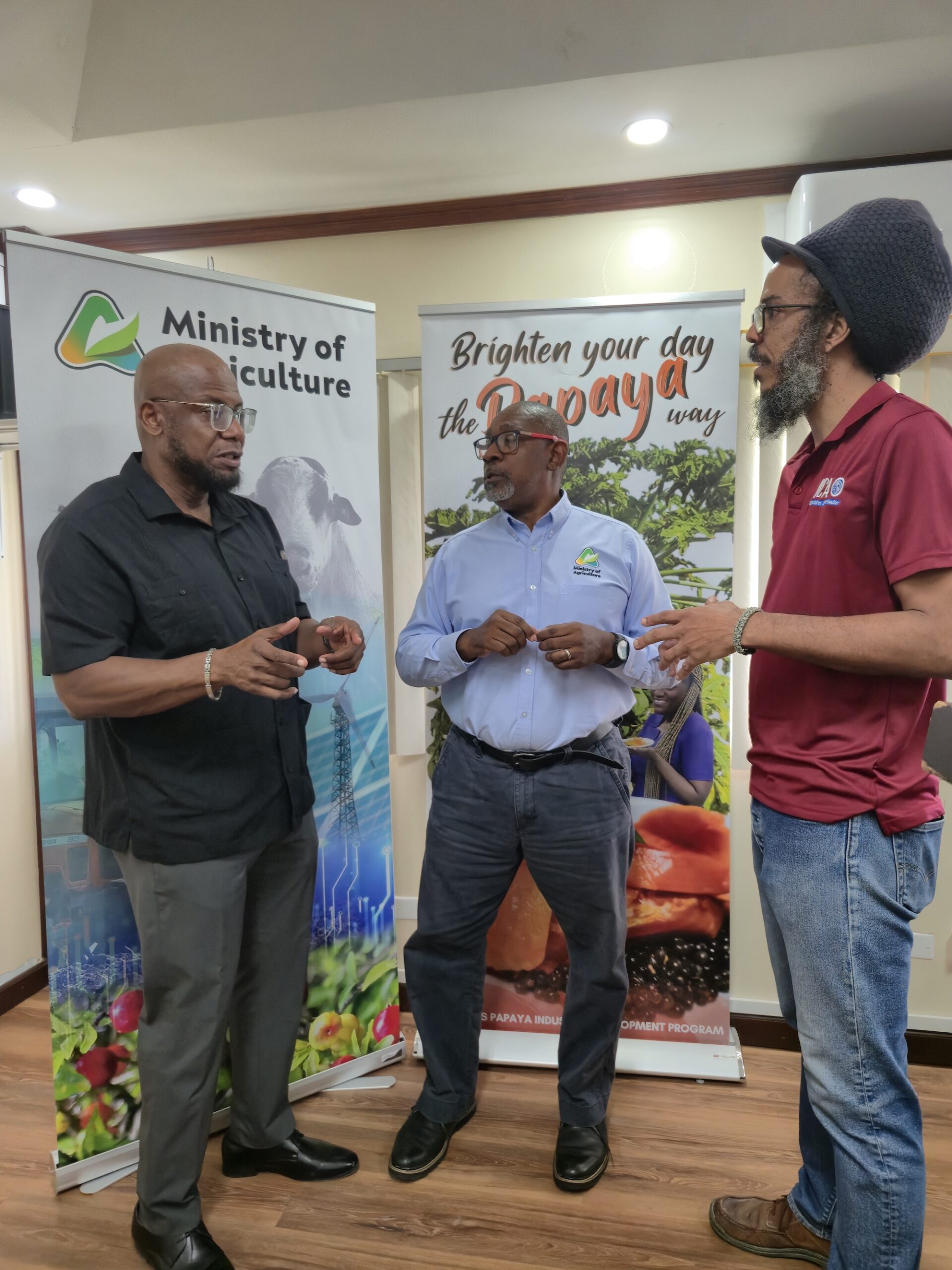
    Acting Chief Agricultural Officer Michael James disclosed these significant developments to Barbados TODAY during the inauguration of a specialized workshop focused on papaya nutrition and pest management. The initiative represents a collaborative effort involving the Ministry of Agriculture, local farmers, the University of the West Indies (UWI), the Caribbean Agricultural Research and Development Institute (CARDI), and the Inter-American Institute for Cooperation on Agriculture (IICA), working in partnership with major agricultural input suppliers.

    The research specifically targets the devastating bunchy top disease that decimated Barbados’s once-thriving papaya industry. Unlike sudden agricultural collapses, the decline of papaya cultivation occurred gradually over decades. Barbados previously maintained commercial-scale papaya production, particularly during the 1970s and early 1980s, before the viral disease obliterated most orchards.

    By 2024, national production had deteriorated to such an extent that the island nation became heavily reliant on imports to satisfy domestic demand. This concerning dependency has catalyzed a renewed governmental and institutional push to revitalize papaya cultivation as an integral component of Barbados’s broader food security strategy.

    James explained the scientific challenge: “The major problem with the papaya industry in Barbados is bunchy top. It is a disease vectored by an insect, and the causal agent is, at this present time that we know, a bacterium, a fastidious bacterium.”

    The ministry initiated an extensive research project several years ago after agricultural scientists observed that certain trees demonstrated unexpected tolerance to the disease. “The whole idea was to get some of those seeds, get some other seeds that are around, and see how well they perform,” James elaborated. “You would like to get resistance… but really and truly we’re looking for tolerance, that it can tolerate the disease but still give you production.”

    Researchers have evaluated at least ten different varieties to date, with “one or two” demonstrating particularly promising tolerance levels. However, the most remarkable outcomes emerged when trials incorporated comprehensive integrated pest-management practices alongside the tolerant varieties.

    “They eventually can know the bunchy top,” James noted, “but you still managed to get some good yields, which is important… better than having to grow the crop and it coming down with the bunchy top and you’re not getting as much yield.”

    Both ministry experimental plots and participating farmers conducting off-site trials have successfully produced marketable yields using these integrated methods. The primary challenge now lies in achieving widespread farmer adoption of these techniques.

    James addressed the economic realities: “It can only do that if you have greater uptake with farmers. Farmers are in it to make a profit… so I think this workshop will go somewhere in assuaging those fears by saying: ‘Yes, we think if you follow this prescription, you can get yields that can give you a profit.’”

    While acknowledging that papaya cultivation with these new methods demands more intensive management than other crops—requiring meticulous attention to nutrition, field conditions, and pest control—James emphasized that the potential returns justify the additional effort.

    “It is worth it,” he asserted, referencing planning unit data indicating that Barbados imported approximately 44,000 to 47,000 kilograms of papaya last year—equivalent to an entire acre’s yield. “We don’t have to import it, or we might reduce the imports, if you get persons more interested.”

    The crop’s exceptional nutritional profile and culinary versatility further strengthen the argument for industry expansion. “It can be used as a fruit; it can be used as a vegetable,” James highlighted.

    Allister Glean, IICA Representative, appealed directly to Barbadians to support the agricultural revival through conscious consumption choices. “How many of you all are deciding, ‘I am going to eat papaya?’” he challenged attendees during the opening ceremony. “We talk about food security… but if we really want to be independent, then we have to consider food security as a key tenet to that overall independence.”

    Glean outlined the committee’s objective to “resuscitate the industry” and encourage both agricultural producers and consumers to embrace locally grown papaya as part of a national effort to reduce dependency on imported fruits.

    “We need a cadre… a troop… a platoon of farmers who are willing to carry along the cause,” he stated, applauding participants. “This information is what will lead to transformation. Knowledge equates to power.”

    The two-day workshop convenes researchers, farmers, agronomists, extension officers, and regional agencies in a coordinated effort to stabilize production and reestablish papaya as a viable commercial agricultural option for Barbados.

  • Surge in Christmas food imports ‘possible’ after floods

    Surge in Christmas food imports ‘possible’ after floods

    Barbados confronts potential disruptions to its Christmas food supply chain following recent flash floods that severely impacted agricultural production just weeks before the critical holiday harvest period. According to Tuesday’s statements from the Ministry of Agriculture, the extent of crop damage remains unquantified as field assessments continue across the island nation.

    Acting Chief Agricultural Officer Michael James provided cautious insights to Barbados TODAY, indicating that while some farming operations experienced significant setbacks from the flooding, others emerged relatively unscathed. The destructive waters particularly affected vulnerable vegetable crops including cucumbers, peppers, tomatoes, and young seedlings, while root vegetables such as sweet potatoes and yams demonstrated greater resilience due to their underground growth patterns.

    The ministry emphasized that any predictions regarding import requirements remain premature until comprehensive data collection concludes. Agricultural officers have been conducting intensive field evaluations over multiple weeks to accurately determine production losses. James specifically noted that farmers typically increase planting in anticipation of heightened Christmas demand, suggesting that some market supplies might remain available despite the natural disaster.

    Beyond production concerns, authorities highlighted heightened regulatory vigilance during the holiday season. James issued stern warnings against unauthorized food imports, emphasizing that all fresh fruits, vegetables, and meat products must comply with Barbados’ strict import permit and certification requirements. These measures protect against potential plant and animal health threats that could accompany uncontrolled food imports.

    The ministry anticipates providing definitive guidance once final assessment data becomes available, urging both consumers and importers to adhere strictly to national food safety protocols during this period of agricultural uncertainty.

  • Govt renews papaya revival push as disease pressures linger

    Govt renews papaya revival push as disease pressures linger

    Barbados has initiated a comprehensive scientific program to resuscitate its once-thriving papaya industry, decades after its collapse from disease. Agricultural authorities launched a two-day intensive workshop focused on Papaya Nutrient and Integrated Pest Management this Tuesday, marking a significant step in agricultural rehabilitation efforts.

    Acting Chief Agricultural Officer Michael James revealed the workshop forms part of a broader strategy to rebuild an industry that was virtually destroyed during the 1980s by the devastating bunchy top disease. “This pathogen fundamentally wrecked our papaya sector,” James stated, highlighting the historical impact that continues to affect agricultural economics.

    The Ministry’s agronomy team has been conducting extensive research into disease-resistant papaya varieties that demonstrate greater tolerance to infections. James emphasized the changing agricultural landscape: “Constant spraying is no longer sustainable. With increasing bans on various pesticides, we’re prioritizing the development of biologically tolerant varieties. While we’ve achieved promising results, further research remains imperative.”

    James stressed the critical importance of collaborative efforts among key stakeholders including the Inter-American Institute for Cooperation on Agriculture (IICA), the Caribbean Agricultural Research and Development Institute (CARDI), the University of the West Indies (UWI), and government agencies. “Uncoordinated individual efforts hinder progress. Strategic collaboration prevents duplication and accelerates viable solutions,” he noted.

    The technical workshop incorporates multifaceted sessions covering advanced nutrient management protocols, contemporary pest control methodologies, and practical field tours designed to integrate theoretical knowledge with hands-on agricultural practices. This integrated approach aims to equip farmers and agricultural professionals with sustainable techniques for industry restoration.