标签: Barbados

巴巴多斯

  • NCF warns against AI-generated Crop Over videos

    NCF warns against AI-generated Crop Over videos

    Barbados’ National Cultural Foundation (NCF) has issued a public alert over the spread of deceptive AI-generated videos that falsely claim to show the country’s iconic Grand Kadooment festival, urging audiences to seek only verified, official content for accurate coverage of the beloved cultural event. In a public statement released Monday, foundation representatives confirmed they have identified multiple AI-created clips circulating across YouTube and other major digital platforms that incorrectly frame synthetic imagery as authentic festival content. Many of these misleading videos are structured with headlines, descriptions and formatting designed to trick viewers into mistaking them for legitimate live streams, official event recordings or authentic on-the-ground footage, the NCF explained.

    In its formal release, the NCF drew a clear line between authentic festival content and the synthetic clips, stressing that none of these AI-generated videos were produced, commissioned, approved or officially endorsed by the foundation. “These materials do not offer an accurate visual record of Grand Kadooment, and they should not be treated as a true reflection of the entire Crop Over experience,” the statement added.

    Grand Kadooment, the centerpiece of Barbados’ annual Crop Over festival, is far more than a public celebration: it is a living, evolving expression of Barbadian national identity, crafted collectively by a sprawling community of local creative talent. From bandleaders and costume designers to independent artisans, musicians, performing artists, production crews, participating masqueraders and thousands of spectators, every person involved contributes to making the one-of-a-kind event what it is, the NCF noted.

    The foundation is calling on both private social media users and established media outlets to avoid circulating or republishing the AI-generated videos as factual documentation of the 2024 or any year’s Grand Kadooment. For audiences seeking verified footage, behind-the-scenes updates and official event information, the NCF directs the public to its own verified social channels, @thencfbarbados and @lovecropoverbb, as well as content from the organization’s licensed broadcast and media partners.

    While the NCF says it welcomes the growing global interest in Barbados’ Crop Over tradition, the organization emphasized that all public depictions of the festival must be created and shared responsibly, with full respect for the Barbadian creatives and cultural practitioners whose tireless work and heritage bring the iconic celebration to life each year.
  • Crop Over 2026 – Kadooment Day in full swing

    Crop Over 2026 – Kadooment Day in full swing

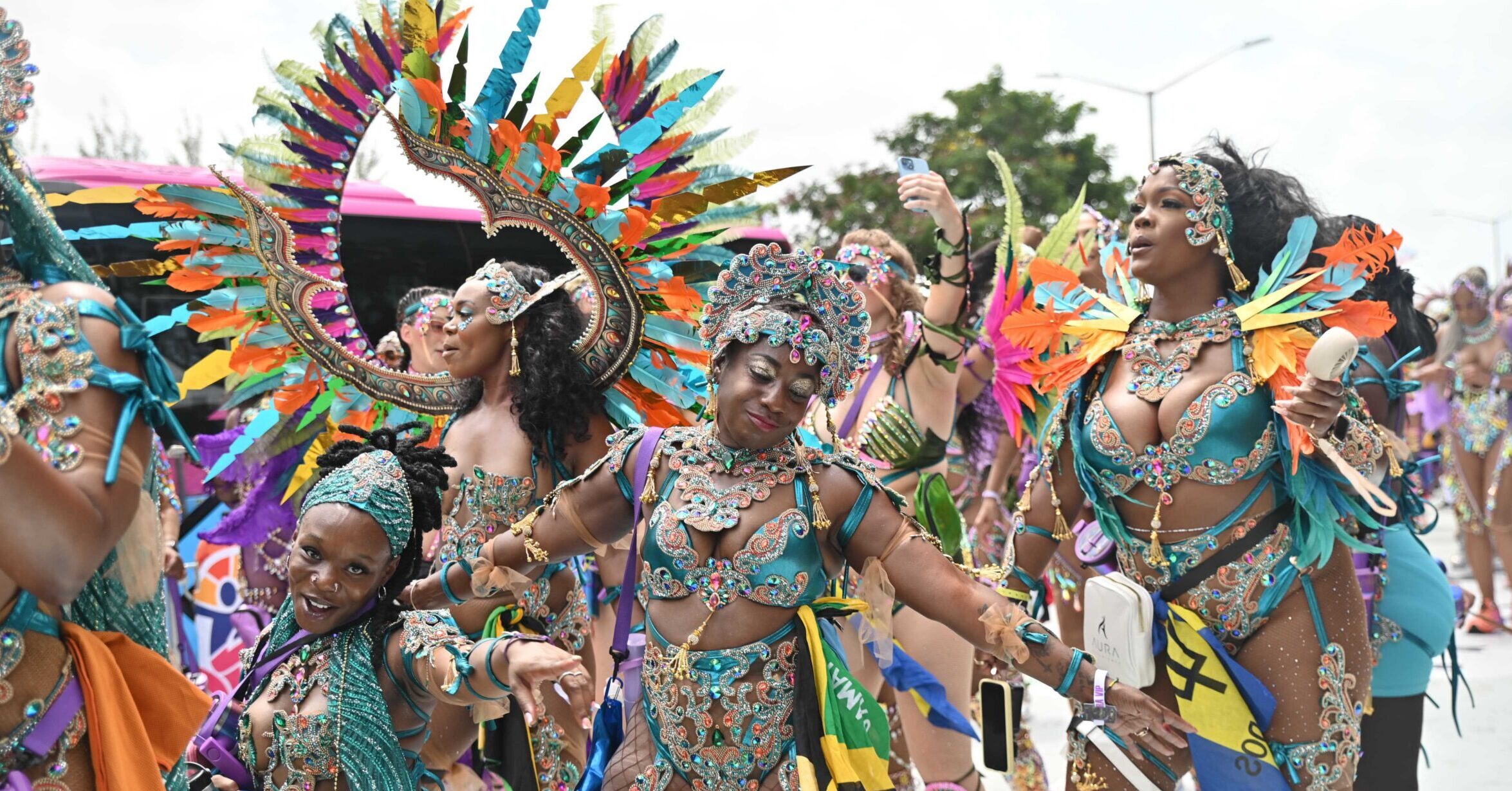
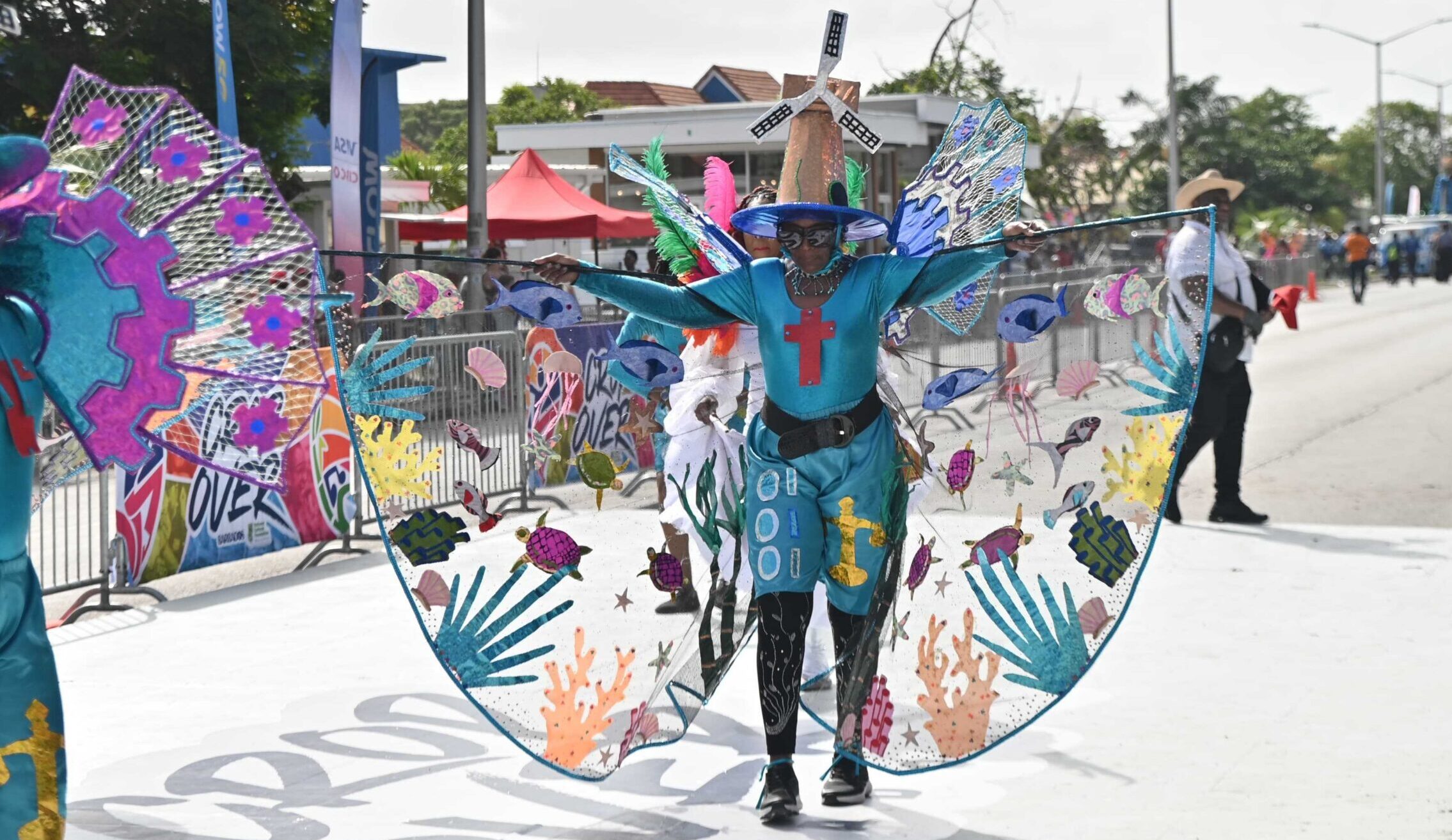
    One of the Caribbean’s most anticipated cultural celebrations hit its peak in Barbados on Tuesday, as Grand Kadooment Day, the explosive closing event of the 2026 Crop Over festival, drew tens of thousands of performers and attendees to the island’s streets for a day of nonstop color, music, and cultural celebration.

    From the early hours of the morning, elaborately organized performance bands began their slow procession along the official parade route, with masqueraders known as revellers taking center stage. Clad in intricately designed, eye-catching costumes that blend traditional Caribbean artistry with modern creative flair, participants danced through the streets to the pulsing rhythms of soca music, turning the entire route into one massive open-air celebration of Barbadian heritage and creative ingenuity. Thousands of spectators lined the sidewalks on both sides of the route, cheering on passing bands, snapping photos and videos of the vivid displays, and joining in the festive atmosphere.

    Stacia Bryan, a festival and events planner with the National Cultural Foundation (NCF), the organization tasked with overseeing the festival’s production, reported that the event had progressed without significant disruption through its midpoint, a milestone hit just hours after the parade kicked off. She noted that the procession only got underway 10 minutes later than the originally scheduled start time, a minor delay she called negligible for an event of this scale. At the time of her update, 22 bands were already on the route, with a number of groups having already passed the official judging station located at Pelican Island.

    Bryan shared that every logistical component of the event was operating as planned. All water distribution stations were fully staffed and positioned along the route to keep performers hydrated in the Caribbean heat, mobile music trucks were advancing steadily with the procession, and integrated safety teams were on hand to address any issues that arose. “I’m comfortable because the police service and all of the support teams are on the route to ensure we have a safe and sweet Grand Kadooment,” Bryan said, confirming that organizers were on track to deliver a successful finale to this year’s Crop Over festival.

  • Crop Over 2026 – Walk Holy Band leads the way on Kadooment Day

    Crop Over 2026 – Walk Holy Band leads the way on Kadooment Day

    The annual Grand Kadooment parade, the centerpiece of Barbados’ iconic Crop Over festival, kicked off this year with a vibrant, purpose-driven opening led by the Walk Holy Band, the group that has claimed the spot as the very first band on the parade route for decades.

    For Sean “Apache” Carter, a longstanding leader of the Walk Holy Band, holding that opening spot is far more than a ceremonial honor—it is a deliberate choice that reflects the group’s core values and unique place in Barbadian cultural life. When organizers offered the band the option to enter a competition for a alternate preferred pulling position, the group unanimously voted to decline the offer and keep their historic post at the front of the procession.

    “To us, this position is very important,” Carter explained in an interview on the parade route ahead of the event. “We had two paths: compete for a different starting spot, or stay on as the first band out. We chose to stay. This is who we are.”

    Beyond tradition, Carter emphasized that the decision was rooted in the band’s desire to protect its distinct identity and steer clear of the interpersonal and inter-group rivalry that often emerges around parade positioning negotiations. Unlike many festival bands that center elaborate costumes and competitive performance, the Walk Holy Band frames its participation as a celebration of faith, community service, and cultural heritage, a mission that sets it apart from other participating groups.

    “We don’t want to get tangled up in competition and rivalry that takes away from what we’re here to do,” Carter said. “Our band is distinct, and that’s how we want to keep it.”

    The group’s place in the Crop Over line-up has not been without criticism from some festival goers who argue that a faith-based group does not belong in the secular, raucous celebration of Grand Kadooment. But Carter pushed back on that perspective gently, noting that differing perspectives are an expected part of any large cultural event.

    “Everyone is entitled to their own opinion, and that’s all those views are—opinions,” he said. “At this point, Walk Holy Band is a meaningful, permanent part of our national culture, and that can’t be ignored.”

    With 24 consecutive years of participation in Crop Over under its belt, the Walk Holy Band has built a loyal following that extends far beyond its own members. Every year, in addition to leading the parade and leading communal worship from their float, the group distributes free care packages to attendees and community residents—an initiative that has become one of the most anticipated parts of the festival for many locals.

    “Every year when we hit the road, we see just how excited people are for what we bring,” Carter noted. “It’s not just from our own band members, or even people who join us in worship on the truck. It’s from everyone who looks forward to the care packages, everyone who’s come to see us as a regular part of the day.”

    For Carter, the Walk Holy Band has grown beyond a single section of the Grand Kadooment parade into an institution that anchors the entire festival. “I truly believe we’re a staple of Crop Over, and a staple of Grand Kadooment,” he said. “My only hope is that the younger generation will step up when we’re gone, and keep this legacy going for decades more.”

  • Prescod links low Emancipation Day turnout to lack of historical consciousness

    Prescod links low Emancipation Day turnout to lack of historical consciousness

    This year’s Emancipation Day observance in Barbados drew far fewer attendees than expected, prompting the island nation’s Minister of Pan-African Affairs and Heritage Trevor Prescod to issue a rallying cry for collective action to reclaim Black ancestral history, alongside the launch of groundbreaking new educational programs focused on reparations and Black studies.

    Hosted at Haggatt Hall, the 2024 commemoration brought together a diverse cross-section of stakeholders, including cultural performance troupes, interfaith spiritual leaders, and senior government officials. The day’s schedule opened with a formal procession to the iconic Emancipation Statue – widely known locally as the Bussa Statue, a monument honoring the leader of one of Barbados’ most influential 19th-century slave rebellions. Key participating groups included delegates from the Nyabinghi Order and the Spiritual Baptist faith, whose members led opening prayers for the occasion. Cabinet members including Minister of Educational Transformation Chad Blackman and Minister of Agriculture Dr. Shantal Munro-Knight also joined the gathering to mark the historic date.

    Speaking to the modest crowd, Prescod framed emancipation not as a one-off achievement locked in 19th-century history, but as an ongoing struggle that requires constant stewardship from successive generations. Drawing direct connections between the mass resistance that forced colonial powers to end chattel slavery across the Caribbean and contemporary fights for racial justice, he warned that hard-won freedoms cannot be taken for granted. “Freedom is not a fixed thing. If you don’t protect it, you lose it,” Prescod emphasized, noting that the 1834 abolition of slavery in the British colonies only came to pass after sustained, organized resistance from enslaved people across the region.

    The minister publicly voiced his disappointment at the low turnout, arguing that the weak public turnout signals a troubling gap in historical consciousness among segments of the Barbadian public. He urged attendees to confront and honor the unthinkable hardships their enslaved ancestors endured to build the foundation for modern Barbadian freedom.

    To address this gap in historical awareness and advance the movement for reparatory justice, Prescod announced a landmark new scholarship initiative that will fund fully funded master’s degrees in Black studies and reparations. The program will be run by the Ministry of Pan-African Affairs in formal partnership with two leading higher education institutions: the University of the West Indies and Scotland’s University of Glasgow. The partnership draws on Glasgow’s documented historical ties to the transatlantic slave trade and its ongoing work to acknowledge and redress that legacy.

    Prescod also highlighted two recent cultural reclamation projects that he framed as critical stepping stones to rebuilding national collective memory: a well-attended tribute mass honoring iconic Jamaican Pan-African musician Bob Marley at St. Barnabas Church, and the successful recovery of a 300-pound plantation bell from the St. Joseph region, a physical relic of the island’s slavery era.

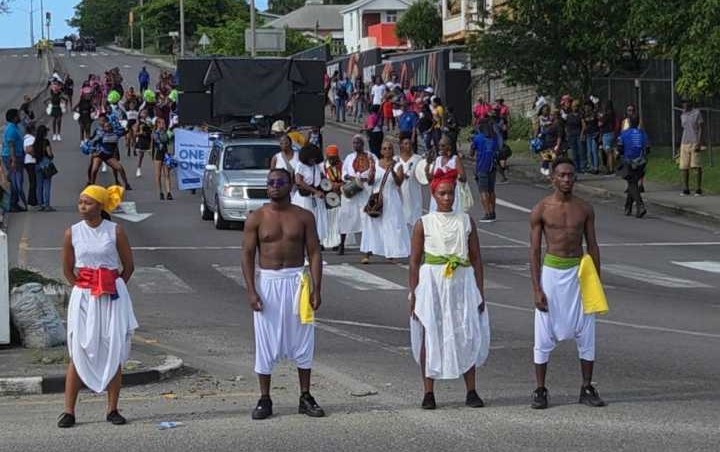
    The commemoration included traditional rituals including ceremonial wreath-laying, formal speeches, community prayer, and a symbolic ringing of the recovered plantation bell by restoration specialist Shane Wiseman. In closing, the procession wrapped up with a vehicle and motorcycle tribute to fallen freedom fighters, a go-kart demonstration showcasing intergenerational engagement with the holiday, and a solemn moment of silence at the Bussa Statue to honor the sacrifice of all who resisted slavery and fought for emancipation.

    Nyabinghi Order member Ras Martin echoed Prescod’s call for continued advocacy for reparations and the repatriation of African descendants whose ancestors were trafficked to the Caribbean during the slave trade. He noted that while Barbados is now widely marketed as a tropical paradise for visitors and wealthy residents, that transformation has not delivered equal justice and prosperity to the descendants of enslaved people who built the island’s economy. “Barbados was once thought of as hell on earth for the victims coming over from Africa,” Ras Martin said. “Over the years, Barbados was able to move from hell on earth to a paradise—but paradise for who? It is here that the reasoning on reparations and repatriation must be rooted. Freedom is not a fixed thing; if you don’t protect it, you lose it.”

  • Historic 300-pound plantation bell unveiled

    Historic 300-pound plantation bell unveiled

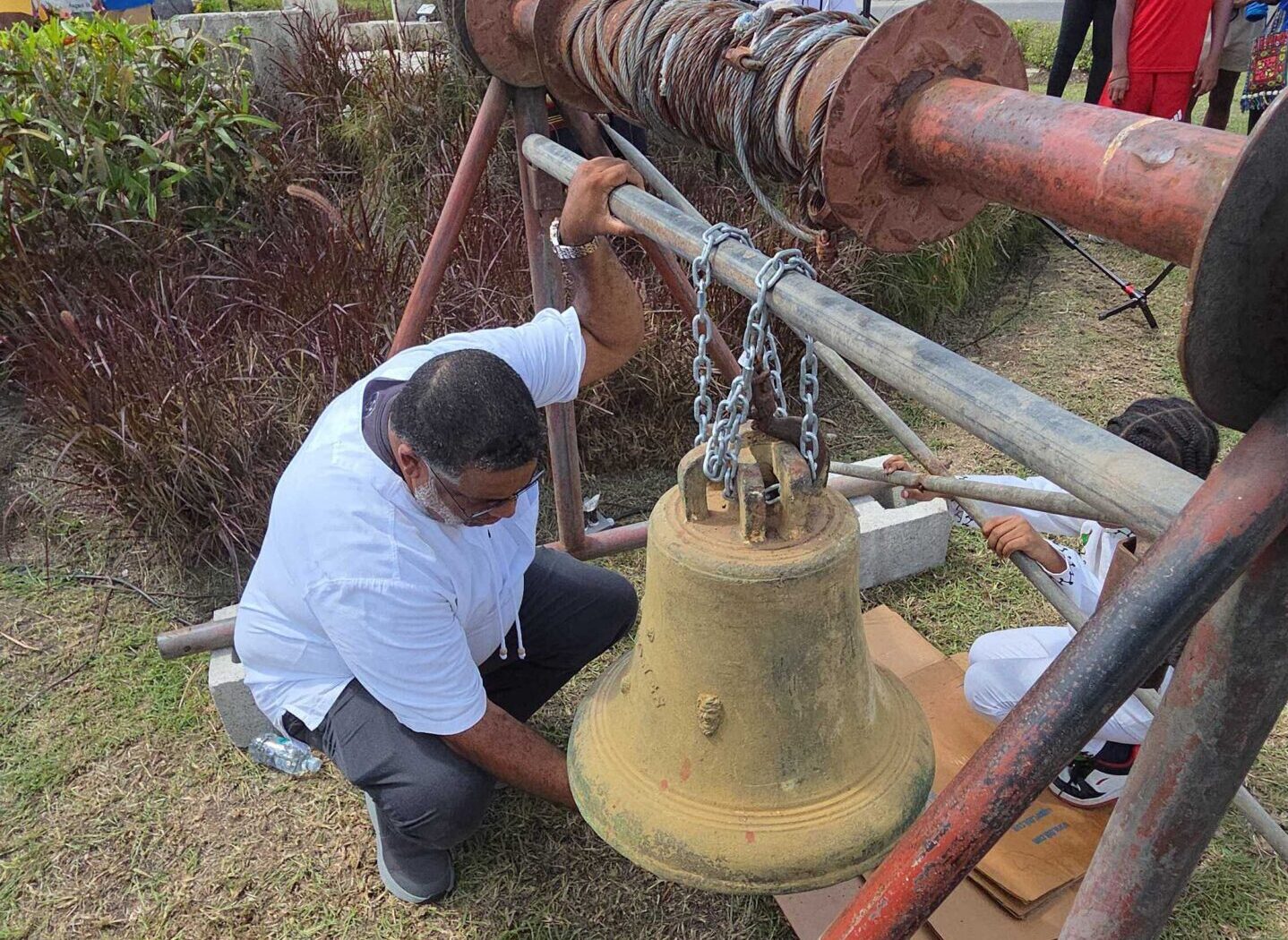
    On Barbados’ annual Emancipation Day, a one-of-a-kind historical artifact that holds centuries of layered history connected to transatlantic chattel slavery made its public debut: an 18th-century bronze plantation bell weighing roughly 300 pounds, confirmed by historians to be the only surviving example of its kind globally.

    Commissioned between 1743 and 1760 in England by Benjamin Mellows, a former parliamentary representative for Barbados’ St Joseph parish, the custom-cast bell was created exclusively for Bully Tree Hall, the sugar estate that would later be renamed Blackman Plantation. Cast directly into the bell’s front face is Mellows’ name, a permanent mark of its original commissioner, and the artifact was shipped directly to the Barbadian island at the height of its lucrative colonial sugar production industry.

    Local historian and lead researcher Shane Wiseman shared the bell’s complicated legacy with attendees at the unveiling event, walking the crowd through its centuries-long story. “Mellows commissioned it, covered its cost, and it was shipped straight to Barbados,” Wiseman explained. “His name is permanently imprinted on the bell, and after decades of research, we can confirm it is the only surviving bell of this specific type and provenance anywhere in the world.”

    For the hundreds of enslaved Africans forced to work the Blackman Plantation’s sugar cane fields, the bell dictated nearly every aspect of daily life under bondage. It functioned as an unforgiving timekeeper, marking the pre-dawn start of the 12+ hour workday and its end only after sunset. Beyond its role as a work schedule regulator, the bell carried other grim purposes: it sounded alarms to alert enslavers and forced laborers when dangerous cane field fires broke out, it rang to signal when an enslaved person had attempted to escape, and it summoned the entire enslaved community to gather for public, punitive punishments designed to terrorize them into compliance.

    During the unveiling ceremony, community leader Carl Padmore reflected on the bell’s modern meaning as a tangible link to ancestors who suffered under slavery, reading aloud from a prepared text: “A bell delivers notice. When you hear this bell ring today, it reminds us that our ancestors survived long enough for this artifact to be preserved for us. God preserved this bell to honor our ancestors, and it is now our responsibility to carry forward the work of justice and remembrance that they could not finish in their lifetimes.”

    To this day, researchers have not pinned down the exact year the bell was cast. Teams are continuing to coordinate with public and private archives across the United Kingdom to cross-reference shipping records, bronze foundry ledgers, and colonial estate documents to narrow down the precise date of manufacture, a step that will add further context to the artifact’s already significant historical record.

  • NCF pays tribute to late musician and mentor Mark Lord

    NCF pays tribute to late musician and mentor Mark Lord

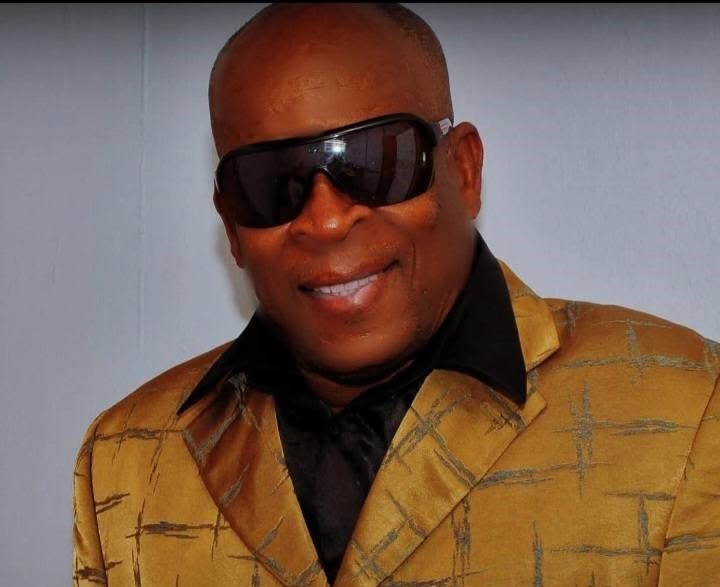
    The Caribbean nation of Barbados is this week reeling from the loss of one of its most beloved cultural figures, celebrated vocalist, multi-instrumentalist, songwriter and mentor Mark Lord, who passed away in the early hours of Saturday. Over a 60-plus year career, Lord carved out an unforgettable place in the country’s cultural history, his voice becoming one of the most recognizable and defining sounds of modern Barbados.

    In an official statement released following Lord’s death, the National Cultural Foundation (NCF) paid tribute to the late artist, describing his voice as the very essence of Barbados’ national heart and soul. His distinctive rich, smooth vocals carried all the warmth of home, the quiet pride of citizenship, and the unyielding spirit of the Barbadian people, the foundation noted. Through generation-spanning classics including *My Country to Me* and *I Heard a Love Song*, Lord crafted a catalogue of music that still connects with audiences of all ages, serving as a lasting reminder of how song can unite communities, lift up spirits, and preserve a people’s shared cultural identity.

    A remarkably gifted artist, Lord mastered a range of roles beyond live performance: he was an accomplished songwriter, guitarist, keyboardist, recording engineer and composer. His musical versatility allowed him to move seamlessly between genres, from tender ballads and rhythmic reggae to traditional folk, spirited calypso and rousing gospel. He built a long career performing across Barbados’ hotel entertainment circuit, and headlined dozens of major concerts across the island throughout his career. Even within the competitive calypso space, Lord found success, performing under the stage name Lord Mark at the iconic Battleground Calypso Tent. He earned a spot in the semi-finals of the prestigious Pic-O-De-Crop competition with his acclaimed work *Great Kings of Africa*.

    What many remember most fondly about Lord, however, is his commitment to lifting up the next generation of Barbadian talent beyond the spotlight of the stage and recording studio. From his home in Bayville, he quietly dedicated decades to mentoring young aspiring musicians, helping them nurture their craft and find their unique artistic voices. For his decades of unparalleled contributions to Barbados’ cultural landscape, Lord received the high honor of the Pride of Barbados Award during the We Gatherin’ 2025 Honours for the parish of St Michael, a recognition of 60 years spent preserving the nation’s musical heritage and lifting up his local community through his art.

    Lord’s death comes as Barbados is already mourning the loss of two other towering national figures: National Hero The Right Excellent Sir Garfield Sobers, and legendary Merrymen musician Sir Emile Straker. Today, the nation says, another treasured cultural voice has joined that immortal pantheon of national greats, leaving behind a legacy that will echo through Barbados’ cultural life for generations to come.

    The entire NCF community, from its board of management to frontline staff, has extended its deepest heartfelt condolences to Lord’s family, close friends, fellow musicians and the wider Barbadian cultural sector.

    “Though the final note of his earthly performance has been sung, Mark Lord’s melody will never fade,” the foundation said. It lives on in every heart touched by his music, every artist he inspired, and every Barbadian who proudly sings *My Country to Me*. May he rest in eternal peace, and may his voice continue to resonate in the great eternal choir, where every song is sung in perfect harmony.”

  • Tropical luxury, music and style define Soca & Wine: Lux Tropix experience

    Tropical luxury, music and style define Soca & Wine: Lux Tropix experience

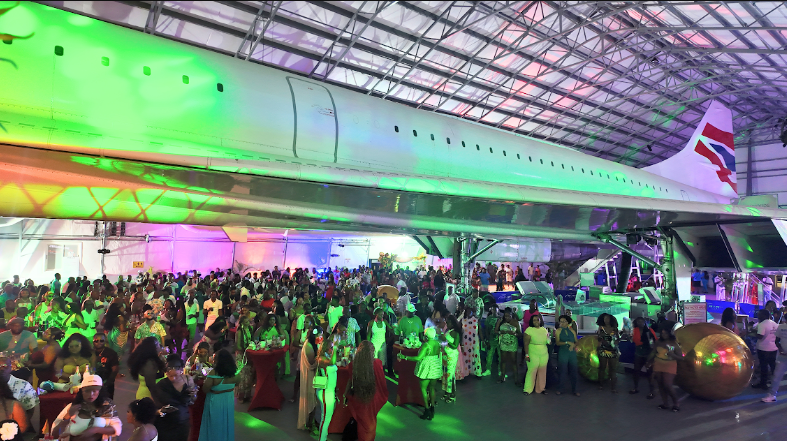
    On a vibrant Friday night, The Concorde Experience played host to one of the season’s most anticipated premium Crop Over celebrations: Soca & Wine: Lux Tropix. Dozens of attendees flooded the Christ Church venue, stepping out in carefully curated outfits that leaned perfectly into the event’s tropical theme—from bold, eye-catching prints and vivid saturated hues to delicate floral-inspired ensembles that turned the entrance into an impromptu fashion showcase. As soon as guests crossed the threshold, it was clear that event organizers Hits and Jams Entertainment, in partnership with Zulu Entertainment, had poured meticulous attention into every detail to craft an elevated, premium experience for attendees.

    The entire space was transformed to match the event’s Lux Tropix branding, with custom tropical floral installations paired with glimmering gold decorative accents that set a sophisticated yet playful luxury aesthetic right from the start. To kick off the evening, every guest received a curated welcome bag featuring a branded event cup, a portable handheld fan for warm Caribbean temperatures, and a pair of foldable flats—small, thoughtful touches that signaled the event’s focus on comfort and premium value, all included with general admission. Alongside these welcome gifts, entry also granted guests access to catered food, top-shelf premium drinks, and a full night of curated soca music from a lineup of talented selectors.

    One of the first major draws for arriving patrons was the eye-catching branded red carpet and custom tropical-themed photo backdrop, which drew a steady stream of groups of friends, couples, and larger party crews eager to capture memorable shots before heading to the dance floor. Additional branded backdrops for photos lined the venue’s corridors, giving guests no shortage of spots to document their night out. The cohesive tropical luxury design carried through every corner of the unique venue, which is centered around a retired Concorde aircraft, creating a one-of-a-kind, visually striking atmosphere that set the event apart from standard Crop Over celebrations.

    Complimentary catered food was available to all guests from 3 p.m., when the event launched, through 8 p.m., stationed at the far end of the venue. Patrons gathered around cozy cocktail tables to catch up with friends, snack on catered offerings, and warm up before the night’s full musical sets got underway. The lineup featured a diverse roster of selectors including DJ Macyy Jadee, Thorny, Gully Ras, Legacy Team, DJ Energy, Pun, Akelo, and Supa Nytro. For guests looking to expand beyond the included catered menu, additional independent food vendors and extra bars were set up across the venue grounds for additional purchase.

    Notably, the lineup’s only female DJ, Macyy Jadee, traveled all the way from the United Kingdom to deliver her set to the Crop Over crowd. Throughout the entire evening, the assembled selectors kept energy levels sky-high with a thoughtfully curated blend of timeless classic soca anthems and the hottest contemporary tracks, ensuring the dance floor stayed packed and active long after the sun went down. As the event approached its midnight closing time, the venue hit peak capacity, with a throng of enthusiastic crowd members packing the space in front of the stage, dancing nonstop to the booming soca beats that filled the air. What resulted was a seamless, well-planned celebration that delivered on every promise of its tropical luxury branding.

  • Ortega, Vera set for GT Challenge battle at Bushy Park

    Ortega, Vera set for GT Challenge battle at Bushy Park

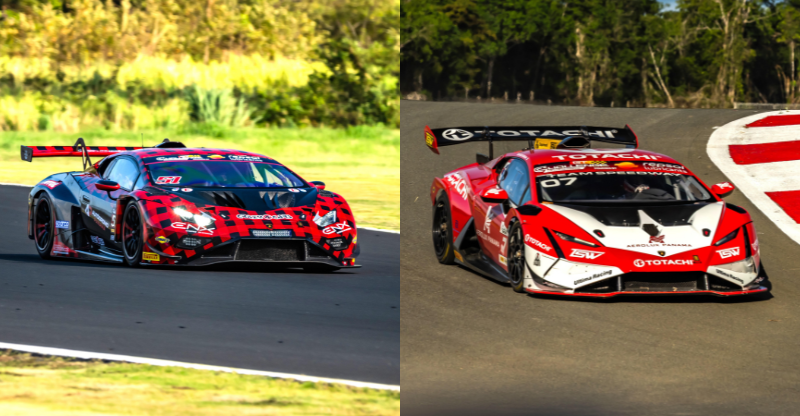
    The stage is set for the first-ever Fast Parts Caribbean GT Challenge, which will roar to life at Barbados’ iconic Bushy Park circuit across August 29 and 30, as two class points leaders prepare to defend their top positions against a stacked international field of GT racing competitors.

    Coming into the weekend’s fourth round of the wider GT Challenge de las Américas series, Costa Rican driver Gustavo Ortega carries both the overall GT Challenge points lead and the top spot in the GTS class, driving for AP Racing in a high-performance Lamborghini Huracán GT3 Evo2. Ortega’s 2024 season has been nothing short of dominant, with wins across the first three rounds of the championship hosted in Panama, a remarkable comeback that stunned fans and competitors alike.

    Weeks before the 2024 season kicked off, Ortega survived a serious motorcycle accident that left him with seven fractured ribs and a broken collarbone. Many doubted he would be able to compete at full strength this year, but the seasoned racer defied all expectations to climb back into the cockpit and claim back-to-back strong results. His recent winning streak extends beyond the Caribbean and Central American series, with top finishes in FARA and Trans Am racing events across North America, and he already holds two national GT3 championship titles in his home country of Costa Rica.

    Earlier this month, the series held its third round at Guyana’s South Dakota Circuit, where Ortega delivered consistent performances: he crossed the line fourth in the opening race and third in his class in the second event. These solid results allowed him to hold onto his lead in both the GTS class standings and the overall series rankings heading into the Barbados round.

    When he’s not focused on taking the checkered flag at Bushy Park, Ortega says he is planning to extend his stay to enjoy all that Barbados has to offer, alongside his family, who travels with him to every event. “Even though my family comes with me to all races, this one we’re staying a few extra days, not just for practice and the race weekend,” Ortega explained. “I’ve visited Barbados before but only for a short trip. The country is so beautiful that this time we’re going to take the chance to explore a little and make the most of our time here.”

    In the GTS Lights class, a division built for one-make “Cup” race cars including the Porsche 911 GT3 Cup and Lamborghini Super Trofeo, Puerto Rican driver Ricardo Vera enters the weekend as the standing points leader. Piloting his Team Speedway Lamborghini ST, Vera faced a challenging outing at the Guyana round earlier in August: he claimed seventh place in the opening race but was forced to withdraw before the start of the second event. Despite the disappointing weekend, Vera held onto his top position in the GTS Lights standings, though his lead has narrowed to just nine points going into the Bushy Park round, setting up a tense battle for the class lead this weekend.

  • Govt growing school agriculture push

    Govt growing school agriculture push

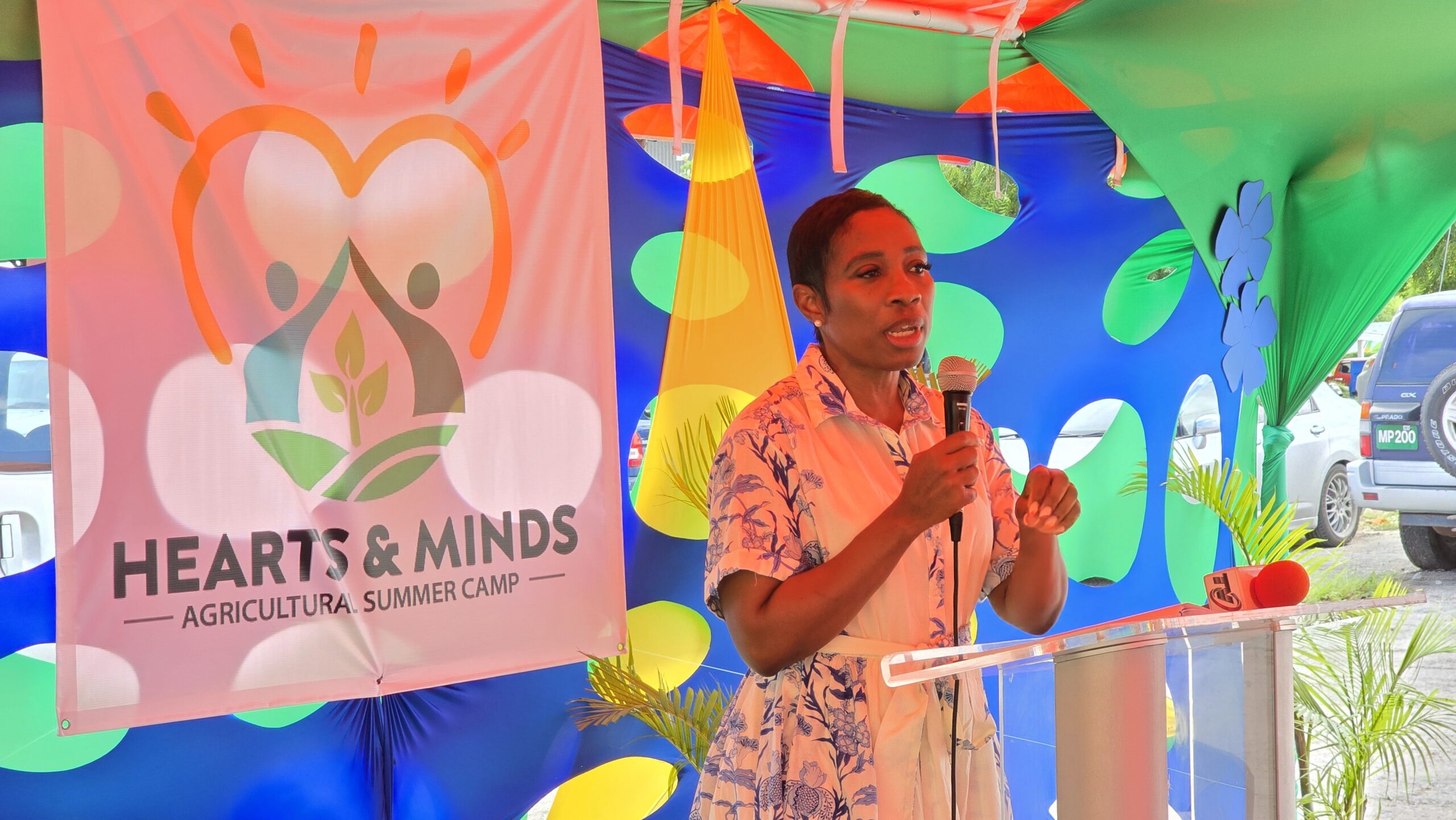
    In a strategic push to weave agricultural education deeper into the national K-12 system, Barbados’ Ministry of Agriculture and Ministry of Education have announced a joint expansion of the country’s school greenhouse program, with 13 new facilities set to launch at the start of the upcoming academic year. Unlike past iterations of the initiative that relied on external experts to complete construction before bringing students in, the new model centers student participation from the earliest planning and building phases, Agriculture Minister Dr. Shantal Munro-Knight confirmed during a Friday press briefing marking the close of a month-long national agricultural summer camp that hosted more than 20 student participants.

    Dr. Munro-Knight explained that the hands-on reworking of the program is designed to give students a far more comprehensive understanding of modern agriculture than traditional planting-focused lessons. “Previously, our specialists would handle all construction from start to finish. But Minister [of Education] Blackman and I agreed that this approach misses critical learning opportunities,” she told outlet Barbados TODAY. “Agriculture isn’t just about sowing seeds and harvesting crops. It involves architectural design, climate science, and technological innovation too, and we want students to experience all of that.”

    Beyond basic cultivation skills, students will gain practical knowledge in greenhouse structural design, the effects of weather and heat exposure on crop growth and infrastructure, modern agricultural technology, and sustainable growing practices. For example, students will learn firsthand how to adjust growing bed heights to manage heat and moisture levels, rather than just memorizing the concept in a textbook.

    To complement the practical learning, the government also plans to introduce a cooperative business framework for school agricultural programs, giving students firsthand experience in agribusiness and food systems economics. Under the proposed model, the Ministry of Agriculture will sign a formal off-take agreement to purchase quality produce grown by students, with all revenue generated returning to the participating schools to fund further agricultural programming or other school initiatives. “This structure lets students see the full commercial side of agriculture,” Dr. Munro-Knight said. “They learn that sustainable agriculture isn’t just growing food—it’s building a viable business too.”

    The long-term vision of the partnership extends far beyond adding new greenhouses. To embed agriculture permanently into the national education system, the two ministries are currently developing a complete formal agricultural curriculum for all school levels, a project that will be rolled out incrementally. Additional specialized training for participating teachers is also a core part of the initiative, as the government works to address existing capacity gaps. “We’ve tasked teams from both ministries to map out the full curriculum framework,” Dr. Munro-Knight said. “This is a long-term goal. We’re starting with the greenhouses and initial teacher training, and we’ll build steadily toward a full integrated curriculum over time.”

    The agriculture minister noted that demand for school greenhouse projects has grown steadily in recent years, with a number of local schools such as Springer Memorial already running consistent, successful agricultural programs on their own. Teacher training remains one of the most significant barriers to faster nationwide expansion, so the program will prioritize schools that already have established farming initiatives, enthusiastic leadership, and the capacity to scale up their work in the first phase. “We’re starting with the schools that are ready, that have teachers willing to lean in, and that already have momentum around agricultural learning,” Dr. Munro-Knight said. “Once we refine the model there, we’ll expand to the next stage.”

  • DEM interns lead disaster preparedness exercise for youth

    DEM interns lead disaster preparedness exercise for youth

    A four-week youth disaster preparedness training programme in Barbados wrapped up Friday with a hands-on, student-organized simulation exercise that put young participants’ emergency response skills to the test. Dubbed Operation Savannah Shield, the capstone activity was fully planned and led by interns with the country’s Department of Emergency Management (DEM) for participants of the Safe Coast BIM Youth Disaster and Emergency Preparedness summer camp, designed to equip teens with life-saving disaster response skills. The exercise was structured around five rotating skill stations, each targeting a core competency campers learned over the month-long programme. Participants demonstrated proficiency in clear radio communication, basic fire safety protocols, hazard identification in high-risk environments, cardiopulmonary resuscitation (CPR), general first aid, and the assembly of a well-stocked emergency go-bag. Speaking on behalf of the intern organizing team, co-lead Shakenya Jones explained the simulation was built specifically to reinforce the theoretical and practical lessons campers absorbed over the course of the programme. “We were tasked with developing a concluding exercise that tied all our learning together, so we built five stations that each focused on the key skills covered throughout the camp,” Jones said. She added that participants engaged enthusiastically with all activities, with the radio communication station emerging as a clear participant favorite. Fellow co-lead and DEM intern Edwin Workman noted the simulation was intentionally designed to mirror real-world emergency scenarios, with a core focus on building collaborative problem-solving and independent critical thinking. “We split participants into small teams, assigned every member a unique radio call sign, and tested their understanding of proper radio etiquette, observational skills, hazard assessment, and casualty response protocols,” Workman explained. “We intentionally only provided the base context and let participants lead their own responses because we wanted them to build confidence in their own skills—one day, they may need to act when more experienced responders aren’t immediately available.” Workman praised the performance of all 12 to 16-year-old campers, noting that while some teams required minor guidance to work through challenges, the overall level of engagement and teamwork exceeded expectations. “Some teams went far beyond the baseline requirements we set, and even groups that needed a little extra direction showed huge improvement over the exercise,” he said. “Overall, campers collaborated effectively, and the student team leaders stepped into their roles admirably.” Ashley Lashley, executive director of the Ashley Lashley Foundation, which partners on the Safe Coast BIM programme, emphasized that the simulation served as the critical practical capstone to a programme focused on closing a gap in youth disaster education in Barbados. The island nation is highly vulnerable to a range of climate-driven disasters, including seasonal hurricanes, widespread flooding, and chronic coastal erosion, making widespread public disaster preparedness a national priority. “Today’s exercise let students put into practice everything they learned over the past four weeks, replicating the exact work that national emergency agencies carry out when disasters threaten our country,” Lashley explained. She noted that while many young Barbadians understand the broader concepts of climate change and its local impacts, most lack concrete, hands-on knowledge of how to respond before, during, and after an emergency. “Young people are aware that climate change is affecting us, but many have never learned the practical steps they can take to keep themselves and their communities safe,” Lashley said. “That’s what makes programmes like Safe Coast so critical. They don’t just teach theory—they give young people the skills to act, and help them understand how disasters shape livelihoods and community well-being across the island.”