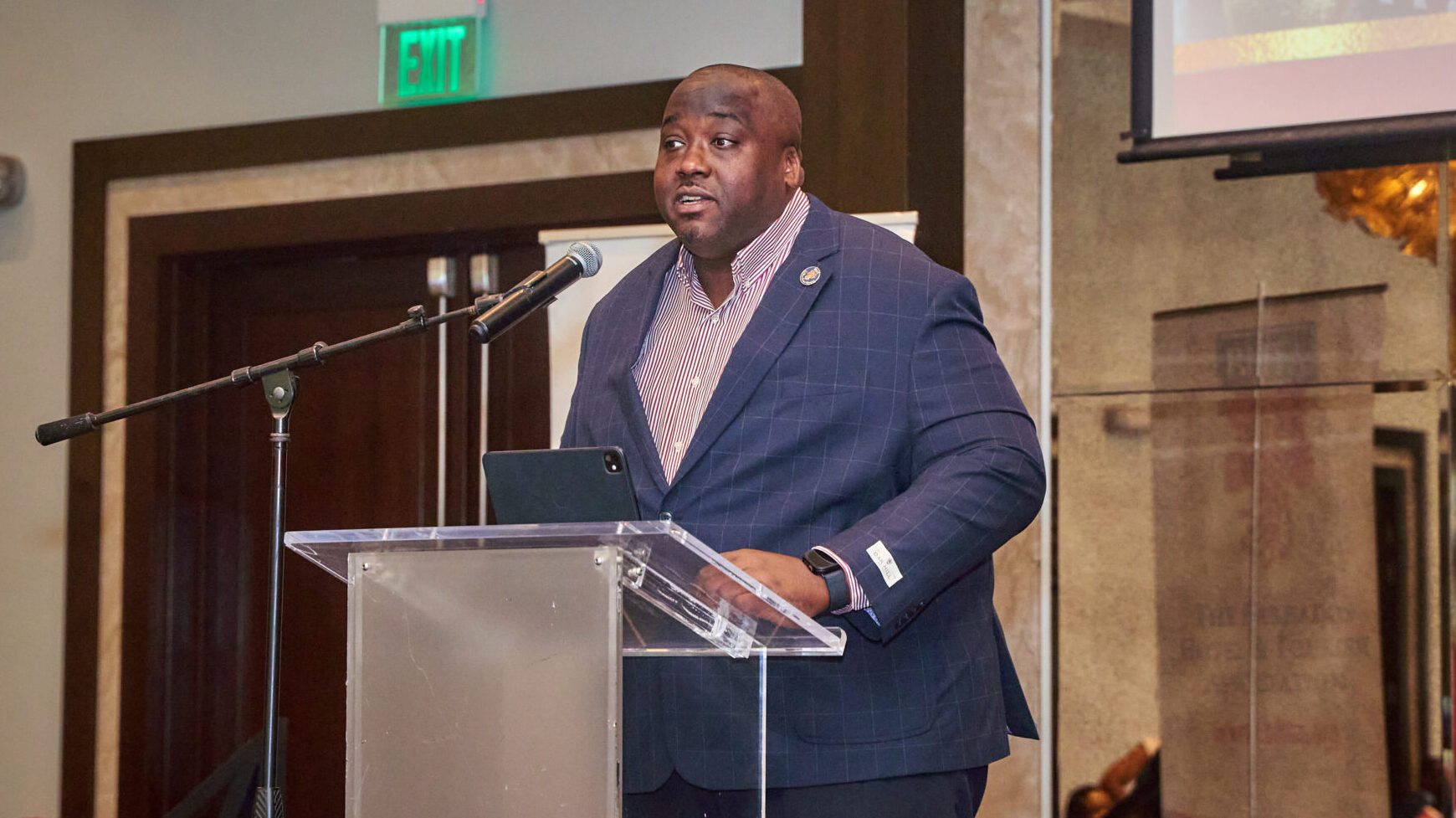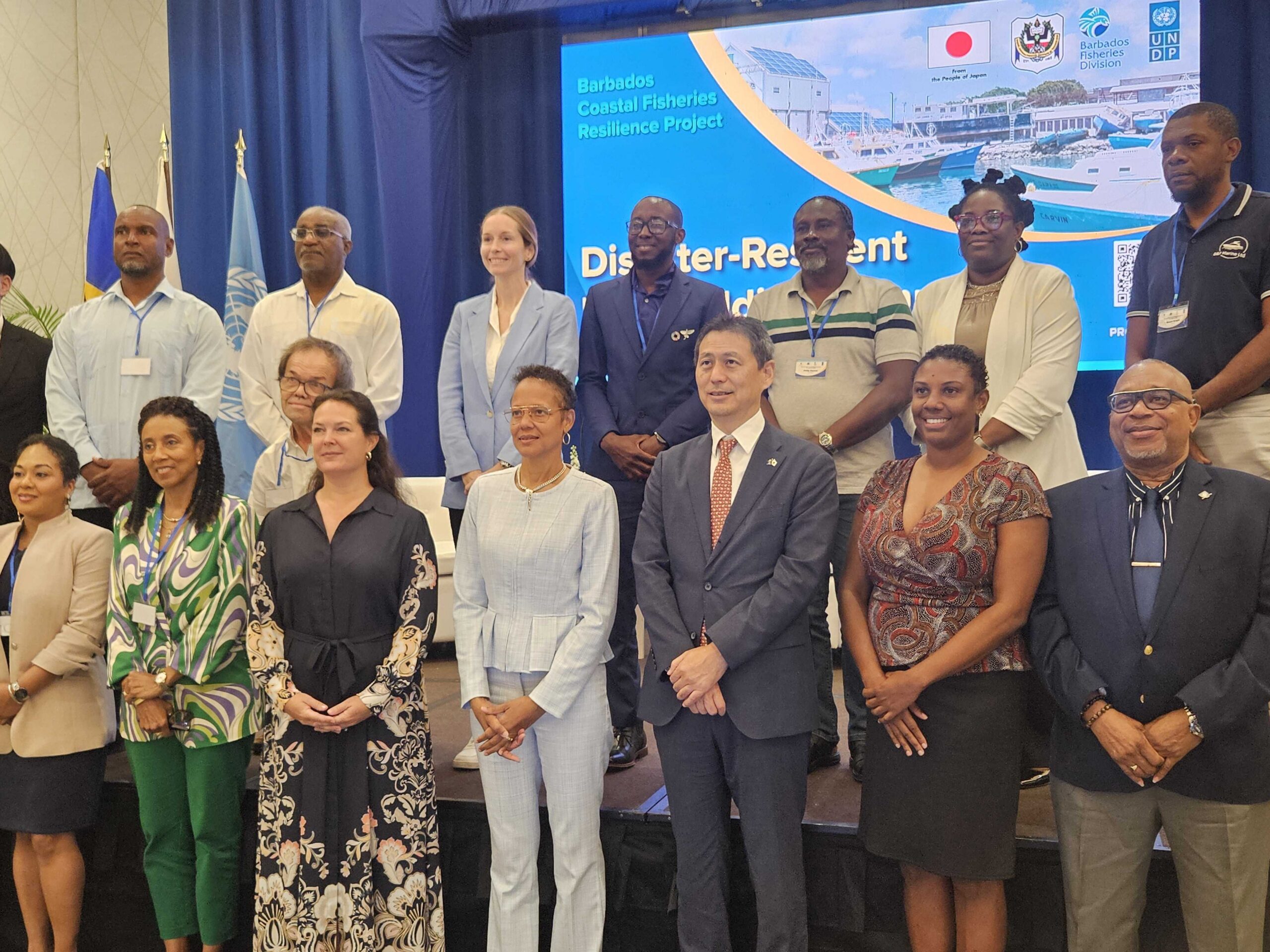
A major symposium inaugurating Barbados’s post-hurricane maritime reconstruction effort convened this week, uniting boatbuilders, fishers, and international development experts under a $6 million Japanese-funded resilience initiative. The two-day Disaster Resilient Boatbuilding Symposium at Hilton Barbados Resort served as the cornerstone event for reimagining the Eastern Caribbean’s fishing industry following catastrophic damage from Hurricane Beryl in 2024.
Organized through a collaboration between Barbados’ Fisheries Division, the United Nations Development Programme (UNDP), and the Japanese government, the initiative represents a strategic component of the broader Barbados Coastal Fisheries Resilience Project. UNDP Deputy Resident Representative Stephanie Zibell emphasized that the program extends beyond mere vessel replacement, focusing instead on comprehensive industry transformation through advanced training and technological integration.
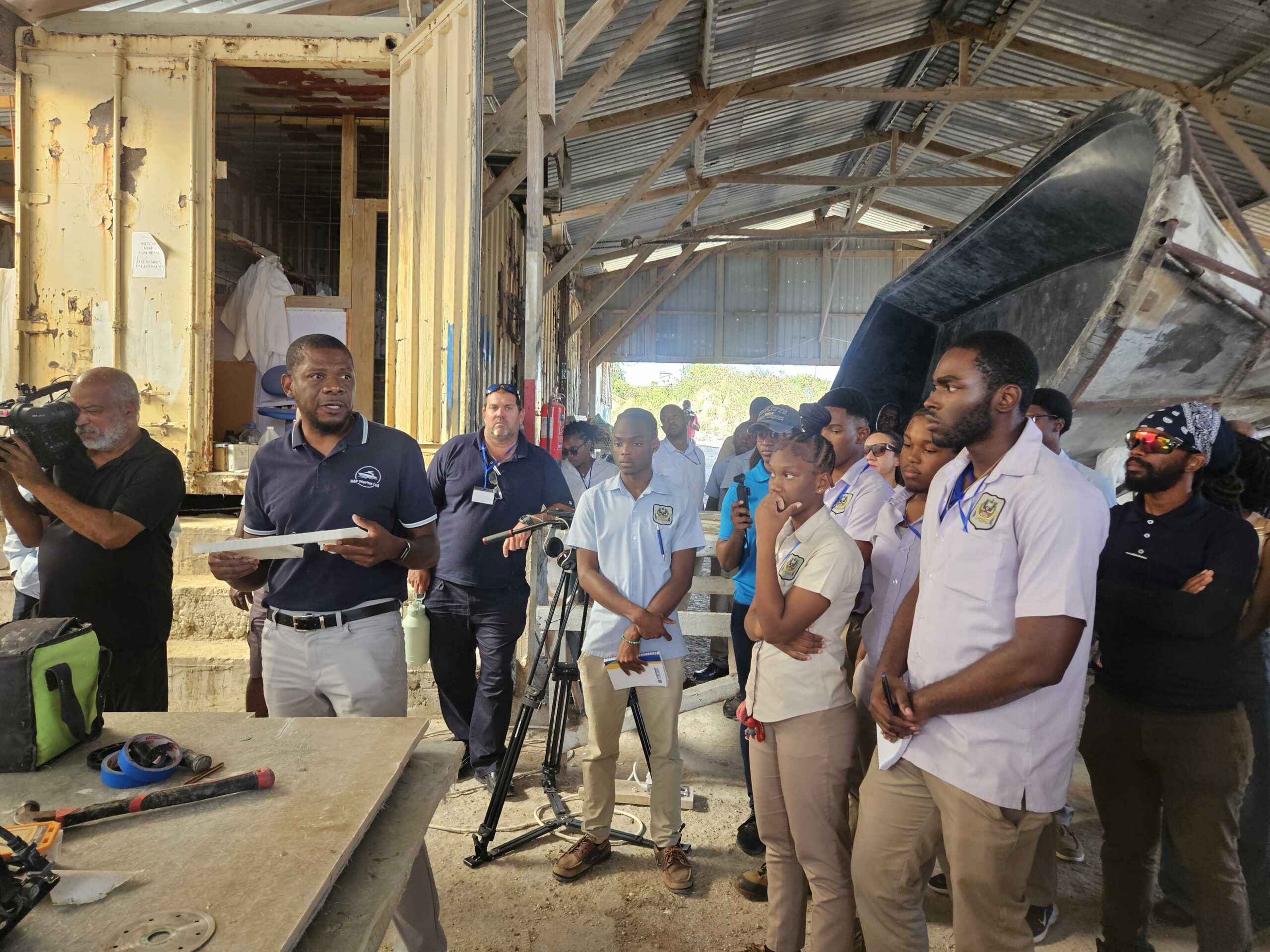
The symposium’s agenda combined theoretical knowledge exchange with practical site visits to marine businesses, boatyards in Bridgetown and Oistins, and the Samuel Jackman Prescod Institute of Technology. Participants explored innovative construction techniques, including 3D printing applications and modern composite materials, while addressing the critical challenge of preserving traditional Barbadian boatbuilding craftsmanship.
Deputy Prime Minister Santia Bradshaw highlighted the cultural significance of Barbados’s boatbuilding heritage, noting that approximately 90% of the island’s 1,100-vessel fishing fleet originates from local shipyards. This tradition, deeply rooted in communities like Oistins and Silver Sands, now faces the dual challenge of integrating modern technologies while maintaining cultural authenticity.
Japanese Embassy Second Secretary Hideichiro Nakamura articulated the shared vulnerability of island nations to climate disasters, referencing Japan’s own experiences with natural catastrophes. The destruction of over 2,000 fishing boats during Hurricane Beryl represented not merely material loss but a fundamental threat to food security and community welfare across the Caribbean region.
The symposium concluded with practical workshops in St. Philip, where industry leaders like B&F Marine Limited’s Shawn Knight demonstrated advanced fibreglass construction techniques capable of producing vessels with 50-100 year lifespans. These innovations, combined with ongoing vocational training programs, aim to attract younger generations to a trade vital to Barbados’s cultural identity and economic stability.