标签: Barbados

巴巴多斯

  • Minister vows stronger marketing for Oistins Fish Festival

    Minister vows stronger marketing for Oistins Fish Festival

    As one of Barbados’ most beloved cultural gatherings prepares to mark its historic 50th anniversary, a senior government official has laid out a bold strategy to reverse years of declining patronage and reinvigorate the iconic Flow Oistins Fish Festival. Dr. Shantal Munro-Knight, a government minister and Member of Parliament for Christ Church South, has committed to rolling out enhanced marketing campaigns and expanded community outreach to draw larger crowds to the milestone celebration next year, addressing long-simmering frustrations from local vendors who have reported plummeting sales at recent editions of the event.

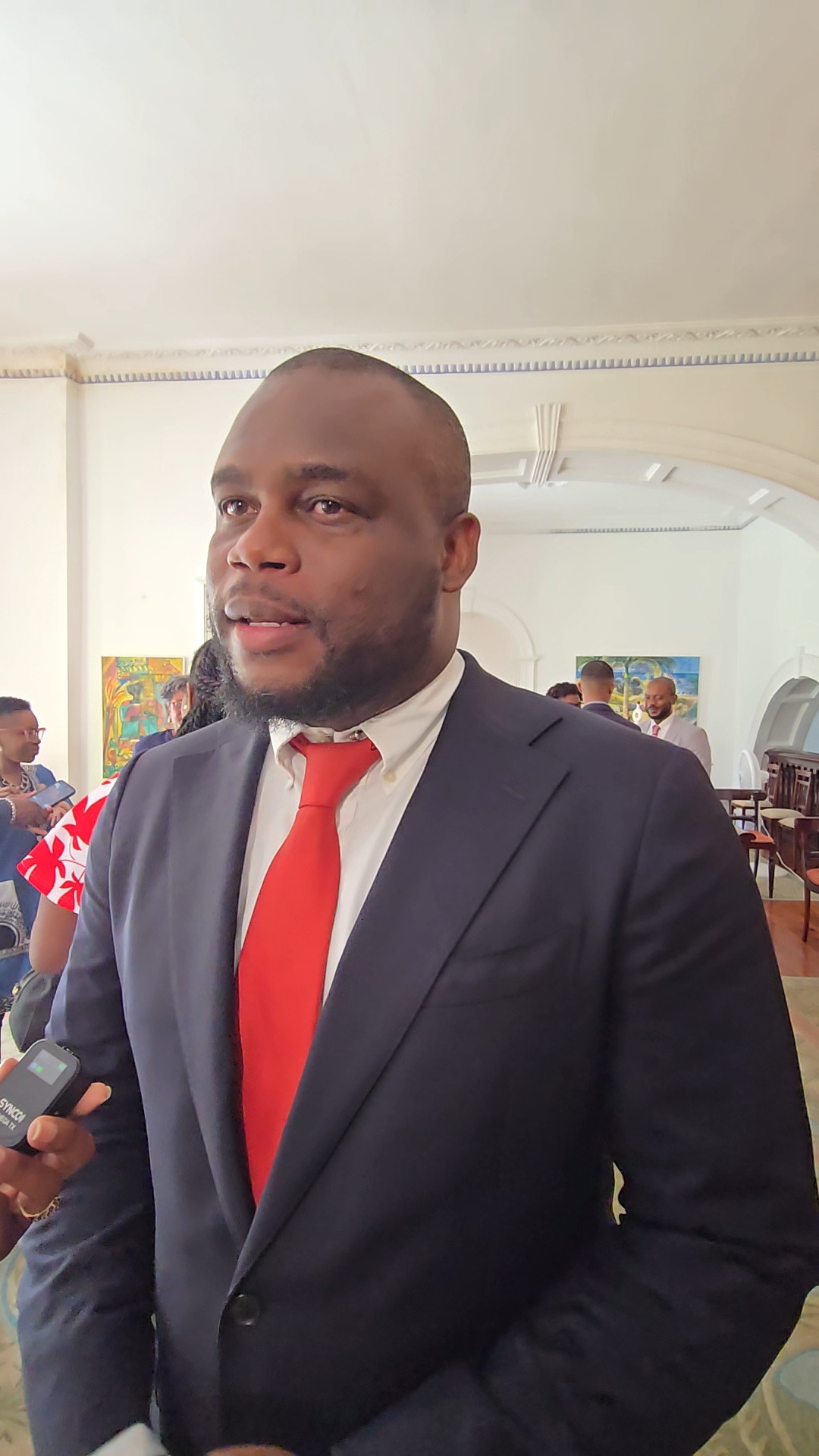
    Voicing shared concern over the steady drop in attendance that has eroded the festival’s vibrancy in recent years, Munro-Knight confirmed she will partner closely with the festival’s organizing committee to reframe public outreach and boost national awareness of the event’s cultural significance. “Supporting every vendor and small business that relies on this festival is a top priority,” she emphasized during a public appearance at the festival’s annual Dionna Browne-Findlay Easter Bonnet parade, where she served as head judge. “We are calling on all Barbadians to turn out and support our event both on the final day of this year’s festival, and for our golden anniversary celebration next year.”

    Munro-Knight made clear that the 50th anniversary programming will center two core goals: honoring the Caribbean island’s fishing community, which founded the festival decades ago, and reviving beloved traditional elements that have faded from recent lineups. Iconic features that once defined the event, including elaborate parade floats, traditional folk costumes and live folk dance performances, will return to the spotlight for the golden jubilee. “I can promise the 50th anniversary will be a grand, unforgettable celebration,” she said. “We’re bringing big floats back, and we’re highlighting the core elements that make this festival special – most of all, our fisherfolk who built this tradition.”

    The MP added that reversing the trend of waning public interest will require a national shift back to intentional cultural appreciation, with a specific focus on engaging younger generations through expanded school involvement. “This is a whole-of-government commitment. We need to revisit our approach to make sure our marketing and outreach resonate with all Barbadians, from older generations who grew up with the festival to young people who are experiencing it for the first time,” she explained. “We have to embed deeper youth and school engagement to build long-term interest and keep crowds coming back year after year.”

    During her appearance at the Easter Bonnet parade, an event that has become a staple staple side attraction of the festival, Munro-Knight also put forward a proposal to expand the competition’s participation eligibility. Currently, the contest is split into two age divisions: three to seven years old, and eight to 11 years old. The MP suggested opening the competition to older children and adult women to broaden participation and add more variety to the event.

    Now in its fifth year, the 2024 parade did not disappoint, with dozens of contestants showcasing wildly creative handcrafted bonnets themed around the festival’s core Barbadian cultural identity. Popular designs included interpretations of the island’s iconic flying fish, vibrant underwater seascapes, and depictions of Mother Sally, a legendary traditional folk character central to Barbadian carnival culture. In the three-to-seven age group, Dante Yearwood took home first place, with Arriel Hunte and Reef Riis claiming second and third place respectively. For the eight-to-11 division, Amyrah Boyce won the top prize, followed by Legacy Goddard in second and Kimaria Allen Farrell in third.

  • Vendors complain of poor sales at Oistins Fish Festival

    Vendors complain of poor sales at Oistins Fish Festival

    One of Barbados’ most beloved annual cultural gatherings, the Flow Oistins Fish Festival, is facing an unprecedented downturn that has left long-time and first-time vendors alike frustrated and calling for urgent institutional changes. During a on-site visit by Barbados TODAY on Easter Sunday afternoon, the widespread discontent among stallholders was impossible to miss, with nearly every seller reporting historically low foot traffic and revenue that fails to cover even basic participation costs.

    An anonymous toy vendor, visibly frustrated by the lack of customer activity, shared that she had only earned $80 on the festival’s Saturday, and had not made a single sale by mid-afternoon Sunday. Surveying the nearly empty aisles between stalls, she explained that recouping the fee she paid to secure her vending spot is now almost out of the question.

    Multiple vendors pointed to insufficient promotional outreach as a core driver of the low turnout. One seller, who described the first three days of the event as shockingly lifeless, noted that numerous attendees she spoke to had no advance warning that the festival was running that weekend. Even after dark, when the event traditionally draws the largest crowds, there has been little energy or activity this year. She stressed that while she holds out hope for a last-minute uptick in visitor numbers, the 2024 festival is already the worst she has ever experienced. To reverse the decline, she suggested organizers reintroduce popular traditional activities and add more family-focused programming specifically designed to attract young children and their parents.

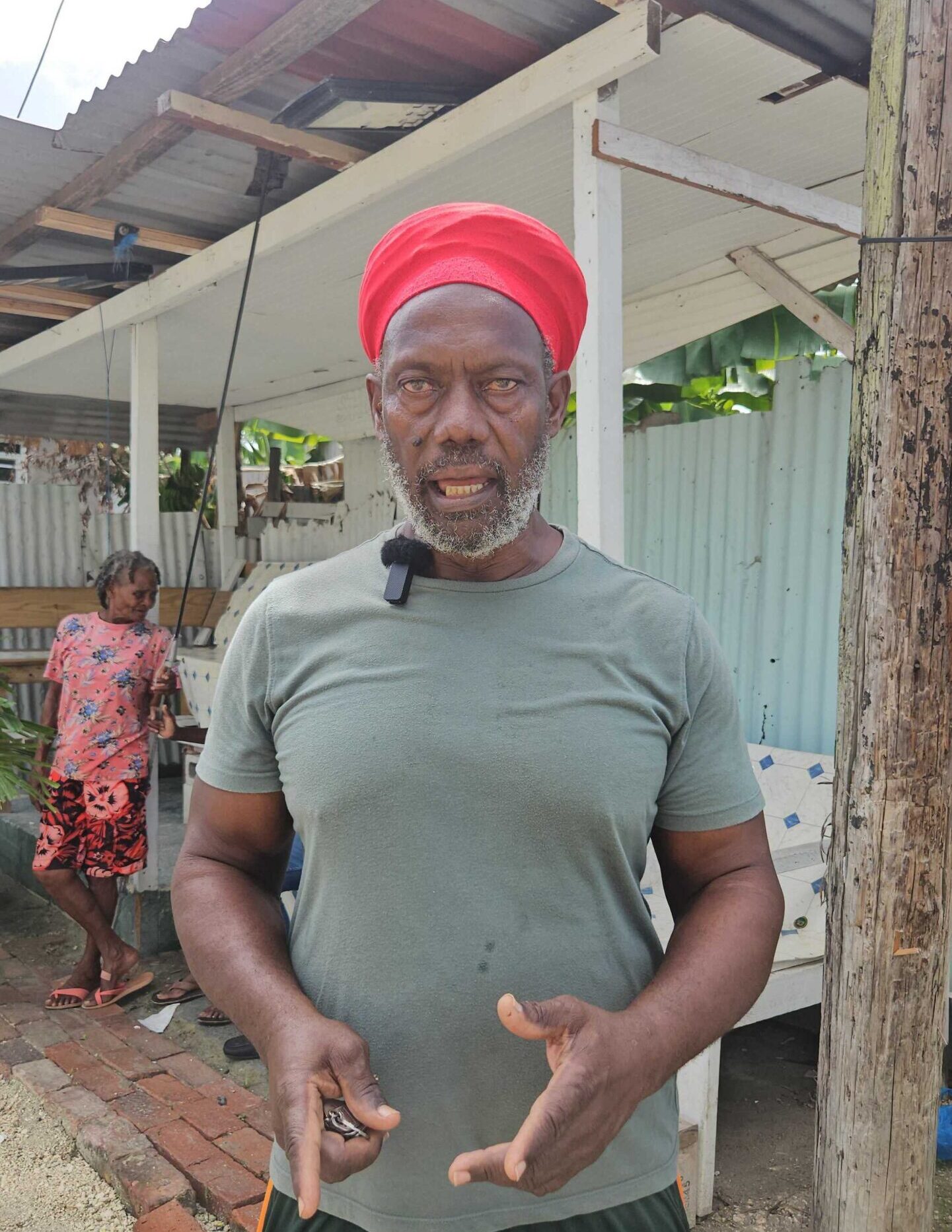
    For Angelina Powell-Austin, a veteran vendor who has participated in the Oistins Fish Festival for 43 consecutive years, the 2024 downturn is part of a gradual but steady decline she has watched unfold over decades. “Years ago, this event was vibrant. By Saturday alone, we would already earn back every dollar we spent on our spot, then pack up early and return on Monday to keep all remaining sales as pure profit,” she recalled. Now, she says, each passing year brings worse turnout and lower sales, and this year’s atmosphere has been “boring, dead” compared to the event’s glory days. Though she acknowledged that all events evolve over time, she joined other sellers in calling for meaningful changes to reverse the trend.

    Lateisha Edwards, who runs a local plant and seedling stall and has participated in the festival for 15 years, echoed that assessment, calling 2024 one of the worst iterations of the event in her tenure. She noted that only opening Friday saw moderately heavy foot traffic, with all subsequent days slowing to a near standstill—even though many browsers stopped to look at her plant stock, very few ended up making purchases. Edwards says she is still holding out hope that sales will pick up before the festival wraps.

    A jewelry vendor in only her fourth year of participation struck a more optimistic tone, even as she acknowledged that the 2024 event has failed to meet her expectations. “Business is always a gamble,” she explained. “Even if sales are slow this weekend, this is still a chance to get my brand in front of new people, and many customers come back to purchase from me after the festival ends. There is always reason to hope things will improve.”

    Fruit and vegetable seller Shiann Harvey added that her sales are also far below average. In typical years, she would have sold out of her entire stock by Easter Sunday, but this year she still has most of her produce left. Like other vendors, she called for organizers to add more diverse entertainment and engaging attractions to draw crowds back to the event and revitalize its declining popularity.

  • Man to appear in court over fatal Bank Hall fire

    Man to appear in court over fatal Bank Hall fire

    Authorities in St Michael have levied serious criminal charges against a local man in connection with the death of 51-year-old Shanell Smith and a deliberate house fire that led to the discovery of her body.

    The 54-year-old suspect, a resident of Bank Hall where the incident unfolded, faces two counts: arson and murder. The tragedy unfolded on March 27, when emergency services responded to a raging residential fire in the Bank Hall neighborhood. After crews successfully extinguished the blaze, they made the grim discovery of Smith’s body inside the damaged property.

    The accused has been identified as Ricardo Okella Stanford. He is set to make his first court appearance before District ‘A’ Criminal Court on April 7, where legal proceedings in the case will formally get underway. Local authorities confirmed the details of the charges and upcoming court date in an official statement.

  • Anglican clergyman calls for hope and new possibilities this Easter

    Anglican clergyman calls for hope and new possibilities this Easter

    Against a backdrop of escalating global conflict and widespread personal hardship, a senior Anglican church leader in Barbados has centered his 2024 Easter Sunday address on a message of persistent hope, calling on local residents to push past despair and open themselves to unanticipated new opportunities.

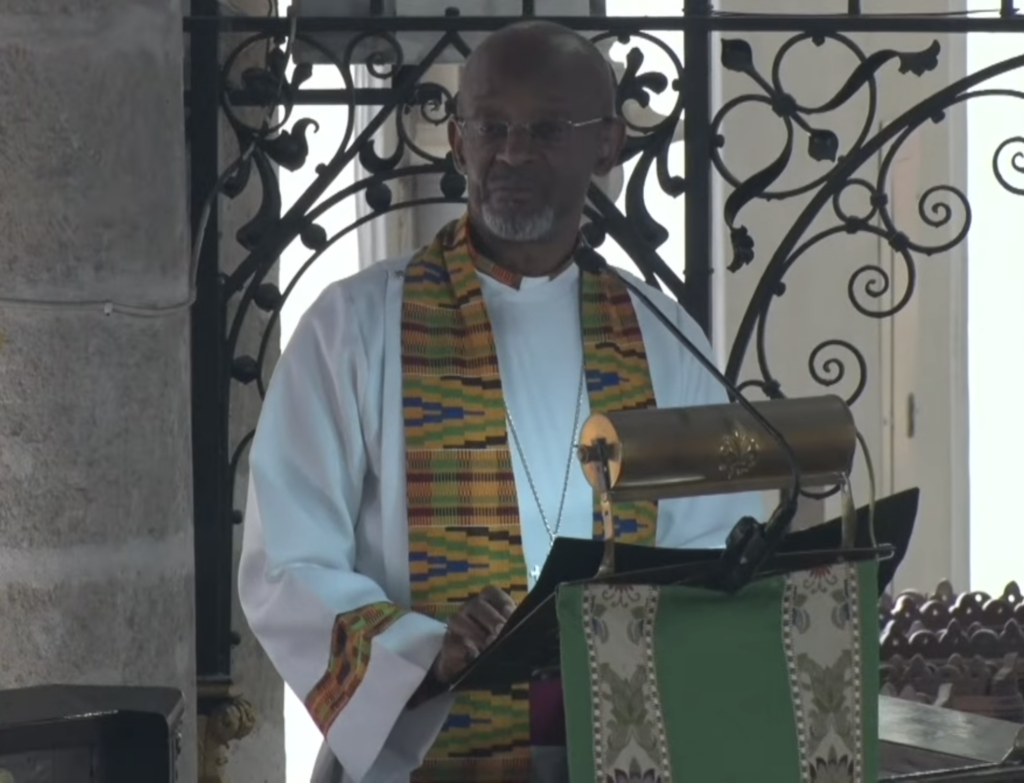
    Speaking to a gathered congregation at St Bartholomew’s Anglican Church, Canon Wayne Isaacs framed the core Easter message of renewal as particularly urgent at this moment, pointing to the ongoing crises roiling multiple regions across the globe. He highlighted active conflicts in Ukraine, Iran, Nigeria, and Somalia as key examples of the turmoil that has left many people feeling drained and pessimistic about the future.

    In his address, Isaacs pushed back against growing cultural narratives of pessimism and what he termed pervasive “doom and gloom,” urging Christian attendees to reject defeatist mindsets and intentionally center positive aspects of daily life. He observed that too many people today fall into patterns of complaint, lose sight of hopeful outcomes, and let pride cloud their perspective, instead leaning into the timeless Easter theme of living hope.

    “Easter reminds us that heaviness may linger through the night, but joy arrives with the morning,” Isaacs told the congregation. “This holiday speaks directly to the new possibilities that can unfold in every life, and that promise is what sustains our hope. That means we do not have to stay trapped in our current state of unhappiness, despair, worry, or burden.”

    The church leader advised attendees to intentionally set aside negative thought patterns, choosing to truly live rather than simply exist from day to day. He warned against letting external forces or other people strip away the God-given peace, joy, and daily happiness that he said Christianity is meant to cultivate for believers.

    Isaacs closed his message by encouraging all Barbadians to build meaningful, purpose-driven lives: to wake each morning with clear intention, and to actively pursue the dreams that give life direction. He reminded parishioners that even in seasons when people feel empty, broken, or stuck, spiritual strength is available to help them overcome obstacles and step into the renewed life at the center of Easter faith.

  • Of seats, swings and voter turnout

    Of seats, swings and voter turnout

    Prime Minister Mia Mottley has cemented her place as one of the most consequential leaders in Caribbean political history following the official 2026 Barbados general election results released last week by the country’s Electoral and Boundaries Commission (EBC). The election, the second called by Mottley during her tenure, marks her third straight electoral victory, opening the Barbados Labour Party (BLP)’s unprecedented second consecutive three-term term of office since the country gained independence. This historic milestone has only been achieved once before by the opposing Democratic Labour Party (DLP), across the pre- and post-independence era.

    What makes Mottley’s win even more remarkable is its standing as a first for the entire Caribbean region. While a handful of regional leaders have managed to secure all available parliamentary seats in an election, and Dr Keith Mitchell of Grenada led his party to three full clean sweeps, none have claimed three successive full seat sweeps. This alone puts Mottley’s victory in uncharted territory for Caribbean politics.

    The win also defies a widespread regional trend that has plagued incumbent administrations for decades. Across Caribbean democracies, parties that win a first term almost always lose both seats and popular support in subsequent second and third terms. Very few prime ministers have managed to grow their electoral support while holding office, putting Mottley in an extremely exclusive club alongside former PM Owen Arthur of Barbados, Roosevelt Skerrit of Dominica, and Gaston Browne of Antigua. This rare feat is more than just a statistical curiosity: it represents an extraordinary public endorsement of Mottley’s leadership and policy agenda, confirming her status as one of the most popular leaders in modern Caribbean history.

    Beyond the historic election results, the contest has sparked renewed discussion of voter participation and the EBC’s methods for calculating turnout. Official EBC data puts 2026 turnout at a historic low of 42%, a 1.8 percentage point drop from the 2022 election that is technically statistically insignificant, but still signals a downward trend. Digging into the raw numbers reveals a more nuanced picture: 1,146 more voters cast ballots in 2026 than in 2022, but the voter registration roll grew by 7,608 names over the same period, which accounts for the lower calculated turnout.

    Critics have long argued that the EBC’s approach to calculating turnout produces misleading results, a concern echoed across many Caribbean jurisdictions. The national voter roll remains bloated with the names of thousands of people who are ineligible or unable to vote for a range of reasons, from migration to death, creating an artificial illusion of lower turnout than actual participation. A 2025 by-election in St James North illustrated this problem clearly: 2,068 listed voters were unavailable to cast ballots, accounting for 20% of the total roll. At the national level, official population estimates for eligible voters over 18 put the true number of eligible voters at roughly 223,312, compared to the EBC’s listed 273,947 – a gap of more than 50,000 names. If the true eligible population were used to calculate turnout, the 2026 figure would rise to 51%, around half of all eligible voters.

    Even accounting for measurement issues, comparison of turnout across constituencies reveals key insights into what drives Barbadian voters to participate. The three constituencies with the highest turnout were all highly competitive races, where candidates on both sides worked aggressively to mobilize their bases. By contrast, constituencies with the lowest turnout tended to be seen as lopsided contests with predictable outcomes, breeding voter indifference. This aligns with findings from a 2025 CADRES post-by-election survey, which found that voter motivation drops sharply when most voters assume the election outcome is a foregone conclusion.

    Analysis of party support and vote share further illuminates the shifting political landscape in Barbados. In 2026, the BLP won three times as many votes as the DLP, with all minor parties and independent candidates combined capturing just 3% of the national vote. Tracing growth in average vote share back to 1971, the first year of single-member constituency contests, the BLP has grown its average support by 9% over decades, while the DLP has seen a 1% contraction. This translates to an average election vote haul of 68,670 for the BLP, compared to 53,879 for the DLP. In 2026, the BLP outperformed its average with 79,321 votes, while the DLP underperformed with just 32,059. This gap makes clear that low turnout is not a generalised trend across the electorate: the problem is rooted largely in the DLP’s failure to mobilize its own base of supporters.

    While the BLP’s third straight full seat sweep dominates headlines, analysis of electoral swing between the 2022 and 2026 elections reveals unexpected details. Nationally, the BLP saw a tiny 0.4% drop in its support share, while the DLP gained a 1.4% swing. In raw numbers, the BLP added 522 votes, while the DLP added 1,786 – both changes that are statistically insignificant. While the DLP may frame this small gain as progress, political observers note that the trajectory is underwhelming: for a major opposition party holding less than 30% of the national vote, a gain barely above the margin of error is far weaker than what would be expected for an opposition seeking to unseat a long-ruling incumbent.

    At the constituency level, however, some candidates recorded statistically significant improvements that stand out, regardless of whether they won their seats. The analysis identified top-performing candidates from both parties who outperformed their party’s national swing. Most notably, independent or opposition candidate Ryan Walters recorded a 10% swing, the largest improvement of any candidate in the 2026 contest, even though he did not win his seat. For the BLP, first-time candidate Ryan Brathwaite recorded an 8% improvement in the constituency’s vote share compared to 2022, against a national 0.4% drop for the party.

    One final key takeaway from the 2026 election addresses a common debate over minor candidates and spoiler effects. Unlike many contests across the region, every BLP winning candidate secured a majority of valid votes, rather than a plurality. This confirms that no minor party or independent candidate split the opposition vote to cost the DLP any seats. At both the national and constituency levels, minor candidates and independents had no significant impact on the final outcome of the election.

    This analysis was contributed by Peter W Wickham, political consultant and director of Caribbean Development Research Services (CADRES).

  • Armstrong strikes gold as Barbadian medal tally moves up to nine in Grenada

    Armstrong strikes gold as Barbadian medal tally moves up to nine in Grenada

    On the penultimate night of the 2024 CARIFTA Athletics Championships hosted at Grenada’s Kirani James Stadium, Team Barbados turned in its most dominant performance of the competition, collecting five additional medals to push its total haul to nine heading into the final day of action. The standout moment of the session came from Under-17 shot putter Kamaal Armstrong, who claimed Barbados’ second gold medal of the games despite challenging wet and windy conditions that disrupted competitors throughout the evening. Armstrong delivered a winning best throw of 15.96 meters, outperforming home crowd favorite Kazim Telesford of Grenada, who took silver with a 15.67m mark, and Jaafari Shaw of Trinidad and Tobago, who secured bronze at 15.19m.

  • Garrett defends Monde Mas amid foreign investment concerns

    Garrett defends Monde Mas amid foreign investment concerns

    As Barbados prepares to welcome the latest iteration of its iconic Crop Over festival, a new carnival band called Monde Mas has found itself at the center of local debate over outside involvement. Now, the group’s founder and managing director Corey Garrett is pushing back against public skepticism, emphasizing that the new band remains unshakably rooted in Barbadian culture and identity.

    In an exclusive interview with Barbados TODAY conducted at the band’s headquarters, located on the upper level of the Massy Stores building in Warrens, Garrett opened up about the band’s financing structure. He confirmed that Monde Mas has secured limited external investment from international partners – a portfolio that includes well-known Trinidadian soca stars Bunji Garlin and Fay-Ann Lyons. However, he was quick to clarify that this outside financial support does not dilute the band’s Barbadian core, nor does it shift its creative and operational direction.

    Far from being a compromise on local identity, Garrett explained that the decision to onboard international partners is a strategic step aligned with a far more ambitious goal: extending the global footprint of Barbados’ beloved Crop Over festival. For years, the festival has drawn visitors to the island, but Garrett and his team believe it has untapped potential to resonate far beyond Barbados’ borders.

    “We have assembled a team of forward-thinking industry insiders who share one big question: How do we grow Crop Over’s presence from a regional national festival into a globally recognized cultural event?” Garrett shared in the interview. He went on to acknowledge the significant work the Barbadian government has already done to elevate the festival’s international profile, but argued that private sector and independent cultural organizations have a critical role to play in boosting its global visibility.

    “From the earliest days of Monde Mas’ development, our leadership has fully embraced the vision of bringing Crop Over to audiences across the world, particularly to diaspora communities and emerging carnival markets,” he added. “This global outreach doesn’t just benefit Monde Mas – it puts Barbados front and center for cultural travelers, letting people know that the island is home to one of the most vibrant carnival experiences in the world, which they can only experience fully by visiting us.”

    Garrett doubled down on his assertion that despite the cross-border partnerships, the band’s foundation is entirely local. “At the end of the day, we are 100 per cent Bajan. The bulk of our funding is sourced locally, our core team is based in Barbados, and we are built on decades of local participation in Crop Over,” he said. “Our outside partners are simply helping us export our already established Bajan brand to new audiences around the world.”

    Looking beyond the conversation around foreign investment, Garrett also outlined the core philosophy that shapes Monde Mas’ approach to Crop Over and the festival’s Kadooment Day parade. He described the band as a deliberate fusion of decades of hands-on experience in the local festival industry and bold, new creative innovation, with the ultimate goal of reimagining what the Crop Over experience can be for participants and audiences.

    “This project is all about balancing fresh, forward-looking innovation with deep cultural roots and years of lived experience in Crop Over,” he explained. Every member of the band’s leadership team brings decades of active participation and organizational experience in the festival, giving Monde Mas a grounded understanding of what makes Crop Over uniquely Bajan.

    “We’ve taken all of those years of on-the-ground experience, combined it with new creative vision, innovation, our existing industry connections and long-standing community relationships, and molded all of that into something entirely new,” he said. “The birth of Monde Mas marks a new, exciting direction for Kadooment in Barbados, one that honors our culture while opening new doors for the festival’s future.”

  • Autism association strengthens services with new centre

    Autism association strengthens services with new centre

    After more than two decades of operating without a fixed base, the Barbados Autism Association (BAA) has finally opened the doors to its permanent headquarters and training center, marking a transformative milestone for autism support services across the Caribbean nation.

    The new multi-purpose facility, strategically located at the intersection of Dayrells Road and Garrison Road in St. Michael, celebrated its official opening on Thursday evening. Designed to serve dual purposes, the space will house the association’s administrative operations while also functioning as a dedicated life skills training hub, with a core mission of boosting independent living capabilities for autistic people of all ages.

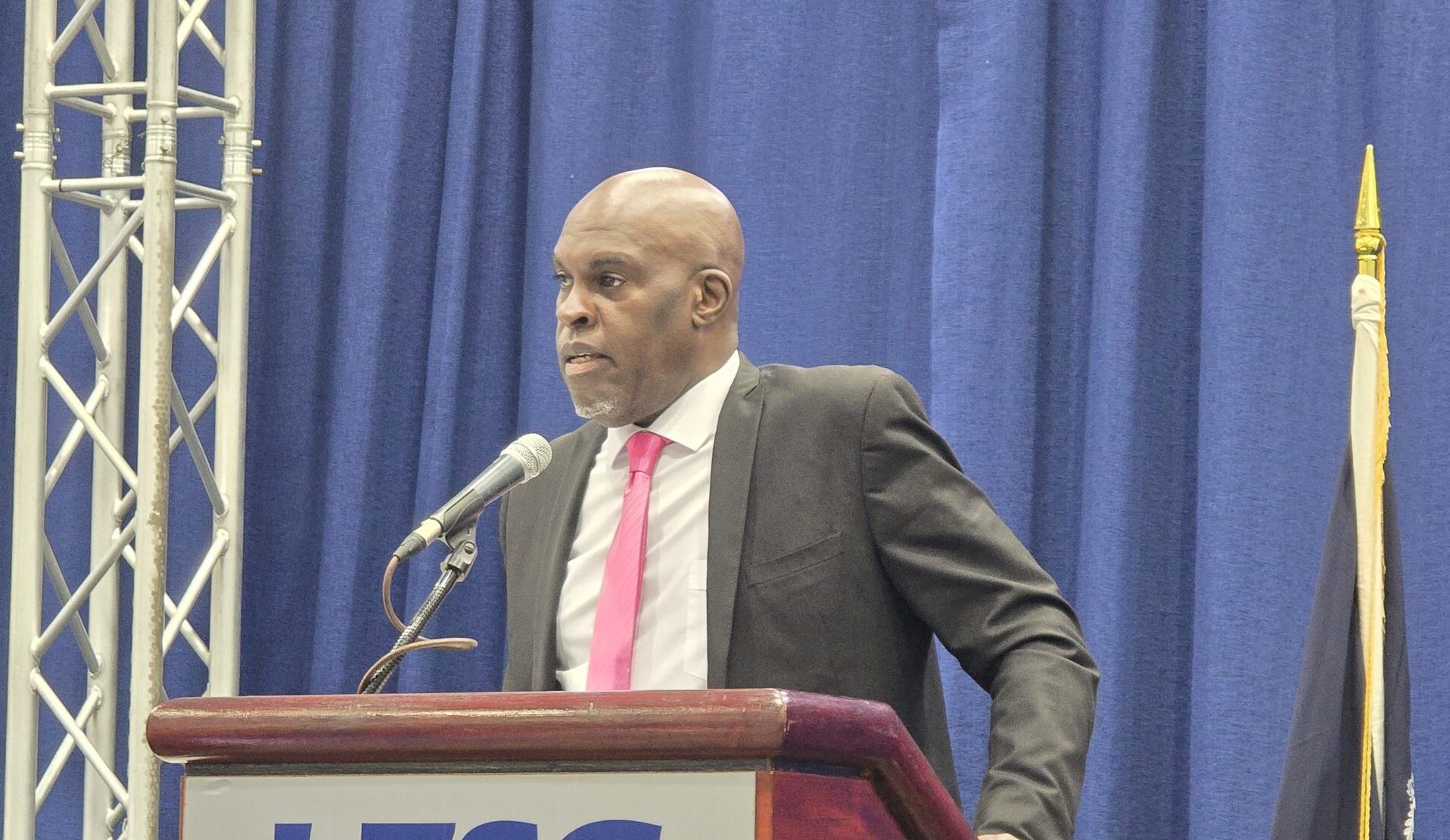
    BAA President Frederick Johnson framed the milestone as the product of 21 years of relentless advocacy, made possible by consistent backing from the national government, community partners, private donors, and autistic people’s families. “This building is far more than concrete and walls. It is a sanctuary where autistic children, teens, and adults can feel safe, seen, and valued for their authentic selves,” Johnson shared in his opening address.

    Johnson emphasized a core shift in the association’s philosophy: autism is a neurodivergence to be understood, not a condition to be corrected. “Our role as a community and as family members is not to change autistic people. It is to build accessible spaces and equip them with the tools they need to contribute fully to society, alongside their loved ones,” he explained. He also acknowledged the longstanding fear shared by many parents of autistic children about their kids’ long-term future, noting that the new facility is the critical first step toward building a more robust system of lifelong care and independent support.

    Minister of People Empowerment and Elder Affairs Adrian Forde called the achievement a national win, forged through years of sustained collaborative advocacy. Echoing Johnson’s framing, Forde noted that autism should never be treated as an inherent limitation, arguing that autistic people can thrive when given the right support systems. “Autism is not a barrier to contribution. When we open the door to equal opportunity, the unique gifts of autistic people will shine through,” he said, reaffirming that access to quality care and support is a fundamental human right for all disabled Barbadians.

    Finance Minister Ryan Straughn added that the new center is part of a wider national policy shift toward integrated, family-centered support for disabled communities. He highlighted the Social Empowerment Agency’s ongoing work to deliver more cohesive, needs-aligned services, and revealed upcoming government plans to develop specialized trusts that will help families secure long-term care for their autistic children, with officials set to work with local stakeholders to finalize the framework in the coming months.

    Roseanne Tudor, Operations Manager of the Barbados Council for the Disabled, walked attendees through the BAA’s 21-year history, from its founding in 2004 through periods of uneven progress and inactivity, to its major revitalization in 2017. Tudor called the new center a testament to the community’s unwavering persistence, noting that “it is far more than a building – it represents stability, it represents new opportunity, and it represents dignity for autistic Barbadians.”

    Even amid the celebration, Tudor urged stakeholders not to mistake progress for completion. “Our work is far from done,” she said, calling for sustained advocacy to embed disability inclusion as a non-negotiable principle across every sector of Barbadian society.

    Looking ahead, the BAA will launch its first life skills pilot programme later this year, serving six autistic adults transitioning out of the formal school system. The programme will focus on building practical, daily living skills to support independent living, with plans to expand access to more participants based on community demand as the association continues scaling its support for autistic people and their families across Barbados.

  • Three Barbadians qualify for 200m CARIFTA finals

    Three Barbadians qualify for 200m CARIFTA finals

    The CARIFTA Athletic Championships, hosted at Grenada’s iconic Kirani James Stadium, entered its second day of competition Sunday morning, and the Barbados national team exited the first session of the day with a string of standout performances and key qualifications to highlight. Leading the charge was defending 200m champion Jayden Green, a U.S.-based sprinter who dominated his Under-20 Boys 200m preliminary heat with a blistering time of 20.49 seconds to secure a spot in Monday’s highly anticipated final.

    Speaking to reporters in the event’s mixed zone after his win, Green shared that his 2024 track season has been marked by consistent progress, and he enters the final round in peak physical form. He extended public gratitude to the large contingent of Barbadian fans who have turned out to cheer on the national team throughout the championships, noting their support has been a major boost to all competing athletes. While Green’s advancement was a clear highlight for Barbados, teammate Jahkye Brewster finished third in his second semifinal with a time of 21.13 seconds and fell just short of qualifying for the final.

    The day’s successes extended beyond the men’s competition, with rising sprinter Aniya Nurse turning out another career-best performance fresh off a fourth-place finish in the Under-20 Girls 100m final held Saturday night. Nurse clocked 23.36 seconds to win her 200m semifinal, punching her ticket to Monday’s final round. Another feel-good story of the session came from Jalino Hamlett, the young Under-17 sprinter who saw his 400m semifinal end in disqualification Saturday morning after an early false start. Despite the disappointing early exit, Hamlett has received overwhelming support from fans both in the Grenada stands and across social media, and he turned that encouragement into a second-place finish in his 200m semifinal with a time of 21.46 seconds, qualifying for the final and leaving the young athlete visibly elated.

    In early field event finals, Barbados’ Aaron Massiah recorded a best leap of 7.12 meters to claim fourth place in the Under-20 Boys Long Jump, while teammate Jazzair Best finished 11th overall with a top jump of 6.79 meters. In the Under-17 Girls Discus, Jahzaria Ward posted a best throw of 27.89 meters to earn a ninth-place finish. On the hurdles track, Tarrell Johnson-Rouse suffered a mid-race fall in the second semifinal of the Under-20 Boys 400m hurdles and was unable to finish, missing out on a spot in the final. However, Rashad Gibson of Barbados secured third place in the first semifinal to advance to the next round. Leemiah London and T’nia Lashley both delivered solid performances to qualify for the Under-20 Girls 400m hurdles final, clocking 1:03.69 and 1:02.41 respectively. In the Under-17 Girls 200m, Taylor-Rai Wiggins ran 25.48 seconds in her semifinal but did not advance.

    Following the conclusion of the morning session, no changes were made to the overall athletics championship medal table: Barbados entered day two with one gold, one silver and two bronze medals earned on opening day, while Saint Lucia held one gold, one silver and one bronze. Parallel to the track and field competition in Grenada, the CARIFTA Swimming Championships kicked off its opening day in Martinique, where Barbados delivered a dominant performance, taking home seven gold, one silver and two bronze medals. Saint Lucia also put up a strong showing in the pool, earning a total of five medals including three gold.

    In a post-session media briefing with reporters, CARIFTA Games officials confirmed that a host venue for the 2027 edition of the regional championships has not yet been finalized. At least three candidate regions have already formally expressed interest in hosting the event, with the selection process still ongoing.

  • Government moves to reform care system for at-risk youth

    Government moves to reform care system for at-risk youth

    On Saturday, Barbadian Prime Minister Mia Mottley announced a landmark shift in the nation’s approach to supporting vulnerable youth, moving away from century-old rigid institutional care frameworks in favor of home-like, community-focused residential settings. The announcement came during the official opening of the new Young People’s Village, a 12-to-18-year-old residential facility located in Holders Hill, St. James, a project framed as a cornerstone of the government’s sweeping national childcare system reform.

    Developed through a collaborative partnership between the Barbados Children’s Trust and the country’s Social Empowerment Agency, the new Holders Hill facility is designed to gradually transition young people from the highly structured, institutional environment of the existing Nightingale Children’s Village into a space that prioritizes independent living, practical life skill building, and healthy emotional growth. This transition aligns with the government’s core goal of replacing inflexible institutional care with stable, nurturing environments that better meet the developmental needs of at-risk youth.

    Speaking to facility staff and participating stakeholders, Mottley rejected outdated, rigid approaches to social care, noting that traditional Victorian-era care models have long failed vulnerable populations. “We have a duty, and we don’t want to use a Victorian approach to the delivery of social care services because that didn’t work either,” she stated, emphasizing the government’s commitment to stripping away the impersonal, institutional feel of traditional youth care as much as possible.

    Mottley went on to redefine the role of care staff, explaining that their work extends far beyond routine daily duties to shaping the long-term trajectories of the young people in their care. “You are not just doing a job, you are raising citizens and children to become adults,” she said, stressing that meaningful youth guidance must be rooted in shared values and positive personal example.

    The Prime Minister outlined three overarching national priorities guiding the country’s social policy agenda: cutting systemic poverty, dismantling structural injustice, and expanding life-changing opportunities, with a specific focus on vulnerable children and youth. She also issued a warning against rising culture of entitlement, arguing that individual personal responsibility remains a non-negotiable pillar of sustained national development. “Nobody owes us a living,” Mottley said, urging all Barbadians to take an active, hands-on role in supporting the nation’s young people.

    Echoing the well-known proverb that “it takes a village to raise a child,” Mottley emphasized that youth development and effective parenting require collective effort across communities, calling on local residents to invest time in mentoring and supporting at-risk young people. She also highlighted the urgent need to strengthen conflict resolution skills among youth, linking poor communication and lack of dialogue to rising incidents of violence, and encouraged more open, respectful conversation across age groups.

    While Mottley acknowledged that Barbados maintains one of the highest quality of life rankings in the Caribbean, she cautioned that widespread societal complacency, paired with a lack of shared responsibility for collective well-being, could erode hard-won progress and undermine future growth. The new youth facility is just one component of a broader, nationwide expansion of social care infrastructure that includes new residential and support services for elderly Barbadians and differently-abled adults, all developed through cross-sector partnerships with nonprofits like the Barbados Children’s Trust.

    Mottley stressed that ongoing collaboration between government, the private sector, and civil society is essential to building a resilient, effective social care system. She also noted that the new Young People’s Village incorporates renewable energy infrastructure, including on-site solar installations, as part of broader national efforts to reduce the country’s vulnerability to global energy and economic shocks.

    In additional policy announcements, Mottley disclosed that the Barbadian government has allocated $5 million in funding to faith-based organizations across the country to support local youth programmes and community development initiatives, framing these community-led projects as critical to strengthening grassroots support systems for vulnerable populations.

    Closing her remarks to the young residents of the new facility, Mottley framed the Holders Hill site as more than just a residential centre: it is a second chance and a clear pathway to a more prosperous future. “This is to make you a believer again in the possibilities of life… it is possible to achieve greatness, it is possible to be a good citizen, it is possible to be a good human being,” she told residents.