标签: Barbados

巴巴多斯

  • Caribbean unity: Built from below

    Caribbean unity: Built from below

    A profound lesson in construction, nature, and regional history is being applied to the modern pursuit of Caribbean integration. The principle is universal: enduring structures are never built from the top down. Just as a house requires a solid foundation before walls or a roof can be added, any lasting union must be carefully and deliberately assembled, with each new layer dependent on the stability of the one beneath it.

    This philosophy is vividly illustrated in the natural world by the bachac leaf-cutting ant, a species native to the Caribbean. These insects construct immense, resilient underground colonies through a meticulous process of accumulation. Each individual leaf fragment is insignificant, but through continuous feedback and incremental addition, a complex and robust network of galleries and chambers emerges. The nest’s strength is derived not from a single grand act, but from the intelligence gained at each small step.

    History provides a stark warning against ignoring this gradualist approach. The failure of the West Indies Federation serves as a regional case study. This ambitious political union of ten territories collapsed in 1962 precisely because it lacked a tested, stable foundation. As famously noted by Dr. Eric Williams, the withdrawal of a single member, Jamaica, caused the entire edifice to crumble, proving that ‘one from ten leaves zero.’

    In response to these lessons, a new framework called the Sequential Evolutionary Approach (SEA) is being advocated. This strategy posits that true, functional unity is best achieved organically. It would begin with a core partnership between two or three nations, allowing trust and shared systems to be proven and strengthened. Only then would the union expand, inviting additional members one by one, with each step informed by the practical intelligence gained from the previous one.

    The central insight is that systems thrive when they are allowed to evolve naturally rather than being forced into existence. For the Caribbean, the path to the strength found in unity is not through a sudden leap to a fully-formed coalition. It is through a patient, collective climb, building resilience and trust with each secure step forward, ensuring the final structure is built to last.

  • What do we really mean by “valuing education”?

    What do we really mean by “valuing education”?

    A pervasive narrative condemning contemporary youth for allegedly undervaluing education represents a fundamental misdiagnosis of today’s societal challenges. Rather than reflecting generational failings, this critique exposes how outdated comparisons and systemic failures have eroded the traditional educational contract between society and its young people.

    Historical nostalgia often clouds intergenerational discussions, with many adults recalling an era when professional opportunities existed without stringent credential requirements. Today’s youth face a transformed landscape where entry-level positions demand both academic qualifications and prior experience—creating an impossible paradox for those transitioning from education to employment. This dramatic shift in opportunity structures renders cross-generational comparisons fundamentally invalid.

    The prevailing assumption that demonstrating financial investment in education will automatically instill value proves equally flawed. When students observe significant educational expenditure alongside deteriorating infrastructure and resource shortages, it creates cognitive dissonance rather than appreciation. True educational value derives from trust, relevance, and tangible outcomes—elements that cannot be manufactured through monetary investment alone.

    Perhaps most critically, the historical promise connecting educational effort to socioeconomic mobility has fractured. Contemporary youth witness countless examples where academic achievement fails to correlate with professional success, where nepotism overrides meritocracy, and where identical outcomes emerge from vastly different effort levels. This observable reality generates legitimate questions about education’s ROI that adults frequently dismiss as laziness rather than rational inquiry.

    For many young people, educational disengagement represents not rebellion but survival logic. Witnessing parents and siblings struggle despite following prescribed educational paths, they recognize systemic biases toward profitable rather than meaningful pathways. When alternative routes promise faster financial security, choosing them reflects pragmatic calculation rather than moral failure.

    This disconnection creates vulnerability. Youth detached from educational institutions often seek belonging and income elsewhere, sometimes through destructive channels. This phenomenon represents not absent values but absent options—a distinction society routinely misses.

    The core issue transcends value and centers on trust. Young people engage with systems demonstrating respect, relevance, and returns. They invest in pathways proving responsive to their realities. Until educational systems can demonstrate consistent fairness, transparent opportunity structures, and tangible outcomes, exhortations about education’s inherent value will continue falling on skeptical ears.

    Ultimately, the critical question isn’t why youth don’t value education, but what educational systems have done to earn that valuation. Bridgeman-Maxwell’s analysis challenges us to reexamine our institutions rather than our children, recognizing that demonstrated worth—not asserted importance—builds genuine educational engagement.

  • Light & Power spreads Xmas cheer at senior citizens village

    Light & Power spreads Xmas cheer at senior citizens village

    In a heartwarming display of corporate social responsibility, the Barbados Light and Power Company delivered holiday joy to Vauxhall Senior Citizens Village in Christ Church this Thursday. The company’s annual ‘Brighten Your Christmas with Good Energy’ initiative brought musical entertainment and gift deliveries to 36 residents of the long-term care facility, many of whom are low-income seniors dependent on institutional support.

    The festive event featured an energetic caroling performance led by renowned artist Geoffrey ‘Biggie Irie’ Cordle, accompanied by pannist Terry ‘Mexican’ Arthur. Their musical interlude created an atmosphere of celebration and community connection for residents who often feel overlooked during holiday seasons.

    Teresa Hamilton, Acting Assistant Director of the National Assistance Board, expressed profound gratitude for the thoughtful timing of the visit. “While children and youth typically receive most seasonal attention,” Hamilton noted, “this gesture acknowledges our elderly population who laid the foundation for our current society. Such kindness creates meaningful impact for seniors who cherish community interactions.”

    Roger Blackman, Managing Director of Barbados Light and Power, emphasized that the initiative reflects the company’s broader commitment to service extending beyond electricity provision. “Our teams work year-round to deliver secure, reliable service,” Blackman stated. “This outreach represents our ongoing dedication to supporting programs that foster care, kindness, and human connections during the holiday season.”

    The corporate outreach program demonstrates how utility companies can play vital roles in addressing social isolation among elderly populations while promoting inclusive community engagement during significant cultural celebrations.

  • 66-year-old man remanded on illegal gun, ammunition charges

    66-year-old man remanded on illegal gun, ammunition charges

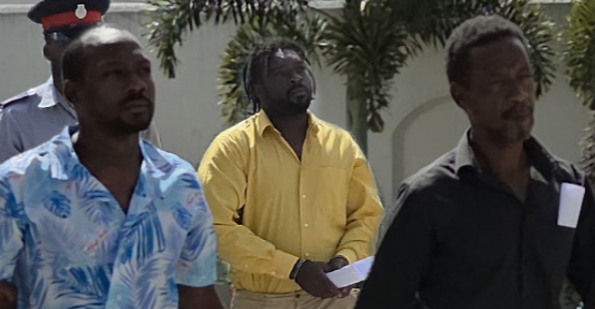
    A 66-year-old truck driver from St Michael, Barbados, has been ordered to remain in custody at Dodds Prison for four weeks following his court appearance on serious weapon-related allegations. John Mitchell Cozier of Niles Road, Eagle Hall, faced the Bridgetown Law Courts on Thursday charged with possession of an unlicensed firearm and unauthorized ammunition.

    The accused appeared before Chief Magistrate Ian Weekes on two indictable offenses dating back to December 10. The charges specify that Cozier allegedly possessed one firearm without holding the required valid license and fifteen rounds of ammunition without the necessary permit. During the proceedings, the defendant was not required to enter a formal plea to these charges.

    Presiding over the case, Chief Magistrate Weekes made the decision to remand Cozier into the custody of Dodds Prison until January 8, 2024, when the matter will be revisited by the court. The legal representation for Cozier was provided by Senior Counsel Angella Mitchell-Gittens, a prominent figure in Barbados’ legal community.

    This case highlights ongoing concerns regarding illegal weapon possession in Barbados and the judicial system’s handling of such matters. The four-week remand period allows for further investigation while ensuring the defendant’s appearance at the next hearing. The involvement of senior legal counsel suggests the potential complexity of the case moving forward.

  • Barbados Landship inscribed on UNESCO Heritage List

    Barbados Landship inscribed on UNESCO Heritage List

    In a landmark decision for Caribbean cultural preservation, the Barbados Landship tradition has been formally inscribed on UNESCO’s List of Intangible Cultural Heritage in Need of Urgent Safeguarding. The designation was announced during the 20th Session of the Intergovernmental Committee for Safeguarding of the Intangible Cultural Heritage in New Delhi, India on December 9.

    Senator Dr. Shantal Munro-Knight, Minister in the Prime Minister’s Office with responsibility for Culture, witnessed the historic proclamation firsthand. She characterized the UNESCO recognition as a pivotal achievement for Barbadian national identity, emphasizing that it validates both the cultural significance and enduring value of the Landship as a living expression of Barbadian heritage.

    The Minister highlighted the pressing challenges facing the tradition, including modernization trends, evolving community structures, and the gradual loss of elder knowledge. In response, the Barbadian government has partnered with the Barbados Landship Association to implement comprehensive safeguarding measures. These initiatives include expanded youth engagement programs integrated into school curricula, community workshops, and specialized training programs designed to preserve the knowledge, rituals, and artistic expressions central to the Landship tradition.

    Senator Munro-Knight reaffirmed the government’s commitment to empowering community custodians and knowledge bearers who serve as guardians of this heritage. She noted that for 160 years, the Landship has symbolized community solidarity, unity, pride, and mutual support—values that continue to guide Barbadian society.

    Wayne Worrell, President of the Barbados Landship Association, welcomed the UNESCO designation as a crucial step toward ensuring the transmission of the association’s traditions, practices, and expressions to future generations.

    The Barbadian delegation is scheduled to return home on December 12, where they will be greeted with a welcome ceremony at Grantley Adams International Airport.

  • Support local farmers during Christmas shopping

    Support local farmers during Christmas shopping

    In the wake of catastrophic rainfall that severely damaged agricultural infrastructure across Barbados, government officials are making a heartfelt appeal for citizens to prioritize locally grown produce during their Christmas festivities. The Ministry of Agriculture, Food and Nutritional Security has revealed that recent torrential downpours resulted in extensive crop destruction, substantial soil erosion, and complete devastation of farming installations throughout the island nation.

    Agriculture Minister Indar Weir provided sobering details about the sector’s devastating losses, explaining that entire fields were completely washed away and numerous farming operations suffered critical infrastructure damage. The timing proves particularly disastrous as the holiday season typically represents peak demand for fresh local vegetables, seasonings, and traditional Christmas ham ingredients.

    “Our agricultural community has experienced tremendous hardship and financial setback,” Minister Weir stated. “Many hardworking farmers have seen months of diligent labor literally washed away within a single weekend. As families prepare their holiday meals, we strongly encourage every Barbadian to consciously select locally sourced products. This collective support represents the most direct way to help our farming community recover and rebuild.”

    Permanent Secretary Terry Bascombe emphasized the profound connection between consumer choices and agricultural recovery, noting that Christmas celebrations traditionally center around shared meals and culinary traditions. “The foods we serve during our holiday gatherings carry significant meaning,” Bascombe observed. “This year, we ask Barbadians to consider the origin of these ingredients and consciously support our local producers who have endured unimaginable losses.”

    Despite the widespread damage, ministry technical teams have been actively assessing damages and providing on-the-ground support to affected farmers. Chief Agricultural Officer Michael James confirmed that field officers are working tirelessly to evaluate the full extent of the damage while implementing recovery strategies. However, officials stress that the most crucial component of agricultural recovery will be demonstrated through consumer support at markets and grocery stores throughout the holiday season.

  • The new pirates of the Caribbean

    The new pirates of the Caribbean

    The recent apprehension of a Venezuelan oil tanker by the United States government, accompanied by threats of potential ground operations, has raised alarming concerns about the resurgence of 19th-century imperial tactics in Latin American relations. This aggressive maneuver represents a dramatic escalation in hemispheric tensions and evokes historical patterns of military interventionism that many believed were consigned to history.

    Analysts note striking parallels between current events and early 20th-century Caribbean interventions, when United States Marines routinely landed in Haiti, Nicaragua, and the Dominican Republic under the pretext of protecting American interests. Contemporary justifications emphasizing national security and combating so-called ‘rogue states’ appear to mask more pragmatic objectives centered on controlling strategic trade routes and accessing the world’s largest hydrocarbon reserves.

    The legal foundation for these actions remains highly questionable under international law. The destruction and seizure of vessels allegedly linked to narcotics trafficking—conducted without verified interdictions or proper judicial oversight—stretches the boundaries of unilateral policing into outright maritime aggression. Particularly troubling is the violation of the United Nations Convention on the Law of the Sea (UNCLOS), which establishes clear protocols for maritime enforcement that have been systematically ignored.

    This approach reflects a broader strategic doctrine that prioritizes coercive power over diplomatic engagement, substituting sanctions and military posturing for multilateral cooperation. The abandonment of democratic principles and human rights rhetoric in favor of overt force represents a significant departure from established diplomatic norms, threatening the sovereignty of smaller nations throughout the hemisphere.

    Regional bodies like CARICOM now face critical tests of their collective resolve to resist this regression toward imperial practices. The precedent established by Venezuela’s de facto blockade could potentially extend to any Caribbean nation pursuing policies independent of Washington’s preferences, undermining decades of progress toward regional autonomy and self-determination.

    The fundamental challenge to international order lies not merely in specific actions but in the underlying philosophy that powerful nations possess inherent rights to dictate terms to their neighbors. This worldview, reminiscent of 19th-century Manifest Destiny ideology, contradicts contemporary aspirations for equitable partnerships and rules-based governance among nations.

  • MP vows cleanup amid Glendairy area safety concerns

    MP vows cleanup amid Glendairy area safety concerns

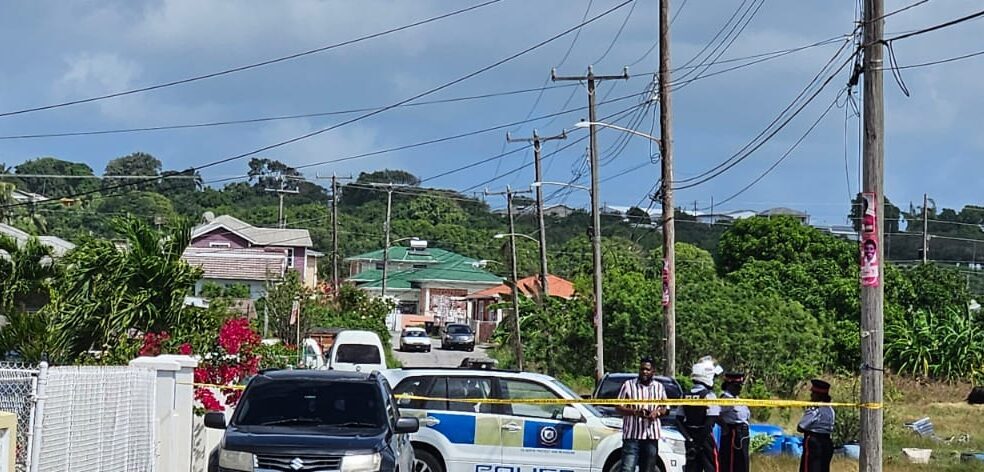
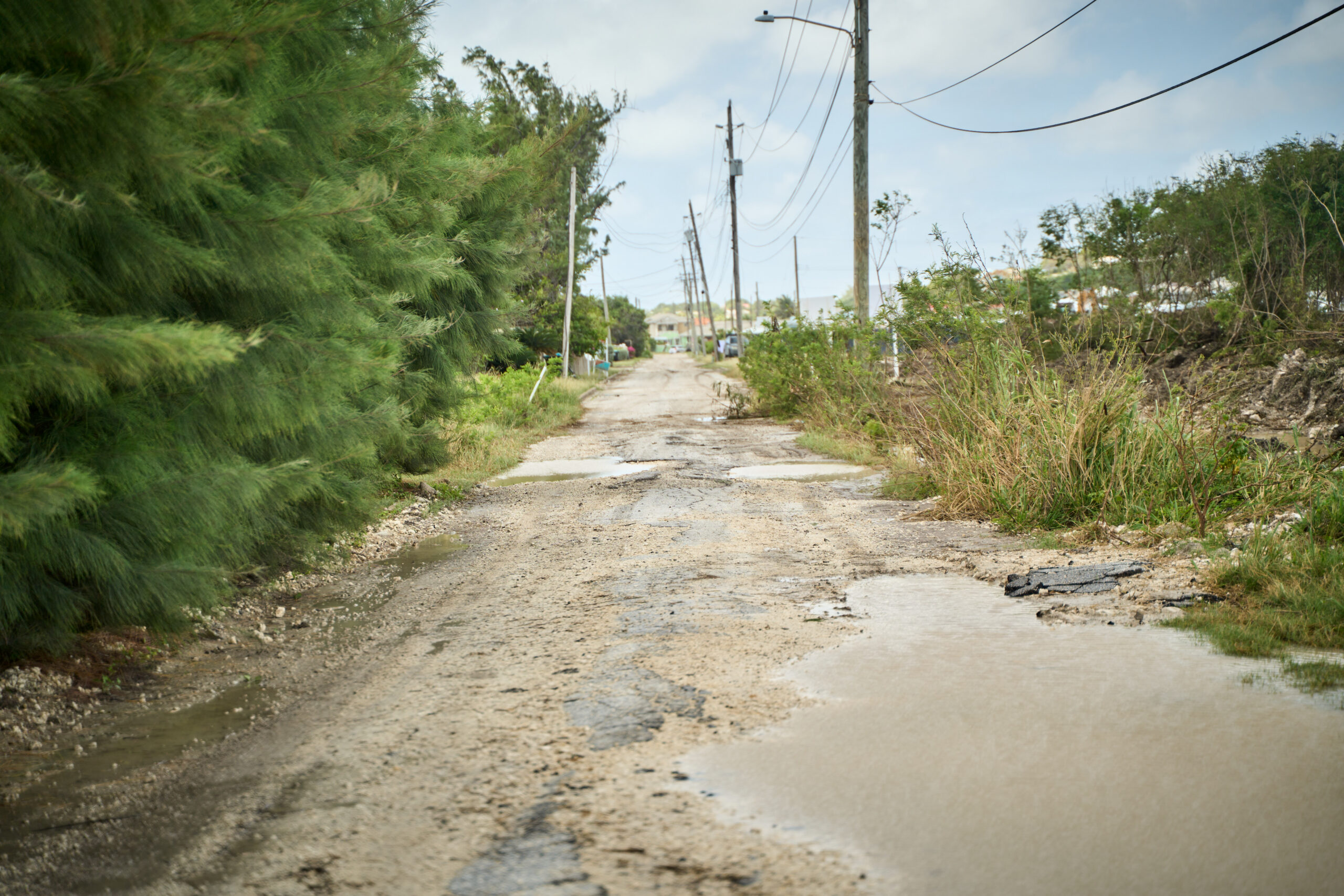
    A residential community in St Michael, Barbados, faces a mounting public health and structural safety crisis stemming from the derelict Glendairy Prison complex, abandoned since a devastating riot and fire two decades ago. Approximately twenty households in Glendairy Gap, Station Hill, now confront triple threats: an unstable perimeter wall compromised by invasive tree roots, proliferating rodent populations, and expanding colonies of monkeys and bees.

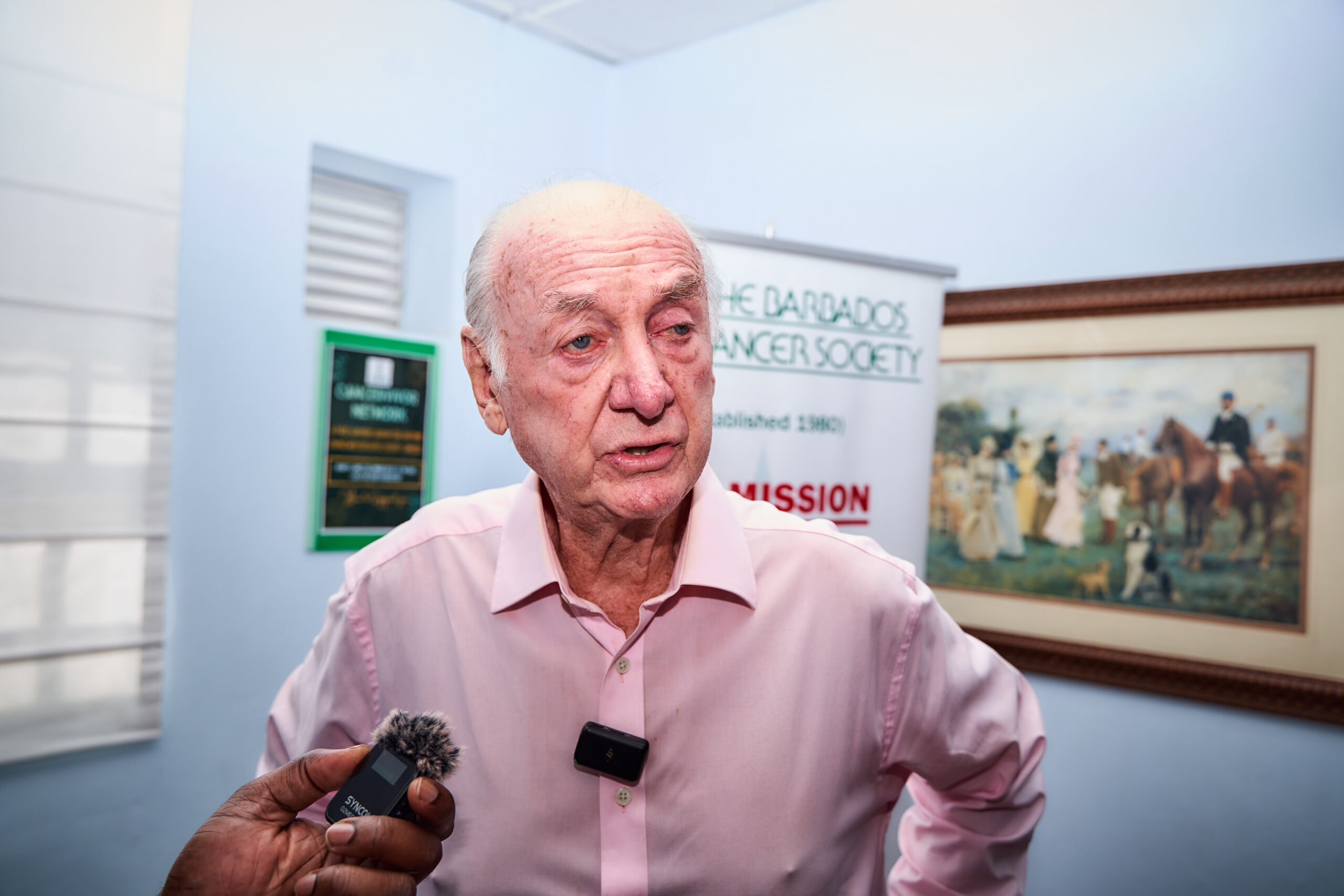
    The historic correctional facility, operational from 1855 until its 2005 closure, now poses imminent danger to adjacent residences. Roland Thorpe, a long-term resident, detailed how mature trees within the prison grounds have embedded root systems into the aging masonry, creating cavities and destabilizing the structure. ‘The wall may fall in a matter of time,’ Thorpe warned, noting that moisture-seeking roots are actively separating the construction materials.

    Compounding the structural concerns, wildlife infestations have created severe public health challenges. Monkeys have established habitats in the overgrown vegetation, while rat populations continue multiplying unchecked. Elderly residents particularly fear disease transmission from rodents, and though bees provide pollination benefits, their rapidly increasing numbers present additional safety concerns.

    Frustrated by governmental inaction despite repeated complaints, residents propose innovative solutions. Thorpe suggests implementing community service programs where individuals on probation would maintain the area, simultaneously addressing cleanup needs while instilling work ethics in offenders.

    Political response appears forthcoming as Member of Parliament Arthur Holder, Speaker of the House of Assembly, announced an imminent community enhancement initiative. The project, scheduled to launch within weeks, will deploy workers to address vegetation overgrowth, clear drainage systems, and improve environments for vulnerable seniors. Holder specifically identified the Glendairy area as a priority, indicating that safety improvements and environmental restoration will be among the program’s primary objectives.

  • Govt defends two per cent minimum wage rise ‘compromise’

    Govt defends two per cent minimum wage rise ‘compromise’

    The Barbadian government has formally implemented a two per cent elevation in both national and sectoral minimum wages, effective January 2026. Labour Minister Colin Jordan staunchly defended this policy decision, characterizing it as a carefully calibrated measure that strikes an equitable balance between bolstering low-income workers and preserving corporate profitability.

    During a press briefing at Illaro Court, Minister Jordan elaborated that this incremental adjustment aims to alleviate financial strain on the most vulnerable earners while maintaining business sector stability. The adjustment elevates the national minimum wage from $10.50 to $10.71 hourly—a 21-cent increase—while security guards will see their sectoral minimum rise from $11.43 to $11.66 per hour.

    Minister Jordan emphasized the government’s commitment to predictable, annual wage indexing since its establishment in the 2025 Budget. He revealed that official notifications regarding the January implementation were disseminated as early as March 2025, providing approximately eight months’ advance notice to employers and stakeholders.

    Addressing concerns from some business operators who expressed surprise at the announcement, Jordan maintained that communication had been both timely and unambiguous. He urged employers to remain vigilant about labor policy developments while focusing on core business operations.

    The Minister provided historical context, noting that Barbados had no official minimum wage until the Mottley administration instituted one in April 2021. Previous wage regulations only covered shop assistants and domestic workers under the Shops Act. The most recent significant adjustment occurred six months prior, when rates jumped from $8.50 to $10.50 nationally and from $9.25 to $11.43 for security personnel.

    Jordan confirmed that the Minimum Wage Board has commenced comprehensive analysis of the June 2025 increase’s economic impact. This evaluation will inform development of a scientifically-grounded indexing model tailored to Barbados’ specific economic conditions. While international frameworks have been examined, no domestic model has been finalized yet. Cabinet will ultimately determine policy based on the board’s recommendations.

    Regarding inflationary pressures, Jordan acknowledged that imported inflation affects Barbados significantly, but asserted that the two per cent adjustment remains modest compared to global inflation trends. He framed the increase as essential for worker subsistence, noting that the additional 21 cents hourly could determine whether workers can afford basic protein sources to accompany their staple meals.

  • Youth ambassadors urge education to tackle violence against women

    Youth ambassadors urge education to tackle violence against women

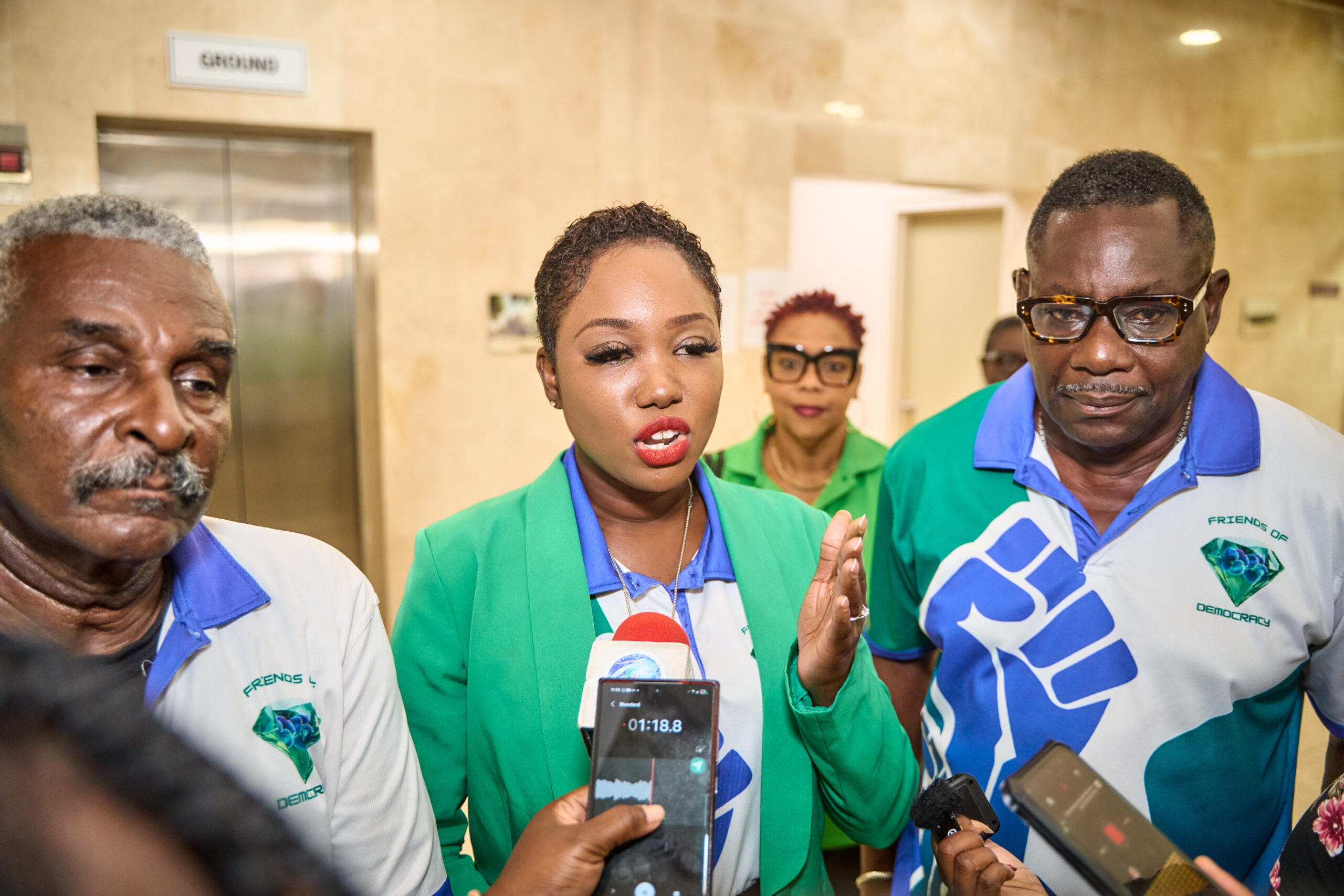
    Barbados’ newly appointed CARICOM Youth Ambassadors have commenced their 2025–2027 mandate with a powerful appeal for comprehensive educational reform and community mobilization to address gender-based violence and advance women’s rights. The inauguration coincided with both Human Rights Day and the culmination of the global 16 Days of Activism Against Gender-Based Violence campaign, adding symbolic weight to their message.

    Janae Herbert, one of the newly installed ambassadors, emphasized the necessity of a fundamental societal re-education regarding gender-based violence. She advocated for an ‘all-sector approach’ that transcends formal education systems, highlighting the crucial need for personal education about what constitutes violence and which societal narratives perpetuate harmful behaviors. Herbert called for the deconstruction and reconstruction of societal concepts surrounding the respect and reverence afforded to women, asserting that women must be recognized first as human beings and equally important participants in societal transformation.

    Fellow ambassador Jennifer Burrows reinforced these sentiments while specifically addressing the structural dimensions of the issue. She identified gender-based violence as a pervasive problem affecting Barbados, the Caribbean region, and the global community. Burrows stressed the imperative of introducing gender equality education from the primary school level, focusing on teaching about diverse gender roles, inherent strengths of each gender, and individual potential. Additionally, she underscored the critical need for systemic institutional changes to effectively combat the deep-rooted problem, positioning education and structural reform as complementary essential tools.