标签: Barbados

巴巴多斯

  • Wanted man held, assisting police investigations

    Wanted man held, assisting police investigations

    After a period of being at large, a man linked to severe criminal activity has been apprehended by law enforcement in Barbados, closing a key chapter in an ongoing investigation. Ian Alleyne Farrell, who went by multiple aliases including Cheese, Tallman, and Mafia, and was a resident of Apartment 1 at 156 Regency Park in Christ Church, was recently taken into police custody.

    Authorities confirmed that Farrell is currently cooperating with investigating officers as they work to unpack details related to the serious criminal allegations that first put him on the wanted list. The Barbados Police Service has issued a public statement extending its gratitude to community members who shared information and supported the manhunt effort.

    Law enforcement officials emphasize that public collaboration remains a critical asset in helping police resolve cases and bring individuals wanted in connection with criminal activity into custody, highlighting the successful outcome of this case as an example of that partnership in action.

  • President Ali announces diaspora initiative at Saint Lucia town hall meeting

    President Ali announces diaspora initiative at Saint Lucia town hall meeting

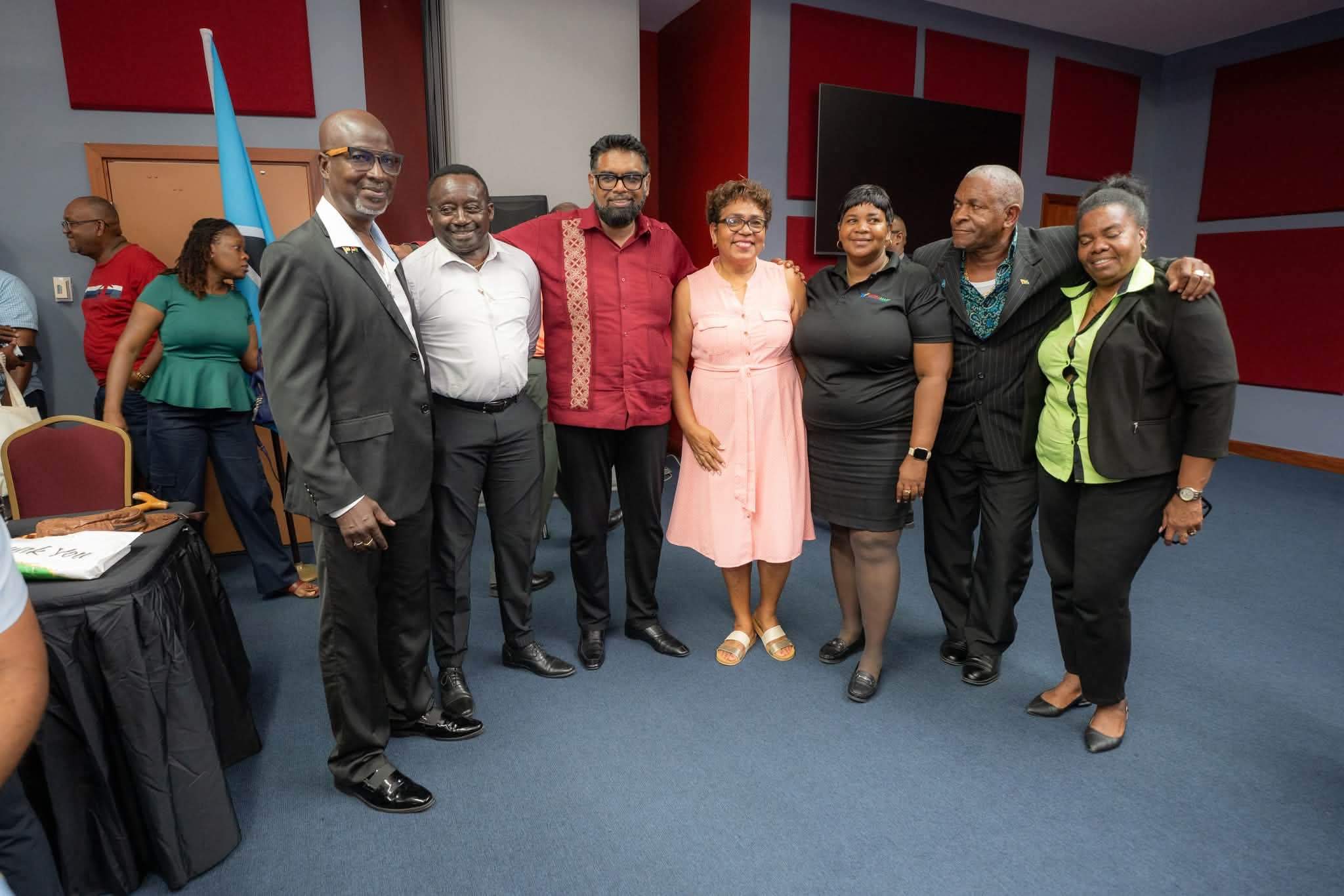
    Against the backdrop of the 51st CARICOM Heads of Government Meeting concluding in Saint Lucia on Wednesday, Guyanese President Irfaan Ali has announced a groundbreaking initiative to bring critical government services directly to the country’s large global diaspora population. Speaking at a diaspora-focused town hall hosted by the Guyana/Saint Lucia Association at Castries’ Financial Administrative Centre on Tuesday, President Ali outlined plans for mobile government service centres that will travel to nations with significant Guyanese expatriate communities.

    Under the proposed framework, the mobile service units will conduct annual visits to each priority country in the initial phase of the rollout, streamlining access to a full suite of essential public documents and services. From National Insurance Scheme (NIS) processing to birth certificate issuance and replacement of lost official documentation, all core administrative needs will be handled on-site by a single integrated government team.

    President Ali emphasized that the new outreach program will work in tandem with Guyana’s ongoing national digital transformation push, which has already overhauled domestic public service delivery. By bringing agency representatives directly to where overseas Guyanese reside, the initiative eliminates long-standing barriers that have forced many expatriates to navigate complex, distant administrative processes.

    In a key expansion of the plan, President Ali also confirmed that specialized mobile teams will soon begin offering biometric passport services to Guyanese living abroad. This addition will drastically cut the need for citizens to make costly, time-consuming trips back to Guyana solely to complete mandatory passport processing requirements.

    The President was joined at the town hall by a full senior delegation, including Foreign Affairs and International Cooperation Minister Hugh Todd, Public Service, Government Efficiency and Implementation Minister Zulfikar Ally, and National Security Advisor Gerry Gouveia. Beyond the new mobile service announcement, the team used the gathering to outline the government’s ongoing work across key domestic sectors including infrastructure, public healthcare, education, affordable housing, technology and digital modernization.

    Attendees were given the opportunity to share their priorities, submit contact details and flag specific concerns requiring government attention. All submitted information will be added to a centralized database to allow officials to begin processing requests promptly, ensuring no diaspora voice goes unaddressed.

    President Ali used his address to issue an open invitation to Guyanese expatriates: he encouraged those interested to return to their home country, invest with confidence in Guyana’s growing economy, and take an active role in advancing the nation’s ongoing development agenda.

    The event concluded with an interactive open question-and-answer session, which gave diaspora members direct access to the President and his delegation to raise personal and community-specific issues. Richard Cheong, Guyana’s Honorary Consul to Saint Lucia, opened the gathering by welcoming all attendees, while David Christopher, Public Relations Officer of the Guyana/Saint Lucia Association, closed formal proceedings by thanking the presidential delegation for prioritizing engagement with the local Guyanese community. Christopher reaffirmed the association’s long-standing commitment to deepening bonds between the diaspora and Guyana through expanded investment, trade, educational collaboration and cultural exchange programs.

  • Independent lawmaker urges wider insurers’ investment portfolio

    Independent lawmaker urges wider insurers’ investment portfolio

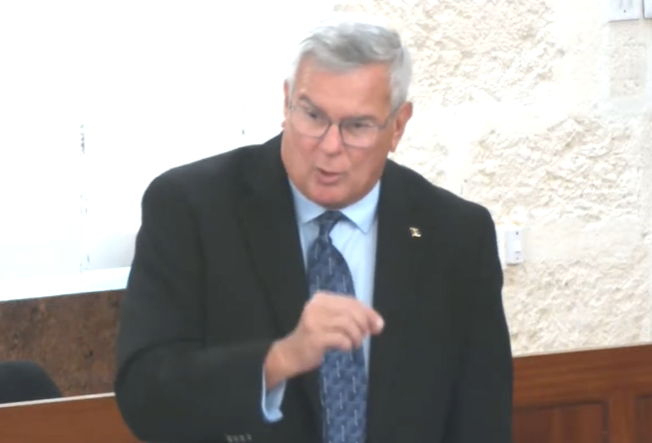
    As Caribbean nations enter another Atlantic hurricane season, an independent Barbadian senator is pushing the island’s government to expand ongoing financial sector reforms to address unaddressed risk concentration in the domestic insurance industry. Independent Senator Andrew Mallalieu, a seasoned real estate executive, made the case for liberalizing foreign investment rules for local insurance carriers during Wednesday’s parliamentary debate on the Protection of Depositors Bill, arguing that current restrictions leave the entire country vulnerable to systemic climate-related financial shocks.

    Mallalieu stressed that the core principle of risk diversification, which is explicitly embedded in the new depositor protection legislation, should be extended to the insurance sector to strengthen the country’s overall financial stability. While he voiced appreciation for the Senate’s collective prayers for Barbados to avoid devastating hurricane impacts this year, he emphasized that spiritual preparedness must be paired with pragmatic policy changes to reinforce the island’s economic resilience against extreme weather.

    The senator highlighted a critical, overlooked mismatch in the current regulatory framework: Barbadian insurance companies that underwrite hurricane coverage for local properties are currently restricted from diversifying their investment holdings outside the island. This means their investment portfolios are concentrated entirely in domestic assets that would lose value in the same catastrophic hurricane event they are contracted to cover. If a major storm devastates the island, insurers would face simultaneous collapse in asset values and a surge in payout claims, creating a systemic risk that could destabilize the entire financial sector.

    Mallalieu pointed out that domestic insurers already follow a risk-spreading model for underwriting, ceding roughly 90 percent of their coverage risk to overseas reinsurance companies to avoid overexposure to local disasters. He argued that the same logic should apply to investment portfolios, calling on regulators to give insurance carriers far greater flexibility to invest premium dollars in offshore assets that are not correlated to local climate or economic shocks.

    Drawing a direct parallel to the Protection of Depositors Bill, Mallalieu noted the legislation is designed to separate insured deposits from avoidable institutional risk, a consumer protection principle that equally applies to insurance policyholders. He illustrated the risk of inaction with a simple example: an insurer that underwrites a home in the parish of St George cannot reliably back that policy with another domestic property asset in St Philip, because a single major hurricane would damage all local real estate assets across the island at once.

    Closing his remarks, Mallalieu urged policymakers to frame the Protection of Depositors Bill as an opening for broader, system-wide financial reform rather than a standalone piece of legislation. “I’m encouraging us to look broadly, see the greatness of this bill and extend it to insurance companies and all forms of insurance,” he said, framing the reform as a critical step to protect both consumers and the broader Barbadian economy from avoidable climate-related financial risk.

  • Govt to expand upland rice production to ten acres at Pine Basin

    Govt to expand upland rice production to ten acres at Pine Basin

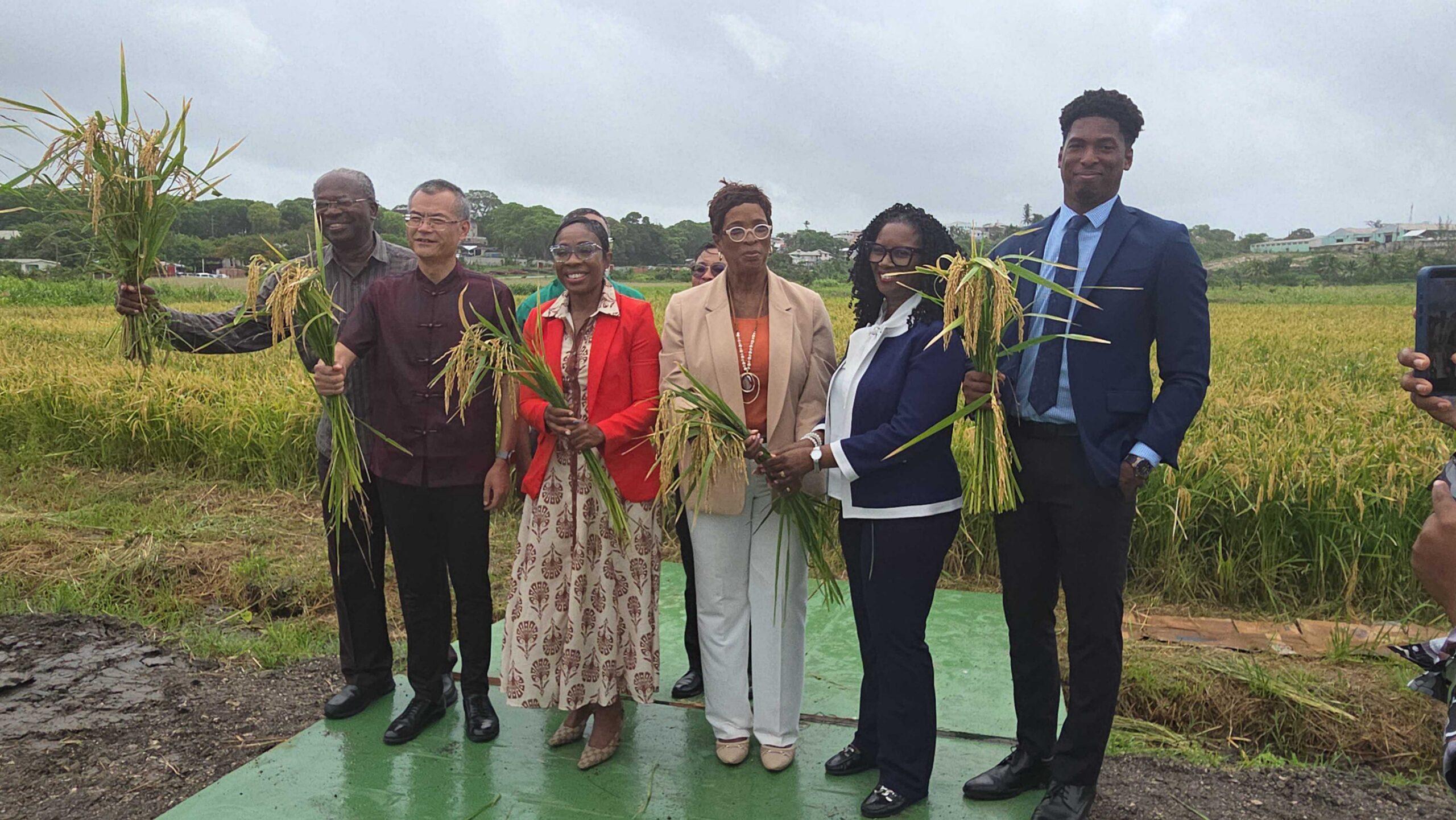
    Barbados is set to make a landmark leap toward domestic food sovereignty, following the successful completion of the third phase of a bilateral agricultural cooperation project with China. Agriculture authorities announced plans to scale up commercial upland rice cultivation to 10 acres at the Pine Basin site, a move widely expected to cut the island nation’s longstanding dependence on imported staple foods.

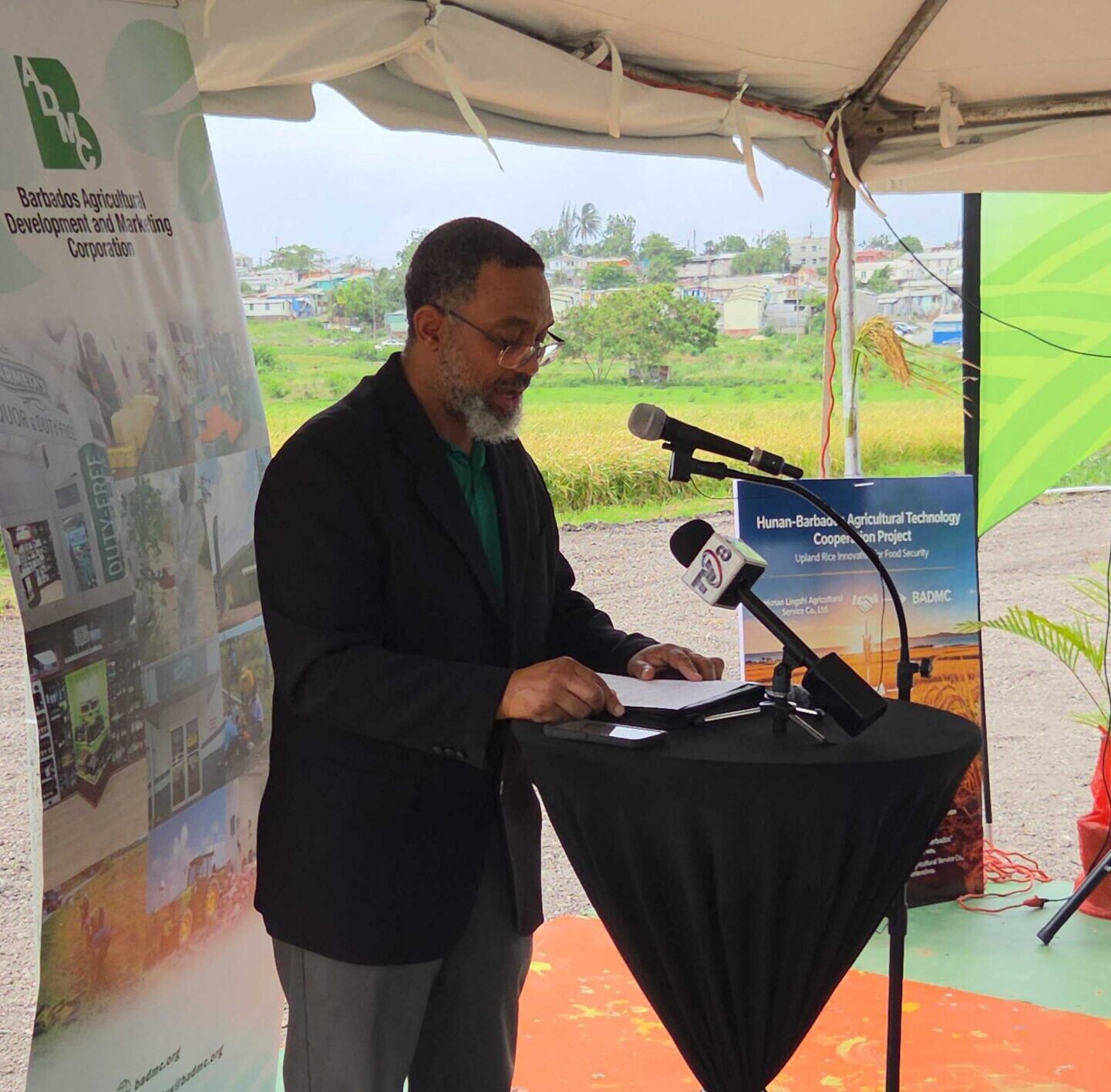
    The expansion plan was officially unveiled during the “Golden Sickle” shared food security harvest ceremony, an event that celebrated the successful outcomes of the hybrid upland rice demonstration initiative under the China-Barbados Agricultural Cooperation programme. The project is a three-way partnership between Barbados’ Ministry of Agriculture, the Barbados Agricultural Development and Marketing Corporation (BADMC), and China’s Hunan Lingshi Agricultural Service Company Limited, and has been hailed as a cornerstone of the island’s push for greater agricultural self-sufficiency.

    Frederick Inniss, acting Chief Executive Officer of BADMC, explained that the existing 2-acre (1-hectare) demonstration plot at Pine Basin will act as the launchpad for full-scale commercial rice development. “Under the cooperation agreement, Hunan Lingshi Agricultural Group and BADMC plan to expand production to a total of 10 acres at this location for commercial rice production. This initial 1-hectare plot is just the first step in establishing full-scale commercial upland rice production across Barbados,” Inniss said during the ceremony.

    Inniss emphasized that the bilateral partnership has evolved far beyond its original scope as a simple technology demonstration, growing into a comprehensive strategic alliance that builds long-term agricultural resilience for Barbados. The initiative has delivered tangible progress across three core areas: strengthening local technical capacity, introducing innovative climate-smart production systems, and expanding access to appropriate agricultural mechanization for small and medium-scale producers.

    “Our demonstration trials have conclusively shown that upland rice can be grown successfully under Barbados’ local soil and climate conditions. This opens exciting new opportunities for domestic grain production and creates a clear pathway to reduce our reliance on imported staple foods over time,” Inniss added.

    The breakthrough in the third phase of the project followed years of staged development laid out in the bilateral cooperation agreement. The first phase prioritized building climate-resilient agricultural infrastructure and boosting local human capacity through targeted training programs. Through hands-on farmer field schools, on-site practical demonstrations, and specialized technical workshops, more than 100 local farmers, agricultural extension officers, and Ministry of Agriculture professionals gained direct practical experience in modern sustainable farming practices. Training modules covered critical topics including protected greenhouse vegetable production, efficient irrigation management, science-based crop nutrition, and integrated pest and disease control.

    Beyond the core upland rice trials, the cooperation program also successfully tested a wide range of specialty vegetable varieties provided by the Hunan-based agricultural team. These crops included sweet corn, pumpkin, eggplant, radish, assorted melons, cucumbers, tomatoes, and Chinese cabbage, all of which showed strong adaptive capacity and impressive yield potential in Barbados’ local growing conditions, project officials confirmed.

    The partnership has also centered the needs of small-scale landholders, who form a core segment of Barbados’ agricultural sector, by introducing compact, affordable mechanization solutions such as micro-tillers. Inniss noted that these accessible mechanization tools align directly with existing national agricultural initiatives including the Ministry of Agriculture’s “Feed and Care” programme, whose participants typically farm small, fragmented parcels of land that are not suited for large industrial equipment.

    The second phase of the project expanded the trial sites to larger demonstration plots, allowing the technical team to gather critical data on commercial viability and refine production practices ahead of full-scale expansion. This iterative development process set the stage for the successful third-phase harvest that triggered the approval for 10-acre commercial expansion.

    Technical data from the Hunan agricultural technical team highlights the dramatic efficiency gains delivered by the project’s modern production systems. The initiative has adopted advanced mechanized strip drilling technology for sowing, an automated system that achieves a seedling uniformity rate of at least 95% and a germination rate of more than 90%. The system can complete sowing for a 3-acre plot in just five hours. When compared to traditional manual broadcasting methods, the mechanized approach cuts required labor inputs by more than 80% and boosts overall field operational efficiency by 500% to 800%.

    Environmental sustainability has also been a central priority of the project from its inception. The hybrid upland rice variety used in the trials is adapted to rain-fed production, requiring only supplementary irrigation during extended dry periods. Over the crop’s 120-day growth cycle, the production system cuts irrigation water consumption by 50% to 70% compared to conventional flooded paddy rice farming, making it uniquely suited to Barbados’ water-scarce tropical environment where freshwater security is a persistent policy challenge.

    To support the upcoming expansion to 10 acres, BADMC and its Chinese partners have already imported specialized field equipment for cultivation, as well as agro-processing machinery required to mill raw harvested paddy into finished, market-ready rice for domestic consumption.

    Inniss closed the ceremony by extending formal gratitude to all teams involved in the project, including BADMC’s technical staff, the corporation’s tractor services and irrigation departments, and Hunan team leader Jiang Wang (also known as Alan) for their consistent collaborative efforts. “As we continue to deepen this bilateral agricultural cooperation, we remain committed to adopting innovative technologies and sustainable production practices that will boost farm productivity, strengthen national food security, and position Barbados as a regional leader in agricultural innovation across the Caribbean,” Inniss said.

  • Barbados fields 140 member CAC Games team

    Barbados fields 140 member CAC Games team

    The Barbados Olympic Association (BOA) has kicked off its team announcement cycle for the upcoming Central American and Caribbean (CAC) Games, revealing the first 35 athletes set to represent the island nation at the 2025 tournament hosted in the Dominican Republic. Scheduled to run from July 24 through August 8, this year’s regional multi-sport event will welcome a total delegation of 140 Barbadian competitors, who will contest medals across 21 different sporting disciplines. Among the first group of announced athletes is Olympian triathlete Matthew Wright, a familiar face on the international racing circuit who most recently placed 12th in the elite division at the Americas Triathlon Championships held in Chile. Wright brings proven podium experience to Team Barbados, having claimed a bronze medal at the 2023 iteration of the CAC Games. Joining him as a returning medalist is lightweight boxer Jabali Breedy, who also secured bronze at the 2023 tournament. The first announcement also features two of the country’s top track cycling talents, Amber Joseph and Arielle Greaves, who are expected to be strong contenders in their events. The first batch of athletes draws from eight distinct sports: badminton, boxing, chess, cycling, golf, rugby sevens, tennis, and triathlon. A full breakdown of the first group of competitors sees four badminton players named: Kennie King, Shae Martin, Monyata Riviera and Sabrina Scott. Boxing has six representatives, including Breedy, Charles Cox, Kimberley Gittens, Seth Lawrence, Peter Murray and Jazari Narine-Mayers. Four chess players, Martyn Del Castilho, Orlando Husbands, Chanon Reifer-Belle and Hannah Wilson, made the initial cut, while golf will have Xzavier Wiggins competing for Barbados. The 12-member rugby sevens squad includes Christopher Blades, Malique Broomes, Rajiv Grant, Jaden Howell, Simon John, Cadeem Knight, Daniel Martyn, Jeremy Nelson, Enrique Oxley, Noah Paskins, D’Andre Phillips and Sean Ward. Four tennis players, Hannah Chambers, Gabrielle Leslie, Kaipo Marshall and Stephen Slocombe, and two triathletes, Fynn Armstrong and Matthew Wright, round out the first announced group. BOA President Sandra Osborne framed the CAC Games as far more than a sporting competition, emphasizing that the event serves as a meaningful celebration of athletic excellence, unwavering perseverance, and collective regional unity across the Caribbean and Central America. BOA official Bourne noted that the staggered team announcement strategy was a deliberate choice to ensure every competitor gets their due recognition. For many young Barbadian athletes, this year’s CAC Games will mark their first chance to compete for the nation at a major regional multi-sport event, while other named athletes are seasoned veterans with years of high-level competition experience. “By introducing Team Barbados in stages, we can shine a spotlight on each athlete and each sport, honoring the recognition they have earned through their hard work,” Bourne explained in an official BOA release. Dr. Adrian Lorde, Team Barbados’ Chef de Mission for the 2025 CAC Games, called the first athlete announcement the official starting point of what will be an exciting journey for the entire delegation. “Behind every team announcement is a story of commitment, sacrifice and resilience,” Lorde said. “The athletes named today (Wednesday) have dedicated countless hours to reaching this point. They have earned the honour of representing Barbados through their performances and unwavering commitment to their sport.”

  • Uphold ethical labour practices, says BEC amid worker exploitation charges

    Uphold ethical labour practices, says BEC amid worker exploitation charges

    Recent unconfirmed allegations of mistreatment against migrant workers have prompted Barbados’ leading business advocacy group, the Barbados Employers’ Confederation (BEC), to issue a formal call for all local employers to strictly adhere to the country’s existing national labor regulations.

    In its official public statement, the organization confirmed that it views the emerging reports of worker exploitation with significant alarm, but chose not to comment on the details of the active investigation still underway. Despite this refusal to address specifics, the BEC made clear that Barbados’ standing as a competitive and trusted global economy is directly tied to how it treats every member of its workforce, regardless of background.

    BEC Executive Director Sheena Mayers-Granville outlined that protections for labor rights are not a privilege reserved for native-born workers, but a legal and moral obligation that extends to every person working within Barbados’ national borders, with no exceptions permitted. “Every worker, no matter what nationality they hold or where they come from, deserves to be treated with basic dignity and fairness,” Mayers-Granville stated. She added that as the leading representative voice for Barbadian employers, the BEC is fully committed to partnering with the national government, local trade unions, civil society organizations and all other relevant stakeholders to reinforce national labor standards, encourage widespread regulatory compliance, and cultivate workplaces that are fair, safe, productive and centered on respect for human dignity.

    The recent allegations have drawn renewed public attention to the unique risks and systemic vulnerabilities that migrant workers in Barbados’ construction sector often face. In response to this heightened scrutiny, the BEC reaffirmed that the country’s existing labor frameworks are explicitly structured to be impartial, with no differentiation between workers based on their country of origin, gender identity, or employment classification. The confederation also emphasized that Barbados has spent more than 40 years cultivating a national workplace culture rooted in mutual respect, equal treatment, and consistent adherence to both local legislation and international labor norms.

    To address gaps in compliance and prevent future ethical failures in workplaces across the island, the BEC is urging both public and private sector enterprises to fully and proactively implement the 2025–2030 Barbados Decent Work Country Programme. First launched last year, the five-year strategic framework was developed through joint collaboration between local social partners and the International Labour Organisation (ILO).

    According to the BEC, the program was intentionally designed to ensure that Barbados’ ongoing economic growth does not come at the expense of fundamental human rights or social equity. Independent labor advocates have supported the initiative, noting that full implementation and compliance with the framework will close the regulatory loopholes that currently leave migrant workers vulnerable to substandard working conditions and unfair pay practices.

    Mayers-Granville noted, “We are prepared to back any initiative that strengthens Barbados’ global reputation as a nation dedicated to ethical employment practices and decent work for every worker.”

    Beyond promoting the Decent Work Country Programme, the BEC is also advocating for a proactive approach to corporate labor governance, calling on business owners and leaders to conduct independent audits of their internal human resources and management practices before regulatory bodies step in to investigate potential violations. Mayers-Granville confirmed that the BEC already offers a full suite of support resources, including specialized training and guidance, to help local businesses align their operational practices with modern labor standards and responsible employment expectations.

    The current controversy surrounding migrant worker exploitation represents a critical test for Barbados’ business community, which depends heavily on cross-border and international labor to fill critical skilled job gaps that cannot be met by the local workforce alone. Independent industry analysts have warned that failure to address confirmed cases of exploitation could erode the island’s international reputation as a stable, regulatory compliant, and attractive destination for foreign direct investment, potentially causing long-term harm to economic growth.

    Reflecting on the collective action required to protect Barbados’ national economic brand, Mayers-Granville stressed that building a fully compliant, ethical corporate ecosystem is not a challenge that employers can tackle alone. “Cultivating a culture of ethical leadership and continuous improvement requires all groups to work together,” she said. “Collective action from employers, workers, and national labor institutions is the only way to preserve Barbados’ reputation as a fair, inclusive, and globally respected place to work and invest.”

  • PM says free movement uptake modest

    PM says free movement uptake modest

    As leaders of the Caribbean Community (CARICOM) concluded their 51st annual summit in Saint Lucia this week, Prime Minister Mia Mottley of Barbados released key early data on the bloc’s landmark enhanced free movement initiative, pushing back against pre-implementation warnings that the policy would unleash an unprecedented flood of cross-border migration.

    Launched on October 1 last year by four founding participating states — Barbados, Belize, Dominica, and St. Vincent and the Grenadines — the regime represents a major step forward in CARICOM’s decades-long push for deeper regional integration. Enshrined in the Enhanced Cooperation Protocol of the Revised Treaty of Chaguaramas, the arrangement grants eligible nationals from participating member states the right to live and work indefinitely across any participating country without requiring a formal work permit.

    When the policy was first proposed, it sparked heated debate across the region. Proponents framed the initiative as a targeted solution to widespread labour and skills gaps across smaller Caribbean economies, arguing that free movement of workers would unlock shared economic growth and strengthen regional supply chains. But critics raised urgent alarms, warning that open movement would overwhelm local job markets, strain public housing and social services in more desirable destination countries, and displace native workers.

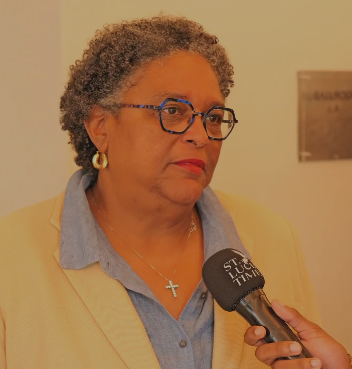
    Speaking to reporters on the final day of the summit, Mottley shared the first official public uptake figures: fewer than 1,000 people across the four founding states have utilized the regime to relocate for work so far, contradicting the most dire predictions from opponents. The vast majority of movers have chosen to relocate to Barbados, a trend Mottley says aligns perfectly with the island nation’s core economic needs.

    Barbados has long grappled with structural labour and skills shortages driven by its relatively small native population, Mottley explained, noting that addressing this gap was a primary motivation for the country’s early participation in the initiative. “As I’ve said over and over, Barbados has a skills deficit, and therefore, to that extent, one of the reasons why we signed on to the Revised Treaty of Chaguaramas in the first place was to facilitate the movement of people to bridge the fact that inherently our population numbers are low and by extension our skills levels are low,” she said.

    Far from stalling after its initial launch, the free movement regime is now set to expand, Mottley confirmed. Two additional CARICOM member states are moving forward with accession: Grenada has already formally submitted its letter of intent to join, while host nation Saint Lucia has publicly signaled it will begin the domestic process to join the arrangement in the near future.

    Mottley framed this gradual, wave-based expansion as a natural parallel to CARICOM’s own 50-year history of incremental growth. The bloc was originally established in 1973 as a successor to the Caribbean Free Trade Association (CARIFTA), launching with just four founding members: Barbados, Guyana, Trinidad and Tobago, and Jamaica. Over the following decades, as Eastern Caribbean states gained independence and more regional economies joined, CARICOM grew to its current size of 15 full members, including Haiti and Suriname. The Bahamas remains a participant only in CARICOM’s functional cooperation framework and has never joined the bloc’s common market or the CARICOM Single Market and Economy (CSME).

    “It has been a good experience so far,” Mottley told reporters. Echoing her long-standing rejection of large-scale migration fears, she noted, “The numbers show that there are less than 1,000 people who have used it so far, and that’s why we said this is not going to open floodgates.” She added that the regime continues to gather momentum, matching the incremental, steady growth that has defined CARICOM since its founding: “So I expect that this will, just like CARICOM started in 1974 with four countries, then another six or seven joined, and then another one and another two. So these things happen in waves, but we’re happy with it.”

  • New campaign warns: Harbouring criminals will cost you

    New campaign warns: Harbouring criminals will cost you

    Barbados’ government is taking a proactive, community-centered step to curb gang-related violence and organized crime, launching a nationwide public education campaign designed to deter citizens from harboring fugitive gang members and assisting criminal gang operations. The initiative comes directly on the heels of the recent passage of the landmark Criminal Gangs (Prevention and Control) Act, legislation that introduces harsh, mandatory penalties for a range of gang-connected offenses to disrupt criminal networks across the island.

    Under the new law, a broad set of gang-specific activities have been formalized as criminal offenses, with nearly all carrying mandatory minimum prison sentences ranging from 10 to 25 years. For particularly severe offenses – including targeted attacks on law enforcement personnel, and individuals holding leadership roles or providing critical organizational support to gangs – maximum sentences can stretch up to 35 years behind bars.

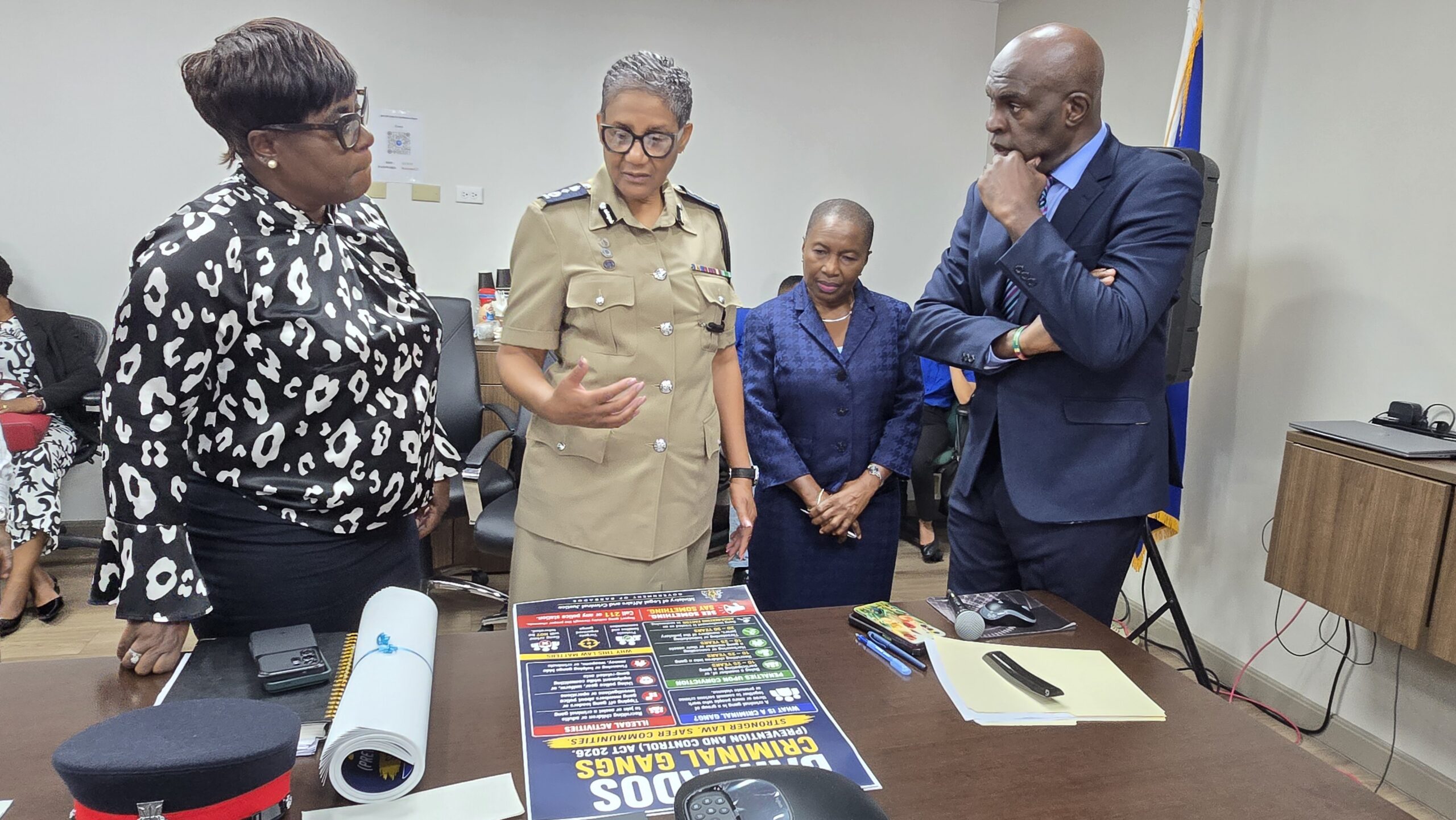
    The official launch of the campaign was hosted at the Office of the Attorney General, drawing attendance from newly appointed Commissioner of Police Sonia Boyce, senior ministry officials, and representatives from the Barbados Association of Principals of Public Secondary Schools, who accepted batches of campaign posters to distribute across secondary institutions nationwide. A photo from the event captured Lashley and Boyce unveiling the campaign’s central public awareness poster (Credit: Lourianne Graham/Barbados TODAY).

    Minister of Legal Affairs and Criminal Justice Michael Lashley outlined the structure of the multi-channel campaign, which forms a core component of the national government’s broader crime prevention strategy. At its center are two distinct public service announcements (PSAs): one that breaks down the specific provisions and penalties outlined in the new Criminal Gangs Act, and a second that delivers a general message about the legal risks of harboring wanted gang members. Lashley emphasized that the new legislation imposes “very stiff penalties” for anyone found hiding gang affiliates or facilitating recruitment of new members into criminal organizations.

    Beyond broadcast PSAs, the campaign will expand into communities across the country, deploying printed posters, in-person outreach to secondary schools, local community groups, and national service clubs. Lashley stressed that cross-sector collaboration is critical to the initiative’s success, noting that every stakeholder with a role in crime prevention must be brought into the effort. To maximize reach, particularly among younger audiences, the campaign will also leverage major social media platforms including WhatsApp, Instagram, and Facebook to spread its message.

    Notably, community members played a central role in developing the two PSAs, a deliberate choice that Lashley says marks the start of a broader community-centered engagement strategy. He encouraged all Barbadians to see the campaign not just as a formal warning about legal consequences, but as a collective call to action to join the national fight against organized crime.

    Lashley also expressed full confidence in newly appointed Police Commissioner Sonia Boyce’s leadership, while underlining that law enforcement action alone cannot solve Barbados’ gang crime crisis. “We cannot solve it by just enforcement,” he explained. “You have to solve it by reaching into communities and getting persons who are at the brink of touching the criminal justice system, and persons who are young. That we believe are vulnerable, who might not be part of the criminal justice system but might be vulnerable to gang leaders and drug dealers.”

    The outreach to secondary schools reflects this focus on prevention: by engaging young people early, the government hopes to cut off recruitment pipelines that gangs rely on to expand their membership and criminal operations across the island.

  • Agriculture ministry announces major farm export push, home food drive

    Agriculture ministry announces major farm export push, home food drive

    Against a backdrop of global supply chain volatility and growing climate uncertainty, Barbados’ Ministry of Agriculture, Food and Nutritional Security used Wednesday’s first official upland rice harvest to launch a sweeping package of agricultural initiatives aimed at boosting global market access while strengthening household-level food security across the island nation.

    At the center of the government’s new policy agenda is an ambitious export expansion strategy that includes breaking ground on a certified, export-prepared packing facility within the next four months. Developed in partnership with state trade promotion agency Export Barbados, the packing house will enable domestic producers to scale output and access consumer markets beyond the Caribbean region. A second certified packing facility is already planned for the Groves district of St. George to further expand the country’s export processing capacity.

    Addressing attendees at the harvest ceremony in the Pine Basin farming district, Agriculture Minister Dr. Shantal Munro-Knight outlined the country’s strategic pivot from a decades-long focus on domestic food self-sufficiency to active participation in global agricultural trade. “Feeding our own population has always been and remains a core national commitment, but we are now also prioritizing the development of export-ready agricultural industries,” she stated.

    To support the growth of value-added agricultural commerce, the government has launched “Carmeta’s Crown,” a national innovation challenge that invites Barbadian entrepreneurs to submit original processed agro-product designs. Selected participants will receive targeted marketing support, production resources, and capacity-building training from the Barbados Agricultural Development and Marketing Corporation (BADMC), and will gain access to retail shelf space at BADMC-run Carmeta’s stores across the country. Complementing this commercial push is the upcoming rollout of Project Care, a community-focused initiative that empowers local residents to grow fresh fruits, vegetables and protein crops in their own backyards to supplement household food supplies.

    Dr. Munro-Knight emphasized that the dual strategy of export growth and domestic food empowerment directly counters the long-held narrative that Barbadians lack interest in farming. Framing current global economic and climate challenges as a catalyst for local innovation, she noted: “We face a perfect storm of global market instability, climate change impacts, persistent supply chain constraints, and inherent limitations of being a small island developing state. But every crisis creates the conditions for large-scale innovation and transformative new progress.”

    The new policy announcements coincided with the successful first harvest of upland rice from the Huan-Barbados Agricultural Technology Cooperation Project. Now in its third phase, the Golden Sickle Shared Food Security initiative is a technical partnership with China that has successfully introduced commercial upland rice cultivation to Barbados for the first time. The project has delivered hands-on on-farm training and demonstration for smallholders at Pine Basin, building long-term technical capacity and creating a clear pathway to agricultural diversification and reduced import dependence.

    While acknowledging that eliminating total rice imports will be a gradual process, Dr. Munro-Knight hailed the harvest as a landmark milestone for the country’s agricultural sector. “Few people would have imagined even a few years ago that we could grow rice at scale here in Barbados, let alone have the capacity to expand production further,” she said. “We cannot replace all rice imports this year or even next, but the progress we have made in just two years is undeniable and sets a strong foundation for future growth.”

    The rice cultivation project forms one part of a broader multi-commodity agricultural development push that also includes plans to expand production of premium West Indian Sea Island Cotton and scale up the national Black Belly sheep breeding program.

    China’s Ambassador to Barbados, Zheng Bingkai, highlighted the transformative potential of upland rice cultivation to strengthen Barbados’ agriculture, boost climate resilience, and cut the country’s food import costs. Noting that the drought-tolerant upland rice variety is uniquely suited to small-scale producers with limited land holdings, he explained: “This variety fits perfectly with small plots of land, which makes it accessible for most local smallholders. Every year, Barbados spends $8 million on imported rice, so domestic cultivation creates clear economic opportunities for local farmers.”

    Ambassador Zheng also framed the crop as a “climate-smart” solution for the island, as it requires almost no additional irrigation when planted in alignment with local weather patterns. “If cultivation runs from May to October, the entire growing cycle falls within the wet season, so almost no extra water is needed for irrigation,” he noted.

    Reflecting on recent high-level policy discussions, Ambassador Zheng praised Barbados’ holistic, pragmatic approach to revitalizing domestic food production. As the two countries prepare to mark the 50th anniversary of diplomatic relations next year, agricultural and technological cooperation has become a core pillar of the bilateral partnership. “We are working to build a community with a shared future,” he said. “We are development partners, and our belief is that our success is tied to your success.”

  • CARICOM moves towards ferry trial within months as cargo cost-cruncher

    CARICOM moves towards ferry trial within months as cargo cost-cruncher

    After concluding their annual flagship summit in Saint Lucia this week, leaders of the Caribbean Community (CARICOM) have taken a major step forward in delivering a long-planned regional intra-Caribbean ferry service, approving a limited proof-of-concept trial that could launch within three months using an existing vessel owned by Trinidad and Tobago. The initiative is rooted in a years-long push to address one of the bloc’s most persistent strategic gaps: costly, inefficient intra-regional transport that inflates consumer prices, undermines food security, and slows the growth of cross-border trade and people-to-people connection.

    Under a two-track approach outlined by Mia Amor Mottley, Barbados Prime Minister and CARICOM’s lead prime minister for the CARICOM Single Market and Economy (CSME), the bloc will pursue both a short-term trial of an existing vessel while laying the groundwork for a permanent, privately operated service. Mottley emphasized the urgency of the project during Wednesday’s closing press conference, framing the ferry as a core policy tool to fight soaring regional inflation driven in part by global energy market volatility tied to renewed conflict in the Persian Gulf.

    While technical and feasibility assessments continue, CARICOM heads have given the green light to begin discussions with the Trinidad and Tobago government to deploy one of the country’s existing inter-island ferries for a limited southern Caribbean trial. Trinidad and Tobago Prime Minister Kamla Persad Bissessar has confirmed the country’s willingness to contribute a vessel for the pilot, noting the nation’s 100-year history of operating inter-island ferry services between Port of Spain and Scarborough. Early discussions have identified the *Galleons Passage*—a 74-meter catamaran roll-on-roll-off ferry commissioned in 2018, with capacity for 400 passengers and 60 vehicles, plus on-board passenger amenities including a cafeteria, bar and VIP lounge—as the leading candidate for the trial. The pilot is expected to launch first in the southern and eastern Caribbean, with initial sailings proposed between Guyana and Trinidad and Tobago, before any potential expansion.

    To inform long-term planning, CARICOM leaders have tasked the CARICOM Private Sector Organisation (CPSO)—which has facilitated negotiations between governments and maritime industry stakeholders—and the CARICOM Secretariat to develop a full feasibility dossier. The document will include detailed data on proposed passenger ticket and freight pricing, with an explicit focus on ensuring affordability and accessibility for vulnerable groups and small cross-border traders. It will also outline the project’s underlying financial model, including long-term sustainability projections, capital investment requirements, potential funding sources, and an assessment of commercial risk and public benefit, which will determine whether the bloc grants final approval for a permanent service.

    Mottley noted that the private sector is expected to take up to a year to source purpose-built vessels for a permanent service, while regulators work through the necessary legal and regulatory reforms to enable seamless cross-border movement. A key priority for the coming months will be harmonizing regional rules on license and insurance recognition, a critical step to allow cargo vehicles to roll on and off the ferry at different ports without bureaucratic delay. Leaders also emphasized the need to assess existing port infrastructure and ramp facilities across the proposed trial route to ensure they can accommodate ferry operations.

    The push for a regional ferry is not a new effort: a working group including Barbados, CPSO, the Caribbean Development Bank and other member states has spent years evaluating fast ferry options, particularly for moving agricultural produce across the Caribbean archipelago. Private sector ventures like Barbados-based Connect Caribe have already developed proposals for a linked service connecting Guyana, Trinidad and Tobago, Barbados and Eastern Caribbean states, marketing projected ticket prices below $100 USD. The mixed passenger-cargo model is designed to drive down both travel and shipping costs, addressing the well-documented drawbacks of current intra-regional transport options: limited cargo capacity and prohibitively high ticket prices for air travel.

    Despite the renewed momentum, the project has faced repeated delays in past years, tied to challenges including vessel acquisition, port infrastructure upgrades, customs and immigration harmonization, and lingering uncertainty over the level of sustained investor and government commitment. Industry observers have also flagged unresolved concerns: that without careful planning, the service could either become an expensive niche offering limited to wealthy travelers, or become a significant drain on public finances if projected revenues fail to materialize. The summit’s focus on affordability, accessibility and rigorous financial modeling reflects a deliberate effort to address these longstanding concerns.

    Mottley tied the ferry initiative directly to the bloc’s ongoing efforts to shield Caribbean households from soaring imported inflation, amplified by recent renewed tensions between the U.S. and Iran that have pushed up global oil prices. “We are singularly focused on being able to reduce the cost of intra-island cargo, which, in addition to the other measures that we have taken to increase disposable income of our citizens, but also to reduce the cost of freight, the cost of gas, and the cost of electricity,” she told reporters. Acknowledging growing uncertainty from the Persian Gulf conflict, she added that CARICOM governments are committed to working collectively to mitigate impacts on regional populations, even as the ferry project moves forward as a work in progress. Detailed operational negotiations and regulatory treaty drafting are set to begin in the coming weeks, with leaders hopeful the proof-of-concept trial will launch before the end of 2024.