标签: Barbados

巴巴多斯

  • Fusing medicine, farming, researcher seeks plant-based cancer treatment

    Fusing medicine, farming, researcher seeks plant-based cancer treatment

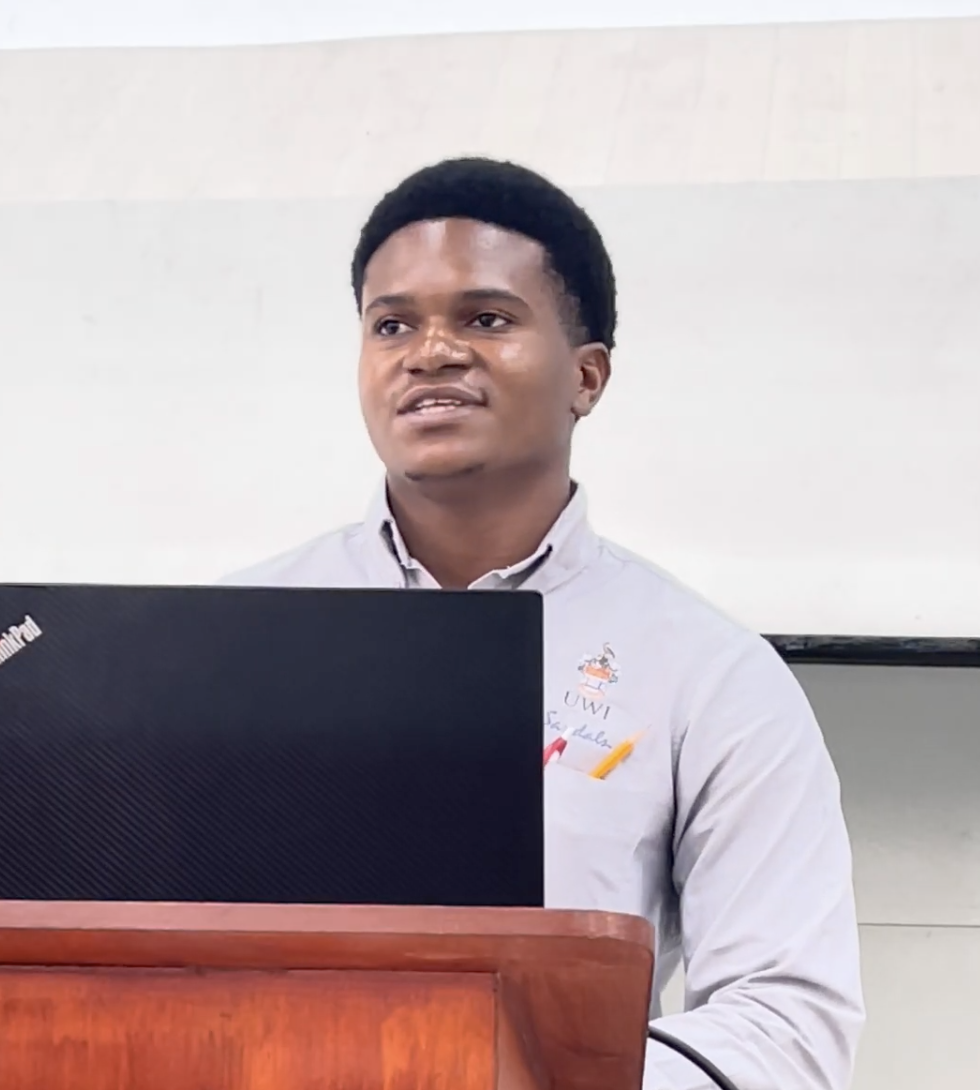
    At an age when many young professionals are still mapping out their first career steps, 24-year-old Stefon Burgess has made a deliberate pivot that connects his early medical ambitions to a new path rooted in plant science, food sovereignty, and groundbreaking cancer research. A native of Bowmanston, St. John, Burgess now spends his working days at the Plant Tissue Culture Laboratory in St. Philip, where plant propagation work has reshaped not just his professional goals, but his entire perspective on what a meaningful career can look like.

    Burgess initially set his sights on becoming a medical doctor, but a gradual shift in priorities led him to test a different path. He made the decision to take a research internship at the lab to gain hands-on experience, a choice that quickly won him over. “I honestly wanted to be a doctor, but my mind just started to change, and I decided, well, I’m going to do the internship here and get the experience,” Burgess shared. “I’m enjoying it. At first, I thought to myself, outside field work is okay, but I like being in the lab as well, and I am exposed to both here.”

    What began as a seven-week temporary placement through the University of the West Indies last year morphed rapidly into a full-time position. By August 2023, Burgess had signed a permanent contract at the lab, and he has now built up nearly nine months of on-the-job research experience. Equipped with a Bachelor of Science degree in Biology, with specialized coursework in ecology, biochemistry and chemistry, Burgess said the laboratory environment opened his eyes to the under-explored scientific potential locked within the agricultural sector. “I grew really good here. I learned a lot with the physiology of the plants – sweet potato, yam, pineapple and then plantain and everything,” he said.

    Even as agriculture has captured his professional interest, Burgess never let go of his longstanding fascination with medical science. Instead of abandoning that passion, he is now working to merge his two interests through targeted future research. “I would still love to incorporate my medical background,” he explained. “I want to do research on soursop and come up with an antidote for cancer using bioactive compounds from the fruit and leaves.”

    Outside of his formal lab work, Burgess tends to a small personal backyard garden at his home, where he grows his own sweet potatoes, figs, plantains and sweet peppers. Beyond the practical benefit of cutting down on monthly grocery bills amid skyrocketing living costs, he said the routine of gardening has become a deeply effective therapeutic practice that supports his mental well-being. “Mental health is very important,” he said. “Not just going out partying and stuff. I think that would be a good way to stabilise yourself as well.”

    For Burgess, home gardening also represents a tangible form of personal independence at a time when Barbados is facing widespread cost of living increases that have strained household budgets across the country. “You will want to garden at home so that you will have your own produce and you wouldn’t have to be looking here or there looking for fruits or vegetables,” he said. “Things getting expensive, so it will put a little ease on your family too.”

    Though still in his early twenties, Burgess speaks with articulate passion about the critical issue of national food security, and the unique role that young Barbadians must play in strengthening the country’s local agricultural sector. “All of we living essentially the same life in Barbados. We know how hard it is here, especially cost of living, gas, food, everything going up,” he said. “Me, I know I was born in the 2000s, but that don’t mean I don’t know anything about the world.”

    He believes that expanding youth participation in agriculture could help Barbados cut its reliance on costly food imports, while simultaneously opening new opportunities for agricultural exports and homegrown innovation. “This is a good way to actually show that we need to get students into agriculture so that we would get our own exports to other countries,” Burgess said.

    His enthusiasm for growing and working with fresh produce even extends into the kitchen, where he regularly experiments with healthier homemade recipes using produce harvested directly from his backyard. One of his most successful creations to date has been savory dough pockets made entirely from homemade sweet potato flour. “I was doing a little experiment doing sweet potato pockets,” he said with a laugh. “Just get a little blend here and put it in a frying pan. Honestly, it was better than the store-bought pocket mix, and it’s healthier too.”

    Burgess’s core mission now is to encourage more young Barbadians to reframe their perception of agriculture: instead of seeing it as outdated, physically demanding blue-collar work, he wants them to recognize it as a dynamic avenue for scientific innovation, financial self-sufficiency, and personal growth. “Honestly, I would encourage other young people,” he said. “Everything makes sense, especially working in the plant tissue culture lab.”

    This story was produced in partnership with Barbados’ Ministry of Agriculture.

  • Citizen security council to be reconstituted amid rising crime

    Citizen security council to be reconstituted amid rising crime

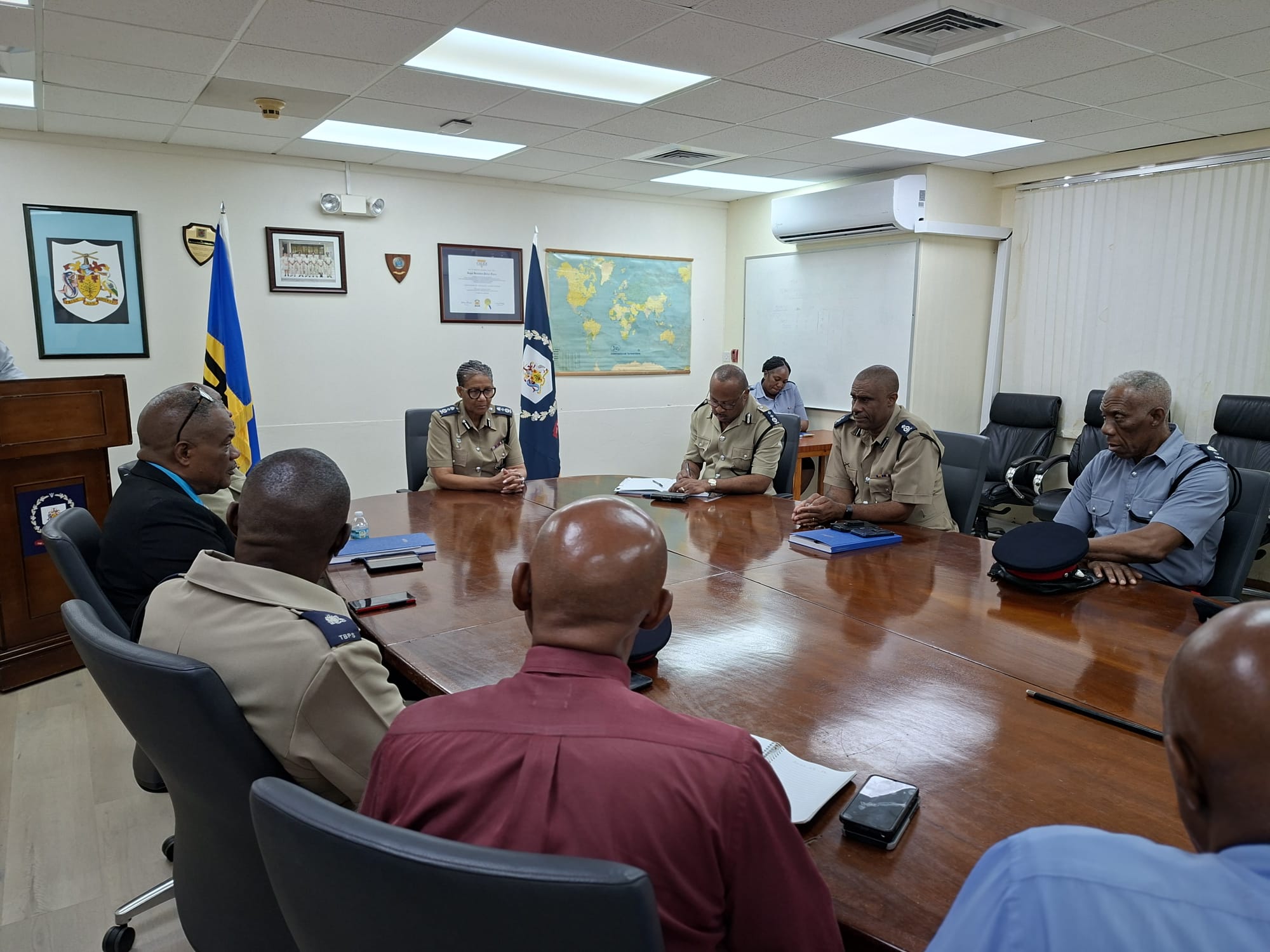
    As firearm-linked homicides continue their upward trajectory across Barbados, the Mia Mottley-led administration is moving to reactivate the National Advisory Council on Citizen Security, a key anti-crime body that has not convened since the February general election, multiple sources close to the process have confirmed to Barbados TODAY.

    The council was first established in 2024, born from urgent public outcry after a devastating wave of gun violence that culminated in a mass shooting in Bridgetown’s Nelson Street. That attack left three men dead, eight others injured, and two additional children wounded in separate connected incidents, prompting Prime Minister Mottley to label the shootings a shocking, reckless string of attacks targeting vulnerable Barbadian citizens. At the time of its launch, Mottley tasked the body with developing evidence-based, comprehensive solutions to the island’s growing crime crisis, with a core focus on advising the government on updated anti-gang legislation and a national gun amnesty program.

    Over its initial tenure, the council made notable progress, contributing to draft crime legislation and submitting policy recommendations across a range of public safety related areas. But the body faced early structural turmoil when its founding chair, law professor Velma Newton, stepped down just over a year into her post, citing deep-rooted operational flaws that hampered the council’s ability to deliver results.

    In her resignation letter to the prime minister, Newton outlined that she had delayed her own long-term professional commitments to take the role, drawn by a commitment to addressing national violence, but fundamental planning oversights undermined the work from the start. She criticized the original 24-member structure as unwieldy, noting that a large share of appointed members were unable to attend regular meetings or contribute to the baseline research needed to map existing social support services for at-risk youth, disabled people, and affected families. Adding to the dysfunction, Newton revealed that no dedicated administrative secretary was allocated to the council, even after a formal budget was submitted to the responsible ministry shortly after launch. For nearly nine months, she wrote, the chair and one non-council volunteer were solely responsible for all data collection and member correspondence.

    Just days after the council’s initial formation, the Prime Minister’s Office announced an expansion that added three lay community members and an additional stakeholder group, after a wide range of civil society organizations and individual experts reached out offering to contribute. Mottley noted at the time that she sought to avoid overburdening the full council with excessive membership, but planned to co-opt additional specialists to join smaller working sub-committees focused on specific policy areas.

    The scale of Barbados’s violence crisis has grown increasingly alarming in the years since the council was launched. In 2024, the island recorded an initial count of 49 murders, representing a 158% jump from the prior year, with an additional manslaughter case bringing the final total to 50 – the highest number of annual homicides ever recorded in Barbados’s history. That record high remained unchanged last year, and five months into the current year, the island has already recorded 25 killings, the vast majority linked to gun violence.

    The council is currently chaired by Senate President Reginald Farley, and the Mottley administration is preparing to formally reconstitute the body to resume its work on addressing the national violence crisis.

  • ‘No seats’: AOPT ‘snubbed’ in emergency planning talks

    ‘No seats’: AOPT ‘snubbed’ in emergency planning talks

    As Barbados steps up its readiness for the 2026 Atlantic Hurricane Season, which officially kicks off on June 1, a major rift has emerged over who gets a seat at the table for national emergency planning. Private public transport operators, the backbone of the island’s daily mobility network, are voicing sharp disappointment after being locked out of a top-tier hurricane preparedness convening hosted by Prime Minister Mia Mottley.

    The Alliance Owners of Public Transport (AOPT), the group representing private operators of taxis, minibuses, and ZRs, says the exclusion is part of a persistent pattern that leaves the industry in the dark when crises unfold. Despite being responsible for moving 80 percent of Barbados’ daily commuters, the association’s leadership only learned of the recent high-level meeting through media reports, according to AOPT Chairman Roy Raphael.

    Speaking exclusively to Barbados TODAY, Raphael emphasized that this snub is far from an isolated oversight. “This is not the first time that’s happened,” he noted. In her opening remarks earlier that week, Prime Minister Mottley confirmed that a broad cross-section of stakeholders had been invited to the talks, including representatives from emergency management agencies, security bodies, health departments, the Transport Board, utilities, telecommunications firms, tourism groups, agricultural organizations, community leaders, and private sector entities. Official photos from the gathering showed senior cabinet ministers, emergency response coordinators, and technical agency representatives gathered to coordinate national readiness ahead of the storm season. But not a single seat was reserved for the private public transport operators that handle most of the island’s passenger movement.

    Raphael explained that while the state-run Transport Board holds a permanent spot at emergency preparedness discussions hosted by the Department of Emergency Management (DEM), private operators are forced to rely on filtered, second-hand information to plan their response. This fragmented communication structure creates dangerous confusion when a storm approaches, he argued, making it far harder to mobilize drivers and vehicles quickly to support response efforts.

    “We don’t want people to call us at the last minute. We want to be able to hear it at the same time as the Transport Board so that we can coordinate our efforts together,” Raphael said. He pointed to past hurricanes and national shutdowns as clear examples of the risks of this exclusion. On multiple previous occasions, operators only learned of critical emergency decisions through public news broadcasts, rather than direct outreach from authorities. That disconnect left many operators off the road unexpectedly when commuters needed to evacuate or get home ahead of worsening conditions, creating chaos for both drivers and passengers.

    “A lot of our operators were off the road, and it created issues for people to get home,” Raphael recalled. “We don’t want to do that again.”

    Now, ahead of the 2026 hurricane season’s intensification, the AOPT is pushing for systemic change to ensure private operators are integrated into all national emergency planning from the start. The alliance is currently awaiting a scheduled meeting with Minister of Transport and Works Kirk Humphrey to lay out its concerns formally.

    Beyond a seat at the table, the group is also working to address other critical gaps in emergency preparedness for the sector. Raphael confirmed that the AOPT plans to hold discussions with petroleum dealers to secure dedicated fuel access for private public transport vehicles during storms and other crises. At present, long queues at gas stations during national shutdowns often leave operators unable to refuel their vehicles when they are most needed, so establishing reserved emergency pumps would resolve that major pain point, Raphael explained.

    The AOPT is also proposing a structural fix: the creation of a dedicated national transport emergency committee that includes both representatives from the state-run Transport Board and private public transport operators. Raphael argued that this permanent body would streamline coordination and eliminate the communication gaps that have plagued past responses.

    Private operators stand ready to support national emergency response efforts, Raphael stressed, but they can only do that effectively if they are included in planning from the earliest stages. Early involvement would let the alliance pre-identify available drivers and vehicles, particularly critical for supporting vulnerable populations like elderly residents who may need evacuation or medical transportation during a storm. Currently, the group already partners with the Ministry of Transport and the island’s tree trimming division to provide mobility support for senior citizens, and early coordination would let that effort scale more quickly if a crisis hits.

    “We want to get involved at the national level. We don’t want people to call us and tell us something is happening after the fact,” Raphael said. “If there is a shortage of drivers [on the government’s end], we must know early so we can identify the drivers that will be available.”

  • Sports minister says local anti-doping lab would reduce costs

    Sports minister says local anti-doping lab would reduce costs

    Against a backdrop of rising costs for doping sample analysis and growing threats to clean sport in the Caribbean, Barbados’ Minister of Sport and Community Empowerment Charles Griffith has formally called for the creation of a regional anti-doping testing laboratory based on the island, a move designed to slash the heavy financial burden of sending samples overseas for screening. Griffith made the appeal Friday during the opening ceremony of the National Anti-Doping Commission’s Doping Control Officer Re-certification programme, being hosted this week at Divi Southwinds Resort, which draws participants not just from Barbados but six other Caribbean nations. For years, Caribbean countries have been forced to bear the high cost of shipping samples thousands of miles to accredited testing facilities in Canada, Griffith explained, with current analysis costs exceeding $400 U.S. per sample. To turn the regional lab concept into a reality, Griffith is calling for a public-private partnership between the Barbadian government and local private sector stakeholders to fund and build the facility on-island. Some critics have raised questions about whether a Caribbean lab would have enough sample volume to be financially viable, but Griffith pushed back on that concern, noting that a regional facility would process roughly 1,000 samples annually from across the Caribbean – a volume that would make the lab fully sustainable. A regional lab would eliminate the need to ship samples all the way to North America, cutting costs and wait times for all Caribbean member states, he added. Beyond infrastructure investment, Griffith also called for a fundamental shift in anti-doping outreach, urging local officials to adopt a community-centered approach that starts education as early as primary school. By introducing clean sport principles to young students early, the movement can build grassroots peer pressure that reinforces official anti-doping policies, especially for young athletes who see sports as a long-term professional path. “If we can start this from as early as primary school, I think it is important that we move not only at community levels but we go to the schools and be able to impact those youngsters at the schools,” Griffith said. “This is so the peer pressure coming from anti-doping will be strong, and it will buttress everything that is coming from you and your team in relation to how we can strengthen those individuals who are seeing sports as a viable career.” He reaffirmed that the Barbadian government remains fully committed to supporting every step of the process to advance anti-doping work across the region. Griffith also emphasized that the timing of this year’s re-certification programme could not be more critical for Barbados, coming fresh off a national controversy over a local athlete’s decision to compete in the so-called Enhanced Games – an unregulated event that allows performance-enhancing drugs and lures athletes with large cash prizes. “I know that it is a major struggle because of the amount of cash that is being thrown at athletes to participate in these type of events. There is really a need for us to have this particular event here today, in relation to the anti-doping project on the island,” Griffith said. The importance of the ongoing training and re-certification effort was echoed by Dr. Adrian Lorde, Chairman of Barbados’ National Anti-Doping Commission, who called the workshop one of the most critical components of the global anti-doping system. Lorde stressed that even minor errors in sample collection procedures can result in athletes who have violated anti-doping rules being cleared on technicalities, making ongoing training non-negotiable as global standards evolve. “If procedures done in sample collection are not done properly, athletes who are tested positive or have committed anti-doping rule violations are cleared. It’s important to have this type of workshop and retraining as things have evolved in anti-doping,” Lorde said. “So through your work, you must continue to uphold the principles of clean sport and to protect the rights of clean athletes.” The three-day training workshop is being facilitated in partnership with Sport Integrity Canada, an organization with long-standing ties to anti-doping bodies across the Caribbean. Matthew Koop, Director of Anti-Doping Services at Sport Integrity Canada, said the workshop marks an important step forward for regional anti-doping capacity. “Over the course of the next few days, we will focus on equipping participants with the knowledge, practical skills and confidence required to carry out doping control responsibilities in full alignment with the World Anti-Doping Code and the international standards,” Koop explained. “For those joining us as new doping control officers, this marks the beginning of an essential role within the anti-doping system. For those being recertified, it is an opportunity to strengthen your expertise, remain aligned with evolving standards, and reaffirm your commitment to excellence.”

  • Global shocks limit Mottley’s first 100 days, says economist

    Global shocks limit Mottley’s first 100 days, says economist

    As the Mia Mottley administration wraps up its first 100 days in office for its third consecutive term, regional economist Jeremy Stephen has offered a measured assessment of its performance, arguing that the current outcomes align with reasonable expectations given the cascading headwinds buffeting small open economies worldwide. In an exclusive interview with Barbados TODAY, Stephen explained that mounting global instability and persistent macroeconomic pressures have compelled the administration to shift away from the growth-focused campaign pledges it laid out earlier this year, forcing a pivot to defensive economic policy that has sidelined many of its pre-election promises.

    Stephen pushed back against widespread criticism that the government has failed to deliver on its campaign commitments, noting that the global geopolitical and economic landscape has shifted dramatically since the election cycle. The volatile energy market, strained by ongoing tensions in the Strait of Hormuz, has upended earlier budget projections that forecasted fuel price stabilization by May, sending local energy costs soaring far higher than officials anticipated. For a small, trade-reliant economy like Barbados, Stephen argues, a defensive posture is not a sign of policy failure, but the only viable approach to navigating this uncertainty—even if it means near-term pain for local households and businesses.

    “Most of the campaign promises framed around growth that the administration put forward earlier this year simply cannot be implemented under current conditions,” Stephen explained. “Judging the first 100 days of this term against those pre-election pledges is inherently unfair. The circumstances have changed completely, and a defensive strategy is the only logical response right now.”

    The economist also addressed frequent criticism that the administration has failed to advance meaningful economic diversification in its first three months in office, calling such expectations fundamentally unrealistic. He emphasized that structural economic change and diversification are multi-year processes that cannot be delivered in a 100-day window, from drafting policy to establishing new regulatory institutions to seeing tangible growth in emerging sectors.

    “To be honest, any government that promises rapid economic diversification in 100 days is being reckless,” Stephen said. “A 100-day period is not even long enough to set up the institutional frameworks that will guide diversification, let alone deliver tangible results. Diversification takes years to produce meaningful outcomes—we are talking about a timeline where you are still working out early kinks years in, never mind seeing successful growth. Voters need to evaluate this administration over a longer timeline, looking for solid legislative foundations and strong institutional guardrails by the second or third year of the term, not immediate transformation.”

    Despite the significant macroeconomic challenges facing the government, Stephen acknowledged that key sectors of the Barbadian economy are seeing robust growth, most notably construction and tourism. He compared the current pace of construction activity to the historic boom Barbados experienced between 2004 and 2007 leading up to the ICC Cricket World Cup, though he noted that today’s expansion is concentrated heavily in tourism-related infrastructure development to support the island’s post-pandemic travel recovery.

    This rapid growth has created its own unexpected domestic challenges, however, particularly a acute shortage of local Barbadian workers that has forced construction firms to recruit large numbers of foreign and regional laborers. Stephen shared that major construction industry leaders told him just recently that they cannot find enough qualified local workers to meet current demand. As a result, thousands of workers from across CARICOM, as well as from Mexico, Colombia, and other Latin American countries, have moved to Barbados to fill these roles, creating an unintended displacement of local workers even as the sector expands rapidly.

    Looking ahead to the administration’s long-term policy goals, Stephen expressed significant skepticism about the viability of the government’s flagship “Mission 2030” development targets. He argued that planning efforts have failed to account for major long-term global disruptors that will reshape the global economy through the end of the decade, including the highly volatile international security environment, unpredictable shifts in U.S. economic and foreign policy, and the rapid, largely unregulated growth of artificial intelligence that threatens to displace millions of workers worldwide.

    Stephen added that Barbados has not updated its domestic labor laws to protect workers from technological displacement, leaving the country ill-prepared for the changes AI will bring to the local labor market. “I do not believe that most of the targets the administration has laid out for 2030 will actually be achieved,” he warned. “As long as the plan does not incorporate these emerging global realities, the goals will remain out of reach. We can only control how we respond to external events; we cannot control the global economic and technological forces that shape our context.”

  • Stakeholders tout WI cricket revival ahead of Sri Lanka series

    Stakeholders tout WI cricket revival ahead of Sri Lanka series

    As Caribbean cricket works to rebuild its once-storied legacy and reignite local passion for the game, the upcoming home series against Sri Lanka carries far more weight than just win-loss statistics for Cricket West Indies. Anthony Davis, chairman of Cricket West Indies’ international selection committee, framed the six-match white-ball tour as a critical turning point for the region’s cricket, centered on rebuilding the national program and mending the frayed bond between the team and its supporters.\n\nSpeaking at the official series launch hosted at Courts Constant Spring in Jamaica on Thursday, Davis shared his vision for the tournament with the Jamaica Observer, outlining goals that extend beyond the scoreboard. “We want to revive cricket, we want to get people coming back to Sabina Park, and we want to motivate youngsters to play cricket,” Davis said. “So in all, this series means to promote cricket a little and get back to the days when the Park was full watching cricket.”\n\nKicking off June 3 and running through June 14 at Kingston’s iconic Sabina Park, the tour will see the West Indies men’s national team welcome Sri Lanka for three One Day Internationals followed by three Twenty20 Internationals. The ODIs are scheduled for June 3, 6 and 8, with the T20I leg set to take place on June 11, 13 and 14.\n\nWhile the series doubles as key preparation for West Indies’ 2028 T20 World Cup qualification campaign, Davis emphasized that rebuilding community connections remains a top priority. The committee chairman noted that the home field advantage is expected to give the determined West Indies squad an extra edge heading into the matches. “We are working towards our qualification for the T20 World Cup. I am expecting a good performance because I believe the players are all determined and everybody is motivated to perform well at home. Usually, when you are playing at home, you get that little extra push to perform at your best,” Davis added.\n\nLooking ahead to the back-to-back limited-overs formats, Davis said the team’s leadership is prioritizing consistent effort and competitive performance over any specific outcome. “We are looking forward to consistency in performance and everybody doing the best they can. We are confident that whatever the results are, our players would have done the best they can under whatever circumstances,” Davis said.

  • Holder-Edghill set for training stint

    Holder-Edghill set for training stint

    A well-rounded Barbadian sports educator has set off for Montreal, Canada, to begin the in-person phase of an advanced elite coach training program, marking a key step in his mission to grow triathlon across the Caribbean island nation. Kemar Holder-Edghill, who currently works as a physical education teacher at Daryll Jordan Secondary School and also holds coaching roles for rugby and track and field programs, left Barbados on Friday for the year-long professional development initiative. The program is structured in two parts: the online foundational segment, which Holder-Edghill has already completed successfully, and the hands-on in-person training that will take place over the coming months in Montreal. Holder-Edghill shared that the decision to pursue the training came as local participation in triathlon has climbed steadily in recent years, creating a growing need for more highly qualified coaching expertise on the island. He first learned of the fully funded training opportunity through Dr. Garth McIntyre, president of the Barbados Federation of Island Triathletes. When the Barbados Olympic Association circulated the call for applications, McIntyre reached out directly to Holder-Edghill to invite him to apply. The application process required candidates to submit a personal statement outlining their suitability for the scholarship and complete a formal interview. Holder-Edill credited his experience across multiple developing sports in Barbados as the key advantage that helped him stand out among other applicants. After completing the program, Holder-Edghill’s core goal is to drive sustainable growth for triathlon in Barbados, building on the current momentum to attract more consistent new participation and raise the competitive standard of local athletes. The scholarship and training program is administered by Olympic Solidarity, and is run by PAISAC, an international coach training institution with hubs in Montreal and Lausanne. The organization specializes in delivering advanced coach education programs for National Olympic Committee-affiliated coaches from developing regions across the Caribbean, Africa, Asia and South America, with all costs covered by the Olympic Solidarity Coach Scholarship Program. Holder-Edghill joins a roster of past scholarship recipients from Barbados, including Jarad Murray and Althea Belgrave, who have all gone on to apply their advanced training to develop sport across the island.

  • Abergower, UWI in strategic partnership to drive innovation and economic growth

    Abergower, UWI in strategic partnership to drive innovation and economic growth

    After more than 12 months of ongoing negotiations and collaborative planning, United Kingdom-based digital solutions provider Abergower Ltd. has formalized a strategic partnership with The University of the West Indies (The UWI) through a signed Memorandum of Understanding (MOU). The agreement is set to accelerate system-wide digital upgrades across all UWI campuses, while nurturing a new generation of student innovators prepared for the modern digital workforce.

    With Abergower’s regional headquarters already based in Bridgetown, Barbados, the partnership was built through more than a year of sustained discussion to align both parties’ strategic goals. The core of the MOU establishes a formal collaborative framework centered on three key pillars: digitally enhanced teaching and learning, industry-aligned research, and inclusive innovation across the university system.

    Under the terms of the agreement, the two partners will collaborate to expand research and development initiatives that directly address pressing real-world needs of the digital sector. They will also jointly explore pathways for commercializing new research outcomes and facilitating streamlined technology transfer from academic labs to industry. A central focus of the work will be upskilling students through co-developed education and training programs designed to produce talent equipped for the evolving digital economy.

    The partnership is fully integrated with The UWI’s flagship OneUWI Digital Transformation Programme, a university-wide initiative aimed at modernizing infrastructure and operations across all campuses. Beyond upgrading the university’s own digital capacity, the collaboration is expected to advance Barbados’ national goal of positioning itself as a leading innovation and knowledge-based economy hub for the Caribbean region.

    The MOU was finalized and formally signed by Professor Winston Moore, Deputy Principal of The UWI Cave Hill Campus, and Robin Prior, Chief Executive Officer of Abergower Ltd. Both academic and industry leaders were key to shaping the collaborative framework, which prioritizes cross-sector knowledge sharing, mutual growth, and long-term value creation for all stakeholders.

    In comments following the signing, Prior emphasized the transformative potential of bridging the gap between private sector expertise and academic insight. “This agreement represents a powerful alignment between industry and academia. Together we are creating a foundation for innovation that will not only benefit our organisations but also contribute to the long-term prosperity of Barbados,” Prior said.

    Professor Moore echoed this sentiment, highlighting the partnership’s alignment with The UWI’s core mission of translating academic excellence into tangible public and economic benefit. “This partnership reflects our commitment to applying academic excellence to real-world challenges. By working closely with Abergower Ltd, we can accelerate innovation and deliver tangible benefits for our students, our partners and our country,” Moore noted.

    The MOU is structured to provide a flexible yet organized foundation for long-term collaboration, allowing the scope of work to adapt and expand as new opportunities emerge in the fast-changing digital sector. Both institutions have reaffirmed their commitment to delivering measurable, meaningful outcomes that benefit students, the regional tech ecosystem, and Barbados’ broader economy.

  • Hamilton dismisses retirement talk, confirms long-term Ferrari commitment

    Hamilton dismisses retirement talk, confirms long-term Ferrari commitment

    Ahead of this weekend’s Canadian Grand Prix in Montreal, seven-time Formula One world champion Lewis Hamilton has forcefully pushed back against growing speculation that he is poised to announce his retirement from the sport, confirming that his contract with Ferrari keeps him competing through the 2027 season and signaling he has no plans to step away from the grid any time soon.

    Hamilton, the most decorated driver in F1 history who turned 41 earlier this year and will turn 42 in January 2026, made the remarks to reporters at Circuit Gilles Villeneuve, the same track where he claimed his maiden Grand Prix victory all the way back in his 2007 debut season with McLaren. Since his high-profile move from Mercedes to Ferrari at the start of the 2025 season, the British driver has yet to cross the finish line first for the iconic Italian squad – a dry spell that has fueled endless outsider discussion about when he might call time on his legendary career.

    Addressing those rumors directly at Thursday’s pre-race press conference, Hamilton made his stance unambiguous. “I’m still under contract so everything’s 100 per cent clear to me,” he said. “I’m still focused, I’m still motivated. I still love what I do with all my heart and I’m going to be here for quite some time, so get used to it. There are a lot of people that are trying to retire me and that’s not even in my thoughts.”

    As the sport’s all-time leader in both race wins (105) and pole positions (104), Hamilton has redefined what success looks like for a modern F1 driver. But in Montreal, the 41-year-old explained that his personal definition of achievement has shifted far beyond the trophy cabinet and record books that made him a global name. His most recent race victory came at the 2024 Belgian Grand Prix, but Hamilton says he no longer measures his progress purely by results.

    “From the outside world results are what people call success, but I think internally, for me, it’s just progress,” he explained. “If you’re progressing, then you’re succeeding. I don’t really put a lot of pressure on. I’ve always said I’m really grateful for the records and those sorts of things, but they’re not things I ever think of.”

    Beyond addressing retirement speculation, Hamilton also opened up about a strategic adjustment he has made for this weekend’s race in Canada: he has opted to skip pre-event simulator work at Ferrari’s Maranello headquarters, a step away from the standard preparation routine most drivers follow ahead of every Grand Prix. Hamilton noted he made the same call ahead of this year’s Chinese Grand Prix, where he claimed his first podium finish for Ferrari with a third-place result – his strongest performance of the 2025 season to date.

    He explained that simulator data often does not align with actual on-track conditions, forcing drivers to unlearn the setup adjustments they settled on in the virtual environment ahead of arriving at the circuit. “You find a setup (in the simulator) that you’re comfortable with, you get to the track and everything’s opposite. So then you’re undoing the things you’ve learned,” he said. “So it’s kind of hit and miss. I just decided, for this one, I’m just going to sit it out and focus more on the data.”

  • KPMG Global head of healthcare highlights digital opportunities for Barbados

    KPMG Global head of healthcare highlights digital opportunities for Barbados

    Barbados is emerging as a potential regional trailblazer in integrated digital healthcare, following a high-level visit last week from KPMG’s global healthcare leadership that brought together cross-sector stakeholders to map a collaborative path forward for the sector. Beccy Fenton, KPMG’s Global Head of Healthcare, traveled to Bridgetown to hold targeted discussions with policymakers, academic researchers, and public and private healthcare leaders, centered on unlocking the full potential of digital health innovations across Caribbean island nations.

    Fenton’s visit was hosted by KPMG Barbados and the firm’s specialized Global Centre of Excellence for Island Healthcare, a unique hub led by Dr. Edward Fitzgerald, Head of KPMG Islands Group Healthcare and Life Sciences. The center was designed to aggregate global insights and best practices from island healthcare systems around the world, creating space for cross-stakeholder networking and knowledge exchange — a core priority that framed all activities during Fenton’s trip.

    A central public engagement of the visit was Fenton’s keynote address at the University of the West Indies Digital Health Symposium, which carried the theme “From Innovation to Impact: Advancing Digital Health in the Caribbean.” In her remarks, Fenton challenged attendees to move beyond the fragmented, isolated digital health projects that currently characterize much of the region’s progress. Instead, she pushed for the development of fully governed, interoperable, data-centric systems that can turn existing investment into tangible gains in care access, cross-provider coordination, and patient health outcomes.

    “Barbados has a once-in-a-generation opportunity to build a more connected, resilient, and patient-first health system through intentional digital transformation,” Fenton told attendees. “The urgent priority right now is to move past the basic digitization of paper records that is the current status quo, and build integrated, interoperable systems that work across the entire continuum of care. These systems will expand access to care, reduce burdens on frontline clinicians, and deliver better results for patients. With strong cross-sector collaboration, clear governance frameworks, and a sustained focus on building public trust, Barbados is perfectly positioned to set a regional example for digital health adoption.”

    Alongside the symposium, KPMG’s island healthcare team led a hands-on workshop focused on one of the region’s most persistent operational challenges: reducing the rate of missed outpatient appointments. Using a fictional but contextually realistic case study, participants mapped existing clinic appointment workflows, identified targeted digital interventions that could cut no-show rates, and prioritized solutions that are both financially realistic and scalable across small island health systems.

    Workshop attendees represented a broad cross-section of the digital health ecosystem, including frontline clinicians, health system managers, digital health practitioners, policymakers, and implementation partners. Their collaborative problem-solving during the event underscored the core principle that multidisciplinary cooperation is non-negotiable for solving common systemic health challenges.

    Later in the week, Dr. Fitzgerald hosted an evening reception attended by senior Barbados Ministry of Health officials, academic leaders, public and private health provider representatives, and delegates from the Pan American Health Organization (PAHO). In remarks at the reception, Fitzgerald emphasized that any successful effort to scale digital health strategies must be rooted in three core foundations: digital inclusion, widespread health literacy, and public trust. These must be paired with strong privacy protections, transparent governance, and clear patient consent frameworks, he noted, to ensure communities feel confident that their personal health data remains secure.

    “By learning from the experiences of other island jurisdictions, we can adopt strategies that have already proven successful, and avoid costly missteps and fragmented system development that holds back progress,” Fitzgerald explained. “With the right foundational frameworks in place, Barbados can quickly build secure, integrated systems that eliminate redundant care, cut administrative burdens for providers and patients, and improve overall patient outcomes. The potential gains for the country are enormous: beyond addressing the growing burden of chronic disease, robust digital health can help build a healthier, happier, and more productive population for generations.”

    Closing out the week of engagements, Christopher Brome, Office Managing Partner for KPMG in Barbados and the Eastern Caribbean, emphasized the tangible quality-of-life benefits that well-implemented digital health strategies can deliver to ordinary Barbadians. “Thoughtfully rolled out digital healthcare can bring care closer to home for so many people in our country,” Brome said. “The ability to consult a clinician remotely, cut down on time spent traveling and waiting for appointments, and access continuous support through tools like remote patient monitoring can have a transformative positive impact on the lives of people across our community. We are excited to continue the important conversations we started last week as we work toward this shared goal.”