标签: Barbados

巴巴多斯

  • Monkey raids on farms persist as ministry seeks regional, AI solutions

    Monkey raids on farms persist as ministry seeks regional, AI solutions

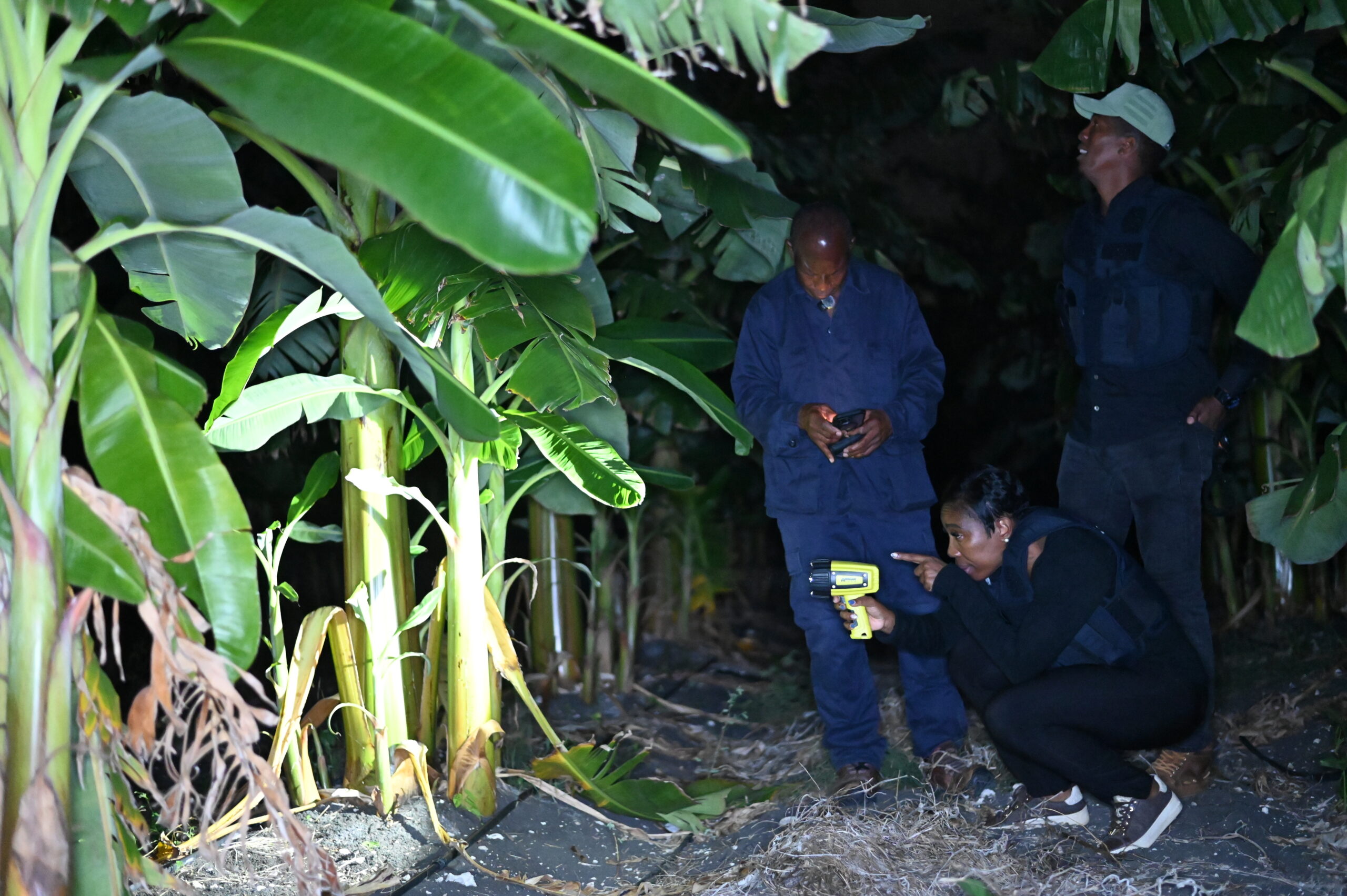
    Barbados’ agricultural sector is grappling with an escalating crisis of rampant monkey raids on commercial and small-scale farms, pushing the country’s Ministry of Agriculture to pursue cross-regional knowledge sharing and cutting-edge artificial intelligence interventions to curb mounting farmer losses. Agriculture Minister Dr. Shantal Munro-Knight openly admitted Wednesday during a press briefing at the ministry’s Graeme Hall headquarters that there is no silver bullet for this decades-long problem, which has plagued local farming alongside persistent praedial crop larceny for generations.

    Calling both issues systemic challenges that have undermined agricultural productivity for decades, the minister emphasized that neither monkey-related crop destruction nor crop theft can be resolved with a single, quick intervention. To build a context-appropriate solution, Dr. Munro-Knight has spent recent months researching mitigation strategies used across neighboring Caribbean and South American nations, including on official visits to Guyana and Suriname. She found that monkey crop raids are a shared struggle across the region: no country has yet developed a one-size-fits-all definitive solution, with territories testing a range of differing approaches to manage the problem.

    Currently, the Barbados Ministry of Agriculture is evaluating a suite of technology-driven mitigation tools, with artificial intelligence at the core of its exploratory work. Existing AI-powered options already deployed in other regions include AI-integrated drone monitoring, smart perimeter fencing that sends real-time alerts of intruding primates, and non-lethal deterrent systems that fire low-impact pellet sprays to scare monkeys away without causing harm. The minister stressed that cost accessibility is a non-negotiable factor during the evaluation process, noting that any effective solution must be affordable for working farmers to deliver real benefit.

    To advance this work, the ministry will convene a closed expert stakeholder meeting in the second week of June, bringing together internal ministry teams, external agricultural partners, environmental experts and other relevant stakeholders to review existing mitigation measures and hash out new potential solutions that address both monkey damage and praedial larceny simultaneously.

    Dr. Munro-Knight also addressed widespread public debate surrounding monkey culling, noting that while the government has already increased the financial bounty for approved culling operations, Barbados remains committed to balancing crop protection goals with humane wildlife management. She added that even with expanded culling, the current approach cannot address the scale of the primate population that is driving widespread crop damage across the island.

    In a step to build better data for evidence-based policy, the ministry launched a new agricultural data collection platform on Wednesday in partnership with the state-owned Barbados Agricultural Development and Marketing Corporation (BADMC). Right now, officials lack the comprehensive data needed to accurately calculate the total economic loss that monkey raids inflict on the local agricultural sector each year. The new platform is designed to fix this gap by enabling systematic, comprehensive data collection in collaboration with local farming communities, giving officials clear figures to guide future strategy and resource allocation.

    Monkey raids often leave crops damaged beyond recovery, forcing many local farmers to absorb significant, uncompensated financial losses year after year. Closing out her remarks, Dr. Munro-Knight underlined that solving the crisis cannot fall to the Ministry of Agriculture alone. Long-term sustainable solutions will require coordinated cross-agency collaboration with the Ministry of Environment, local academic institutions, and international development partners to deliver results that work for both farmers and wildlife.

  • Veteran education official pushes for more student talent platforms

    Veteran education official pushes for more student talent platforms

    As Barbados deepens its international cultural and educational collaboration networks, a seasoned senior education leader is making a final push to reshape how the country approaches student success, arguing that young people with talents outside traditional academics deserve the same resources and support to thrive as their academically gifted peers.

    Idamay Denny, a former deputy chief education officer who led the Barbadian government’s flagship education reform initiative and currently serves as a strategic policy advisor for the Ministry of Education Transformation, shared her vision Wednesday during a cultural exchange showcase at the Oceana Innovation Hub. The event brought together students from New York’s Performing Arts Technology High School (PATHS) and two local Barbadian secondary schools, St Leonard’s Boys’ School and Coleridge and Parry School, for cross-cultural collaborative performances and skill-sharing.

    Denny, who is set to officially retire from her government post this Friday, told attendees that the energy and creativity on display at the showcase reinforced her longstanding argument for overhauling education investment priorities. “What I saw here this morning reinforces what I tell the people in the ministry about investing in our students in terms of transformation,” she said. “We have to give you things that when you wake up in the morning, you want to get to school, and activities like what we saw here this morning are those kinds of activities.”

    The showcase itself is a core component of a formal partnership between the Ministry of Education Transformation and the non-profit initiative I WILL GRADUATE, which hosted the PATHS student band on the island for a week of cultural exploration and collaborative learning with local young people. A reciprocal trip for Barbadian students to visit New York is already planned for the coming months.

    A central pillar of Denny’s advocacy is challenging the outdated perception that creative fields like music and the arts are secondary extracurriculars rather than viable long-term career pathways. She emphasized that today, creative industries represent one of the most reliable routes to sustainable, well-paying employment for young people — a far cry from the norm when she was a student.

    “Once upon a time when I was a girl going to school, nobody thought that music was going to be the thing that was going to carry you somewhere in life. We saw that as a little extra thing by the side. But nowadays, music is one of the biggest pathways to sustainable employment,” she explained.

    Denny pointed to standout performances from PATHS students during the showcase to illustrate how the creative industries are evolving and opening doors for underrepresented groups. Highlighting a young female trumpet player who took the stage, she noted that the historically male-dominated professional music space is becoming far more inclusive. “Once upon a time then we saw bands… All men. But can you see from her that we can have some real good women playing in these bands. I will not be surprised if God allows me to live another 10 years to turn on my TV one day and see her playing in a band. She’s that good. Her heart is in it.”

    She also reserved praise for a young PATHS vocalist, telling the audience she has the raw talent to become a global entertainment star. “When I saw you, I thought I would see you in one of those shows X Factor, The Voice… all of those things where people go and their whole career gets made in that moment while they’re there performing. I could see you on one of those shows winning and then becoming a big-time star.”

    Across all her remarks, Denny stressed that schools must expand their definition of success to recognize and nurture skills beyond core academic subjects. “Yes, we want you to go to school and we want you to do well academically, but we don’t want you to think that academics is all. There are other things. You have other talents and we want to provide the mechanisms; we want to provide the infrastructure for you to do well with all those talents that you have,” she said.

    Even as she prepares to leave her formal government role, Denny made clear she has no plans to step away from advancing arts-integrated education and international exchange. “This is only the beginning,” she said. “As I said, I am leaving this job… But I won’t be gone from this because I want to see this develop.”

    She added that centering non-academic talent has been a core goal of her work shaping the ministry’s ongoing education transformation agenda. “We know that we have children who are not the best academically… We know there are children who have other talents. We know there are children who want to do other things. Why don’t we put the infrastructure in place to help those children do those things?”

    The exchange also offered a powerful example of how creative collaboration builds soft skills like leadership that traditional classroom learning often struggles to foster, Denny noted. During the event, a student from St Leonard’s Boys’ led a workshop teaching visiting PATHS students how to play the traditional Barbadian steel pan — an experience Denny called a clear display of emerging leadership.

    “That was leadership. We want children to develop leadership skills. It doesn’t only come from learning English and History and Science; it comes from this sort of activity too,” she said. “When I saw the boys from St Leonard’s standing beside their counterparts from PATHS, guiding them into how to play the scale on the steel pans, I saw leadership in action. These children are bright, brilliant children, but we don’t feel so. So we have to expand what we call brilliance.”

    Closing her remarks, Denny thanked the PATHS delegation for selecting Barbados as the host for the exchange initiative and reaffirmed her commitment to supporting the growing partnership, including the upcoming reciprocal student trip to New York. “I am going to spend some time helping to develop this collaboration,” she said.

  • Youth cricket programme poised to unearth cricketing talent

    Youth cricket programme poised to unearth cricketing talent

    Barbados has launched an ambitious grassroots cricket initiative designed to cultivate the next wave of elite cricketers for the nation and the wider West Indies region, with more primary schools signed up than initially targeted. The Republic Bank Five Fun Cricket Programme, officially launched Wednesday at the Sir Garfield Sobers Gymnasium, is focused on introducing children aged 7 to 12 to the sport and building a deep pipeline of young talent.

    Wendell Coppin, Operations and Development Manager at the Barbados Cricket Association (BCA), framed the program as a critical training ground for emerging cricketing skill. He announced that organizers have already exceeded the original 48-school target set by Cricket West Indies (CWI), with a minimum of 60 primary schools across the island now set to take part in the softball-focused initiative. The launch included a live skills demonstration from students of Bayleys Primary, one of the participating institutions.

    “It’s a softball programme within the schools and so far, again with the help of the National Sports Council, we are targeting 60 primary schools across the island,” Coppin explained. “With the help of the National Sports Council, the Barbados Cricket Association and our coaching staff, we expect that every single child in the next three years would have seen a Five for Fun programme, used a Five for Fun bat and would have held a Five for Fun ball, as a result of the support from our sponsors Republic Bank.”

    The program is structured to deliver widespread engagement and competitive growth for young participants. Inter-school matches will be held across local zones, leading up to a one-day national festival that brings together all zonal winning teams. Each competing team will field five players: three boys and two girls, ensuring inclusive participation across genders.

    Coppin emphasized that the initiative is intended to keep the talent pipeline flowing for Barbados and West Indies cricket. “We hope that the conveyor belt of cricketers within Barbados and certainly West Indies will continue, as a result of the help from the BCA, the National Sports Council, and indeed our partners at Republic Bank,” he said.

    BCA Chief Executive Officer Paul Skinner described the cross-sector collaborative effort as both timely and essential for rebuilding mass participation in cricket across Barbados. He added that the program goes far beyond just teaching athletic skills, positioning cricket as a tool for positive youth development.

    “Cricket must not only be seen as just a game, but as a vehicle that can encourage and create positive behavioural change in young people,” Skinner said. “The Republic Bank Five for Fun Cricket programme will give children the opportunity to be explorative and expressive while building core qualities of leadership, patience, teamwork, dealing with adversity, confidence, time management, commitment, responsibility, and so much more. It is truly a well rounded programme and it’s a skills development initiative that I think will go far here in Barbados.”

    For title sponsor Republic Bank (Barbados) Ltd, the initiative aligns with the firm’s long-standing commitment to youth investment and community building. Carlene Seudat, Managing Director and CEO of the bank, called the launch a proud and milestone moment for the company.

    She noted that the program has already delivered proven results in Saint Lucia, where it launched in 2021, and expressed confidence that Barbados — with its deep, celebrated cricketing heritage — would embrace the initiative with equal passion. “We’re especially proud to partner with the BCA, CWI, the Ministry of Education and the Ministry of Sport through the National Sports Council to bring this initiative to life,” Seudat said. “Having already seen the success of Five for Fun in Saint Lucia since 2021, we are confident that Barbados will embrace it with the same energy, passion, and excellence that defines its rich cricketing legacy.”

    Beyond athletic and personal development, the program offers tangible financial benefits for all participants. Seudat announced that every child taking part will receive a Republic Bank Right Start savings account with an opening deposit of $50, to encourage early financial literacy. Additional cash incentives will reward top-performing teams, with the winning squad eligible for up to $200 per student, reinforcing values of teamwork, dedication and excellence through friendly competition.

  • New investment opportunities between Barbados, Guyana in the works

    New investment opportunities between Barbados, Guyana in the works

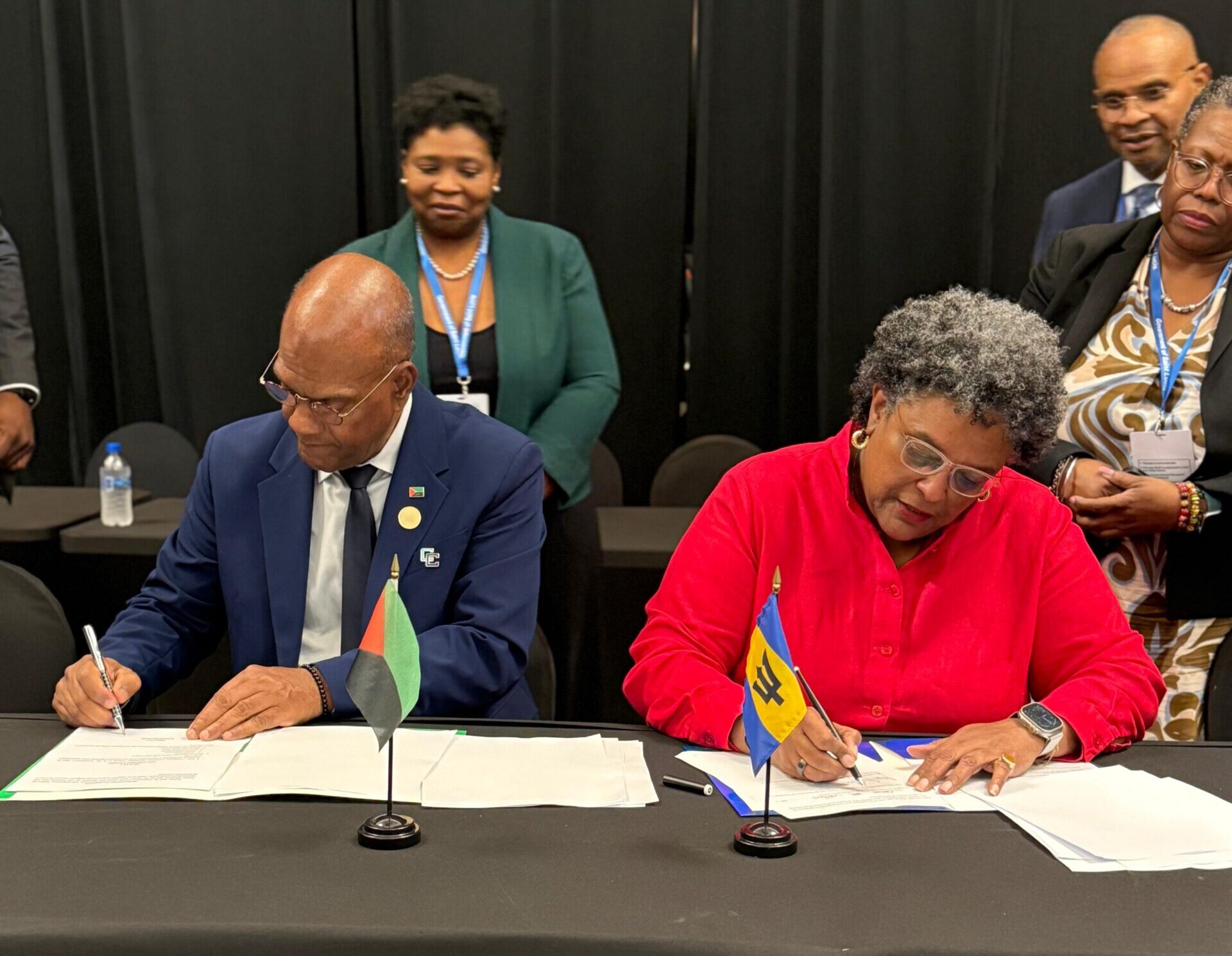
    Against the backdrop of 60 years of independence for both Caribbean nations, Barbados and Guyana have taken two landmark steps to deepen regional cooperation and integration, rolling out a simplified cross-border travel regime and unveiling plans for a people-centric joint investment fund.

    The flurry of activity began on Monday, when the two governments formally introduced a new travel arrangement that eliminates the requirement for passports for travel between the two countries. Under the new rule, eligible citizens of Barbados and Guyana can now cross the border using only a valid national identification card, with the full system launch scheduled for July 1 to give airlines and relevant stakeholders sufficient time to update their processes and adapt to the new regulation. The day after the announcement, during a press conference held as part of Guyana’s Diamond Jubilee independence celebrations at the Guyana National Stadium in Providence, Prime Minister Mia Mottley of Barbados made history as the first Barbadian citizen to enter Guyana using a digital national ID under the new framework.

    Following the travel reform, the two leaders used the Tuesday press conference to announce a new initiative that goes beyond people movement: the proposed Trident Arrow Investment Fund. This innovative fund is designed to open up direct investment opportunities in major national and regional infrastructure and development projects to ordinary citizens of both countries. Unlike traditional large-scale investment vehicles that primarily attract institutional investors, the Trident Arrow fund will allow everyday people to become direct stakeholders in cross-border development, while also earning competitive returns on their contributions.

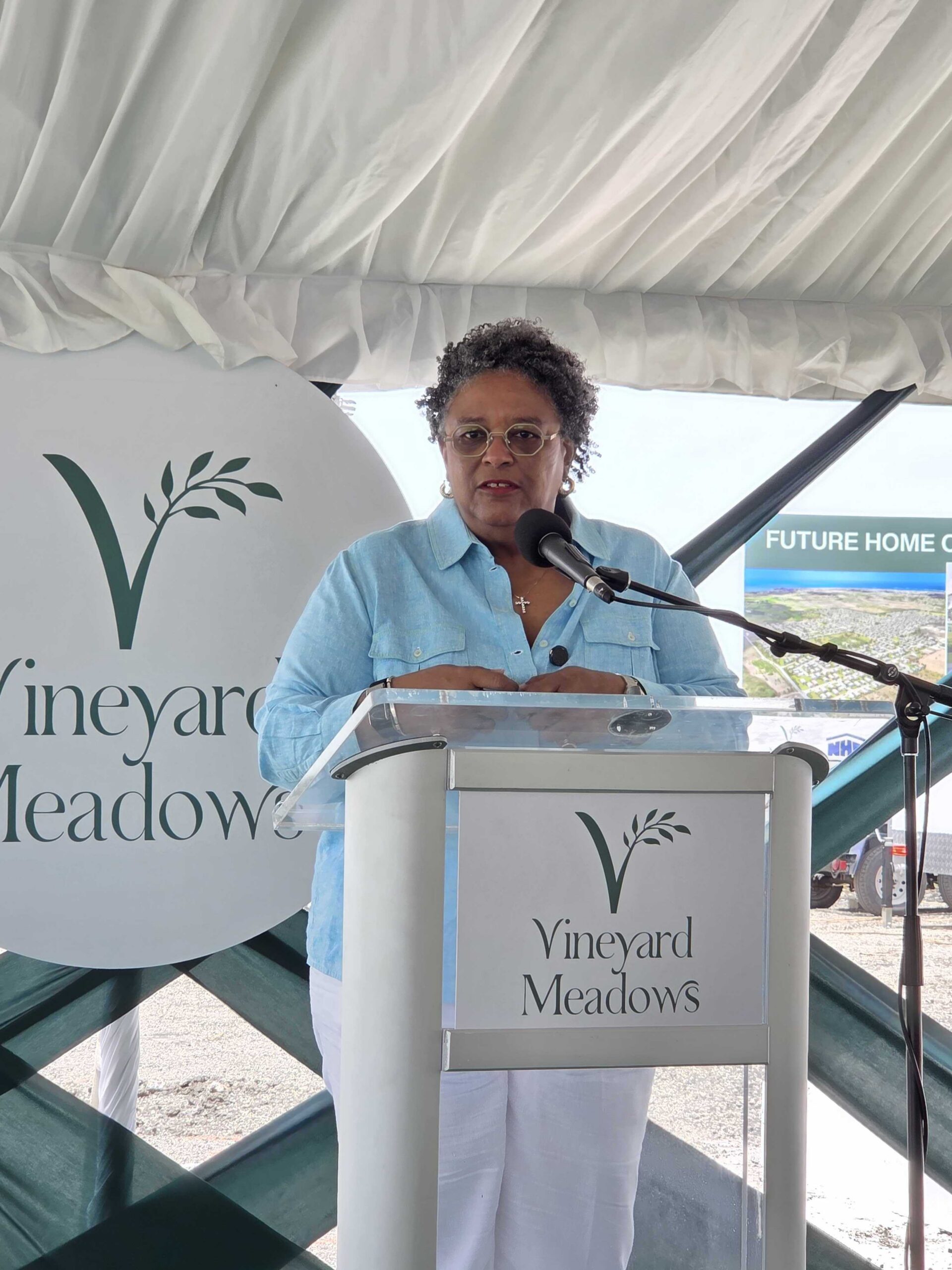
    Barbados Prime Minister Mia Mottley framed the dual announcements as a tangible, people-first advancement in Caribbean regional integration. “This initiative represents another significant step forward in regional cooperation, south-south collaboration, and people-centred governance,” Mottley said. “As our two nations mark 60 years of Independence, it is fitting that we take this step together. This is the kind of practical integration that Caribbean people can feel in their daily lives.” Mottley also shared her vision for scaling these reforms, expressing hope that the ID-based travel arrangement will eventually be expanded to other Caribbean countries as regional cooperation efforts continue to progress.

    Guyanese President Dr Irfaan Ali echoed this sentiment, framing the growing partnership as a core part of a broader vision for a fully connected, united Caribbean community. “As Guyana and Barbados celebrate 60 years of Independence, this initiative symbolises not only the enduring friendship between our nations, but also our shared vision for a more connected, accessible, and united Caribbean community,” Ali noted.

    Public reaction to the new travel rule in Bridgetown, Barbados’ capital, has been largely positive, with many residents describing the reform as a long-overdue change that removes a major barrier to cross-border movement. Some residents, however, pointed out that high airfare costs between the two countries still remain a significant obstacle for many casual travelers. Economist Professor Don Marshall, speaking to local outlet Barbados TODAY, framed the travel reform as more than just a convenience: he argued it will act as a powerful catalyst for deeper regional integration and increased cross-border investment, unlocking new commercial opportunities for businesses and workers across both nations.

    Additional details about the structure and implementation timeline of the Trident Arrow Investment Fund, as well as further logistical information for the new ID-based travel system, are expected to be released to the public in the coming weeks, ahead of the full July 1 rollout of the travel arrangement. The dual announcements mark a clear deepening of already growing ties between the two countries, which have steadily expanded cooperation in recent years across trade, tourism, public health, labor mobility, and cross-border investment.

  • Shirley Chisholm Primary on a roll in netball tournament

    Shirley Chisholm Primary on a roll in netball tournament

    The National Sports Council’s Pedialyte Sport Primary School Netball competition continued to unfold at the Dover playing field in Christ Church on Wednesday, with defending champions Shirley Chisholm Primary maintaining their flawless unbeaten streak through two matches on matchday.

    Competing in the competitive Carolyn Sinclair/Marion Johnson-Hurley Zone, the Vauxhall-based side delivered two dominant performances to extend their winning run. First, Shirley Chisholm Primary secured a solid 9-3 victory over St Christopher Primary, before following up that win with a 7-3 defeat of St Lawrence Primary.

    St Lawrence Primary quickly shook off their second-half slump against the defending champions to claim a comfortable win in their second outing of the day, outpacing Arthur Smith Primary to notch a 7-1 victory that gets their campaign back on track.

    Christ Church Girls’ Primary also enjoyed a strong day of results, putting together two wins and one draw across their three matches. The side opened with an 8-1 rout of St Christopher Primary, then earned a tight 2-1 win over Bay Primary, before settling for a 2-2 draw against St Paul’s Primary.

    Arthur Smith Primary experienced mixed fortunes across their two matches on Wednesday. The team kicked off their day with a clear 4-1 win over St Gabriel’s Primary, but could not carry that momentum into their second game, falling 5-2 to Bay Primary.

    St Gabriel’s Primary also had an up-and-down day of netball action. After falling to Arthur Smith, the squad fought to a 3-3 draw with St Paul’s Primary, before pulling off a narrow 2-1 upset win over Bay Primary to close out their matchday.

  • Wanted man now in police custody

    Wanted man now in police custody

    A man who had been flagged by police as a wanted suspect connected to severe criminal allegations is no longer at large, after turning himself in to authorities over the weekend. Shane Anthony Greene became the target of an official police wanted notice distributed to the public on Saturday, as law enforcement launched a push to locate and question him in relation to a series of serious criminal matters. The situation took a swift turn the very next day, when Greene presented himself at the Oistins Police Station. He was not alone during the surrender: a practicing attorney-at-law accompanied him to the station to support his voluntary handover to police. As of the latest updates, the suspect remains in police custody and is actively cooperating with investigators, who are continuing their work to untangle the details of the criminal case he is linked to.

  • Teen girl missing after leaving QEH

    Teen girl missing after leaving QEH

    Law enforcement authorities in Barbados are intensifying efforts to locate a missing 14-year-old teen, Tia Gittens, who vanished more than a week after walking out of the Queen Elizabeth Hospital against medical protocol. Gittens, who is currently under the legal care of the island’s Child Care Board, has not been spotted by friends, family or officials since May 22. According to official descriptions released by the police, the missing teenager stands approximately 5 feet 4 inches tall, has a slim build and a brown complexion. The last confirmed sighting of Gittens found she was dressed in casual loungewear: a pair of loose-fitting long grey sweatpants, a solid black sweater, and simple house slippers. With no significant leads developed in the case so far, local police have issued a wide-ranging public appeal for community assistance to help bring the teen home safely. Any member of the public who has encountered Gittens since May 22, or holds any information that could hint at her current location, is urged to reach out to law enforcement immediately. Tips can be submitted to the Central Police Station directly, the 24/7 police emergency hotline at 211, the anonymous Crime Stoppers tip line at 1-800-8477, or any local police district office closest to the informant. Investigators have emphasized that even small, seemingly insignificant pieces of information could prove critical to resolving the case quickly.

  • Experts sound alarm over sexualised behaviour among schoolchildren

    Experts sound alarm over sexualised behaviour among schoolchildren

    Two prominent Caribbean child welfare leaders have issued an urgent public warning following the spread of multiple viral videos showing uniformed school students engaging in explicit sexual activity, calling attention to a worrying trend of growing sexualisation among minors that risks causing long-term harm to young people’s futures.

    Sean Clarke, chief executive officer of Supreme Counselling for Personal Development, and Melissa Savoury-Gittens, president of the National Organisation of Women (NOW), say three key factors are driving increasingly risky sexual behaviour among youth: unregulated social media consumption, heightened peer pressure, and critical gaps in consistent parental guidance.

    Clarke emphasized that social media has grown to become one of the most powerful forces shaping how young people think, interact, make decisions, and understand the world around them. While peer pressure predates digital platforms, he explained that social media has amplified the problem by creating a culture where young people chase external validation through likes, shares and view counts. Many minors are willing to put themselves in compromising, explicit situations simply to gain online attention, a dynamic that would have been unthinkable for previous generations.

    This risky behaviour is often rooted in low self-esteem, Clarke added. Young people grappling with feelings of inadequacy will frequently go to great lengths to fit in with peer groups and gain acceptance from popular classmates, even if that means participating in activities they know are inappropriate.

    Savoury-Gittens echoed these concerns, noting that mainstream entertainment and television programming also normalize constant sexual content that shapes children’s expectations of behaviour from a young age. She also pointed out the stark gender double standard that emerges when explicit content of minors spreads online: while boys often face little social backlash and may even gain social status from the attention, girls are far more likely to face public shaming that leaves long-lasting emotional damage.

    Both leaders acknowledge that underage sexual activity is not a new phenomenon, but stress that modern technology has completely transformed the scope and consequences of the issue. The widespread availability of smartphones and the virality of social media mean explicit content can spread across communities in hours, and once posted, it never truly disappears. Clarke warned that content shared as a child can follow people into adulthood, limiting educational and employment opportunities and undermining their ability to build the lives they want.

    The advocates agree that families serve as the first and most critical line of defence against these harmful trends. Conversations about sexuality, self-worth, and personal responsibility need to start early in the home, with Clarke arguing that girls must be taught from a young age to value themselves and respect their bodies, while boys must learn to respect both their own boundaries and the boundaries of the girls around them. He also stressed that parents must model healthy behaviour for their children, noting that young people absorb the norms they see practiced by the adults in their lives.

    Crucially, Clarke added that education about the risks of social media cannot be limited to children: many parents lack a full understanding of how digital platforms operate and the unique dangers they pose to minors, so adult-focused education programmes are also urgently needed.

    Savoury-Gittens expanded on this framework, noting that schools, faith institutions and community organizations also have vital roles to play in supporting children. Many young children, especially those in primary school, hold deep trust in their teachers, giving educators unique access to have open conversations about healthy boundaries and safe online behaviour that children may not be as receptive to when coming from parents. Churches and community groups can also fill gaps in support by offering age-appropriate guidance beyond what is covered in standard school curricula.

    Both leaders called for early intervention to identify at-risk children before they engage in harmful behaviour, urging parents and educators to watch for key warning signs: sudden shifts in behaviour including increased aggression, withdrawal from social activities, excessive secrecy around online activity, emotional instability, dropping grades, reduced motivation, and increased absenteeism from school. Clarke noted that these changes can often signal that a child is grappling with peer pressure, bullying, emotional distress, substance use, gang influence, or online manipulation.

    Savoury-Gittens also pushed for greater participation in existing parenting support programmes, noting that while free resources are available, uptake remains consistently low. She shared an example of a local parenting initiative that saw attendance surge after organizers offered small financial incentives to participants, proving that removing barriers to access can dramatically increase engagement. Most importantly, she added, adults must not shy away from having difficult conversations with young people about inappropriate behaviour: the goal should be to protect children from harm rather than shame them for their mistakes, while still being clear about what boundaries exist to keep them safe.

  • Passport-free travel deal seen as ‘ceremonial’, economist says

    Passport-free travel deal seen as ‘ceremonial’, economist says

    A landmark passport-free travel agreement between Caribbean nations Barbados and Guyana, which has been framed as a key step forward for regional integration, is unlikely to unlock immediate gains in cross-border trade and investment unless policymakers address persistent bottlenecks in airport immigration processing, leading regional economist Jeremy Stephen has warned. While the initiative has drawn praise from supporters as a historic milestone in deepening economic and social ties across the Caribbean, Stephen characterizes the new policy as largely ceremonial, arguing that it removes a travel barrier that never meaningfully restricted movement between the two countries in the first place.

    Under the new bilateral arrangement, citizens of Barbados and Guyana may now travel between the two countries’ capitals, Bridgetown and Georgetown, using only government-issued national identification cards, eliminating the longstanding requirement for a valid passport. Though this cuts one layer of administrative red tape from cross-border travel, Stephen says the policy targets a problem that was not a primary deterrent to intra-regional travel or commerce.

    “In the Caribbean, getting a passport has never been an overly restrictive process, so I don’t expect this change to drive a dramatic surge in travel or trade volumes on its own,” Stephen explained in his analysis of the policy’s near-term impact on intra-regional commerce. “The real historical barrier to cross-Caribbean travel has long been visa requirements, and visas were never an issue for travel between Barbados and Guyana. The only friction the old rule created was the wait time for passport processing, which can stretch to months in some cases.”

    Instead of spurring a wave of new commercial investment across the two nations, Stephen projects the policy will only enable faster, more flexible travel decisions for specific groups of travelers. The primary beneficiaries, he notes, will be people facing sudden, unplanned business trips, and rural residents who have never previously needed a passport for commercial or personal travel.

    “If you need to travel urgently to Guyana for business and your passport has expired, using a national ID is a far cheaper and faster option than applying for emergency travel documentation,” Stephen said. He added that the framework could open new opportunities for small-scale agricultural producers in remote areas of Guyana, noting: “It certainly creates a path for people in Guyana’s countryside or isolated regions to travel to Barbados for the first time. Many of these people run small farms, and they can now come meet potential import partners in Barbados in person.”

    The most critical shortcoming of the new agreement, Stephen emphasizes, is that eliminating the passport requirement does nothing on its own to speed up passenger processing at ports of entry. To achieve real travel efficiency, he argues, regional authorities must follow the model of other Caribbean sub-blocs and fully streamline physical immigration processing by creating dedicated, expedited lanes for eligible travelers.

    Stephen points to the Organization of Eastern Caribbean States (OECS) as a successful example of this model, where OECS citizens enjoy swift transit across participating islands including Antigua and St. Lucia. “OECS has a separate processing lane for their travelers that is separate from the standard CARICOM queue,” he explained. “When eligible travelers can go straight to customs without stopping for immigration checks, that cuts significant wait time and makes a real difference in travel convenience. Without that specialized infrastructure, removing the passport requirement doesn’t save travelers any time at all.”

    Without broader structural changes to arrival and departure processing at regional airports, Stephen says he cannot predict major logistical or economic gains from the new agreement. “Only when you remove the physical processing barriers at airports will you see tangible benefits. As long as the standard immigration checkpoint structure remains in place without dedicated lanes, this agreement remains largely ceremonial,” he noted.

    When asked whether the bilateral, country-by-country approach to travel liberalization risks fragmenting the broader Caribbean Community (CARICOM) bloc, or if it can serve as a viable regional template, Stephen acknowledged the policy’s philosophical value as a step toward full regional integration, but reiterated his concerns about poor practical execution. “In principle, it makes perfect sense for all CARICOM citizens to be able to travel across the region on just a national ID – that’s a core goal of regional integration. But that’s a philosophical win, not a practical one, unless you eliminate the need for time-consuming immigration checks when entering or exiting a country. Without that change, there’s no major tangible benefit.”

    Stephen did concede that the agreement fills an important gap for frequent business travelers, providing a critical safety net for mobile professionals who sometimes face disrupted travel plans due to foreign bureaucratic requirements. “If you need to take a last-minute business trip, and your passport is being held by a U.S. Embassy for a visa application, this option makes travel possible when it would have been impossible before. In situations like that, this policy is extremely useful.”

    On the topic of labor market shifts, including speculation that the policy could lead to a reverse brain drain of skilled Barbadian professionals moving to Guyana’s fast-growing oil sector, Stephen noted that while the agreement eases travel for both skilled and unskilled workers, persistent airport processing bottlenecks will continue to limit the actual pace of human capital movement across the Caribbean. Without broader infrastructure and administrative reforms, meaningful shifts in labor mobility will remain slow, he concluded.

  • Barbadians back ID card travel to Guyana

    Barbadians back ID card travel to Guyana

    A groundbreaking new travel agreement between Barbados and Guyana that eliminates passport requirements for cross-border trips starting July 1 has drawn widespread praise from Barbadians, who frame the policy as a long-awaited leap forward for seamless regional movement across the Caribbean. The partnership was publicly announced this Monday by both nations’ governments, timed to coincide with the upcoming 60th anniversary of independence for each country, opening the door for eligible citizens to travel between the two nations using only a valid national ID card.

    On Tuesday, street interviews in Bridgetown’s central districts captured broad public support for the shift, with many residents arguing the change will boost regional tourism and cut the logistical stress that has long deterred Caribbean travel. For Janerie Blackman, a Barbadian resident who has long held plans to visit Guyana, the policy could not come soon enough. “I always wanted to go, it was just a matter of time that stopped me before,” Blackman said. When asked if other Caribbean nations should adopt similar arrangements, Blackman responded firmly: “A hundred per cent this should have been a thing already.”

    Kianna Walters echoed that enthusiasm, noting that the cost and hassle of securing and maintaining a passport had previously put her off regional trips. She confirmed she plans to make use of the new policy to explore Guyana’s well-known attractions in the near future, adding that she supports broader efforts to ease travel restrictions across the entire Caribbean region.

    Peter Elcock, a long-time advocate for deeper regional integration, framed the agreement as meaningful progress toward unifying Caribbean communities. “I feel it is a good thing, less stress,” Elcock said. “As I said, I feel that the Caribbean should be one. The first steps that Barbados, Dominica, Belize, and St Vincent have already taken are a step in the right direction. We are one people.” Elcock drew on his own family history to illustrate the deep interconnectedness of Caribbean nations, noting his grandmother was Trinidadian and he grew up surrounded by Trinidadian culture while residing in Barbados. “We are one people, right? And we should be one,” he added.

    Cordell Brade shared Elcock’s perspective, pointing out that national ID cards are far more convenient for everyday travel than easily misplaced passports. “That move from island to island, using your ID card, once it’s a valid ID card, without having to go through the hustle and bustle with a small book that you could lose any time,” Brade explained. “Your ID is always in your wallet or your purse. So, I think it’s really a good initiative going in that direction.” Like many other respondents, Brade said he is already planning a trip to Guyana to visit iconic sites including the massive Kaieteur Falls in the country’s remote interior. Even so, Brade raised a key ongoing barrier to regional travel: high airfare costs. “But it is okay to talk about ID, what about the airfare?” he questioned. “The airfare has to matter really for people to really move around.”

    Officials from both Barbados and Guyana say the new initiative is designed to not only simplify travel for citizens, but also lower barriers to cross-border exchange, strengthen tourism and trade ties, boost cultural collaboration, and make it easier for family members spread across the two nations to visit one another. Additional details on eligibility requirements and on-the-ground implementation protocols are set to be released in the coming weeks, ahead of the policy’s July 1 launch date.