标签: Barbados

巴巴多斯

  • Disabled community turns up heat on parties over disability agenda

    Disabled community turns up heat on parties over disability agenda

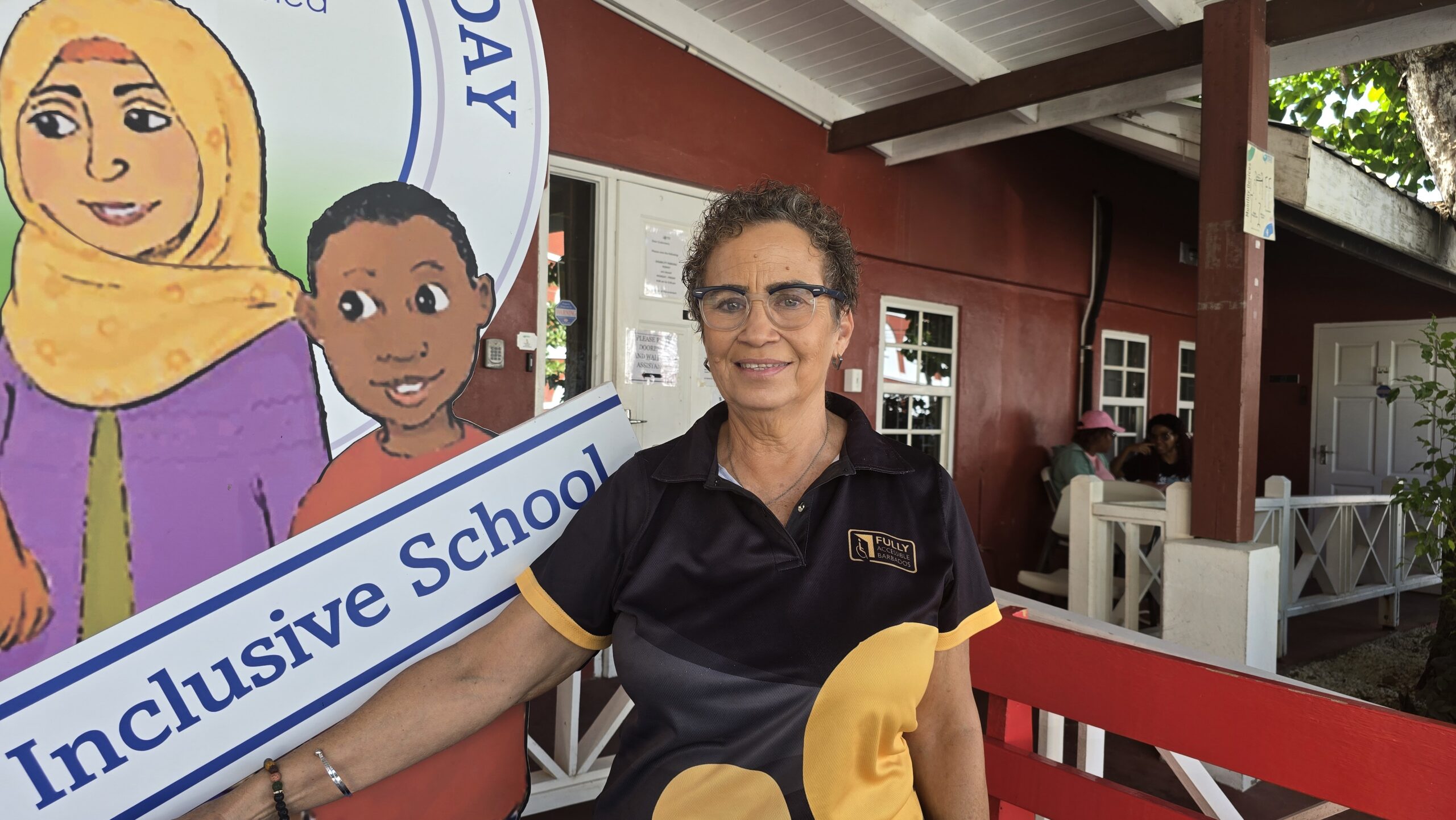
    With Barbados’ general election merely six days away, the Barbados Council for the Disabled (BCD) has issued a powerful appeal to political parties, urging them to substantiate their campaign promises with actionable measures. The council emphasized that mere pledges hold negligible value without resulting in tangible enhancements to the lives of individuals with disabilities.

    Roseanne Tudor, Operations Manager of the BCD, expressed concern over the scant attention given to the council’s priorities in political discourse. Key issues, such as plans for establishing a dedicated respite center, along with the comprehensive concerns detailed in their policy brief, have received insufficient examination. Tudor did acknowledge hearing the Prime Minister reference the allocation of two facilities in specific constituencies that align with their requests for adequate respite care during a recent manifesto address.

    A significant point of condemnation was the ongoing practice of housing disabled individuals in psychiatric hospitals, a direct consequence of the absence of purpose-built facilities. Tudor argued that many young adults could prosper in assisted living environments, similar to elderly care models, rather than being institutionalized for non-psychological reasons.

    Furthermore, the discussion extended to the critical need for disability grants that genuinely reflect the high costs of daily living, particularly for therapy and transportation. While appreciative of considerations to expand these grants to include more groups, Tudor stressed that the amounts must be realistically calibrated to actual expenses.

    The absence of reliable, centralized national data on persons with disabilities was another major concern raised. Tudor proposed a collaborative inter-ministerial system to process information collected from welfare, housing, and other services, underscoring the necessity for its responsible and effective utilization to inform policy.

    Reflecting on over 25 years of advocacy, Tudor noted a notable lack of engagement from most political parties aside from the current social care minister, Kirk Humphrey, whose partnership and socially conscious approach were praised for incrementally advancing their cause.

  • Friends of Democracy opens St James campaign office

    Friends of Democracy opens St James campaign office

    In a strategic move one week before Barbados’ general election, the emerging political force Friends of Democracy (FOD) has significantly strengthened its grassroots infrastructure in St James parish with the inauguration of a new constituency office. The Thorpes Main Road facility officially commenced operations Thursday during a ceremony featuring FOD candidates Matthew Thorne (St James South), Steffanie Williams (St James North), and Kerry Thomas (St James Central).

    Matthew Thorne characterized the opening as a pivotal achievement for both the fledgling party and St James residents, emphasizing the office’s symbolic importance. “This represents the essence of our political philosophy – governance rooted in service and active community participation,” Thorne declared to supporters. “This space will function as a communal hub where constituents can directly engage with representatives, presenting ideas, challenges, and concerns.”

    The three candidates collectively framed their campaign as a historic departure from traditional Barbadian politics. Thorne noted that despite the party’s recent establishment – existing for merely seven months – canvassing efforts have yielded unexpectedly positive responses. “Voter engagement has been intense yet remarkably rewarding,” he observed. “There’s palpable public intrigue toward our alternative movement, largely driven by widespread dissatisfaction with established political entities.”

    Thorne attributed their receptiveness to growing citizen frustration with conventional party politics. “Barbadians have grown weary of the perpetual pendulum swing between dominant parties that have become too institutionalized to address constituent needs effectively. Our campaign offers a beacon of hope for substantive change.”

    Steffanie Williams outlined her strategy for the final campaign week, emphasizing intensified voter outreach despite recognizing pervasive electoral apathy. “My mission involves maximizing direct voter contact through comprehensive canvassing operations while persistently communicating our transformative message,” Williams stated. She issued a compelling plea for democratic participation: “Barbados cannot endure another parliamentary monopoly. I urgently encourage all eligible citizens to exercise their fundamental voting rights.”

    The St James office inauguration signifies FOD’s commitment to localized representation and symbolizes the party’s ambitious attempt to reshape Barbados’ political landscape through community-centered democracy.

  • Disabled Barbadians to be trained as certified accessibility assessors

    Disabled Barbadians to be trained as certified accessibility assessors

    Barbados is pioneering a transformative approach to accessibility by empowering members of its disabled community as certified accessibility professionals. Fourteen individuals are undergoing specialized universal design training through an innovative partnership between the Barbados Council for the Disabled (BCD), the Ministry of Labour, Social Security and the Third Sector, and Springboard Consulting under the Job Start Programme.

    At the program’s inauguration at BCD headquarters, President Patricia Padmore-Blackman framed the initiative as a landmark advancement in the nation’s inclusion efforts. “This training represents more than skill development—it’s about unlocking unlimited possibilities for employment, independence, and personal growth,” she stated. “We’re building confidence and opening doors for meaningful contribution.”

    The comprehensive curriculum prepares participants to professionally evaluate buildings and public spaces against accessibility standards. Rosanna Tudor, BCD Operations Manager, emphasized the program’s focus on creating professional opportunities: “Our members will become trained assessors who can work independently, bringing firsthand understanding of accessibility challenges.”

    Minister of Labour Colin Jordan characterized universal design as both an economic imperative and social responsibility. “Universal access means treating people like people,” Jordan asserted. “It enables businesses to tap into broader talent pools while increasing productivity and fostering loyalty.” He illustrated how accessibility features like curb cuts and video captions benefit diverse groups beyond the disabled community, from parents with strollers to non-native English speakers.

    Nadine Vogel, CEO of Springboard Consulting, highlighted the program’s practical approach: “We’re ensuring accessibility works for individuals with physical, hearing, or vision challenges. Participants will leave with comprehensive assessment tools to evaluate every aspect of universal design.”

    The initiative marks a significant shift from policy discussion to practical implementation, positioning Barbados at the forefront of inclusive development by leveraging the expertise of those who understand accessibility challenges most intimately.

  • Voter apathy cause for concern, says Atherley

    Voter apathy cause for concern, says Atherley

    With Barbados approaching its February 11 general election, former Opposition Leader Bishop Joseph Atherley has identified escalating voter apathy as the most pressing threat to democratic integrity. In an exclusive interview with Barbados TODAY, Atherley revealed that diminishing public engagement with the political process represents a fundamental challenge to the nation’s democratic foundations.

    Atherley’s concerns are substantiated by both empirical polling data and firsthand observations from his nationwide tour of political gatherings. He emphasized that true democracy requires not merely the mechanical holding of elections, but active citizen participation driven by informed understanding of socio-political realities.

    Historical context reveals this trend isn’t entirely novel—voter turnout has demonstrated consistent decline across multiple election cycles. However, Atherley contends the situation has reached critical severity, with citizens increasingly disconnecting from traditional political participation. The phenomenon manifests through both refusal to disclose voting intentions and outright abandonment of electoral involvement.

    Social media platforms have emerged as both symptom and catalyst of this disengagement. While digital spaces host vigorous political discourse, Atherley observes they often substitute for physical participation and facilitate the unchecked spread of unverified claims that erode institutional trust.

    The roots of this apathy extend beyond digital transformation. Atherley identifies profound public disappointment with political outcomes as a primary driver, noting many citizens believe electoral results yield negligible impact on their daily lives. This sentiment combines with evolving societal priorities and increased distractions in modern Barbadian life.

    Crucially, Atherley reframes the issue as non-partisan, stating: ‘People believe that both parties have done well and both parties have done ill.’ This nuanced perspective suggests systemic rather than party-specific challenges. The fundamental task now becomes revitalizing civic engagement to ensure citizens remain invested in making informed electoral decisions.

  • Commonwealth, CARICOM observers due to arrive soon to oversee general election

    Commonwealth, CARICOM observers due to arrive soon to oversee general election

    Barbados is poised to make electoral history this week as it welcomes international observer missions from the Commonwealth and CARICOM to monitor its general election—marking the first time the island nation has subjected its democratic process to formal overseas scrutiny. The landmark initiative follows a formal invitation extended by Prime Minister Mia Mottley, who characterized the move as a testament to the nation’s dedication to democratic principles, governmental transparency, and the rule of law.

    The Commonwealth delegation, under the leadership of former Saint Lucia House of Assembly Speaker Sarah Flood-Beaubrun, includes six observers recruited from various Commonwealth nations, supported by administrative staff from the organization’s secretariat. Simultaneously, a separate contingent from the Caribbean Community (CARICOM) is scheduled to arrive, collectively forming a robust multinational monitoring presence.

    Throughout their mission, the observer teams will conduct comprehensive assessments of multiple electoral dimensions. Their mandate encompasses evaluating the pre-election climate, campaign activities, and administrative readiness. On election day, the groups will monitor the operational procedures at polling stations—from their opening through the voting process—and continue through the critical phases of vote counting and result tabulation. Additionally, the missions plan to engage with essential stakeholders, including the Electoral and Boundaries Commission, representatives from competing political parties, media organizations, and civil society groups.

    Upon conclusion of the electoral process, both missions will release preliminary statements detailing their initial findings, to be followed by comprehensive final reports. Prime Minister Mottley has vigorously defended the decision to invite international oversight, emphasizing that it enables citizens to independently verify electoral integrity. “The presence of independent electoral observers allows the public to judge the conduct of our elections for themselves,” Mottley stated. “There is no need to rely solely on claims from political figures; let the independent observers cast their judgment.”

    This unprecedented move toward electoral transparency occurs against a backdrop of opposition criticism regarding the election’s timing and allegations of discrepancies within the voter registry. Democratic Labour Party leader Ralph Thorne has formally requested a postponement, citing alleged irregularities that require corrective measures. However, Prime Minister Mottley has asserted that constitutional provisions under Section 18 of the Representation of the People Act prevent any alteration of the election date, ensuring the process proceeds as scheduled under international observation.

  • Regional emergency managers meet, test response readiness

    Regional emergency managers meet, test response readiness

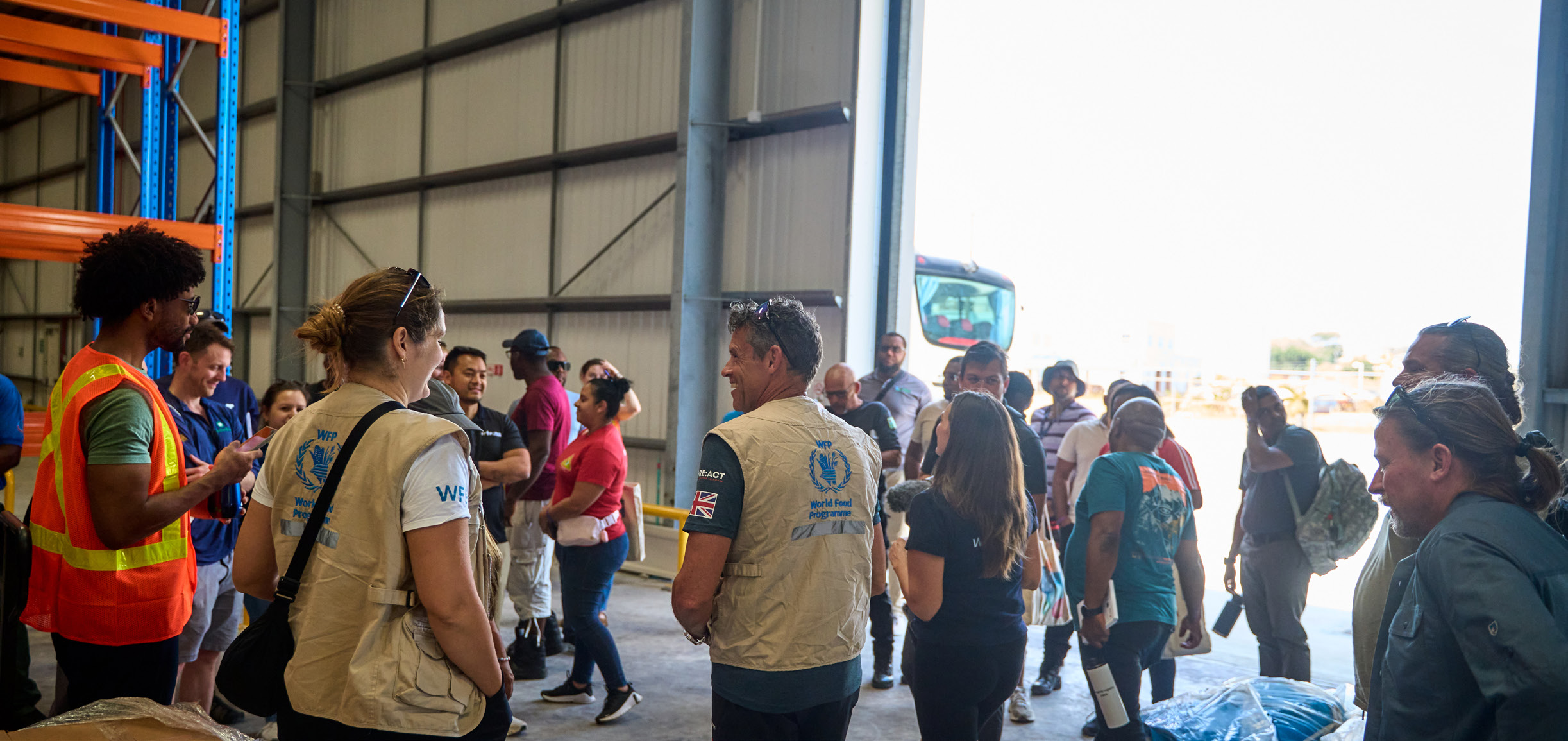
    Barbados has become the epicenter of a groundbreaking regional preparedness initiative as disaster management specialists and humanitarian organizations from across the Caribbean converge for an unprecedented emergency logistics coordination exercise. This landmark simulation, hosted at the Caribbean Regional Logistics Hub, represents the first comprehensive effort to enhance collective readiness for the anticipated challenges of the 2026 Atlantic hurricane season.

    The collaborative drill brings together emergency response coordinators from 12 Caribbean nations alongside 14 regional humanitarian partners, creating an integrated network of expertise. Participants are engaging in a meticulously designed scenario-based exercise set in a fictional Caribbean nation struck by a major hurricane, enabling agencies to practice real-time problem-solving and coordination under simulated emergency conditions.

    Brian Bogart, Representative and Country Director for the UN World Food Programme’s Caribbean Multi-Country Office, emphasized the critical importance of such preparatory measures. “Through these simulations, we create a controlled environment where response teams can confront operational challenges without the devastating human cost of actual disasters,” Bogart explained. The exercise specifically focuses on improving coordination mechanisms, information sharing protocols, and collective decision-making processes during large-scale emergencies.

    The simulation’s design incorporates dynamic elements that mirror the complexity and unpredictability of real disaster scenarios, requiring participants to adapt rapidly to evolving circumstances. This approach allows response organizations to identify potential gaps in their emergency frameworks and develop practical solutions before actual hurricanes materialize.

    Bogart further highlighted the equitable training benefits of such exercises: “While some organizations gain experience through actual emergency response, not all nations or agencies have equal exposure to major disasters. These simulations ensure that all regional partners can develop essential response capabilities through structured, realistic training.”

    The initiative represents a proactive shift in regional disaster preparedness strategy, moving from theoretical planning to practical, hands-on training that enhances collective response capabilities well in advance of each hurricane season.

  • Factory setbacks, market woes could delay sugar crop

    Factory setbacks, market woes could delay sugar crop

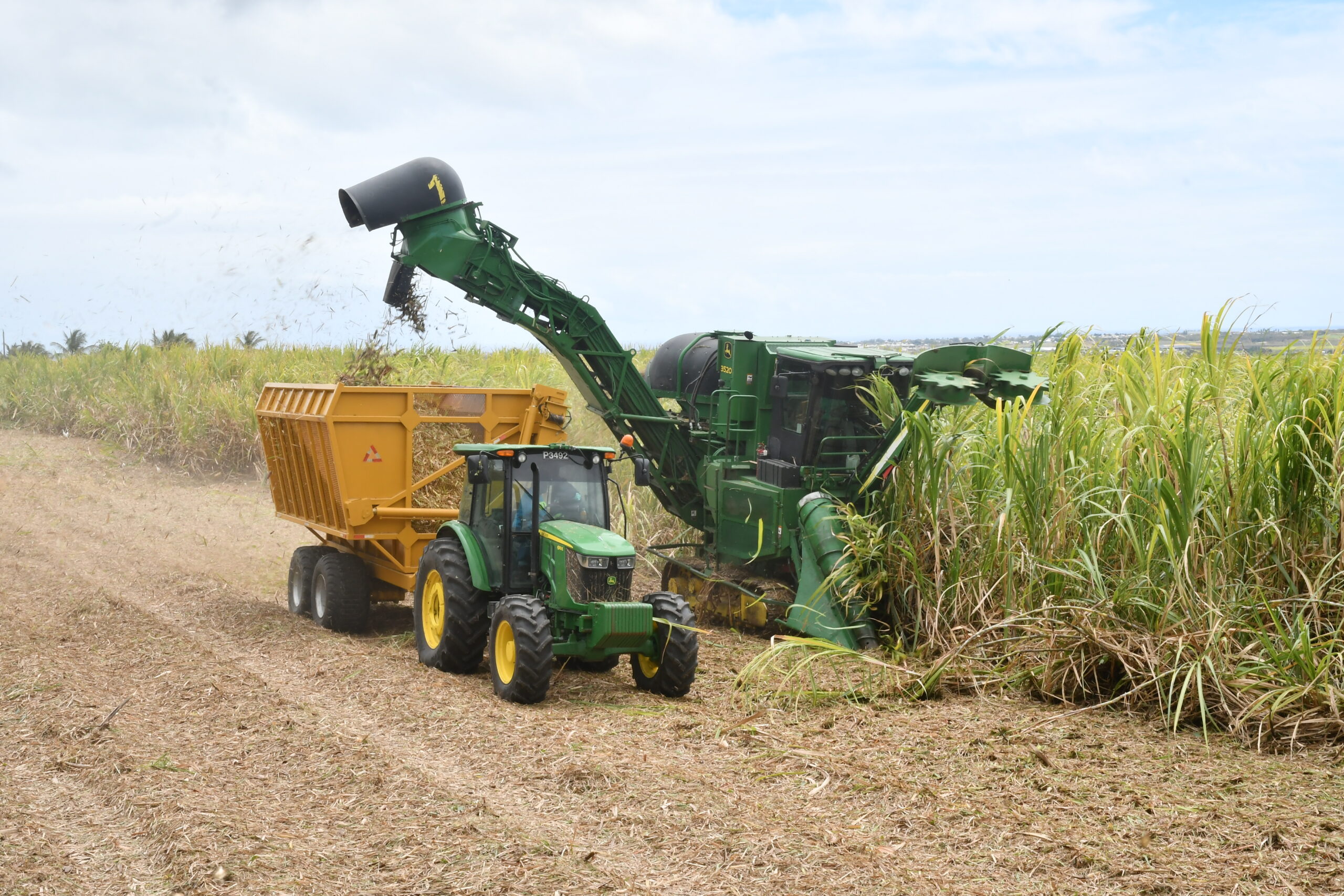
    Barbados’ historic sugar industry confronts mounting uncertainty as the 2026 harvesting season faces significant operational delays. Multiple industry sources confirm that Portvale Factory, the nation’s sole sugar processing facility, remains unprepared to receive sugarcane, casting doubt on previously anticipated February start dates.

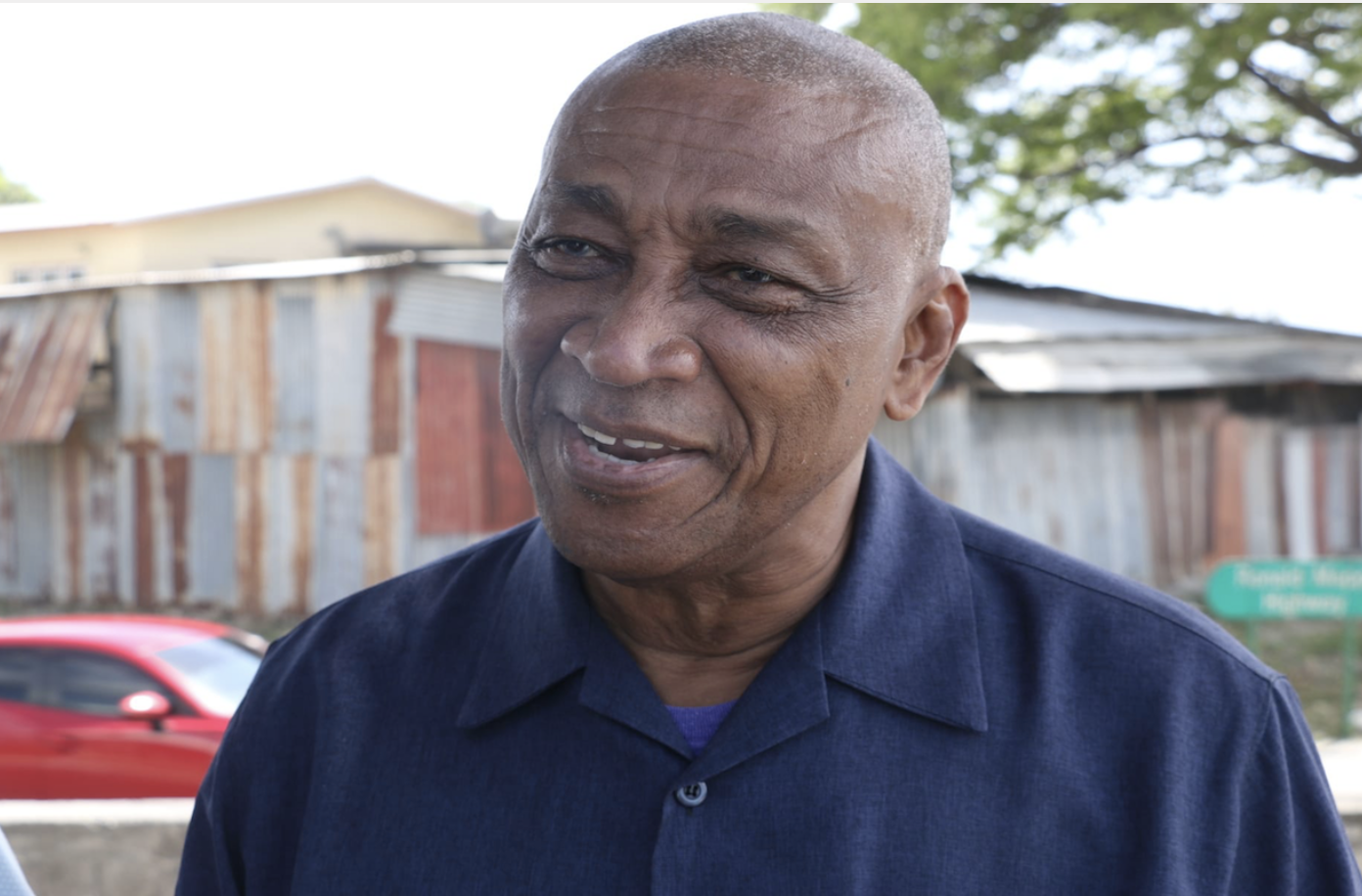
    Technical assessments reveal substantial maintenance requirements still underway at the manufacturing plant. Dwight Millar, President of the Sugar Industry Staff Association (SISA), indicated that extensive equipment repairs and system upgrades must be completed before operations can commence. “Based on current progress indicators,” Millar stated, “a mid-February initiation appears highly improbable, with more realistic projections pointing toward early March.”

    The factory’s operational timeline faces additional complications awaiting critical agricultural data. Industry professionals await the annual brix report, which measures sucrose concentration in standing cane, to determine optimal harvesting conditions. Simultaneously, purchasing numbers for the season require finalization before processing can begin.

    Market dynamics further complicate the situation. Significant sugar inventories from the 2025 harvest remain unsold, reportedly due to competition from imported Jamaican sugar within CARICOM markets. This surplus storage issue creates logistical challenges for the upcoming season’s production cycle.

    Industry representatives have expressed grave concerns about external market pressures. Mark Sealy, Chairman of Barbados Sugar Industry Limited, highlighted how non-CARICOM brown sugar imports “directly compete with local production, essentially undermining domestic agricultural sustainability.” Producers argue these imports threaten the entire industry’s viability, potentially causing collapse within months without regulatory intervention.

    Management transitions have introduced additional complexity. Since January 2024, Co-op Energy has overseen sugar operations through subsidiaries BESCO Ltd (factory management) and Agricultural Business Company Ltd (farmland oversight), following government divestment of the Barbados Agricultural Management Company.

    Despite these challenges, private farmers maintain readiness to deliver cane once the factory announces operational dates. However, with general elections approaching next Wednesday and former agriculture minister Indar Weir pledging to address the situation, the industry’s future remains entangled in both operational and political dimensions.

  • Phillips pledges sweeping upgrades, reforms for St Peter

    Phillips pledges sweeping upgrades, reforms for St Peter

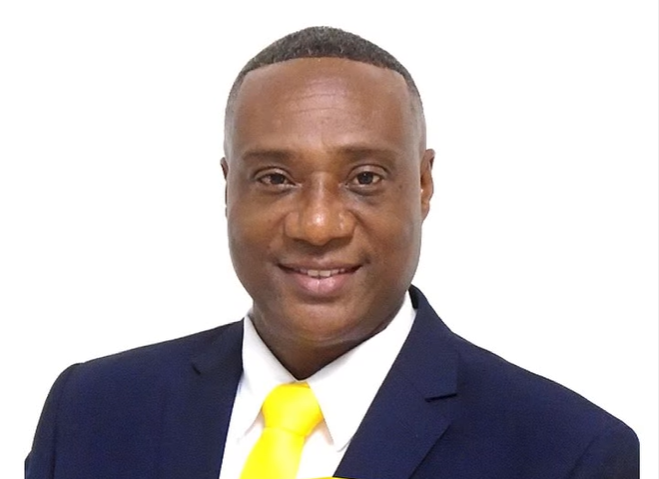
    Jason Phillips, the Democratic Labour Party candidate for St Peter, has presented a transformative development agenda targeting comprehensive infrastructure and social reforms for the northern Barbados constituency. During a recent campaign meeting, Phillips articulated a multi-faceted strategy addressing long-standing community concerns through systematic governmental intervention.

    The candidate identified road rehabilitation as an immediate priority, advocating for a structured program focusing on critical corridors including Boscobel to Speightstown and Indian Ground to Speightstown. Phillips emphasized the necessity of proper paving, drainage, and lighting systems, explicitly rejecting temporary patchwork solutions. His infrastructure proposal extends to enhanced street lighting to improve road safety and reliable waste management systems featuring fixed collection schedules and community clean-up initiatives.

    Water infrastructure emerged as another cornerstone of Phillips’ platform, with commitments to demand greater investment and accountability to ensure residents receive clean, reliable water. The candidate specifically addressed housing reform in Six Men’s Village, promising transparent, time-bound land regularization processes to provide legal ownership for current occupants. Additional community development initiatives for the area include establishing youth resource centers and recreational hard courts.

    Healthcare transformation features prominently in the candidate’s vision, with ambitious proposals to upgrade the Maurice Byer Polyclinic to a 24/7 mini-hospital facility equipped with ambulance services, emergency departments, and multiple wards to serve northern Barbados residents. Phillips also outlined economic measures including skills training programs, apprenticeships, and private sector partnerships to boost youth employment, alongside policies aimed at reducing living costs through agricultural development and protection for low-income households.

    Following his policy presentation, Phillips characterized his campaign approach as authentically engaged, stating his visibility reflects genuine connection with constituents rather than political strategy. The candidate highlighted his 26-year teaching career and legal practice as qualifications for implementing transformative representation.

  • Election workers, special forces cast early ballots

    Election workers, special forces cast early ballots

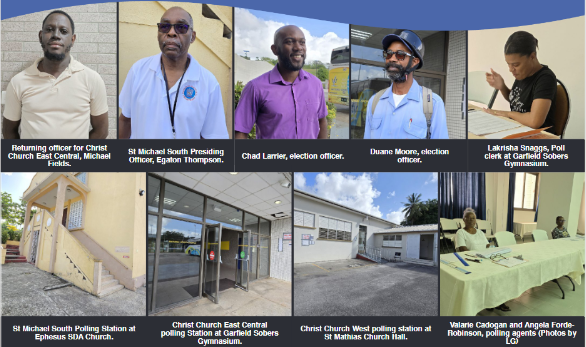
    A notably subdued atmosphere characterized Barbados’s special pre-election polling on Tuesday, with election officials and protective service members turning out in low numbers. This specialized electoral exercise, designed for those rostered for duty on the upcoming general election day, may signal broader voter apathy ahead of the nation’s snap poll scheduled for next Wednesday.

    At 7 a.m., thirty polling stations opened nationwide, yet presiding officers across multiple constituencies reported consistently light foot traffic. Michael Fields, the returning officer for Christ Church East Central at the Garfield Sobers Gymnasium, indicated that merely twelve out of ninety registered special voters had cast ballots by the mid-morning period. While acknowledging initial logistical shortcomings such as absent directional signage, Fields confirmed these issues would be resolved before the main electoral event, noting the voting process itself was efficiently concluded within two minutes once voters located the correct venue.

    Parallel reports emerged from other districts, including St Michael South and Christ Church West, where officials Egerton Thompson and Michael Sealey similarly described voter activity as minimal. Despite the low participation, some voters expressed strong commitment to their civic duties. Election official Chad Larrier highlighted the fundamental importance of representation, though he cited inadequate signage as a complicating factor in accessing his polling station. Postal worker Dwayne Moore, a consistent voter since the age of 18, praised the seamless and swift nature of the process, emphasizing the critical role of citizen participation in shaping national governance.

  • Follow through on post-Beryl recovery projects, fishers say

    Follow through on post-Beryl recovery projects, fishers say

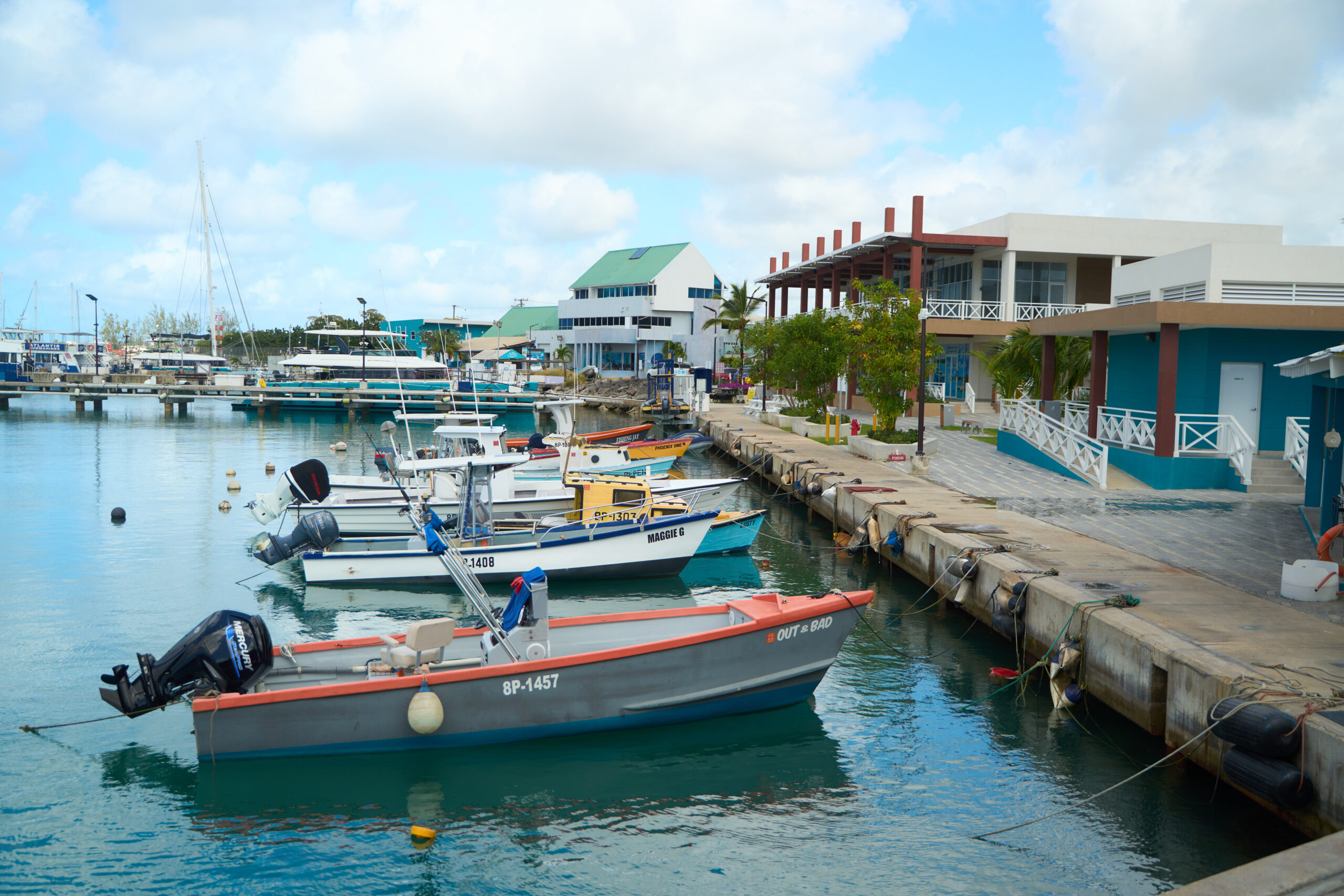
    With Barbados’ general election approaching on February 11, the island’s fishing communities are calling for sustained government commitment to post-Hurricane Beryl recovery efforts and the completion of critical infrastructure projects vital to their industry’s survival.

    Moonesh Dharampaul, Head of the Black Fin Fleet, emphasized to Barbados TODAY that the fishing sector has established a productive working relationship with current authorities and hopes this partnership will strengthen following the formation of a new administration. The industry suffered catastrophic damage during the 2024 hurricane season, forcing fisherfolk to implement gradual rebuilding measures while developing strategies to mitigate future storm impacts.

    Among the most pressing needs identified are proper haul-out facilities at key landing sites. “We urgently need completion of the ongoing breakwater project,” Dharampaul stated. “Additionally, we require functional haul-out facilities and slipways that enable fishermen to quickly remove vessels from water when storms approach.”

    Significant progress is underway through the Fisheries Division’s development of a national policy governing Fish Aggregating Devices (FADs). These artificial floating structures attract pelagic fish species and substantially increase catch volumes, though their deployment requires careful regulation to balance economic benefits with environmental considerations and spatial conflicts.

    “The Fisheries Division is currently drafting a FAD policy,” Dharampaul confirmed. “We’re collaborating closely with Coastal Zone Management on economic zone spatial planning, and anticipate positive outcomes.” He stressed that meaningful consultation with fishing professionals must remain central to policy development processes, ensuring practical industry experience informs regulatory frameworks.

    Dharampaul elaborated on FAD technology’s dual nature: while significantly enhancing fishing efficiency by creating underwater aggregation points that attract larger fish, Barbados’ unique tidal conditions present substantial anchoring challenges. “This is precisely why establishing a proper regulatory mechanism is crucial,” he explained.

    Another priority involves finalizing a specialized commercial fishing insurance policy. Through collective negotiation, industry representatives have secured reduced premium rates, potentially dropping from 3% to between 2.2-2.5% through group participation. Dharampaul also highlighted the need for a dedicated commercial fishing policy that acknowledges the diverse scale of fishing operations, unlike existing marine policies focused primarily on charter and recreational vessels.

    Recent improvements to ice distribution infrastructure at Bridgetown market—including new compressors and additional ice machines—were acknowledged as critical advancements for food security. “Where we previously serviced two to three boats daily, we can now accommodate six to eight,” Dharampaul noted, while emphasizing ongoing coordination with government officials to ensure these gains are maintained and expanded.