标签: Barbados

巴巴多斯

  • Union urges stronger investment in homegrown nurses

    Union urges stronger investment in homegrown nurses

    Barbados’s healthcare system is confronting an escalating nursing crisis that threatens to destabilize medical services nationwide. The National Union of Public Workers (NUPW) issued a stark warning that the government’s international recruitment initiatives will prove insufficient unless immediate measures are implemented to retain local nursing talent.

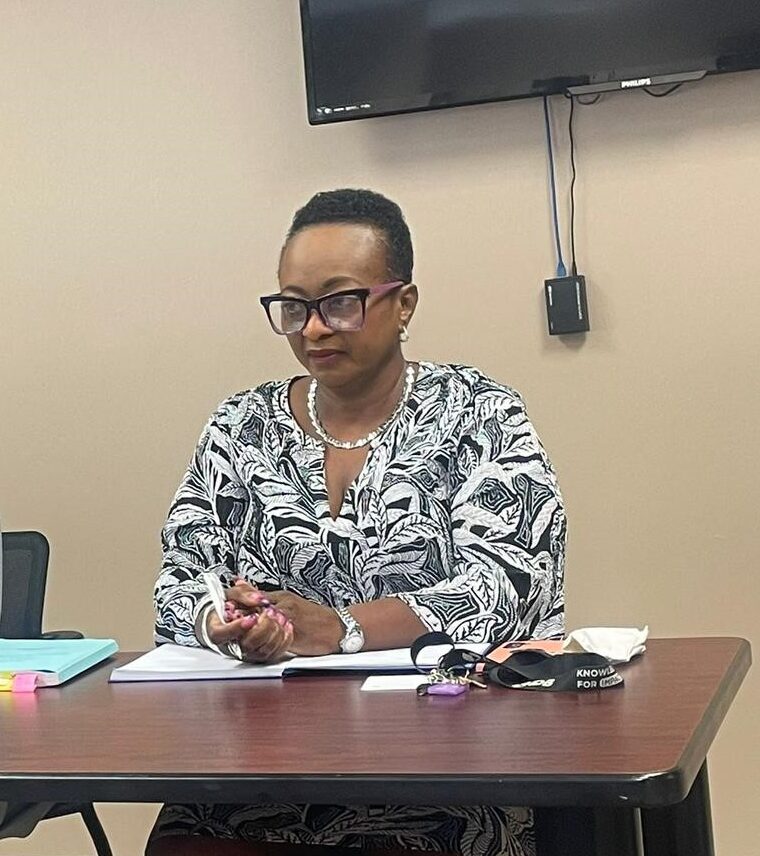
    Union representative Mechell Marshall emphasized that nurses have operated under extreme pressure for years due to chronic understaffing, excessive patient loads, and constrained resources—particularly evident at Queen Elizabeth Hospital and within primary healthcare facilities. This assessment follows Prime Minister Mia Mottley’s recent disclosure that Barbados faces a deficit of approximately 200 nurses across its public health infrastructure, prompting urgent international recruitment efforts.

    Health authorities are actively pursuing nurses from African nations including Ghana, Kenya, and Ethiopia through the Health Partnership between Africa and the Caribbean (HEDPAC) program. However, the NUPW contends that merely filling vacancies overlooks the fundamental drivers of workforce migration.

    According to union analysis, nurses are departing not from lack of patriotism but due to systemic challenges including professional burnout, unsustainable workloads, restricted career advancement opportunities, and inadequate compensation structures. The NUPW advocates for a comprehensive retention strategy featuring enhanced working conditions, transparent career pathways with specialized roles, increased investment in nursing education, and meaningful engagement with nursing representatives during healthcare reforms.

    Marshall highlighted the critical importance of public health nursing training, describing it as the foundational access point for all healthcare services. While acknowledging that short-term recruitment of Ghanaian nurses with public health and midwifery training could provide interim relief, she stressed that long-term stability requires strengthening domestic training capabilities.

    The union welcomed governmental recognition of nursing’s human-centered nature and the recent upgrading of primary healthcare facilities like the St Thomas Clinic. However, Marshall cautioned that infrastructure improvements without corresponding staffing investments risk undermining sustainability. The NUPW remains committed to collaborative efforts with government and stakeholders to build a resilient, people-centered healthcare system capable of delivering safe, compassionate care through adequately supported nursing professionals.
  • Electoral chief confirms ballot books, staff, security ready

    Electoral chief confirms ballot books, staff, security ready

    Barbados stands on the precipice of a major democratic event as electoral authorities confirm full operational readiness for Wednesday’s general election. The Elections and Boundaries Commission has finalized preparations for 271,205 eligible voters on the definitive electoral roll. Chief Electoral Officer Sherland Turton provided comprehensive insights into the meticulous logistical orchestration underway, confirming that all ballot books have been rigorously verified and properly sequenced across constituencies. The electoral infrastructure is fully mobilized with personnel strategically deployed, polling locations confirmed, and security arrangements firmly established. Regarding last-minute complaints about voter registration omissions, Turton acknowledged some concerns while emphasizing the extensive opportunities citizens had to verify and correct their details through multiple verification windows over the past six months. The electoral landscape features four political parties and eleven independent candidates vying for representation. The dominant Barbados Labour Party (BLP) and Democratic Labour Party (DLP) are contesting all 30 parliamentary seats, while the coalition People’s Coalition for Progress is fielding ten candidates and the Friends of Democracy party has entered contenders in eleven constituencies. Electoral officials maintain that the registration list became immutable last Friday, despite subsequent inquiries from potentially unregistered voters.

  • St Michael Central hopefuls blessed as election draws near

    St Michael Central hopefuls blessed as election draws near

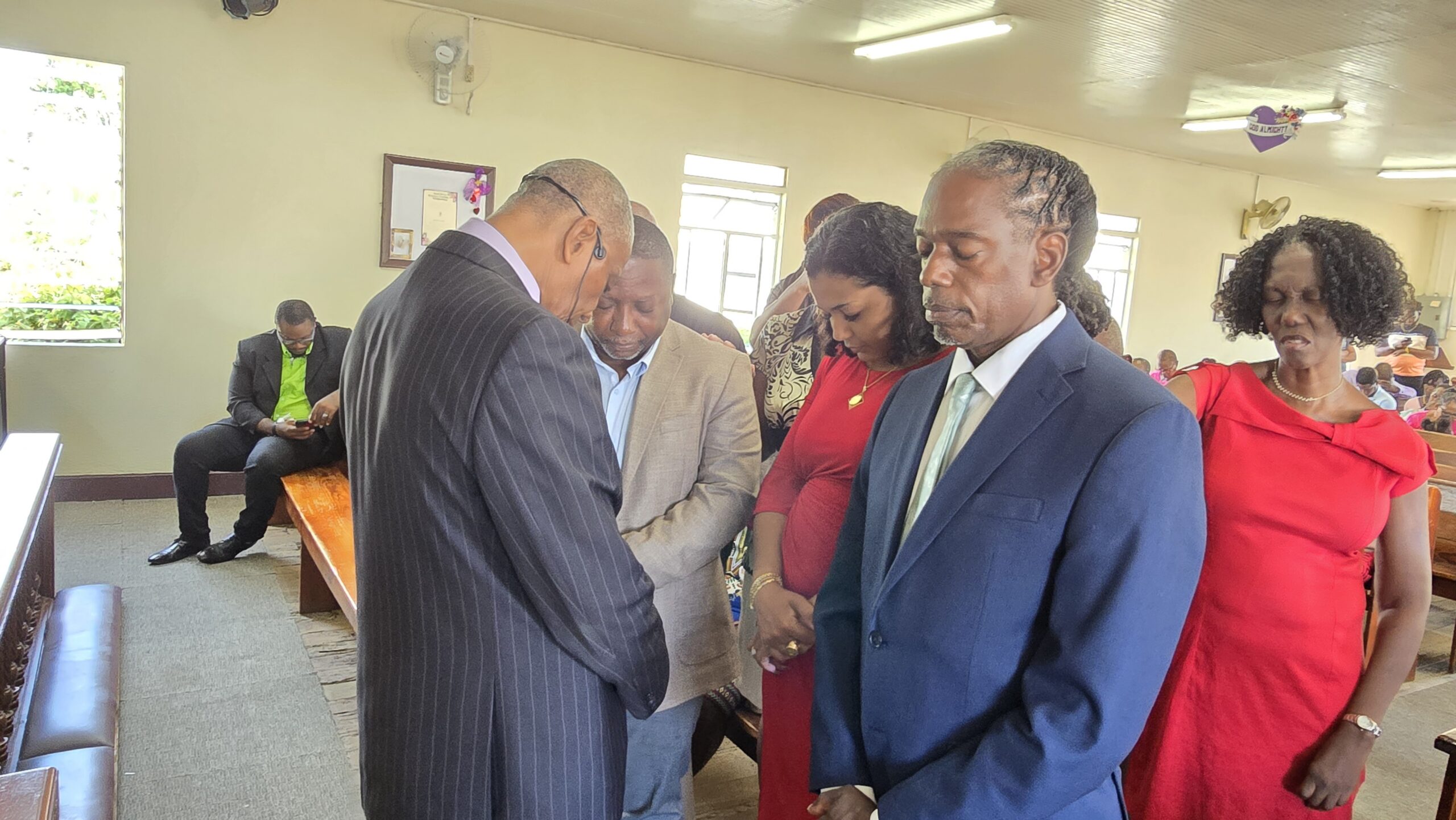
    In a rare display of spiritual unity preceding political competition, three parliamentary candidates for St Michael Central convened at the Better Life Assembly Christ Union Church this Sunday. Representatives from Barbados’s major political factions—Tyra Trotman (BLP), Raymond Wiggins (FOD), and Andre Worrell (DLP)—sought divine blessing and congregational support, outlining distinct policy priorities during a shared worship service.

    Bishop Joseph Atherley and Reverend Erskine Branch presided over the ceremony, offering prayers for the candidates before each addressed the Hindsbury congregation. The event highlighted how faith intersects with political campaigning in Barbadian democracy, though each candidate presented contrasting approaches to social development.

    BLP candidate Tyra Trotman emphasized her party’s tangible commitment to religious institutions, referencing a manifesto pledge of $5 million in funding for faith-based organizations. “This government recognizes the divine work you perform,” she declared, framing the financial commitment as evidence of a governance model “putting God first.” Trotman supplemented policy promises with personal testimony, describing her journey from “walking a very dark path” to redemption. Positioning herself as a testament to transformative grace, she urged youth to reclaim spiritual guidance as a moral compass.

    FOD contender Raymond Wiggins prioritized systemic reforms targeting youth vulnerability and elderly neglect. He proposed early psychological screening in primary schools to identify learning disabilities and mental health challenges, arguing intervention could “keep children out of prisons and funeral homes.” Wiggins advocated educational restructuring to integrate vocational training into secondary curricula, specifically referencing earlier access to programs at the Samuel Jackman Prescod Institute. For elderly care, he proposed repurposing underutilized community centers as intergenerational gathering spaces.

    DLP representative Andre Worrell called for collaborative partnerships between churches and elected officials. He envisioned religious institutions hosting youth development initiatives focused on sports and career readiness, while empowering seniors as mentors. Acknowledging constituent skepticism toward politicians, Worrell asserted his motivation stemmed from faith and communal concern: “I recognize that together we can achieve more.”

    Bishop Atherley concluded the service with a transcendant message, urging attendees to pursue aspirational goals grounded in divine trust. His homily encouraged moving beyond “limited, confined spaces” while recognizing spiritual sovereignty in temporal achievements.

  • Thorne unveils St John development plan during manifesto launch

    Thorne unveils St John development plan during manifesto launch

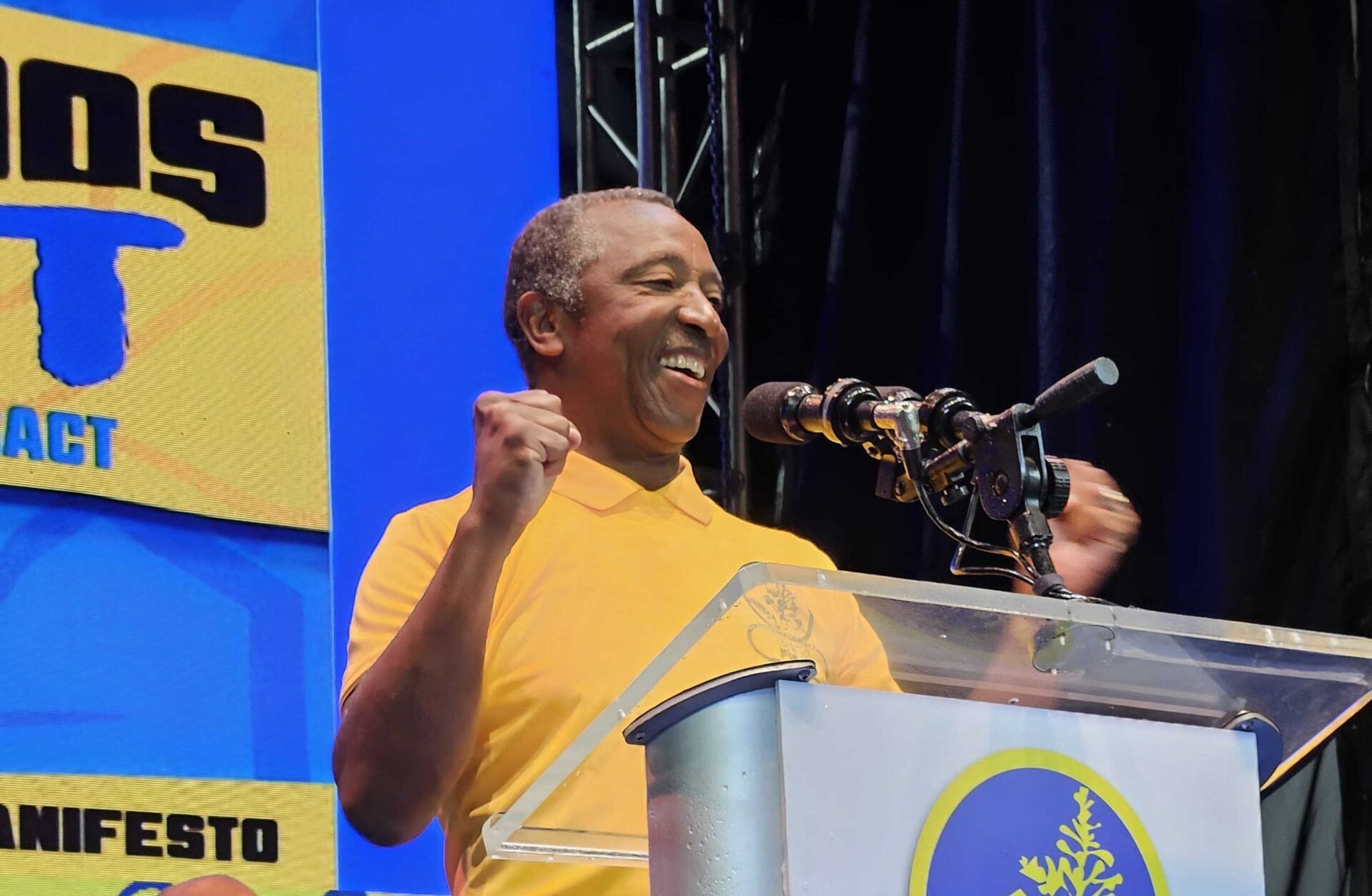
    In a significant campaign address, Democratic Labour Party (DLP) leader Ralph Thorne has unveiled an ambitious development agenda for St John constituency, positioning infrastructure modernization as central to his electoral platform. Speaking at the party’s national manifesto launch in Gall Hill, Thorne declared the parish deserves substantial national investment due to its historical contributions to Barbadian leadership.

    Thorne presented a comprehensive vision to transform St John into a commercial, educational, and social hub, with specific focus on developing Four Roads as an economic center. He highlighted concerning infrastructure regression, noting the reduction of gas stations from three to one as evidence of systemic underdevelopment. “St John is not as infrastructurally developed as it should be,” Thorne asserted before his supporters.

    The DLP leader made an impassioned appeal for national support in redirecting public resources toward parish development, citing St John’s legacy of producing prominent figures including National Hero Errol Walton Barrow and former Prime Minister David Thompson. His proposal includes enhancing existing public services such as fire stations and post offices while expanding business opportunities throughout the constituency.

    Educational infrastructure emerged as another critical priority, with Thorne noting the alarming decline of primary schools from five to two, forcing children to undertake lengthy daily commutes. He committed to constructing a modern primary school facility to ensure educational equity for St John’s children alongside the existing Lodge secondary school.

    Healthcare reform features prominently in Thorne’s agenda, addressing resident concerns about limited operating hours at the local polyclinic that create unnecessary pressure on Queen Elizabeth Hospital. He pledged to upgrade the facility to a 24-hour operation, envisioning it as “the shining star of polyclinics in Barbados.”

    Recreational facilities also received attention, with Thorne noting the parish’s single playing field compared to multiple venues elsewhere. He framed these development initiatives as rightful compensation for St John’s historical contributions to national progress, emphasizing: “There’s a debt that is owed to this parish, Barbados.”

    The broader DLP national manifesto addresses economy, housing, crime, cost of living, and healthcare, positioning St John’s development as microcosm of the party’s national vision for Barbados.

  • Quick response by hospital staff and fire officers contains QEH fire

    Quick response by hospital staff and fire officers contains QEH fire

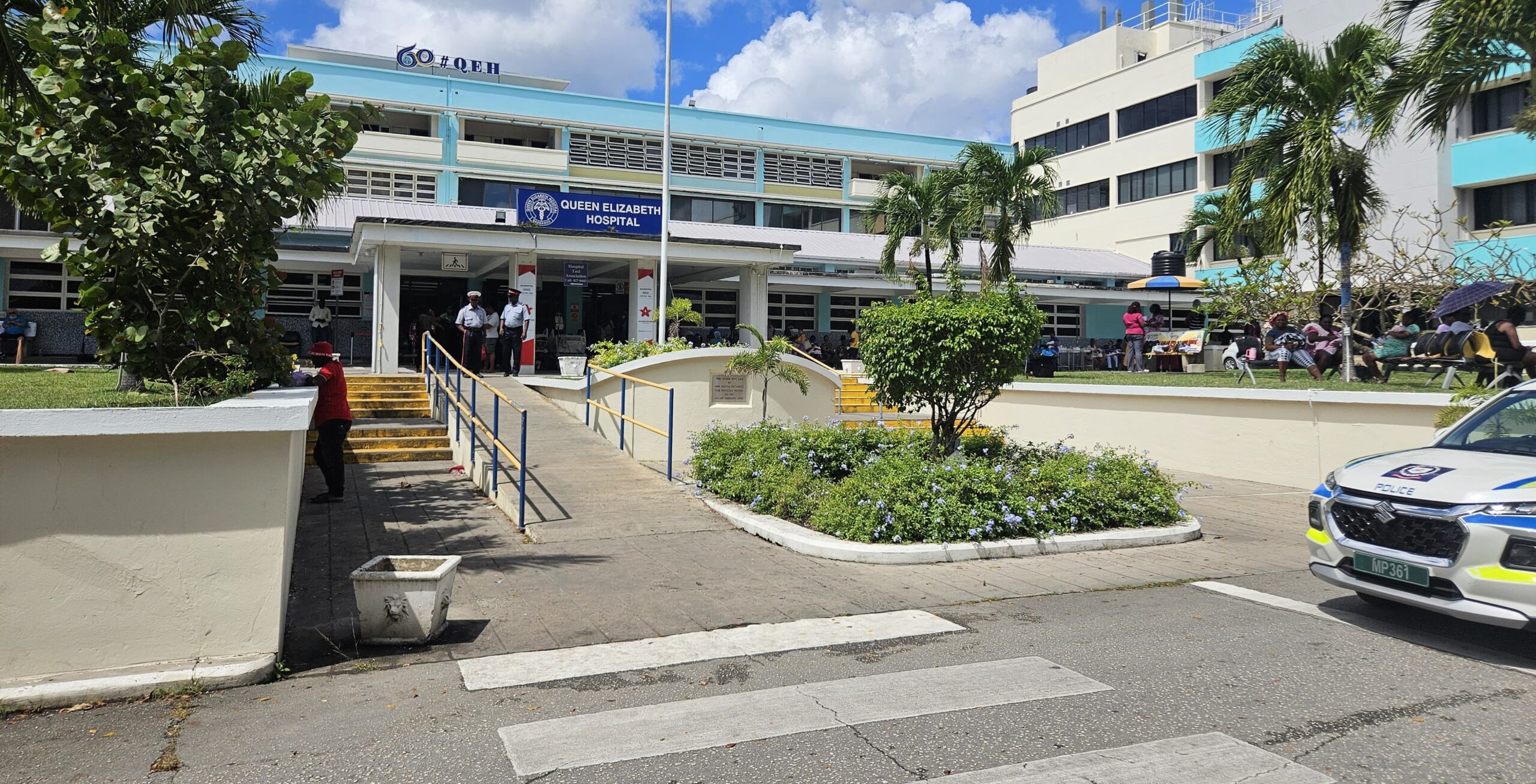
    A potentially catastrophic fire at Barbados’ primary public healthcare institution was successfully contained through coordinated emergency response on Sunday morning. The incident at Queen Elizabeth Hospital triggered immediate evacuation protocols, though the swift action of both hospital staff and fire crews prevented serious damage or casualties.

    Emergency services received the alert at approximately 10:51 a.m., with firefighting units from Bridgetown Station and Bridgetown Port Station arriving within seven minutes. Upon arrival, they encountered a carefully managed evacuation scenario with patients, including children and newborns, already relocated to exterior areas under staff supervision.

    Fire Sub-Officer Henderson Nicholls reported that the blaze originated in Treatment Room One on the C floor, which was undergoing rehabilitation and not actively housing patients. Fire crews deployed two specialized teams to extinguish the flames and conduct smoke extraction operations from adjacent areas.

    Preliminary damage assessment revealed limited destruction confined to one air conditioning unit and a single cabinet, though significant soot contamination required extensive cleaning. While the exact cause remains under formal investigation, early indications suggest electrical malfunction as the probable origin.

    Hospital communications specialist Shane Sealy confirmed that smoke dissemination presented the primary challenge, traveling beyond the immediate fire zone to affect multiple floors. The institution’s contingency measures prioritized patient safety, resulting in the temporary relocation of individuals from six to seven treatment areas.

    Chief Executive Officer Neil Clarke commended hospital personnel for their immediate response, noting that staff had already extinguished the flames and moved patients to secure locations before fire service arrival. The hospital’s virtual incident command room activated within one minute of emergency notification, coordinating the successful management of the situation.

    By early afternoon, most patients had returned to thoroughly cleaned wards, with air quality verification ongoing in temporarily relocated sections. Visiting hours experienced minor adjustments to facilitate final cleanup operations, with full normalization expected by late afternoon.

  • In custody: Jeremy Shamar Moore

    In custody: Jeremy Shamar Moore

    A significant development has occurred in a Barbados criminal investigation as Jeremy Shamar Moore, a 30-year-old resident from Venture, St John, has voluntarily surrendered to law enforcement. Mr. Moore, who had been the subject of an official wanted bulletin issued by the Barbados Police Service on February 6, 2026, for his alleged connection to serious criminal offenses, presented himself at the District ‘C’ Police Station on February 7.

    The individual is now in police custody and is actively cooperating with investigators. The police had previously circulated his information to the public, seeking assistance in locating him. The successful conclusion of this search highlights the effectiveness of collaborative efforts between the community and authorities. The Barbados Police Service has formally expressed its gratitude to both the public and media outlets for their crucial support and cooperation throughout the investigation, which proved instrumental in resolving the matter.

  • Observers vow to address voter list concerns but ‘won’t intervene’ in poll

    Observers vow to address voter list concerns but ‘won’t intervene’ in poll

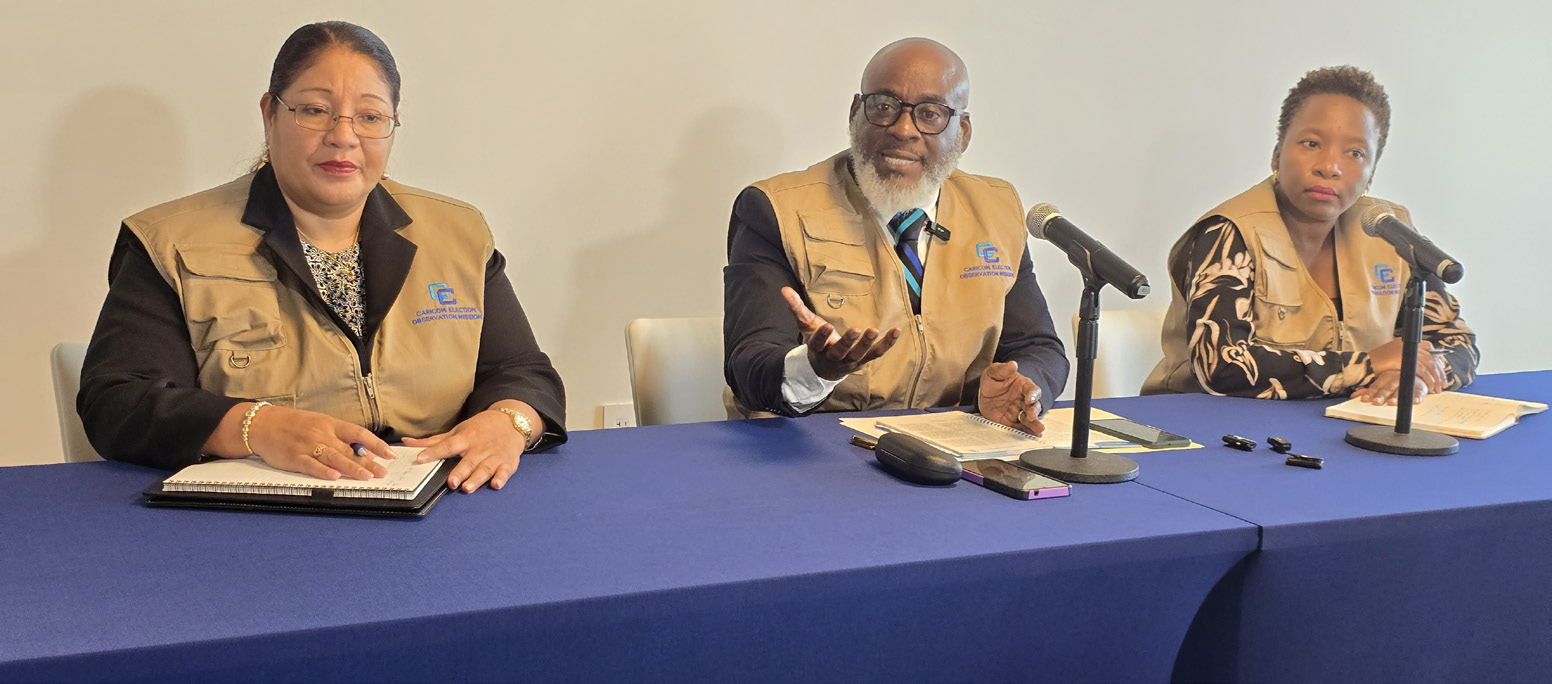
    A specialized Caribbean Community (CARICOM) Elections Observer Mission has commenced operations in Barbados ahead of Wednesday’s general election, emphasizing its commitment to addressing concerns regarding voter list integrity while maintaining strict non-interference protocols.

    The three-member delegation, arriving Thursday at the government’s invitation, held its inaugural press conference at Hastings’ Indigo Hotel where Mission Chief Ian Hughes outlined their observational mandate. The team will meticulously examine criticisms surrounding the final electoral register scheduled for publication Saturday, according to Electoral and Boundaries Commission Chairman Ramon Alleyne.

    Hughes clarified the mission’s constrained authority: “Barbados is a sovereign state, and consequently we cannot intervene in your electoral proceedings. Our function entails observation, stakeholder consultation, and ultimately, the formulation of recommendations based on factual documentation.” He emphasized that while missing voter names fall within their purview—recognizing the electoral register as fundamentally critical—any legal challenges would remain the exclusive domain of local stakeholders.

    The observers have initiated dialogues with key institutions including the police commissioner’s high command, the Barbados Christian Council, and media representatives. Scheduled meetings with Prime Minister Mia Mottley, Opposition Leader Ralph Thorne, and electoral officials will provide comprehensive insights into pre-election preparations.

    Throughout election day, the mission will monitor polling station operations from opening to ballot counting and results declaration, subsequently assessing the post-election environment. Before departing Friday, the team will issue preliminary findings, with a detailed final report to be submitted to CARICOM Secretary-General Dr. Carla Barnett for public dissemination.

    Hughes noted Barbados’s vibrant digital campaign atmosphere, observing that “social media appears to be the primary arena for political engagement,” while acknowledging traditional media’s role. He reminded citizens of their civic responsibility, stating: “Many have sacrificed their lives to secure our democratic franchise—this privilege demands thoughtful exercise.”

    The multinational team comprises senior electoral officials from Antigua and Barbuda, Belize, and Jamaica, supported by three CARICOM Secretariat staff providing logistical coordination. An additional member is expected to join the mission Saturday.

  • DLP’s last-minute manifesto launch sparks debate on election strategy

    DLP’s last-minute manifesto launch sparks debate on election strategy

    With Barbados’ snap general election approaching this Wednesday, a strategic divergence has emerged among political experts regarding the Democratic Labour Party’s (DLP) controversial decision to publish its manifesto merely days before voting commences. The move has ignited a vigorous debate on whether this constitutes a tactical misstep or a shrewd political maneuver.

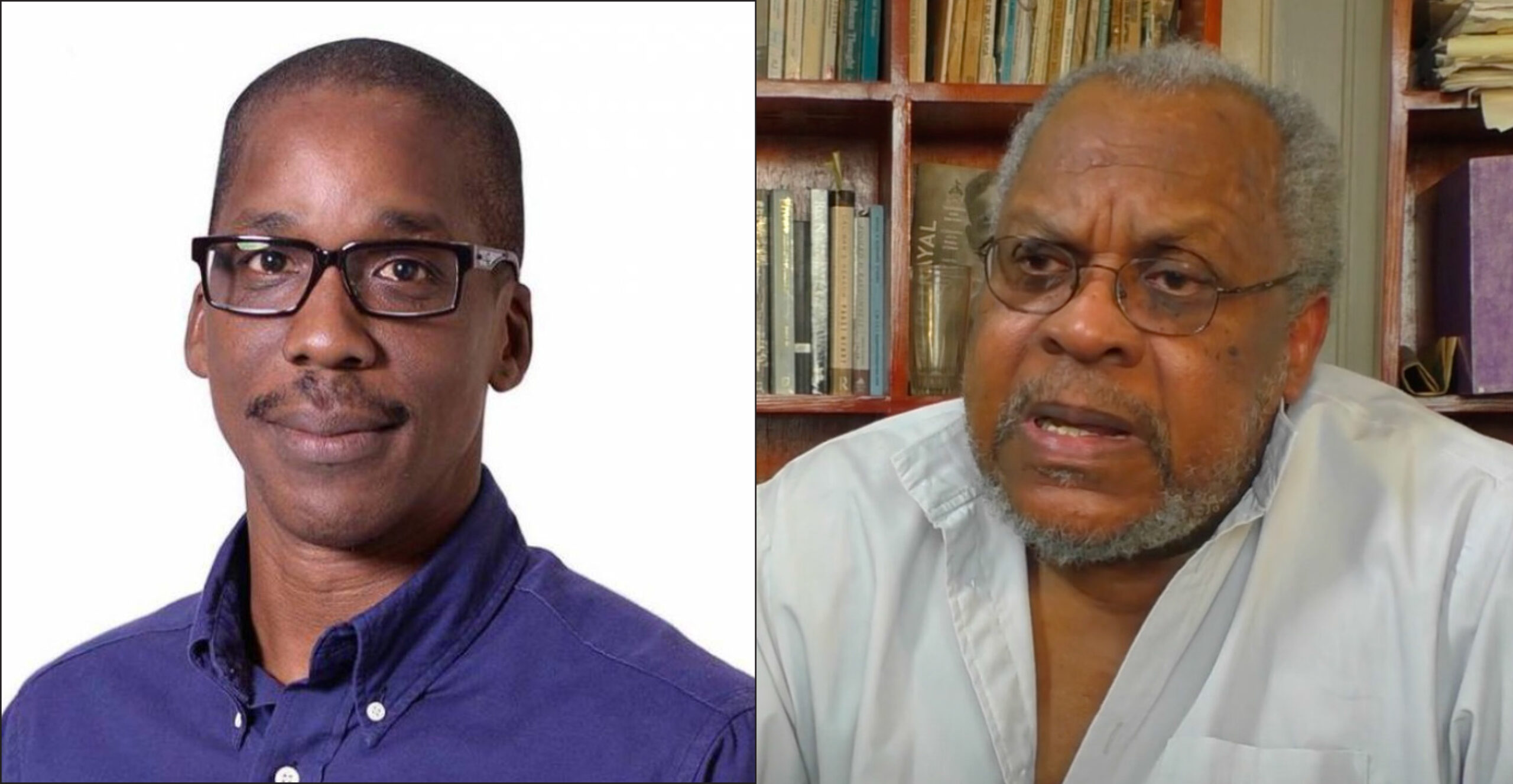
    Dr. George Belle, a prominent political scientist, has expressed significant reservations about the timing. He contends that the abbreviated period between the manifesto’s release and election day severely limits voters’ capacity to thoroughly evaluate the party’s proposals. “The window for public dissemination and analysis is exceedingly narrow—effectively just Sunday through Tuesday before Wednesday’s voting,” Dr. Belle noted in his comments to Barbados TODAY. He further warned that this delay could foster negative public perceptions about the DLP’s platform and intentions.

    While acknowledging that parties sometimes withhold manifestos to prevent idea appropriation by rivals, Dr. Belle maintained that such tactical considerations should not supersede the electorate’s right to adequate information. He characterized the strategy as particularly puzzling given that this election is not perceived as marginal, where last-minute moves might sway outcomes. “This appears to be a miscalculation that may ultimately disadvantage rather than benefit the party,” he concluded.

    Conversely, regional pollster Peter Wickham offered a contrasting perspective, arguing that late manifesto launches are entrenched within Barbados’ political traditions, especially for opposition parties. He dismissed assertions that the timing necessarily indicates poor preparation, explaining that opposition parties often finalize their documents after reviewing the governing party’s proposals to enable competitive policy adjustments.

    Wickham cited historical precedent from the 1986 general election, where the DLP, under Erskine Sandiford’s leadership, secured a landslide victory with 24 seats after launching its manifesto subsequent to the Barbados Labour Party. This allowed them to strategically enhance their offerings, such as proposing a higher tax-free allowance. “This historical ‘back race’ dynamic likely informs the DLP’s current calculation,” Wickham suggested.

    He added that as an opposition party, the DLP operates with greater tactical flexibility and lower public expectations than a governing party, allowing them to assume more risk. However, Wickham conceded that the delayed release has intensified public scrutiny and suspicion regarding the party’s intentions, even while maintaining that such timing remains consistent with established political practices in Barbados.

  • FOD rolls out policy-heavy proposals at campaign meeting

    FOD rolls out policy-heavy proposals at campaign meeting

    In a significant pre-election gathering, the Friends of Democracy (FOD) party presented a comprehensive policy platform addressing economic, social, and governance reforms during a Thursday night rally in St. Michael. Party leader Karina Goodridge, who is contesting the St Philip West seat, positioned her party as essential for national progress, emphasizing the critical need for a robust parliamentary opposition as Barbados approaches its next budget cycle.

    Goodridge articulated that the party’s mission transcends mere seat acquisition, focusing instead on instituting rigorous legislative scrutiny to achieve balanced national decision-making. She introduced a distinctive policy proposal requiring the government to pay citizens interest on owed funds, framing it as a matter of fiscal fairness. “When the government owes you, the people, money, they should pay you back with interest. The current asymmetry in accountability is unacceptable,” she declared.

    Economic strategy featured prominently in the address, with Goodridge advocating for aggressive pursuit of foreign investment and revenue stream diversification. She identified health services as a pivotal growth sector, proposing the establishment of a state-of-the-art hospital to simultaneously advance medical tourism, generate employment, and enhance domestic healthcare capacity.

    The FOD leader emphasized democratic engagement through strengthened public consultation mechanisms in policy formulation. “Any good government should know that they should be consulting with you,” she told supporters, stressing that citizen participation must be integral to governance.

    Crime reduction and youth engagement emerged as urgent priorities, with Goodridge linking criminal activity to potential economic damage, particularly to the tourism sector. She proposed legislative reforms, including stricter laws, and social interventions such as reviving boot camps and mentorship programs. A novel micro-enterprise proposal involved creating organized ‘coconut water vendor villages’ to formalize roadside vending, simultaneously boosting tourism and improving sanitation.

    Addressing youth employment, Goodridge highlighted the disconnect between tertiary education and workforce integration. She recommended government-brokered partnerships with international firms to expand remote work opportunities, ensuring practical application of academic qualifications.

    The rally also featured policy contributions from other FOD candidates. Dominique Yorke (Christ Church East Central) introduced the Small Enterprise Empowerment Department (SEED) program, targeting youth entrepreneurship through a structured $1.5 million annual fund providing $15,000 loans with built-in National Insurance Scheme protections.

    General Secretary Steve Blackett detailed Value Added Tax (VAT) reform proposals, suggesting replacing current VAT on food with a flat 16% reduction tax to decrease consumer costs by approximately 19%. He pledged vigorous parliamentary advocacy for this measure if elected.

    In perhaps the most controversial policy position, St Michael North candidate Bertnul Harrison advocated reinstating capital punishment for severe crimes, referencing hanging, electric chair, or gas chamber as potential methods.

    Concluding the event, Goodridge framed the upcoming February 11 election as a decisive moment for parliamentary balance and policy direction, urging voters to support change: “We deserve better.”

  • New Orleans residents tired of water issues

    New Orleans residents tired of water issues

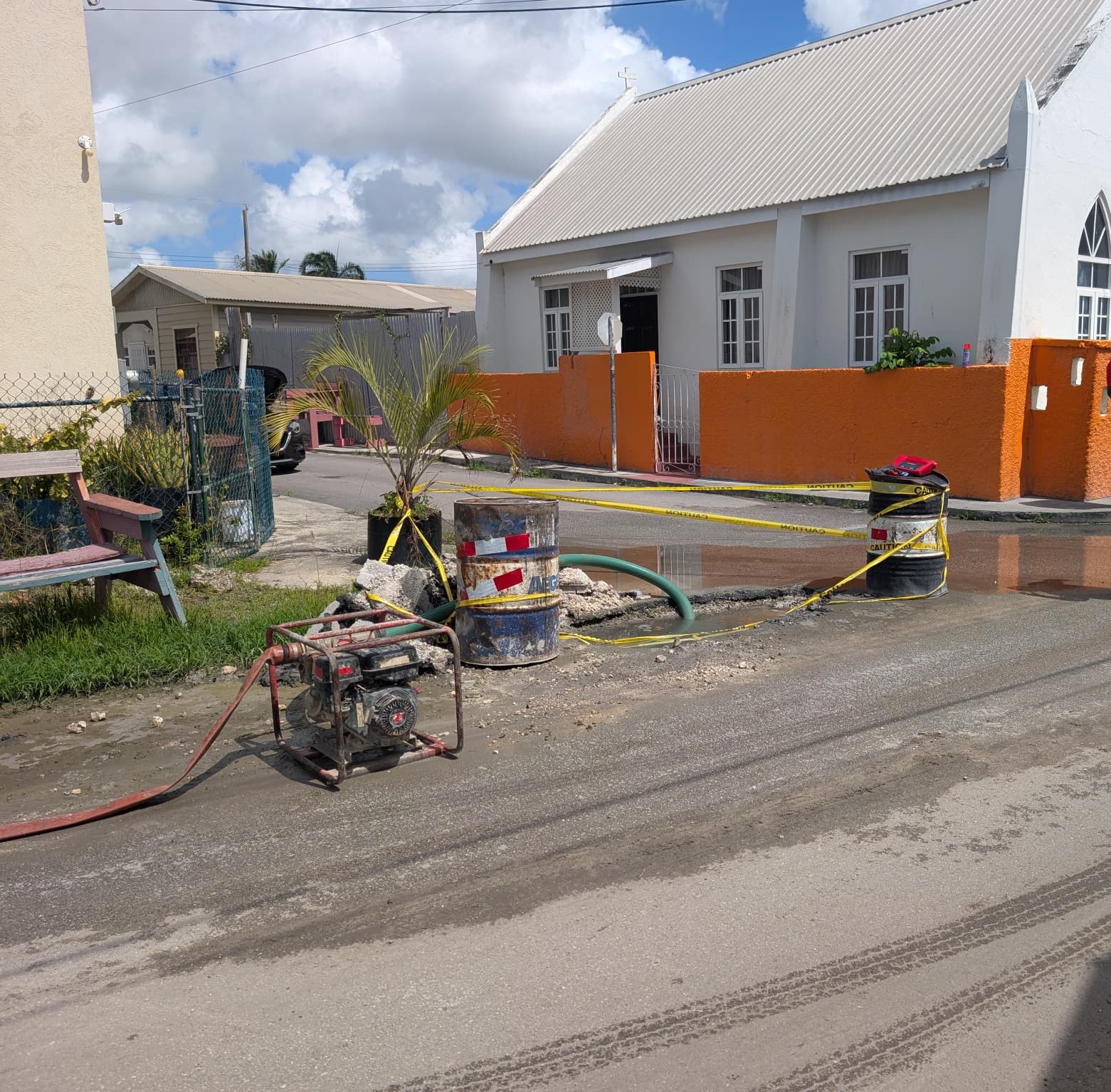
    A persistent water infrastructure crisis is creating severe hardship for residents of New Orleans and its surrounding communities, with recurring pipe bursts and stagnant water pools becoming a distressing norm. During an onsite visit by Barbados TODAY last Friday, crews from the Barbados Water Authority were actively engaged in repairing yet another ruptured connection, highlighting the frequency of such emergencies.

    Local inhabitants report that the situation at Murphy’s Pasture entrance is particularly dire, with one male resident stating that leaks reappear constantly despite repeated municipal repairs. ‘It just reverts to this state continuously,’ he lamented. The problems extend along Sixth Avenue, where disruptions in the main supply line frequently leave households in Emmerton Pasture without running water, causing significant daily inconvenience.

    Beyond service interruptions, the accumulating stagnant water has created public health hazards. The resident described areas where rainfall collects in depressions, creating ideal breeding grounds for mosquitoes. This infestation has become so severe that protective clothing is necessary indoors during evenings. Additionally, residents are questioning the justification for sewerage charges on their utility bills, arguing that many properties aren’t connected to sewage systems despite these fees.

    Another Marshall Gap resident confirmed these issues have persisted for four to five years, describing ankle-deep water accumulations that restrict mobility and create safety hazards. She shared a concerning incident where her daughter, who has pre-existing back problems, nearly fell due to slippery conditions from accumulated water and moss. The community suspects aging pipeline infrastructure is the root cause and expresses frustration over the prolonged neglect of what they consider essential public utility maintenance.