
The Barbados Union of Teachers is advocating for a systemic overhaul of school maintenance protocols, demanding mandatory industrial cleaning across all educational institutions at least once annually. Julian Pierre, the union’s vice president and chair of its occupational safety committee, emphasized that reactive measures are insufficient to address persistent environmental health concerns disrupting academic activities. His comments follow the temporary closure of St. Ambrose Primary School, where additional ventilation work is underway after industrial cleaning resolved a severe cockroach infestation. While acknowledging improvements in the Ministry of Educational Transformation’s maintenance program—including off-hours and vacation-period work—Pierre highlighted the critical challenge of aging infrastructure. Many school facilities exceed forty years of service, requiring comprehensive preventative maintenance beyond current efforts. Pierre proposed implementing a rotational cleaning schedule distributed across Easter, summer, and Christmas breaks to prevent overwhelming resources during summer months. He further stressed the necessity for inter-ministerial coordination, particularly involving health authorities for environmental checks beyond school buildings themselves. Key concerns include water quality monitoring, vegetation management, and systematic pest control through regular baiting protocols. Although recognizing the efforts of the Education Technical Management Unit, Pierre insisted that true industrial cleaning standards must be consistently enforced, moving beyond superficial disinfection to address deep-seated infrastructure challenges in Barbados’ educational system.
标签: Barbados
巴巴多斯
-
New institute, 100 acres for young farmers, says Mottley
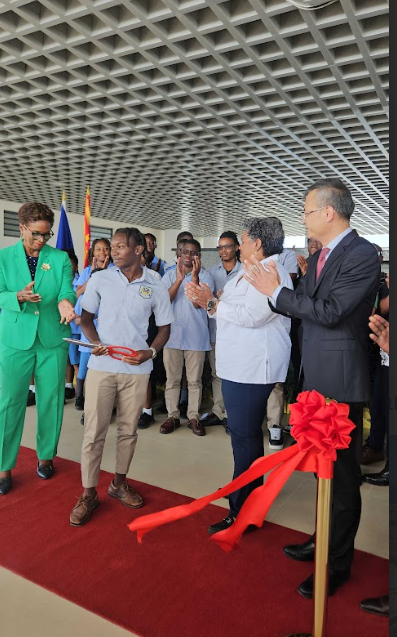
In a transformative move to revolutionize its agricultural sector, Barbados has inaugurated the state-of-the-art Hope Agricultural Training Institute through a collaborative initiative with China. Prime Minister Mia Mottley unveiled this $40 million facility in St. Lucy, announcing an accompanying 100-acre land allocation program specifically designed for young agricultural entrepreneurs.
The cutting-edge institute represents a strategic partnership between Barbados and China, funded through a Chinese government grant. Spanning 45 acres, the facility aims to become the Caribbean’s premier center for advanced training in crop production, animal husbandry, and heavy-duty agricultural equipment operation. The program directly links education with practical application, ensuring graduates receive both modern technical skills and immediate access to productive land resources.
Prime Minister Mottley emphasized the institution’s critical role in national development, stating it would fundamentally transform Barbados’s agricultural legacy. ‘This institution will play a pivotal role in our country’s development by moving away from the plantation model that historically defined our agriculture,’ Mottley declared during the inauguration ceremony. She stressed that future food security depends on integrating capital, technology, innovation, and youth passion within appropriate regulatory frameworks.
The initiative specifically addresses multiple national challenges: reducing agricultural imports through enhanced food security, combating diet-related health crises including diabetes complications, and creating sustainable economic opportunities for young Barbadians. Mottley challenged students to reclaim Barbados’s historical leadership in agricultural innovation, referencing the nation’s past breakthroughs in cane breeding, grapefruit development, and specialty cotton varieties.
With Barbados celebrating its 60th anniversary of independence and fifth year as a republic, the timing of this initiative carries symbolic significance. Training and Vocational Education Minister Sandra Husbands characterized the project as a ‘strategic investment in youth, technology, and agricultural future’ during her remarks.
Chinese Ambassador Zheng Bingkai highlighted the institute’s alignment with China’s Belt and Road Initiative, noting its focus on food security, youth empowerment, and modern agricultural development. The project stands as a testament to the strengthening partnership between the two nations, built on shared values of diligence and innovative governance.
The comprehensive program addresses the entire agricultural value chain, with particular emphasis on agro-processing capabilities to reduce waste and enhance economic resilience. By combining education, land access, and technology transfer, Barbados aims to position itself as a regional leader in sustainable agricultural innovation.
-

Kickstart down UWI to go top of the table
The Barbados Football Association Premier League witnessed a dramatic shift in standings following Thursday’s fourth round fixtures at Wildey Technical Centre, with Kickstart Rush ascending to share the league leadership with Paradise on ten points each. The evening’s opening match delivered a thrilling spectacle as Kickstart secured a narrow 3-2 victory against the struggling UWI Blackbirds, who remain anchored at the bottom of the table without any points to their name.
The match exploded into action from the outset, with Diquan Adamson breaking the deadlock in the 14th minute through a powerful header following a precision cross from the left flank. The advantage proved temporary as Shaine Hermas capitalized on defensive uncertainty to equalize just five minutes later, pouncing on a loose ball to slot home from close range.
Kickstart demonstrated their offensive prowess as Jayden Goodridge restored their lead in the 24th minute with a clinical finish, before Adamson completed his brace just before halftime. The second goal came through an exquisite long-ball delivery that Adamson expertly lifted over the advancing goalkeeper. The first half concluded with a bizarre goal from UWI’s Javon Taylor, whose extraordinary free-kick from behind the halfway line somehow evaded the goalkeeper’s grasp.
Following the interval, both sides adopted more cautious approaches, resulting in a goalless second period despite numerous opportunities. In the night’s subsequent fixture, Brittons Hill United missed a crucial opportunity to climb to third position after surrendering a two-goal advantage against Bagatelle. T’Shane Lorde appeared to have secured victory with his first-half double, but Torian Joseph’s remarkable second-half resurgence—scoring in the 56th minute before netting a dramatic equalizer during injury time—earned Bagatelle a valuable point.
The league continues this Sunday with three pivotal fixtures at the BFA Technical Centre, featuring Ellerton versus Bagatelle, Wotton FC against UWI Blackbirds, and Weymouth Wales taking on Brittons Hill United.
-

Barbados U17s edge T&T in opener
In a stunning opening match of the Concacaf Under-17 Men’s Championship qualifiers, Barbados delivered a monumental 1-0 victory against host nation Trinidad and Tobago on Tuesday evening. The decisive moment arrived in the 75th minute when forward Adam King expertly headed the ball into the net, breaking the deadlock in a tightly contested Group A encounter.
The Trinidadian squad launched a fierce offensive in the final minutes, nearly equalizing in the 85th minute. However, Barbados goalkeeper Kaliq Lashley emerged as the hero of the match, executing a spectacular save to deny the hosts and preserve his team’s narrow lead. Lashley’s overall performance was exceptional, culminating in four critical saves throughout the match.
Post-match reflections from Trinidad and Tobago coach Randolph Boyce acknowledged his team’s competitive performance but highlighted their inefficiency in converting opportunities into goals. Coach Boyce suggested that the conceded goal might have resulted from a momentary lapse in defensive concentration, coupled with Barbados’s notable physical intensity on the field.
Barbados’s campaign continues with upcoming fixtures against Sint Maarten on Saturday, followed by challenging encounters against Mexico on February 9 and Saint Martin on February 12. In other Group A action, Saint Martin commenced their tournament with a commanding 3-0 victory over Sint Maarten earlier in the day.
-
Decentralise public transport to cut costs for commuters, says Thorne
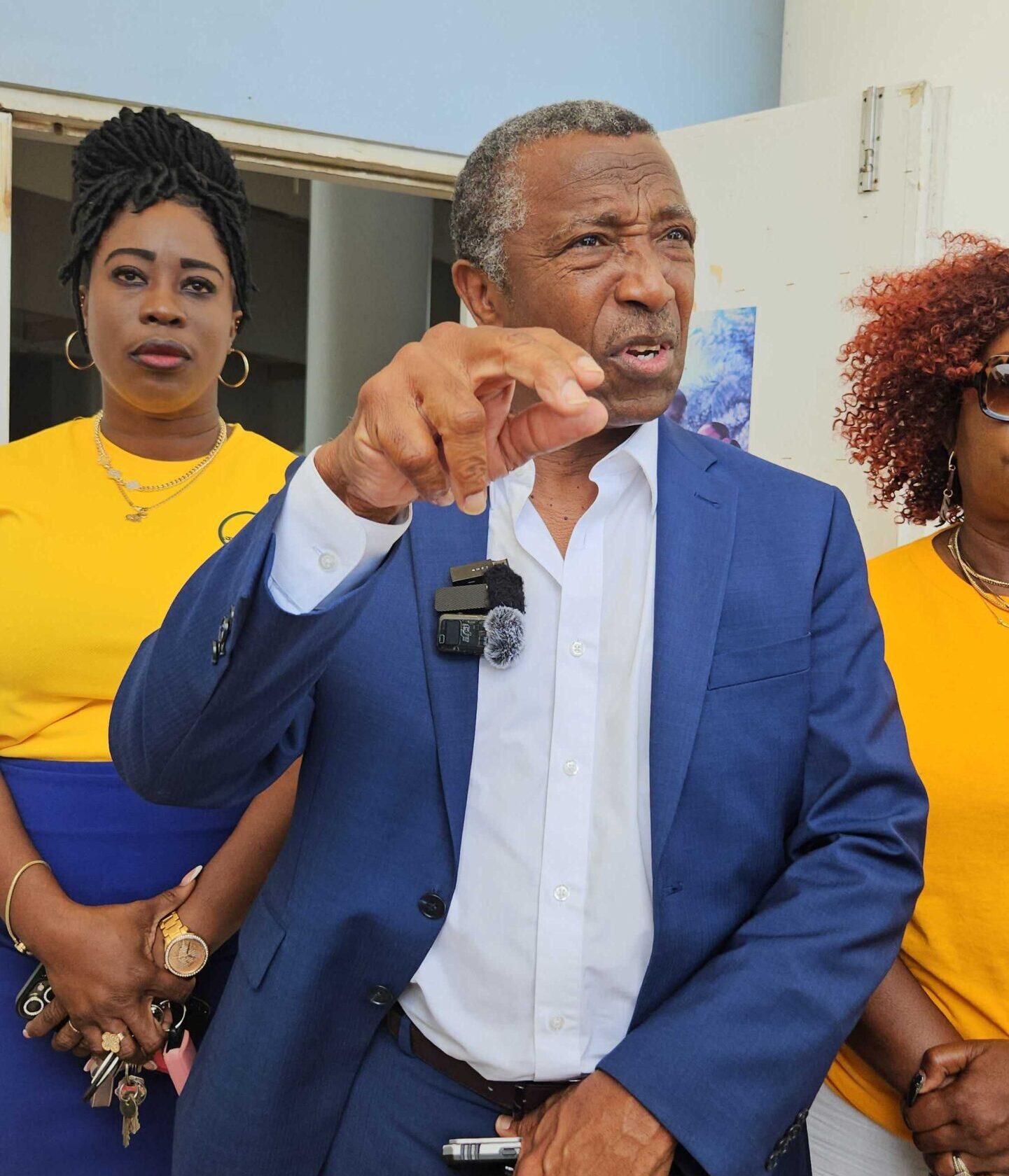
In a pivotal campaign address, Democratic Labour Party leader Ralph Thorne unveiled ambitious plans to overhaul Barbados’ transportation infrastructure, targeting what he described as an outdated system failing to serve modern commuter needs. Speaking at a national meeting in Speightstown, Thorne committed to creating a decentralized network aligned with the island’s evolving economic geography should his party secure victory in the February 11 general election.
The proposed reforms would fundamentally restructure bus routes to provide direct, affordable connections between residential areas and major commercial hubs like Warrens, eliminating the current necessity for multiple bus transfers that disproportionately burden working-class citizens. Thorne emphasized that the existing framework—designed decades ago when Bridgetown dominated commercial activity—imposes excessive financial strain on low and middle-income workers who must navigate inefficient routes.
“The arithmetic of injustice is clear,” Thorne stated. “A worker traveling from St. John to Speightstown spends $14 daily on four separate bus fares—this represents a systemic failure that exacerbates living cost pressures.” He criticized the persistent neglect of pedestrian infrastructure in modern commercial developments, noting that centers like Warrens were designed primarily for automotive access rather than public transportation integration.
Thorne pointed to the organic transportation ecosystem at Sheraton Mall—where public service vehicles naturally congregate—as demonstrating how commercial centers functionally require integrated transport solutions. His vision includes establishing strategic transport hubs outside Bridgetown, deploying comfortable electric buses on rationalized routes, and creating crisscrossing connections that enable single-ride journeys across the island.
The DLP leader framed transportation reform as both an economic necessity and social justice imperative, arguing that physical development must marry human development to ease burdens on society’s most vulnerable members. This transportation policy forms a cornerstone of the party’s broader national development agenda aimed at creating a more equitable and efficient Barbados.
-

Barbadian duo among five honoured in 2026 Anthony N Sabga Awards
The prestigious Anthony N Sabga Awards for Caribbean Excellence has unveiled its 2026 laureates, with visual artist Sheena Rose and social advocate Shamelle Rice among five distinguished honorees recognized for their transformative contributions to regional development. Announced during a virtual ceremony streamed from Port of Spain, the awards celebrate exceptional professionals whose work exemplifies the highest standards of excellence across multiple disciplines.
Professor Compton Bourne, Chairman of the Regional Eminent Persons Panel, emphasized the rigorous selection process involving ten eminent Caribbean citizens who evaluated outstanding candidates from Barbados, Guyana, Jamaica, the Organisation of Eastern Caribbean States, and Trinidad and Tobago. The panel’s decisions reflect the program’s commitment to identifying individuals whose work significantly advances Caribbean society.
Now in its 21st year, the awards program has recognized 66 laureates across four categories—Arts and Letters, Entrepreneurship, Public and Civic Contributions, and Science and Technology—distributing over TT$32 million (approximately US$4.7 million) in support. Each 2026 category winner receives TT$500,000 (approximately US$73,500) to further their developmental work.
Sheena Rose, honored in the Arts and Letters category, has gained international recognition for her intellectually rich artistic practice that challenges social hierarchies through painting, murals, and performance art. Her work has been featured in solo exhibitions from London to New York and has garnered coverage in major media outlets including The New York Times and BBC. Beyond her creative practice, Rose dedicates significant time to mentoring emerging artists and has participated in residencies across four continents, strengthening Barbados’ artistic community while building global connections.
Shamelle Rice received recognition in Public and Civic Contributions for her groundbreaking work through Jabez House, a registered charity she founded in 2012 that supports women seeking to transition from sex work to legal employment. The organization provides comprehensive support including vocational training, job placement, mental health services, housing assistance, and basic needs support. Notably, Jabez House has assisted over 1,000 women across the Caribbean region, achieving transition success rates exceeding 50% among this highly stigmatized population. Rice’s academic background in psychology, social work, and gender studies, combined with her strategic partnerships with government and international organizations, has enabled her to create sustainable change for vulnerable women and their families.
The 2026 cohort also includes Jamaican telecommunications entrepreneur Dean Nevers, while the Science and Technology award was jointly presented to Guyana-born American biotech innovator Dr. Niven Narain and Jamaican climate scientist Professor Tannecia Stephenson. The laureates will be formally inducted into the program’s College of Laureates during a gala ceremony scheduled for later this year, where they will share insights into their impactful work strengthening Caribbean societies and enhancing the region’s global presence.
-

Election traffic plans hit speed bump with UWI expert
Amid escalating traffic congestion plaguing Barbados, a stark contrast has emerged between the island’s competing political pledges and the expert-backed demand for a cohesive, data-centric national strategy. The Barbados Labour Party (BLP), Democratic Labour Party (DLP), and Friends of Democracy (FOD) have each unveiled distinct campaign proposals to alleviate gridlock, ranging from constructing flyovers and ‘sea taxis’ to carving new roadways. However, Deputy Principal of the University of the West Indies at Cave Hill, Professor Winston Moore, cautions that such fragmented approaches are inadequate without a unified framework grounded in empirical evidence and integrated urban planning.
Professor Moore advocates for a paradigm shift towards a ‘smart city’ model, emphasizing the critical need for real-time traffic data collection and adaptive signal systems that dynamically respond to traffic volume fluctuations. This methodology, he explains, focuses on systematically reducing bottlenecks through coordinated junction management, thereby enhancing travel time predictability and overall network reliability. The University of the West Indies is already cultivating the necessary expertise, producing graduates in data and business analytics equipped to assist the government in this evidence-based transition.
Beyond technological integration, Professor Moore identifies deeply ingrained travel patterns as a fundamental contributor to congestion. The necessity for individuals to make multiple stops—such as dropping children at school and a spouse at work—before commencing their own commute exacerbates peak-hour pressures. He proposes a holistic planning system that includes situating schools closer to residential communities and establishing a dedicated, potentially privately-funded school bus system to minimize these multi-stop journeys.
Further recommendations include implementing staggered work schedules and expanding remote work options to distribute travel demand more evenly across the week. The development of reliable transit hubs, inspired by successful international models like those in Canada, is also highlighted as a pivotal component. These hubs, supported by adequate parking infrastructure, would encourage a shift from private vehicle use to public transport by addressing commuters’ reluctance to relinquish their personal cars.
Echoing this sentiment, Roy Raphael, Head of the Alliance Owners of Public Transport (AOPT), affirmed the potential of transport hubs to significantly ease congestion. Raphael also suggested the introduction of toll systems on specific high-traffic routes, such as sections of the ABC Highway, to facilitate quicker movement into urban centers like Bridgetown, where traditional commuter volumes have notably declined.
-

Fishermen remanded after $33m cocaine seizure
In a significant narcotics interdiction case, three Barbadian fishermen now face serious drug trafficking charges following the seizure of cocaine valued at over $33 million off the island’s coast. The accused individuals include 55-year-old Sylverton Lewis Clarke from Emerald Park East, St Philip; his 33-year-old son Renaldo Jabari Carrington of Lower Burney, Haggatt Hall, St Michael; and 39-year-old Ryan Adrian Kelly-Prescod, who reportedly has no fixed address.
The charges allege that within Barbados’ Exclusive Economic Zone—a maritime territory established under the Marine Boundaries and Jurisdiction Act—the defendants unlawfully possessed 676 kilogrammes of cocaine, classified as a controlled substance. Additionally, they face accusations of intending to supply and traffic the substantial drug quantity, which authorities estimate holds a street value of $33,830,000.
During their appearance before Magistrate Manila Renee in the No. 2 District ‘A’ Magistrates’ Court, the defendants did not enter pleas to the indictable offenses. Police prosecutor Sergeant Kenmore Phillips vigorously opposed bail, citing multiple factors including the substantial evidence against the men, the circumstances of their apprehension at sea, and Kelly-Prescod’s lack of permanent residence. Magistrate Renee subsequently ordered all three defendants remanded to Dodds Prison until their next court appearance scheduled for March 3.
Legal representation for Clarke was provided by attorney Matthew Willoughby, working in association with counsel Andrew Willoughby. The case continues to develop as authorities pursue their investigation into one of the most substantial drug seizures in recent Barbadian maritime history.
-
Resident complains of ‘slow’ police response after deadly shooting
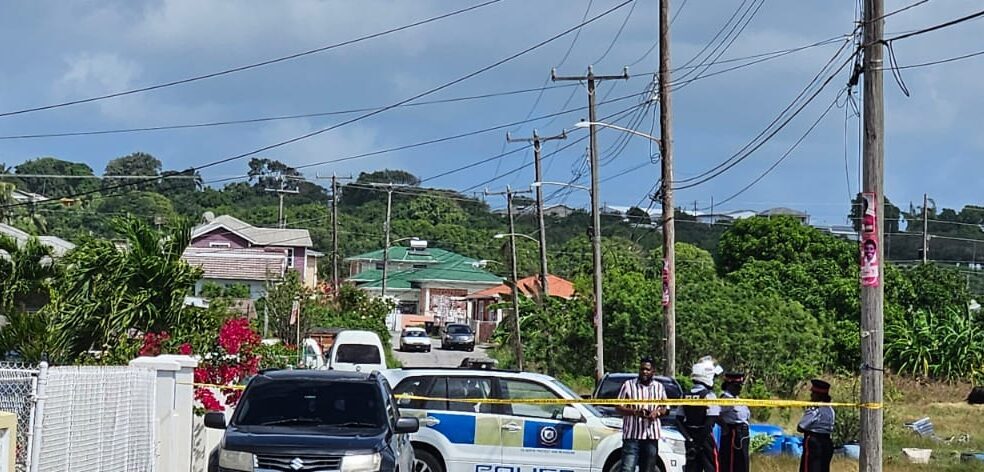
A Christ Church community is confronting trauma and demanding improved police responsiveness following a fatal shooting that unfolded before horrified children on Monday morning. The incident occurred in Lower Carter’s Gap, Enterprise, where 42-year-old Fabian Aaron Taylor was ambushed while performing his daily school drop-off routine.
According to official police reports, authorities received notification of the shooting approximately at 8:45 a.m. Taylor, a resident of Kendal Hill Park, had just delivered two children when an assailant approached his vehicle and discharged multiple rounds. Despite being transported via private vehicle to Queen Elizabeth Hospital, Taylor succumbed to his injuries.
Local business owners present during the incident provide a contrasting timeline, asserting emergency calls were placed significantly earlier and that police response time approached one hour. This delay compelled relatives to move the critically wounded man in the very vehicle where the attack occurred—a decision made under extreme duress despite potential forensic complications.
An eyewitness described the harrowing scene: ‘I heard four distinct shots followed by terrified screaming. Children were among those witnessing this brutality.’ The witness confirmed Taylor regularly transported students to school despite not residing in the immediate area. The shooting occurred during peak morning activity with numerous residents present, though fear may prevent witness cooperation.
The business owner expressed profound safety concerns: ‘This was deeply traumatic. My grandson became too frightened to attend school. The delayed police response constituted unacceptable service—Oistins Station is nearby yet took nearly an hour. When reports confirm active shooting, response should occur within minutes.’
While acknowledging moving victims contradicts standard protocol, the witness contextualized the decision: ‘Panic overwhelms rationality when witnessing severe injury. Though evidence preservation matters, human instinct prioritizes survival.’
The community now grapples with lingering trauma, particularly among children who witnessed the violence. Residents emphasize that this incident reflects broader patterns requiring urgent attention to police response protocols for violent crimes. Oistins Police Station detectives continue investigating the homicide.
-
Cancer Society hails early diagnosis ‘breakthrough’
The Barbados Cancer Society (BCS) has achieved a landmark medical advancement, positioning itself as a regional leader in oncology through the successful completion of two groundbreaking clinical trials. These trials focused on prostate and colon cancers and introduced a novel diagnostic protocol utilizing DNA blood tests to differentiate between false-positive results and genuine malignancies—a first-of-its-kind initiative in the Caribbean.
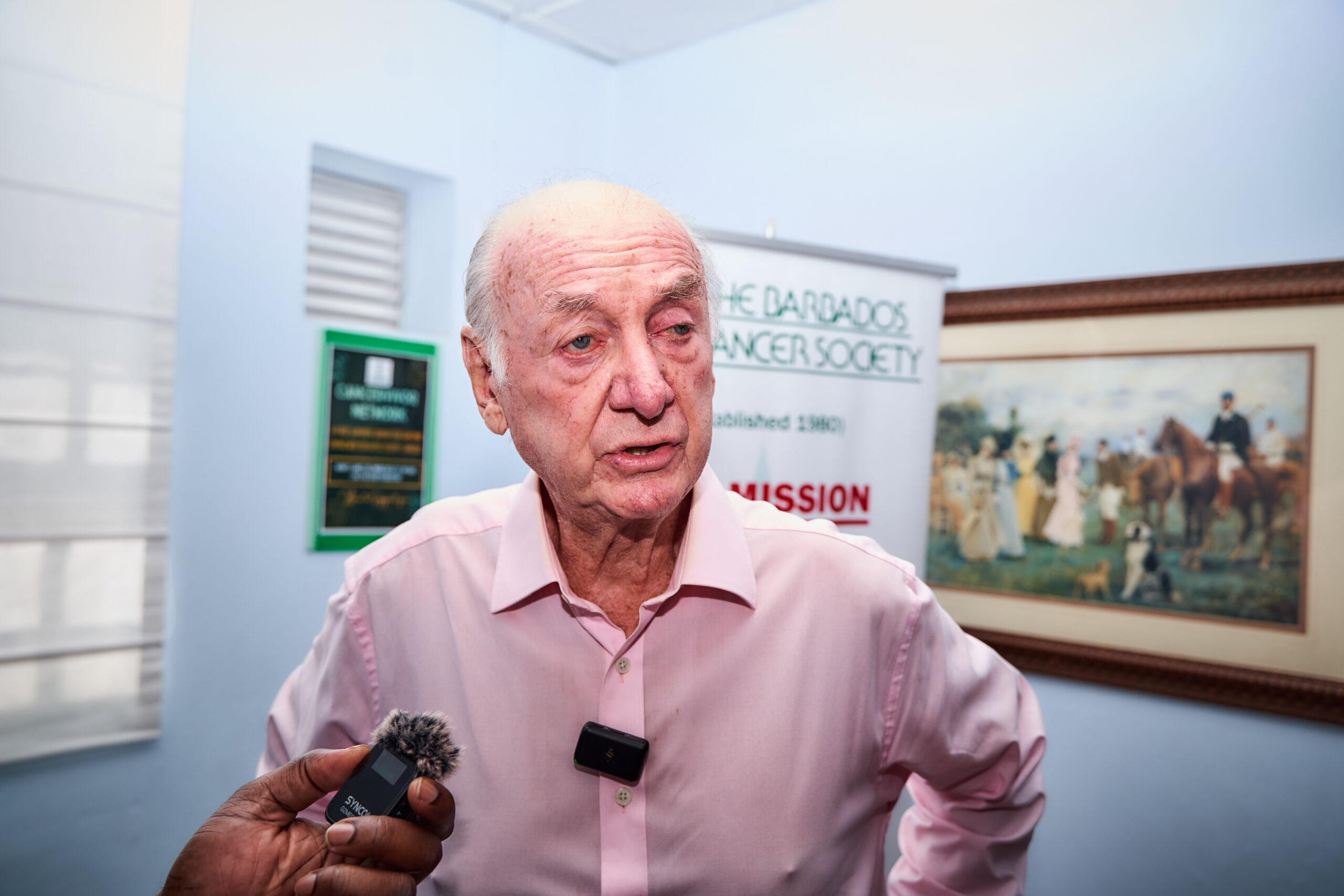
Under the leadership of President Professor David Rosin, the BCS has established a unique patient support system where medical personnel guide individuals with positive screening results through subsequent confirmatory testing and treatment pathways. The DNA-based verification method significantly reduces unnecessary medical interventions by distinguishing cancers from conditions such as prostatitis or other non-cancerous infections.
In the prostate cancer trial, which involved 565 participants, the Society identified not only 20 known cancer cases but also detected 50 asymptomatic individuals with normal PSA levels who exhibited early genetic markers indicating high future cancer risk. These individuals are now under close monitoring. A parallel colon cancer study included 610 participants and demonstrated similar success in early risk detection.
Professor Rosin emphasized that early detection through this method can prevent the need for surgery, chemotherapy, or radiotherapy. He also acknowledged the role of family members in encouraging timely screenings, particularly among men who may be hesitant to participate. The Society plans to expand its trials and continue promoting public awareness about the critical importance of proactive cancer screening.