标签: Barbados

巴巴多斯

  • Fire at B’s Recycling

    Fire at B’s Recycling

    A significant industrial fire at B’s Recycling Plant in Cane Garden, St. Thomas has triggered an urgent public health advisory from the Ministry of Health and Wellness. Emergency services are currently mobilizing to contain the blaze as dense smoke spreads across multiple residential areas.

    The Ministry has identified several communities potentially affected by the hazardous smoke plume, including Arthur Seat, Redman’s Village, Welches, Melrose, Lower Edgehill, Jackson, Clermont, and Warrens. Health officials have issued specific guidance for vulnerable populations, urging individuals with asthma or pre-existing respiratory conditions to avoid these areas until air quality improves substantially.

    Medical authorities have emphasized that anyone experiencing adverse health effects from smoke exposure should seek immediate medical attention at healthcare facilities. Emergency response teams are implementing comprehensive measures to control the fire and minimize potential health impacts on surrounding communities. The situation remains under active monitoring as responders work to extinguish the recycling plant fire and mitigate its public health consequences.

  • Rowe ekes out narrow win in St Michael North West

    Rowe ekes out narrow win in St Michael North West

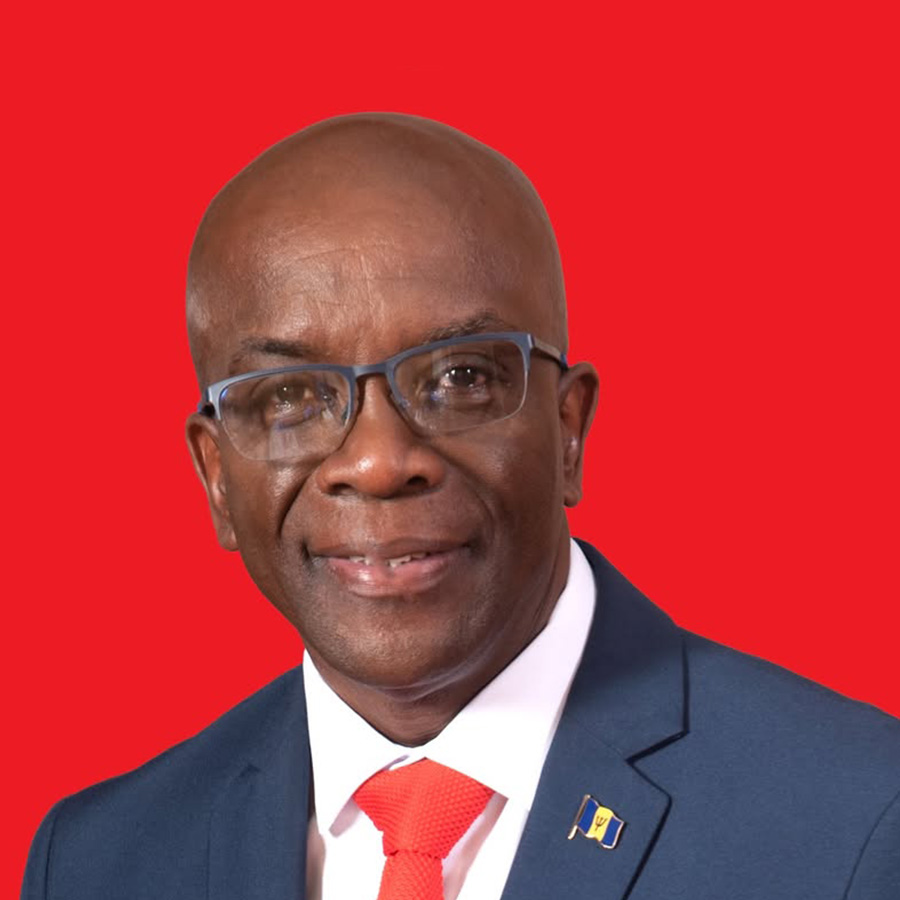
    In a dramatic conclusion to Barbados’ general election, the Barbados Labour Party (BLP) achieved an unprecedented third consecutive clean sweep of all 30 parliamentary constituencies. The final piece of this electoral triumph came in the early hours of Thursday morning when incumbent Neil Rowe narrowly retained the St Michael North West seat after one of the most tightly contested battles of the election.

    The tense counting process extended into the night at the Ellerslie School counting center, where Rowe ultimately prevailed with 1,674 votes against Democratic Labour Party challenger Walters’ 1,441 votes and Friends of Democracy candidate Williams’ 36 votes. The declaration came at approximately 3:30 AM, sealing the BLP’s complete dominance across the island nation.

    Following his victory declaration, an emotional Rowe expressed profound gratitude, stating, ‘First I wish to give God thanks for giving me the strength and resources to be victorious here tonight.’ The re-elected representative immediately shifted focus to his constituents, emphasizing, ‘This victory belongs to the good people of St Michael North West who re-elected me. I will continue to do my utmost and very best in representing them.’

    When questioned about the prolonged counting process and whether he had experienced any doubt, Rowe responded with unwavering confidence: ‘I was confident—not overconfident—but I know within myself that the amount of work I have done across this constituency was sufficient for people to recognize and make that determination.’

    The St Michael North West contest mirrored the broader electoral pattern across Barbados, with BLP candidates demonstrating overwhelming dominance from Bridgetown to the parishes. Prime Minister Mia Mottley’s party achieved what political analysts are calling a historic consolidation of power, unprecedented in modern Barbadian politics.

  • Browne credits expanded campaign team for third term in St Philip North

    Browne credits expanded campaign team for third term in St Philip North

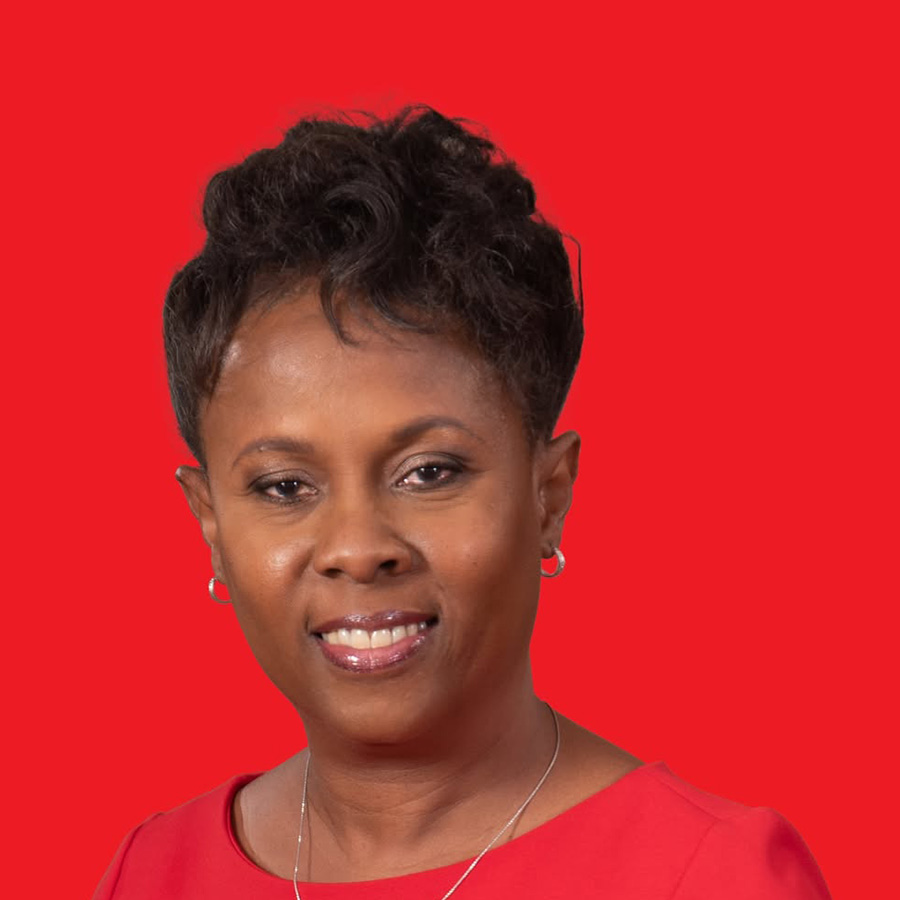
    Dr. Sonia Browne of the Barbados Labour Party (BLP) has achieved a decisive electoral victory, securing her third consecutive term as the representative for St Philip North constituency. The triumph was declared following an intense vote count on Thursday, where Browne garnered 2,434 votes against her closest rival, Simon Clarke of the Democratic Labour Party (DLP), who received 2,128 votes.

    In her post-victory address, Dr. Browne attributed her success to a significantly enhanced grassroots campaign strategy. She emphasized that an expanded team enabled comprehensive coverage of the large, single-parish constituency, facilitating direct voter engagement through door-to-door outreach. This approach marked a substantial improvement over her previous campaigns and proved instrumental in securing voter support.

    The medical professional turned politician described the campaign as particularly challenging due to its short duration and intensity. Despite facing skepticism and negative predictions during the race, Dr. Browne maintained focus and resilience throughout the process. She acknowledged the physical toll of the campaign, having remained awake for over 24 hours during the final stretch.

    Dr. Browne extended professional courtesy to her opponent, praising Mr. Clarke for running a competitive campaign and delivering quality platform speeches. She encouraged his continued participation in Barbados’ political landscape, noting their long-standing acquaintance predating his legal career.

    Looking forward, the re-elected MP outlined her commitment to addressing constituency concerns more extensively, acknowledging the challenges of representing such a large geographical area. She pledged increased mobility and accessibility to better serve her constituents’ needs in St Philip North.

  • Griffith edges out rivals in ‘tough’ St John race

    Griffith edges out rivals in ‘tough’ St John race

    In a closely contested election that stretched into the early hours of Thursday morning, Charles Griffith successfully defended his St John parliamentary seat, overcoming a formidable challenge from Democratic Labour Party’s former leader Ralph Thorne. The final tally revealed Griffith secured 2,327 votes against Thorne’s 1,876, resulting in a victory margin of 451 votes in this crucial parish battleground.

    The electoral atmosphere remained tense throughout the counting process at the St John aggregation center, where supporters gathered under bright lights awaiting the official announcement. Returning Officer Gracia Bolden-Thompson declared Griffith the winner amid cheers and handshakes, marking the conclusion of what the incumbent described as ‘a tougher contest than usual.’

    Griffith, who previously served as Sports and Youth Minister, acknowledged the intensity of the campaign had tested his political confidence. ‘I was always confident… the end result reveals that people still believe in my ability to move St John forward,’ he stated in his victory address.

    The election featured multiple candidates, including New National Party leader Kemar Stuart, who garnered 236 votes from the total 4,439 ballots cast, with 18 votes declared spoiled. Griffith extended diplomatic recognition to his opponents, noting: ‘You respect your opponents in politics, and I respected Kemar coming into the game. He believed he had something to offer in serving the people.’

    Addressing his constituency, Griffith emphasized his apolitical approach to representation: ‘I don’t see red or blue when it comes to representing my constituency. There’s substantial work ahead in infrastructure development, sports facilities, and youth empowerment programs.’

    The victory sets the stage for upcoming parliamentary proceedings, with Griffith and other newly elected representatives scheduled to attend the opening of the new parliament next Friday. The incumbent expressed humility about his party’s broader vision, noting its proactive approach to national development that would ultimately benefit his constituency.

  • St Philip constituencies hit by missing voter names

    St Philip constituencies hit by missing voter names

    Significant voting irregularities disrupted Barbados’ electoral process on Wednesday as numerous citizens in the crucial St Philip South and St Philip West constituencies found themselves disenfranchised due to administrative errors. Multiple presiding officers confirmed systemic issues with the official voters’ lists that prevented legitimate voters from casting ballots in what was anticipated to be among the election’s most hotly contested races.

    At Princess Margaret Secondary School in St Philip West, presiding officer Allison Headley-Callender reported that 79 individuals had successfully voted by 11:30 a.m., but two electors were turned away during the first five-and-a-half hours of polling. In one concerning case, a voter presented correspondence from the Electoral and Boundaries Commission (EBC) confirming their registration at that specific polling station, where they had previously voted in the last general election. Despite this documentation, their name was conspicuously absent from the official list.

    Another voter claimed to have registered just two days prior to election day, which similarly resulted in their exclusion from the voting rolls. Both individuals were directed to consult the EBC’s master list for resolution.

    The electoral tensions were particularly heightened in St Philip West, where Democratic Labour Party veteran Dr. David Estwick challenged incumbent Barbados Labour Party representative Kay McConney, with additional candidates Karina Goodridge (Friends of Democracy) and Lynette Eastmond (People’s Coalition for Progress) adding to the competitive landscape.

    Bridgette Marshall-Griffith, another presiding officer at the same location, noted a ‘steady’ early morning turnout with expectations of a traditional late afternoon surge. She confirmed two additional cases of voter exclusion, including a lifelong resident who had never encountered previous voting difficulties and a relocated couple where only the wife’s name appeared on the list despite both having changed addresses together.

    Similar problems emerged at Faith New Testament Church of God in neighboring St Philip South, where presiding officer Annette Campbell reported a ‘steady stream’ of voters but confirmed at least one exclusion case due to list irregularities. Campbell, a three-election veteran in the constituency, explained that polling stations lacked physical master lists, forcing turned-away voters to either contact the EBC directly or check online resources.

    The incidents raised serious questions about the integrity of the electoral process and the preparedness of election authorities to handle administrative challenges that potentially disenfranchised legitimate voters in critical marginal constituencies.

  • Steady morning turnout, smooth process mark early voting in St Michael North West

    Steady morning turnout, smooth process mark early voting in St Michael North West

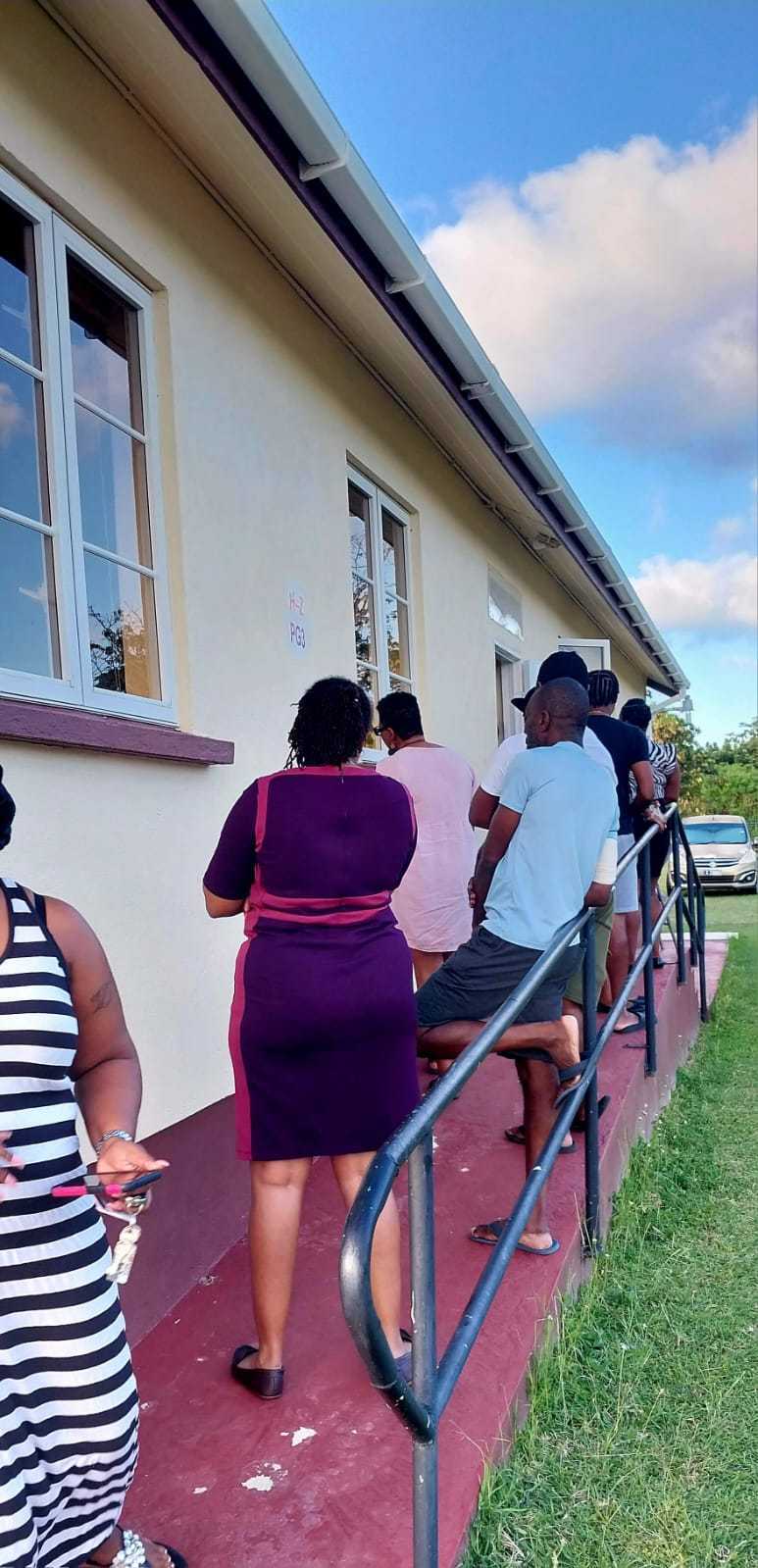
    The electoral process in Barbados’s St Michael North West constituency commenced with notable efficiency and civic engagement on Wednesday morning. Multiple polling stations reported smooth operations as citizens exercised their democratic rights in a tranquil atmosphere.

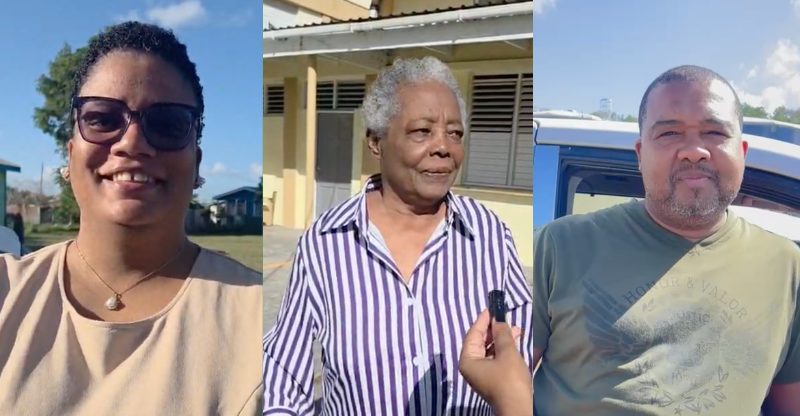
    At Deacons Primary School, voter Gillian Marville commended the streamlined voting procedure, emphasizing both accessibility and expediency. “The process was remarkably simple and efficient,” Marville noted, observing minimal queues and rapid processing times. Her participation stemmed from a profound sense of civic obligation, stating: “Voting constitutes both your right and duty as a Barbadian citizen. I fulfilled that responsibility this morning.”

    Parallel experiences emerged at St Stephens Primary School, where Jason Martin underscored the personal significance of electoral participation. “Exercising my voting rights represents a conscious decision,” Martin explained. “Our community requires substantial change, and casting my ballot serves as the initial step toward that transformation.” Martin reported expedited processing times, noting only five voters ahead of him in line, and facilitated priority access for an individual with mobility challenges.

    Election officials at Ellerslie School’s HA4 polling station confirmed consistently steady voter turnout without operational complications. Presiding Officer Elizabeth Jones verified seamless proceedings, indicating: “All operations are progressing optimally.” When questioned about comparative voter turnout metrics, Jones maintained that electoral participation “has been maintaining consistent flow.” The station reported no incidents of voter confusion regarding designated polling locations.

    Voter Marlene Nurse, participating at Ellerslie School, characterized her experience as “exceptionally positive and well-organized.” Nurse highlighted her unwavering commitment to electoral participation, asserting: “I consistently vote during every election cycle to support my preferred party.” Addressing concerns regarding voter apathy, she affirmed: “I will continue voting throughout my lifetime.”

    The constituency election features three competing candidates: incumbent Neil Rowe (Barbados Labour Party), Ryan Walters (Democratic Labour Party), and Ricardo Williams (Friends of Democracy). Preliminary observations from key polling stations—including Eagle Hall Primary, St Stephens Primary, Deacons Primary, and Ellerslie School—indicated gradually increasing voter attendance throughout the morning, initiating at a measured pace within a relaxed electoral environment.

  • Mottley leads BLP to historic third clean sweep at polls

    Mottley leads BLP to historic third clean sweep at polls

    Prime Minister Mia Mottley’s Barbados Labour Party (BLP) has secured an unprecedented third consecutive general election victory, capturing all 30 seats in the House of Assembly in a Wednesday electoral landslide. The complete parliamentary sweep reinforces Mottley’s political dominance and represents a continuing mandate for her administration’s policies.

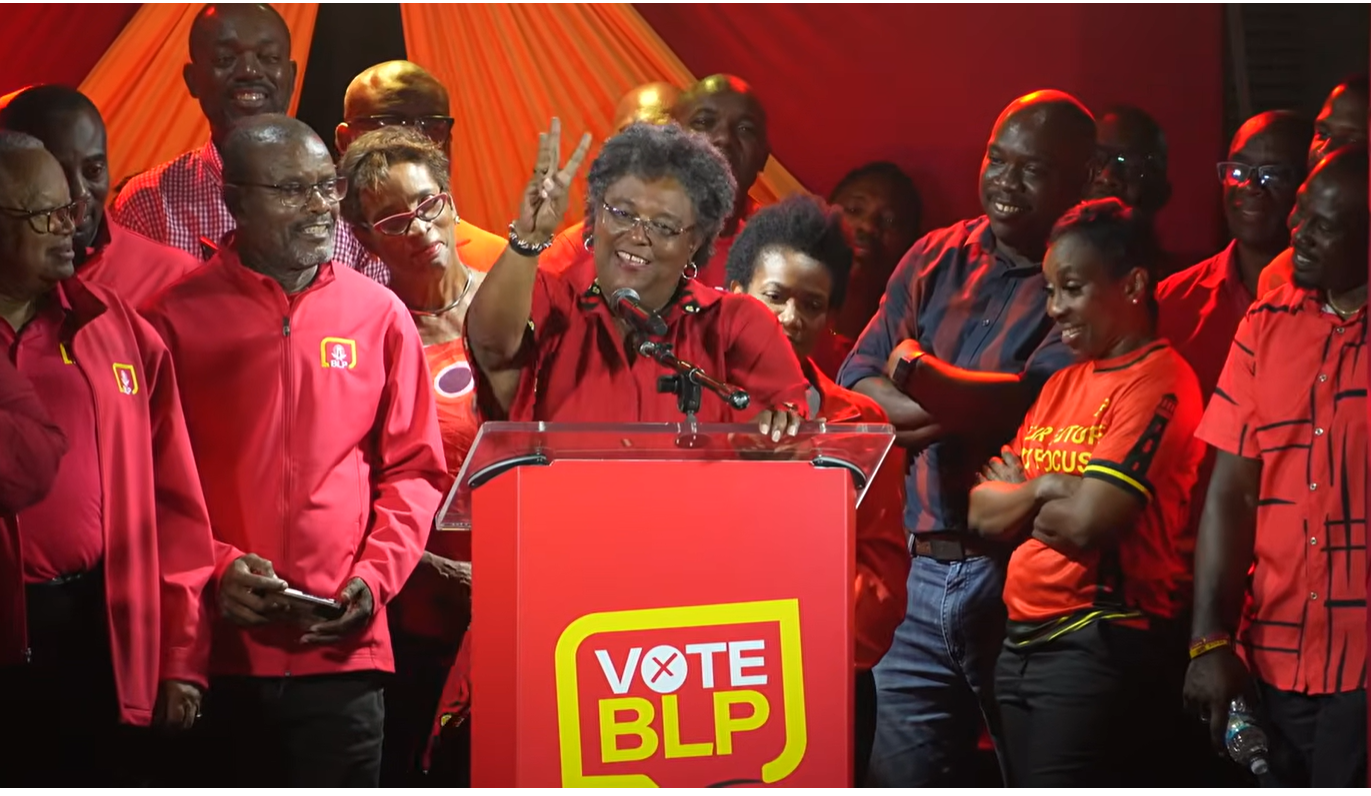
    Jubilant celebrations erupted at the party’s Roebuck Street headquarters as results confirmed the comprehensive victory. Supporters gathered in a sea of red attire, the party’s signature color, as electoral returns confirmed the BLP’s total control of Barbados’s legislative body.

    In response to the electoral triumph, Prime Minister-elect Mottley declared Friday a national public holiday and announced a national thanksgiving celebration scheduled for Saturday afternoon at the National Botanical Gardens. “Saturday is not only the day of love. Saturday is the day of red, red, red,” she proclaimed, referencing both Valentine’s Day and the party’s symbolic color.

    The electoral sweep began with Deputy Prime Minister Santia Bradshaw’s victory in St Michael South East, where she secured 3,050 votes against Democratic Labour Party (DLP) challenger Pedro Shepherd’s 734 votes. This pattern repeated across constituencies, with several notable contests including St John, where Charles Griffith retained his seat with 2,327 votes against DLP leader Ralph Thorne’s 1,877 votes.

    Several first-time BLP candidates achieved significant victories, including Ryan Brathwaite in the traditional Labour stronghold of St Joseph with 2,662 votes, and Tyra Trotman in St Michael Central, the party’s youngest candidate, who secured 1,962 votes after recently crossing from the DLP.

    In her victory address, Mottley emphasized that the overwhelming mandate carried responsibility rather than entitlement. “We did not come simply to hold office. We have come to make Barbados better, and to make your lives better,” she stated, acknowledging the need to protect democratic institutions despite repeated electoral dominance.

    The Prime Minister-elect pledged immediate attention to constituent concerns including infrastructure, healthcare, and public safety. She announced plans for a swift governmental transition, with Cabinet members to be sworn in on Monday and parliamentary business to commence by next Friday, signaling an immediate return to governance following brief celebrations.

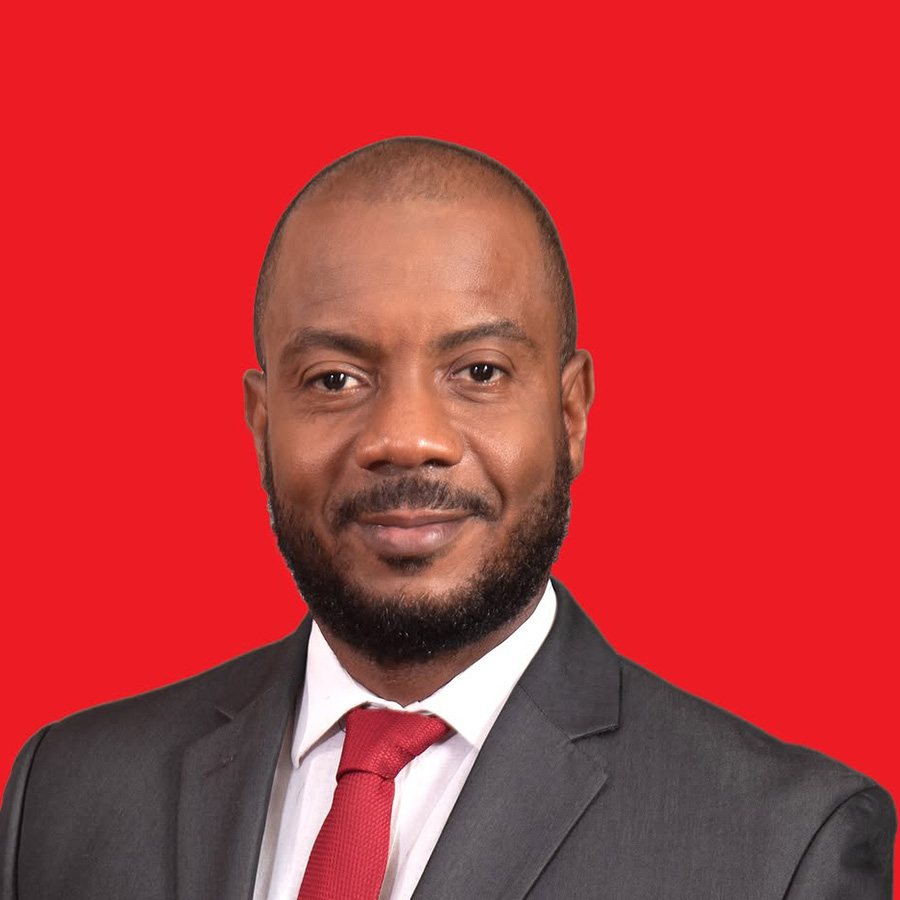
  • DLP leader Ralph Thorne steps down after third ‘redwash’

    DLP leader Ralph Thorne steps down after third ‘redwash’

    In the aftermath of an unprecedented third consecutive electoral sweep by the ruling Barbados Labour Party, Democratic Labour Party President Ralph Thorne has announced his resignation from leadership. The devastating 30-0 defeat marks a continuing political crisis for Barbados’ main opposition party, which hasn’t secured a parliamentary seat since 2018.

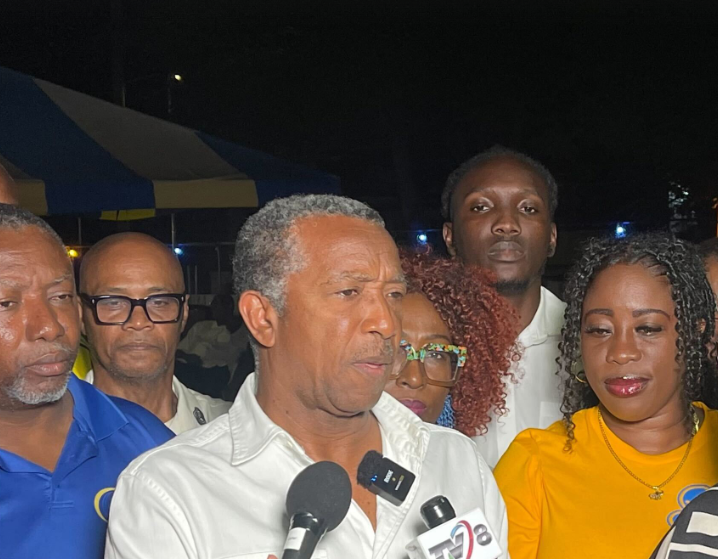
    Addressing reporters at the party’s George Street headquarters in the early hours of Thursday morning, Thorne characterized the outcome as “very disappointing” while maintaining that the 70-year-old institution remained “resourceful” and capable of rebuilding under new leadership. “Clearly, the time comes when I must pass on to other persons,” stated Thorne, surrounded by defeated DLP candidates. “This is a democratic organization. I do not write political will and a new leader will emerge in the fullness of time.”

    The night’s results delivered Prime Minister Mia Mottley’s BLP a historic ‘three-peat’ victory, maintaining their complete control of the House of Assembly. Several constituencies initially appeared competitive before ultimately swinging to the governing party. In St. John, a traditional DLP stronghold, Thorne himself garnered 1,884 votes against incumbent Charles Griffith’s 2,327.

    Other closely-watched races included St. Michael North West, where BLP’s Neil Rowe defeated Ryan Walters 1,674 to 1,441, and St. Lucy, where Peter Phillips secured victory over DLP’s Ian Griffith by 2,211 to 2,026 votes. In St. Philip West, Dr. David Estwick’s narrow early lead evaporated as Kay McConney ultimately triumphed 2,740 to 2,187.

    Thorne’s tenure as leader was marked by internal turmoil from its inception. His dramatic 2024 defection from the BLP backbench to assume opposition leadership—initially as the House’s sole non-government member—generated immediate controversy. This move exacerbated existing tensions within the DLP regarding party democracy and control, particularly from figures like former general secretary Steve Blackett.

    Despite the overwhelming defeat, Thorne emphasized the positive aspects of the campaign, stating the party had set an example for Barbados’ youth by conducting a “clean” campaign. “We fought the good fight, we finished the course, and we kept our faith,” he reflected, expressing gratitude for the “amazing comradeship” and “genuine affection” within his team of young candidates.

    The resignation signals a critical juncture for the Democratic Labour Party as it confronts its increasingly marginalized position within Barbados’ political landscape and seeks to redefine its purpose and leadership ahead of future electoral challenges.

  • CTUSAB urges respect for labour as key governance partner

    CTUSAB urges respect for labour as key governance partner

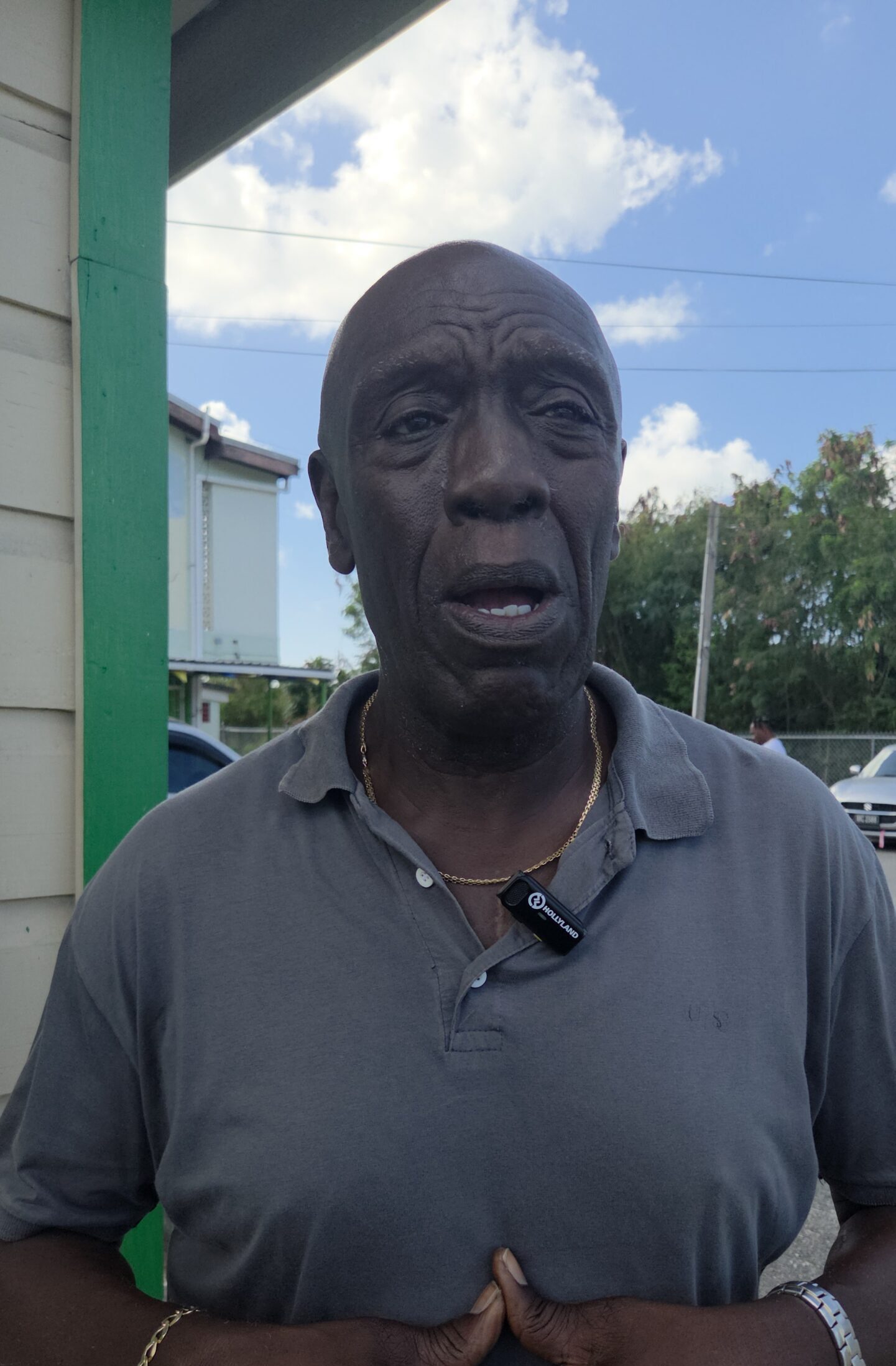
    In a significant appeal on election day, Dennis De Peiza, General Secretary of the Congress of Trade Unions and Staff Associations of Barbados (CTUSAB), issued a powerful call for the incoming administration to recognize the labour movement as an essential partner in national governance. Speaking to Barbados TODAY after casting his ballot at St Stephen’s Primary School, De Peiza emphasized that respect and dignity must form the foundation of this critical relationship.

    De Peiza simultaneously urged citizens to actively participate in the democratic process, highlighting the hard-earned privilege of voting that many global citizens lack. He connected emerging voter apathy directly to a concerning erosion of trust in political institutions, suggesting that this disillusionment stems from perceived failures in transparency and accountability among public officials.

    The labour leader presented a compelling argument about the cyclical nature of political behavior, noting that younger generations learn from observing their elders. He warned that when leaders demonstrate ‘cowardly’ or questionable conduct, they establish dangerous precedents that risk corrupting both present and future democratic practices. De Peiza advocated for a system grounded in exemplary performance and actions aligned with established best practices and norms, asserting that only through such standards can confidence in governance be restored.

  • Revenue Authority to drive digital overhaul, rebuild public trust

    Revenue Authority to drive digital overhaul, rebuild public trust

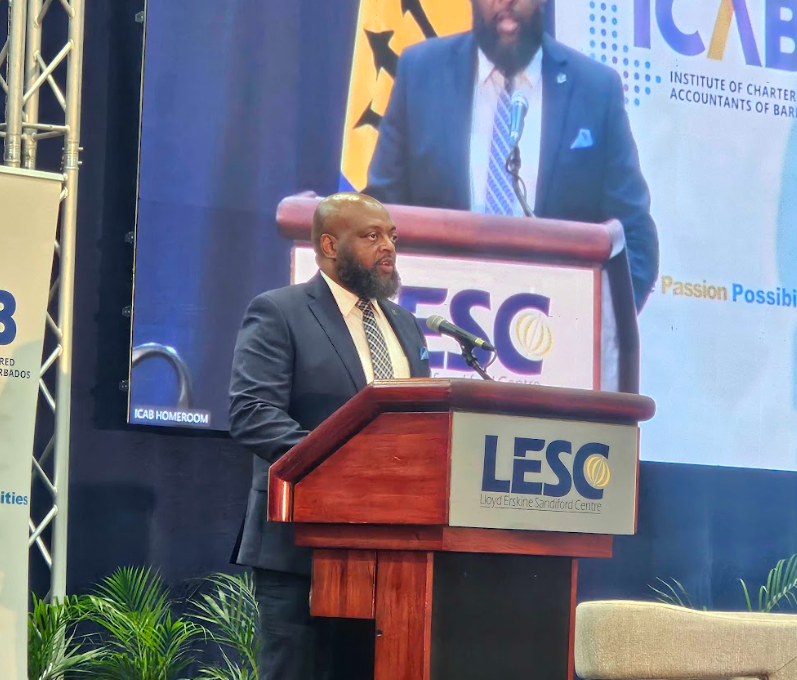
    In a major policy address, Barbados Revenue Commissioner Jason King has announced a comprehensive reform program designed to revolutionize the nation’s tax administration framework. Speaking at the Institute of Chartered Accountants of Barbados conference, King outlined an ambitious agenda targeting systemic modernization, enhanced compliance mechanisms, and the restoration of public trust in the tax system.

    The reform initiative follows an extensive internal assessment that identified significant operational challenges stemming from legacy infrastructure. Commissioner King acknowledged persistent issues including fragmented systems integration, inadequate automation, and disjointed processes across different tax categories. These deficiencies have resulted in constrained real-time information sharing, ineffective compliance monitoring, and suboptimal arrears management—all contributing to diminished public confidence and voluntary compliance rates.

    Central to the transformation strategy is the commitment to digital modernization, which King characterized as an absolute necessity rather than merely an optional upgrade. The Barbados Revenue Authority plans to develop a fully integrated digital platform supported by robust cybersecurity measures and hardware enhancements. A key component involves integrating BIMPAY—the Central Bank’s instant payment system—into the BRA’s payment ecosystem to expand non-cash transaction options.

    The authority’s 2026-2027 roadmap includes procuring a modern core tax administration system, addressing tax receivables reduction, eliminating the refund backlog, and implementing strengthened governance protocols based on organizational review findings. King emphasized that the identified gaps represent opportunities for improvement rather than institutional failure, noting that the honest self-assessment directly informed the authority’s strategic priorities.

    A significant philosophical shift will see the BRA transition from reactive compliance measures to proactive, data-driven approaches using risk-based methodologies. This transformation aims to reduce unnecessary interactions for compliant taxpayers while focusing audit and enforcement resources where risk exposure is highest. Notably, customer experience enhancement will be integrated directly into compliance strategy rather than treated as a separate initiative.

    King highlighted recent achievements including the Online Land Tax Clearance Certificate that has substantially reduced processing times, revised corporation tax returns, and the implementation of the Car Rental Levy Return within the TAMIS system. The commissioner also noted the BRA’s landmark achievement as the first public institution to attain ACCA-approved employer status.

    Emphasizing the critical relationship between public trust and effective revenue administration, King framed the reform program as essential to national development under Barbados’ 2030 strategic roadmap. While acknowledging that meaningful transformation will require sustained effort and collaboration with stakeholders including accounting professionals, King expressed confidence that with clear planning and committed partnerships, the authority can build a tax system that earns public respect and pride.