标签: Barbados

巴巴多斯

  • Opposition senator renews criticism of govt housing programme amid audit concerns

    Opposition senator renews criticism of govt housing programme amid audit concerns

    A scathing audit of Barbados’ HOPE Inc. housing initiative has sparked intense political debate, with Opposition Senator Ryan Walters accusing the government of systemic mismanagement of public funds. The controversy emerged during Wednesday’s Senate session addressing legislative corrections needed for 20 low-income homes in Christ Church, delayed due to a 2022 resolution error that omitted the National Housing Corporation as vesting authority.

    Senator Walters seized on the Auditor General’s April 2025 special audit to highlight broader failures in the flagship housing program. The report revealed that HOPE Inc. operated without clear objectives, milestones, or performance indicators despite $64.5 million in committed public funding. According to Walters, this lack of framework created legal vulnerabilities, with the state potentially facing compensation claims due to transactions undertaken without proper authority and unclear property titles.

    The audit identified significant financial mismanagement, including a $37.8 million cost overrun attributed to the decision to use precast construction instead of traditional methods. Walters further criticized the program’s renewable energy component, noting that only two of the promised solar-equipped homes actually received such installations.

    Most alarming was the revelation regarding an international housing arrangement with Guyana, where $3.5 million was transferred for approximately 60 hardwood homes without performance bonds or proper vendor vetting. When the homes arrived in Barbados, missing components rendered them uninhabitable, requiring an estimated additional $125,000 per unit to complete—potentially totaling $43.7 million if the project continues.

    Walters concluded that these findings have ‘cast a grey cloud’ over the government’s housing credibility, asserting that taxpayers deserve answers for what he characterized as a record ‘nothing to be proud of.’

  • IDB launches new Barbados strategy to drive growth, resilience

    IDB launches new Barbados strategy to drive growth, resilience

    The Inter-American Development Bank Group (IDB Group) has formally initiated a comprehensive five-year strategic framework for Barbados, designed to propel economic advancement while simultaneously fortifying social and climate resilience. The 2025–2030 strategy, officially endorsed in May 2025, was developed following rigorous economic analysis led by Cloe Ortiz de Mendivil, the IDB’s Country Economist for Barbados and The Bahamas.

    Unveiled at a stakeholder briefing held at the Bank’s Oistins offices, the strategy is structured around three foundational pillars. The first is dedicated to fostering sustainable economic growth, while the subsequent two focus on building social resilience and climate-related resilience. Carina Cockburn, IDB Country Representative for Barbados, emphasized the interdependence of these goals, stating that resilience, while necessary, is not by itself sufficient for achieving broader economic development objectives.

    In a significant departure from conventional presentation formats, the IDB employed an innovative dissemination approach to enhance public accessibility. The launch event featured an interactive session led by Neil Waithe and the Leggo Theatre Company, who utilized improvisational performance to translate complex policy terminology into engaging and relatable messaging for a diverse audience.

    Concurrently, the IDB introduced the BOLD Catalyst Board, an 18-member civil society advisory body operational across all IDB member countries. This board will provide critical feedback during the project design phase, ensuring initiatives avoid harmful practices and adequately incorporate stakeholder perspectives. The board will also assist in information dissemination and help maintain alignment with local needs throughout the implementation process.

    Cross-cutting themes of innovation, diversity, and institutional strengthening will be mainstreamed across all initiatives. Specific programs already in development include an Enhanced Credit Guarantee Fund with the Central Bank under the economic growth pillar, and a pipeline replacement project aimed at securing Barbados’ potable water supply as part of climate resilience efforts.

    Beyond financial lending, the IDB’s engagement encompasses substantial technical cooperation, providing expertise, analytical support, and advisory services to assist Barbadian policymakers. Reflecting on the enduring partnership, Kay McConney, Minister of Economic Affairs and Investment, highlighted that the relationship between the Government of Barbados and the IDB Group remains rooted in shared vision, mutual trust, and open communication.

  • Aziza Clarke cleared after no-case submission

    Aziza Clarke cleared after no-case submission

    In a decisive legal victory, former calypso monarch Aziza Clarke has been fully exonerated of charges alleging she assisted an offender in evading law enforcement. The No. 5 Supreme Court delivered the ruling following a successful no-case submission presented by her defense team, led by King’s Counsel Michael Lashley and attorney Sade Harris.

    The case stemmed from allegations that Clarke, a resident of Bonnetts, Brittons Hill, St Michael, had knowingly transported Hakeem Stuart from Briar Hall to Graeme Hall, Christ Church on March 21, 2019. Prosecutors claimed this action was intended to obstruct Stuart’s lawful apprehension in connection with murder or another serious arrestable offense.

    Presiding Justice Pamela Beckles determined that the prosecution failed to establish the essential elements of knowledge and belief necessary to sustain the charge. In her ruling, Justice Beckles found insufficient evidence to prove Clarke had awareness of or belief in Stuart’s alleged criminal activities at the time of the incident. Consequently, the judge directed the jury to return a formal verdict of not guilty, bringing the legal proceedings to a conclusive end.

    The judgment represents a significant judicial determination that the threshold for proving criminal intent in assistance cases requires substantial evidence of the defendant’s conscious knowledge of the offender’s actions, which the court found lacking in this instance.

  • Bradshaw: Major road fix drive to reach ‘most districts’ this year

    Bradshaw: Major road fix drive to reach ‘most districts’ this year

    The Barbadian government has announced an extensive national road rehabilitation initiative set to commence this month, with Deputy Prime Minister Santia Bradshaw confirming the program will extend through June. This ambitious infrastructure effort represents one of the most comprehensive road improvement campaigns in recent years, designed to address long-standing transportation challenges across the island nation.

    According to Bradshaw, who also serves as Minister of Transport and Works, her ministry has undergone months of preparatory work to clear bureaucratic backlogs, finalize engineering designs, and complete tender processes. This groundwork enables contractors to immediately begin construction activities across highway networks, primary thoroughfares, and residential communities nationwide.

    The strategic timing of the construction window between January and June capitalizes on optimal dry weather conditions, as the rainy season traditionally begins June 1st. Bradshaw explained the ministry has systematically reorganized its internal planning cycle to conduct technical assessments, preliminary drawings, and detailed designs during wetter months from June to December. This approach ensures contractors can commence work immediately when favorable conditions return.

    The rehabilitation program will utilize both roller-compacted concrete and traditional concrete surfaces, incorporating funding from the Development Bank of Latin America (CAF). While specific roadways weren’t identified during Wednesday’s announcement, Bradshaw indicated comprehensive media briefings scheduled for next week will provide detailed project outlines and implementation timelines.

    Beyond immediate infrastructure improvements, the initiative forms part of a broader modernization strategy within the Transport Ministry. Bradshaw emphasized technology’s increasing role in operational efficiency, noting ongoing investments in staff training and contractor coordination systems to meet growing infrastructure demands. The program aims not only to enhance road quality but also to reduce vehicle damage complaints and liability claims associated with deteriorating road conditions.

  • ‘Unworkable, unenforceable’: Senator slams tourism levy bill

    ‘Unworkable, unenforceable’: Senator slams tourism levy bill

    Barbados’ proposed Tourism Levy (Amendment) Bill has faced vehement opposition from Independent Senator Andrew Mallalieu, who characterized the legislation as fundamentally flawed and potentially damaging to the nation’s vital tourism sector. While acknowledging tourism’s crucial role in national financing and clarifying that the bill introduces no new taxes, Mallalieu systematically dismantled the proposed changes during Senate deliberations.

    The core contention revolves around shifting collection responsibilities to international online booking platforms. The amendments would mandate that digital marketplaces—regardless of their global location—register with the Barbados Revenue Authority and remit tourism levies directly. Mallalieu warned this approach would create enforcement loopholes, weaken local operators, and misplace liability within the taxation system.

    Expressing particular concern about the expanded definition of “online marketplace,” the senator noted the legislation could potentially ensnare over 500 vacation rental platforms, many without physical presence or direct relationships with Barbadian property owners. The current system places levy payment responsibility squarely on property owners or appointed managers, but the amendments would push this obligation to offshore entities that may lack knowledge of property ownership or taxpayer information.

    Mallalieu highlighted alarming provisions allowing property liens for non-remitted levies, even when failures occur at platform level—a precedent he described as deeply troubling for Barbadian law. He further argued the legislation unfairly burdens compliant operators while unlikely capturing non-compliant ones.

    The senator reserved sharpest criticism for the drafting process, revealing that neither he nor major industry stakeholders received consultation. After contacting villa operators, sharing-economy businesses, and the Barbados Hotel and Tourism Association, Mallalieu confirmed none had been engaged in legislative discussions, questioning how vital industry legislation could advance without operator input.

  • Walters questions bid to acquire Savvy on the Bay land

    Walters questions bid to acquire Savvy on the Bay land

    A contentious political debate has emerged regarding the government’s proposed land acquisition adjacent to Savvy on the Bay, with Opposition Senator Ryan Walters leading criticism against what he characterizes as unnecessary targeting of an established small business enterprise.

    During parliamentary deliberations on the Tourism Levy (Amendment) Bill, Senator Walters challenged the administration’s rationale for acquiring the neighboring parking facility, citing recent formal notices that have generated apprehension among local entrepreneurs. The senator articulated concerns that the move contradicts the government’s stated commitment to fostering business development.

    Housing and Lands Minister Christopher Gibbs attempted to allay fears, asserting that business operators should remain unworried about the acquisition process. “Our objective as an administration is to promote entrepreneurial ventures, not to impede business operations,” Gibbs emphasized, promising maintained access and improved facilities upon project completion.

    However, Senator Walters presented contradictory firsthand observations from multiple visits to the Bay Street location. “I’ve frequently visited Savvy on the Bay, utilizing both on-site and opposite parking facilities without encountering access restrictions,” the opposition legislator recounted. He described unimpeded beach access with his family, including purchases from local vendors and bar patronage without property disputes.

    The senator questioned the government’s particular interest in this specific parcel, noting numerous alternative development opportunities along Bay Street. He highlighted underutilized properties including the former Mobil service station and abandoned fish market as preferable alternatives. “Why pursue a plot supporting an active business when vacant lands remain available just a stone’s throw away?” Walters inquired.

    The opposition figure expressed bewilderment at the government’s approach, suggesting the strategy contradicts public encouragement of entrepreneurship and has generated confusion among both business operators and observers alike.

  • Senate clash over Tourism Levy Bill

    Senate clash over Tourism Levy Bill

    A contentious debate erupted in the Barbados Senate on Wednesday as government and opposition legislators fiercely disagreed on the Tourism Levy (Amendment) Bill and the broader economic contribution of the nation’s vital tourism sector. The proposed legislation introduces significant fiscal measures targeting the hospitality industry, including a novel shared-economy levy that mandates global online booking platforms to collect and remit a 10 percent tax directly to the Barbados Revenue Authority.

    Opposition Senator Ryan Walters challenged the government’s recurring assertion that ‘tourism pays the bills,’ presenting a critical analysis of the sector’s recent performance. While acknowledging tourism’s historical importance, Walters cited a dramatic decline in its contribution to GDP, which he claimed has fallen from approximately 13 percent between 2016-2018 to below 5 percent in 2023-2024, projecting this trend to continue through September 2025. ‘That does not qualify the statement that tourism pays our bills,’ Walters contended. ‘That is saying the government can no longer afford to pay its bills.’

    Government Senator Lisa Cummins mounted a robust defense, presenting countervailing data from the Central Bank of Barbados indicating strong post-pandemic recovery. Citing the October 2025 quarterly report, Cummins highlighted a 5.5 percent increase in long-stay arrivals over the first nine months of the year, with particularly strong rebounds from key markets including the United Kingdom, which reached 2018 levels by 2021. US arrivals grew by 12 percent between 2021-2022, with European markets showing comparable recovery trajectories.

    Cummins contextualized the post-2018 decline, noting that Barbados was poised to exceed 900,000 visitors by February 2019—surpassing the 2018 benchmark of 800,000—before COVID-19 necessitated widespread shutdowns. Addressing employment sustainability, she outlined government strategies to develop year-round tourism, including targeted engagement with luxury cruise lines during traditionally slower summer months. These smaller, high-end vessels, while carrying fewer passengers, attract premium-spending tourists whose economic impact rivals that of higher-volume, lower-spending arrivals.

  • CARICOM unity at risk, labour leader warns

    CARICOM unity at risk, labour leader warns

    A prominent Caribbean labor leader has issued a stark warning that political divisions within the CARICOM bloc threaten to undermine regional stability and economic security. Dennis de Peiza, General Secretary of the Barbados Congress of Trade Unions and Staff Associations (CTUSAB), expressed alarm over the absence of unified condemnation from Caribbean governments regarding recent U.S. military operations near Venezuela, describing it as a dangerous precedent for the region.

    De Peiza emphasized that this collective silence jeopardizes the Caribbean’s identity as a zone of peace and carries profound implications for the region’s economic and political cohesion. The labor leader endorsed Antiguan Prime Minister Gaston Browne’s call for greater unity among member states while expressing deep concern over Trinidad and Tobago Prime Minister Kamla Persad-Bissessar’s characterization of CARICOM as ‘dysfunctional and self-destructive.’

    According to de Peiza, such rhetoric echoes the political fragmentation that led to the collapse of the West Indies Federation in 1962 and represents a worrying trend that could weaken the regional bloc’s effectiveness. He stressed that Caribbean nations, despite their small size, occupy strategically important positions and must maintain coordinated foreign and security policies.

    The labor leader also highlighted increasing pressure from the United States through travel advisories and visa restrictions, noting that these developments make regional unity more crucial than ever. While acknowledging the region’s dependence on U.S. tourism, de Peiza criticized Caribbean reliance on external markets and urged accelerated progress toward economic diversification.

    ‘We possess the collective capacity to achieve food security and develop sustainable industries,’ de Peiza stated, pointing to the agricultural potential of Guyana, Jamaica, Haiti, Trinidad and Tobago, and Barbados. He challenged regional leaders to implement progressive policies that would reduce external dependency and create employment opportunities within the region.

    Concluding his assessment, de Peiza called for substantive changes to national and regional development agendas, emphasizing that continued adherence to outdated approaches would prevent the Caribbean from achieving its full economic potential.

  • CTUSAB cautions against bias, blanket appointments under public service law

    CTUSAB cautions against bias, blanket appointments under public service law

    The Congress of Trade Unions and Staff Associations of Barbados (CTUSAB) has issued a stark warning that the implementation of the newly enacted Public Service Appointments Act could be undermined by political interference and arbitrary promotion practices. While formally endorsing the legislation, union leadership expressed serious concerns that procedural delays and partisan favoritism might compromise the fundamental principles of meritocracy within the nation’s civil service.

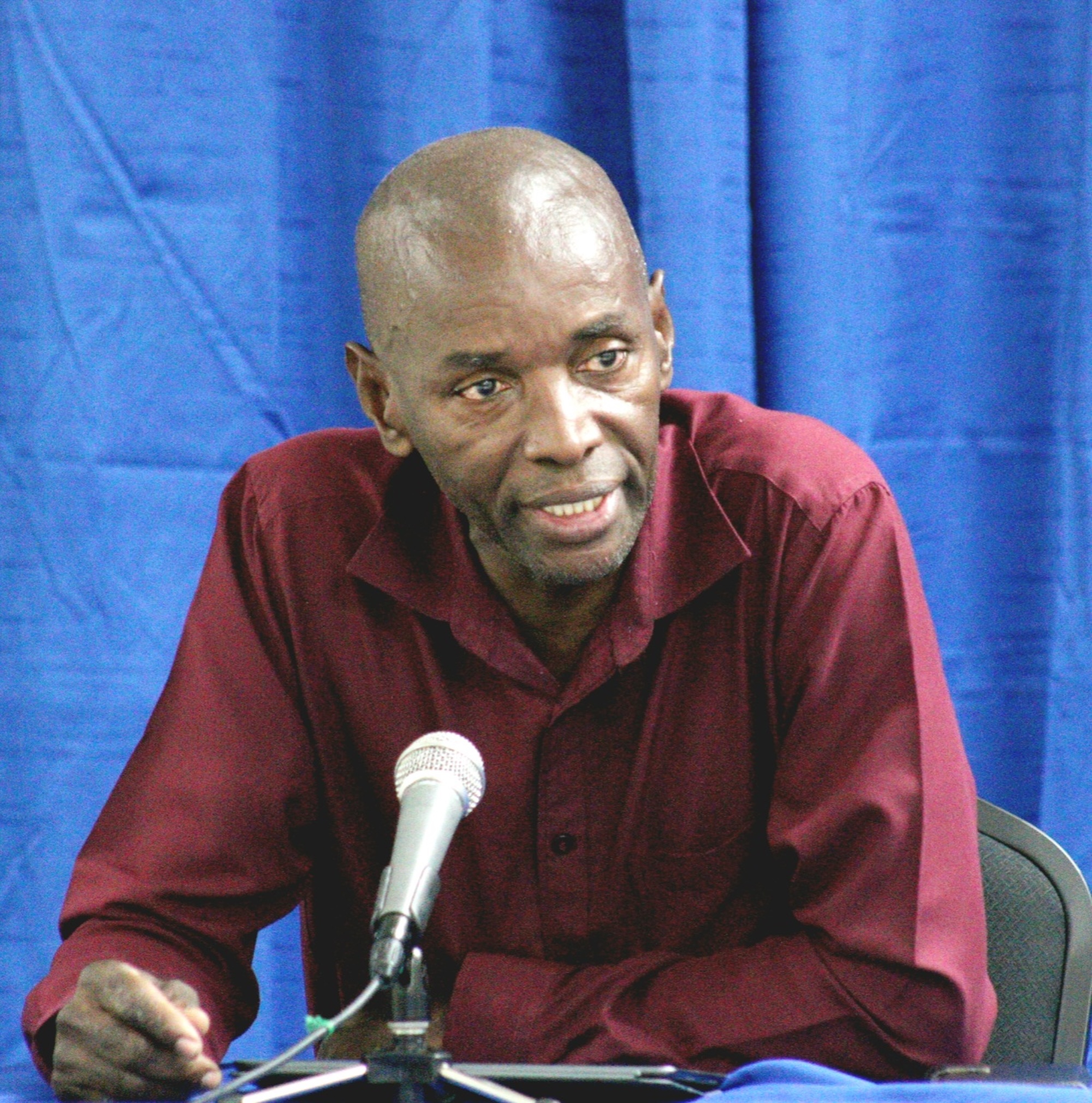
    During a Wednesday press briefing at CTUSAB’s Garrison headquarters, General Secretary Dennis de Peiza acknowledged the legislative advancement as a landmark achievement for labor rights, particularly noting that 1,170 temporary employees and 925 officers in acting positions would receive formal appointments. However, he emphasized that these appointments must strictly adhere to established human resources protocols managed by the Ministry of the Public Service’s Director General of Human Resources.

    The union leader articulated specific concerns regarding the potential for politically motivated appointments, stating that positions should not be treated as ‘political gifts or patronage.’ He further highlighted how excessive delays in processing appointments had previously driven qualified officers out of the public service system before they could receive formal recognition.

    CTUSAB’s apprehension extends to what it describes as ‘punitive reversions’ of experienced officers who have served in senior acting capacities for extended periods—sometimes reaching six to nine years—only to be deemed unsuitable during formal interviews and subsequently demoted to lower-ranking positions. These reversions, according to de Peiza, negatively impact salaries, employee morale, and overall confidence in the public service structure.

    Union President Ryan Phillips reinforced these concerns by referencing historical productivity benchmarks, suggesting that Barbados needs to return to more transparent and effective personnel management practices. The organization cautioned that persistent unfair practices could ultimately deplete the public service of skilled professionals, thereby weakening institutional capacity and diminishing the quality of public service delivery.

    CTUSAB maintains that preserving core values of integrity, impartiality, effectiveness, equity, and accountability remains paramount to maintaining public trust in the civil service system.

  • Hundreds take oath as new Justices of the Peace

    Hundreds take oath as new Justices of the Peace

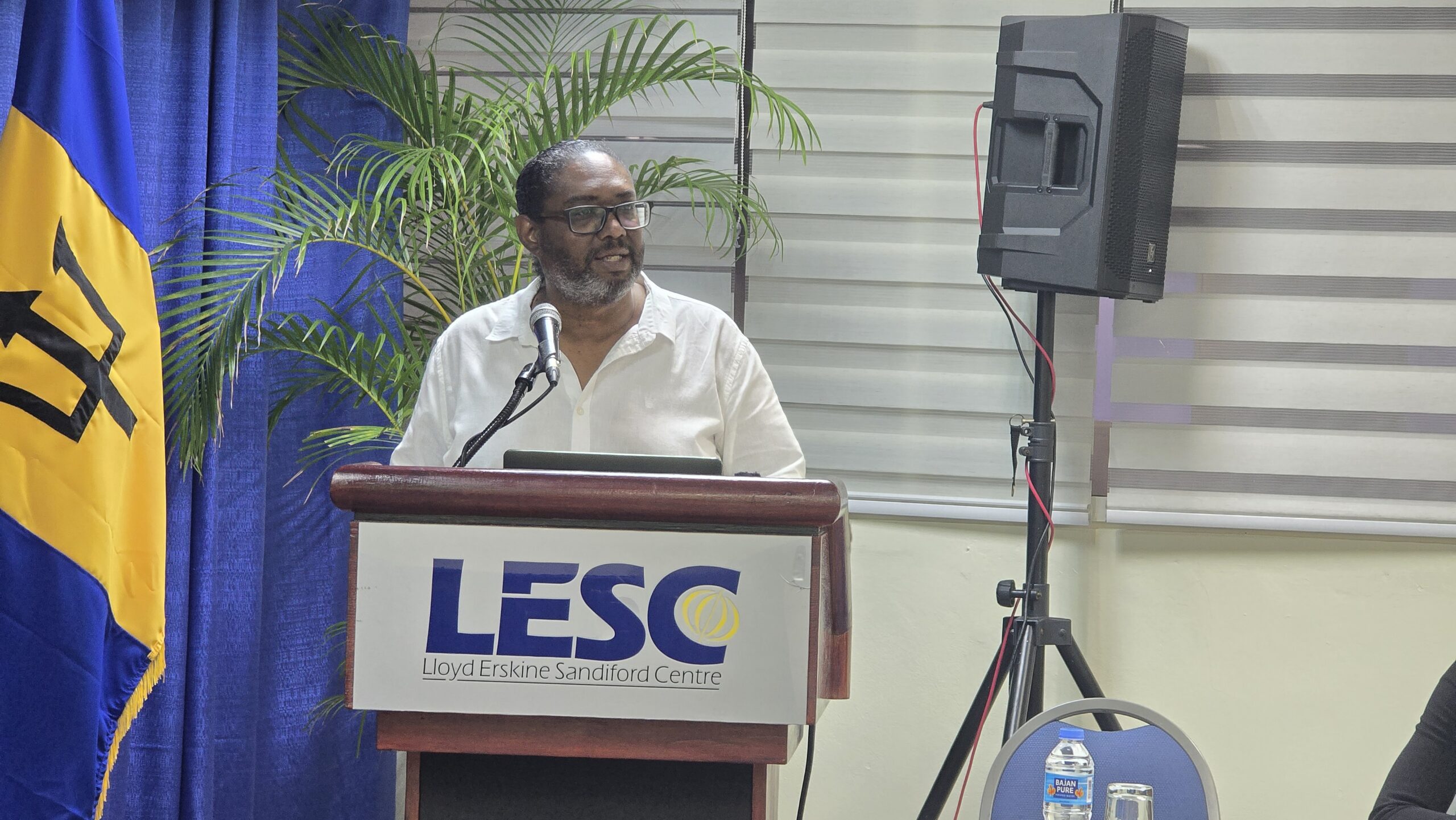
    In a landmark ceremony symbolizing national commitment to judicial integrity, Barbados witnessed the induction of 563 citizens into the office of Justice of the Peace on Wednesday. President Jeffrey Bostic officiated the mass swearing-in event at the Lloyd Erskine Sandiford Centre, creating one of the largest single cohorts of JPs in the island’s history.

    Prime Minister Mia Mottley addressed the newly appointed justices, emphasizing the profound responsibility beyond ceremonial recognition. “This moment transcends personal achievement,” Mottley declared. “You have undertaken solemn duties that place you at the heart of our justice administration system.”

    The Prime Minister elaborated on the historical significance of the office, noting its enduring relevance in contemporary Barbadian society. She clarified that while JPs are not law enforcers, they serve as critical pillars in maintaining legal processes and document authentication. “Your conduct will now be viewed through the lens of your office,” Mottley cautioned. “You are sworn guardians of law and order.”

    Against increasing global challenges to legal frameworks, Mottley highlighted the JPs’ role in reinforcing respect for judicial processes and facilitating business operations through document validation. She particularly emphasized the importance of diversity among justices, noting representation across parishes, genders, and social backgrounds as essential for constitutional governance.

    Among the appointees was veteran journalist Ryan Gilkes, who described his appointment as both an honor and opportunity for community service. “This recognition allows me to further assist my community and serve as a role model for youth,” Gilkes stated, reflecting on his 27-year career and unexpected journey to this position.

    Women’s health advocate Katrina Alleyne also joined the ranks, expressing pride in her selection. Known for her work through the Katrina Endometriosis and Women’s Health Association of Barbados, Alleyne affirmed her commitment to serving the wider community and supporting legal processes.

    The office of Justice of the Peace represents a voluntary, community-focused position requiring impartiality in document witnessing, oath administration, and signature authentication. JPs additionally support judicial processes through warrant applications, licensing procedures, and jury management, serving as crucial intermediaries between the formal justice system and civilian population.