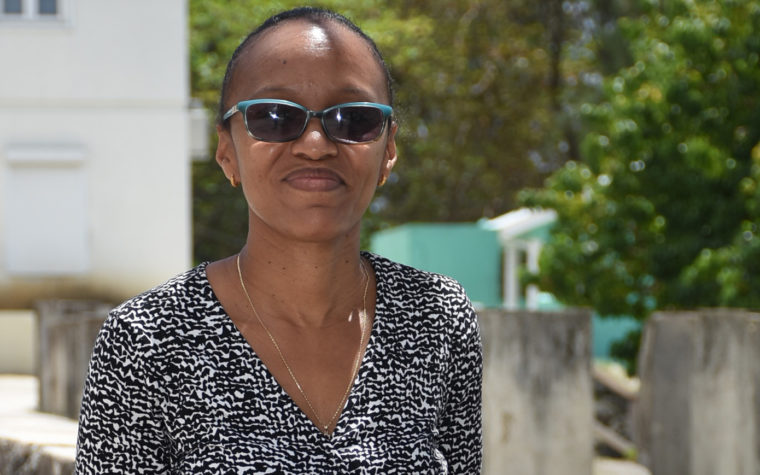
Barbados is witnessing a significant rise in mental health issues, driven by financial hardship and housing scarcity, according to Dr. Joy Sue, a Consultant Psychiatrist at the Psychiatric Hospital. Dr. Sue highlighted that depression and anxiety are among the most prevalent conditions she treats, often exacerbated by economic and social challenges. She emphasized that many patients are not on medication but rely on counseling to cope with their struggles, which frequently stem from financial instability and inadequate housing.
标签: Barbados
巴巴多斯
-

Senator backs ‘automatic DNA tests’ in maintenance cases
Opposition Senator Andre Worrell has reiterated his call for mandatory DNA testing at the commencement of child maintenance and paternity proceedings, emphasizing that such a measure would promote fairness and prevent future emotional and financial turmoil. During Wednesday’s Senate debate on the Family Leave Bill, Sen. Worrell aligned his stance with that of acting Chief Magistrate Deidre McKenna, who last month advocated for automatic DNA testing to bring greater clarity and equity to family legal matters. McKenna, speaking at a panel discussion on financial child support delinquency, suggested that Barbados should adopt a system where DNA testing is automatically conducted when a man is brought before the court for maintenance. She argued that this approach would eliminate uncertainty and ensure that maintenance obligations are based on verified paternity. Sen. Worrell, while supporting the Family Leave Bill, which extends maternity leave and introduces paid paternity leave, highlighted the need for the legal system to ensure fairness for men by making paternity testing accessible and affordable. He pointed out that many men face significant emotional and financial distress when they later discover they are not the biological fathers of children they were ordered to support. Worrell proposed that introducing DNA testing at the outset of maintenance proceedings would mitigate these issues, benefiting all parties involved. He suggested that early paternity testing should be integrated into the legal process to prevent prolonged disputes and ensure that maintenance decisions are grounded in scientific evidence.
-

Barbados ‘leads CARICOM’ in introducing paid paternity leave
Barbados has made history by becoming the first Caribbean Community (CARICOM) nation to introduce paid paternity leave, marking a significant milestone in supporting working families. Senator Lisa Cummins, Minister of Energy and Business, announced this landmark achievement during the Senate’s deliberation on the Family Leave Bill, which had already passed the House of Assembly. The legislation extends maternity leave from 12 to 14 weeks for single births and 17 weeks for multiple births, while granting fathers three weeks of paid paternity leave—a first in the region. Senator Cummins emphasized that Barbados is now “proudly leading the way” in parental support, outpacing its regional counterparts. While countries like the Dominican Republic offer two days of paid paternity leave and Suriname provides eight days, Barbados stands alone in CARICOM with its comprehensive paid paternity leave policy. Senator Cummins highlighted the contrast with developed nations such as Japan, South Korea, Sweden, Iceland, and Norway, which offer significantly longer parental leave periods. However, she underscored the importance of contextualizing Barbados’ progress within its economic realities as a small developing nation. The Minister also shared data on Barbados’ investment in maternity benefits, noting a decline in beneficiaries from 1,300 in 2015 to 842 in 2025, with corresponding payouts decreasing from $6.9 million to $5.4 million. She stressed that the new legislation is not merely a financial measure but a profound social investment in family well-being. Senator Cummins emphasized the irreplaceable value of the early weeks and years in a child’s life, stating that this policy reflects the government’s commitment to modernizing social care and promoting equal parenting roles. Describing the initiative as “critical” and “groundbreaking,” she affirmed its role in fostering stronger families and a more equitable society.
-

Island clinches top wedding destination award for second year
Barbados has once again been honored as the Caribbean’s leading wedding destination, securing the title for the second consecutive year. This prestigious recognition was announced at the World Travel Awards (WTA) Caribbean & North American Gala Ceremony, held on October 4 at Sandals Grande in St Lucia. The event, which celebrates excellence in the travel and tourism sectors, brought together industry leaders and contenders from across the region. The Barbados Tourism Marketing Inc. (BTMI) expressed pride in the achievement, attributing it to the island’s unwavering commitment to developing a world-class wedding industry. Cheryl Carter, BTMI’s Chief Operations Officer, emphasized the island’s dedication to creating unforgettable wedding experiences, leveraging its rich culture, stunning venues, and exceptional hospitality. The ceremony also marked the third leg of WTA’s Grand Tour 2025, showcasing the region’s finest travel and tourism organizations. Graham Clarke, Director of BTMI’s Caribbean department, highlighted the significance of the award amidst fierce competition from neighboring destinations, crediting local stakeholders for their pivotal role in securing the honor. WTA founder Graham Cooke praised the winners for setting new benchmarks in tourism excellence. Since its inception in 1993, the World Travel Awards have been a hallmark of industry achievement, celebrating outstanding contributions to travel, tourism, and hospitality globally.
-
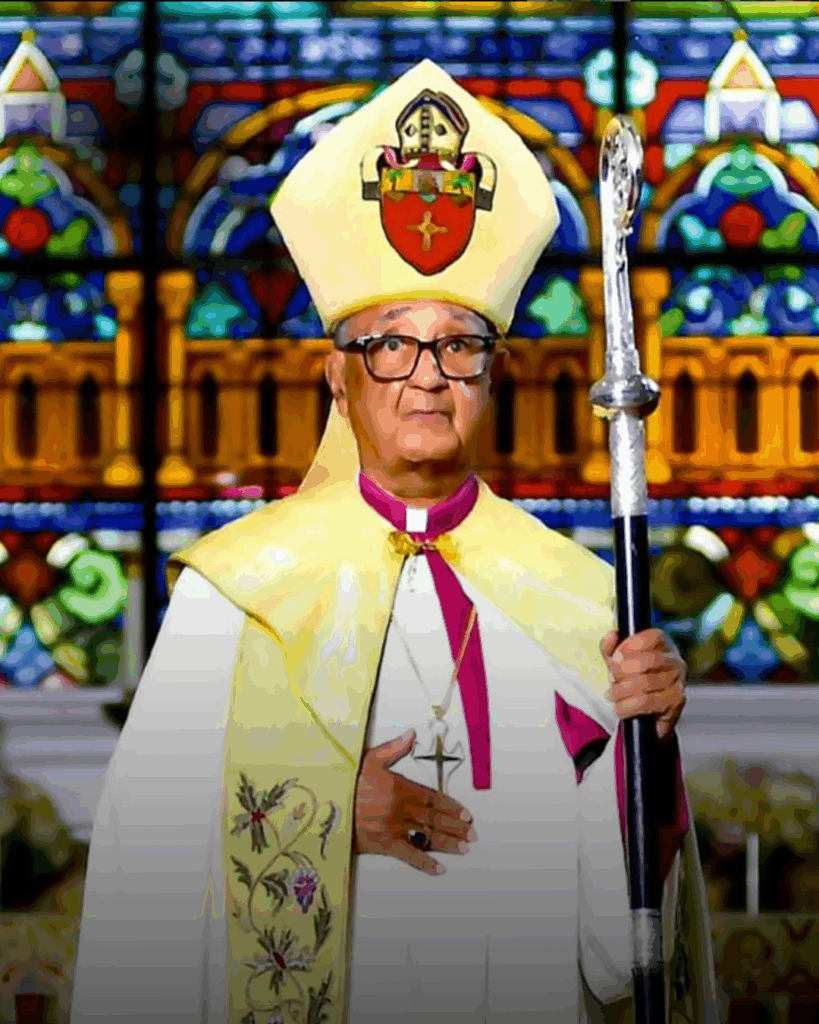
Tributes pour in for late West Indian Anglican Archbishop Drexel Gomez
The Caribbean and the global Anglican community are united in mourning the passing of Archbishop Drexel Gomez, a revered figure in the Anglican Church, who died on Tuesday at the age of 88. Born in the Bahamas, Gomez was a trailblazer in the Church, becoming the first Caribbean-born Bishop of Barbados in 1972 at just 36 years old. His leadership spanned two decades, marking a historic chapter in the diocese’s 200-year history. In 1998, he ascended to the role of Archbishop of the Church in the Province of the West Indies, further cementing his legacy. Prime Minister Mia Mottley of Barbados paid heartfelt tribute to Gomez, recalling his gentle demeanor, unwavering authority, and profound impact on both the Church and society. She highlighted his ability to connect with people of all ages and his fearless engagement with social and political issues. Bishop Michael Maxwell of Barbados also honored Gomez’s life, emphasizing his dedication to the Church and his contributions to the Anglican Communion. Bahamian Prime Minister Philip Davis remembered Gomez as a spiritual guide and a steadfast servant of the Bahamian people, whose moral clarity and quiet courage left an indelible mark. Archbishop Gomez’s life and work continue to inspire generations, leaving a legacy of faith, leadership, and compassion.
-
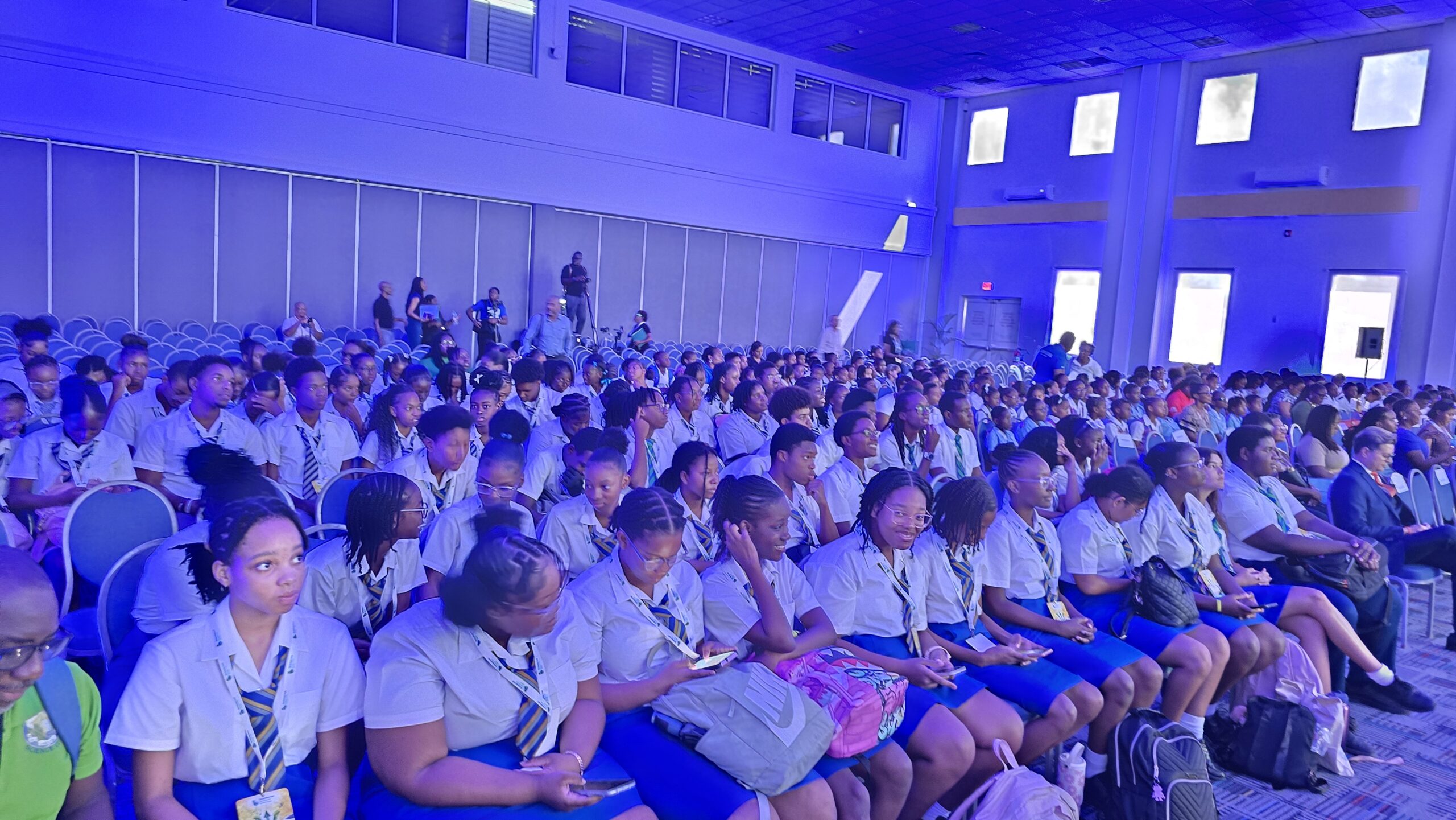
Unchecked coastal projects threaten Barbados’ identity, says UN youth advisor
A United Nations climate advisor has raised alarms over the unchecked expansion of hotels and high-rise condominiums along Barbados’ coastline, warning that such development is eroding the island’s natural beauty and ecological integrity. Speaking at the Barbados Youth Climate Action Summit and Expo, Ashley Lashley, a prominent environmental advocate, criticized the prioritization of profit over sustainability, calling for a fundamental shift in how progress is measured.
Lashley, who also heads the Ashley Lashley Foundation, highlighted the visible consequences of coastal development. “When you drive around Barbados, you see hotels and condos growing taller by the week, restaurants creeping closer to the beach, and this is labeled as progress. But progress for whom?” she questioned. She expressed deep concern over the loss of natural spaces, particularly beaches, which are vital to the island’s identity and future generations.
Lashley argued that Barbados’ economic model rewards resource extraction rather than environmental protection. “We celebrate every new building, every ribbon cutting, but where’s the recognition for the reef that died last year or the mangrove that protects us from floods?” she asked. She likened current development practices to “capitalism dressed up as progress,” emphasizing that the true cost of this approach is already evident in the form of droughts, heatwaves, and increasingly severe hurricanes.
Joining Lashley at the summit, Selwin Hart, Special Advisor to the UN Secretary-General on Climate Action, echoed her concerns, noting that the Caribbean is disproportionately affected by climate change despite contributing minimally to its causes. “The region is paying the highest price for a crisis it did not create,” he said. However, Hart praised the Caribbean’s resilience and innovation, citing initiatives such as solar microgrids, mangrove restoration, and climate-smart farming as examples of regional leadership.
Both speakers called for urgent action and unity, urging young people to continue advocating for sustainable solutions and amplifying the Caribbean’s voice on the global stage. “The world is watching the Caribbean,” Hart said. “Let us transform vulnerability into leadership and injustice into momentum for change.”
-

Gardiner, Rudder awarded UWI honorary degrees
The University of the West Indies (UWI) has announced that aviation pioneer Lyndon Gardiner and cultural entrepreneur Pierce Antonio “Boo” Rudder are among 11 distinguished individuals set to receive the institution’s highest academic honor during its 2025 graduation season. The ceremony, themed ‘Pelicans in an AI-driven future: where tradition meets tomorrow,’ will span from October 11 to November 8 across UWI’s Five Islands, Cave Hill, St Augustine, Mona, and Global campuses. Gardiner, a visionary entrepreneur from North Caicos, revolutionized regional air travel through his leadership of interCaribbean Airways. Starting as a modest one-man operation in the 1990s, he transformed Air Turks & Caicos into the largest privately-owned airline in the Caribbean. Today, interCaribbean connects 27 destinations across 17 countries, fostering regional unity and creating hundreds of jobs. Beyond aviation, Gardiner has made significant contributions through scholarships at UWI, medical transport partnerships, and disaster relief initiatives. Rudder, a cultural administrator and entrepreneur, has dedicated his life to advancing Barbadian culture and identity. He has managed the Blue Rhythm Combo, led the Musicians’ and Entertainers’ Guild of Barbados, and served as CEO of the National Cultural Foundation. His advocacy for copyright reform has empowered Caribbean creators to protect their intellectual property. Additionally, Rudder has excelled as a national sports administrator, leading the Barbados Rifle and Pistol Federation and representing the island internationally. His creative endeavors include producing the CD ‘Rush Hour’ and authoring ‘Marching to a Different Drummer.’ In 2019, he was awarded the Gold Crown of Merit for his contributions to culture, business, and sport. The two honorees will be recognized for their outstanding achievements during the UWI Cave Hill Campus graduation ceremony on October 18, 2025. Other notable honorees include reggae icon Marcia Griffiths, academic leaders Professor Niranjan Kissoon and Professor Gene D. Morse, and the late Jamaican business executive Donald Wehby.
-
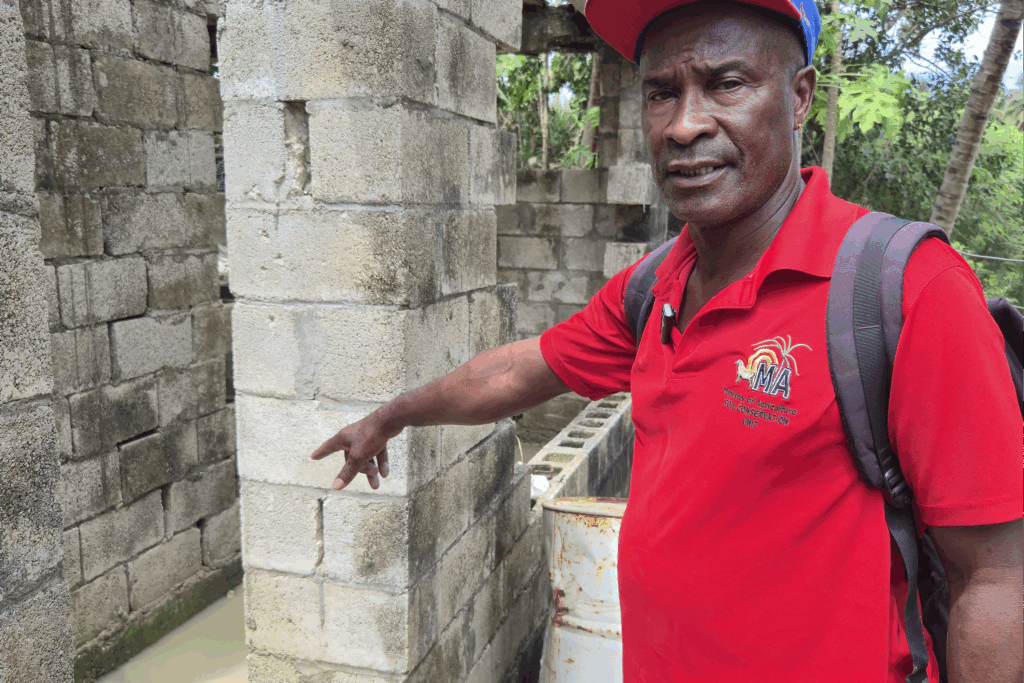
As yard turns to mud, St Andrew man blames drainage works
A St Simons homeowner, Keith Lowe, faced a distressing situation as relentless overnight rains transformed his yard into a muddy swamp, reigniting fears of flooding and sparking criticism of recent drainage modifications he claims have exacerbated the issue. On Tuesday, Lowe’s property in St Andrew, Barbados, was submerged in mud—a scenario mirrored in other parts of the island. The Barbados Meteorological Services (BMS) had issued a flash flood warning on Monday, predicting up to 50 millimetres of rain by Tuesday midday. Meteorologists cautioned that the heavy downpours could lead to severe runoff, soil erosion, and road blockages. Social media was flooded with images of the devastation, including Lowe’s own posts showing water encroaching beneath his home. Lowe recounted how water from the nearby road flooded his cellar, leaving behind thick mud. He expressed concern that continued rainfall could damage his home. Lowe attributed the flooding to recent road resurfacing and drainage changes, which he believes have redirected water toward his property. Despite his warnings to workers about the slope of his property, the kerb was lowered, worsening the situation. Lowe criticized the authorities for ignoring local input, stating, “We leave it to the experts, and the experts are failing at everything.” He also highlighted the placement of a new pipeline in front of his door, which has limited his ability to protect his home. By Tuesday evening, a government team visited the site, promising to raise the kerb and redirect water away from his property. However, with more rain forecasted, Lowe fears the measures may come too late. The BMS extended the flash flood warning until Wednesday morning, warning of potential flooding in low-lying areas due to saturated soils.
-
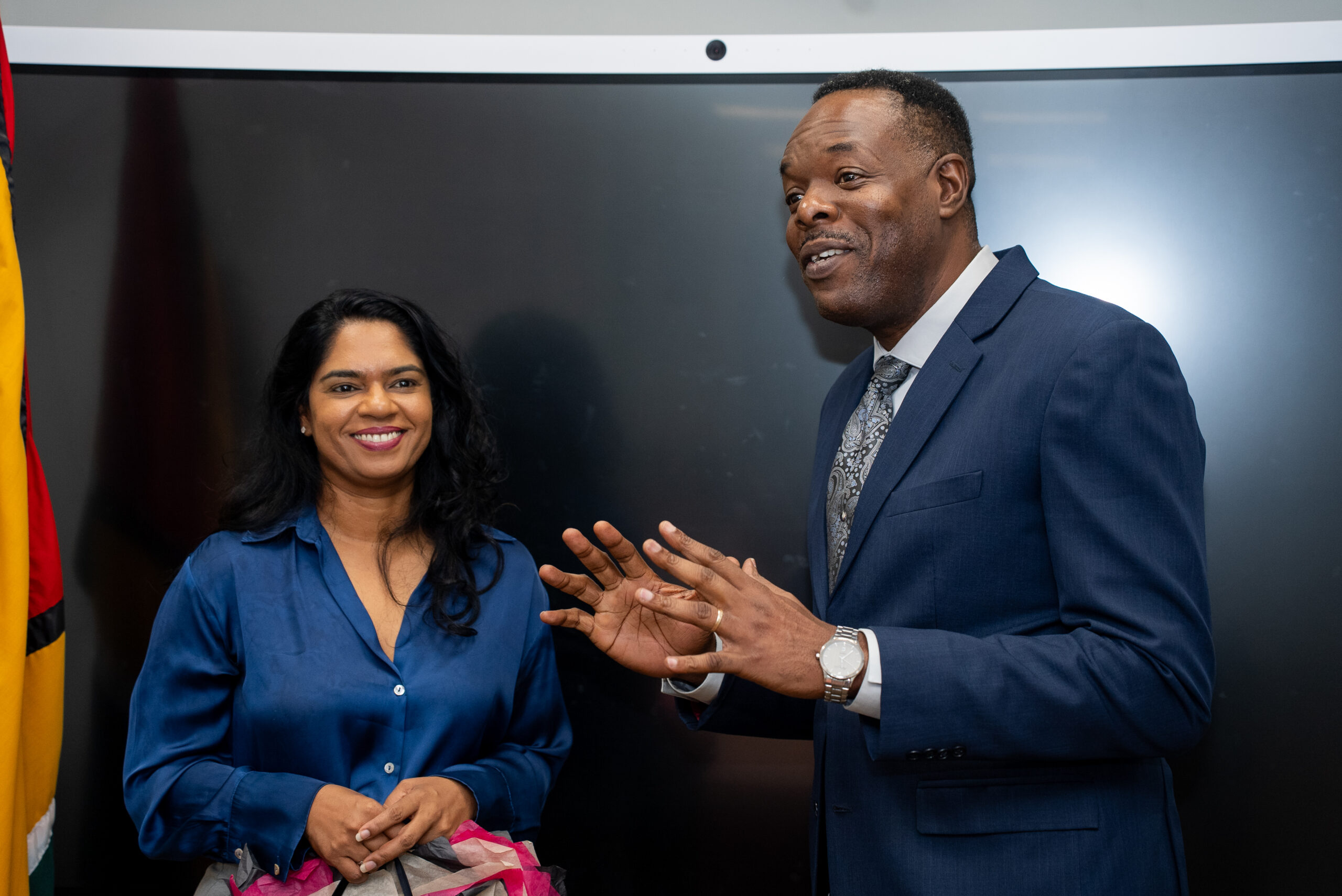
CXC engages Guyana on AI in education
The Caribbean Examinations Council (CXC) recently concluded a pivotal regional engagement series in Guyana (October 8-11), bringing together over 300 educators, students, employers, and stakeholders to deliberate on the ethical and responsible implementation of Artificial Intelligence (AI) in educational assessments. This initiative, part of CXC’s broader transformational agenda, underscores the organization’s commitment to aligning with the educational policy goals of its member states. Dr. Wayne Wesley, CXC Registrar and CEO, emphasized the importance of embracing AI responsibly during the sessions, which also highlighted innovations like the Caribbean Targeted Education Certificate (CTEC). This modularized qualification aims to expand access to certification for out-of-school youth, part-time students, and adult learners. During a courtesy visit to Guyana’s Minister of Education, Sonia Parag, Dr. Wesley outlined CXC’s ongoing AI initiatives, which align with the Ministry’s strategic objectives. Parag praised CXC’s efforts, noting their consistency with national educational priorities. The engagement series, which began in Barbados in mid-September and extended to Jamaica, Trinidad and Tobago, and the OECS, will culminate in an online webinar on October 17. Dr. Nicole Manning, CXC’s Director of Operations, lauded the overwhelming participation and constructive dialogue across the region. Key outcomes include a consensus on allowing students to use AI tools for ideation and enhancements in their School-Based Assessments (SBAs) for the May-June 2026 examinations, provided proper referencing is maintained. Looking ahead, CXC will host a Regional Education Conference in Jamaica (October 28-30) in collaboration with the Ministry of Education, Youth, Skills, and Information. Titled ‘Navigating the Digital Age: Rethinking Teaching, Learning, and Assessment,’ the conference will convene top Caribbean educators to strategize on advancing the region’s educational transformation agenda.
-
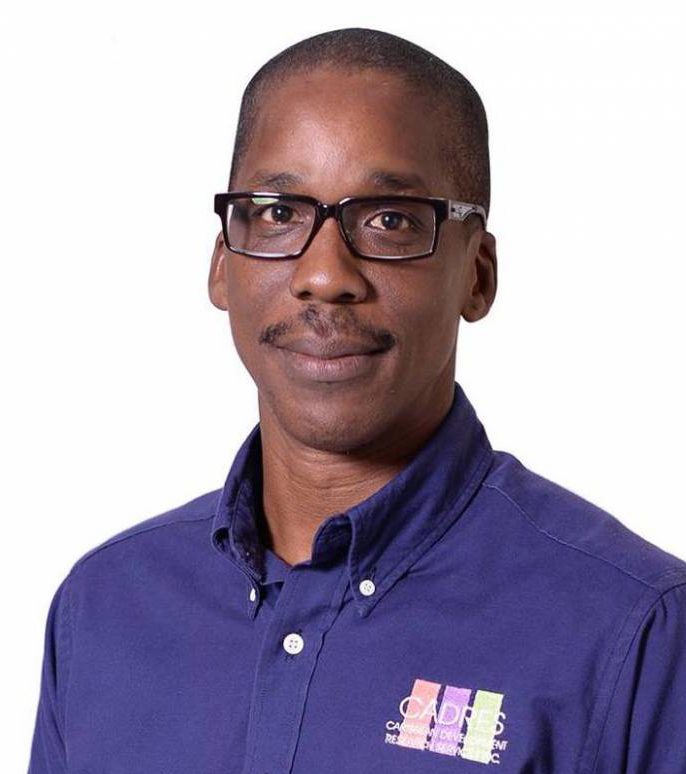
New migration bill to ‘boost economy, population’
As Barbados’ Parliament deliberates the Caribbean Community (Free Movement of Nationals) Bill, political experts highlight the potential of regional labor mobility to address demographic challenges and stimulate economic growth. Peter Wickham, a prominent political scientist, emphasized that the initiative aligns with Barbados’ long-term economic objectives and regional integration commitments. ‘The Prime Minister has expressed a clear goal to significantly increase the population, and I fully support this strategy,’ Wickham stated. ‘There’s a direct correlation between population size and GDP growth. By attracting working-age individuals, we can enhance economic activity, bolster Social Security contributions, and create a win-win scenario.’ Wickham also refuted Opposition Leader Ralph Thorne’s claim that the bill is unrelated to the creation of a single market. ‘The notion that free movement of goods is more critical than labor mobility is misguided. In service-driven economies like ours, the movement of people is far more essential,’ he explained. He noted that Barbados, Belize, Dominica, and St Vincent and the Grenadines are spearheading the agreement due to their political stability and underpopulation. ‘These countries share common advantages, and I hope others will follow suit in due course,’ Wickham added. Deveron Bruce, another political scientist, echoed the importance of population growth in sustaining economic vitality, particularly given Barbados’ declining birth rates. ‘We’ve observed a worrying trend in reduced birth rates and declining youth populations, which impacts economic sustainability,’ Bruce remarked. ‘Population growth is vital for maintaining demand, creating opportunities, and driving prosperity.’ However, Bruce cautioned that the policy must address wage competition concerns. ‘In sectors like home care and construction, there’s a risk of wage suppression if workers undercut local expectations. The government must proactively safeguard workers’ interests while promoting migration as a growth catalyst,’ he advised. Both experts agree that while regional labor mobility offers significant economic benefits, careful implementation is crucial to ensure equitable outcomes.