标签: Barbados

巴巴多斯

  • Buying from smallholder farmers strengthens food security in Latin America and the C’bean

    Buying from smallholder farmers strengthens food security in Latin America and the C’bean

    A groundbreaking United Nations study reveals that redirecting public food procurement to local family farmers represents a transformative strategy for enhancing food security, diversifying diets, and stimulating inclusive economic growth across Latin America and the Caribbean. The comprehensive report, jointly presented by the World Food Programme (WFP), the Food and Agriculture Organization (FAO), and the Economic Commission for Latin America and the Caribbean (ECLAC), demonstrates how structured government demand can create sustainable markets for small-scale agricultural producers who constitute 81% of the region’s farming operations.

    Despite accounting for the overwhelming majority of agricultural holdings, smallholder farmers face persistent structural challenges including limited market access, low productivity rates, and heightened vulnerability to extreme weather events. The UN agencies propose that strategic public spending directed toward this sector can simultaneously address multiple development objectives while providing cost-effective solutions to nutritional challenges.

    The region has made notable progress with 1.5 million people escaping hunger in 2024, yet significant challenges persist with approximately 181.9 million individuals unable to afford a healthy diet and rural poverty remaining endemic. UN officials emphasize that local procurement policies offer a dual benefit by leveraging existing public budgets while fostering broader economic and social development.

    FAO’s Assistant Director-General for Latin America and the Caribbean, Rene Orellana Halkyer, highlighted that “promoting local public food procurement from smallholder farmers has become a key policy direction. This strategy redefines how public spending can drive development and improve nutrition while directly addressing structural barriers faced by small producers.”

    WFP Regional Director Lola Castro characterized public procurement as “more than a supply mechanism—it’s a powerful policy tool for inclusion and resilience.” She noted that “short chain and zero kilometer foods multiply economic opportunities for communities, safeguard culinary heritage, and contribute to public health since produce reaches consumers at peak ripeness with enhanced nutritional value.”

    The report documents substantial benefits in implementation areas, with participating producers increasing incomes by up to 106% and female participation in public food markets surging from 23% to 61%. Countries like Honduras and Guatemala generated 478 jobs for every million dollars invested through these programs.

    ECLAC’s director of Productive and Business Development Division, Marco Llinás, emphasized that “connecting producers to markets is not enough; policies must strengthen productive, technological, and organizational capacities to ensure sustainable integration into value chains while reducing consumer prices and enhancing food security.”

    The study concludes that maximizing impact requires synergistic approaches combining public procurement with advancements in science, technology, innovation, and human capital development. The publication provides policymakers, development agencies, and civil society organizations with evidence-based frameworks for integrating local food procurement into national food security and rural development strategies.

  • ICBL donates $50 000 to support five charities

    ICBL donates $50 000 to support five charities

    In a significant demonstration of corporate social responsibility, Insurance Corporation of Barbados Limited (ICBL) distributed $50,000 in charitable contributions to five nonprofit organizations during a ceremony at its Roebuck Street headquarters on Wednesday. The strategic philanthropic initiative targeted organizations addressing Barbados’ most pressing health and social welfare challenges.

    ICBL CEO Goulbourne Alleyne presented $10,000 checks to representatives from The Salvation Army, Variety – The Children’s Charity, the Heart and Stroke Foundation, the Barbados Cancer Society, and the Diabetes and Hypertension Association. Alleyne emphasized that despite encouraging economic indicators showing 2.7-3% GDP growth, many Barbadian families continue facing substantial hardships that require community support.

    The selected organizations were recognized for their decades of consistent service and measurable impact on vulnerable populations. Alleyne noted that their work frequently represents “the critical difference between hardship and hope, between despair and survival” for countless citizens.

    Richard Alleyne of the Diabetes and Hypertension Association, celebrating its 50th anniversary, accepted the first donation while highlighting the disproportionate burden non-communicable diseases place on Queen Elizabeth Hospital’s resources. He expressed appreciation for corporate partners “willing to give back to the society that made them successful.”

    Sharifa Yard, administrator of the Barbados Cancer Society, detailed how ICBL’s sustained support enables critical outreach programs promoting early detection of prostate, cervical, and other cancers while supporting affected families and children across the island.

    Greta Yearwood of the Heart and Stroke Foundation underscored the urgent national health crisis, revealing that cardiovascular disease alone accounts for nearly 30% of deaths in Barbados. The partnership with ICBL funds essential screenings, health education, and life-saving interventions that directly address this epidemic.

    Jacqui McDermott of Variety – The Children’s Charity, marking thirty years of service, emphasized the donation’s immediate impact during the holiday season, noting that many assisted children face difficulties “through no fault of their own.”

    Major Robert Pyle of The Salvation Army, reflecting on the organization’s 127-year presence in Barbados, shared impressive operational statistics: 1,076 food hampers distributed, 12,640 people provided with essential goods, and 36,444 meals served through feeding programs between January and September alone. He credited these achievements to dedicated donors like ICBL.

    The contributions form part of ICBL’s comprehensive year-round philanthropic program supporting civic groups, sports development, education, and disaster relief initiatives. With Christmas approaching, CEO Alleyne reaffirmed that community upliftment remains central to ICBL’s corporate identity, stating: “We believe that when those around us strive, our nation thrives. And when they struggle, it’s our duty to stand with them.”

  • Small biz owners warn of barriers to growth

    Small biz owners warn of barriers to growth

    Entrepreneurs in Barbados are expressing significant concerns about systemic barriers preventing business expansion, identifying limited capital access and insufficient administrative support as primary obstacles. These revelations emerged during the Innovation Growth Market (IGM) 200 event at Hilton Resort Barbados, where business owners detailed their struggles with financial institutions and operational challenges.

    Sasha Archer, Creative Director of digital marketing firm On Brand Global, emphasized the critical need for capital to secure talent and facilitate scaling. “Banking in Barbados is horrible,” Archer stated bluntly, noting that financial constraints are hindering both domestic operations and international business connections. She identified a need for approximately $2.5 million Barbados dollars in capital injection to properly scale operations, particularly for her newly launched content studio, The Space by On Brand Global, which aims to produce regional and international marketing content.

    Rhea Corbin Hart, owner of EDbR Collective and EDbR Party Box, highlighted a different but equally critical challenge: administrative overload. Hart explained that managing multiple roles—from accounting to creative direction—consumes time that should be dedicated to strategic growth. “Even if I got the money right away, I still wouldn’t be able to scale without proper administrative support,” she noted, identifying an administrative assistant as her immediate priority.

    Fitness entrepreneur Thorn Wood of Vibe Lifestyle and Fitness raised concerns about the narrow lending criteria of financial institutions, particularly for service-based businesses. With over 15 years of experience, Wood argued that lending institutions favor traditional sectors like manufacturing and exports while overlooking service businesses. Despite these challenges, Wood is preparing to open his first recreational facility in January at Hayman’s Market with ambitions to expand throughout the Caribbean region.

    All three entrepreneurs are participating in the two-day IGM 200 Workshop with hopes of finding solutions to these persistent barriers to growth.

  • Vendors, meeting demand at school gates, say health drive ‘challenging’

    Vendors, meeting demand at school gates, say health drive ‘challenging’

    Barbados’ ambitious School Nutrition Policy faces formidable challenges at the very gates it aims to transform, where vendors navigate the complex intersection of government mandates, children’s preferences, and economic survival. Despite ministerial assurances of island-wide compliance checks, frontline sellers report significant resistance from young consumers who consistently reject healthier alternatives in favor of sugary staples.

    Across multiple primary schools in St. Michael and Bridgetown, vendors maintain thriving businesses built on Takis, Cheetos, brightly colored jellos, and snow cones—items directly contradicting the government’s nutritional guidelines. Vendor Nicole Maynard exemplifies this dilemma, having attempted to implement healthier options only to witness students migrating to competing shops offering preferred snacks. ‘The children want what they want,’ Maynard explained. ‘Their parents come and get stuff for the children too, so we don’t have no control over that.’

    The economic imperative compounds nutritional challenges. Anonymous vendors revealed that commercially viable items rarely align with policy recommendations, creating financial disincentives for compliance. One vendor noted that even when offering fruits like apples and bananas, children routinely discard them, while parents actively purchase sugary treats against policy guidelines.

    Minister of Educational Transformation Chad Blackman has framed the initiative as critical public health intervention, citing Barbados’ ‘non-communicable disease epidemic’ and emphasizing that childhood eating patterns will determine the nation’s future health outcomes. Blackman plans personal face-to-face compliance checks, acknowledging his own childhood dietary imperfections while maintaining that vendors must prioritize healthy items because ‘the whole country pays the cost.’

    Vendors propose alternative approaches, suggesting increased physical activity during school hours might achieve comparable health benefits. Meanwhile, they continue balancing policy requirements with market realities, offering token healthier options while relying on popular unhealthy sellers to sustain their livelihoods. The outcome remains uncertain as Barbados attempts to transform children’s eating habits against deeply entrenched preferences and economic practicalities.

  • Maritime industry turns to data for climate policy shift

    Maritime industry turns to data for climate policy shift

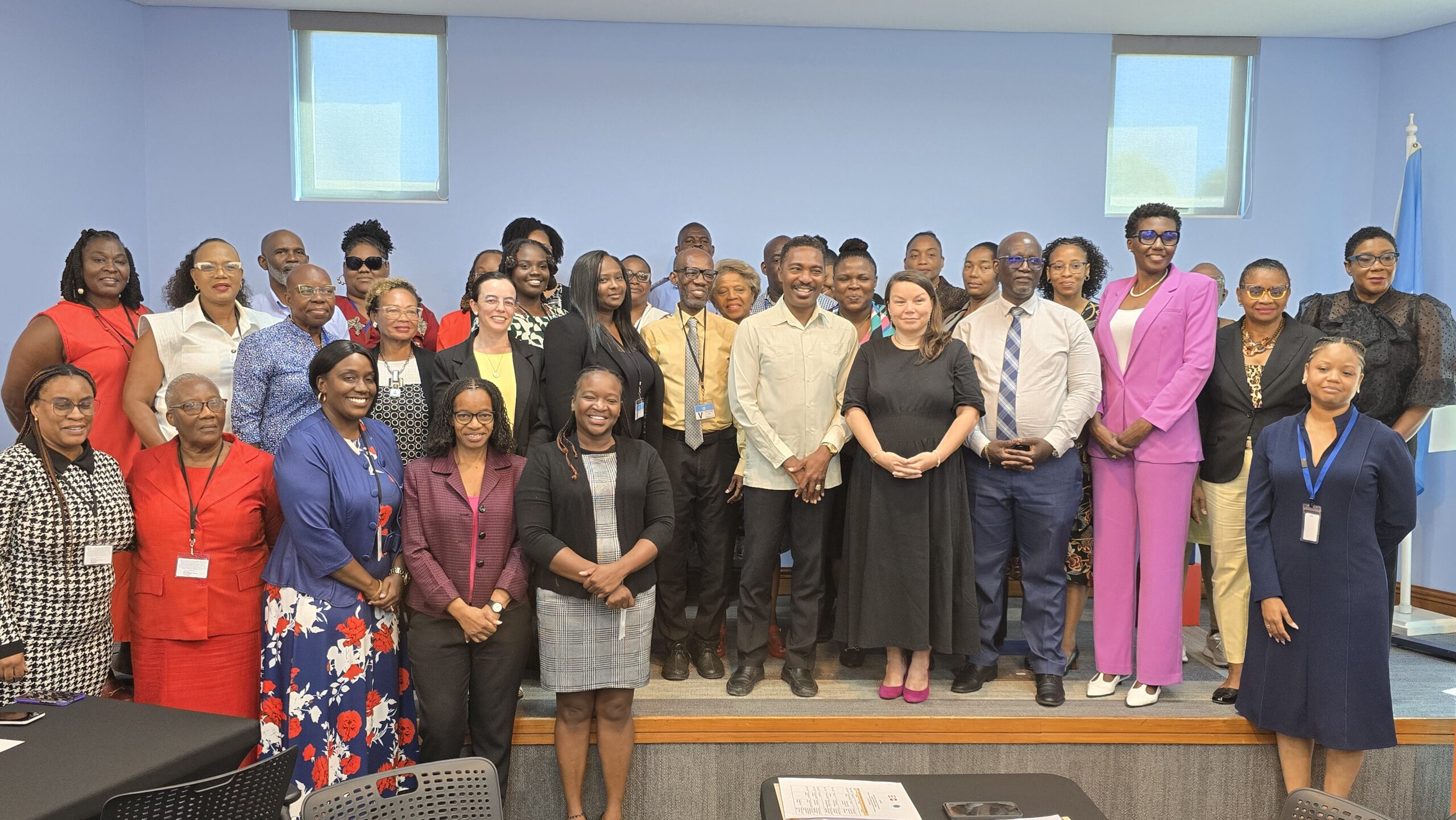
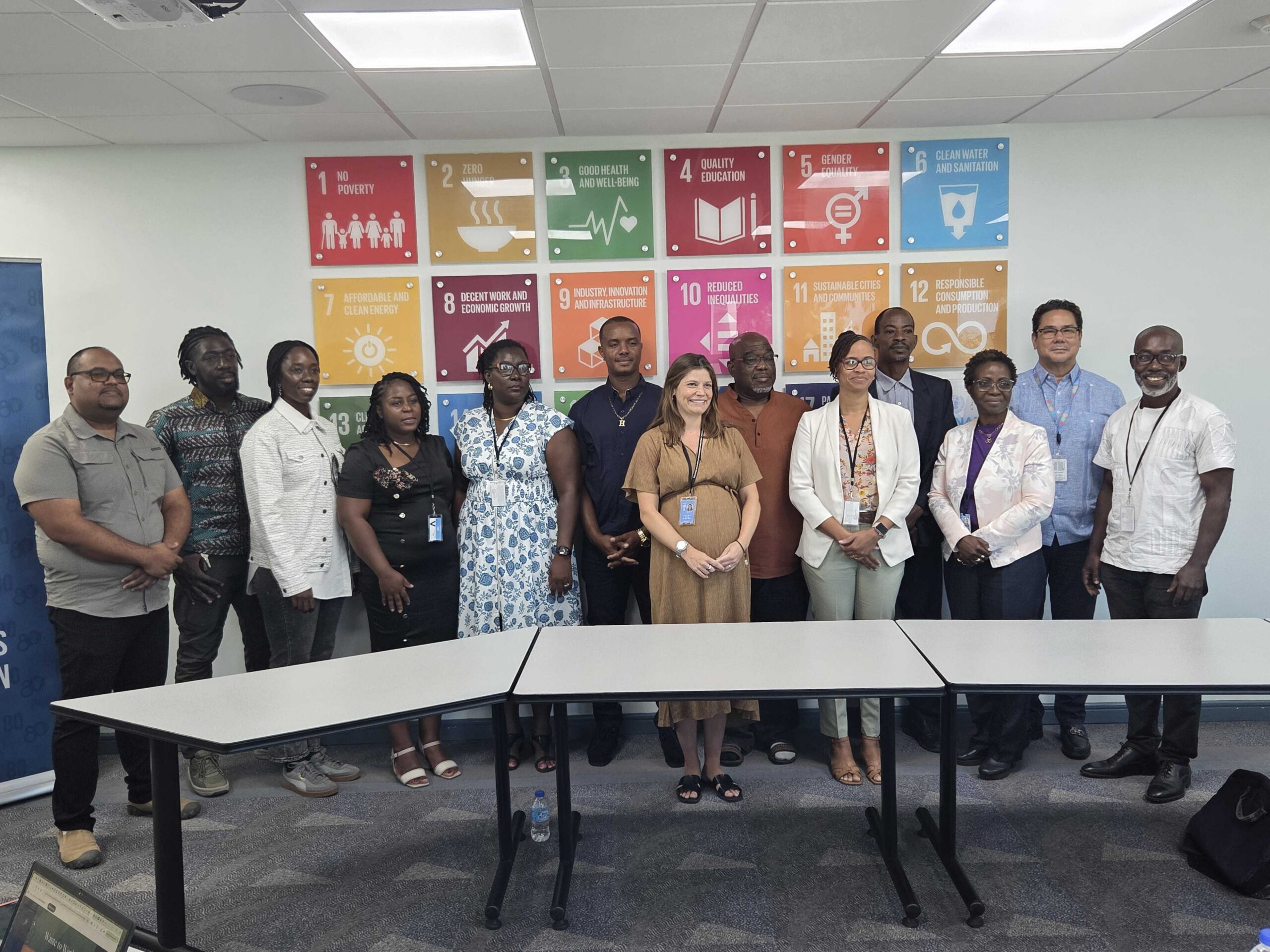
    Barbados is pioneering a data-driven transformation of its maritime sector to address escalating climate vulnerabilities and trade disruptions. Government officials and statistical experts convened this week for a strategic national workshop focused on integrating artificial intelligence and advanced data analytics into national policy-making frameworks.

    The initiative, titled “Evidence-based Climate Action through Artificial Intelligence and Data Innovation for Caribbean SIDS,” represents a significant step in modernizing the island nation’s approach to complex environmental and economic challenges. The two-day conference at UN House brought together stakeholders committed to revolutionizing how Barbados navigates its maritime future.

    Janelle Scantlebury-Mounsey, Senior Statistician at the Barbados Statistical Service, emphasized the critical intersection of data science and maritime governance. “Our region confronts intensifying climate vulnerabilities, increasing competition for marine resources, and unprecedented pressures on global supply chains,” she stated. “The growing international interest in Caribbean maritime space makes high-quality statistical intelligence more valuable than ever before.”

    The workshop highlighted innovative methodologies combining satellite-derived Automatic Identification System data with traditional information sources. This integration enables real-time vessel tracking and creates new frameworks for measuring greenhouse gas emissions with unprecedented accuracy. Scantlebury-Mounsey stressed that such approaches must adhere to international standards to ensure data integrity throughout its lifecycle.

    Participants were urged to embrace three fundamental principles: quality assurance for reliable and timely data, inter-agency collaboration for seamless information sharing, and sustainable investment in statistical infrastructure for future generations. This comprehensive approach positions Barbados to make evidence-based decisions in international negotiations, climate resilience planning, and maritime policy development.

    The workshop represents a paradigm shift from assumption-based governance to precision policy-making, potentially establishing Barbados as a leader in data-driven climate adaptation among small island developing states.

  • Fisheries officials call for better data to drive energy transition

    Fisheries officials call for better data to drive energy transition

    Barbados is confronting the environmental and economic vulnerabilities of its marine industry’s fossil fuel dependence through enhanced data-driven strategies. At a pivotal two-day workshop hosted at UN House, national and international experts gathered to launch the National Enhanced Statistics for Evidence-Based Climate Action in Maritime Trade, Transport and Fisheries initiative.

    Chief Fisheries Officer Shelly-Ann Cox revealed startling data indicating substantial diesel consumption within the sector. Analysis from a single diesel pump at the Bridgetown Fisheries complex demonstrated an estimated annual usage of one million liters over a 12-year period. This quantification, while significant, represents only a fraction of total consumption as vessel operators frequently purchase gasoline from regular stations, creating substantial data collection gaps.

    Post-Hurricane Beryl assessments identified 217 active fishing boats, yet comprehensive energy usage tracking remains challenging. Despite these obstacles, the documented fuel demand provides compelling justification for exploring alternative energy sources to facilitate an equitable transition for Barbados’ fishing fleet.

    The fisheries policy framework already incorporates renewable energy incentives, including tax exemptions for green fishing projects and provisions within the Sustainable Fisheries Management and Development Act for energy efficiency certification. However, significant barriers persist, including biodiesel supply chain vulnerabilities, high infrastructure costs for charging stations at landing sites, and substantial capital investment requirements.

    Technological progress offers promising solutions, with 101 vessel monitoring systems now installed to gather critical operational data. Barbados has witnessed successful adoption of solar-powered battery chargers and growing interest in hybrid and electric marine engines among fishers. Emerging innovations in renewable ocean energy systems present additional opportunities for reducing fossil fuel dependence.

    Cox emphasized the necessity for policy development to scale alternative energy operations to meet the fishing fleet’s substantial diesel requirements. The workshop, organized by UNCTAD, provided a crucial platform for addressing these challenges and developing actionable recommendations to accelerate Barbados’ just energy transition.

  • Major aviation milestone with first maintenance certification

    Major aviation milestone with first maintenance certification

    Barbados has entered a new era in aviation capabilities with the historic certification of its first Approved Maintenance Organisation (AMO), positioning the island nation for enhanced technical capacity and global competitiveness in air transport.

    The Barbados Civil Aviation Authority (BCAA) granted full certification to Aviation Technical Services of Barbados Inc (ATSB), marking the first AMO establishment at Grantley Adams International Airport. BCAA Director General Tracey Forde-Bailey characterized this development as “an exceptional milestone” that carries significant responsibility for maintaining international aviation standards.

    The certification process, which typically requires 8-12 months for completion, was finalized ahead of schedule in 2024. Forde-Bailey emphasized that the five-phase approval procedure demanded strict adherence to International Civil Aviation Organisation standards alongside Barbados’ technical regulations, describing it as “an ambitious undertaking.”

    Beyond technical advancements, the AMO certification generates substantial national benefits. It establishes career pathways for emerging aviation professionals, stimulates future investment opportunities, and enhances Barbados’ commercial enterprise development. The achievement particularly strengthens Barbados’ strategic position as a Caribbean aviation hub, given its geographic advantage between North America, South America, and Africa.

    Industry experts highlighted the certification’s multifaceted impact. Dr. Kareem Yarde, Education Officer with the Barbados Aircraft and Aviation Services Company, praised ATSB’s “extensive and strenuous efforts” in achieving this milestone. Gerston Blenman, ATSB’s Director of Maintenance, noted the certification validates Barbados’ compliance with International Air Transport Association regulations, creating opportunities for job expansion into higher maintenance operations.

    The development also promises educational benefits, potentially attracting young talent from technical institutes like the Samuel Jackman Prescod Institute of Technology into aviation maintenance careers. As a certified line maintenance operator, ATSB can now perform transit checks for international carriers, leveraging Barbados’ strategic location as a transit point between major continents.

  • Shoppers advised to be aware of their surroundings

    Shoppers advised to be aware of their surroundings

    The Barbados Police Service has launched a comprehensive public safety campaign ahead of the festive season, with Crime Prevention Officer Inspector Roger Babb emphasizing heightened situational awareness as the primary defense against criminal activity. The advisory comes as increased shopping activity traditionally creates opportunities for perpetrators during the yuletide period.

    Inspector Babb outlined that individuals can significantly reduce their vulnerability to robbery through proactive protective measures. The comprehensive safety protocol includes maintaining constant environmental awareness, monitoring for suspicious behavior, and immediately relocating to populated areas if followed. The police recommend avoiding isolated pathways in favor of well-lit, high-traffic locations where collective presence provides inherent security.

    The guidance specifically cautions against displays of affluence that might attract unwanted attention, including conspicuous wearing of valuable jewelry or openly handling large sums of cash during transactions. Practical vehicular safety measures include having keys readily accessible when approaching cars and immediately securing doors upon entry.

    In the event of confrontation, authorities advise against resisting armed assailants while maintaining composure to evaluate evolving circumstances. Critical emphasis is placed on mentally documenting assailant characteristics for subsequent identification. The Barbados Police Service underscores the imperative of reporting all incidents immediately through emergency line 211 to facilitate rapid response and investigation.

  • EU ‘working’ on recyclables export drive

    EU ‘working’ on recyclables export drive

    A Barbados-based recycling enterprise is poised for international expansion following remarkable royal endorsement of its innovative sustainable construction products. B’s Recycling, under Managing Director Paul Bynoe, has developed climate-resilient paving blocks manufactured entirely from repurposed waste materials including discarded plastic bottles and caps combined with sand and other reused components.

    These specialized pavers, capable of withstanding pressures up to 2,600 pounds per square inch (PSI), captured the attention of Dutch King Willem-Alexander and Queen Máxima during their recent visit to Curaçao. The royal couple expressed both surprise and admiration upon examining product samples, initiating preliminary export discussions with Dutch territories including Curaçao and potentially the Netherlands mainland.

    The international interest stems from a strategic partnership with Martijn Kampshoff, founder of Fuse Kitchen, who supplied the specialized machinery for paver production. While negotiations remain in early stages, Bynoe confirmed the royal household’s enthusiasm for developing a comprehensive trade package that could include additional product lines beyond the current pavers.

    To meet anticipated international demand, B’s Recycling is transitioning from manual to automated production systems. The current manual equipment produces approximately 300 pavers daily, while the planned automated machinery promises more than double this output through streamlined ‘lock and load’ operation.

    Domestically, Barbadian consumers already benefit from reduced pricing at Kooyman hardware stores, which operates six locations across Dutch Caribbean islands. The company has secured production concessions that enable more competitive consumer pricing while maintaining product quality.

    Future expansion plans include February 2024 exports to Guyana, where private interest has emerged from residential construction projects. Additionally, the European Union has expressed formal support through Ambassador Fiona Ramsey, potentially providing both financial assistance and technical guidance for scaling recycling operations.

    International validation continues with recent endorsements from officials representing Spain, France, and Ireland during facility tours. Bynoe emphasizes that beyond financial support, the project benefits from valuable technical guidance that enhances local manufacturing capabilities using Barbados’ abundant solar energy resources.

  • Parents’ group urges clarity as ministry defends education cost disclosure

    Parents’ group urges clarity as ministry defends education cost disclosure

    The Group of Concerned Parents of Barbados has expressed conditional support for a government initiative to issue detailed cost letters for children’s education while raising significant concerns about potential misinterpretation. The organization acknowledged the Ministry of Educational Transformation’s worthy intent behind the transparency measure, recognizing that many citizens have taken free education for granted despite its substantial taxpayer funding.

    Spokesperson Paula Anne Moore provided personal testimony about the correlation between educational investment and academic performance, noting her own experience of working harder when paying substantial sums for her MBA compared to her more relaxed approach during her scholarship-funded undergraduate studies. She cited recent vandalism of school buses and systemic complacency as evidence of how easily the value of publicly funded education can be overlooked, especially given that major developed nations like the US, Canada, and the UK don’t guarantee free university education.

    However, Moore emphasized critical concerns about the communication strategy, warning that the initiative risks being misinterpreted without careful framing. She cautioned that some parents might mistakenly believe the government is implying families are indebted for their children’s education and that this debt is being magnanimously forgiven. The spokesperson stressed that Barbadians already understand education isn’t free, noting that taxpayer dollars funding the system come from their “blood, sweat and tears” through various taxation methods.

    Moore further warned the initiative could “open an unwanted can of worms” by raising legitimate questions about educational outcomes. With official recognition that the system is failing many children who leave school without proper certification or adequate literacy and numeracy skills, parents might reasonably question whether they’re getting value for their tax dollars and even request accountability through detailed performance reporting.

    The parents’ representative also expressed concern that focusing solely on financial costs risks “dehumanising the value of education” and urged consideration of whether this approach represents the best use of scarce resources. Despite these reservations, the group reiterated its strong support for the ministry’s broader reform agenda and efforts to fundamentally transform the education system for the benefit of all Barbadian children.