标签: Barbados

巴巴多斯

  • Rising interest in policing as recruitment fairs draw positive response

    Rising interest in policing as recruitment fairs draw positive response

    The Barbados Police Service is experiencing a remarkable surge in recruitment interest, with officials reporting dramatically increased application numbers following a series of career fairs designed to attract new talent and bolster departmental ranks.

    Acting Commissioner Stephen Herbert, overseeing Human Resources and Administration, characterized the recent recruitment event at Weymouth, St Michael as an extraordinary achievement. He noted substantially higher application volumes compared to previous recruitment cycles, interpreting this enthusiastic response as public endorsement of the service’s ongoing transformative initiatives.

    “This growing momentum is tremendously encouraging for our organization,” Herbert stated during Saturday’s opening ceremony for another recruitment fair at Golden Square in Bridgetown. “It strengthens our confidence that Barbados’ policing future appears both bright and promising.”

    The service currently seeks to fill approximately 250 vacancies spanning diverse operational areas including frontline policing, investigative divisions, community outreach programs, and administrative support functions. Herbert emphasized the critical nature of this recruitment campaign, directly addressing citizens: “The significance of this initiative cannot be overemphasized. Our nation requires your service. There exists a position for every dedicated individual within our ranks.”

    The interactive weekend event enabled attendees to engage directly with officers from various departments, explore potential career trajectories, and gain firsthand perspectives about policing challenges and rewards. Among those participating was Acting Deputy Commissioner Sonia Boyce, who made history as the first female appointee to this senior position.

    Reflecting on her groundbreaking achievement, Commissioner Boyce remarked: “We frequently hear discussions about shattering the proverbial glass ceiling. I believe I have genuinely entered that sphere and am profoundly grateful for this service opportunity at the highest level.”

    The police service has announced additional recruitment fairs scheduled for early next year in Speightstown, St Peter and Six Roads, St Philip, continuing their comprehensive national outreach effort.

  • St George man to face court on gun and six other charges

    St George man to face court on gun and six other charges

    A 28-year-old resident of Ellerton, St. George is scheduled for arraignment today at the District ‘A’ Criminal Court following his arrest on multiple serious charges. Jarell Stefon Sutherland faces formal allegations connected to a late November incident that prompted a comprehensive police investigation.

    Law enforcement officials have filed five distinct charges against Sutherland, including one count of illegal firearm possession. The most severe accusations involve four separate counts of endangering human life through the alleged use of a dangerous weapon. The named individuals in these charges are Akeil Jackson, Sachin Etwaroo, Chad Bynoe, and Brandon Devonish, all of whom were reportedly placed in imminent danger during the November 27th event.

    Additionally, Sutherland faces two counts of criminal damage to property belonging to Janelle Russell and Patel Puckerin. The Barbados Police Service completed their investigation and formally charged the suspect, who remains in custody awaiting judicial proceedings. The case has drawn attention to community safety concerns in the St. George parish, with local authorities emphasizing their commitment to addressing violent crime through rigorous enforcement of firearms legislation.

    The upcoming court appearance will determine the trajectory of the legal process as prosecutors prepare to present evidence supporting the multiple felony charges. Legal experts note that each endangering life charge carries potential significant prison time if convicted, separate from penalties associated with the firearm and property damage allegations.

  • A vision for a prosperous Barbados

    A vision for a prosperous Barbados

    Despite facing significant headwinds including global pandemic disruptions, volcanic ash fallout from neighboring eruptions, and geopolitical tensions affecting oil prices and currency stability, Barbados has demonstrated extraordinary economic resilience since 2018. The Central Bank of Barbados has documented 17 consecutive quarters of sustained expansion through the third quarter of 2025, marking a period of remarkable economic performance.

    Nevertheless, escalating living expenses continue to pressure many citizens, particularly those relying on fixed or limited incomes. This economic pressure raises critical questions about how to distribute the benefits of growth more equitably across Barbadian society.

    Economic analysts propose a multifaceted solution combining effective governance, balanced economic expansion, productivity enhancements, and strategic cost management. True governance excellence extends beyond daily administration to encompass visionary leadership that harmonizes efforts across public institutions, private enterprises, and labor organizations.

    The nation must intensify its strategic foresight capabilities—establishing clear, evolving long-term objectives while synchronizing policy frameworks, resource allocation, investment strategies, and innovation initiatives. Observers note an interesting paradox: while some Barbadians exhibit relaxed attitudes toward work and education domestically, they frequently demonstrate exceptional drive and ambition when working abroad, often juggling multiple jobs while pursuing educational advancement.

    This suggests untapped potential for systematically harnessing innate creativity and adaptability to cultivate a culture characterized by discipline, innovation, and entrepreneurial spirit. Envisioning a transformed Barbados reveals a nation where leadership makes courageous decisions focused on long-term national interests rather than short-term political gains.

    In this envisioned future, the private sector would drive advancement in tourism, construction, cutting-edge technology, renewable energy, and a dynamic export-focused entrepreneurial environment supported by micro, small, and medium enterprises. Simultaneously, the public sector would streamline regulatory functions and enhance service delivery, while trade unions would advocate for improved labor productivity tied to fair compensation structures.

    By embracing a disciplined social partnership model with leadership committed to the common good, Barbados could emerge as a regional beacon of innovation and progress while establishing itself as a Caribbean pillar of prosperity. The nation now seeks a benevolent catalyst to initiate paradigm transformation and accelerate equitable development processes suitable for small island states, embodying the principle that knowledge should drive continuous improvement.

  • The UN is fading — We should worry

    The UN is fading — We should worry

    The United Nations is confronting an unprecedented financial crisis that threatens to undermine its global operations. Secretary-General António Guterres has issued a stark warning to the General Assembly’s budget committee, revealing that the organization is rapidly approaching insolvency due to massive unpaid contributions from member states.

    Current financial records show that the UN ended 2024 with approximately $760 million in outstanding dues from previous years, while an additional $877 million allocated for 2025 remains unpaid. This combined deficit of $1.6 billion has forced the Secretary-General to propose drastic austerity measures for 2026, including a 15% budget reduction exceeding $577 million and the elimination of 2,681 positions—nearly one-fifth of the UN’s workforce.

    The funding shortfall disproportionately affects critical operations, including special political missions that maintain fragile peace processes and development programs essential for vulnerable nations. While some institutional inefficiencies exist, the primary cause of the crisis stems from unreliable financing patterns rather than mismanagement.

    Analysis reveals that the crisis originates from overreliance on major contributors, particularly the United States (assessed at 22% of the budget) and China (responsible for nearly 20%). Both nations have consistently delayed payments, with the U.S. citing domestic political debates over foreign spending and China tending to pay later in the calendar year. Several middle-income countries have also fallen behind on their financial obligations.

    The consequences are particularly severe for Small Island Developing States (SIDS) and climate-vulnerable nations in the Caribbean and Latin America. As climate impacts accelerate, UN development and adaptation programs are shrinking precisely when they’re most needed. Peacekeeping operations face similar constraints, operating with reduced resources and weakened mandates that compromise civilian protection capabilities.

    This financial instability mirrors challenges faced by other international organizations, including the Organization of American States (OAS), which has struggled with inadequate funding for over fifteen years. Both institutions face the paradoxical situation where wealthy nations effectively determine which programs survive through their payment patterns.

    Practical solutions exist, including treating timely payment of assessed contributions as integral to membership obligations and establishing financial buffers when liquidity falls below safe thresholds. Small states have the most to lose from a weakened UN and should lead by example in prompt payment while encouraging major contributors to fulfill their responsibilities.

    The alternative—a retreat from multilateralism—would create power vacuums likely to be filled by ad hoc coalitions with less transparency and legitimacy. As Ambassador Sir Ronald Sanders notes, when multilateralism weakens, the strong grow stronger while small states stand alone.

  • Drawing up the blueprint for the 15th Five-Year Plan and opening a new chapter of China-Barbados cooperation

    Drawing up the blueprint for the 15th Five-Year Plan and opening a new chapter of China-Barbados cooperation

    Beijing witnessed a pivotal political gathering as the 20th Central Committee of the Communist Party of China concluded its Fourth Plenary Session from October 20-23, 2025. The high-level meeting culminated in the official adoption of the Central Committee’s Recommendations for Formulating the 15th Five-Year Plan for Economic and Social Development, setting China’s modernization trajectory for the 2025-2030 period.

    The comprehensive blueprint positions green development as the cornerstone of China’s modernization strategy. Building upon remarkable environmental achievements—including establishing the world’s largest renewable energy system, leading global new-energy vehicle production for a decade, and contributing over 40% of worldwide new-energy patents—China now commits to accelerated ecological transformation. The plan outlines concrete measures to advance the ‘Beautiful China’ initiative through carbon neutrality targets, enhanced green technology cooperation, and support for global low-carbon economic development.

    Concurrent with environmental commitments, China reaffirmed its unwavering dedication to international openness despite growing global protectionism. With 400 million citizens in the middle-income bracket and accounting for approximately 30% of global manufacturing output, China pledges to expand institutional accessibility, promote trade innovation, and deepen high-quality Belt and Road cooperation. The strategy explicitly aims to shape ‘a more balanced, sustainable, and inclusive form of globalization.’

    The diplomatic dimension of the Five-Year Plan emphasizes China’s commitment to multilateralism amidst what officials describe as unprecedented global challenges. Noting record numbers of conflict-affected countries and a 35-year low in human development indicators, China positions itself as a champion of ‘a more just and equitable global governance system’ through strengthened UN cooperation and South-South partnerships.

    Barbados emerges as a illustrative case study of China’s international cooperation framework. Chinese investments have transformed Barbados’s infrastructure through electric bus fleets, hospital upgrades, and agricultural training institutes. As the first eastern Caribbean nation to establish diplomatic ties with China, Barbados represents the mutual benefits achievable through South-South cooperation, with both countries maintaining close coordination on climate governance and multilateral initiatives.

    Ambassador Zheng Bingkai concluded that China’s development strategy will ‘create vast opportunities for businesses worldwide’ while inviting international partners to join in building ‘a future of common prosperity.’

  • Inclusiveness in governance of trade unions

    Inclusiveness in governance of trade unions

    As fundamentally democratic institutions, trade unions operate through member-driven frameworks that prioritize legal compliance, financial transparency, and accountability under national legislation. These organizations embody governance principles including one-person-one-vote systems, fair electoral processes, and robust protection of speech freedoms, enabling active membership participation in strategic deliberations and policy formation.

    The critical importance of inclusive governance structures manifests through multiple dimensions: fostering internal solidarity, ensuring comprehensive workforce representation, enhancing decision-making quality, and securing long-term organizational sustainability. By guaranteeing representation across all demographic spectrums—including age, race, gender, disability status, and sexual orientation—unions strengthen their capacity to effectively advocate through collective bargaining, lobbying, and negotiation processes.

    Beyond membership consolidation, inclusive practices generate significant secondary benefits. Transparent governance correlates strongly with increased membership acquisition and retention, as participants value meaningful engagement in organizational operations and strategic planning. This participatory approach builds trust in leadership while reinforcing institutional credibility among both members and the broader public.

    In contemporary labor landscapes, unions must actively combat workplace discrimination through inclusive frameworks while advocating for equitable opportunity structures and influencing public policy toward societal fairness. The integration of social dialogue mechanisms remains essential for preventing organizational fragmentation and advancing working-class interests through strategic partnerships.

    The evolutionary trajectory for modern trade unions necessitates recognition that minority voice incorporation through inclusive governance not only aligns with democratic ideals but produces substantively superior outcomes across all operational domains.

  • CXC advocates greater access for visually impaired learners

    CXC advocates greater access for visually impaired learners

    In a significant move toward educational inclusivity, Caribbean Examinations Council (CXC) CEO Dr. Wayne Wesley has announced sweeping reforms requiring all educational publishers to produce materials in accessible formats compliant with the Marrakesh Treaty. The declaration came during a World Intellectual Property Organization workshop in Port of Spain, where Wesley addressed intellectual property experts, visually impaired community members, and library directors.

    The policy transformation will embed accessibility requirements into all publisher contracts, mandating braille, large print, and digitally accessible formats compatible with assistive technologies. Wesley emphasized that authorship selection will now prioritize creators who demonstrate explicit support for the Marrakesh Treaty provisions when prescribing texts for CXC syllabi.

    Statistical evidence underscores the urgency: Recent regional studies reveal over 0.1% of Caribbean children aged 5-16 experience blindness, with up to 0.3% having low vision. Specific national data shows 2.4% of Barbadian children under 18 live with visual impairment, while 64% of Trinidadian high school students have refractive errors requiring visual aids. Hearing impairment affects 4.9% of Jamaican students according to local research.

    The growing need is reflected in examination participation rates, with Special Arrangement Assessment requests increasing from 3,271 in 2024 to 3,444 across CAPE, CSEC, and CCSLC examinations scheduled for 2025.

    CXC’s multidimensional strategy includes advocacy campaigns urging Caribbean governments to formally adopt the Marrakesh Treaty, alongside comprehensive training programs for secondary educators. These initiatives will equip teachers with specialized knowledge and tools to support visually impaired and print-disabled learners effectively.

    Dr. Wesley framed accessible educational materials as both a moral imperative and strategic investment in human potential, concluding that ‘unlocking the full promise of the Marrakesh Treaty will empower all learners to read, learn, and thrive regardless of physical limitations.’

  • Minister defends letters on cost of education, nutrition checks

    Minister defends letters on cost of education, nutrition checks

    Barbados’ Minister of Educational Transformation Chad Blackman has robustly defended his ministry’s controversial initiative to inform parents about the substantial taxpayer-funded expenses underlying the country’s free education system. The move, which has drawn opposition criticism, forms part of a broader strategy to reinforce the value of education and enhance student welfare through improved nutritional oversight.

    Addressing attendees at St George Secondary School’s speech day, Minister Blackman articulated Barbados’ unique developmental philosophy: “Our nation lacks gold, bauxite, or substantial oil reserves. We are not a military power. Our superpower as Bajans resides in our intellect, ideas, and cognitive capabilities. When we invest in educating our youth, the entire nation ultimately benefits.”

    The minister emphasized that while education remains free at point of delivery, its substantial costs are collectively borne through taxation. “Comfort often breeds complacency toward valuable institutions,” Blackman noted. “Every renovated school, every trained teacher, every new facility represents investments paid not by parents at the delivery point, but by society through taxpayers. Recognizing this value remains essential.”

    With Barbados approaching its 60th independence anniversary next year, Blackman positioned the initiative as part of broader national reflection on educational investments. “Historical moments require helping citizens understand investment significance. Students must value both resources and opportunities.”

    The parental correspondence campaign—displaying zero balances for primary and secondary education while detailing actual costs—has faced opposition claims of being patronizing and failing to represent genuine accountability. Concurrently, the ministry is developing a national education tracker featuring individualized profile cards following each child from primary through secondary education, monitoring academic progression, technical skills, socio-emotional development, and personal interests.

    Regarding nutritional reforms, Minister Blackman reaffirmed his hands-on leadership approach: “I maintain direct engagement through ministry meetings and cabinet policy development, but when corrective action proves necessary, I personally visit sites to understand ground realities.”

    Citing Barbados’ escalating childhood obesity rates within a non-communicable disease epidemic, Blackman acknowledged unpopularity but stressed leadership persistence: “The ultimate objective remains preparing world-class Barbadian students equipped with values, discipline, and health to succeed globally.”

    Although health falls outside his ministerial portfolio, Blackman emphasized collaborative responsibility: “We are working with food vendors toward common solutions. Government recognizes vendors’ contributions, but now requires coordinated action to ensure children access proper nutritional alternatives.”

  • Payouts from ‘next week’ as govt mulls VAT holiday

    Payouts from ‘next week’ as govt mulls VAT holiday

    The Barbados Ministry of Finance confirmed on Friday that thousands of qualifying low-income taxpayers will receive financial relief this holiday season through the Reverse Tax Credit (RTC) program. The $1,300 payments are scheduled to commence distribution as early as next week, providing timely support during the Christmas period.

    Finance Minister Ryan Straughn announced that eligible recipients can expect direct bank deposits around December 18-19, coinciding with the government’s accelerated payroll schedule. “Once people have provided the correct bank account information, payments will go straight into their accounts,” Straughn stated. Those without banking facilities will receive physical checks through postal services, though with potentially longer processing times.

    The RTC constitutes an annual December disbursement designed to supplement household incomes during the festive season. Minister Straughn emphasized that late tax filers remain eligible for payments within a two-year window but encouraged timely submissions to expedite processing.

    In parallel developments, the government confirmed near-complete distribution of its one-time Solidarity Allowance, with over 200,000 taxpayers receiving $300 payments via electronic transfers or checks as of October. “We transferred all the money that National Insurance requested through the registration process,” Straughn noted, acknowledging minimal outstanding cases undergoing financial reconciliation.

    Regarding potential consumer relief measures, the Minister indicated that a VAT-free day remains under consideration despite economic improvements. Originally implemented during pandemic hardships, such measures now face evaluation against current economic indicators including tourism recovery, employment growth, and scheduled minimum wage increases in June and January.

  • Progress made with Barbados School Nutrition Policy

    Progress made with Barbados School Nutrition Policy

    Barbados is intensifying its national campaign to promote healthier dietary habits in schools through a comprehensive teacher training initiative. Deputy Chief Education Officer Julia Beckles emphasized that sustained commitment and unwavering consistency are crucial for achieving lasting change in student nutrition practices.

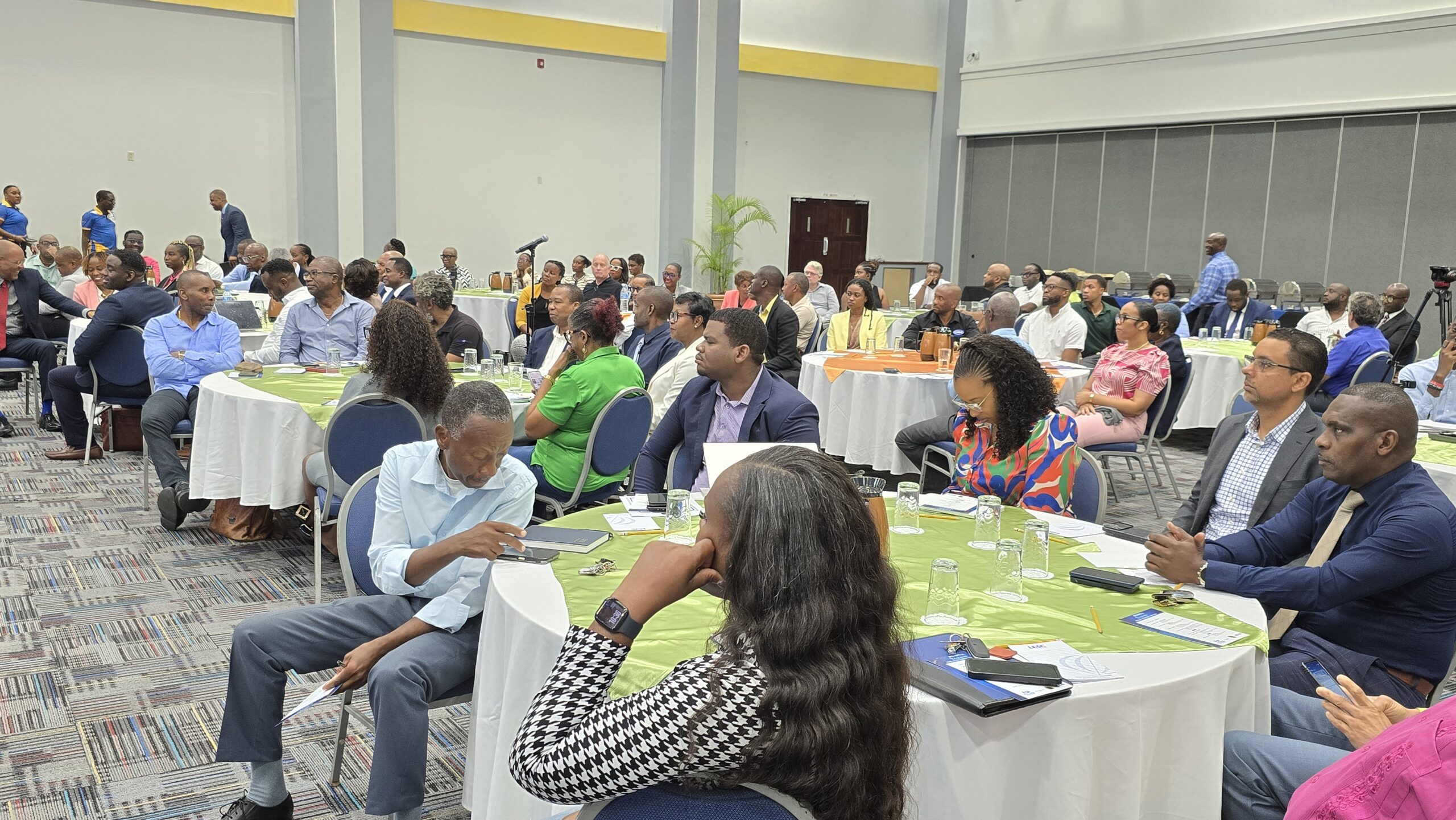
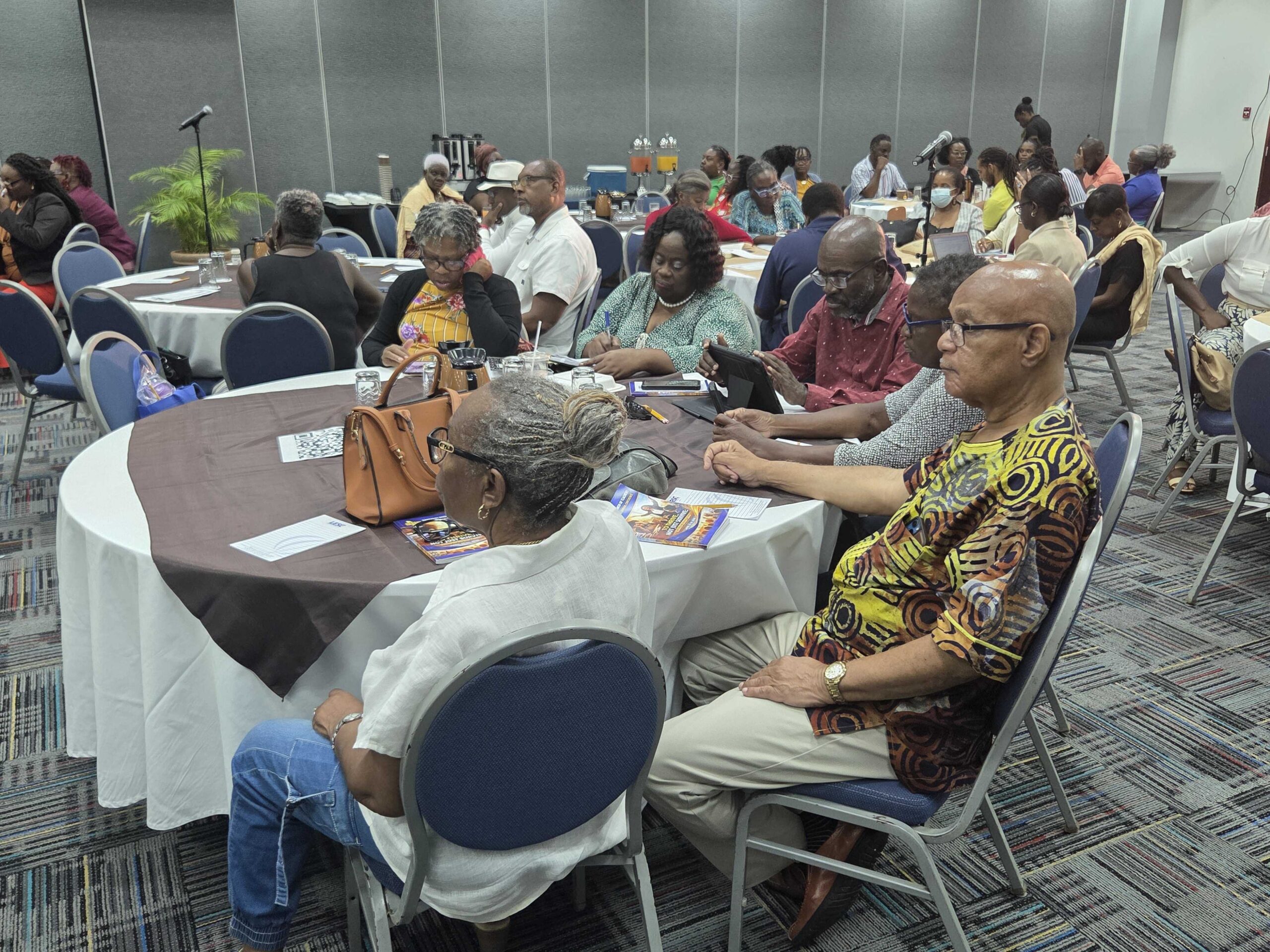
    Speaking at the inaugural Barbados School Nutrition Policy (BSNP) Teachers’ Capacity Training Workshop held at Erdiston Teachers’ Training College, Beckles acknowledged preliminary progress in beverage reformulation while stressing the need for continued effort. “We have been able to make some gains there… Consistency is important, and therefore we want to ensure that we are not doing what is right only when someone is looking,” Beckles stated.

    The education official issued a direct appeal to both school campaign coordinators and food vendors operating near educational institutions, urging them to “continue to do what is right in offering our students healthy alternatives” despite potential challenges or reduced oversight.

    Approximately 130 educators representing nursery, primary, secondary, and private institutions participated in the specialized workshop designed to support nationwide implementation of the nutrition policy. The training program forms part of a broader governmental strategy to cultivate healthier school environments, enhance policy execution mechanisms, and develop institutional capacity throughout Barbados’ education system.

    Curriculum modules addressed multiple facets of school nutrition improvement, including techniques for creating supportive food environments, integrating nutrition education into standard curricula, ensuring policy compliance, and developing collaborative strategies to reinforce healthy eating behaviors among students.

    Beckles commended participating educators for their dedication to the nutrition policy’s successful implementation, recognizing their frontline role in shaping the dietary habits of Barbados’ youth population.