
As communities across Barbados marked World Book Day this Thursday, a clear, urgent message took center stage at all public and school-hosted events: educational authorities cannot cultivate strong, confident readers without consistent support from parents. To mark the global celebration of books and reading, the Ministry of Education Transformation rolled out a full schedule of engagement activities, including interactive reading sessions for students across all early and primary campuses, and curated public displays at two of the island’s busiest shopping hubs, Sky Mall and Sheraton Centre. These showcases highlighted the range of ongoing national literacy initiatives and put student work on display for the general public. At the Sky Mall exhibit, organizers laid out the full scope of evidence-based tools now integrated into Barbadian classrooms, ranging from structured phonics-focused instruction to targeted reading comprehension strategies. Shamel Edwards, a peripatetic teacher with the Ministry of Education Transformation, used the event to directly appeal to caregivers across the island, emphasizing that in-school instruction can only go so far without home reinforcement. “Parents, parents, we need you. We need your support. The teachers can’t do it alone,” Edwards stressed. “We provide the learning environment and structured literacy instruction in school, but you are the key to building a lifelong love of reading at home. Read to your children, read alongside them, and give them space to read aloud to you.” Edwards added that World Book Day serves as a critical reminder that reading remains a foundational, relevant skill in modern life, pushing back against narratives that books are an outdated form of engagement. Current efforts center on reconnecting students to core literacy fundamentals while making reading a joyful, low-pressure activity, rather than just another academic task. Nursery and primary school students are taking part in daily read-aloud sessions, peer buddy reading programs, and curated book displays, with dedicated book clubs and cozy classroom reading corners used to spark organic interest in reading. “We’re not just reading to complete school work. We’re reading for pleasure,” Edwards explained. The day’s public outreach is part of a far broader national literacy push launched in September 2024, which targets literacy skill-building from as early as age three, through to the end of primary school at age 11. Janelle Little, Education Officer and National Literacy Lead, outlined that the strategy prioritizes structured, age-appropriate literacy instruction from a student’s first day in the education system. Ministry outreach teams have already completed visits to roughly 35 primary and early childhood institutions across the island, where they lead group reading sessions and track student progress. “Initial assessments revealed that the students have been responding positively to the new programming… we have already recorded some incremental growth in core reading skills,” Little shared. She added that the new initiative also introduces updated screening tools that allow educators to flag common learning challenges such as dyslexia far earlier, leading to faster targeted support. As part of her World Book Day activities, Little visited St Lawrence Primary School, where she read *In the Land of the Shak Shak Tree*, a local children’s story by Barbadian author Jade Small. The title was selected by ministry staff as part of a deliberate push to center local and Caribbean children’s literature in classroom programming. Lorraine Gittens, principal of St Lawrence Primary, said the impact of the new national literacy programs is already tangible on her campus. “We have seen a significant increase in the reading capacity and capabilities of our students,” Gittens said, crediting evidence-based approaches such as Jolly Phonics for the improvement. Echoing the central appeal of this year’s World Book Day events, Gittens emphasized that sustained progress relies on intentional partnership between schools and homes. “It is a balance… what we do here in school must be supplemented at home as well,” she said. “We are working hard to build stronger links with parents to ensure they reinforce the literacy skills and habits we teach in the classroom. We want every caregiver to get on board, so that all our students can get the maximum benefit from the programming we offer.”
标签: Barbados
巴巴多斯
-
St Thomas folk decry ‘tremendous dislocation’ as roadworks close third major artery
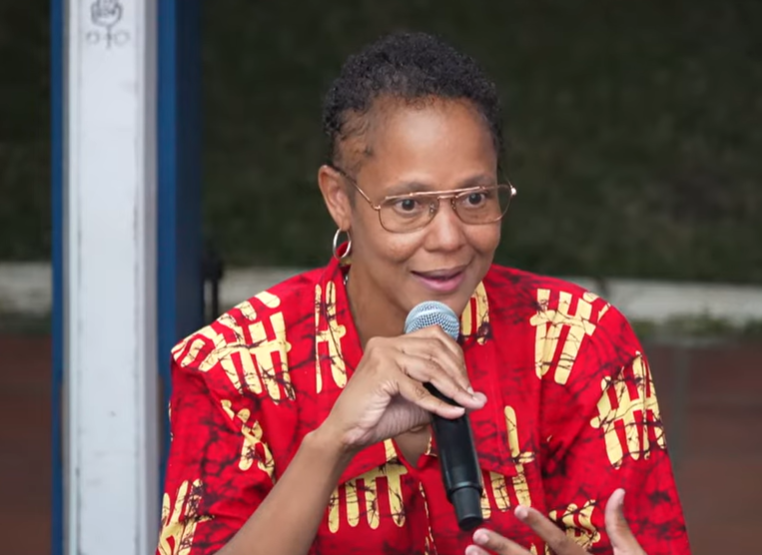
At a community policy forum held Wednesday night at Alexandra School in Speightstown, St Peter, former long-serving St Thomas Member of Parliament Cynthia Forde has sounded the alarm over a spiraling infrastructure crisis in her former constituency, triggered by the simultaneous closure of three major arterial roads. After stepping down from her parliamentary post earlier this year following decades representing the parish, Forde used the public gathering to lay bare the cascading disruption that has left local commuters with no safe alternative routes for daily travel.
“We already had two major arteries closed, and now a third has been shut down. The disruption is completely unprecedented,” Forde told attendees, outlining the crippling impact on local movement. With primary corridors closed for long-overdue repairs, motorists have been forced to divert onto narrow backroads including Jack-in-the-Box Gully and Hangman’s Hill – routes Forde described as inherently unsafe, particularly after dark due to a total lack of street lighting.
The former MP shared that she now avoids traveling within the parish after nightfall out of personal safety fear, and called on national authorities to immediately install new lighting along these diversion routes to cut the risk of crashes and criminal incidents. Beyond inadequate illumination, Forde also blasted the severely deteriorated condition of these secondary roads, noting that deep potholes – which she called large “craters” – are causing consistent damage to local residents’ vehicles, spurring daily complaints from frustrated commuters.
Forde also called out systemic failures in public communication around roadwork plans, pointing out that road closures are often implemented with little to no advance warning for affected communities. She pushed for more proactive, direct engagement between government agencies and the residents whose daily lives are upended by the infrastructure works. Among other long-running unaddressed issues in the parish, Forde highlighted Vaucluse Road, which has been used as an illegal dumping ground for years. She noted the site’s isolated location has already contributed to serious past safety incidents, and despite repeated community appeals, the problem has never been resolved, creating ongoing environmental and public safety hazards.
Responding to Forde’s concerns directly during the forum, Deputy Prime Minister Santia Bradshaw – who previously served as Minister of Transport and Works – did not push back on the criticism, instead openly acknowledging that St Thomas has suffered from systemic underinvestment in infrastructure for generations. “I have to agree that Cynthia is right; St Thomas has been neglected for many, many years, especially when it comes to our road network,” Bradshaw stated.
Bradshaw explained that while the current government has launched a slate of long-overdue road improvement projects across the parish – including upgrades to Cane Garden to Bridgefield Road, Shop Hill Road, and Prior Park – multiple unforeseen challenges have slowed progress dramatically. A core barrier, she noted, has been coordinating infrastructure upgrades alongside utility companies that manage century-old water mains running through the parish’s road corridors. These aging, undocumented water systems require extra work to relocate or repair as part of road projects, leading to repeated work stoppages and extended timelines.
“Some of these projects have started and stalled multiple times over the past few years because of the unexpected complexity that comes up when we start digging,” Bradshaw added. She also conceded that Forde’s criticism of poor communication with residents was valid, particularly given the large scale of ongoing works across the parish. The Deputy Prime Minister noted that after decades of chronic underfunding for St Thomas infrastructure, the government is essentially playing catch-up, and the combination of broad project scope, limited local contractor capacity, and the parish’s challenging terrain has made executing upgrades far more difficult than initially expected.
While offering a formal apology to residents for the extended disruption to daily life, Bradshaw outlined steps the government is taking to mitigate current issues, including deploying new pothole-patching equipment to address secondary road damage and adjusting traffic routing to ease congestion on diversion routes. She ended with a note of cautious optimism, saying that visible progress is finally starting to emerge after years of delay, and gave a formal commitment that the government would strengthen public communication about upcoming road closures and project timelines moving forward.
-
‘Human first’: Union, govt joint push for people-centred workplaces gains momentum
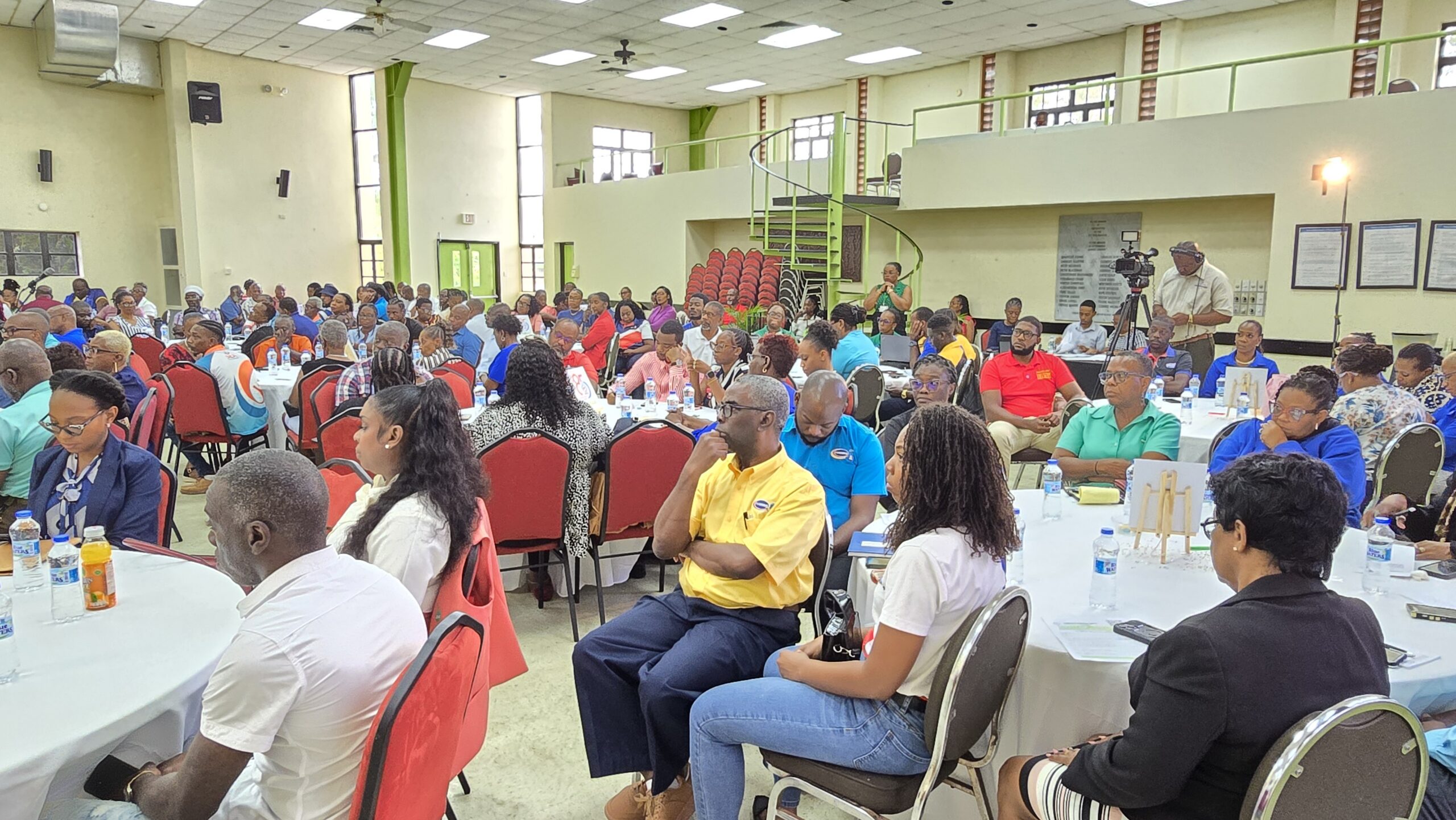
Amid rising job-related pressures and rapid technological transformation reshaping workplaces across Barbados, a growing movement to reframe work around human health and dignity gained momentum on Thursday, when both top government labor officials and union leaders gathered to demand stronger protections for workers’ mental and physical wellbeing.
The call for a balanced, human-first approach to work took the spotlight at the opening of the Barbados Workers’ Union (BWU)’s two-day Occupational Safety and Health 360 Conference, hosted at the union’s Solidarity House headquarters. The event convenes labor stakeholders to align local workplace practices with global guidelines set by the International Labour Organization (ILO), which has centered its 2024 policy focus on a people-centred, prevention-first framework for occupational safety and health.
Barbados Minister of Labour, Social Security and Third Sector Colin Jordan emphasized that ILO conventions and standards are clear: human workers must always take priority over machinery, capital, and other production inputs. “A human-centred approach to development, work, business and every productive effort means we must recognize that people are the foundation of every workplace,” Jordan explained. “They deserve to be treated very differently from inanimate tools like machines.”
Jordan stressed that this philosophy must be woven into every workplace policy and daily practice, noting that workers bring far more to their roles than just physical output. “When a person shows up to work, they are not a tool – they are a whole human being, bringing both their mind and their body to the job. We have to strike a balance between hitting production goals, working efficiently, and protecting the whole person whose labor powers every task,” he said.
The labor minister also drew attention to growing modern stressors, particularly the rise of digital technology, that are increasingly draining workers’ mental health even outside formal working hours. “Technology can leave us mentally exhausted when we clock out, so this year’s conference theme – ‘Mind, Body and Work in Balance’ – is more critical than ever,” he added. While Jordan acknowledged that striking this balance is no simple challenge, he noted that the conference provides a structured space for stakeholders to collaborate on solutions. “Like balancing worker protection and production, finding this equilibrium takes work, but it is achievable,” he said. “These 360 safety conferences give us space to talk through challenges and map out a path forward. We keep pushing for open social dialogue, where workers, employers and managers can talk meaningfully with a shared goal of doing what works for everyone.”
BWU General Secretary Toni Moore echoed Jordan’s call, reinforcing that the focus on holistic worker wellbeing aligns with the union’s core mission as it approaches its 85th anniversary. “When we talk about balancing mind, body and work today, we are not shifting to a new direction as we look ahead to our next 85 years – we are living out the core purpose of this union,” Moore said. “We are strengthening systems that protect workers physically, mentally and socially, to make sure the next generation of workers inherits safer, healthier, more humane workplaces than we have now.”
Moore pointed out that evolving work practices have steadily piled more pressure onto workers over recent decades. “You can see how work has changed: every year, employers expect faster output from teams. Even if you are physically and professionally able to meet the demand, that constant push raises the emotional stakes for every worker,” she explained. “On top of that, workers are dealing with rising cost of living stress, and new technologies that are completely redefining what our jobs look like.”
She added that workplaces are still adapting to post-pandemic shifts, including the rapid acceleration of digital adoption forced by COVID-19 public health measures. “We had talked about integrating technology for years, but COVID forced us to learn new tools overnight to stay connected to our teams – that’s been a real benefit in many ways, so I’m not saying new technology is all bad,” Moore noted. “But we have to keep it in balance. All these unregulated pressures show up in our minds first: burnout, anxiety, constant emotional fatigue. Then they show up in our bodies, as chronic illness and even preventable workplace injuries – when you’re stressed and distracted, you’re far more likely to trip, cut your hand on machinery, or have another avoidable accident. Worker stress is not an abstract issue – it’s a real threat to safety.”
Moore called for targeted training to help employers and supervisors spot early warning signs of mental health struggles among their teams, arguing that mental wellness must be treated as a core pillar of occupational safety, not an afterthought. “As leaders and industry partners, our job is to build work environments where people feel their mental health is supported, their bodies are protected, and work never pushes people past their breaking point,” she said. She closed by calling on all stakeholders to recommit to building safe, supportive workplaces that center worker dignity, alongside clear systems to protect work-life balance. Ultimately, Moore said, workplaces should prioritize “respect, rest, family life and human dignity” above constant productivity gains.
-
Kooyman hosts Home Fest at Kendal Hill location this weekend
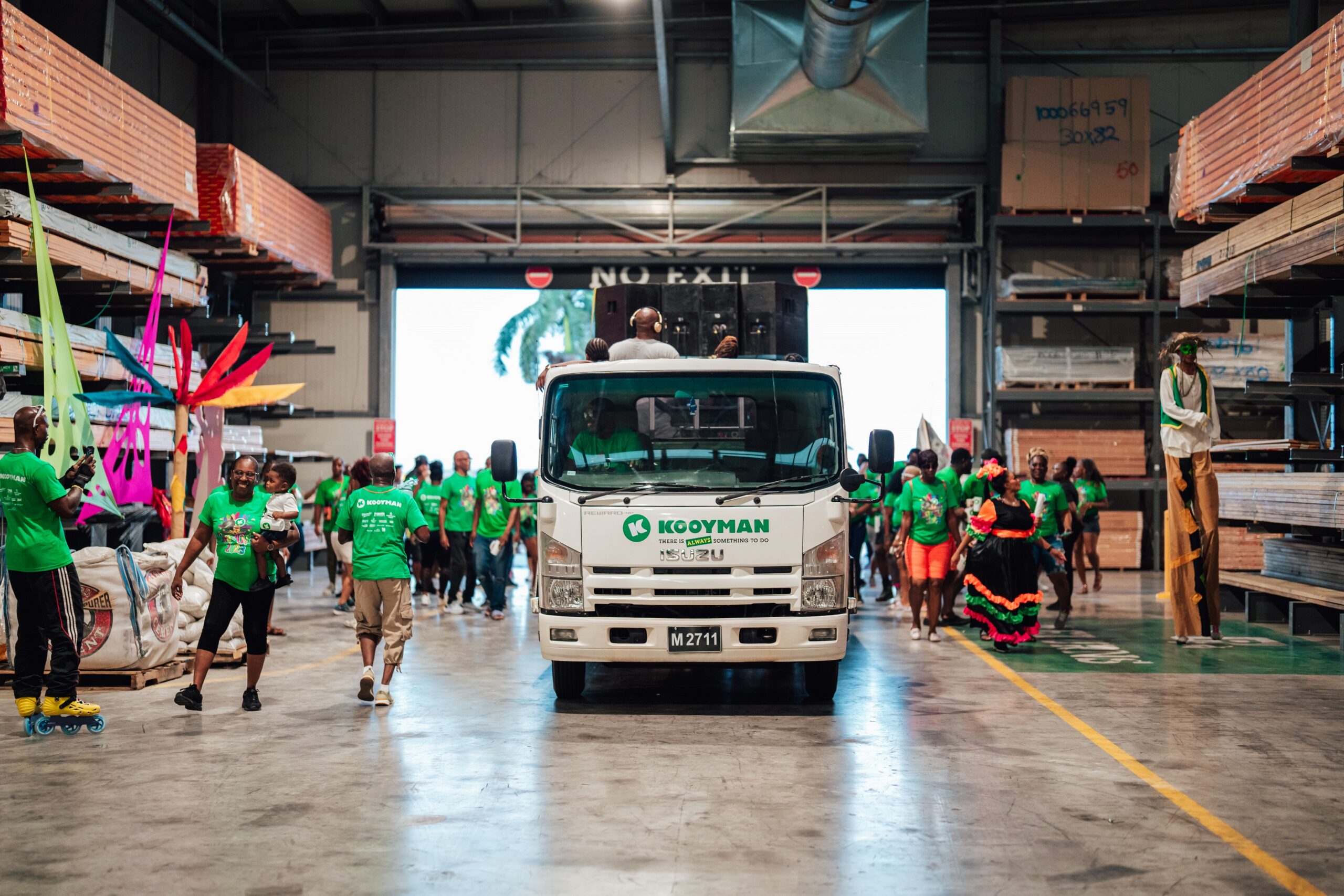
Kooyman, Barbados’ leading one-stop destination for building supplies, hardware, and home improvement products, is gearing up to launch its most anticipated in-person consumer event of the year—Kooyman Home Fest—scheduled to take place on April 25 and 26 at the retailer’s flagship Christ Church megastore.
Marking the company’s first in-store experiential event tailored to inspire casual homeowners, passionate do-it-yourself (DIY) hobbyists, professional contracting teams, and local families, the two-day expo is completely free for all attendees. Beyond exclusive, event-only discounts on a wide range of home goods, the gathering will pack in actionable home improvement tips, live product demonstrations, and previews of cutting-edge home product innovations.
The 10,000+ square foot Kendal Hill location will be completely reimagined as an interactive learning hub, with dedicated zones covering every core home category: from kitchen upgrades and bathroom renovations to interior paint, custom home decor, professional-grade tools, and outdoor living essentials. Unlike traditional trade shows that focus solely on pushing product sales, Kooyman Home Fest is designed to be a go-to source for actionable, expert-led guidance for attendees at every skill level. All activities, workshops, and complimentary in-store refreshments are open to the public at no cost.
For members of Kooyman’s loyalty program Fun Miles, the event adds extra opportunities to win big. Any member who spends $100 or more during Home Fest will be automatically entered into the event’s Shop & Win promotion, with a grand prize of a full four-piece residential sofa set. Secondary prizes include a $500 Kooyman gift card, 10,000 Fun Miles points, branded Kooyman cooler bags, portable foldable Kooyman grills, a Milwaukee wireless jobsite radio, and wellness vouchers from local partner The Chakra Spa Barbados that cover a manicure-pedicure package and a 30-minute massage. Loyalty members will also be able to earn bonus points for event purchases and spin an in-store Spin-to-Win wheel for instant small prizes. Consumers who have not yet joined the program can sign up for free either via the official Kooyman mobile app or on-site at the event to unlock these perks immediately.
Arlene Floro, Kooyman’s Marketing Officer, highlighted the unique value the event brings to Barbados’ local home improvement industry by facilitating cross-sector collaboration between global brands and local creators. “We’ve brought together major international names including Moen, Milwaukee Tools, Rust-Oleum, Bissell, O-Cedar, and Umbra alongside our in-house expert team, top local DIY influencer and entrepreneur Christian “ByKrishtun” Gibbs, the team behind Bajan Blend Egan Layne, wellness provider The Chakra Spa Barbados, interior designer Anna-Lysa Nicholls of Annalysed Interiors, and Chef Marvin Applewhaite,” Floro explained. “This is a one-of-a-kind opportunity for both vendors and attendees—everyone gets to see how cross-industry exchange sharpens skills and drives growth, which is exactly what Barbados’ home sector needs right now.”
Organizers project the event will draw hundreds of attendees spanning first-time homebuyers, long-time homeowners, DIY lovers, professional contractors, interior designers, and home decor enthusiasts. The packed schedule of hands-on workshops covers dozens of high-demand skills, including wall panel installation, wallpaper application, blind fitting, shelf mounting, kitchen cabinet assembly, tile laying, furniture painting, bathroom plumbing upgrades, drain maintenance, interior styling, outdoor space design, modern cleaning technology, custom closet planning, cocktail mixing, outdoor grilling techniques, and professional tool use with Milwaukee experts.
Beyond deals, workshops, and giveaways, the weekend will also feature live music to keep the atmosphere lively for attendees. While one grand prize winner will walk away with the top sofa set prize, event organizers note that every attendee will leave with new skills, inspiration, and access to exclusive discounts, making the event a win for everyone. For a full schedule of Home Fest activities, consumers can visit the official Kooyman website at kooyman.bb or check the Kooyman Barbados page on Facebook and Instagram.
-
BMCLA urges banks to rethink stance after US reclassifies ganja
Just days after the United States government made a historic shift in federal cannabis policy by reclassifying the substance from a heavily restricted Schedule I to a more lenient Schedule III controlled substance, Barbados’ top medicinal cannabis regulator is leveraging this global policy change to pressure local commercial banks to finally provide financial services to the island nation’s licensed legal cannabis operators. This long-running banking impasse has left the fledgling regulated industry locked out of basic financial services, even after the island legalized medicinal cannabis years ago.
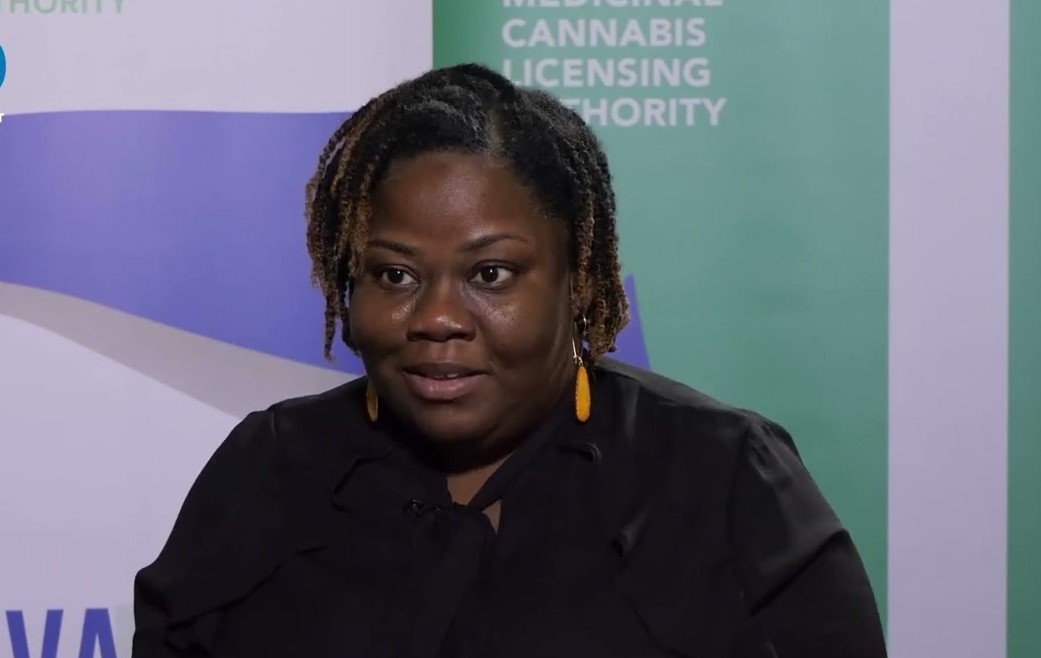
In an official statement released hours after the U.S. Department of Justice announced its rescheduling decision Thursday, Shanika Roberts-Odle, acting chief executive of the Barbados Medicinal Cannabis Licensing Authority (BMCLA), framed the U.S. move as a long-overdue validation of what Barbados’ Rastafarian community has argued for generations.
“This development represents a meaningful acknowledgment of what our Rastafarian brethren and many others have articulated for generations — that cannabis is a natural plant with significant medical and wellness potential,” Roberts-Odle said.
She noted that the U.S. policy shift is expected to resolve many of the persistent banking barriers that have hampered the legal cannabis industry across the United States, and she called on local Barbadian banks to use this global momentum to revisit their own blanket refusal to serve licensed local operators. Despite the policy shift abroad, Roberts-Odle acknowledged that the decision has not yet changed the official position of the Barbados Bankers’ Association, which has continued to bar accounts for cannabis companies.
“We implore the banking sector to take yet another look at this matter and to communicate with their correspondent banking partners toward the potential of allowing the banking of medicinal cannabis funds in Barbados,” she added.
The BMCLA chief said the regulator remains “cautiously optimistic” about the future growth of the local medicinal cannabis industry, as it continues to build out the sector aligned with evolving international standards, evidence-based regulation, and ongoing national stakeholder dialogue focused on advancing the public good. Currently, the BMCLA regulates just two fully licensed commercial medicinal cannabis facilities operating in Barbados: Island Therapeutics and Island Naturals. Roberts-Odle stressed that both operators operate in full compliance with the authority’s strict regulatory requirements.
She also issued a public reminder to Barbadians that while medicinal cannabis is legally available to patients with a valid doctor’s prescription dispensed through a licensed pharmacist per national law, recreational cannabis use and distribution remains fully illegal across the island.
Local financial institutions, however, maintain that their hands remain tied by the policies of their international correspondent banking partners, which handle cross-border transactions and have refused to create pathways for cannabis-related funds. While the BBA president Shimon McIntosh could not be reached for direct comment on the regulator’s new appeal, Steve Belle, chief executive of the City of Bridgetown Cooperative Credit Union (COB) — the island’s second largest credit union — explained why the local financial sector still cannot open accounts for licensed operators.
“We can’t; because, as it stands now, the situation is that our correspondent banks typically don’t have those systems in place to actually accept funds from medical marijuana. Until that is done, we can’t go and expose ourselves because we depend on correspondent banking relations,” Belle told local outlet Barbados TODAY.
The U.S. rescheduling has been broadly welcomed by Rastafarian leaders in Barbados, who have long campaigned for full recognition of cannabis’ cultural and medicinal role in their community. Ras Paul Simba Rock, a senior Rastafarian leader, president and founder of the African Heritage Foundation, and a key member of the National Rastafarian Registry and Trust, applauded the U.S. for acknowledging cannabis’ inherent medicinal properties, but argued that the classification distinction between recreational and medical cannabis is an artificial separation.
“I, personally, and I know the rest of the Rastafari community welcome the acknowledgment of the US, that we love to follow and look up to, to say that, within its raw state, it’s medicinal. There is no difference between medical cannabis and regular cannabis. All cannabis is medicinal. That is the trick that has been played on Barbados. The only difference is the regulation,” he said.
Rock added that the most valuable therapeutic properties of cannabis come from the whole plant, not processed cannabinoid extracts or modified forms of the substance created through scientific manipulation. He also noted that the general public of Barbados has long accepted and used cannabis for its natural medicinal benefits, long before formal legalization of the medicinal form.
To clarify the context of the U.S. policy change, Schedule III substances are defined as drugs with a lower potential for abuse than the more tightly restricted Schedule I and II categories, with officially accepted medical uses in the U.S. Abuse of Schedule III substances can lead to moderate low physical dependence or high psychological dependence. By contrast, Schedule I substances are categorized as having a high abuse potential, no accepted medical use in the U.S., and lack accepted safety for use under medical supervision. Under U.S. federal law, Schedule I substances cannot be legally prescribed or dispensed for medical use, and are restricted almost exclusively to approved research settings.
-
No dangers in ferry service, says CEO
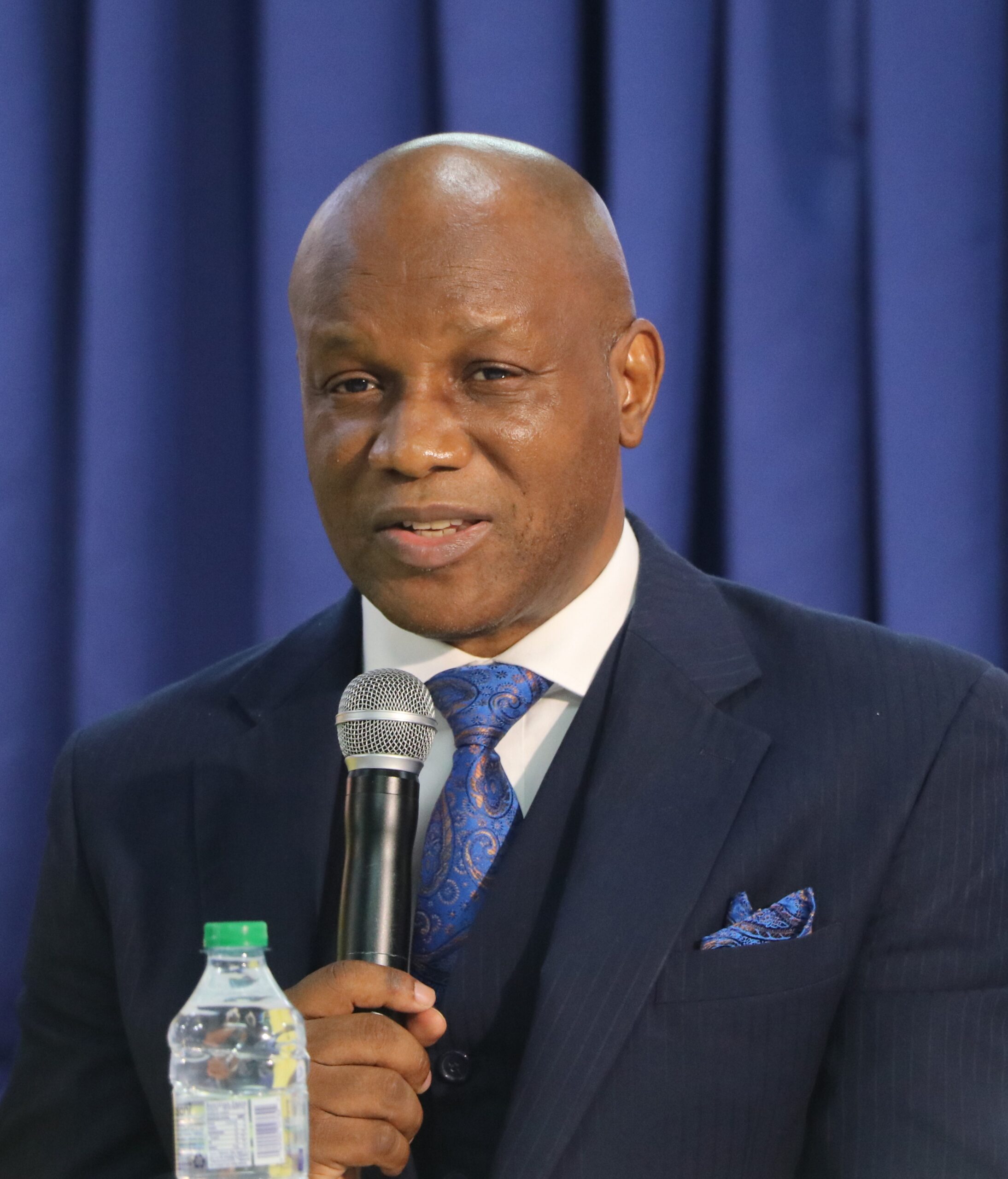
A heated debate has emerged over the viability of a new inter-island ferry network linking Barbados and member states of the Organisation of Eastern Caribbean States (OECS), after an industry consultant questioned whether the service could withstand the region’s sea conditions. Project leader Dr Andre Thomas, Chief Executive Officer of Barbados-based Pleion Group — parent company of service operator Connect Caribe — has pushed back hard against these claims, telling Barbados TODAY on Thursday that the vessels selected for the route are engineered to handle far harsher open-ocean conditions than the Eastern Caribbean ever produces.
The controversy began earlier this week, when economic aviation consultant Jeremy Stephen raised sharp doubts about the project, arguing that frequent high swells and choppy water would make the ferry service unworkable. Thomas rejected this assessment outright, noting Stephen’s concerns lacked credible scientific backing, and outlined the design and track record of the overnight cruise ferries Connect Caribe plans to deploy.
The vessels planned for the regional service belong to the large roll-on/roll-off passenger (Ro-Pax) vessel class, purpose-built to carry passengers, private vehicles and commercial freight across long-distance open water routes. Thomas pointed out that identical classes of ferries are already operated profitably year-round by major global shipping firms in far rougher international waters. These include DFDS’ cross-North Sea routes between Newcastle-Amsterdam and Copenhagen-Oslo, P&O Ferries’ Hull-Rotterdam service, and Brittany Ferries’ long-haul connections from Portsmouth to Caen and Santander.
Thomas explained that the ferries earmarked for the Caribbean corridor range from 20,000 to over 60,000 gross tonnage, with deep drafts, active fin stabilizers, on-board cabins, restaurants, and dedicated full decks for vehicles and cargo. These large displacement vessels are explicitly designed for overnight open-water operation in conditions far more challenging than any recorded in the Eastern Caribbean, he added.
“By any objective measure, the Eastern Caribbean is one of the calmest open-water ferry corridors in the world,” Thomas stated. “The claim that it is ‘too choppy’ to support a viable ferry network does not survive a five-minute look at global maritime data.” He added that modern large overnight cruise ferries operate daily, profitably, and year-round in waters that see wave heights two to five times higher than the Eastern Caribbean’s typical conditions.
To back his argument, Thomas cited publicly available data from the U.S. National Oceanic and Atmospheric Administration (NOAA) National Hurricane Center, which shows the Eastern Caribbean’s average significant wave heights sit between three and seven feet, or 1 to 2 meters. Even during stronger trade wind surges, wave heights only reach five to eight feet, or 1.5 to 2.5 meters — conditions that Thomas says are well within the normal operating parameters for the planned vessel class.
Thomas also pointed to longstanding regional precedent that proves the corridor is suitable for ferry operations. Germany’s FRS Group-owned FRS Express des Îles, formerly L’Express des Îles, has run scheduled passenger services across the exact same Eastern Caribbean stretch — connecting Guadeloupe, Les Saintes, Marie-Galante, Dominica, Martinique, and Saint Lucia — for more than 37 years, carrying roughly 850,000 passengers annually. This existing operation, Thomas argues, definitively confirms both that passenger demand exists and that the region’s sea conditions are suitable for sustained ferry service.
While smaller regional passenger ferries already operate in the area, Thomas noted that the Eastern Caribbean currently lacks a large, stable overnight cruise ferry service that connects a broader network of islands, accommodates vehicles and freight, and positions inter-island travel as a comfortable, experience-focused journey for both locals and visitors. The project leadership’s pushback against criticism comes as stakeholders work to advance the landmark regional connectivity initiative.
-
PM puts distance from Transport Board sell-off
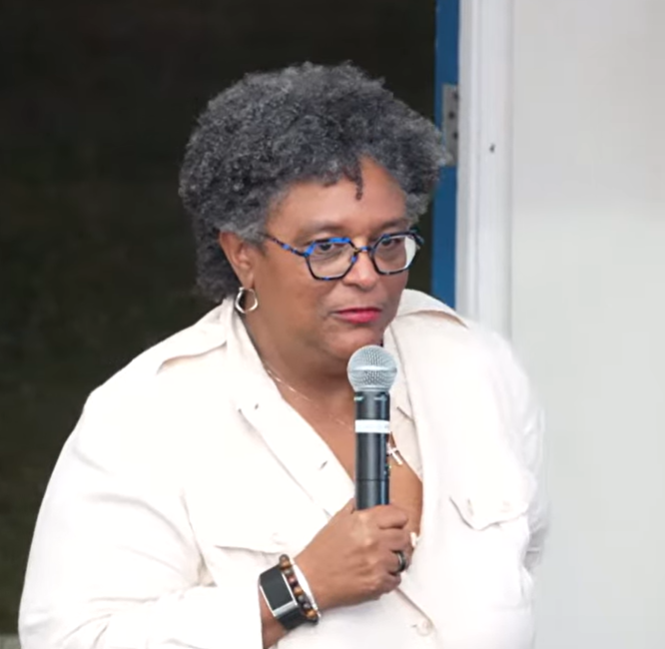
A heated debate over the future of Barbados’ state-owned Transport Board has taken center stage at a recent public policy forum, where Prime Minister Mia Mottley pushed back hard against growing speculation that her administration intends to fully privatize the public transit entity. Instead, Mottley has reframed the widely discussed restructuring effort as a worker empowerment initiative that pairs expanded employee ownership with stricter island-wide regulation to guarantee reliable service for all communities, including underserved rural areas.
The controversy reignited Wednesday during the Ideas Forum, where opposition St Peter candidate Jason Phillips of the Democratic Labour Party raised long-simmering public concerns about the government’s restructuring plans. Phillips echoed warnings first circulated late last year, when an official three-page letter from the Ministry of Transport and Works, signed by then-Permanent Secretary Jehu Wiltshire, was leaked to the public. The document confirmed that Cabinet had approved a transition to a new governing body, the Barbados Mass Transit Authority (BMTA), which would take over regulatory oversight of all public transit and hold the legal bill of sale for the Transport Board’s bus fleet. The leak triggered immediate pushback from the Congress of Trade Unions and Staff Associations of Barbados, which raised alarms about potential job insecurity and diminished service for rural residents.
At the forum, Phillips doubled down on those concerns, arguing that profit-driven private operators would inevitably abandon low-revenue rural routes — such as those serving Boscobel and Indian Ground, where ridership is often thin during early morning and late-night trips. “I can’t see a businessman wanting to take his vehicle… to deep Boscobel with three people in it,” Phillips said, calling for binding legislation to mandate that critical routes and consistent schedules be maintained regardless of profitability. He emphasized that his concern centered on reliable access, not opposition to worker ownership, stressing that the priority must be protecting vulnerable rural commuters who depend entirely on public transit.
Mottley drew a clear distinction between traditional privatization and what she calls “enfranchisement” to counter Phillips’ arguments, flatly stating: “There is no divestment of the Transport Board or privatization.” She explained that the proposed restructuring model would give Transport Board drivers and existing workers ownership stakes within the new system, rather than selling the entire entity to outside private investors. “We have said from the beginning that there is no divestment in the traditional sense. There is enfranchisement,” the prime minister said. “At the end of the day… the enfranchisement that is being entertained is to allow the drivers and the workers at the Transport Board to own.”
Under the plan, the newly created BMTA will serve as a centralized regulator overseeing all public transit services across the island, including the Transport Board’s buses, independent minibuses, and route taxis. Mottley noted that the fragmented current system lacks consistent day-to-day oversight, a gap the BMTA will fill by enforcing strict licensing requirements. Operators that fail to meet their scheduled route obligations will lose their licenses, and the authority will implement a route rotation system to ensure no operator is stuck with only unprofitable routes, while no entity can hoard high-traffic, high-revenue corridors at the expense of rural communities. “If at the end of the day you are not operating your route to the terms and conditions of the license… you are out,” Mottley said, adding that the structure guarantees equitable service for all regions.
Transport and Works Minister Kirk Humphrey reinforced Mottley’s position, dismissing any claims that outside private companies would take over the Transport Board. “There’s no company that’s coming in to own the Transport Board or none of those things you’re alluding to,” Humphrey said. He outlined that the government will retain supporting oversight while transferring bus ownership directly to workers, with the BMTA enforcing service standards to close long-standing gaps in rural transit. “The people will get a better service as opposed to less quality of service by the route that we are going,” he added.
Critics have pointed out that Mottley and other senior members of her administration previously openly described the restructuring as a divestment effort, even as they framed it as worker-focused. During prior parliamentary debates and media appearances, top officials repeatedly used the term “divestment of the Transport Board” to describe the project. Deputy Prime Minister Santia Bradshaw, who previously served as Transport and Works Minister, told Parliament that the “divestment of the Barbados Transport Board” was “a serious exercise in enfranchisement” and guaranteed that concessions for elderly residents and schoolchildren would remain in place. At a ceremony marking the handover of 35 new electric buses at Bridgetown Port, Bradshaw told reporters: “the government is moving ahead with divesting the Transport Board amid growing public opposition and establishing a new mass transit system,” adding that “when we speak of divestment, we also equally speak of the enfranchisement of the workers of Barbados and the workers of the Barbados Transport Board.”
The restructuring effort comes in response to decades of financial and operational instability at the Transport Board, which has required hundreds of millions in state subsidies to remain operational. Successive governments have called for a more sustainable funding model, while activists and opposition leaders have pushed to protect service access for low-income and rural commuters. The Mottley administration has repeatedly stated that vulnerable groups, including schoolchildren, pensioners, and low-wage essential workers, will retain their existing fare concessions and service access under the new framework. Despite the prime minister’s clarifications at the forum, Phillips maintained that the risk of profit-driven service cuts remains, and that ongoing public scrutiny will be needed to hold the government accountable to its promises.
-
BNSI urges workers to embrace AI
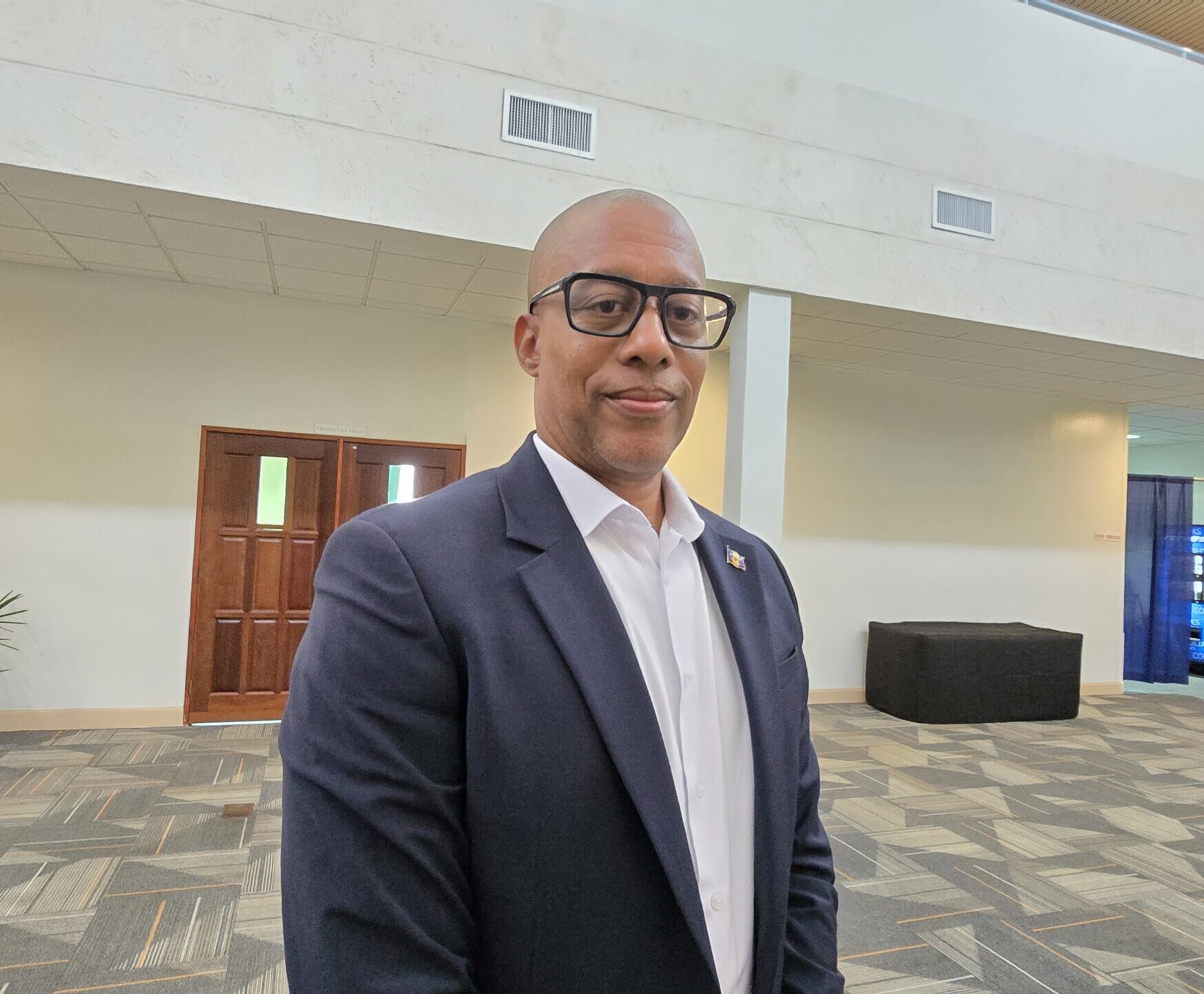
As artificial intelligence reshapes workplaces across every global sector, the Barbados National Standards Institution (BNSI) is sounding a clear call to action: local workers and businesses that delay integrating AI and updating their change management frameworks risk falling permanently behind in an increasingly competitive digital economy. BNSI director Haydn Rhynd emphasized in an address to the Barbados Association of Administrative Professionals conference on Wednesday that the Caribbean nation simply cannot afford to put off embracing this transformative technology.
Speaking exclusively to Barbados TODAY on the sidelines of the event, Rhynd acknowledged that widespread anxiety around AI’s impact on employment is common among the island’s workforce. Many workers, he noted, already grapple with internal fear of the unknown, with common concerns ranging from self-doubt about digital literacy to questions about whether they need full retraining to keep up, or even age-related anxiety about learning new systems. This tendency to view organizational and technological change as an inherently threatening force, he said, is the biggest barrier to widespread AI adoption on the island right now.
Contrary to popular narratives that AI will eliminate millions of jobs, Rhynd argued that the technology is transforming existing roles rather than erasing them entirely. Workers that choose to embrace the shift rather than resist it will not only stay relevant in the evolving job market – they will gain a competitive edge that allows them to lead their fields. By learning to leverage AI tools to handle repetitive, mundane tasks, employees free up valuable time and mental bandwidth to focus on high-value work that relies on uniquely human skills like creativity, critical thinking, and interpersonal connection. This, Rhynd stressed, makes the current era of rapid technological change a fantastic opportunity rather than an unprecedented threat.
To help local businesses and workers navigate this transition smoothly, BNSI has developed a comprehensive set of industry-specific change management standards designed to lower barriers to AI adoption. Beyond the standardized frameworks, the institution also offers hands-on training support tailored to organizations of all sizes and sectors. These training sessions walk participants through the fundamentals of working with AI, helping teams select the right tools for their specific operational needs and demystify the process of integration. Rhynd reported that growing numbers of previously reluctant Barbadian organizations are now recognizing the urgency of action, with more stakeholders than ever coming to the conclusion that inaction on AI is no longer a viable option.
However, Rhynd also issued a critical caution for businesses rushing to integrate AI: the shift to the technology requires equal attention to strengthening cybersecurity and data protection protocols. Widespread questions remain around confidentiality, with many leaders unsure what types of internal information is safe to share with public AI tools, and how to build secure processes for data handling. To address this gap, BNSI also offers targeted standards to guide organizations through the process of building robust data protection frameworks that mitigate risk while still allowing them to benefit from AI capabilities.
Pointing to the accelerating pace of AI innovation, Rhynd noted that the technology has already proven adaptable to virtually every sector of the global economy. From healthcare and food production to manufacturing, agriculture, finance, and general business operations, AI can deliver efficiency gains and productivity improvements across every part of Barbados’ economy. No industry can afford to write off AI as irrelevant to their work, he added, urging all stakeholders to move quickly to position the island for success in the AI-driven future.
-
Berger Paints closes plant, 44 jobs lost
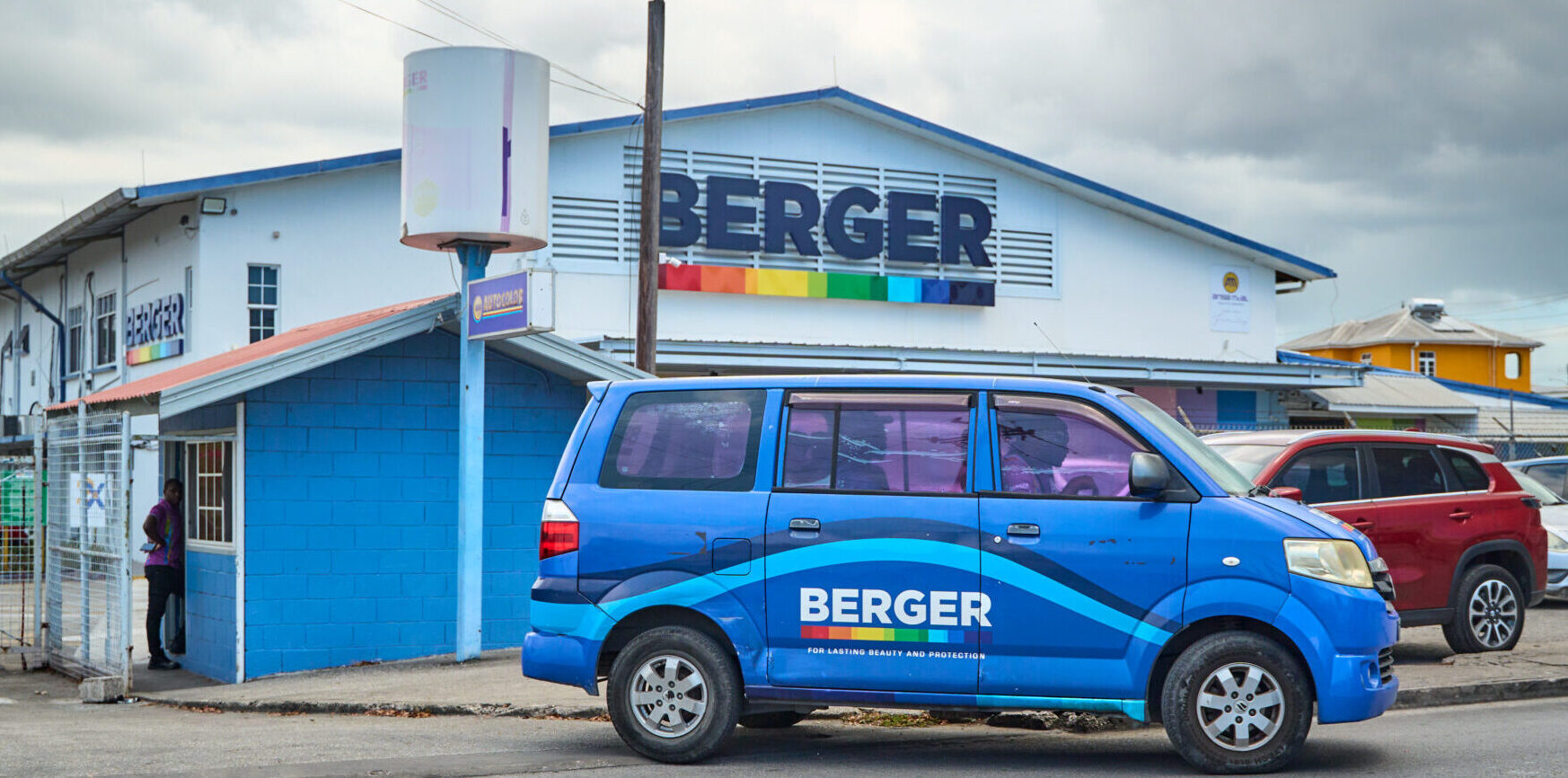
A decades-long chapter of local paint manufacturing in Barbados is drawing to a close this week, as Berger Paints prepares to shutter all its local production, warehouse, retail and administrative facilities on Friday, putting 44 long-tenured employees out of work. While the company will continue selling its branded products through local retail partners, all manufacturing operations will be relocated to other sites across the Caribbean region. The company publicly confirmed its restructuring plan Wednesday, confirming the full scope of facility closures tied to its transition to a third-party distribution model.
For the affected workers, many of whom have spent well over a decade building their careers with the firm, the sudden shift has brought devastating uncertainty and financial upheaval, according to Toni Moore, who serves both as a Member of Parliament and General Secretary of the Barbados Workers’ Union (BWU), the union representing the displaced employees. Moore noted that the average tenure of workers at the Berger Barbados plant ranges between 10 and 15 years, meaning most employees have structured their entire lives and livelihoods around steady employment at the company. Even though many are still within working age, their mid-career status makes a sudden job search particularly daunting, she added, and the unanticipated loss of long-term employment has taken a heavy emotional and psychological toll on workers who dedicated years of service to the brand.
The controversy around the closure first emerged when the company announced its restructuring plans back in February, prompting immediate pushback from labor leaders and government officials over the alleged failure to follow legally mandated consultation processes. Barbados’ Minister of Labour Colin Jordan raised early concerns that the company had already finalized its decision to close the plant before starting required consultations with the Ministry of Labour and the workers’ union. Under Barbadian law, companies planning mass redundancies are required to conduct a six-week consultation period with affected stakeholders, and legal precedent mandates that these discussions must be substantive rather than procedural. Jordan argued that it is impossible to hold meaningful consultations when the final decision has already been made and is non-negotiable, adding that the pre-determined outcome undermines the entire process set out in national labor law.
The Congress of Trade Unions and Staff Associations of Barbados (CTUSAB) has joined the BWU in condemning the decision, calling for a formal investigation over allegations that workers’ legal rights have been violated throughout the restructuring process. CTUSAB General Secretary Dennis Depeiza emphasized that the incident exposes critical gaps in labor regulation enforcement in the country, calling for a full review of existing oversight mechanisms under the national Employment Rights Act. Depeiza argued that stronger enforcement is needed to ensure companies comply with mandatory consultation procedures when planning business closures that result in mass layoffs, to prevent employers from cutting corners at the expense of workers’ rights.
Moore also echoed widespread public concern over the company’s post-closure business model, noting that Berger Paints will continue to generate revenue from sales in Barbados even as it eliminates all local manufacturing jobs. Currently, the company has arrangements in place to keep its products on local shelves through retail partners including Carters (operating via Blades and Williams) and Ace H&B Hardware, with all production moving to regional facilities outside Barbados. As labor groups continue to push for accountability, questions remain about whether the company followed all legal requirements for the closure, and what support will be provided to the dozens of workers who lost their livelihoods this week.
-
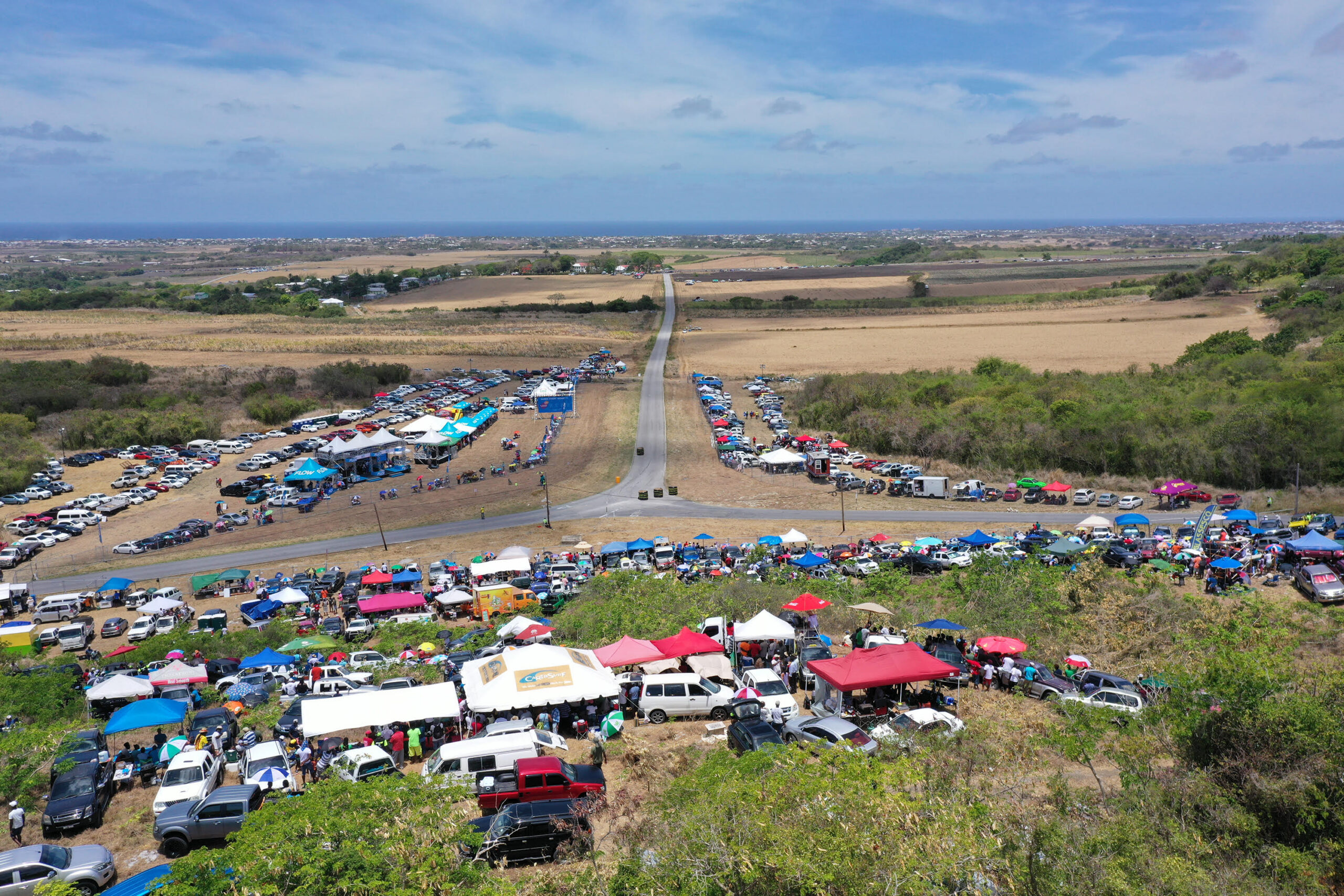
First Citizens back as title sponsor for King of the Hill
Barbados’ iconic motorsport community has received a major boost, with regional financial group First Citizens confirming it will return as title sponsor of the annual King of the Hill rally event for the fifth consecutive year. The Barbados Rally Club (BRC) made the official announcement Thursday, also sharing that the 2025 running of the event, scheduled for May 24, will mark the fourth time the competition has been hosted at the fan-favorite 4-kilometer Stewarts Hill stage, located on the island’s southeastern coast.
King of the Hill, first launched in 2008, serves a critical role in Barbados’ motorsport calendar: it sets the starting running order for Rally Barbados, the island’s premier annual rally competition held the following weekend. First Citizens has held the title sponsorship rights to the event since 2020, marking a multi-year commitment to growing Caribbean motorsport.
Beyond its home base of Trinidad and Tobago, First Citizens has built a widespread regional presence across the Eastern Caribbean, with operations in Barbados, Saint Lucia, St. Vincent and the Grenadines, and Costa Rica.
Event director Neil Barnard expressed enthusiasm for both the continued sponsorship and the return to the beloved Stewarts Hill venue. “It’s fantastic to have First Citizens back on board as we return to Stewarts Hill in St Philip,” Barnard said. “It’s a real fan favourite and seeing the cars coming down the Thicket straight to turn left up the hill is always spectacular.”
Claire Jordan, CEO of First Citizens, reaffirmed the financial group’s long-term commitment to the rally and its community impact. “Since we began this partnership, our goal has been simple: to help elevate this event into an experience that inspires both competitors and spectators alike,” Jordan explained. “Our shared vision is that King of the Hill continues to bring international exposure to Barbados’s vibrant motorsport community and supports economic opportunity for our people.”
The 2024 edition of the event saw Stuart Maloney claim the victory behind the wheel of a Skoda Fabia Rally2, making him the fourth distinct winner of the event since First Citizens took over title sponsorship in 2020.
King of the Hill has a rich 17-year history of venue changes across Barbados. The inaugural 2008 event was hosted at Turners Hall in St. Andrew, before the competition moved to its first stint at Stewarts Hill, then to Sailor Gully in St. Peter. From 2011 to 2018, the event found a semi-permanent home at Hangmans Hill in St. Thomas, with a one-off move to Luke Hill in St. Lucy in 2013. Following two additional years at Stewarts Hill, the 2021 event was canceled entirely due to the COVID-19 pandemic. Between 2022 and 2024, the event split its hosting between St. Thomas and a stage passing Society Plantation in St. John, before this year’s return to Stewarts Hill.