标签: Barbados

巴巴多斯

  • Sport ‘can help steer’ youth away from crime

    Sport ‘can help steer’ youth away from crime

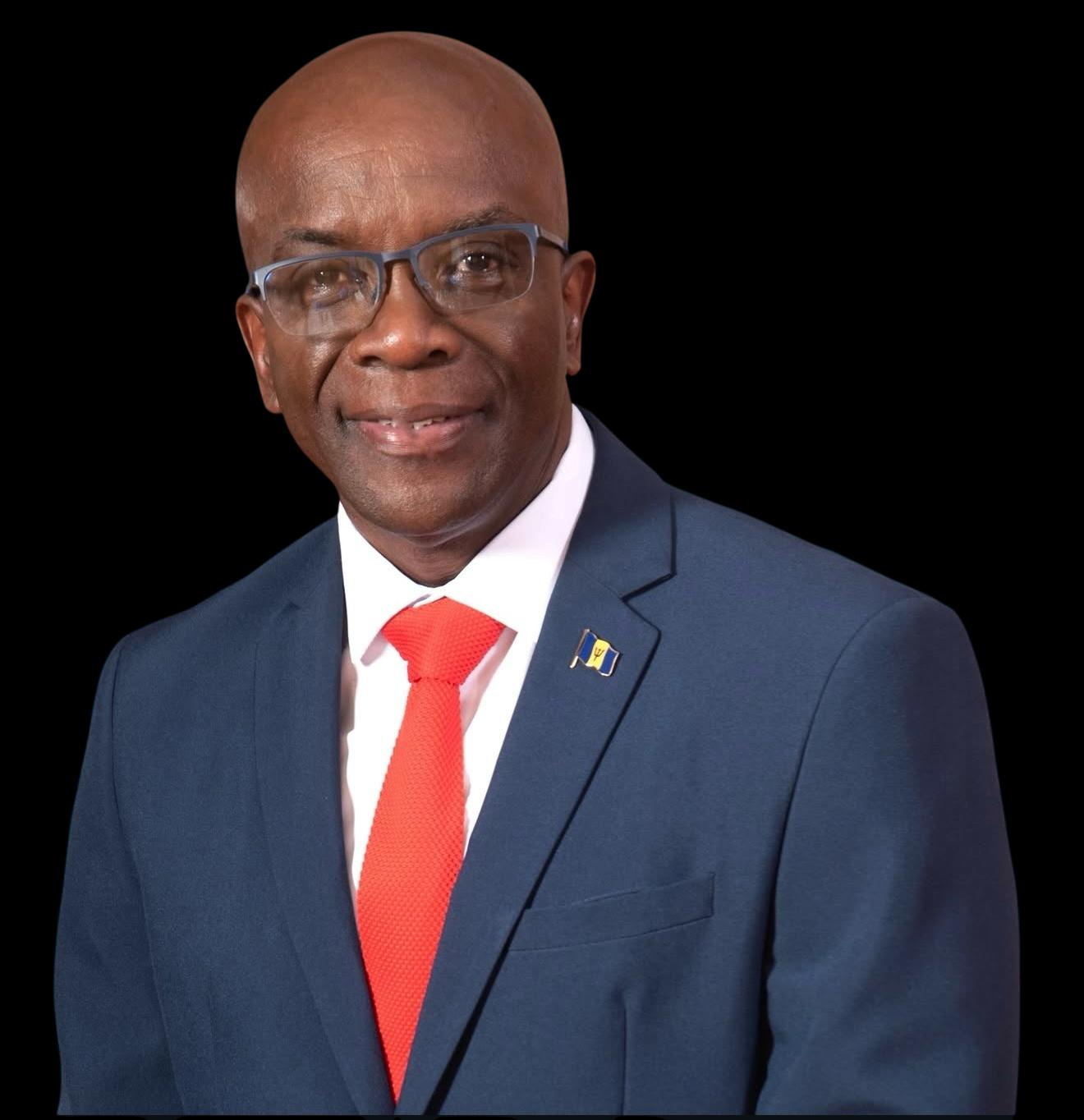
    Barbados is grappling with a sharp upward trend in violent crime, and the island nation’s top sports official is calling for sport to be positioned as a core strategy to steer at-risk young people away from violence and toward life-changing positive opportunities. Charles Griffith, Minister of Sports and Community Empowerment, laid out his vision in an official statement emphasizing that while law enforcement remains a critical pillar of public safety, meaningful crime prevention must start long before any offense is committed — by strengthening family and community structures and opening tangible, accessible pathways for youth.

    Griffith acknowledged the widespread anxiety that the recent crime wave has sparked across all segments of Barbadian society. As of the current year, the country has recorded 28 homicides, a toll that has left dozens of families grieving lost loved ones, communities shaken by pervasive fear and uncertainty, and the entire nation engaged in urgent reflection on how to reverse this troubling trajectory. Offering his sincere condolences to all households affected by the killings, Griffith stressed that the moment calls for solution-focused action rather than despair. “This is not a moment for despair. It is a moment for action, reflection and collective responsibility,” he said.

    The minister pushed back against the idea that increased policing alone can resolve Barbados’ ongoing crime crisis. “While we fully support the efforts of the Barbados Police Service and all agencies involved in maintaining law and order, we must recognise that building a safer society requires more than enforcement alone,” Griffith explained. “Crime prevention begins long before an offence is committed. It starts with strong families, supportive communities, positive role models and meaningful opportunities for our people, particularly our young people.”

    Against that backdrop, Griffith made the case that sport holds unique transformative power to shape the trajectories of young Barbadians and reinforce community cohesion. Beyond athletic achievement and competition, he argued, sport instills core life values that support positive development: discipline, collaborative teamwork, mutual respect, adaptive leadership and persistent perseverance. These foundational skills create space for intentional personal growth and cross-generational social connection, while offering consistent structure, a clear sense of purpose, and a feeling of belonging for young people who may otherwise lack access to supportive networks. Most importantly, Griffith noted, sport provides young people with a positive outlet to channel their energy, talent and ambition, rather than pushing them toward harmful, violent activity.

    Many Barbadians across generations have already attested to sport’s stabilizing impact, Griffith shared, with countless residents crediting athletic programs with helping them stay focused during personal and communal hardship, while opening doors to higher education, professional careers, and lifelong mentorship relationships.

    Building on that proven impact, the Ministry of Sports and Community Empowerment will continue expanding investments in community-centered programs, youth outreach initiatives, accessible sporting opportunities, and personal development workshops, all designed to build confidence and transferable life skills for the island’s young people. Griffith clarified that these investments are far more than investments in recreation: “These efforts are not simply about recreation. They are about building character, encouraging responsibility and providing positive alternatives to the influences that can sometimes lead young people down the wrong path.”

    In a direct appeal to Barbadian youth, Griffith urged young people to reject violence as a solution and actively leverage the public and community opportunities available to them. “Your future is worth protecting. Do not allow anyone to convince you that violence is a pathway to respect or success. Real strength is found in discipline, real confidence comes from achievement, real leadership comes from making positive choices, even when faced with challenges or adversity,” he said. He encouraged all young residents to join local sports clubs, participate in community programming, connect with trusted mentors, nurture their unique talents, and pursue their personal and professional goals with intentionality and determination.

    Griffith also extended a call to collective action across all sectors of Barbadian society, urging parents, teachers, sports coaches, faith-based organizations, community leaders and private sector businesses to collaborate to support the nation’s youth. He emphasized that sustained reduction in crime and violence requires a whole-of-society commitment that extends far beyond government action.

    Closing his statement, Griffith reaffirmed the ministry’s ongoing commitment to partnering with communities and cross-sector stakeholders across Barbados to expand youth-accessible opportunities that foster participation, personal empowerment and inclusive growth. The ministry’s core goal, he said, is to encourage young people to choose purpose over violence, achievement over criminal activity, and empowerment over hopelessness.

  • Bushy Park Circuit set to host Fast Parts Caribbean GT Challenge

    Bushy Park Circuit set to host Fast Parts Caribbean GT Challenge

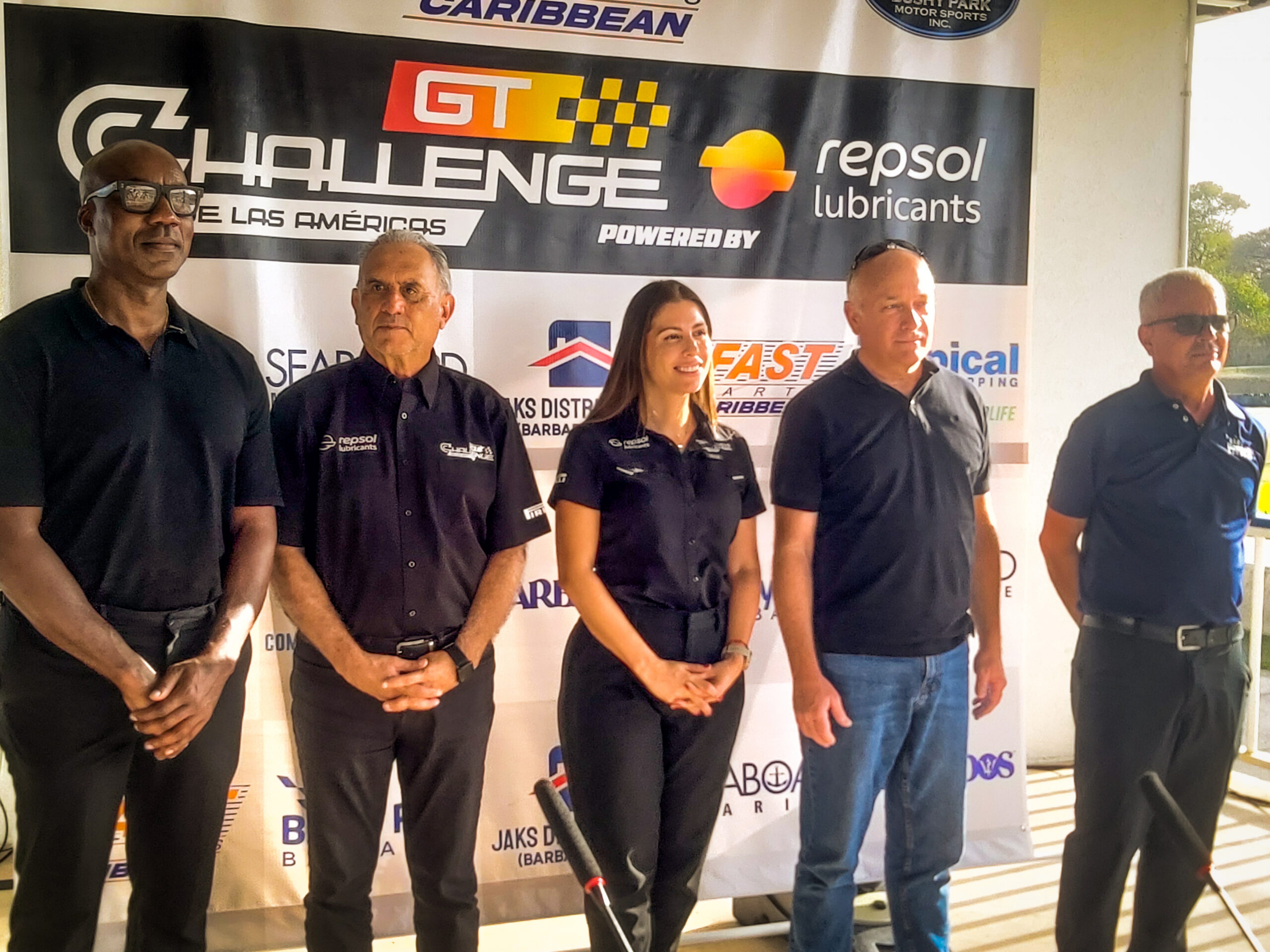
    After years of limited regional motorsport activity, international circuit racing is gearing up for a landmark return to Barbados’ Bushy Park Circuit next month, marking the Caribbean island’s first ever hosting of a round of the GT Challenge de las Américas. The two-day competition, which will run from August 29 to 30 under the local title Fast Parts Caribbean GT Challenge, is set to assemble a dynamic field of drivers spanning North America, Latin America and the Caribbean, including competitors from Canada, the United States, Trinidad and Tobago and local entrants. Racing fans and spectators in attendance will get a front-row look at high-performance vehicles from some of the most iconic luxury and performance automotive brands in the world, including Lamborghini, McLaren and Porsche. The announcement was made during an official media briefing held at the Bushy Park Circuit on Tuesday, where Caribbean franchise holder Franklyn Boodram — who also serves as a team principal and competing driver — outlined the growing momentum for elite motorsport across the region. Boodram explained that after a multi-year lull in organized regional racing, he began competing in events across Latin and Central America, earning consistent success before working to expand the series into the Caribbean with stops first in Guyana, and now Barbados. “Bushy Park already has the infrastructure we need to host this level of racing; only a few small adjustments were required to get it ready,” Boodram noted in the briefing. He also shared the logistical timeline for the event, revealing that the competing vehicles are currently being held at the port of Guyana ahead of that country’s series round scheduled for July 11 to 12. Immediately after the Guyana race concludes, all the machinery will be transported directly to Barbados, arriving at Bushy Park just one week later. Kurt Seabra, facility manager at Bushy Park Circuit, emphasized that the event extends far beyond just on-track competition, framing it as a unique opportunity to showcase Barbados’ natural beauty, vibrant culture and renowned hospitality to the global motorsport community. “We are incredibly grateful to Eduardo Aguilar, Silvia Bermudez and Franklyn Boodram from the GT Challenge for trusting us with the chance to host this prestigious series,” Seabra said. “Their confidence in Bushy Park, Barbados and the entire Caricom region means more than we can say.” Founded in 2019 by Eduardo Aguilar, the GT Challenge de las Américas was created with a clear mission: to unify the top performance racing cars and drivers from across Latin America into a single cohesive, competitive championship. Anderson King, marketing director at Barbados Tourism Marketing Inc. (BTMI), noted that after observing the championship firsthand, his organization quickly recognized its dual potential: as a world-class motorsport event, and as a strategic platform that aligns perfectly with Barbados’ long-term tourism growth goals. “As we work to expand our footprint across Latin America, partnerships like this one allow us to connect with entirely new audiences, strengthen longstanding regional ties, and cement Barbados’ reputation as a top-tier destination that delivers unbeatable leisure experiences and elite international sporting events,” King explained. For Barbados, the event marks not just a return to international racing, but a major step forward in positioning the island as a leading hub for sports tourism in the Caribbean.

  • West Indies women reflect on World Cup elimination

    West Indies women reflect on World Cup elimination

    The ICC Women’s T20 World Cup campaign for West Indies came to an abrupt end in the semifinal stage, with two of the team’s key players pointing to inconsistent execution of their core game plan as the deciding factor in their premature exit. This elimination followed a lopsided eight-wicket defeat to powerhouse Australia at The Oval on Tuesday, a result that marked West Indies’ third consecutive loss after a promising unbeaten opening run through the first three matches of the tournament.

    All-rounder Jannillea Glasgow, one of the team’s most versatile performers, opened up about the squad’s reflections after the defeat. She emphasized that the team’s critical mistake was failing to adopt their signature aggressive, focused style of play from the very first delivery of key matches. “I think we just have to believe in ourselves from ball one and the get-go,” Glasgow explained. “You just come here and cricket is played on the day, you just come and play the right cricket on that day.”

    Fast-bowler Aaliyah Alleyne echoed Glasgow’s assessment, adding that despite the disappointing result, the team’s internal morale never fully fractured through the campaign’s ups and downs. She noted that even after an unexpected loss to Ireland earlier in the tournament, the squad still managed to battle their way into the semifinal round, proving their resilience off the pitch. “At the end of the day Australia came out and came hard at us, and we had no answers,” Alleyne added, acknowledging the defending champions’ dominant performance on the day.

    Both players took time to express sincere gratitude to the West Indies fanbase that supported the team throughout the tournament, even as results turned south in the knockout stage. Glasgow acknowledged that the semifinal exit fell far short of the title aspirations both the team and fans held, but struck an optimistic note for future tournaments. “To the supporters out there, thanks very much but hopefully in the future there are better things to come,” she said.

    Alleyne highlighted how far the women’s game has come for West Indies, noting that the growing crowd support marked a significant shift from earlier years when the team had far less public backing. “When you look back years ago, we didn’t have a following and now we see everyone keep saying go girls, keep going, we’re backing y’all 110 per cent,” she said. “So I just want to say thank you and keep supporting us. We have more to come.”

  • Charles Rowe Bridge folk warn of flood threat as drains remain blocked

    Charles Rowe Bridge folk warn of flood threat as drains remain blocked

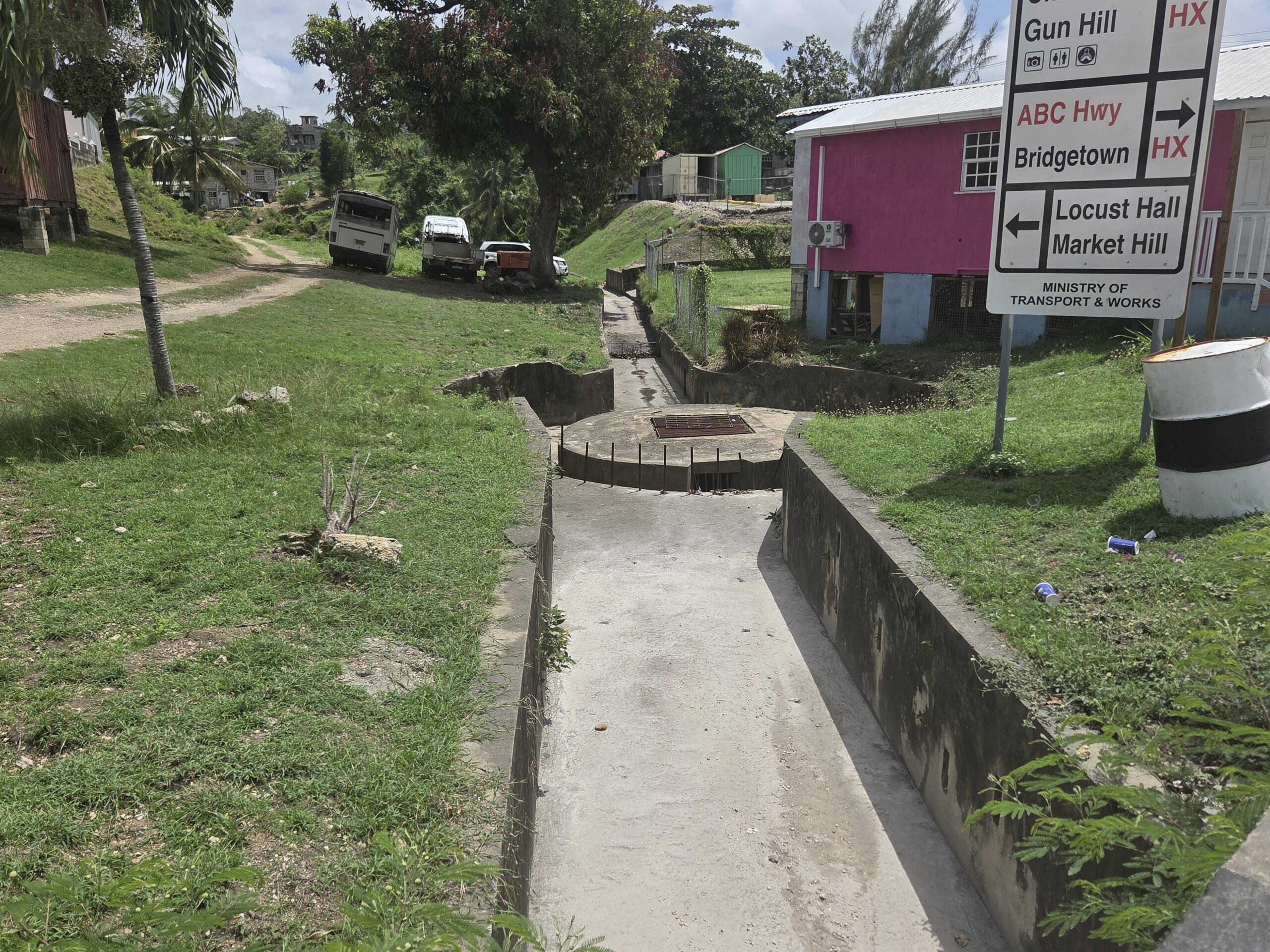
    As the 2025 Atlantic hurricane season gets underway, the St. George community of Charles Rowe Bridge in Barbados faces a growing, life-threatening crisis: long-unaddressed flaws in drainage infrastructure and damaged utility systems have left the low-lying area acutely vulnerable to catastrophic flooding, local residents and business owners have warned. The urgent calls for action come nearly 12 months after a deadly flash flood in November 2024 that claimed the life of 58-year-old Terry Kellman, a tragedy that remains a searing reminder of the district’s long-documented susceptibility to extreme rainfall.

    Geographically, Charles Rowe Bridge functions as a natural collection basin for stormwater runoff that cascades down from a chain of elevated surrounding villages, including Gun Hill, Newbury, Market Hill, Cottage and Constant. For decades, the area has borne the full force of intense tropical downpours, but community members say core vulnerabilities have been left unaddressed despite repeated warnings.

    While a recent joint cleanup effort by the Ministry of Transport and Works and the National Conservation Commission removed visible debris and discarded waste from the area’s main gully — leaving the surface looking visibly improved — residents stress that the most critical underground drainage components remain severely compromised.

    Local businessman Peter Yearwood, who has long advocated for infrastructure upgrades in the area, explained that a central drainage well, which handles runoff from at least seven different catchment points across St. George, has not undergone full desilting in multiple months. Though surface gullies now look clean, hidden underground infrastructure has been neglected, he said. “I requested that they clean this well during the dry season, four or five months ago, because that is where the risk really builds up,” Yearwood told reporters. “Any unmaintained well accumulates thick layers of silt and debris at the bottom, which drastically cuts its capacity to hold stormwater. They did an excellent job clearing out the gully itself over the past few weeks, removing old fridges and accumulated rubbish, but the job is only half done. We need the grates and all underground drainage lines fully cleared to prevent catastrophic flooding.”

    During a tour of the area with Barbados TODAY, Yearwood pointed to a large drainage tunnel that remains completely blocked by overgrown thick grass, compacted mud and accumulated debris, leaving it completely useless as hurricane-driven rains approach. Compounding this hazard is a utility pole positioned alongside the drainage channel, where past floodwaters have eroded away all surrounding earth support. If another major flood hits, the pole could collapse, bringing live power lines into floodwaters and putting residents at severe risk of electrocution.

    “Water flows all the way here from hills as far away as Gun Hill and High Hill, so this major blockage needs to be cleared as a matter of urgency,” Yearwood warned. “If another washout happens here, it will be a disaster. The pole’s support earth is completely exposed, and if it falls, people could be electrocuted. We cannot afford another event where power poles come down, cutting off critical services and even costing lives.”

    Anxiety runs especially high for residents who live directly adjacent to the area’s watercourses. Ian Holder, a local resident whose property sits directly in the path of potential floodwaters, is still waiting for repairs to a retaining wall that collapsed almost a year ago. Without the intact wall, there is nothing to stop rising floodwaters from surging directly onto his land and into his home.

    “The rainy and hurricane season is already here, and water from the main drainage well flows straight toward my house,” Holder said. “It’s been almost a year since the wall collapsed, and to this day, no one has come out to assess the damage or start repairs. When flooding hits, this won’t just be an unpleasant mess — people are going to get hurt. We are already bracing for a major flood event, and this unaddressed damage could turn a bad storm into a catastrophe. This wall needs to be rebuilt as quickly as possible.”

    Holder still vividly remembers the destructive force of last year’s flash flood, which swept heavy vehicles hundreds of meters through the community. “There were two palm trees right there; a vehicle parked next to them got washed all the way down to the doctor’s office near Lodge,” he recalled. “I pray we don’t get another major storm, but it’s a very real possibility. The drainage teams cleaned up a small portion on the other side of the area, and while this well can’t hold all the runoff, it needs to be cleared to handle at least some of it. I have children living here, so this is an immediate, critical safety concern.”

    The trauma of past flooding still lingers for many families in the community. One resident shared that her brother, who previously lived in the area, was permanently displaced after a traumatic flood event trapped her nephew inside a work vehicle against a retaining wall, with water rising rapidly past the vehicle’s windows. “The water was four to five feet deep, coming right through the windows,” she said. “It was a terrifying, life-threatening experience. My brother lost everything he owned in that flood. He tried to go back to save a few belongings, but going into electrified floodwater full of debris was far too dangerous. He will never live here again after what happened.”

    Many long-term residents argue that Barbados’ current approach to flood mitigation — which relies on reactive surface cleaning after major events — is not enough to protect Charles Rowe Bridge long-term, and that deliberate, large-scale engineering solutions are needed. David Connell, a resident from nearby Church Hill, says building a series of small dams and retention reservoirs in the upper gullies is the only sustainable way to stop repeated destructive flooding in the low-lying area.

    “To stop flooding down here, we have to plan to hold water further up in the gullies before it reaches our wells,” Connell explained. “If you trap the water upstream, you don’t get these massive, destructive surges hitting this low point all at once. A series of small dams would catch most of the stormwater, and only controlled overflow would flow into the existing drainage wells. That would drastically cut the volume of water hitting Charles Rowe Bridge during heavy rains.”

    Connell also criticized successive governments for failing to consult local communities when designing new infrastructure projects, noting that poorly aligned newly paved roads often divert stormwater into residential areas instead of into planned drainage catchments. “When the government builds new roads, they need to come out to the communities, talk to the people who live here, and map how water naturally flows before they start paving,” he said. “Right now, we have drainage wells that don’t even get runoff from the new roads because of bad alignment. If they talked to residents, they could add new wells to channel water away from residential streets. If you can hold the water upstream on the hills, this whole problem gets a lot better.”

    Longtime local business operators also carry vivid memories of narrow escapes from past floods. One shopkeeper who has worked in the area for decades recalled having to flee his shop mid-storm to avoid being trapped by rapidly rising floodwaters. “When the water came through, it was up to my chest,” he said. “If I hadn’t run out immediately, I would have been in serious trouble. Decades ago, we never had these massive, unexpected surges up here. I don’t know what changed, but now water just bursts out from the back lots. Water from the gully behind my shop and another large gully near the police station and St. George Secondary School all converges at the road tunnel right here at Charles Rowe Bridge. They need to find a way to divert some of that water elsewhere instead of letting all the runoff from Newbury, Market Hill and Constant flood this single spot.”

    Even though regional forecasters are predicting a less active than average hurricane season this year, residents say the risk is too high to delay critical repairs. They are calling on the Ministry of Transport and Works to immediately deploy heavy equipment to clear blocked underground drainage tunnels, desilt key collection wells, and repair damaged retaining walls before the first major storm system hits the island.

  • Graduates challenged to dream big

    Graduates challenged to dream big

    Ninety graduating students of Barbados’ West Terrace Primary School stepped across the graduation stage at the Hilton Barbados Resort Tuesday, marking the end of their primary education and the start of a new academic journey as they prepare to enter secondary school. Addressing the ceremony, Minister of Technological and Vocational Training Sandra Husbands, who also serves as the Member of Parliament for St James South, delivered a call for graduates to welcome change amid a rapidly shifting global landscape reshaped by technological advancement.

    Husbands explained that Barbados’ ongoing national education transformation initiative is purpose-built to equip young learners with the full range of skills required to thrive in a future defined by technological innovation, constant adaptation, and lifelong learning. “As a government, as a nation, as educators and caregivers, our core responsibility is to prepare you for that vastly different world that awaits,” she told the crowd of graduates, families and educators. “We stand with you, we work alongside you, and we remain fully committed to helping you succeed no matter what challenges come your way.”

    Acknowledging that the transition from primary to secondary education brings growing pains for students, Husbands also noted the sweeping changes the education overhaul has demanded from the nation’s teachers. Educators have had to entirely reimagine their instructional approaches, she said, updating how they deliver content, adopting new methodologies for math instruction, and redesigning learning experiences to foster student growth — all while making considerable personal and professional sacrifices to implement these changes.

    Moving beyond traditional academic priorities, Husbands emphasized that modern education must center the unique individual strengths every child brings to the classroom. “We recognize that every child is gifted, but not in the same way. Each of you carries your own distinct set of talents to carry into the future: some are born leaders, some are creative innovators, some excel in athletics, some are visionary artists, skilled builders, talented musicians, compassionate caregivers, compelling communicators, sharp problem-solvers, or driven entrepreneurs,” she said.

    She reassured graduates that the reformed education system is structured to create pathways to success for every learner, even for talents that have not yet been identified. “Some of your gifts may still be undiscovered, and we are committed to building customized pathways to nurture those abilities too. When we reshape the education system to meet the needs of every child, every child gets the chance to succeed,” she added.

    Looking forward to the evolving job market, Husbands noted that employers are increasingly prioritizing practical soft skills alongside traditional academic credentials. “As technology evolves and industries transform, employers are seeking candidates who can think critically, communicate clearly, collaborate effectively, innovate quickly, and adapt to change. Future success will not rely only on what you know — it will depend on how well you can apply that knowledge in real-world contexts,” she explained.

    This shift in priorities is why the government is expanding opportunities for students to build practical skills, technical expertise, creative talent, leadership capacity, and entrepreneurial thinking, Husbands said. The end goal is simple: to ensure every student leaves school with meaningful, tangible options for their future.

    The minister also called on parents to adapt their own approaches to support their children through the transition to secondary school, noting that the next academic stage requires a new model of parental engagement. The Ministry of Education Transformation will be rolling out accessible parenting education resources to help caregivers navigate this shift, she said, equipping them to support their children’s growing independence. “Teenage learners moving toward independence will ask more questions, challenge existing ideas, seek greater responsibility, and occasionally make mistakes. This new phase requires a broader, more flexible set of parenting skills,” she added.

    West Terrace Primary School Principal Charmain Jones opened the ceremony with an overview of the school’s recent achievements, highlighting the institution’s focus on strengthening core literacy and numeracy skills while integrating technology into everyday classroom instruction. “Our core goal was to build strong reading proficiency and deepen mathematical understanding, with a target of outperforming the national average in both subjects,” Jones explained. “We also prioritized embedding educational technology across all subjects to enhance both teaching and learning.”

    Jones also shared the school’s strong performance on the national Common Entrance exam, noting that every graduating student had put forward their best effort. The school’s top overall performer was Riley Layne, who scored 88% in English and 99% in mathematics, while Tiago Renwick earned the highest score in English. The vast majority of students posted strong results in both core subjects: most English scores fell between 70 and 80 percent, demonstrating solid reading comprehension and written expression skills. Of the 91 graduating students, more than 81% — or 74 students — earned an A or B grade on their English essay assessment.

    Like Husbands, Jones urged parents to maintain intentional engagement as their children enter secondary school, advising them to balance support with space for growth. “Give your children room to develop, but stay connected. Secondary school brings greater independence, so let your child take on new responsibilities while checking in regularly on how they are adjusting,” she said. “Don’t only focus on grades — watch for signs of stress. Secondary school brings emotional as well as academic challenges, so pay attention to changes in mood, sleep or appetite, not just report cards.”

    Featured speaker Pastor John Yarde challenged graduates to pursue their ambitions with intentional planning and purpose. Using Disney’s *The Lion King* as the framework for his address, Yarde urged students to hold fast to their core values as they enter the new environment of secondary school, warning that they will encounter a wide range of outside influences that could pull them away from their goals and personal beliefs. “I challenge you to dream big, but also to plan big,” he told the graduates. “Write your dreams down, and share them with the trusted people in your life who can support you.”

  • QEH to introduce patient app, portal under digital health rollout

    QEH to introduce patient app, portal under digital health rollout

    One of the Caribbean’s leading public healthcare facilities, Queen Elizabeth Hospital (QEH), is accelerating its sweeping digital transformation initiative — a core component of its 2028 strategic plan — that will soon give patients direct digital access to their own medical records via a custom-built patient portal and cross-platform mobile application, a senior hospital official has confirmed.

    Dr. Gerry Warner, Acting Director of Support Services, who heads the QEH’s digital overhaul project, revealed the details during an appearance on the hospital’s own QEH Pulse Radio Show, laying out the long-term goals and current progress of the shift from decades of paper-reliant operations to a fully integrated digital health system.

    For years, QEH has relied heavily on physical paper records, which are stored across scattered departmental locations. When clinical staff need to reference a patient’s history, they often have to request manual retrieval of files — a workflow that has repeatedly created unnecessary delays in patient care, Warner explained. To address this systemic inefficiency, the hospital has partnered with Abergower, a UK-based international document digitization and information management firm headquartered in Glasgow, Scotland, which operates a major regional hub in the area.

    To date, the partnership has already converted more than 90,000 paper records, totalling several million pages, into searchable, secure PDF formats. The project is prioritizing records from patients treated within the last two years, with plans to scan older historical records as capacity allows, according to Warner. Once the full digitization process is complete, all clinical staff will be able to pull up a patient’s complete medical history in seconds, eliminating the delays caused by manual file retrieval.

    The transformation is being rolled out in staggered phases, starting with the hospital’s health and wellness clinic, pharmacy and medical records departments, as the facility transitions to the new Universal Health Information System. Warner acknowledged that the shift has caused temporary teething issues, including minor delays in pharmacy and medical records services during the transition period. He emphasized, however, that extensive preparation preceded the system’s launch: training for “super users” — frontline staff selected to test and refine the system — began months before rollout, and the platform was customized based on input from these super users about department-specific workflows. Subsequent training for all other staff has been completed, with on-site technical support and additional retraining available throughout the rollout to address any ongoing issues.

    To accommodate patients who are accustomed to paper records and may need support adapting to digital tools, the hospital will offer targeted training and a gradual transition period, Warner noted. “There are some people who like the comfort of paper, but we are trying to move away from that further as part of our 2025-2028 ICT strategy. We are trying to accommodate patients where they are at, and there will be a period of training for those who need help acclimatizing to the new digital system,” he said.

    A key upcoming consumer-facing feature of the new system will be the patient app and portal, which will put direct control of health information into patients’ hands, Warner confirmed. The mobile app will be available for both Android and Apple iOS devices, while the web-based patient portal will be accessible from any computer or mobile browser. Through these tools, patients will be able to view their full medical records, check upcoming appointment schedules, access prescription details, receive automated appointment reminders, and even input their own personal at-home health readings directly into the system, giving them greater engagement and autonomy over their own care.

    The digital transformation project marks one of the most significant overhauls of QEH’s administrative and clinical operations in recent history, with the goal of improving care efficiency, reducing medical errors caused by missing paper records, and expanding patient access to health services.

  • Hotel stalwart Dennis Tull to sell Golden Sands

    Hotel stalwart Dennis Tull to sell Golden Sands

    After more than 40 years shaping Barbados’ local small hotel sector, iconic indigenous hotel owner Dennis Tull is preparing to step away from the industry, with exclusive reports from Barbados TODAY confirming plans to sell his flagship property, the Golden Sands Hotel.

    Turning 90 this August, Tull has entered early-stage negotiations with a prospective buyer for the well-established Christ Church venue, located along Maxwell Coast Road. An anonymous close source confirmed that while no deal has been finalized, the long-term plan remains clear: Tull intends to sell the property and formally retire from hospitality.

    Tull’s upcoming exit closes out a trailblazing career that began in an unlikely fashion back in 1985. At the time, Tull was operating a successful minibus business when he acquired the Golden Sands property, growing the venue over decades into one of the south coast of Barbados’ most recognizable independent hospitality fixtures.

    Beyond his own hotel operation, Tull leaves an enduring legacy as a fierce advocate for locally owned small hospitality businesses. Most notably, he was the founding chairman of Intimate Hotels of Barbados (IHB), a non-profit umbrella organization launched in 2000 to support the island’s small, independently owned boutique hotels, guesthouses, apartments, and villas. The organization was created to deliver critical marketing and operational support that smaller properties could not access on their own.

    Renee Coppin, a fellow hotelier and former IHB chairman who collaborated with Tull in the group’s early years, has praised Tull’s work to level the playing field between small indigenous properties and large luxury resort developments.

    Coppin described Tull as deeply passionate about both the tourism sector and small local businesses, noting that building up the IHB was a point of immense personal pride for him. “He really had a belief in what he was doing and stood by his convictions in terms of the secretariat. Some pioneering things he did like setting up the marketing fund and working with the government to set up that fund,” Coppin told Barbados TODAY.

    Long before collective action for small hoteliers became common, Tull recognized that smaller local properties were not receiving the same marketing exposure and institutional support as the large high-end developments that dominated Barbados’ luxury tourism brand. Coppin confirmed Tull was unafraid to speak up loudly to demand equal treatment for small operators.

    His advocacy delivered tangible, systemic change for Barbados’ hospitality sector during the Owen Arthur administration. At the time, government tax and development incentives were almost exclusively reserved for large, international resort operators. Tull successfully lobbied for dedicated concessions for small hotels and villa properties, pushing the government to introduce targeted grants for marketing, bulk purchasing, and operational coordination, including funding for a permanent IHB secretariat to serve small properties.

    These efforts ultimately paved the way for the creation of the Small Hotels Investment Fund, which offered concessionary, low-interest financing for small properties to complete renovations and competitive upgrades. Tull served on the fund’s management committee from its launch, through its administration by Enterprise Growth Fund Limited.

    Tull’s push for systemic support grew from his own on-the-ground experience as a small hotel owner. He understood firsthand the steep financial barriers that small independent properties faced, when it came to funding upgrades and remaining competitive against larger, better-capitalized resorts. Without targeted support, he warned, many small local venues would be forced out of the market, eroding the diversity of accommodation options that Barbados could offer to international visitors. Today, his work continues to benefit generations of small hoteliers across the island.

  • Reform blueprint earns praise at national ideas forum

    Reform blueprint earns praise at national ideas forum

    At Monday’s Ideas Forum held in the Glebe, a resident of St George, Charles Brathwaite, laid out a far-reaching, interconnected long-term development strategy for Barbados that has earned high acclaim from Attorney General Wilfred Abrahams. Speaking before a high-profile panel that included the nation’s prime minister and full cabinet, Brathwaite pushed back against the incremental, quick-fix policy approaches that have dominated public debate to date, arguing that the island’s most pressing systemic challenges – from climbing crime rates and crippling traffic congestion to crumbling, decades-old infrastructure – are deeply interconnected. For these overlapping issues, he argued, siloed, short-term solutions will never deliver lasting progress; only coordinated, forward-looking national planning can put Barbados on a sustainable path.

  • NHC tenants ‘deserve better maintenance’ as ownership awaits – Rowe

    NHC tenants ‘deserve better maintenance’ as ownership awaits – Rowe

    During a Tuesday sitting of Barbados’ House of Assembly, Deputy Speaker Neil Rowe delivered a impassioned plea on behalf of long-term tenants of state-owned National Housing Corporation (NHC) accommodations, calling for fairer treatment as the body considers a historic bill that would transfer property titles to decades-long occupants.

    Rowe, who also serves as the Member of Parliament for St. Michael North West, threw his full support behind the State Acquisition and Vesting of Property Number 2 Bill — legislation that would grant full home ownership to 224 tenants who have occupied NHC-constructed units for extended periods. But while he hailed the bill as a transformative step for working families, he did not hold back criticism of the NHC’s longstanding failure to maintain properties in his constituency, even as tenants continue to fulfill their monthly rent obligations.

    “For many of my constituents, this bill is life-changing,” Rowe told the chamber. He shared that multiple households in his district have resided in their NHC terrace homes for 20, 25, even 30 years, turning these government-built units into deeply rooted community spaces. “Within those walls they raised children, cared for their elderly parents, celebrated birthdays, mourned loved ones and built strong communities. These are not merely buildings, they are homes,” he emphasized.

    The deputy speaker went on to outline the daily frustrations faced by his constituents, saying he feels profound distress that long-time tenants are still paying rent decades after moving in, yet cannot get even basic repair work completed. When residents reach out to the NHC’s central depot to request fixes for broken windows, damaged doors or leaking roofs, they are routinely turned away with the excuse that no funding is available for repair materials or labor.

    Rowe’s criticism extended to questions about financial accountability at the state-owned housing agency. “My question to the general manager and the management at the National Housing Corporation [is]: what is the National Housing Corporation doing with the rent that is being collected by tenants living in these units for more than 20 years, but still paying rent to the corporation?” he asked. He also called for transparency around how taxpayer funding allocated to the NHC is being used, noting that the problems affect hundreds of residents across four communities: Rosemont, Fernihurst, Deacon’s Farm and Golden Acre.

    Calling the ongoing situation a profound injustice, Rowe said constituents face an uphill battle every time they request basic upkeep, despite decades of consistent rent payments. “I take serious offense to things like this. I think it is a great injustice being done to my constituents that they are still paying rent to the corporation, but when it comes to maintenance and getting things done, it is very challenging, and sometimes seems like an uphill battle,” he said.

    In response to Rowe’s concerns, Minister of Housing Christopher Gibbs acknowledged that the NHC has fallen short on both customer service and maintenance response times. He committed to institutional changes to address the gaps, announcing plans to launch a dedicated rapid response maintenance unit within the Ministry of Housing, paired with a modernized web-based customer service portal that will let tenants submit and track repair requests far more efficiently.

    “We are going to be erecting a rapid response unit within the ministry,” Gibbs said. “We are going to tie that to an upgraded customer service platform that will be web-based…. The truth is we have to get with the times and upgrade our customer service so that our tenants and clients live in dignity.” The new unit, he added, will formalize tenants’ right to a timely and appropriate resolution whenever maintenance issues arise, bringing an end to long wait times and unaddressed requests.

  • National summer camps to expand to 51 sites

    National summer camps to expand to 51 sites

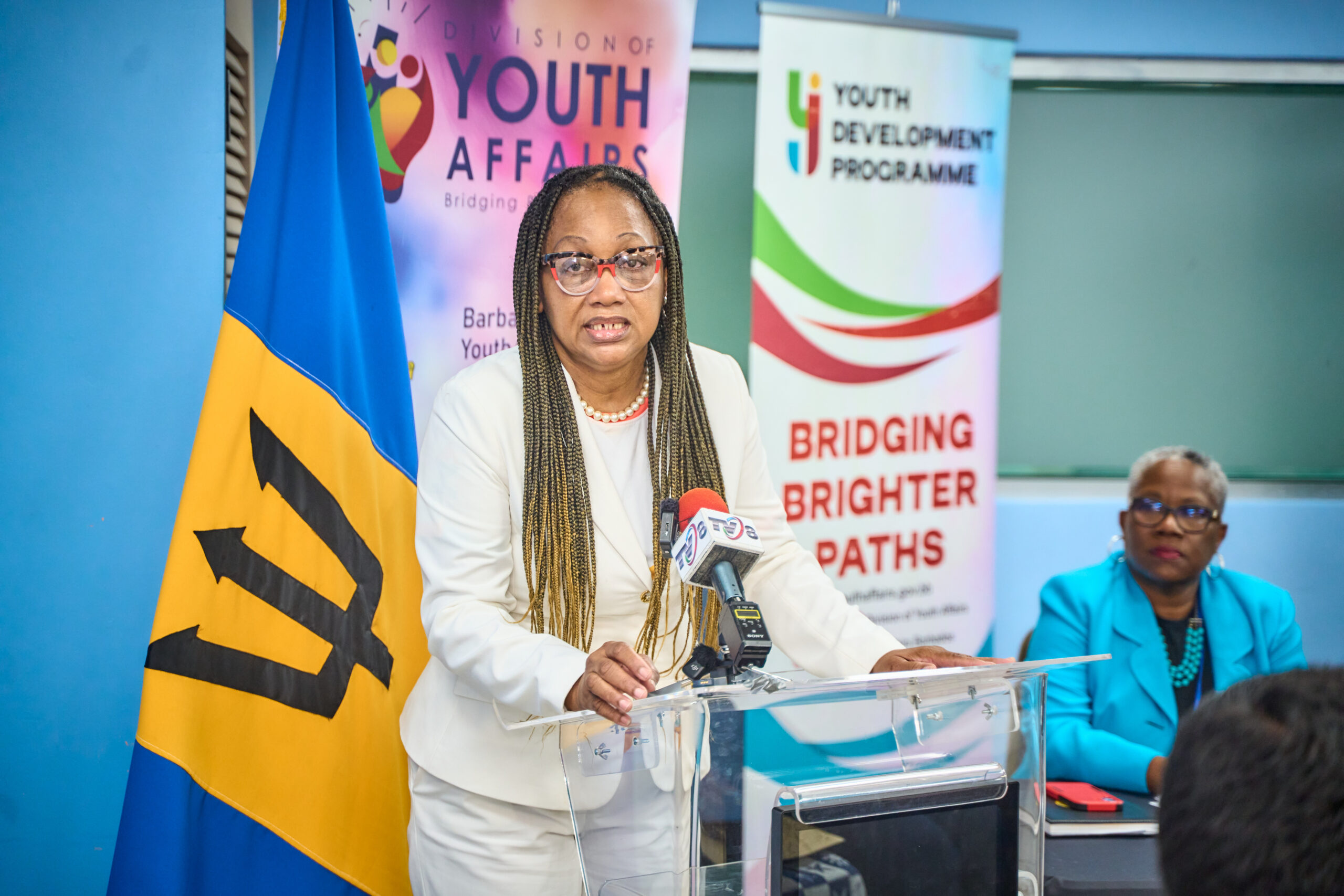
    Barbados’ annual National Summer Camps initiative is entering a transformative new phase this year, with a major expansion that will see the program hosted at up to 51 locations across the island, welcome roughly 3,500 young participants, and introduce long-requested financial compensation for camp leadership alongside upgraded public safety protocols. Youth and Culture Minister Senator Shane Archer officially launched the 2024 iteration of the program during a Tuesday event held at the Division of Youth Affairs located in Haggatt Hall’s Sky Mall, noting that this year’s redesign was crafted specifically to address feedback and concerns raised by participants and organizers in previous years.

    Archer confirmed that the six-week program will get underway on July 13 and wrap up its activities on August 21. A key change responding to years of repeated requests from program staff is the introduction of stipends for camp directors and assistant directors, a policy the minister framed as a long-overdue recognition of the work put in by camp leadership. “We are reintroducing something that has been asked for… the directors and the assistant directors must have some type of stipend,” Archer explained. In addition to leadership stipends, the government has also allocated funding to cover transportation costs for volunteer staff traveling to and from camp locations.

    Most camp sites will be based at existing primary and secondary school facilities across the island, but the program has added community centers and local churches as alternate venues to accommodate ongoing renovation work at many public school properties. “We are preparing to operate up to 51 camps across Barbados, and we are expecting around 3,500 campers,” Archer said.

    The minister emphasized that the summer camp program is far more than a recreational outlet to keep young people occupied during school break, framing it as a strategic long-term investment in Barbados’ next generation. “This is not simply a programme to occupy young people throughout the summer vacation. We must see this as an investment into our young people,” he said.

    Reflecting that investment, the 2024 program features a dramatically expanded curriculum that covers far more than traditional summer activities. Campers will have access to coursework and workshops in financial literacy, emotional regulation, science, technology, engineering and mathematics (STEM), sustainable agriculture, national heritage, cultural arts, online safety, public health and wellness, team sports, and foundational life skills. A brand-new Spanish language immersion track has also been added to the program, developed with financial and logistical support from the Colombian, Cuban, and Venezuelan embassies based in Barbados.

    Beyond daily camp activities, the 2024 calendar will include inter-camp tournaments for sports and creative projects, a sharp increase in guided national heritage tours, a island-wide cultural arts showcase, a national “Make a Book” creative writing project, and a special celebration of International Youth Day scheduled for August 12.

    Safety protocols have also received a major upgrade this year, in response to past concerns. Archer reported that the program has added additional frontline camp personnel, mandated expanded first-aid training for all staff, and contracted private security firms to supplement existing government-provided security at all camp sites. Nutritional access has also been improved: all campers will receive a free daily lunch through the Ministry of Educational Transformation’s school meals program, and additional distribution hubs have been added to eliminate the delivery delays that impacted the program in 2023.

    Registration for the 2024 summer camps opened earlier this year, and already roughly 1,800 young people have secured their spots. Program officials have reminded families that registration remains open, but each camp location has a fixed maximum capacity, so parents and guardians are encouraged to complete registration as soon as possible to avoid being waitlisted.

    Senior Youth Commissioner Elizabeth Bowen highlighted three specialized camp tracks designed for older adolescents aged 15 to 17, including the YES Camp and Camp Employing Minds. Unlike the general camps open to a wider age range, these specialized programs focus on targeted skills development for youth transitioning out of secondary school. “They are the ones which have some targeted age groups. We offer soft skills development and kind of help them start planning their roadmap, as they transition into early adulthood and start to think about their plans for whether it’s tertiary education or entering into the world of work,” Bowen explained. “So I am pleased this year, extremely pleased with the offerings.”