标签: Barbados

巴巴多斯

  • Mental health key to workplace safety — NMHC

    Mental health key to workplace safety — NMHC

    As the Caribbean island of Barbados marks the annual World Day for Safety and Health at Work, the country’s National Mental Health Commission (NMHC) is delivering a critical wake-up call to all local employers: mental health cannot be sidelined as an add-on to workplace safety protocols—it is foundational to occupational safety itself.

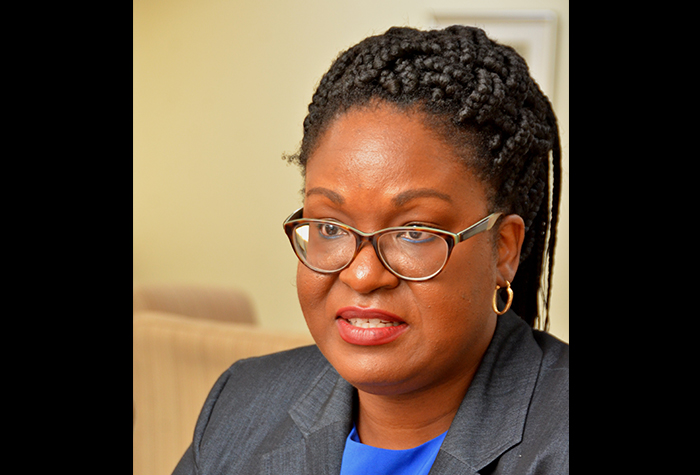
    Dr. Maisha Emmanuel, chair of the NMHC, laid out the commission’s stance in a public statement, stressing that any conversation about safe, healthy work environments must integrate mental and psychosocial well-being alongside long-standing physical safety protections. She explained that common work-related issues including chronic stress, occupational burnout, workplace harassment, and on-the-job violence are every bit as much occupational health hazards as traditional dangers such as exposure to toxic chemicals, poorly maintained machinery, or inadequate ergonomic design.

    The commission’s argument highlights the direct causal link between poor workplace mental health and elevated safety risks. Unmanaged stress, clinical anxiety, and depression all impair core cognitive functions: they reduce focus, slow response times, cloud critical judgment, and diminish a worker’s ability to assess their surrounding environment. Each of these impairments is a known precursor to workplace accidents and injuries. Workers navigating untreated mental health challenges are far more likely to make costly errors, experience preventable incidents, and fail to respond effectively when emergency situations arise.

    Dr. Emmanuel noted that the problem is far from abstract for Barbadian workers, with thousands currently grappling with psychosocial hazards on the job. Excessive unmanageable workloads, extended shift hours, pervasive workplace bullying, lack of managerial support, and persistent job insecurity have become common experiences for many across the island’s labor force. “These psychosocial hazards are as real and dangerous as any physical hazard, and they must be addressed with the same seriousness and urgency,” she emphasized.

    To turn the commission’s call into action, the NMHC has outlined a series of concrete steps employers can implement immediately to improve workplace mental health and safety. First, organizations should conduct full systematic assessments to identify psychosocial risks specific to their workplaces, then roll out targeted measures to prevent and mitigate those hazards. Employers must also prioritize widespread mental health literacy, expand access to support resources, and build inclusive workplace cultures where workers feel comfortable disclosing mental health concerns without fear of stigma, retaliation, or discrimination.

    Key actionable recommendations from the commission include adjusting workload distribution to prevent endemic burnout, defining clear job roles and performance expectations to reduce worker uncertainty, offering flexible work arrangements where feasible to support healthier work-life balance, enacting and enforcing strict zero-tolerance policies for workplace bullying and harassment, providing specialized training for managers to recognize early signs of mental health strain and support struggling team members, and guaranteeing all staff access to confidential Employee Assistance Programmes and affordable specialized mental health services.

    The message is not directed solely at employers, however. The NMHC also reminded workers that protecting collective and individual mental health at work is a shared responsibility. For employees, the commission recommends speaking up about harmful stressors when they arise, setting clear healthy boundaries around work and personal time, taking regular scheduled breaks to avoid fatigue, building supportive connections with colleagues, practicing evidence-based stress management techniques, and reaching out for professional support early if mental health challenges begin to impact daily work and well-being.

    In closing, Dr. Emmanuel reaffirmed the core principle of the commission’s campaign: “A safe workplace protects both physical and mental health. Every worker in Barbados has the right to return home safe and healthy — in body and mind — every day. On this World Day for Safety and Health at Work, let us commit to creating workplaces where mental health is valued, protected, and supported as the essential component of workplace safety.”
  • Call for greater autism awareness in public spaces

    Call for greater autism awareness in public spaces

    Over the last 12 months, families of autistic children in Barbados have reported a sharp uptick in frustrating encounters in public spaces, especially grocery stores, reigniting demands for local businesses to adopt more flexible, compassionate policies and deepen public understanding of autism spectrum needs.

    Chantal Fields, Events and Coordination Chairman of the Autism Association of Barbados, shared these insights with local outlet Barbados TODAY on the sidelines of the organization’s annual Autism Awareness Walk, held Tuesday. While she acknowledged that general public awareness of autism has advanced in recent years, Fields emphasized that countless caregivers still face unnecessary barriers during routine outings.

    “I’ve had so many parents reach out to me with these complaints,” Fields said. “A little grace goes such a long way; people need to understand that not everyone can navigate a supermarket trip the same way.”

    She explained that one of the most common points of friction stems from widespread supermarket rules banning children from riding inside shopping baskets or trolleys — a safety measure many parents rely on to prevent elopement, a common behavior among autistic children that can put kids at severe risk in crowded, busy public spaces.

    “For example, some autistic individuals are prone to wandering off unexpectedly,” Fields explained. “That turns a simple trip to pick up groceries into a constant exercise in keeping your child contained. But when parents try to keep their child safe by placing them in a shopping trolley, many supermarkets now have signs prohibiting the practice, and staff will step in to stop them. For our families, this isn’t a convenience — it’s a safety issue.”

    Fields called on local businesses to adopt a more accommodating approach, noting that small adjustments could drastically reduce the daily burden carried by autism families. She even proposed a simple compromise: allowing children to ride in trolleys if parents can provide formal confirmation of their child’s autism diagnosis, to balance store policies with safety needs.

    “Every person on the autism spectrum functions differently, and some need that extra layer of support, whether that means containing a child who elopes or other small accommodations,” she said. “Just a little flexibility can make a world of difference.”

    Fields did highlight bright spots amid ongoing challenges, pointing to gradual improvements in workplace support for autism parents. A growing number of Barbadian employers have introduced more lenient scheduling policies, allowing caregivers to adjust shift times or step out for therapy appointments without fear of penalty. “A lot of parents have told me their workplaces have been really supportive,” she said.

    When it comes to inclusive education, however, progress remains in early stages. Fields noted that the Barbadian Ministry of Education is currently piloting new inclusive schooling frameworks, but the reforms are not yet fully rolled out. “It hasn’t been launched system-wide yet, it’s still in its pilot phase,” she explained. “It might not benefit families currently navigating the system, but it should create better outcomes for the next generation of autistic people coming through in the next five years.”

    Looking ahead, the Autism Association of Barbados is partnering with the Samuel Jackman Prescod Institute of Technology (SJPIT) to launch new skills-based training programs for autistic adults, covering in-demand vocational areas such as cooking and carpentry. The initiative is designed to help participants build employable skills and access sustainable work opportunities. “Opportunities are starting to open up, and people are becoming more receptive to including autistic individuals in the workforce,” Fields said.

    Overall, Fields assessed that while ongoing autism awareness campaigns have moved the needle on public knowledge, significant gaps in understanding remain. “It’s a mixed picture,” she said. “We’ve been doing consistent outreach and awareness work, and people are learning more, but there are still a lot of areas where understanding just hasn’t caught up.”

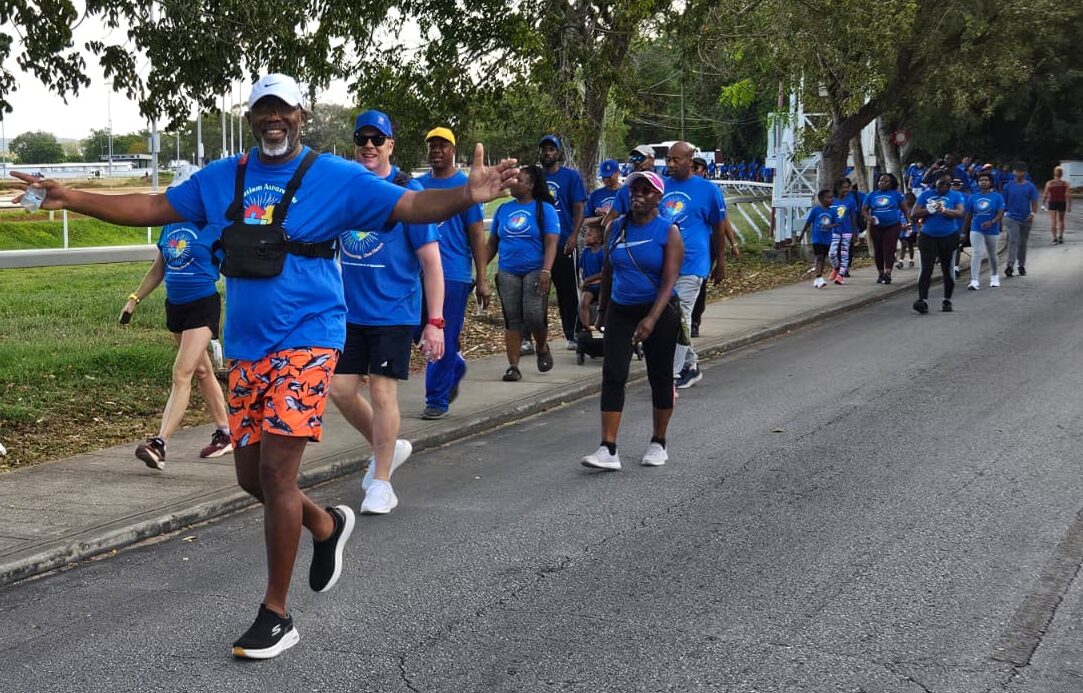
    Fields’ comments came during the association’s annual Autism Awareness Walk, which drew more than 300 supporters who gathered as early as 6:30 a.m. to participate. Participants began their route at the Social Empowerment Agency, winding through Lower Collymore Rock, Culloden Road, Beckles Road and Dalkeith Road, circling the Garrison, traveling along Highway 7, and returning to the starting point. The event concluded with a group cool-down session led by Spinny, serving as a visible public push for wider acceptance, awareness and practical support for autistic people and their families across Barbados.

  • PM urges Barbadians to ‘be a hero to somebody’ in Heroes Day message

    PM urges Barbadians to ‘be a hero to somebody’ in Heroes Day message

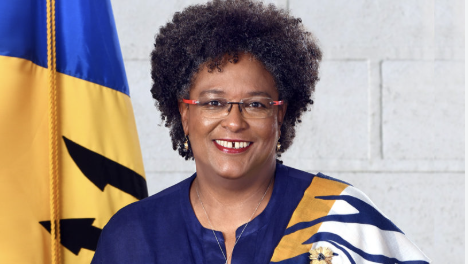
    Barbados came together on April 28 to observe its annual National Heroes Day, a occasion dedicated to honoring the iconic figures who shaped the nation’s trajectory, with Prime Minister Mia Mottley delivering a stirring address that redefined heroism for modern citizens. In her message delivered to both domestic residents and the sprawling Bajan diaspora across the globe, Mottley rejected the common misconception that courage and heroism are reserved only for celebrated public figures, pushing instead for a vision of heroism rooted in daily action and service to others. The commemoration carries a special significance this year, as it marks the birthday of The Right Excellent Sir Grantley Herbert Adams, Barbados’ first Premier, a founding father of both the nation and the Barbados Labour Party. For current public servants, Mottley emphasized that Adams’ enduring legacy serves as a constant reminder that politics’ core purpose must be lifting up marginalized communities, upholding human dignity, expanding access to opportunity, and ensuring every Barbadian sees a place for themselves in the country’s future. Mottley opened her address by extending warm wishes to all Barbadians, at home and abroad, urging the nation to reflect on the sacrifices of the heroes who fought to build the independent, resilient country Barbados is today. During the ceremony, the Prime Minister paid special tribute to the nation’s two living National Heroes, highlighting their unique contributions to elevating Barbados’ global profile. The first, The Right Excellent Sir Garfield Sobers, showcased to the world that Barbadian talent combines grace, discipline, and unmatched skill that sets a global benchmark. The second, Her Excellency The Right Excellent Robyn Rihanna Fenty, has become a beacon for young generations across the island and the globe, proving that creativity, boldness, relentless hard work, and unwavering patriotism can carry a Bajan voice to every corner of the world. Drawing on the examples set by both historical and living national heroes, Mottley reiterated her core thesis: heroism is not measured by fame, formal ceremonies, or public applause. Instead, it lives in the values that guide daily life, the quiet examples people set for others, the burdens that individuals choose to carry on behalf of neighbors and community members, and the hope that is instilled in people who will never have the chance to repay that kindness. Against this backdrop, Mottley issued a straightforward but profound challenge to all Barbadians in 2026: step forward and be a hero to someone. She broke down what that everyday heroism looks like across age groups and communities. For a child, that means being a person they can look up to, modeling how to speak with integrity, work diligently, treat others with respect, and bounce back from failure. For a young person navigating an uncertain world, everyday heroism means proving that decency remains a strength, honesty still matters, discipline still yields meaningful rewards, and kindness is never a sign of weakness. For an elderly neighbor, heroism can be as simple as a phone call, an in-person visit, a warm meal, a helping hand, or just the quiet comfort of knowing they have not been abandoned or forgotten by their community. Mottley framed the concept of a hero simply: a hero is anyone who acts as a positive role model for at least one other person. It is a person whose core values, consistent virtues, and intentional choices give others a blueprint for how to live well. A hero inspires those around them to stand taller, work harder, live more purposefully, dream bigger, and deepen their love for their home country of Barbados. Echoing the words of the Barbadian National Anthem, which calls on citizens to be “Firm craftsmen of our fate,” Mottley noted that this is not just a lyric to be sung on ceremonial occasions—it is a binding duty that all citizens must live out every day. She closed her address by urging every Barbadian to commit to one small act of service: lift up one person whose life can be strengthened, encourage one young person who needs support, right one wrong that has been overlooked, and complete one act of service that leaves their home, school, workplace, house of worship, or community better than they found it. The national heroes honored today built the foundation of the modern Barbados that current citizens enjoy. Mottley left the nation with a closing question: what kind of Barbados will today’s citizens leave for the generations that come after them? Closing out the address, the Prime Minister wished all Barbados a happy National Heroes Day, repeating her core call to action: “Let each of us be a hero to someone.” (Issued by the Prime Minister’s Office)

  • New deal includes farming, energy, Spanish as second language

    New deal includes farming, energy, Spanish as second language

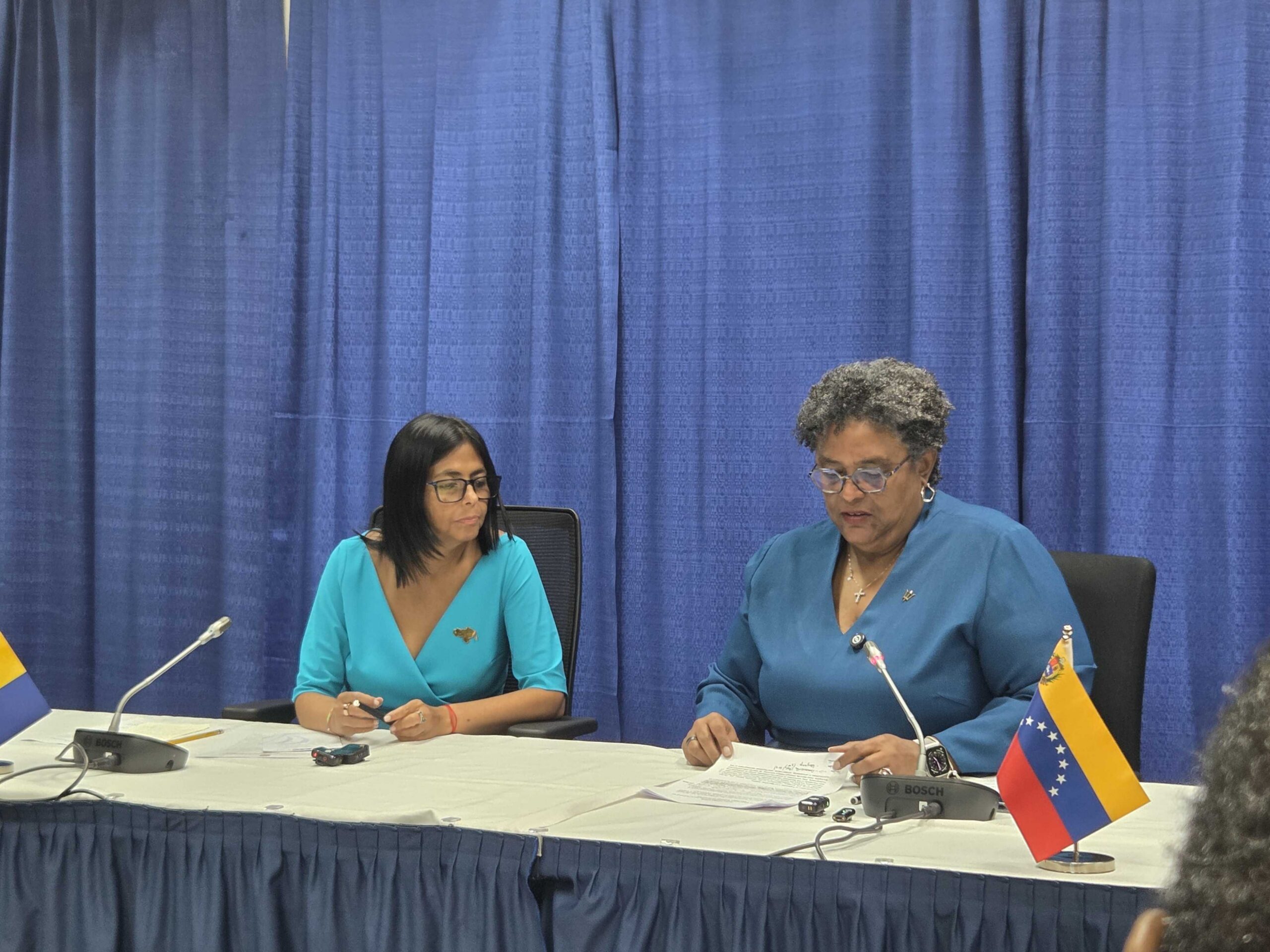
    In a landmark diplomatic gathering hosted in Bridgetown on Monday, Barbados and Venezuela unveiled a wide-ranging strategic alliance covering food production, energy investment, and language education, marking the first high-level visit from Venezuela’s new interim government following the US removal of former president Nicolás Maduro. The meeting, held at the Lloyd Erskine Sandiford Centre, brought together Barbadian Prime Minister Mia Mottley and Venezuelan Acting President Delcy Rodríguez, who jointly announced the start of a new, transformative era of bilateral collaboration after a full day of closed-door negotiations.

    Both leaders emphasized that the close geographical proximity of the two nations — a mere one-hour flight apart — has long been underutilized, and the new partnership will finally build the deep economic and social connections that match this geographic advantage. Mottley framed the cooperation as a critical collective defense mechanism against the ongoing global economic strains of soaring inflation and disrupted supply chains, noting that the two countries already have a foundational history of dialogue from prior diplomatic engagements.

    “Venezuela has made impressive progress in securing food sovereignty, and it is well positioned to help many nations across our region access affordable, nutritious food,” Mottley stated. A core initiative of the new partnership will allow Barbadian government representatives and private farmers to cultivate food directly on Venezuelan territory. This arrangement is designed to stabilize volatile food prices on Barbados’ import-dependent island economy, while leveraging the nation’s established Caribbean logistics networks to turn the island into a regional export hub for Venezuelan-grown produce. Mottley added that the plan will eliminate wasted cargo capacity on trade routes between the two countries, ensuring that planes and ships returning from Barbados to Venezuela are not carrying empty holds, boosting economic efficiency for both sides.

    In a surprising policy announcement, Mottley reaffirmed a decades-old pledge to make Spanish Barbados’ second official language, a policy first outlined almost 50 years ago that was never fully implemented. Under the new target, all Barbadians under the age of 18 will receive formal Spanish language education by 2030, a move designed to eliminate language barriers and streamline cross-hemisphere trade and travel. Mottley noted that this linguistic integration will also lay the groundwork for future cooperation in tourism and transport connectivity, which the two nations plan to advance in subsequent negotiations.

    Turning to energy cooperation, Mottley recognized Venezuela’s long history as an energy security stabilizer for the Caribbean, referencing landmark prior agreements including the San Jose Agreement and PetroCaribe. She confirmed that the Barbados National Energy Company will now begin exploring joint investment opportunities in Venezuela’s existing oil and gas fields, to strengthen Barbados’ long-term energy security amid the current global energy crisis. Mottley added that the partnership will also extend beyond fossil fuels to collaborative development of renewable energy technologies.

    Acting President Rodríguez, who assumed leadership of Venezuela after US special operations forces invaded Caracas in early January and removed Maduro to face US criminal charges, described the new agreement as a “new birth” of bilateral relations, officially marking April 27 as the starting date of the revitalized economic and trade alliance. Rodríguez echoed Mottley’s praise for the food production initiative, confirming that the arrangement will not only improve food access for Barbadians but also position Barbados as a global export hub for Venezuelan agricultural products.

    Rodríguez also outlined plans to expand air and maritime connectivity between Caracas and Bridgetown, noting that increased flight frequencies will unlock new tourism markets for both countries. She extended an invitation for Barbadian tourism professionals to lead training programs for Venezuelan hospitality workers, while offering Venezuelan energy expertise to help Barbados expand its domestic energy output. The two sides also agreed to explore joint manufacturing of solar panels as part of their renewable energy collaboration.

    On the education and language front, Rodríguez announced that Venezuela will expand the operations of its Venezuelan Institute for Cultural Cooperation in Barbados, integrating digital education technology to connect Venezuelan language teachers with Barbadian students to support the push for Spanish proficiency across the island.

    The visit comes amid a deeply unstable political transition in Venezuela, with widespread international debate over the legitimacy of US intervention and the nation’s future democratic governance. The US military operation that removed Maduro has been widely condemned by global policymakers as a violation of Venezuelan sovereignty and international law. Currently, Maduro is being held at the Metropolitan Detention Center in Brooklyn, New York, alongside his wife Cilia Flores. He has pleaded not guilty to all charges of drug trafficking and corruption, telling a Manhattan federal court that he is a “prison of war” who was illegally kidnapped by US forces.

    The high-level talks concluded with a ceremonial exchange of cultural gifts, including an indigenous handcrafted beach bag from Venezuela and a original work of Barbadian art, symbolizing the deep cultural ties the two leaders aim to solidify through the new partnership. “We invite you and your delegation to always treat Barbados as your home,” Mottley told Rodríguez at the closing of the summit. “Our core goal is to build a relationship that delivers tangible benefits to ordinary citizens of both nations, so that everyone can access the best that both our countries have to offer.”

  • YouTube star draws crowds, global online audience

    YouTube star draws crowds, global online audience

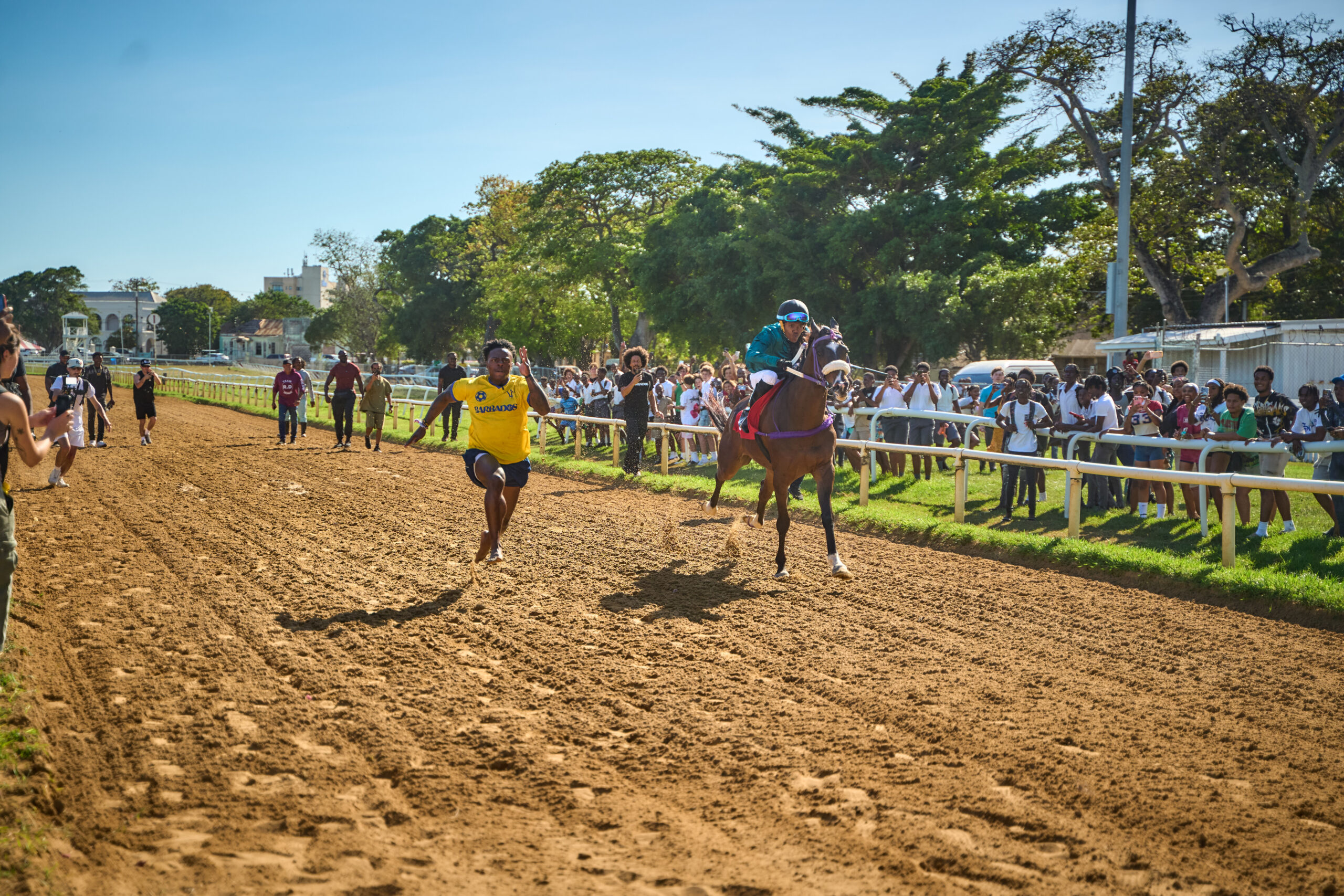
    On Monday, the world-famous American streaming creator Darren Watkins Jr., universally known by his online alias IShowSpeed, transformed an impromptu tour of Barbados into an unprecedented cross-platform global cultural event, drawing tens of thousands of local fans onto the island’s streets while amassing millions of concurrent online viewers.

    Famous for his unfiltered, high-octane livestreams that have earned him a massive global youth following, IShowSpeed stuck to a packed, carefully curated itinerary designed to immerse him in every corner of authentic Bajan life. Within a single day, he traveled across the island, stopping at secondary schools, sun-soaked public beaches, iconic local food spots and landmark historic sites. Excited crowds made up of schoolchildren, parents and long-time fans gathered at every stop along his route, from Christ Church Foundation School and the fishing village of Oistins to Dover Beach, Golden Square Freedom Park and central Bridgetown’s Heroes Square, with many fans trailing his movement across the island all day to catch a glimpse of the creator.

    The full day of activities included an interactive visit with Christ Church Foundation students, a walking tour of the Oistins fishing jetty, a casual domino match with locals, one-on-one conversations with street vendors, a ride on a classic Bajan public bus where he learned popular local slang, a stop at beloved island fast-food chain Chefette, visits to the Garrison Savannah historic site and Savvy on the Bay retail complex, and a closing cultural showcase with the Barbados Landship Association. The tour wrapped with a traditional sticklicking demonstration, a mock Crop Over celebration (Barbados’ famous annual harvest festival), and a visit to Rihanna Drive, the childhood street of global music icon Rihanna, where IShowSpeed ended his stream with a signature green apple send-off gifted by Rihanna herself.

    Caleb Brathwaite, President of the Barbados Youth Development Council, shared that the livestream captured the authentic warmth and vibrant energy of Barbadian culture in real time for a global audience. “I was glued to the stream from the moment he got on the bus with school kids and asked them why they weren’t in class, all the way through to the end when he got that green apple from Rihanna at her childhood home,” Brathwaite explained. “In just a few hours, IShowSpeed was able to show millions of people around the world the full beauty and culture we have right here in Barbados.”

    As of Monday evening, the archived livestream had already crossed 2.6 million views, with numbers continuing to climb. Brathwaite noted that the creator’s combined social media reach extends to tens of millions of followers worldwide, making this level of organic global exposure an extraordinary opportunity for the island nation. “This kind of international attention is exactly what Barbados needs — it proves to the whole world that we are one of the most incredible destinations on the planet,” he said.

    Beyond tourism benefits, Brathwaite highlighted the meaningful social impact of the event for local communities. At a time when local media has focused heavily on negative narratives surrounding segments of Barbados’ youth population, Brathwaite said it was refreshing to see young people across the island coming together peacefully to have fun. “It was so good to just see young people being young people, kids being kids, all enjoying themselves,” he said.

    The Barbados stop is part of IShowSpeed’s ongoing multi-nation Caribbean tour, which has already brought the creator to Trinidad and Tobago and Grenada. On each stop, he has partnered with local creators, sampled regional cuisine, and highlighted unique local cultural traditions.

    Brathwaite emphasized that the outpouring of local enthusiasm for IShowSpeed’s visit reflected a deep shared national pride across all generations of Bajans. “I honestly think IShowSpeed brought the entire country together,” he said. “Everyone was watching the stream, everyone was talking about it — your mom, your dad, your aunt, your uncle, your grandma, everybody. It just goes to show how much pride we all have in our country, and that our national motto of ‘pride and industry’ beats in all of our hearts.”

  • Barbados urged to deepen platform economy, trade readiness

    Barbados urged to deepen platform economy, trade readiness

    At a closing ceremony for the European Union’s landmark Economic Partnership Agreement (EPA) held at Bridgetown’s Courtyard by Marriott on Monday, a senior Barbadian trade official delivered a stark warning: small island developing economies like Barbados will fail to convert preferential market access into tangible economic growth without immediate action to address deep structural weaknesses and upgrade competitiveness to meet rising global trade standards.

    Paula Byer, Director of Foreign Trade at Barbados’ Ministry of Foreign Affairs and Foreign Trade, emphasized that while regional and international trade pacts — including the CARIFORUM-EU EPA and the Caribbean Single Market and Economy (CSME) — open new commercial doors, access alone does not guarantee shared prosperity. For small, trade-reliant Caribbean nations, the ability to capitalize on these opportunities hinges entirely on three core pillars: expanded productive capacity, robust institutional preparedness, and sustained improvements to global competitiveness, she argued.

    The 11th European Development Fund (EDF) EPA Programme, an EU-funded regional initiative launched to help CARIFORUM states — a bloc comprising the EU’s former Caribbean colonies — implement and benefit from the CARIFORUM-EU trade deal, concluded its core funding cycle this week, though supporting activities will continue through the mid-2020s. Originally launched under the 2014–2020 EDF cycle, the program replaced decades-old Lome and Cotonou trade and aid agreements between the EU and African, Caribbean and Pacific nations, with a core mission to boost trade competitiveness across the Caribbean. It has focused on advancing customs and border management reform, upgrading quality testing and certification infrastructure, strengthening regional value chains for agriculture and agro-processing, and supporting micro, small and medium-sized enterprises (MSMEs) that form the economic backbone of most Caribbean economies.

    Byer highlighted that international development partnerships are not a discretionary bonus for small vulnerable economies like Barbados — they are a fundamental necessity for survival and growth. She outlined the persistent structural barriers that hold Caribbean MSMEs back from global trade: limited production scales that prevent businesses from competing on price, exorbitant logistics costs for island nations that rely almost entirely on maritime shipping, small domestic markets that limit growth potential, gaps in export readiness training and infrastructure, and cutthroat competition from large multinational firms and low-cost imported goods.

    Beyond these long-standing challenges, Byer noted that global trade is rapidly evolving, with increasingly strict requirements for product testing, certification, and accreditation becoming non-negotiable for access to premium export markets. “Without meeting those requirements, our products simply cannot compete,” she stressed. She added that even for compliant producers, many small Caribbean firms lack the resources to invest in product development, attractive packaging, brand building, and export marketing — key differentiators that help products stand out in crowded global markets.

    Port efficiency, Byer argued, is another make-or-break issue for island economies. Even minor delays and operational inefficiencies at port facilities directly raise business costs and erode competitiveness, making it harder for local producers to get their goods to market on time and at competitive price points. She noted that the 11th EDF EPA Programme was specifically designed to tackle many of these systemic barriers. It has delivered funding and technical support for modern border management systems, trade facilitation regulatory reforms, and digital trade solutions that cut operational costs and speed up processing times.

    In Barbados, Byer highlighted one tangible early win: the rollout of a new port community system that has already improved inter-stakeholder coordination, boosted operational transparency, and cut cargo processing times — a critical upgrade that will directly strengthen the country’s overall trade performance. Across the wider Caribbean, the program has also upgraded regional quality infrastructure, supported small agricultural and agro-processing producers by improving certification access, strengthened regional value chains, and expanded export readiness training for small producers.

    “These efforts recognise a fundamental truth — our MSMEs are the backbone of Caribbean economies, yet they face the greatest barriers in international trade,” Byer said. Tying the regional program to Barbados’ long-term national development goals, she reiterated that deeper regional integration is non-negotiable for unlocking growth. A more integrated regional economic platform allows Caribbean nations to pool limited resources, expand cross-border production networks, and compete far more effectively on the global stage, while strategic external partnerships like the CARIFORUM-EU EPA remain critical to driving export diversification and inclusive, sustainable growth, she explained.

    As global trade continues to shift, driven by digital transformation, stricter sustainability standards, and rapidly changing consumer preferences, Byer concluded that Barbados must maintain consistent investment in modern trade infrastructure, strong, adaptive regulatory frameworks, and private sector innovation to keep pace and secure long-term economic gains from international trade.

  • Charity launches to support ‘invisible’ citizens

    Charity launches to support ‘invisible’ citizens

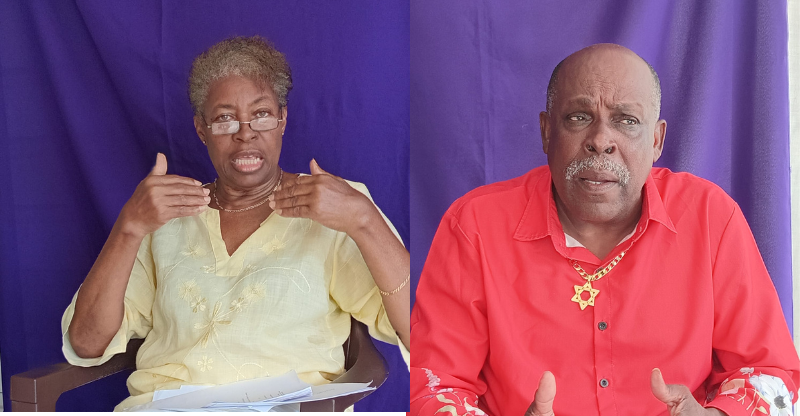
    Against a backdrop of overstretched public and non-profit social services across Barbados, a newly registered Christian faith-based charity has officially launched with an ambitious mission to reach vulnerable populations that have fallen through the cracks of existing support systems. Founded by Dr. Belfield Belgrave, the Compassionate Hands Foundation aims to address unmet needs ranging from shelter for survivors of domestic abuse to care for neglected elderly populations, and even community-level intervention to curb rising gang violence.

    At its recent launch event held in Strathclyde, St. Michael, foundation leadership laid out a dual mission that combines spiritual encouragement with hands-on, practical support for marginalized groups. Dr. Belgrave, who founded the organization after experiencing a personal calling to serve what he calls the “least of these” in Barbadian society, emphasized that the foundation’s core purpose is to build a critical safety net for people overlooked by mainstream institutions.

    One of the organization’s flagship initiatives is the development of a purpose-built safe home for abused women and their children, a project that fills a growing gap in domestic violence support services as existing providers struggle to meet rising demand. “Right now, our top priority is securing a suitable building and recruiting qualified staff to get this shelter up and running,” Dr. Belgrave told local outlet Barbados TODAY. “Our vision is to create a space where survivors, especially children who often bear the brunt of domestic abuse, can receive consistent care and live free from the threat of harm.”

    Beyond domestic violence support, the foundation has also made care for Barbados’ aging population a key focus. Dr. Belgrave noted that many elderly Barbadians, who dedicated their working lives to building the nation, are increasingly abandoned or neglected once they reach retirement age. Compassionate Hands aims to step in to provide consistent support and connection to keep elderly residents thriving across the island.

    Dr. Jonlyn Harewood, a foundation director and trained economist and urban planner, clarified that the organization has no interest in public recognition or financial gain, instead prioritizing quiet “invisible work” that centers people who feel unseen by broader society. Since completing its official registration, the foundation has worked diligently to meet all national legal and regulatory requirements, and is now fully prepared to roll out its core programs.

    These initiatives extend far beyond shelter and elder care: the charity plans to partner with local churches to provide urgent mental health counseling for at-risk groups, support people living with disabilities through small targeted infrastructure projects such as installing accessible bathroom fixtures for those who have recently acquired disabilities, assist students who have fallen out of the formal education system, provide support to widows, and run youth engagement programs in high-need communities.

    “We exist specifically to fill the gaps and cracks that other organizations can’t cover,” Dr. Harewood explained. “So many government and non-profit agencies are overwhelmed by rising demand that they simply can’t meet every need. Our goal is to help the people who fall through those gaps, without seeking any public reward or recognition.”

    In response to the recent surge in gun violence across Barbados, Dr. Belgrave has proposed a bold, direct approach: open, face-to-face engagement with gang leaders to broker community peace agreements, modeled after international diplomatic negotiation. “We plan to go directly to gang leaders to sit down and talk, to see if we can broker ceasefires and lasting peace between rival groups,” Dr. Belgrave said. “So many of our young people are adrift; gangs give them a sense of belonging and love that they aren’t getting anywhere else. We want to go into these violence-affected hotspots and make a meaningful, long-term difference in their lives.”

    Despite the organization’s ambitious agenda, Dr. Harewood stressed that all programming will be rooted in data-driven decision making rather than impulsive action. Unlike many new initiatives that launch without first assessing community needs, the Compassionate Hands Foundation plans to conduct systematic needs assessments to identify where demand is greatest. “If you take the time to listen to communities, you can clearly see the unmet needs that are bubbling under the surface,” she said, noting that this research-first approach will allow the charity to deliver the most effective support possible to the people who need it most.

  • Bajan sweet potato on rebound after 2024 crisis

    Bajan sweet potato on rebound after 2024 crisis

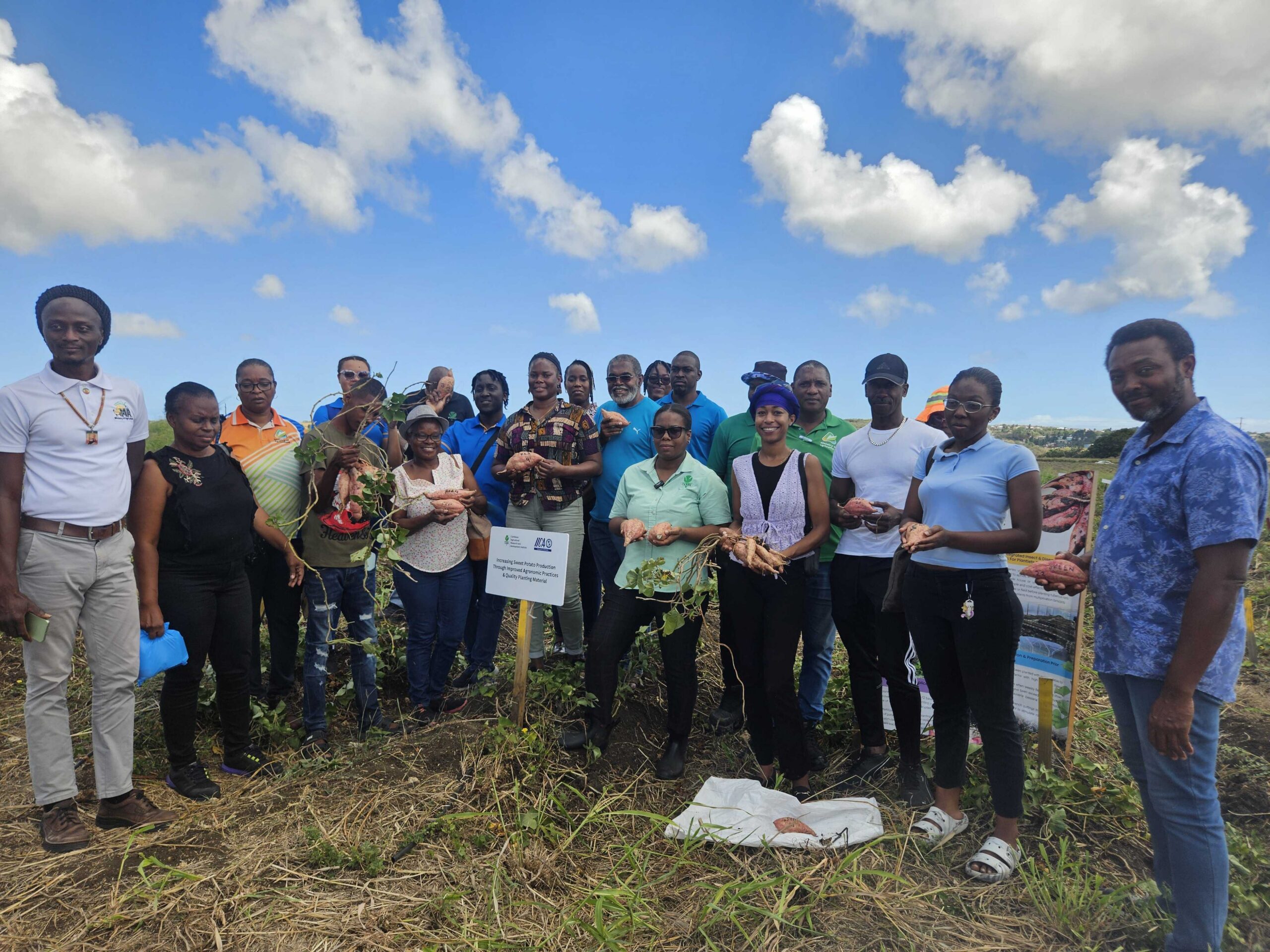
    After a devastating 2024 production shortfall that sent retail sweet potato prices skyrocketing to three to four times their normal level, Barbados’ major sweet potato producers have staged a remarkable yield recovery, with farmers crediting targeted planting and crop treatment innovations for the dramatic turnaround. The rebound comes after a coordinated industry response spearheaded by local agricultural stakeholders, who gathered this week for an open day highlighting the successful new practices that pulled the sector back from crisis. The event, hosted by Barbados’ Ministry of Agriculture in partnership with the Caribbean Agricultural Research and Development Institute (CARDI) and the Inter-American Institute for Cooperation on Agriculture (IICA), combined an educational workshop seminar with an on-site field tour of research plots at St George’s Valley Island Farm, where the new growing techniques were first tested. Ron Hope, farm manager at Valley Island Farm, laid out the full scope of the 2024 crisis, which originated from a widespread complex of viral diseases that crippled output across the island’s largest commercial growing operations, including Edgecumbe Plantation and Armag Farms. For Hope’s own operation, the impact was catastrophic: established fields that typically produced tens of thousands of pounds of sweet potatoes saw total output collapse under the pressure of untreated infection. Facing the prospect of ongoing industry collapse, farmers began testing targeted adjustments to traditional planting and crop management protocols, starting with pre-planting treatment of sweet potato slips (the root cuttings used to establish new crops) and a shift away from heavy chemical fertilization toward organic nutrient management. “I dipped my planting material in a light organic soil mixture to boost rooting strength and improve tuber development,” Hope explained of his modified process. The results were immediate and visible: farmers reported a sharp drop in the number of plants showing clear symptoms of viral infection. “I saw a major reduction in the number of virus-looking plants in my fields,” Hope said. Alongside slip treatment, Hope also adjusted his fertilization strategy, doubling down on organic inputs even as he already avoided heavy chemical use. “I started to fertilise differently. I don’t use a lot of chemical fertilisers either way but I used more organic fertiliser basically,” he noted. These small but impactful changes translated directly into an extraordinary rebound in total production. “Production increased a lot last year, big time, big time, big time,” Hope emphasized. Multiple growing fields on his property delivered robust yields: two roughly four-acre plots combined to produce 120,000 pounds of sweet potatoes, equal to around 25,000 pounds per acre – a level Hope described as exceptional productivity for the region. Looking ahead to 2025 full-season output, Hope noted that while consistent yield improvements remain the long-term goal, further gains will depend on sustained investment into infrastructure and clean planting material. He added that a target of 20,000 pounds per acre would represent a sustainable, profitable output that balances production volume with operational scalability. So far in 2025, early harvest results have exceeded even optimistic expectations: in some sections of his fields, Hope is harvesting up to 1,500 pounds of sweet potatoes per planting row, with growth so strong that harvesting teams have not yet finished digging all mature tubers in some areas. The successful model developed at Valley Island Farm has already been adopted across the wider Barbados sweet potato farming community, with other major producers replicating the slip treatment and crop management strategies and sourcing access to improved, tested planting material. “Guys came, got different planting material. Edgecumbe [plantation in St Philip] had a big, big problem up there. He got it sorted out,” Hope said, framing the recovery as a collective achievement by local farming communities. During the open day’s workshop, Michael James, Barbados’ chief agricultural officer, confirmed that while the sector is no longer in full-blown crisis, it continues to face ongoing pressure from viral pathogens and insect pests, with long-term stabilization dependent on consistent adoption of improved management practices. “I wouldn’t say we are in a crisis,” James stated, “but pest and disease management remains central to stabilising production.” James explained that the primary pathways for viral spread are infected planting material and insect vectors, making access to disease-free planting stock the single most critical step for controlling outbreaks. “If most of the viruses spread through planting material as well as by vectors, how do you control this? By using clean planting material. And that’s where the tissue culture facility would assist,” he said. Beyond improved management of existing stock, the Ministry of Agriculture is working to strengthen the local sweet potato crop base by introducing new, resilient cultivars developed through international research. “We are also looking to bring in some new varieties out of the International Potato Centre, which will help augment what we currently have as well as to look at how we can improve the ability of some of these cultivars to withstand or tolerate some of the viruses that we have now,” James explained. The scale of yield loss across the island still varies widely from farm to farm, James noted, with outcomes directly tied to each operation’s management practices and the quality of the planting material they use. “You’re not going to get 100 per cent, but… it can be reduced 10, 15, 20 per cent, all depending on the type of material you have that you’re planting, as well as the type of pests that you’re dealing with,” he said. The ongoing expansion of Barbados’ local tissue culture laboratory will play a central long-term role in supplying farmers with consistent access to clean planting stock, though James cautioned that initial production volumes will be limited, and farmers will be expected to multiply the clean stock on their own operations to meet growing demand. In the near term, James urged all local sweet potato producers to adhere strictly to established best management practices to prevent future outbreaks. “If you’re going to grow it, seek some advice from the ministry, CARDI or IICA. Check with the persons who you’re getting planting material from to make sure that the planting material is clean,” he advised. He also stressed the often-overlooked importance of on-field and post-harvest sanitation protocols in limiting pathogen spread: “Make sure that you use proper sanitation practices both in your field as well as post-harvest because that helps with reducing most of the diseases as well as the pests that can harm your crop.”

  • 11-plus students urged to improve writing skills ahead of exam

    11-plus students urged to improve writing skills ahead of exam

    With just a few weeks remaining before Barbados’ annual Common Entrance Examination, education leaders at two top Christ Church primary schools are sounding the alarm about pervasive gaps in students’ composition and reading comprehension skills — gaps that they warn could drag down the performance of even well-prepared test-takers, according to findings from a recent region-wide mock assessment.

    Tyrone Marshall, principal of Water Street’s Milton Lynch Primary School, acknowledged that while the vast majority of students have dedicated significant time and effort to exam preparation, external socioeconomic factors often create unaddressed barriers to academic success. Many working parents in the community are forced to take on two or even three jobs to make ends meet, leaving them unable to provide consistent after-school support for their children’s studying. Even so, Marshall expressed cautious confidence in his students, noting that most have followed their teachers’ guidance closely and are on track to deliver solid results on exam day.

    Fonda Boyce Small, principal of nearby Christ Church Girls’ School — also located on Water Street — echoed Marshall’s concerns, confirming that the mock exam’s results aligned with longstanding observations from classroom instructors. Educators at her school have spent months prioritizing extra practice for composition and comprehension, two areas that have consistently challenged student cohorts for years. Comprehension Section B, in particular, remains a persistent stumbling block for many test-takers. Small expressed hope that students would internalize the feedback from the mock assessment and apply their full effort when they sit for the official exam.

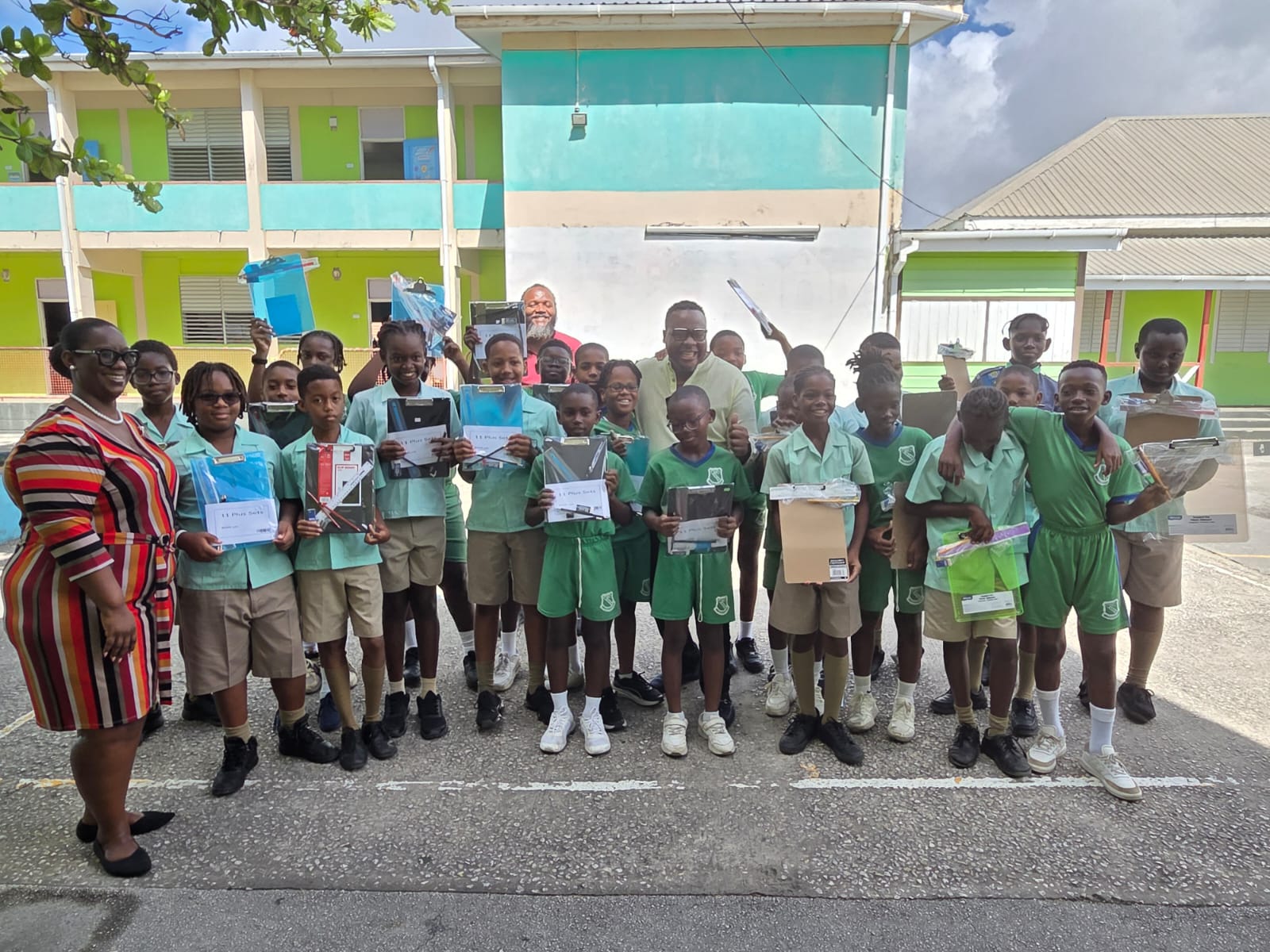
    The cross-school mock assessment was organized and led by Quincy Jones, founder and director of the local Trident Charity, who administered the practice test to students across 12 institutions in the St Michael and Christ Church zones. During a visit to Water Street schools on Monday to distribute customized “11-Plus Kits” for upcoming test-takers, Jones — who is also the Democratic Labour Party candidate for the constituency in the upcoming February 11 general election — flagged a growing modern threat to formal writing performance: the informal, text-based language that students increasingly use on platforms like WhatsApp.

    Jones pointed to the mock exam results that confirmed composition as the lowest-performing section across participating schools, highlighting common informal errors that students continue to make. Examples include grammatically incorrect phrasing such as “me and John” instead of the standard “John and I,” and casual text slang like abbreviating “you” to “U” and “because” to “BC” in formal essays. In the lead-up to the official exam, Jones encouraged students to focus on incorporating descriptive adjectives into their writing and mastering core technical rules like subject-verb agreement to avoid unnecessary point deductions.

    Beyond test performance, Jones reminded the Class 4 students sitting for the exam that dedication and personal leadership matter more than the specific secondary school they gain admission to, emphasizing that every public secondary institution in Barbados has produced successful national leaders. As the countdown to the official exam continues, both school principals and the charity organizer have stressed that the immediate priority is building student confidence and helping learners correct the technical writing errors identified during the mock assessment.

  • Reggae Weekend draws record crowds, says organiser

    Reggae Weekend draws record crowds, says organiser

    After three electric nights of world-class reggae and dancehall performances at Bridgetown’s iconic Kensington Oval, the 2026 edition of Barbados Reggae Weekend closed to rave reviews, with organizers celebrating the event’s highest turnout in recent history. Running across Friday, Saturday and Sunday, the 2026 festival brought back its three fan-favorite signature events: the opening night Mount Gay Legends of Reggae showcase, the high-energy Guinness Showdown, and the closing weekend staple Reggae in the Gardens.

    In a post-festival press briefing Sunday night, sponsorship manager Michelle Straughn shared that audience numbers surged across all three days of the event. Attendance at the Guinness Showdown doubled compared to previous stagings, while turnout for Reggae in the Gardens tripled, marking a dramatic rebound for the festival after a period of hiatus.

    Straughn acknowledged that the 2026 edition faced unforeseen production hurdles and logistical adjustments, particularly as this was the first time the festival was hosted at Kensington Oval, a venue most known for international cricket matches. Despite these challenges, she emphasized that the event achieved its core goal: reestablishing Barbados as one of the Caribbean’s premier festival and entertainment destinations. “When Barbados Reggae Weekend went on hiatus, we lost some of that traction as a go-to festival spot,” Straughn explained. “This event is our commitment to rebuilding that legacy for the island, and we couldn’t be happier with how it turned out.”

    Another milestone for the 2026 festival was its first-ever global livestream, which allowed digital patrons around the world to purchase access tokens to stream all three nights of performances. Straughn reported that the livestream operation ran seamlessly, and organizers plan to retain the digital access option for all future editions of the festival. On the topic of the new Kensington Oval venue, Straughn praised the space as “stunning” for large-scale live entertainment, noting that teams took extra precautions to preserve the venue’s cricket pitch to keep it available for future sporting events.

    Looking ahead, Straughn shared that the festival is strategically timed to boost pre-summer tourism to the island, with organizers hoping the successful 2026 edition will drive a surge of visitor arrivals starting in April, ahead of the traditional peak summer travel season that begins in July.

    A Look Back at Festival Highlights
    The 2026 festival kicked off Friday with the Mount Gay Legends of Reggae Show and Dance, a nostalgic celebration featuring some of the genre’s biggest icons, including Barrington Levy, Super Cat, Sister Nancy, Norris Man, JC Lodge, and Biggie Irie. Though brief technical issues interrupted portions of the opening night set, the legendary performers delivered standout sets that kept the crowd engaged, with Barrington Levy earning particular acclaim for his performance. Resident deejays Jerry Dan and Lil Rick kept energy high between performer sets, bridging gaps caused by the technical disruptions.

    Saturday’s Guinness Showdown upped the tempo with a dancehall-focused lineup headlined by fan favorite Popcaan, with additional high-energy sets from Capleton and General Degree. Local emerging acts including Maasta T, Doejay, Brutal Crankstar, Weather 40, and Idea the Artist earned enthusiastic responses from the packed crowd. Originally scheduled to perform Saturday, dancehall artist 450 had to rearrange his set, with organizers quickly moving his appearance to Sunday’s lineup to accommodate the change.

    The festival wrapped Sunday with Reggae in the Gardens, a diverse closing bill led by international headliner Fantasia. The closing night lineup also featured Dexta Daps, Kranium, Admiral Tibet, DJ Puffy, D’Yani, Spice and Company, and Rite Side of Red, a collaborative set featuring Buggy Nhakente and Rhesa Garnes.

    Barbados Reggae Weekend is produced by FAS7STAR Entertainment, led by veteran promoter Comar “Frankie” Campbell.