
In a world where change is inevitable, meaningful transformation requires more than mere chance—it demands strategic visioning. This disciplined process involves envisioning a preferred future and meticulously planning the steps to achieve it. At the national level, Barbados stands on the brink of significant change. Inspired by Singapore’s model of disciplined, long-term development, there is a growing consensus that Barbados can become the “Singapore of the Caribbean.” This vision, supported by both local residents and expatriates, is gaining traction in public discourse. While the journey will be gradual, it can be integrated into a rolling ten-year strategic plan, continuously refined and renewed annually. At the sector level, the recent devastation caused by Hurricane Melissa in Jamaica underscores the importance of resilience and innovation. Discussions among industry leaders highlight the need for strategic partnerships to protect critical infrastructure, such as burying power lines to mitigate future storm damage. At the corporate level, strategic visioning necessitates collaboration between government and private enterprises to align national development goals with business opportunities. Visioning, as a guiding compass, requires passion, persistence, and patience at all levels. It is the key to achieving a sustainable and prosperous future, step by step, decade by decade. As President Obama aptly put it, “Just learn how to get stuff done.”
标签: Barbados
巴巴多斯
-
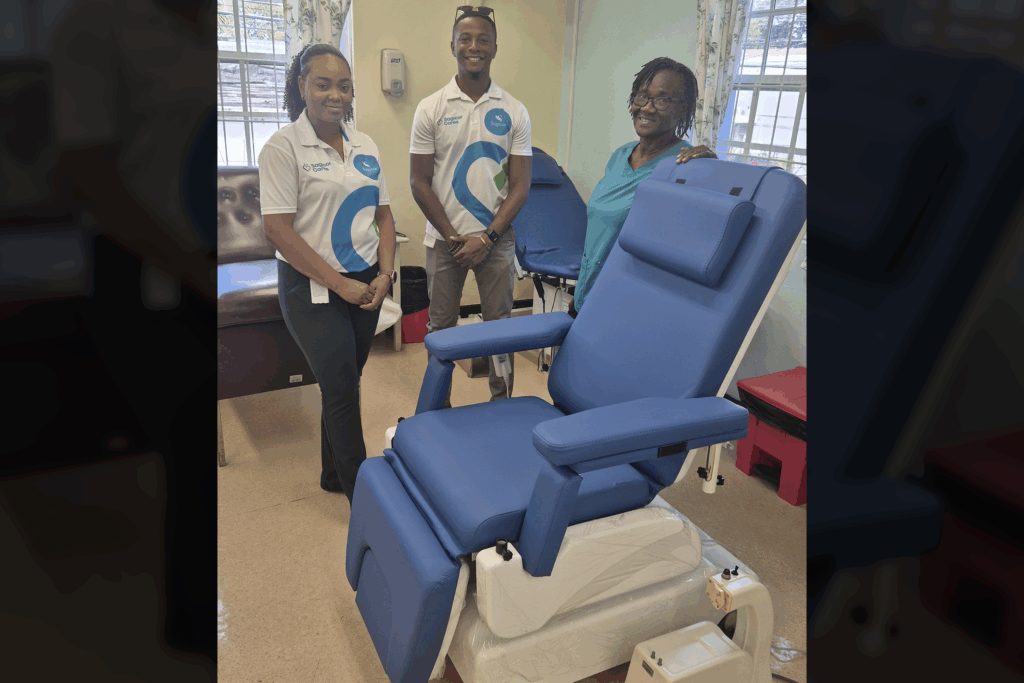
National Blood collection centre benefits from Sagicor donation
The National Blood Collection Centre has significantly enhanced its operational capacity with the generous donation of a state-of-the-art multifunctional blood donor electric bed from Sagicor. This contribution increases the total number of beds at the facility to eight, improving both efficiency and comfort for donors and staff alike. Nurse Wendy Lorde, Senior Blood Collecting Technician, expressed heartfelt gratitude for the timely donation, emphasizing its transformative impact on the Centre’s ability to serve the public. ‘This new bed from Sagicor has revolutionized our daily operations,’ she remarked. ‘Previously, we had four beds, one of which required replacement. With the addition of three beds from the QEH and now this latest donation, we have eight fully functional units. This allows us to accommodate more donors simultaneously, with each bed facilitating at least seven donations daily. This not only reduces waiting times but also ensures a more comfortable experience for everyone.’ Nurse Lorde also highlighted a positive trend of increased blood donations in recent months, particularly from individuals donating on behalf of family and friends. However, she encouraged more people to become regular donors, stressing the importance of a consistent blood supply in saving lives. Paul Inniss, Executive Vice President and General Manager of Sagicor Life Inc. (Barbados), shared the company’s pride in supporting the National Blood Collection Centre’s vital work. ‘At Sagicor, we are committed to caring for our communities in meaningful ways. The Centre plays a pivotal role in sustaining our healthcare system, and we are honored to contribute to making the donation process more accessible and comfortable. We hope this donation inspires more Barbadians to give the gift of life.’ This initiative is part of Sagicor’s broader commitment to health and wellness across Barbados and the region.
-

When the voice of labour falls silent, then what?
Since the dawn of the 21st century, the world has undergone profound economic and political transformations, reshaping global economies, societal structures, and labor markets. These shifts, often driven by the decisions of superpower nations, have ignited trade wars and intensified competition over critical resources such as land, oil, and minerals, fostering a new era of neocolonialism. Amid these changes, trade unions have faced scrutiny for their perceived silence on these pressing issues. While international trade union organizations have voiced concerns, the muted response from developing nations—many reliant on first-world support—raises questions about their ability to safeguard labor rights and employment gains. Critics argue that unions may be either hesitant to challenge powerful entities or disconnected from the global developments threatening workers’ welfare. The hostile legal and political environments in many countries, marked by anti-union legislation and measures criminalizing union activities, further complicate their efforts. Even in democratic nations, unions struggle to address global challenges effectively. The rise of the gig economy and non-standard employment has further eroded traditional union structures, making it increasingly difficult to organize fragmented and vulnerable worker groups. Declining membership, particularly among younger workers who view unions as outdated, has diminished their influence and public visibility. As the nature of work continues to evolve, trade unions must confront these mounting challenges to remain relevant in a rapidly changing world.
-

Couple’s Scottish wedding guests donate to animal charities
A Barbadian couple’s unconventional wedding in Scotland has turned into a significant boon for animal welfare charities in their home country. Jevan Jutagir, founder of Red Advertising & Marketing, and his bride, Danielle St-Pierre, tied the knot at the historic King’s College Chapel in Aberdeen, a venue with personal significance for Jutagir, a former University of Aberdeen Student Union president. The ceremony, attended by guests from Barbados, Trinidad, and Canada, featured traditional Scottish kilts but broke from tradition in one key aspect: instead of receiving conventional wedding gifts, the couple asked their guests to donate to two Barbados-based animal welfare organizations, Ocean Acres Animal Sanctuary and Safe Cats of Barbados. The response was overwhelming, with donations totaling $15,000 (approximately £5,700). In a statement, Jutagir explained their decision, emphasizing their comfortable lifestyle and desire to channel their guests’ generosity toward a cause they deeply care about—animal welfare. The couple, who are passionate about animals and share their Barbados home with cats, tortoises, and even monkeys, highlighted the growing issue of unwanted pets and unchecked breeding in Barbados. They expressed hope that their initiative would inspire others to support these charities, which work tirelessly to rescue and rehome stray animals. The newlyweds described the donations as a meaningful start to their married life, thanking their guests for their generosity.
-

CTU lauds Liberty Caribbean for 5G+ in Barbados
The Caribbean Telecommunications Union (CTU) has lauded Liberty Caribbean for spearheading the launch of the first commercial 5G+ network in Barbados, marking a transformative milestone for the island and the wider Caribbean region. CTU Secretary General Rodney Taylor hailed the initiative as a testament to Barbados’ leadership in adopting cutting-edge technologies, setting a precedent for other small island developing states.
-

Police officers complete UK-backed leadership course
A cohort of 30 officers from the Barbados Police Service achieved a significant milestone in their careers on Friday, graduating from the Police International Middle Management Training Programme. This intensive two-week leadership course, conducted in collaboration with the Durham Constabulary from northeast England, aimed to enhance people-centered leadership within Barbados’ policing framework. The graduation ceremony took place at the Regional Police Training Centre (RPTC) in Seawell, marking the culmination of their rigorous training. Chief Inspector Kevin Salter, Head of UK and International Training with the Durham Constabulary, delivered a compelling address to the graduates, urging them to embrace their roles as agents of change. He emphasized the importance of applying their newfound knowledge to inspire and lead their teams effectively. Salter shared a poignant personal story about the profound impact of mentorship, recounting the story of a former colleague, Gavin Smith, whose gratitude for his guidance underscored the lasting influence of compassionate leadership. Superintendent Stephen Herbert also spoke at the event, highlighting the critical role of leadership in the sustainability and success of any organization. He stressed that honesty and integrity are indispensable qualities for effective leaders, as they build trust and confidence among their teams. The graduates were encouraged to return to their stations with a renewed commitment to driving positive change and upholding the highest standards of policing in Barbados.
-

Blackbelly sheep exports suspended as numbers plummet
Barbados has announced a temporary suspension of all exports of its indigenous Blackbelly sheep due to a severe decline in the population, as reported by Barbados TODAY. The Barbados Agricultural Society (BAS) is spearheading efforts to revive a national registration scheme to address the crisis, with industry leaders emphasizing that no sheep can be spared for export until local numbers recover. Rommel Parris, President of Barbados Sheep Farmers Inc., confirmed the halt, citing critically low herd levels despite increasing regional demand. Parris revealed that he has repeatedly declined export requests from neighboring islands, including Antigua, Dominica, and Grenada, due to the dire state of Barbados’ sheep population. He expressed concern over the lack of quality breeding animals from Greenland Livestock Station, which has exacerbated the problem. The situation has been further complicated by dwindling interest among young people in sheep farming. Parris highlighted the urgent need to reintroduce a structured registration system to track and rebuild the national flock. The registration process, launched earlier this month, is being led by an internationally trained officer equipped with the necessary tools to assess sheep characteristics and growth. Parris emphasized that revitalizing the industry requires increased participation in sheep breeding, with a goal of encouraging five to six individuals annually to raise 20 sheep each. He expressed optimism that Barbados could eventually resume exports comfortably, drawing parallels to past successful export programs. The Barbados Blackbelly sheep remains globally respected for its resilience, adaptability, and high reproductive rates. The Ministry of Agriculture has also implemented training programs to educate farmers on best practices, further supporting recovery efforts.
-
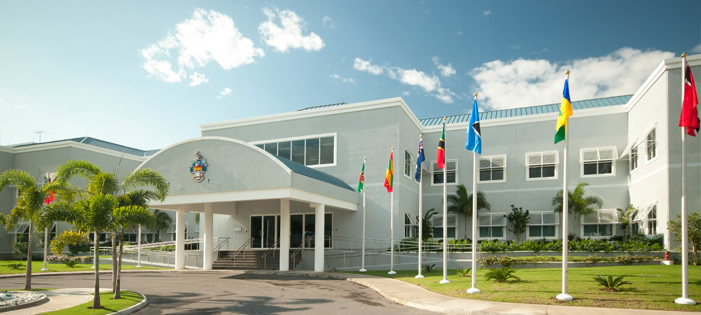
UWI to host Media-thon for Hurricane Melissa relief
The University of the West Indies (UWI) Cave Hill Campus is set to organize a live media-thon this Sunday, November 16, to generate financial support for Jamaican families devastated by Hurricane Melissa. The event, titled ‘One Love Jamaica Media-thon,’ will be broadcast from the campus’ TV studio between 3 p.m. and 7 p.m. and will be aired live on UWITV, Starcom Network, CBC, and various other regional media outlets.
-
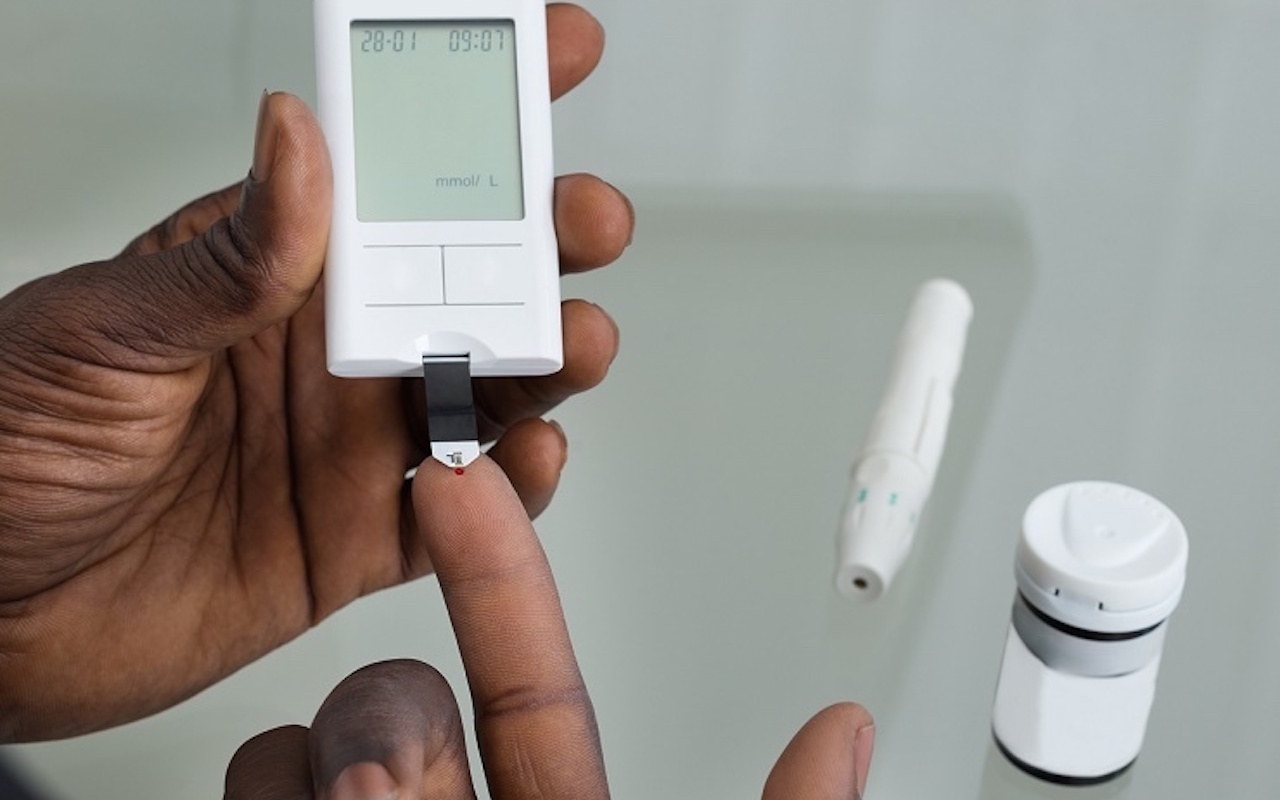
Know your number on diabetes, before it comes up
On World Diabetes Day, the Diabetes and Hypertension Association of Barbados issued a stark reminder: diabetes is not merely a medical issue but a significant workforce and economic challenge. With seven in ten people living with diabetes globally being of working age, the condition is increasingly affecting younger populations, not just the elderly. This revelation, as highlighted by association president Tyrone Lowe, underscores a growing national concern, particularly amid Barbados’ labor shortages and efforts to boost inward migration to rejuvenate its workforce.
Lowe emphasized the ‘silent suffering’ experienced by many individuals in workplaces, schools, and job sites. Despite outward appearances of normalcy, those with diabetes often endure emotional distress, stigma, and the fear of severe complications like heart attacks or strokes. The psychological burden, compounded by constant medication and dietary restrictions, creates a culture of silence, especially among younger people who may avoid seeking support to avoid appearing ‘abnormal.’
This silence, Lowe warns, can have devastating consequences, leading to delayed treatment and severe health crises. To address this, he calls for greater compassion and practical support, urging corporations to implement wellness policies, offer flexible medical appointment schedules, and provide healthy food options in workplace canteens. The association’s ‘Know Your Numbers’ campaign encourages individuals and employers to monitor key health metrics like blood pressure and blood sugar levels, aiming to prevent complications before they arise.
Ultimately, breaking the stigma surrounding diabetes requires open dialogue and a shift away from gossip or pity. As Lowe aptly puts it, ‘The more we talk about it, the more we acknowledge that this can happen to anyone.’ By fostering a supportive environment, Barbados can better tackle this silent crisis and safeguard its workforce and economy.
-

Multiple government offices at Warrens close due to environmental and AC issues
The Warrens Office Complex faced significant disruptions on Friday as environmental and air-conditioning issues forced the closure of several government departments. The Land Registry Department, situated on the Ground Floor, was shut down for the day due to unspecified environmental concerns. Officials have assured the public that the department will reopen once conditions improve. Similarly, the Ministry of Energy and Business, located on the First Floor, remained closed as it grappled with persistent air-conditioning problems. Members of the public seeking services such as liquor licences or assistance from the Department of Commerce and Consumer Affairs (DCCA) were redirected to the Trinity Business Centre at Country Road, St Michael. Temporary contact numbers were provided for urgent inquiries: DCCA – 535-7000, Ministry’s Executive Officer – 832-2393, and Ministry’s Executive Secretary – 266-8416. On the Third Floor, the Ministry of Labour, Social Security and Third Sector also closed its doors due to air-conditioning malfunctions, with staff working remotely to maintain service continuity. Despite these closures, two key units within the complex—the Labour Department on the Second Floor and the Barbados Employment Career and Counselling Service on the First Floor—remained operational. Authorities have apologized for the inconvenience and promised to provide updates as normal operations resume across the affected offices.