标签: Barbados

巴巴多斯

  • Bajans ‘to feel tax relief’ as gov’t moves to ease cost-of-living pressure

    Bajans ‘to feel tax relief’ as gov’t moves to ease cost-of-living pressure

    The Barbadian government has announced a significant fiscal intervention designed to alleviate economic pressure on households, with Finance Minister Ryan Straughn detailing a comprehensive package of tax reductions and credits. Effective from the 2025 and 2026 income years, the strategy targets low-to-middle-income earners and pensioners grappling with elevated living expenses.

    Central to the initiative is a one percentage point reduction in personal income tax rates for the 2026 fiscal period. Individuals earning between $25,000 and $75,000 will see their rate drop to 11.5%, while those above the $75,000 threshold will be taxed at 27.5%. Minister Straughn emphasized that these adjustments will collectively return approximately $26.1 million annually to working citizens, thereby boosting disposable income without compromising the nation’s progressive tax framework.

    Simultaneously, the reverse tax credit will be elevated from $1,300 to $1,700 for taxpayers with annual incomes up to $25,000 starting in 2025. Furthermore, eligibility for this credit will be expanded to include individuals earning up to $35,000, who will receive a $750 benefit—a measure expected to extend support to an additional 17,221 people at a cost of $12.9 million.

    The compensatory income credit will also see its income ceiling raised from $35,000 to $50,000, benefiting 18,415 taxpayers by allowing them to retain a larger portion of their earnings.

    Pensioners stand to gain substantially from the new provisions. A one-year cost-of-living cash credit of $100 per month will be introduced from April 1 for those with incomes under $50,000. Administered through the National Insurance and Social Security Service in coordination with the Barbados Revenue Authority, this support is available to recipients of contributory and non-contributory pensions, survivors’ benefits, and retired public officers. The payment frequency can be tailored to quarterly, semi-annual, or annual disbursements based on individual preference.

    Additionally, the taxable allowance for pensioners will increase from $50,000 to $75,000 effective in the 2025 income year. The program also extends to individuals who have not qualified for a pension due to insufficient contributions and those on welfare benefits.

    Minister Straughn acknowledged that global challenges—including geopolitical conflicts, supply chain disruptions, and inflationary trends—necessitated fiscal discipline, but affirmed the government’s commitment to providing further relief as economic conditions permit.

  • Farmers to get more help with heat stress, praedial larceny

    Farmers to get more help with heat stress, praedial larceny

    In a significant move to bolster national food security, Barbados’ Finance Minister Ryan Straughn has unveiled a sweeping agricultural support initiative during Monday’s Budget address to the House of Assembly. The comprehensive package addresses critical challenges facing the farming sector, including climate-induced losses, production costs, and persistent praedial larceny.

    The poultry industry receives particular attention following devastating heat-related losses that have crippled small-scale operations. Minister Straughn revealed that extreme temperatures annually claim hundreds of thousands of chickens, creating substantial economic damage for farmers with limited infrastructure.

    Effective April 1, qualifying small poultry farmers can access a 100% rebate—capped at $15,000—for implementing heat-reduction technologies such as specialized reflective paint in poultry housing. This enhanced support will remain in effect for two years before transitioning to a 50% rebate available every three years.

    Concurrently, the government is intensifying its battle against agricultural theft. Beginning April 2026, the farm security rebate ceiling will increase from $10,000 to $15,000, covering half the costs of approved surveillance systems including cameras and electronic monitoring equipment. These systems must comply with Barbadian legislation and meet Ministry of Agriculture specifications while forming part of broader enforcement strategies under the Protection of Agricultural Products Act, which will involve strengthened collaboration with the Barbados Police Service.

    The agricultural stimulus extends to sustainable farming practices with an annual $5,000 rebate for initiatives utilizing organic materials for fertilizer and plant/animal inputs, aimed at reducing dependency on imported chemical products and lowering long-term production expenses.

    Additionally, the apiculture sector gains substantial support through a 50% annual rebate—up to $5,000—on essential beekeeping equipment including hives, frames, smokers, and tools. The government will further facilitate the commercial distribution of locally produced honey and explore developing protective clothing for beekeepers in partnership with Export Barbados.

  • Customs get specialist training to curb illegal gun trafficking

    Customs get specialist training to curb illegal gun trafficking

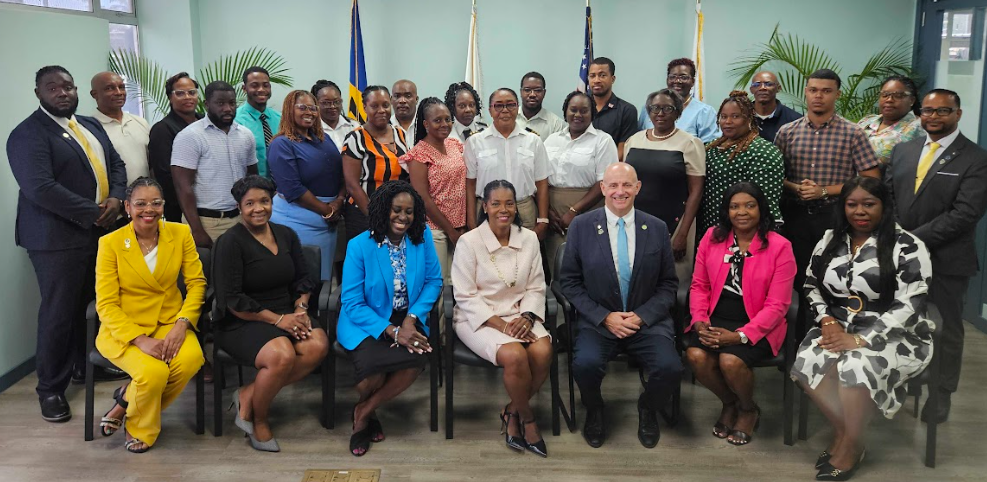
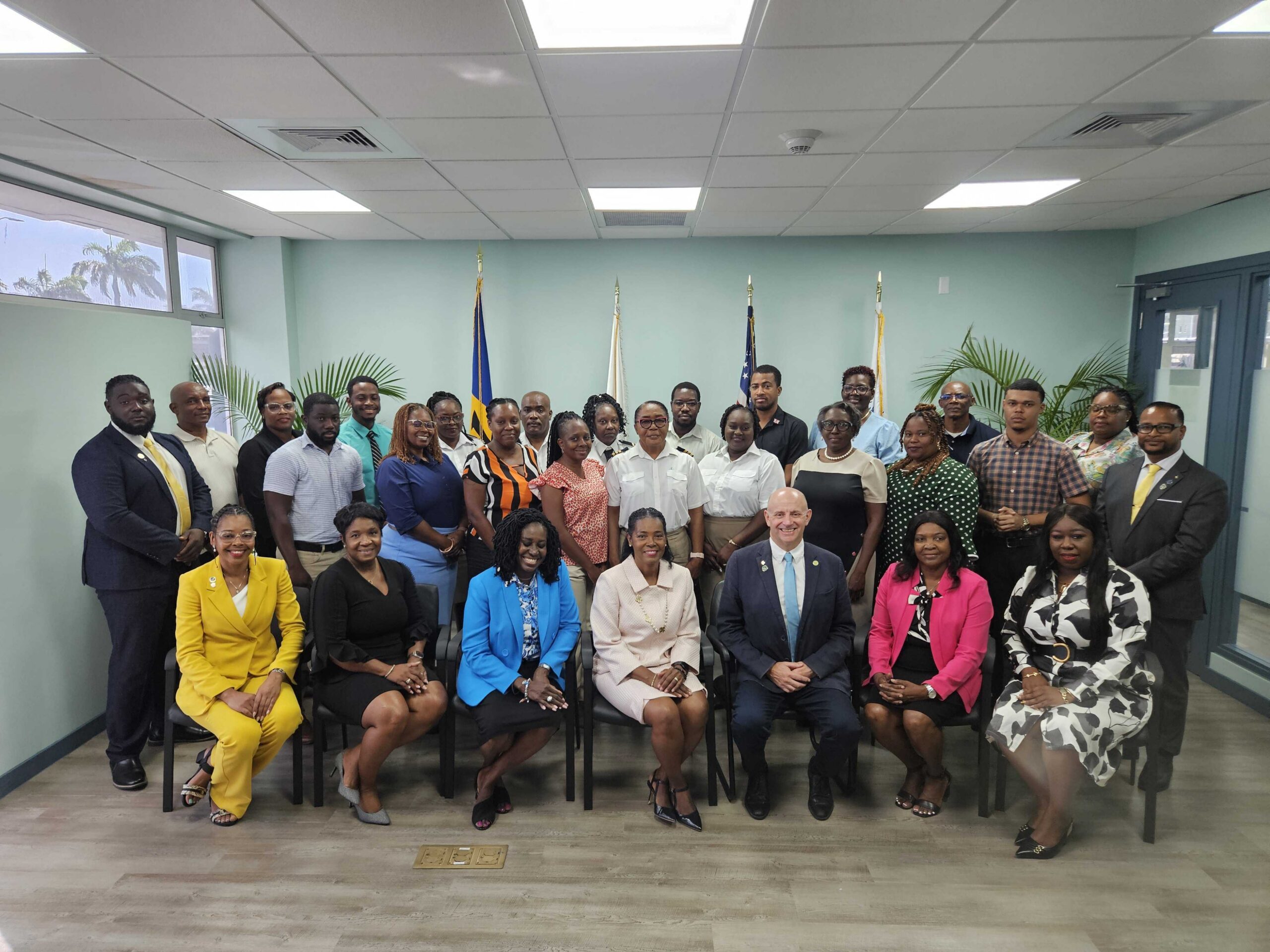
    In a decisive move to strengthen border security, the Barbados Customs and Excise Department has initiated an intensive five-day training program for 20 officers focused on identifying and intercepting illicit firearms. The specialized course, launched in collaboration with the World Customs Organization (WCO), represents a critical step in regional efforts to curb the escalating threat of small arms trafficking across the Caribbean.

    Acting Comptroller of Customs Cheryl-Ann Cumberbatch emphasized the urgency of the initiative, stating, ‘The current surge in firearm usage necessitates enhanced detection and interdiction capabilities within our customs operations. This training arrives at a pivotal moment for our national security framework.’

    The curriculum, delivered through the WCO’s Project BOLT initiative, combines theoretical knowledge with practical exercises covering international legal frameworks, weapon identification techniques, smuggling methodologies, and post-recovery firearm management. Notably, this marks the first WCO-led training in the English-speaking Caribbean utilizing regionally certified instructors through the organization’s train-the-trainer program.

    Duncan Potter, Project BOLT coordinator for WCO, highlighted the program’s strategic importance: ‘This represents a fundamental advancement for Barbados’ border security capabilities. Our organization remains committed to delivering capacity-building initiatives that empower members to protect their societies.’

    The training supports implementation of the Caribbean Firearms Roadmap, a multinational agreement Barbados has endorsed to reduce weapons trafficking. Officials directly linked the initiative to combating rising gun violence fueled by illegal firearms, which Comptroller Cumberbatch identified as ‘a significant threat to public safety and national security.’

    The program reinforces existing collaboration between customs authorities and the Barbados Police Service through improved intelligence sharing and coordinated enforcement operations. Project BOLT operates in partnership with CARICOM IMPACS and receives support from the United States Bureau of International Narcotics and Law Enforcement Affairs.

  • QEH steps up fight against superbugs

    QEH steps up fight against superbugs

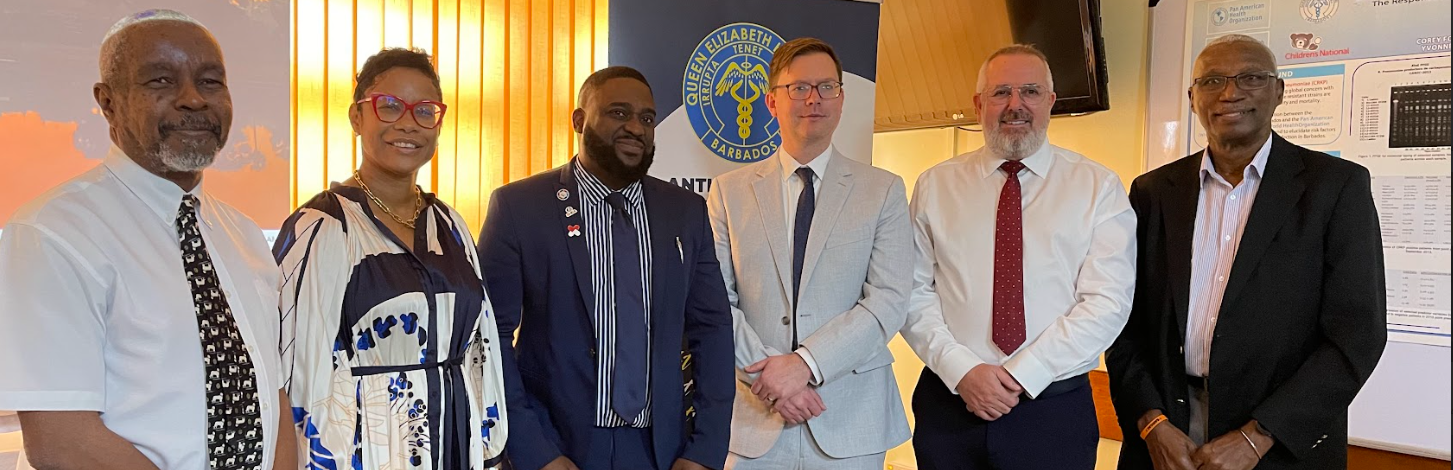
    Barbados is intensifying its frontline campaign against the escalating threat of antimicrobial resistance (AMR) through a strategic international partnership. The Queen Elizabeth Hospital (QEH) has launched an intensive training initiative, welcoming Canadian infectious diseases pharmacist Mark McIntyre to bolster the nation’s defenses against drug-resistant pathogens. This collaborative effort underscores a growing global health crisis that renders standard medications ineffective against evolving bacteria, viruses, and fungi.

    During a welcoming ceremony, QEH’s infectious disease specialist, Dr. Corey Forde, presented alarming data from the Global Health Research Group on Antimicrobial Resistance. The research forecasts a potential 39 million global fatalities between 2025 and 2050 if immediate action is not taken. The World Health Organisation’s 2019 figures, which attributed 1.27 million deaths directly to AMR and linked 4.95 million more to its effects, highlight the urgency of this health emergency. Dr. Forde emphasized that low- and middle-income nations with strained healthcare systems face the greatest risk.

    Barbados has emerged as an unexpected leader in the international arena against AMR. The nation partnered with Malta to table a political declaration on the issue at the 79th United Nations General Assembly, with Prime Minister Mia Mottley championing the cause through concrete actions rather than mere rhetoric. This diplomatic effort is supported by substantial domestic investment, including a $3 million government allocation for advanced microbiology equipment that enables faster pathogen identification and accelerated treatment initiation at QEH.

    Through Pan American Health Organization (PAHO) support, Barbados has enhanced its capacity as a regional center of excellence, extending technical assistance to Eastern Caribbean states. The hospital’s staff has received specialized training in molecular technology and whole genome sequencing, significantly strengthening surveillance capabilities for emerging infections. A landmark development in this comprehensive strategy is the creation of Barbados’ first antimicrobial stewardship pharmacist position, held by Deonne Jacobs, to oversee more prudent antibiotic usage.

    QEH Chief Executive Officer Neil Clark characterized AMR as “one of the most serious health challenges facing the world today,” noting its potential to undermine modern medical treatments and jeopardize health systems and economies globally. The current two-week engagement provides a crucial opportunity for medical practitioners to evaluate practices, identify deficiencies, and reinforce stewardship protocols to preserve effective medications for future generations.

    Newly appointed Minister of Health Senator Lisa Cummins, who is conducting a listening tour across the health system, committed to continuing the previous administration’s efforts. Her priorities include establishing a dedicated AMR center in partnership with the Best-dos Santos Lab and deepening regional and international collaborations.

    The campaign extends beyond clinical settings with planned public lectures and community engagement events. Dr. Forde encouraged public attendance at an expert-led session at the Daphne Joseph-Hackett Theatre on Saturday, emphasizing that simple preventive measures—including regular handwashing, avoiding antibiotic misuse for viral illnesses like flu, and completing prescribed antibiotic courses—can significantly curb resistance development.

  • Customs get specialist training to curb illegal gun trafficking

    Customs get specialist training to curb illegal gun trafficking

    In a decisive move to combat escalating regional arms trafficking, Barbados Customs and Excise has launched an intensive training program for 20 officers to enhance firearms detection capabilities. The five-day National Training on Small Arms Identification and Illicit Trafficking Methods, conducted in partnership with the World Customs Organization (WCO), represents a strategic escalation in border security measures amid growing concerns about transnational weapon flows.

    Acting Comptroller of Customs Cheryl-Ann Cumberbatch emphasized the program’s critical timing, stating: ‘The current surge in firearm usage demands enhanced detection and interdiction capabilities. This training directly addresses our operational needs while strengthening our frontline defense against illicit weapons trafficking.’

    The curriculum, delivered through WCO’s Project BOLT initiative, marks the first English-speaking Caribbean deployment of regionally certified trainers. Participants will undergo comprehensive theoretical and practical instruction covering international legal frameworks, concealment methodologies, risk assessment protocols, and evidence handling procedures for intercepted firearms.

    Duncan Potter, WCO Project BOLT coordinator, characterized the initiative as ‘a fundamental advancement for Barbados’ security infrastructure,’ noting the organization’s commitment to ‘delivering capacity-building measures that empower member states to protect societal safety.’

    The training aligns with the Caribbean Firearms Roadmap—a multinational strategy Barbados has endorsed to reduce regional weapons trafficking. Comptroller Cumberbatch highlighted the nexus between illegal firearms and public safety, noting: ‘This scourge has negatively impacted our borders and contributed to increased gun violence. As border enforcement agents, we play a pivotal role in intercepting these threats to national security.’

    The program leverages existing collaboration between customs authorities and the Barbados Police Service, emphasizing intelligence-sharing and coordinated enforcement actions. Project BOLT operates through a tripartite partnership between WCO, CARICOM’s Implementation Agency for Crime and Security, and the United States Bureau of International Narcotics and Law Enforcement Affairs.

  • Straughn signals relief measures ahead of Budget presentation

    Straughn signals relief measures ahead of Budget presentation

    Barbados Finance Minister Ryan Straughn has indicated that citizens may receive economic relief measures addressing concerns raised during recent elections and global uncertainties. The announcement comes as Straughn prepares to deliver his inaugural Financial Statement and Budgetary Proposals to Parliament this afternoon.

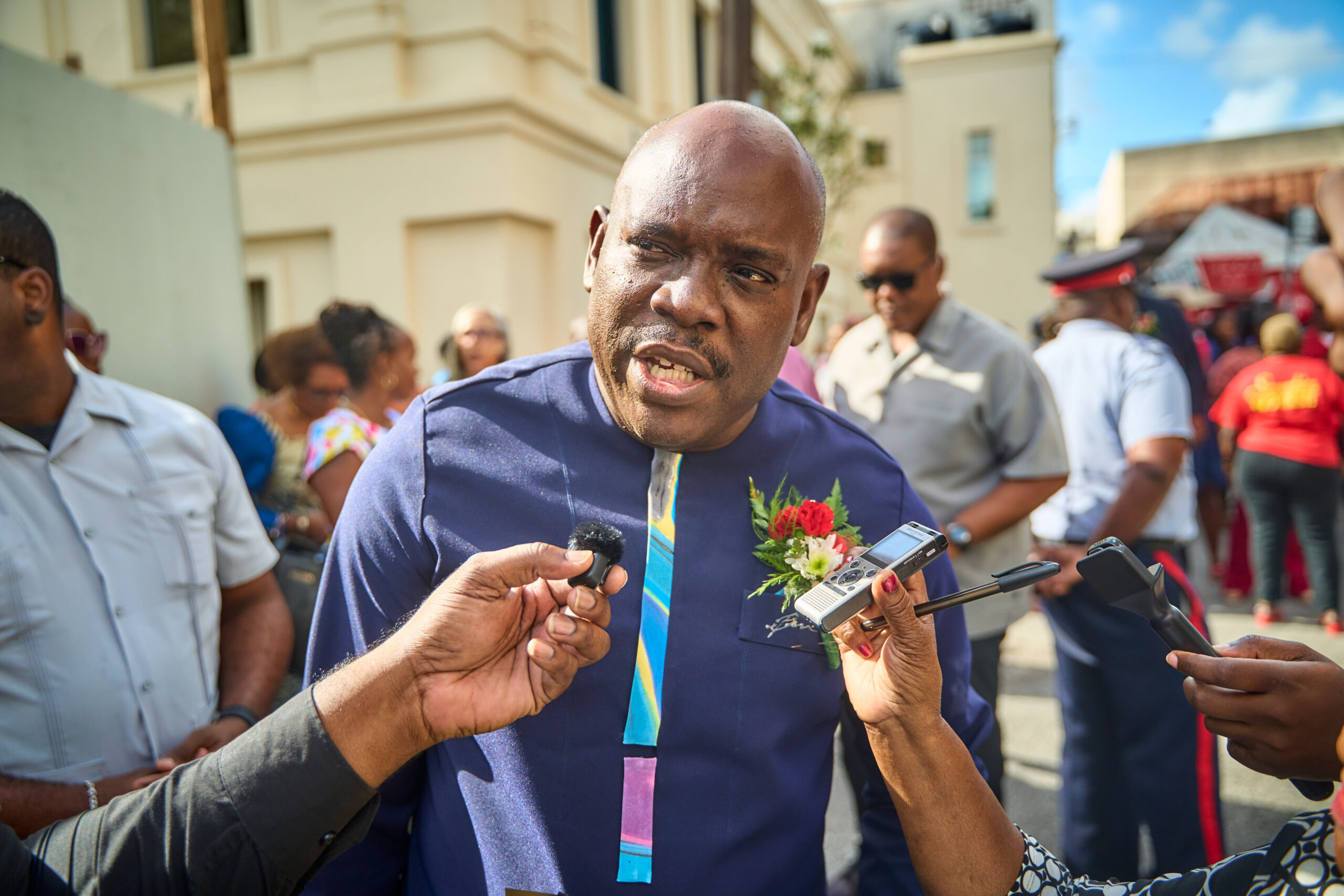
    Speaking to journalists upon arriving at Parliament Buildings, Minister Straughn revealed his administration has recalibrated fiscal policies in response to the rapidly changing geopolitical landscape and constituent feedback. “Barbadians can expect some relief from the concerns they’ve expressed, not only during the election period but particularly regarding the geopolitical challenges we currently face,” Straughn stated.

    The Finance Minister emphasized his confidence in the government’s responsive approach, noting: “Given the short notice of these global developments, we’ve successfully reformulated our strategy. I believe Barbadians will conclude this address assured that their government has demonstrated both flexibility and responsibility in addressing their pressing concerns.”

    This budget presentation marks a significant milestone in Straughn’s career, representing his first official fiscal address as substantive Minister of Finance. Reflecting on his journey, he expressed particular pride in assuming this role after eight years of extensive work on Barbados’ economic programs. “I feel profoundly honored to serve in this capacity, having previously contributed to Barbados’ economic development both nationally and within my constituency,” Straughn remarked.

    The Minister stressed that maintaining national discipline remains crucial for sustaining the country’s developmental trajectory. He called for continued collective effort, stating: “Our ability to transform Barbados into the nation we envision depends entirely on our sustained cooperation and the disciplined approach we know we can achieve together.”

    During this afternoon’s session in the House of Assembly, Straughn is expected to detail the government’s comprehensive fiscal strategy and economic priorities for the upcoming fiscal year, potentially including targeted measures to alleviate economic pressures on Barbadian households and businesses.

  • Farmers brace for uncertain sugar crop

    Farmers brace for uncertain sugar crop

    Barbados’ historic sugar industry commences its 2026 harvesting season Tuesday amid profound structural challenges and growing uncertainty about its future viability. The Portvale Sugar Factory will begin accepting cane at daybreak, launching an agricultural tradition that veteran farmers warn stands at a precarious crossroads.

    Richard Mayers, manager of Edgecumbe Plantation with 47 years of industry experience, embodies the sector’s concerning trajectory. “This crop season marks my 46th harvest,” Mayers revealed to Barbados TODAY. “The industry now faces its most critical juncture in decades.”

    The current crisis stems from the collapse of a government-backed restructuring initiative announced in January 2024. The proposed cooperative ownership model would have allocated 55% ownership to Co-op Energy, 20% to workers, and 25% retained by government for public offering. Two entities were established: Agricultural Business Company Ltd to manage farms and Barbados Energy and Sugar Company Inc to oversee milling operations.

    This transition stalled dramatically when the Memorandum of Understanding between Co-op Energy and the state-owned Barbados Agricultural Management Company (BAMC) terminated last August. Government officials cited Co-op Energy’s failure to raise $16.5 million in equity financing, while the cooperative disputed this characterization, demanding audited financial records before releasing member funds.

    The breakdown halted what was promoted as a historic shift toward worker ownership, leaving farmers represented by Barbados Sugar Industries Limited (BSIL) hoping for alternative investment. BSIL Chairman Mark Sealy cautioned that traditional growers cannot shoulder the financial burden of recapitalizing essential infrastructure.

    Mayers emphasized the industry’s broader agricultural significance: “There’s nothing to replace sugar cane across our vast acreages. As plantations abandon cane, land returns to bush. We need cane for crop rotation with non-sugar alternatives.”

    Compounding structural problems, production forecasts appear bleak. Early projections suggest yields could fall 20,000 tonnes below 2025 levels, largely due to severe drought conditions during July-September 2025. Mayers estimates the Portvale factory requires at least 100,000 tonnes annually for viability, while BSIL farmers initially anticipated only 66,000 tonnes before drought impacts.

    Despite these challenges, harvesting commenced Monday on Mayers’ St. Philip farm as part of his meticulous preparation strategy. “I start early to identify equipment issues before the busy season,” he explained, noting trailers were being filled for Tuesday’s official mill opening.

    The industry’s future now depends on critical decisions that extend beyond individual plantations. “We at Edgecumbe play our part but cannot save the industry alone,” Mayers stressed. “Everyone must step forward. I hope to reach 50 years in sugar, but survival depends on choices made within the next three years.”

  • BimPay launch delayed for extra testing

    BimPay launch delayed for extra testing

    The Central Bank of Barbados has announced a strategic delay in the nationwide implementation of its revolutionary digital payment system, BimPay. Originally scheduled for March 31, the launch has been rescheduled for June 12 to accommodate comprehensive interoperability testing across all participating financial entities.

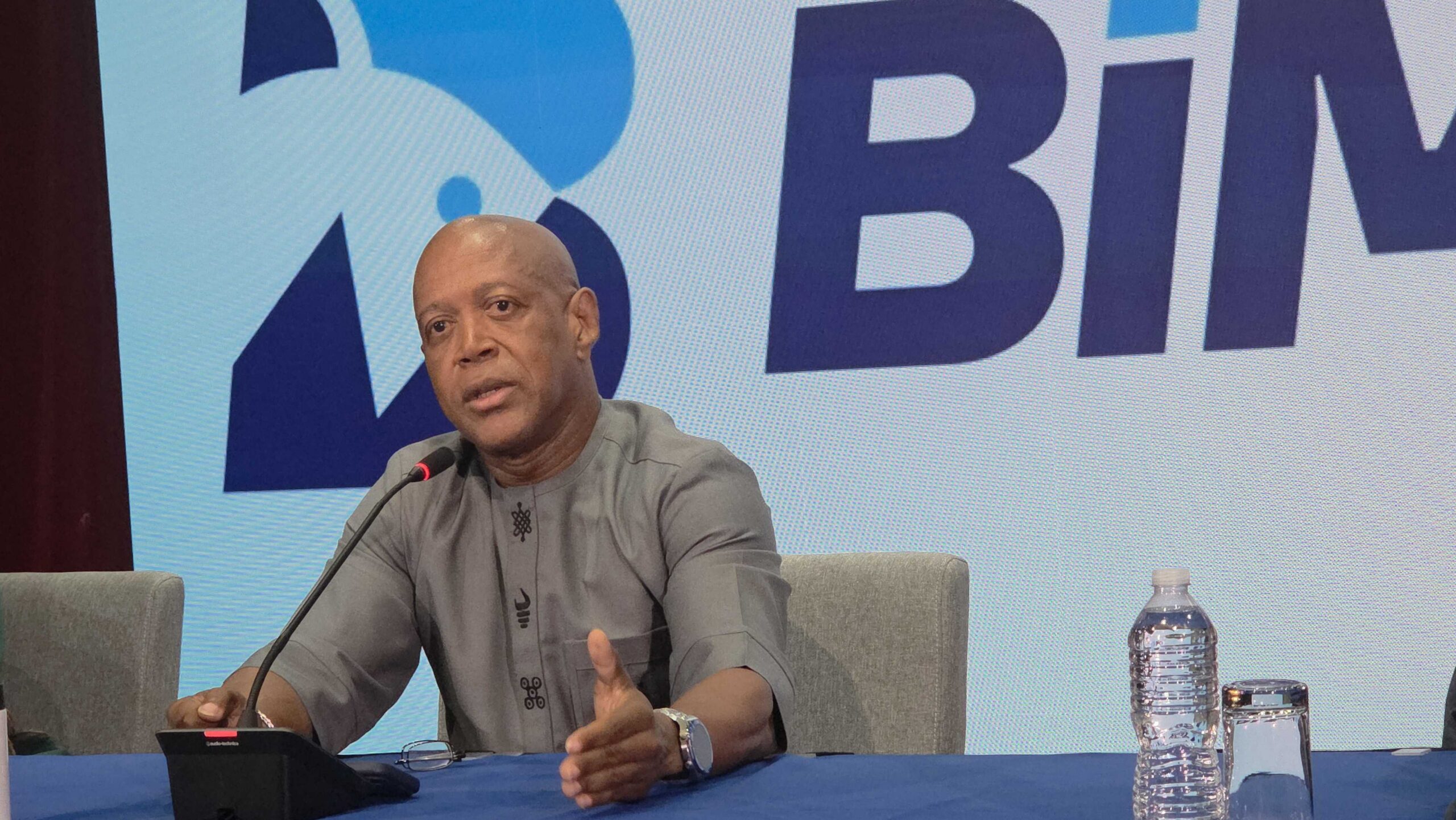
    Central Bank Governor Dr. Kevin Greenidge confirmed the timeline adjustment during a press briefing at the Courtney Blackman Grand Salle, emphasizing that the decision emerged from collaborative consultations with commercial banks, credit unions, the Accountant General’s Department, and the Barbados Stock Exchange. “After careful assessment and consensus among all stakeholders, we determined that June 12 provides the necessary window to complete all testing protocols and guarantee optimal system performance,” Dr. Greenidge stated.

    BimPay represents a monumental upgrade from the existing Barbados Automated Clearing House (BASHI), introducing 24/7 transaction processing capabilities alongside innovative features including instant interbank transfers, QR code payment functionality, and a digital wallet accessible to both banked and unbanked populations. Governor Greenidge clarified that the postponement does not reflect any deficiencies in the central bank’s infrastructure but rather the necessity for seamless integration across all participating institutions.

    “The core system is fully developed and secure,” Dr. Greenidge affirmed. “What remains is the critical final phase where each institution must connect to the new national payment rail and undergo rigorous testing before processing live transactions.”

    The central bank has established stringent monitoring mechanisms and binding milestones to ensure adherence to the revised timeline. Deputy Governor Michelle Doyle, serving as executive project sponsor, expressed confidence in the revised launch date, citing structured support systems and information-sharing frameworks designed to facilitate institutional readiness.

    Notably, existing electronic payment services will continue uninterrupted during the transition period, with BASHI remaining operational until the June 12 cutover. The project remains within budgetary constraints, fully funded by the Central Bank to strengthen national financial infrastructure.

    Beyond domestic convenience, BimPay is envisioned as the foundational platform for future integration with the Caribbean Payment System (CPACS), potentially revolutionizing regional trade by enabling direct transactions in national currencies and reducing dependency on US dollar intermediation.

    Governor Greenidge concluded with a reaffirmation of commitment to system integrity: “Our primary mandate is safeguarding financial system stability. This measured approach ensures we launch not merely on time, but with absolute confidence in system reliability.”

  • 71-yo woman remanded on murder charge

    71-yo woman remanded on murder charge

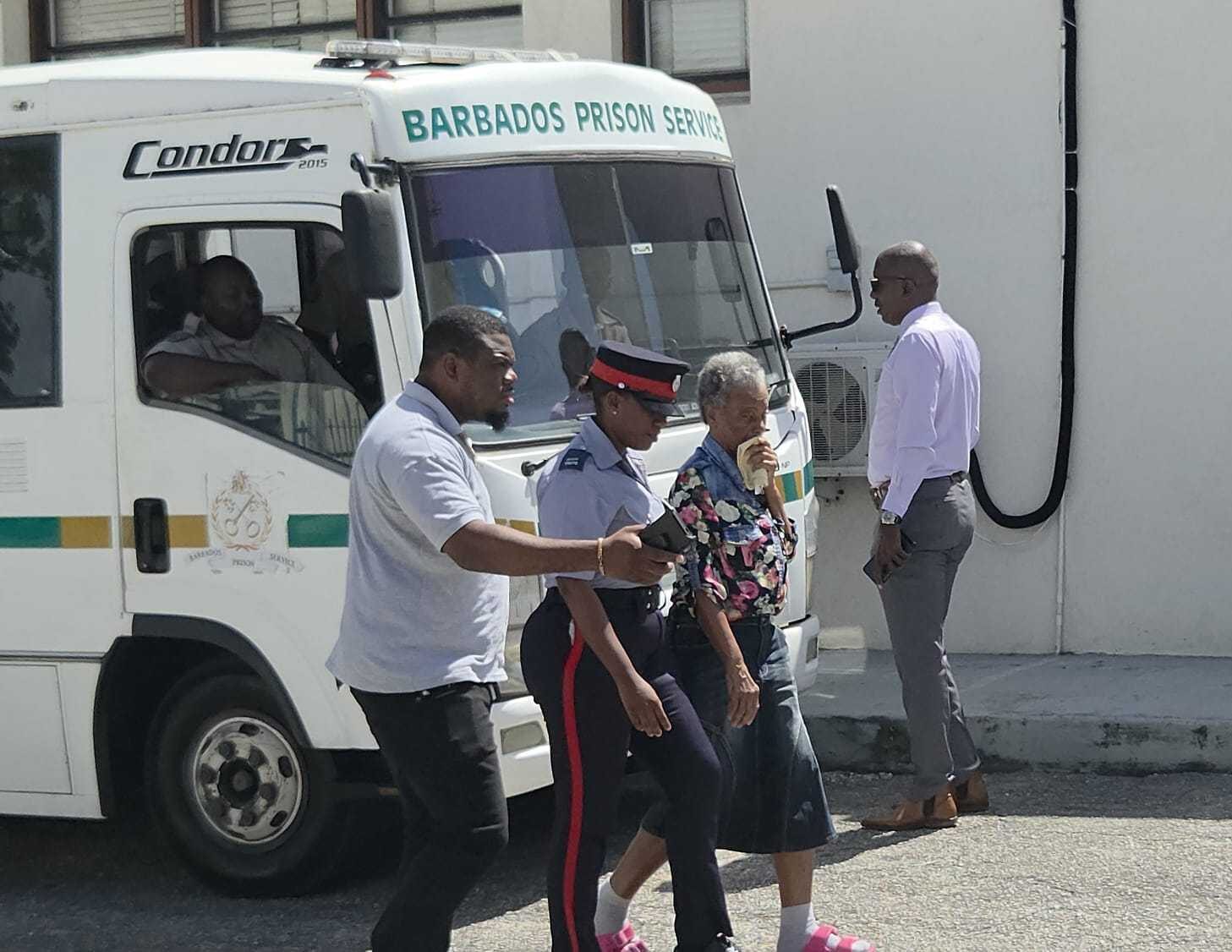
    A 71-year-old woman from St Michael, Barbados, has been ordered to remain in custody following her initial court appearance on a murder charge. Veronica Eudora Mayers, a resident of Bridge Gap in Upper Goodland, stands formally accused of causing the death of Ralph Forde on March 9th.

    The case was heard at the Oistins Magistrates’ Court on Monday morning, where Chief Magistrate Deidre McKenna presided. In accordance with standard legal procedures for serious indictable offenses, the defendant was not asked to enter a plea during this preliminary hearing.

    The judicial proceedings have been officially postponed and are scheduled to recommence on April 13th. The case has been reassigned to a higher court, District ‘A’ Criminal Court No. 2, where subsequent hearings will take place. This transfer indicates the matter will proceed through the formal justice system, with the accused remaining in incarceration until the next court date.

  • NUPW president hopes budget eases cost-of-living pressure on workers

    NUPW president hopes budget eases cost-of-living pressure on workers

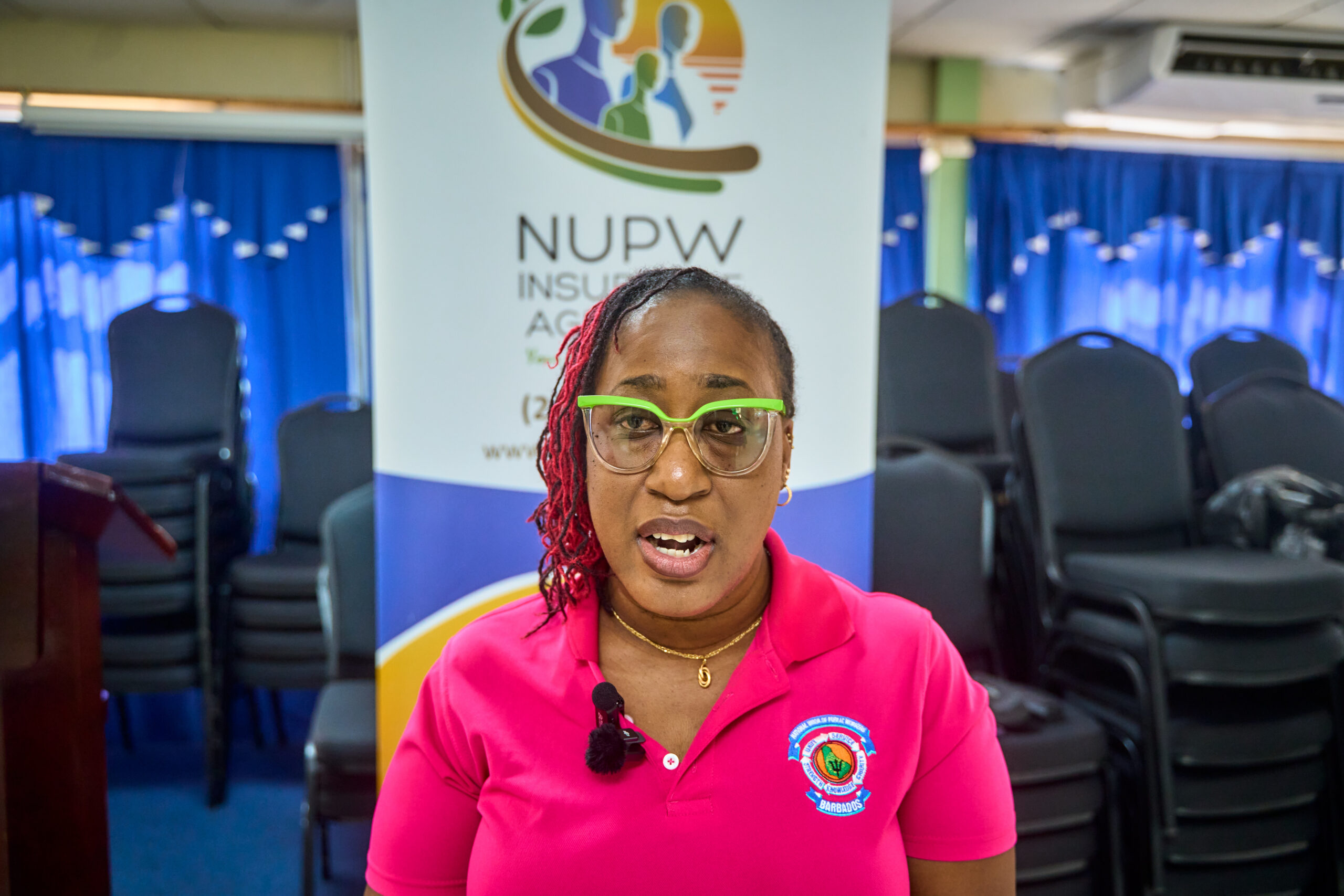
    Barbados’ National Union of Public Workers (NUPW) has issued a strong appeal for government measures addressing the escalating cost of living crisis ahead of today’s national budget presentation. Union President Kimberley Agard emphasized that while wage negotiations with the government remain ongoing, immediate policy interventions are crucial to alleviate financial pressures on public sector employees.

    Speaking during the union’s Health and Wellness Day event at its headquarters on Monday, Agard outlined the organization’s expectations for fiscal policies that would substantially improve working conditions and household economic stability. “Our primary focus remains on comprehensive improvements for public sector workers,” Agard stated, “but we urgently need mechanisms that reduce the burden of living expenses affecting all citizens.”

    The union leader acknowledged the forthcoming salary discussions but stressed that broader governmental initiatives could provide more immediate relief. Agard specifically called for policy instruments that would directly mitigate the impact of inflation and rising operational costs for families across Barbados.

    The national budget, scheduled for presentation in the House of Assembly later today, will outline the government’s fiscal strategy and expenditure priorities for the upcoming financial year. This development comes amid growing concerns about economic sustainability and workforce retention in the public sector, making the union’s demands particularly timely and significant for national economic stability.