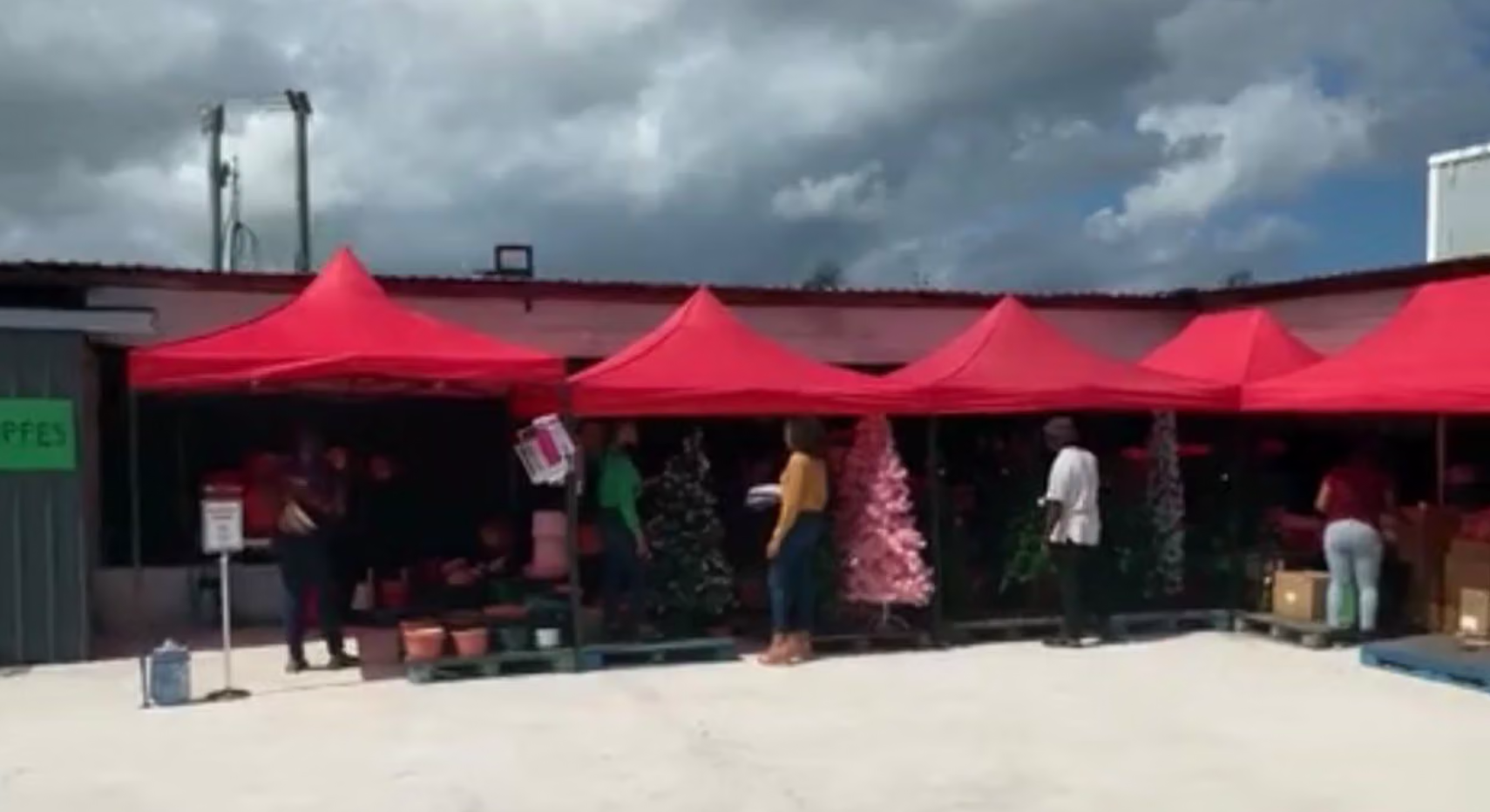
Just hours after XPZ International Trading first shared optimistic updates that it was on track to restart in-person operations, the import and export retail firm announced an indefinite delay to its physical store reopening, leaving loyal patrons who had eagerly anticipated its return waiting for further official notice. The unexpected about-face comes nearly seven weeks after a devastating fire tore through the company’s brick-and-mortar premises on September 25, 2026, completely disrupting all on-site operations, sidelining its frontline and warehouse staff, and sparking weeks of public speculation about when the beloved local trading hub would be able to welcome shoppers again. In a brief public statement posted to its official social media channels, XPZ leadership noted that unforeseen, unspecified circumstances had forced the leadership team to push back the planned in-person reopening with no set new timeline for resuming on-site services. While the company declined to share granular details about the specific hurdles driving the postponement, or to offer even a tentative target date for welcoming customers back through its physical doors, it moved quickly to reassure its global customer base that its full e-commerce platform remains fully functional, with no disruptions to online ordering, domestic and international shipping, or customer support services. Leadership also took the opportunity to express deep gratitude for the outpouring of public support the brand has received in the aftermath of the fire, noting that messages of encouragement from regular shoppers had helped keep staff morale high throughout the lengthy rebuilding and recovery process. The company’s closing message to patrons emphasized that the team was working diligently behind the scenes to resolve outstanding barriers to a safe, full reopening, and that it would share clear, timely updates as soon as there was concrete news to share, asking for continued patience as it navigates the unforeseen challenges.
标签: Antigua and Barbuda
安提瓜和巴布达
-
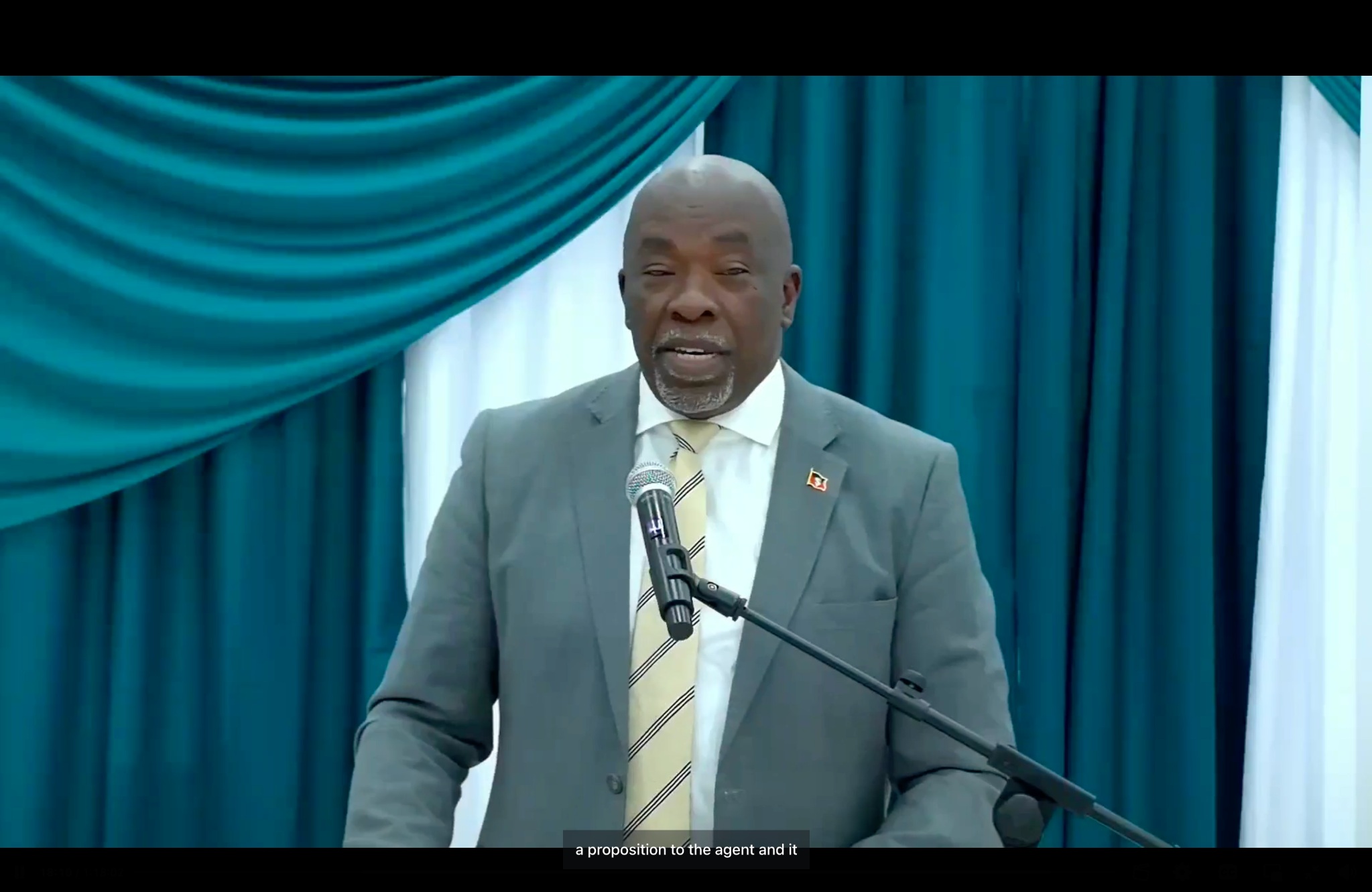
Mobile number portability update expected this month in Antigua and Barbuda
During a November 10 appearance on Pointe FM’s popular “Taking Stock” program, Telecommunications Minister Melford Nicholas revealed that a formal public update on the long-awaited mobile number portability policy is scheduled to be released no later than the final day of November, though no official full launch date for the service has been confirmed to date.
The minister teased that positive developments around the consumer-centric telecommunications initiative are set to be shared before the month concludes, while noting that the update is part of a broader progress briefing covering ongoing upgrades and regulatory adjustments across the utilities and telecommunications sectors under his portfolio.
Mobile number portability is a widely anticipated regulatory reform that empowers mobile service subscribers to keep their existing, familiar phone number in full when they choose to switch between competing wireless carriers, eliminating the historic hassle of updating contact information for personal, professional, and official accounts after changing providers.
During his on-air remarks, Minister Nicholas opted not to share granular details that consumers and industry stakeholders have been eagerly awaiting, including the exact timeline for the service’s official go-live, step-by-step procedures for users to submit porting requests, and any applicable administrative fees associated with the number transfer process. He clarified that the upcoming end-of-November communication will focus on disclosing new progress milestones for the initiative, rather than announcing that the portability service will be fully operational for public use before November draws to a close. -
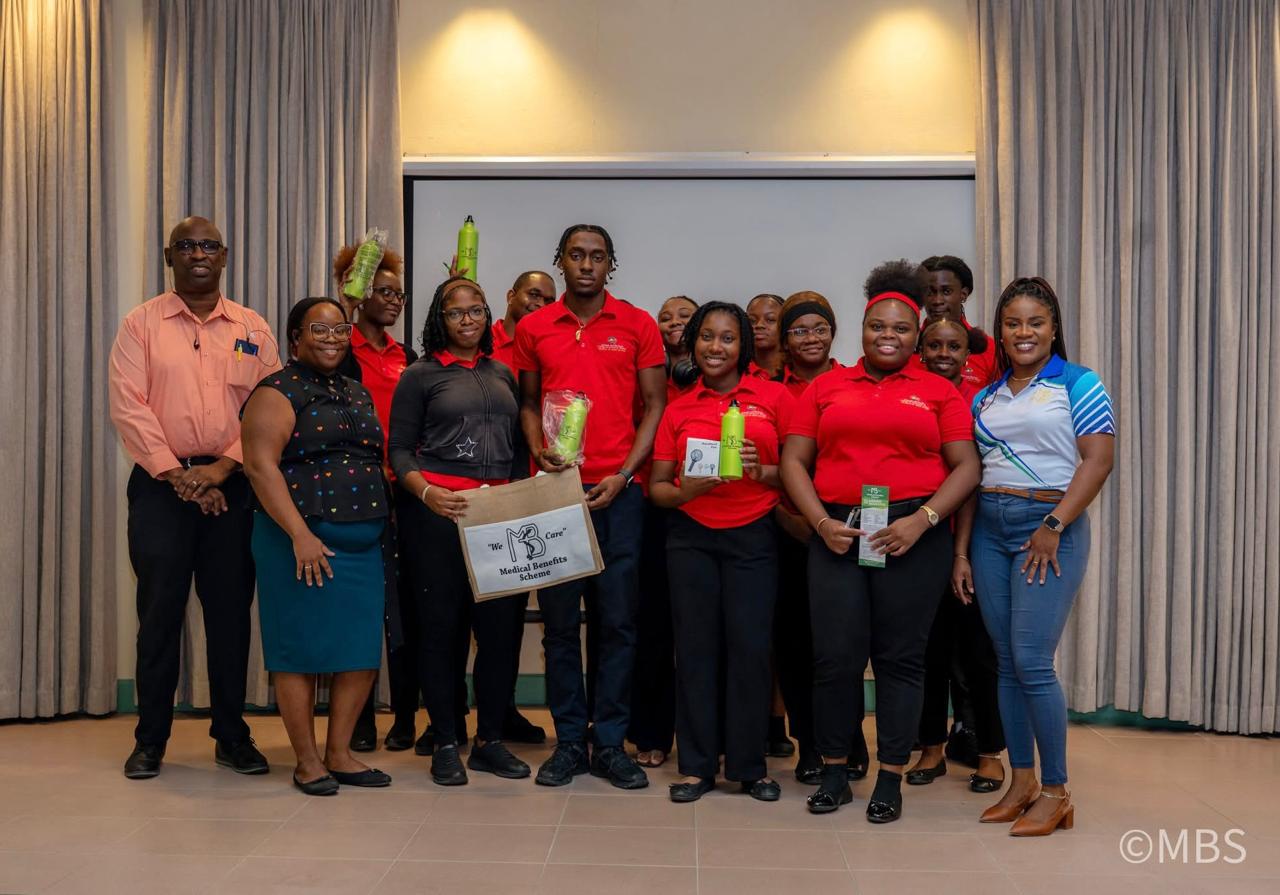
MBS Equips Future Business Professionals with Practical Knowledge at ABCAS
The Antigua and Barbuda Medical Benefits Scheme (MBS) has wrapped up its second on-campus educational engagement of 2026 at the Antigua and Barbuda College of Advanced Studies (ABCAS), targeting students enrolled in the BUS245: Building and Sustaining a Successful Business course. Designed as a highly interactive, hands-on learning experience, the session was curated to demystify core social security and healthcare coverage obligations for the cohort of soon-to-be business owners, self-employed professionals, and entering members of the national workforce. Attendees walked through structured modules covering step-by-step MBS registration protocols, mandatory contribution frameworks, non-negotiable compliance requirements for registered employers, and the proper completion protocols for the standard MBS R3A contribution filing form. Rather than relying on passive lecture-style instruction, MBS facilitators guided students through open peer discussions, live Q&A segments, and scenario-based practical exercises that let participants test their newly acquired knowledge against real-world situations they are likely to face as they launch and scale their professional business careers. This targeted outreach initiative forms a key pillar of MBS’s long-term public awareness strategy, focused on equipping the next generation of Antigua and Barbuda’s business workforce with actionable, accurate information to fulfill their legal and social responsibilities to support the national public healthcare system. Short highlight clips capturing key moments from the interactive session are now available for viewing on MBS’s official public channels.
-
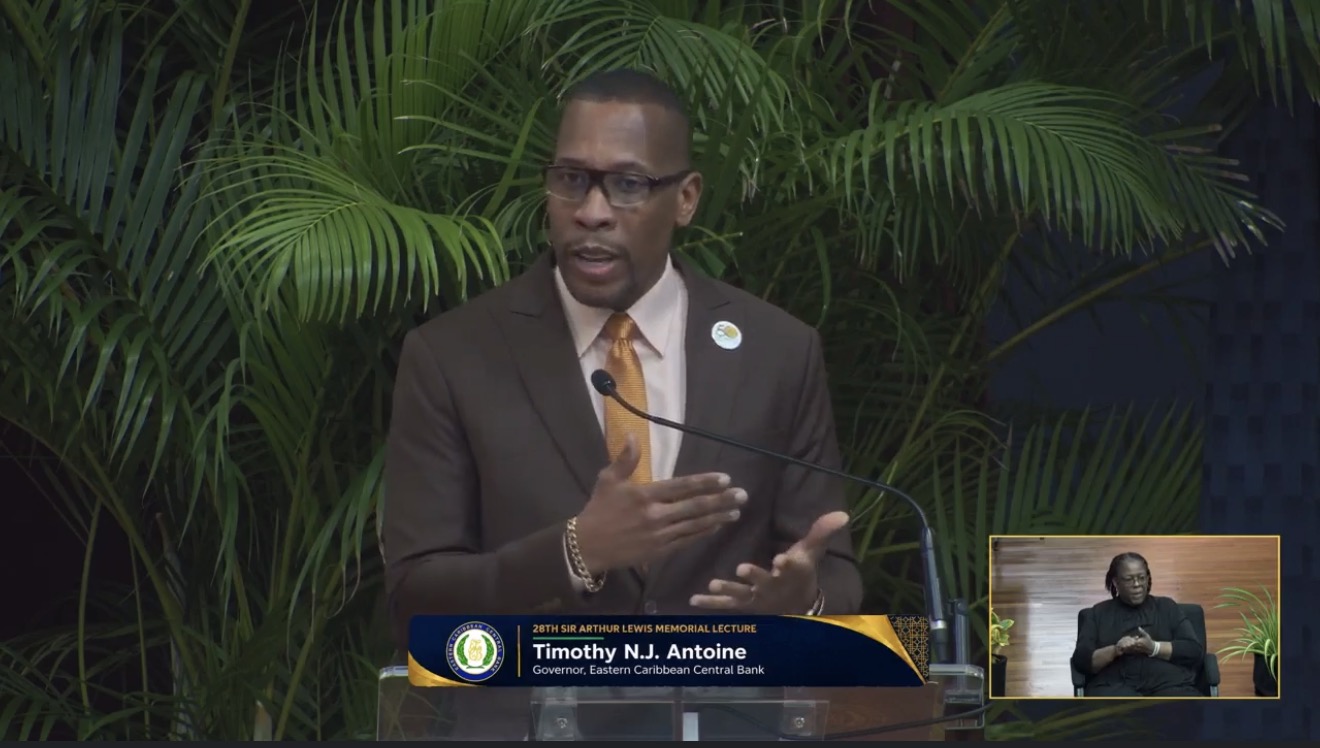
ECCB governor urges joint food purchasing to lower grocery costs
Delivering closing remarks at the 28th annual Sir Arthur Lewis Memorial Lecture, Eastern Caribbean Central Bank (ECCB) Governor Timothy Antoine laid out a targeted, multi-pronged strategy to alleviate crippling cost-of-living pressures across the Organisation of Eastern Caribbean States (OECS), anchored on a proven regional pharmaceutical procurement framework that has delivered decades of savings for member nations. Antoine drew direct parallels to the 40-year-old OECS Pharmaceutical Procurement Service, a long-running initiative that pools regional demand to source critical medications at far lower rates than individual territories could negotiate on their own, arguing the same collaborative model could be adapted for core food staples to deliver comparable consumer savings. Under his proposal, regional governments would partner closely with private sector stakeholders to curate a standardized basket of high-priority essential food goods, then issue global tenders to secure the most competitive pricing from suppliers anywhere in the world, rather than relying on longstanding, often costly traditional trade partnerships maintained solely for convenience. Antoine acknowledged that rolling out such a coordinated cross-border purchasing system would present operational and logistical hurdles, but emphasized it represented a tangible, actionable intervention to mitigate cost-of-living strains at a time when the region remains heavily import-dependent and highly exposed to global commodity price volatility and imported inflation. “We cannot afford to simply accept imported inflation as an unchangeable permanent reality — we have to ask ourselves what concrete steps we are taking to reshape that reality for our households,” Antoine told attendees. He pointed to independent research from the Caribbean Private Sector Organization, which calculates that diversifying regional import supply chains away from long-standing traditional vendors could generate as much as $261 million in annual savings across the OECS. Beyond collective food procurement, Antoine laid out complementary supporting measures to ease cost burdens: a mandatory weekly public transparency portal publishing full price data for a standardized basic food basket across all retail outlets, to empower consumers to compare costs and identify predatory excessive markups by vendors. He stressed that these immediate short-term relief measures would need to be paired with sustained long-term investments to expand local agricultural food production, boost regional productivity across key sectors, and scale up deployment of renewable energy to reduce the region’s exposure to volatile global fossil fuel pricing. At the lecture, which featured a keynote address from Professor Emeritus Andrew Downes focused on competition policy gaps and regulatory failures driving the Caribbean’s persistent cost-of-living crisis, Antoine framed the collective food procurement framework as a formal proposal for OECS member governments to evaluate, with no formal launch date or finalized binding regional program announced at the event.
-
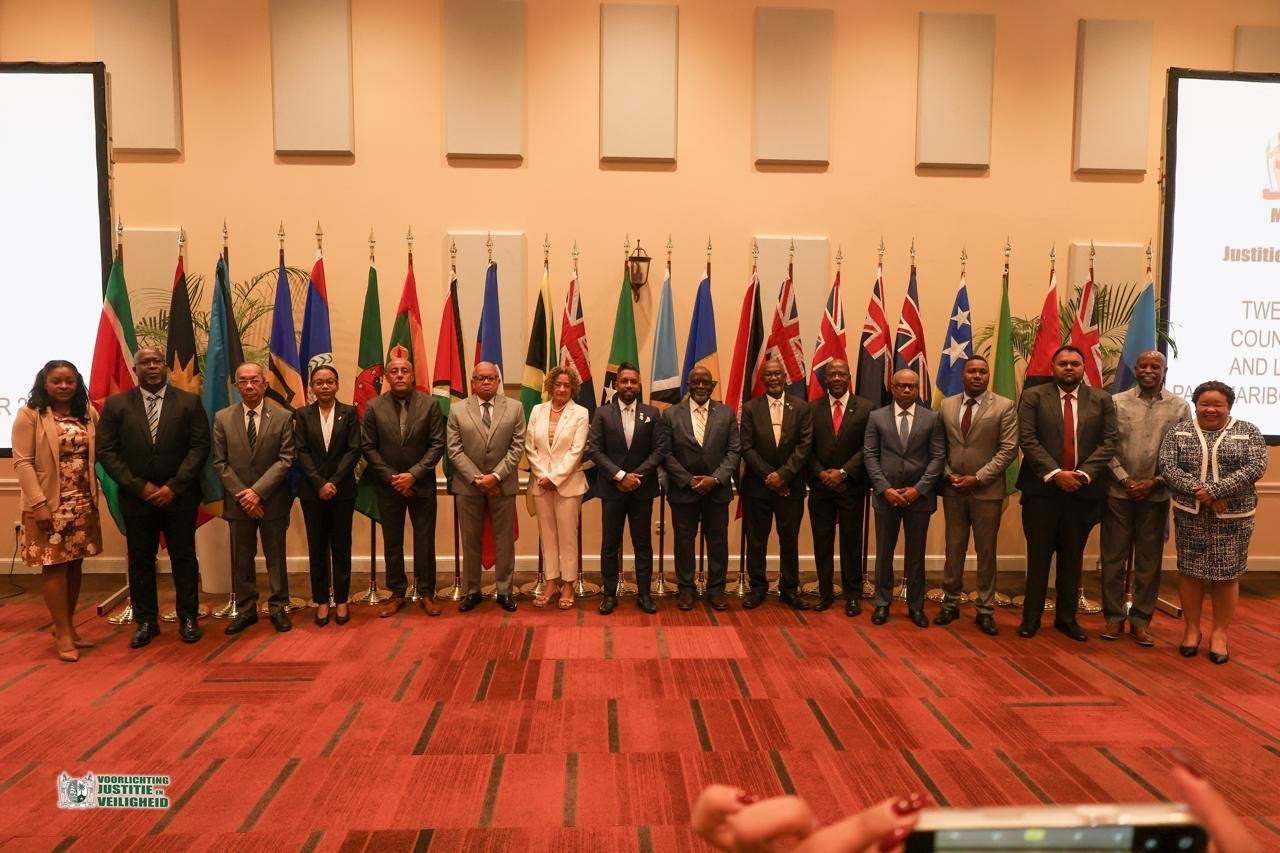
CARICOM Ministers Prioritise Fight Against Illegal Firearms and Gun Violence Across Caribbean
Paramaribo, Suriname – Senior national security ministers and top law enforcement leaders from across the Caribbean Community (CARICOM) convened for the 29th session of the Council for National Security and Law Enforcement (CONSLE) on November 10 and 11, 2026, to address escalating transnational security risks, with unregulated firearms proliferation taking center stage as the most pressing shared threat facing the region. Delivering the opening address as the sitting CONSLE Chair, Suriname’s Minister of Justice and Security His Excellency Harish Monorath issued a stark public warning that illicit firearms have become the primary accelerant of widespread violent crime and entrenched gang operations across every CARICOM member state. Monorath detailed that criminal syndicates operating across the Caribbean basin have evolved far beyond local, disconnected factions: they now operate with hierarchical organizational structures, deploy sophisticated border evasion tactics, and maintain cross-border networks that exploit unmonitored maritime routes, understaffed port facilities, and porous national land boundaries to smuggle illegal weapons, narcotics, and a wide range of contraband between jurisdictions. The Surinamese cabinet official emphasized that no single Caribbean nation possesses the resources or jurisdictional authority to dismantle these transnational trafficking networks in isolation, making coordinated regional collaboration an urgent non-negotiable priority. He outlined core collective action priorities including standardized cross-border firearms tracing protocols, systematic identification of illicit weapon supply chains, targeted operations to disrupt high-priority trafficking rings, and real-time, streamlined intelligence sharing between national law enforcement bodies. Monorath specifically highlighted the Caribbean Firearms Roadmap as the foundational policy framework that must be rapidly rolled out across all member states to cut gun violence rates and uplift community public safety outcomes. As a tangible demonstration of national progress toward these goals, Suriname rolled out a fully digital centralized firearms registry earlier in 2026, developed with technical support from CARICOM Implementation Agency for Crime and Security (IMPACS). The new digital system replaces outdated paper-based tracking records, giving local law enforcement unprecedented ability to trace the chain of custody for every registered weapon and quickly identify illegal firearms recovered at crime scenes. Monorath confirmed that advancing the regional firearms control agenda will serve as one of the three core priorities for Suriname’s tenure leading CONSLE, alongside targeted work to align operations across police forces, customs agencies, immigration departments, coast guard units, and national prosecutorial offices to close gaps that criminal networks currently exploit. “More than any policy measure or new technology, we need consistent, cross-border political will to recognize that these interconnected security threats are not isolated national problems, but a single collective challenge that demands a unified Caribbean response,” Monorath stated. The two-day summit concluded with participating ministers finalizing actionable coordinated strategies to strengthen regional security frameworks and reduce the harm caused by illicit weapons trafficking across the Caribbean.
-

Antigua and Barbuda’s Gospel Music Scene Set for New Release from Psalmist Ellisha Andrews
A fresh wave of uplifting gospel music is set to emerge from the twin-island nation of Antigua and Barbuda, as newly signed recording artist and psalmist Ellisha Andrews puts the final touches on her highly anticipated debut single, “Amma Be Alright.”
This forthcoming release stands as a landmark milestone in Andrews’ evolving musical career, positioning her to carve out a distinct niche for herself in the global gospel industry while amplifying Antigua and Barbuda’s fast-growing profile on the international music stage.
Rooted in core themes of unshakable faith, relentless perseverance, radical hope, and steadfast reliance on divine guidance, “Amma Be Alright” is crafted to strike a resonant chord with listeners navigating personal hardships, turbulent life transitions, and periods of uncertainty. The track serves as a gentle yet firm reminder that no obstacle is insurmountable for those who anchor themselves in spiritual conviction.
Beyond its inspirational messaging, the single also shines a spotlight on the burgeoning pool of underrecognized gospel talent flourishing across the Caribbean, as regional creators increasingly bring their unique cultural perspectives and uplifting narratives to audiences spanning every continent. The project further underscores the critical value of investing in local gospel artists, whose work transcends mere entertainment to act as a dynamic, community-focused platform for healing, motivation, and positive social impact.
Though an official public launch date has not been formally disclosed, excitement and grassroots anticipation for the track have been steadily building among local music fans, gospel music communities across the Caribbean, and international spiritual music audiences. Organizers are calling on all supporters to follow upcoming official channels for further updates on the release timeline, accompanying promotional events, and future performance announcements. As Antigua and Barbuda continues to cement its reputation as a vibrant contributor to the global musical ecosystem, Ellisha Andrews is gearing up to bring her distinct, hope-filled voice to the worldwide gospel community, carrying the twin-island nation’s rich creative heritage and message of spiritual reassurance far beyond its coastal borders. -

Sir Rodney Williams Congratulates Tyra Fenton on Historic Youth Olympic Silver Medal for Antigua and Barbuda
In an official public commendation released by senior leadership of Antigua and Barbuda, 16-year-old track prodigy Tyra Fenton has been formally celebrated for etching her name into the Caribbean nation’s sporting annals by securing the country’s first-ever Olympic medal at the 2026 Dakar Youth Olympic Games in Senegal. Fenton crossed the finish line of the women’s 200-metre sprint in a blistering 23.36 seconds, missing the top podium spot by a mere 0.01 seconds to claim the silver medal, a result that has sparked nationwide celebrations across the twin-island nation. The official commendation, extended on behalf of the Governor General Dame Sandra Williams and the national leadership, highlights that Fenton’s landmark achievement is far more than a display of raw natural athletic talent: it is the tangible payoff of years of rigorous discipline, unwavering determination, personal sacrifice, and relentless commitment required to compete at the highest tier of global youth athletics. At just 16, the young sprinter has set a transformative example for every young person across Antigua and Barbuda, proving that no ambition is out of reach even for small island nations when dedication is paired with clear purpose. The statement also pays dedicated tribute to the entire support network that helped Fenton reach this historic milestone: her family, whose constant love, encouragement and personal sacrifices laid the foundation for her training; her coaches and mentors, who invested countless hours to refine her raw potential into world-class skill; and institutional partners including the Antigua and Barbuda Athletics Association and the Antigua and Barbuda National Olympic Committee, whose coordinated resources and logistical backing ensured Fenton could compete on the global stage. Officials emphasized that this collective cross-sector partnership serves as a replicable model for nurturing future generations of national sporting talent. The closing message of the commendation encourages Fenton to carry forward the same focus, humility and steadfast drive for excellence as she progresses in her athletic career, framing this silver medal not as a final peak, but as the first major milestone of what is projected to be a long, decorated competitive journey. The statement concludes with a resounding national salute to Fenton, noting that her historic run has filled every citizen of Antigua and Barbuda with unparalleled pride, and proven that small island developing states can produce world-class athletes capable of going toe-to-toe with the very best global competitors.
-
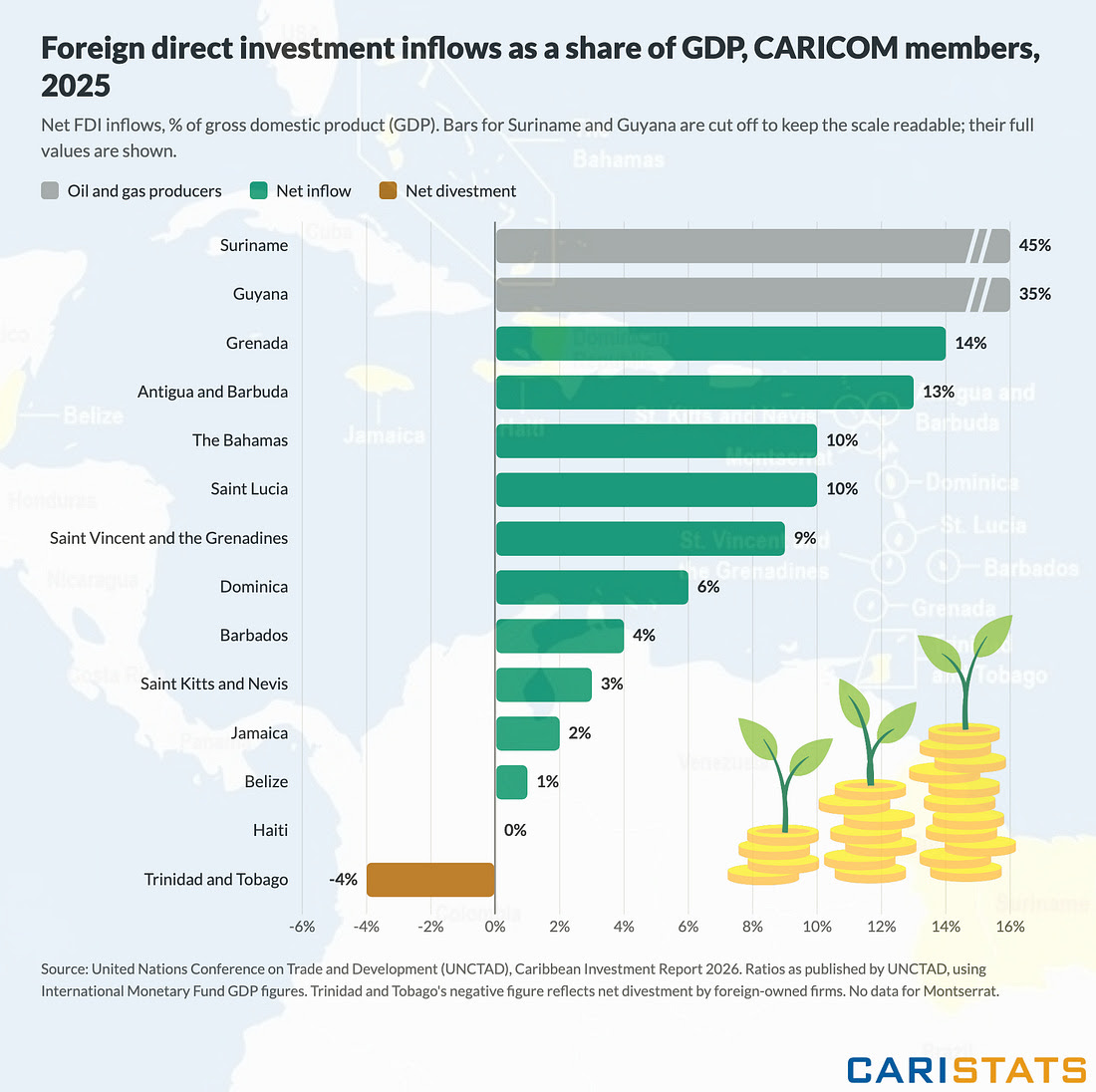
Antigua and Barbuda Among Caribbean’s Top Countries for Foreign Investment in 2025
Conventional assessments of foreign direct investment (FDI) that rely exclusively on absolute U.S. dollar totals inherently skew outcomes to prioritize the world’s largest economic powers, masking critical nuances in how cross-border capital flows relative to the actual scale of local economies. Newly released data from the United Nations Conference on Trade and Development (UNCTAD) 2026 Caribbean Investment Report, which calculates FDI inflows as a proportion of national gross domestic product using verified IMF GDP metrics, paints a far more granular portrait of capital distribution across the Caribbean region for 2025. The data shows four small island nations leading the regional rankings: Grenada posted the highest FDI-to-GDP ratio at 14%, driven by $207 million in total inbound investment, followed by Antigua and Barbuda at 13%, with The Bahamas and Saint Lucia tied at a 10% share. Notably, small geographic and economic size alone does not predetermine elevated FDI performance, the report clarifies. Dominica and Saint Kitts and Nevis, both with smaller overall economic footprints than Grenada, recorded far lower FDI-to-GDP ratios of 6% and 3% respectively, while The Bahamas, an economy vastly larger than Saint Lucia, matched the latter’s 10% ratio, dispelling any linear correlation between national scale and proportional FDI intake. Two South American Caribbean-bordering nations stand out as outliers by a wide margin: Suriname logged an extraordinary 45% FDI-to-GDP share and Guyana 35%, a divergence the report attributes almost entirely to surging investment in their booming oil and gas extraction sectors. The data also exposes significant year-over-year volatility in regional FDI trends. Belize saw its FDI-to-GDP ratio plummet from 5% in 2024 to just 1% in 2025, while Saint Kitts and Nevis’ share dropped from 6% to 3%, though UNCTAD notes both declines followed historically unusual peak investment years that made a statistical pullback inevitable. Most notably, Trinidad and Tobago recorded net FDI divestment equal to 4% of its total GDP, a shift driven by foreign-operated firms in the country paying out more in capital outflows than they generated in new earnings, or registering net operating losses. The report underscores that for any economy where FDI makes up 10% or more of total GDP, even minor fluctuations in inbound capital can trigger cascading ripple effects across local construction activity, formal employment levels, and the stability of national foreign currency reserves.
-

ABWU Youth Arm Elects New Executive
A new wave of youth leadership is set to reinvigorate representation for young laborers under the Antigua and Barbuda Workers’ Union (ABWU), following a transparent leadership election held as the centerpiece of the organization’s 2024 Annual Youth Congress this past Tuesday. The gathering drew dozens of young rank-and-file union members from across diverse industry sectors, who gathered not only to cast ballots for their preferred leadership slate but also to collaborate on discussions around pressing workplace challenges facing younger employees, from fair wage gaps to professional development access and workplace safety protections. The 10 newly elected officials who will steer the ABWU Youth Arm for a full two-year term bring a mix of prior union experience and fresh grassroots perspective to their roles: Charles Browne steps into the top post as President, having previously built a track record serving the youth body as both Treasurer and Vice President; Kianni DeFreitas will serve as Vice President; Wendy Bideau takes on the Secretary portfolio, supported by Assistant Secretary Brianna Otto; Melissa Harve will oversee financial operations as Treasurer, with Tijahni Jarvis serving as Assistant Treasurer; Jamal Joseph will lead community and engagement events as Events Coordinator, assisted by Joshua Pigott; and Tressil Andrew will head public outreach as Public Relations Officer, with Valique Davis filling the Assistant Public Relations Officer role. In his first public address following his victory, incoming President Browne emphasized that the newly constituted committee will prioritize centering young workers’ voices in every high-stakes decision-making space that shapes local labor policy. “Too often, the perspectives of early-career employees are sidelined in conversations that directly impact their livelihoods, career trajectories, and long-term economic security,” Browne stated. “Our voices matter, and we intend to make our presence felt in every forum where decisions affecting workers are made.” Browne also shared that the leadership team will spend the coming weeks co-developing a robust, community-informed action agenda focused on targeted empowerment and skill-building initiatives for young union members, with full details set to be released to the public by the end of the first quarter of their term. This milestone aligns with the ABWU’s longstanding institutional commitment to intergenerational equity within the local labor movement: the union’s formal constitution enshrines a reserved seat for a youth representative on its central, top-tier Executive Committee, guaranteeing that young workers’ priorities are not just heard, but actively integrated into the union’s highest-level strategic decision-making. Browne closed his remarks by extending heartfelt gratitude to every young worker who turned out to participate in the Annual Youth Congress and contribute to the fair electoral process, while issuing a call to all eligible young union members to stay actively engaged with upcoming Youth Arm programming, share their workplace concerns openly, and volunteer to support advocacy efforts to advance collective interests across the Antigua and Barbuda labor landscape.
-
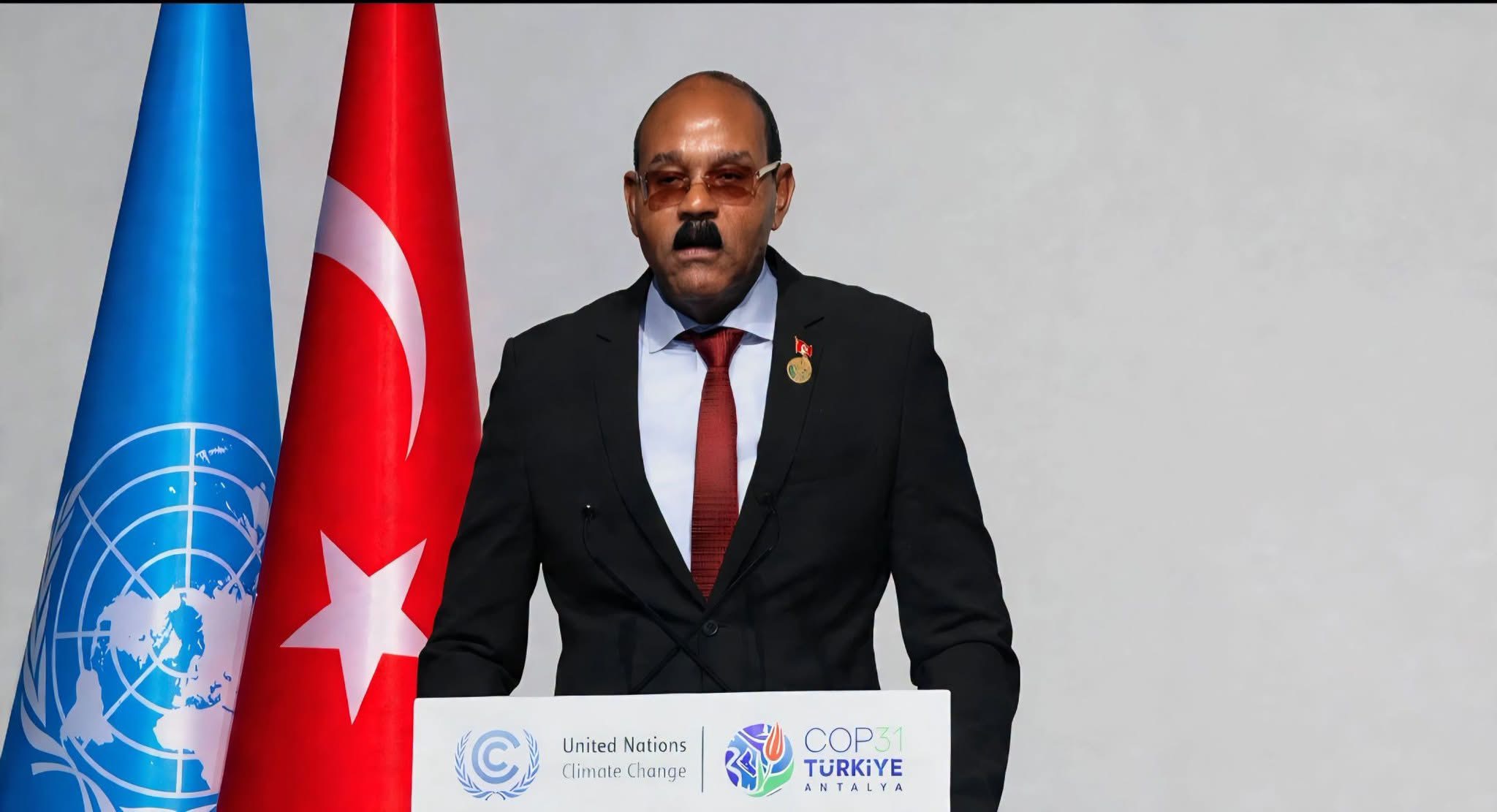
Prime Minister Browne calls for climate justice and increased financing at COP31
Addressing delegates gathered at the 31st United Nations Climate Change Conference (COP31) hosted in Antalya, Türkiye on November 12, Gaston Browne, Prime Minister of Antigua and Barbuda, issued a sweeping, urgent call to the global community to step up climate ambition, deliver equitable, large-scale financial support, and move beyond decades of incremental negotiation to concrete action that shields Small Island Developing States (SIDS) from cascading, life-threatening climate harms.
Framing the crisis as an existential threat that puts the very sovereignty of small island nations at risk, Browne laid out a stark evidence base for his demands, citing the latest UN Emissions Gap Report projections that show the planet is on track to hit 2.6 degrees Celsius of warming by the end of the century even if all current national climate pledges are fully fulfilled. He emphasized that every 0.1 degree of avoided warming directly prevents irreversible loss for vulnerable island populations, and pressed high-emitting wealthy nations to drastically accelerate domestic emissions cuts to keep the critical 1.5-degree Celsius global warming threshold within reach.
A core pillar of Browne’s address centered on longstanding gaps in climate finance that have left SIDS trapped between mounting climate damage and unsustainable debt burdens. He laid out a clear, actionable roadmap for scaled support, calling for a credible, time-bound framework to triple global adaptation finance by 2035, unlock a minimum of $300 billion in annual dedicated climate support for vulnerable nations, and scale total global climate financing to $1.3 trillion per year. Crucially, he specified that this support must be structured as largely grant-based, predictable, and low-cost, rejecting any new loans that would deepen the debt crisis for nations that contributed less than 1% of historical global emissions but bear 75% of the cost of climate impacts.
Browne also pushed for targeted institutional reforms to streamline access to critical climate funds, including an ambitious third replenishment of the Green Climate Fund, simplified application processes that cut through bureaucratic red tape for small island governments, and full, adequate capitalization of the landmark Loss and Damage Fund established to compensate nations for irreversible climate harms. “We are not here begging for charity,” Browne told the assembly. “We are demanding basic fairness, long-overdue climate justice, and the resources we need to safeguard the lives, lands and futures of our people.”
Closing his national statement, Browne reaffirmed Antigua and Barbuda’s commitment to partnering with all global stakeholders to advance more robust climate commitments, but cautioned world leaders against repeating the cycle of unfulfilled pledges that has defined past COP gatherings. He called on COP31 to be a historic inflection point for global climate governance: a moment where empty rhetoric gives way to measurable action, unmet promises translate to tangible investment, and abstract commitments finally deliver the climate justice that the world’s most vulnerable populations have been waiting decades to receive.