标签: Antigua and Barbuda

安提瓜和巴布达

  • Antigua, Barbuda welcome nearly 13,000 cruise passengers for second straight day

    Antigua, Barbuda welcome nearly 13,000 cruise passengers for second straight day

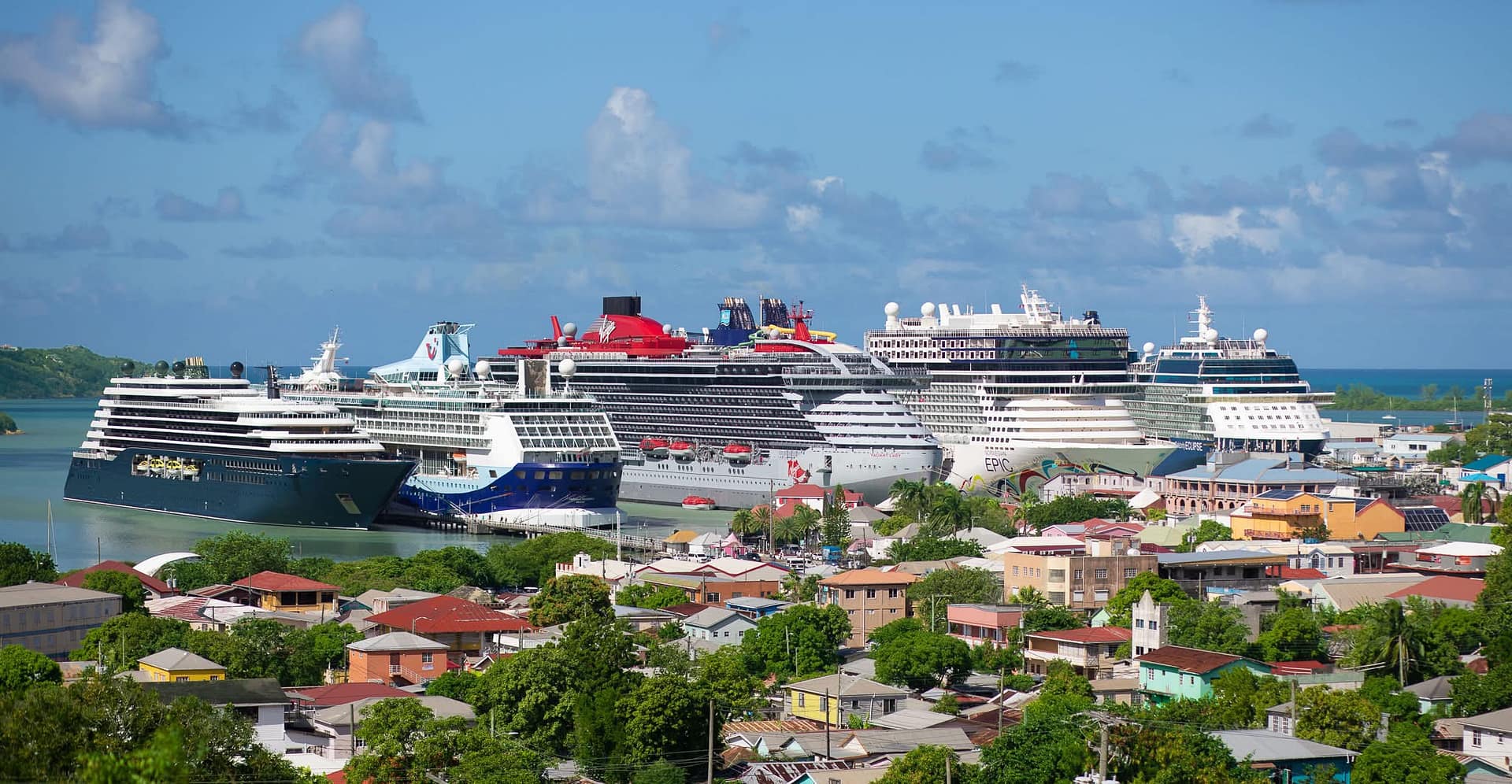
    The Caribbean nation of Antigua and Barbuda is experiencing an unprecedented surge in its cruise tourism sector, with six vessels simultaneously delivering approximately 13,000 passengers to St. John’s and Falmouth harbors. This remarkable influx marks the second consecutive day of substantial tourist arrivals, signaling robust recovery and growth in the island’s maritime tourism industry.

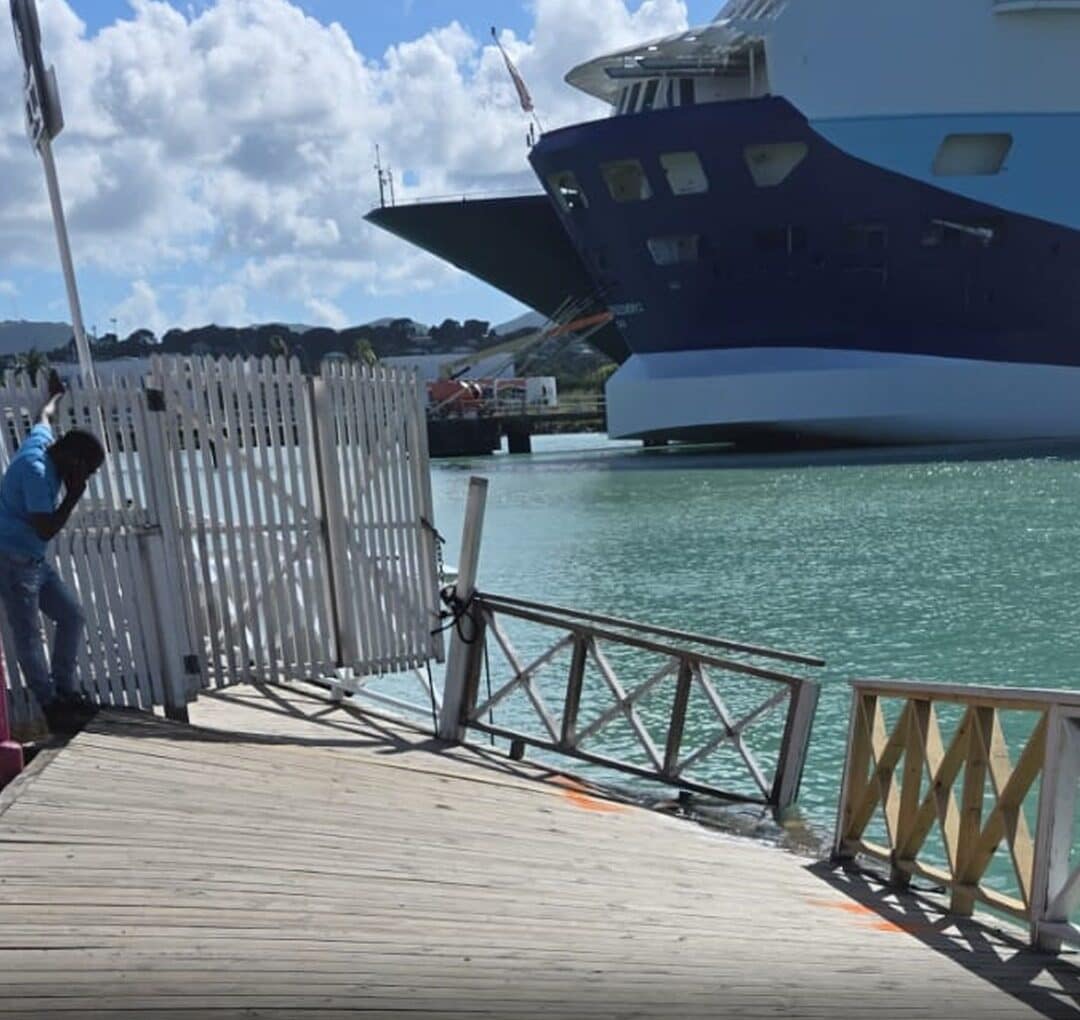
    Five ships berthed at St. John’s Harbour while another docked at Falmouth, creating a spectacular maritime panorama. The fleet included renowned vessels such as Majestic Princess, Enchanted Princess, Insignia, MSC Divina, and the luxurious Explora I, representing some of the most prestigious names in the cruise industry.

    According to tourism authorities, this substantial passenger count ranks as the third-highest single-day arrival figure of the current cruise season. The data reveals that December 4 remains the season’s peak with 15,662 visitors, but projections indicate an even more significant milestone approaching. Industry forecasts predict an extraordinary arrival of over 17,000 cruise passengers on January 23, which would establish a new benchmark for single-day tourism arrivals in the nation’s history.

    The economic impact was immediately visible throughout the capital city, as the sudden population surge stimulated vibrant commercial activity. Taxi operators reported exceptional demand, while local vendors, retail establishments, tour companies, and restaurants all experienced substantially increased business volumes. The visitor distribution throughout urban centers and peripheral attractions created a comprehensive economic boost across multiple sectors, demonstrating the cruise industry’s significant multiplier effect on the local economy.

  • M 3.5 Earthquake Recorded East-Southeast of Antigua, UWI Reports

    M 3.5 Earthquake Recorded East-Southeast of Antigua, UWI Reports

    A seismic event registering 3.5 magnitude occurred in the Eastern Caribbean basin on Tuesday evening, as confirmed by initial readings from the University of the West Indies Seismic Research Centre (UWI-SRC). The tectonic activity manifested at 8:53 p.m. local time (00:53 UTC) on December 23, with its subterranean origin positioned at coordinates 16.55°N latitude and 59.49°W longitude. The hypocentral depth was calculated at approximately 27 kilometers beneath the seabed.

    Geospatial analysis placed the epicentral region approximately 230 kilometers east of Point-à-Pitre, Guadeloupe, while maintaining comparable distances of 252 kilometers northeast of Dominica’s capital Roseau and 269 kilometers east-southeast of St. John’s, Antigua and Barbuda. The seismic monitoring agency has emphasized the provisional nature of these parameters, indicating potential revisions upon further seismological data processing.

    Preliminary assessments indicate no immediate reports of structural damage, casualties, or tsunami advisories across the Eastern Caribbean territories. The research institution has actively solicited public participation through its digital seismic feedback portal, encouraging residents who perceived ground vibrations to contribute their observations for enhanced seismic mapping and analysis.

  • Otis Jackson pleads guilty to firearm and ammunition possession

    Otis Jackson pleads guilty to firearm and ammunition possession

    A 29-year-old resident from Ottos, Antigua, faces impending sentencing after formally admitting to charges of illegal firearm and ammunition possession. Otis Jackson entered his guilty plea on Monday during proceedings before Senior Magistrate Ngaio Emanuel, concluding the evidentiary phase of his case.

    The charges originate from a December 11th incident when law enforcement officers on routine mobile patrol intercepted Jackson’s vehicle along Tindale Road approximately at 9 p.m. During a subsequent search operation, authorities uncovered a concealed 9mm Smith & Wesson pistol alongside seven corresponding rounds of ammunition.

    Following standard protocol, Jackson was immediately taken into custody while the confiscated weapon, ammunition, and his vehicle were transported to Police Headquarters for forensic examination and secure storage, where they remain as evidence. The judicial system has scheduled formal sentencing for December 29th, at which time the court will determine appropriate penalties under Antigua’s firearms legislation.

    This case highlights continued law enforcement efforts to combat illegal weapons circulation through proactive patrol strategies and vehicle inspections. The successful interception demonstrates the effectiveness of coordinated policing measures in addressing weapons-related offenses within the community.

  • CWI to postpone Breakout League, move First-Class season to Antigua

    CWI to postpone Breakout League, move First-Class season to Antigua

    Cricket West Indies (CWI) and the Caribbean Premier League (CPL) have jointly announced the postponement of the Breakout T20 League originally scheduled for 2026. This decision follows an extensive review of the increasingly congested international cricket calendar and preparations required for the ICC Men’s T20 World Cup.

    The Breakout T20 League, which enjoyed a successful inaugural edition earlier this year, represents a crucial developmental pathway for emerging Caribbean cricketers. Both organizations reaffirmed their commitment to the tournament despite the scheduling difficulties, recognizing its vital role in bridging the gap between regional competitions and international cricket.

    CWI CEO Chris Dehring emphasized the league’s fundamental purpose: “Our primary focus remains player development—specifically identifying and nurturing talent beyond traditional pathways. This pause during a fiscally constrained period allows us to reassess the league’s structure and positioning within the World Cup cycle to optimize developmental outcomes.”

    Dehring further outlined the strategic vision, noting the need for enhanced scouting networks, improved data analytics, and stronger integration with high-performance systems. “We must cast a wider net across the Caribbean to identify players with the requisite skills, athleticism, and mentality for modern cricket, including those with limited exposure to elite environments.”

    The current cricket cycle presents particular challenges, with multiple West Indies squads simultaneously competing on the global stage. Dehring acknowledged the demanding schedule facing both Under-19 and senior men’s teams as they prepare for upcoming World Cup tournaments.

    CPL CEO Pete Russell echoed this commitment, stating: “While we haven’t secured a suitable 2026 window, our dedication to the Breakout League remains unwavering. This interim period will enable us to refine the competition’s format and supporting structures to ensure its long-term viability within Caribbean cricket’s development ecosystem.”

    Both organizations confirmed that updates regarding the tournament’s rescheduling will be communicated in due course.

  • No plan to exit Caricom: PM allays fears latest discord with regional leaders will cause major T&T reaction

    No plan to exit Caricom: PM allays fears latest discord with regional leaders will cause major T&T reaction

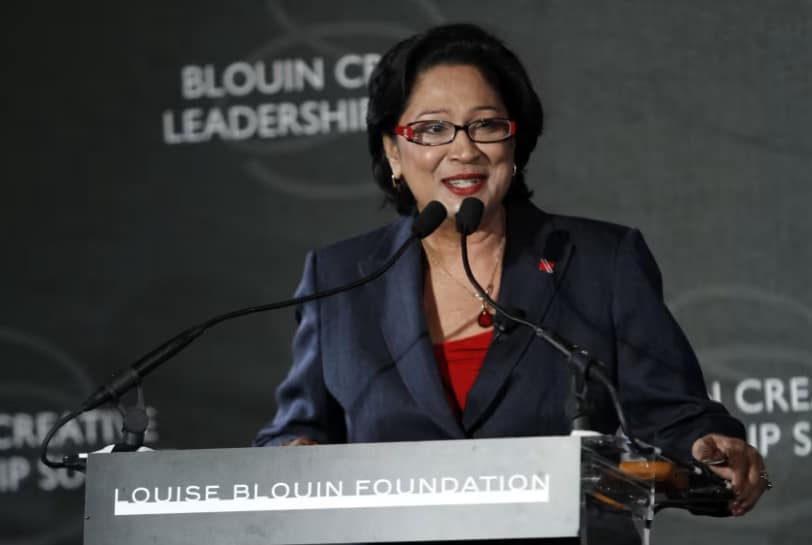
    Prime Minister Kamla Persad-Bissessar has categorically stated that her Cabinet has not entertained discussions regarding Trinidad and Tobago’s withdrawal from the Caribbean Community (Caricom). This declaration comes amidst escalating public apprehension that ongoing diplomatic friction between the Prime Minister and certain regional counterparts might precipitate the nation’s departure from the multilateral organization.

    Responding to inquiries via WhatsApp, Persad-Bissessar clarified her position, asserting, “That has not been discussed by Cabinet.” This statement reinforces her previous comments made several weeks prior, where she acknowledged exploring external trading alternatives while simultaneously denying any contemplation of a formal Caricom exit. When questioned if her stance had evolved following her recent characterization of Caricom as an “unreliable partner” supportive of Venezuela’s Maduro regime, the Prime Minister responded, “Not at this time.”

    The political landscape is further complicated by Trinidad and Tobago’s scheduled assumption of the Caricom chairmanship from July to December 2027. Political analyst Dr. Bishnu Ragoonath interpreted the Prime Minister’s comments as indicative of a desire for reform rather than withdrawal. “She’s acknowledged that Caricom has challenges and there are disputes among various leaders,” Ragoonath observed. “I’m not sure what T&T’s Prime Minister will do, but she’s admitted there’s need to fix Caricom.”

    Opposition criticism emerged from People’s National Movement MP Stuart Young, who condemned Persad-Bissessar’s continued critiques of Caricom as “reckless, unwarranted, dangerous and destructive.”

    The economic dimension reveals contrasting perspectives. T&T Manufacturers’ Association president Dale Parson reported no current decrease in Caricom imports, noting instead an acceleration in trade particularly with Antigua. However, broader business sector representatives expressed concern, emphasizing the necessity of all trade and investment avenues given Trinidad and Tobago’s fragile economic outlook, and hoping government leadership “understands that.”

    Amidst the tension, Antiguan Prime Minister Gaston Browne extended seasonal greetings to Persad-Bissessar, signaling underlying diplomatic courtesy. Simultaneously, Caricom Secretary General Dr. Carla Barnett issued a year-end message highlighting the community’s resilience through 2025’s hurricanes and geopolitical challenges, while noting progress in implementing the Caricom Single Market and Economy through enhanced freedom of movement between several member states.

    Economic data from the Ministry of Finance’s 2025 Review of the Economy underscores Caricom’s significance, revealing regional exports totaling TT$5.95 billion (US$877 million) and a merchandise trade surplus of TT$4.92 billion for the first nine months of the fiscal year, with food and beverage exports leading non-energy sectors.

  • Liberta Family Receives New 4 Bedroom Home Under HAPI Initiative Ahead of Christmas

    Liberta Family Receives New 4 Bedroom Home Under HAPI Initiative Ahead of Christmas

    A Liberta family that lost their home in a devastating Father’s Day fire two years ago will celebrate Christmas in a newly constructed four-bedroom residence, thanks to the collaborative Home Advancement Programme for the Indigent (HAPI). The official handover ceremony took place on Tuesday, marking a significant milestone for both the program and the family’s journey toward stability.

    This project represents the first four-bedroom dwelling completed under the HAPI initiative, with its expanded design specifically tailored to accommodate the family’s size and made possible through substantial community support. The construction timeline was dramatically accelerated following a successful radio telethon that generated numerous local pledges, enabling organizers to expand the home’s scope beyond initial plans.

    E. P. Chet Greene, Member of Parliament for St Paul, emphasized the project’s demonstration of effective partnership between government resources and community contributions in addressing urgent social needs. HAPI organizers highlighted the achievement as evidence of how collective action can effectively combat housing insecurity among vulnerable populations.

    The timing proves particularly meaningful as family members return home for the holiday season, providing a permanent gathering place for reunification and the opportunity to rebuild their lives with renewed security and hope.

  • CARICOM Private Sector Reaffirms Support for Regional Integration

    CARICOM Private Sector Reaffirms Support for Regional Integration

    In a significant show of regional solidarity, seven major private sector organizations across the Caribbean Community have jointly reaffirmed their steadfast commitment to the CARICOM Single Market and Economy (CSME). This collective endorsement comes five years after the CARICOM Private Sector Organization attained associate institutional status within the regional bloc in October 2020.

    The coalition, representing business interests from Trinidad and Tobago, Jamaica, Barbados, Guyana, OECS nations, Suriname, and Belize, has documented substantial benefits derived from the economic integration framework. According to their assessment, the CSME has generated measurable advantages for corporations and workers throughout the region, facilitating notable expansion in intra-regional commerce, reinforcing regional supply networks, and making meaningful contributions to foreign exchange revenues and economic operations across member states.

    From a strategic perspective, Caribbean business leaders emphasize the complementary nature of both intra-CARICOM trade and the Community’s robust external trading relationships, particularly with the United States as its principal collective trading partner. These interconnected economic channels collectively strengthen regional economic resilience and diversification efforts.

    Amid current global economic volatility, the private sector underscores the critical importance of stability, confidence-building, and constructive multilateral engagement among member nations. The organizations highlighted CARICOM’s continuing relevance as a vital platform for collaborative action, enabling member states to convert economic vulnerabilities into strategic assets through enhanced resilience and deliberate global economic integration.

    The signed statement recognizes the shared responsibility of all regional stakeholders in refining the CSME framework to better serve all member states and their populations. In an era marked by increasing global isolationist tendencies, the vision of CARICOM and CSME is deemed essential for collective regional sustainability.

    Business leaders specifically acknowledged the collaborative and inclusive framework established by CARICOM Heads of Government to pursue complete CSME implementation. The private sector across the region has pledged continued cooperation with governments and other stakeholders to realize this vision, while extending seasonal goodwill to all CARICOM citizens and anticipating continued constructive dialogue in pursuit of regional advancement and security.

  • LETTER: Stop Shooting The Messengers

    LETTER: Stop Shooting The Messengers

    A recent analysis of Trinidad and Tobago Prime Minister Kamla Persad-Bissessar’s statements regarding CARICOM has ignited significant discussion about the regional body’s effectiveness and future direction. Contrary to some misinterpretations, the Prime Minister never advocated for disbanding CARICOM or terminating annual meetings, but rather highlighted the organization’s structural weaknesses and lack of substantive progress.

    The core argument centers on the need for frank assessment and open dialogue about CARICOM’s challenges, including weak unity and limited advancement on key regional initiatives. The commentary challenges the prevailing narrative of CARICOM as a completely peaceful region, suggesting that such idealized perceptions hinder meaningful development.

    Addressing economic dimensions, the analysis notes that seeking export opportunities beyond CARICOM markets represents established economic strategy rather than radical departure. Similarly, the Caribbean tourism industry has historically targeted extra-regional visitors, with approximately 90% of tourism revenue originating from outside the bloc.

    The piece strongly criticizes the tendency to ‘shoot the messenger’ when leaders raise uncomfortable truths about regional shortcomings. It dismisses the common deflection that ‘it’s not what you say, but how you say it’ as an excuse for inaction among immature political actors. The author argues that mature governance requires confronting both positive and negative realities openly.

    Regarding transparency concerns, the analysis observes that extra-regional diplomats and expatriates stationed in CARICOM nations already possess comprehensive knowledge of regional developments, from industrial estate occupancy rates to renewable energy project progress. The suggestion that sensitive information should be concealed from international partners is characterized as naïve given modern intelligence-gathering capabilities.

    The commentary concludes by acknowledging some existing unity within CARICOM, particularly in celebrating historical achievements like the West Indies cricket team’s World Cup victories in 1975 and 1979. However, it maintains that honest assessment and courageous dialogue remain essential for addressing contemporary challenges, especially as member states face climate vulnerabilities and natural disasters that require coordinated regional response.

  • Caribbean Congress of Labour Calls for Calm, Consultation and Regional Solidarity Amid Public Exchanges on CARICOM

    Caribbean Congress of Labour Calls for Calm, Consultation and Regional Solidarity Amid Public Exchanges on CARICOM

    The Caribbean Congress of Labour (CCL), representing organized labour across the region, has issued a formal statement expressing profound apprehension regarding recent diplomatic exchanges between Caribbean leaders. The organization specifically references public statements made by Trinidad and Tobago’s Prime Minister Kamla Persad-Bissessar and the subsequent response from Antigua and Barbuda’s Prime Minister Gaston Browne concerning CARICOM policies and international partnerships.

    This diplomatic friction emerges during a period of exceptional vulnerability for Caribbean workers, who face compounding challenges including economic instability, social pressures, climate emergencies, and security concerns. The CCL warns that public disagreements between leaders could potentially erode regional solidarity when cooperative governance is most critically needed.

    The labour congress emphasizes that regional consultation and unified CARICOM positions should not be misinterpreted as antagonism toward international allies. The organization advocates for a balanced approach that maintains both constructive engagement with global partners like the United States and robust regional dialogue. This duality, the CCL argues, is essential for protecting Caribbean interests without resorting to ideological positioning.

    Reiterating its longstanding commitment to governance reform, transparency, and people-centered policies, the CCL calls for leadership that prioritizes consensus-building over confrontation. The organization stresses that regional unity must be grounded in practical necessity and a shared dedication to safeguarding workers’ rights, dignity, and economic security.

    The labour body concludes with an urgent appeal for CARICOM leaders to reaffirm their commitment to respectful dialogue, collective responsibility, and meaningful consultation. The CCL remains dedicated to advancing a reformed and strengthened CARICOM that effectively serves the interests of all Caribbean citizens.

  • Celebrating Our Farmers on National Farmers Day

    Celebrating Our Farmers on National Farmers Day

    Antigua and Barbuda commemorated National Farmers Day on December 23rd with profound appreciation for the agricultural workforce that sustains the nation’s food security and economic stability. The Ministry of Agriculture, Lands, Fisheries and The Blue Economy led tributes to farmers and agro-processors, recognizing their dual role as economic contributors and environmental stewards.

    The agricultural sector demonstrates remarkable resilience despite confronting multiple challenges including climatic volatility, praedial larceny, financial constraints, and market fluctuations. Producers have increasingly adopted technological solutions and sustainable methodologies to enhance productivity while maintaining environmental balance.

    The COVID-19 pandemic served as a critical stress test for local food systems, during which domestic producers maintained consistent supply chains despite global disruptions. This performance highlighted the strategic importance of localized food production and the sector’s adaptive capabilities.

    Government initiatives now focus on synergistic development combining technological innovation with traditional knowledge. Investment priorities include training programs, infrastructure modernization, and sustainable practices that promote biodiversity while increasing yields.

    Consumer participation remains vital to agricultural viability. Public support through conscious purchasing of local produce directly contributes to sectoral growth and national food sovereignty. Each agricultural purchase represents an investment in community resilience and economic circulation.

    The ministry’s acknowledgment extended beyond economic contributions, recognizing farmers as innovators, environmental custodians, and foundational pillars of national identity. Their continuous efforts ensure both present nourishment and future sustainability for Antigua and Barbuda.