
The highly anticipated 2026 Antigua Carnival Queen pageant concluded on Tuesday evening at Carnival City, with Zaine Frederick of Furniture Gallery emerging as the standout winner of the coveted crown. Competing as the seventh delegate of the night, Frederick delivered a series of stunning performances that wowed the judging panel, earning her not only the top title but also three additional distinguished judged awards: Best Performing Talent, Best Interview, and True to Theme, in recognition of her exceptional alignment with the event’s core theme. Following closely behind Frederick, Christine Powell, representing ACB Caribbean and competing as delegate No. 4, secured the position of first runner-up. Powell also claimed two judged awards for her standout presentations: Best Costume and Best Swimwear, impressing both judges and audiences with her creative design and stage presence. Aaliyah Taylor, competing on behalf of Cool & Smooth, rounded out the top three placements as second runner-up, and added the award for Best Evening Wear to her list of accolades from the competition. Beyond the officially judged categories, several other participants earned special recognition from pageant organizers and fans. Queenella Williams of the Antigua and Barbuda Port Authority was honored with the unjudged title of Miss Photogenic, celebrating her striking on-camera presence throughout the pageant. Denesha Samuel, representing LIAT Air, walked away with two special honors: Miss Congeniality, awarded for her warm rapport with fellow competitors, and the People’s Choice Award, a fan-voted distinction that reflects her widespread popularity among audiences attending and following the event. This year’s pageant was held under the overarching theme “Rhythm of a Queen: The Beat of Her Journey,” and served as a key highlight event on the official schedule for Antigua Carnival 2026, bringing together competitors, organizers, and crowds of carnival attendees for a night of celebration and cultural showcase.
标签: Antigua and Barbuda
安提瓜和巴布达
-
Antigua and Barbuda Officials Complete Regional Chemicals and Waste Training
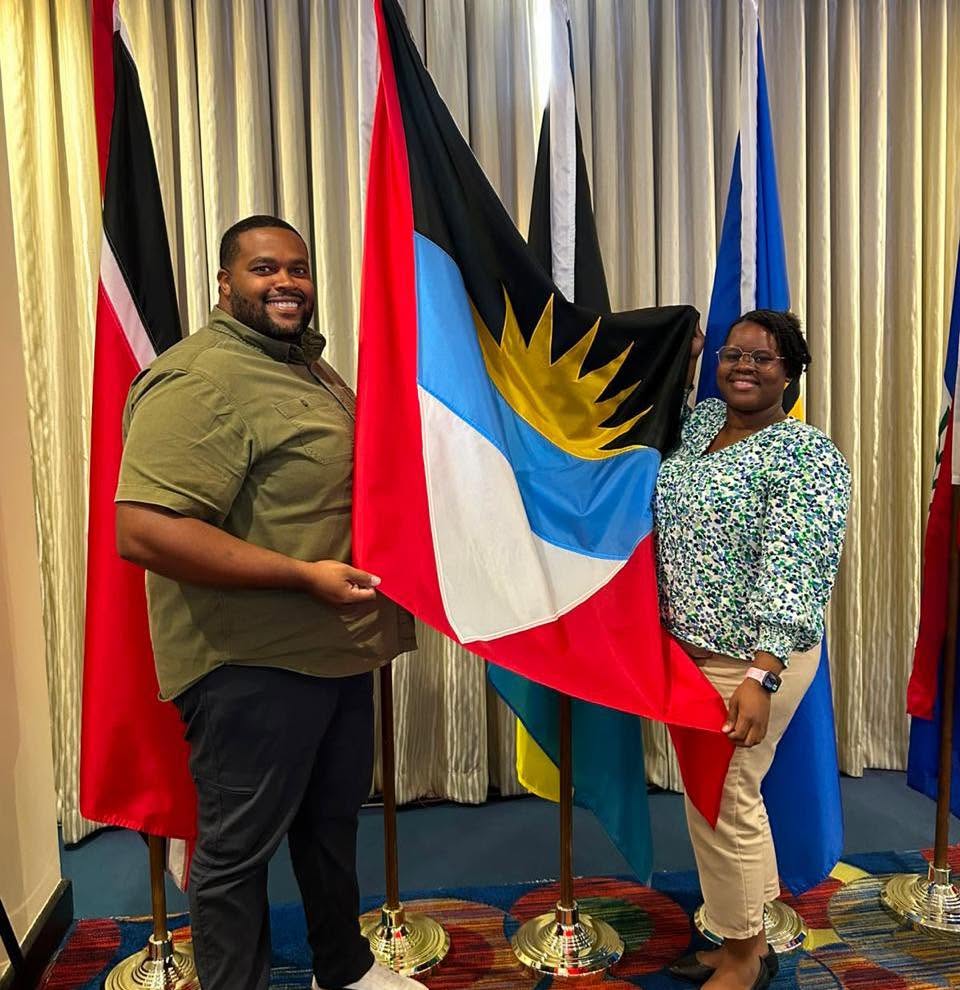
Against a backdrop of growing regional focus on environmental protection and sustainable waste management across the Caribbean, two senior technical officials from Antigua and Barbuda have completed a four-day specialized training workshop focused on advancing regulatory and practical capacity for handling hazardous chemicals and waste. Held in Trinidad and Tobago from July 7 to 10, the event, formally named the Joint Regional Training Workshop on Chemicals and Waste Multilateral Environmental Agreements, brought together environmental practitioners from across the Caribbean region to address shared challenges in environmental stewardship.
The Antigua and Barbuda delegation comprised J’herdine Browne, a graduate assistant attached to the country’s Department of Analytical Services, and Chris Winter, who serves as Landfill Manager at the National Solid Waste Management Authority. Over the course of the training program, participants delved into a diverse curriculum designed to build both foundational and advanced skills. Core topics covered included evidence-based hazardous chemicals and waste management protocols, the legal and operational requirements of international multilateral environmental agreements, frameworks for deepening cross-border regional cooperation, and practical application of the Globally Harmonized System of Classification and Labeling of Chemicals, a global standard designed to improve worker and environmental safety.
Beyond technical environmental content, the workshop also equipped attendees with transferable professional skills: participants received hands-on instruction in effective workplace mentoring strategies, the utilization of modern digital learning tools to expand ongoing education, and structured methods for sharing complex technical information across stakeholder groups. In a post-workshop statement, Antigua and Barbuda’s Department of Analytical Services outlined the long-term value of the participation for the small island nation. The department emphasized that the new skills and connections gained will directly contribute to strengthening local technical expertise, improving national-level implementation of binding international environmental agreements, and fostering closer collaborative ties between Caribbean nations working to address shared environmental challenges.
-
Development Must Stand Alongside Democracy, Human Rights and Security, Says Chair of OAS Development Council
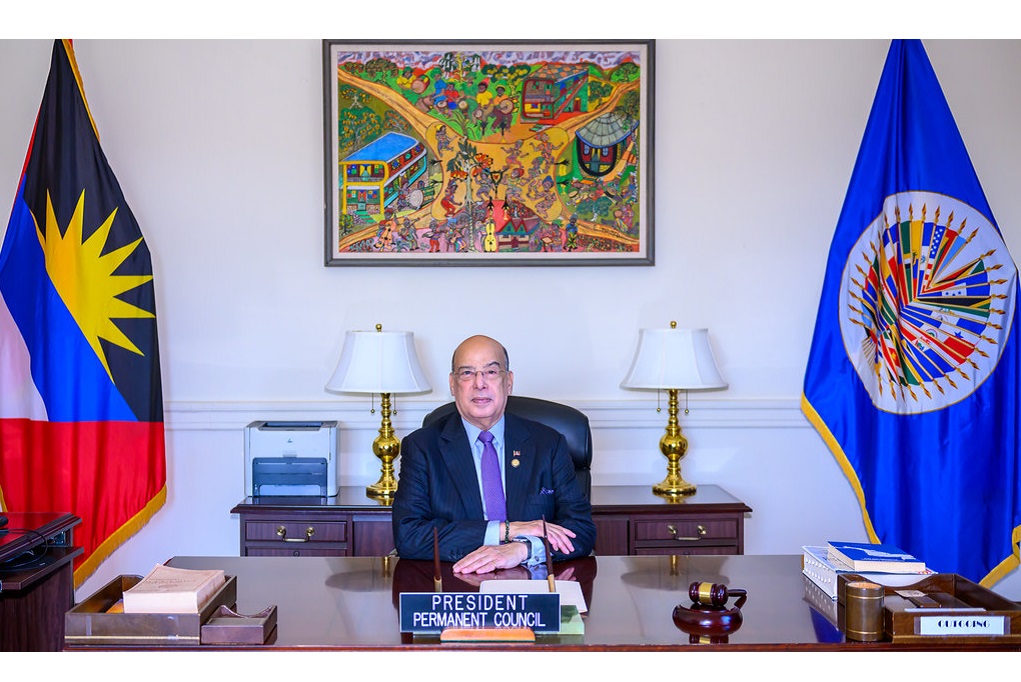
An informal gathering of member states of the Inter-American Council for Integral Development (CIDI) has set the stage for a renewed push to position comprehensive development at the heart of the Organization of American States (OAS)’s mission, under the leadership of incoming Chair Ambassador Sir Ronald Sanders of Antigua and Barbuda.
The meeting, which brought together member state representatives alongside the OAS Executive Secretariat for Integral Development (SEDI), generated a lively, transparent and outcome-focused dialogue centered on upgrading cross-border practical collaboration to drive inclusive economic and social progress across the entire Americas region. Ambassador Sanders opened the post-meeting remarks by praising the high level of engagement from all participating delegations, noting that the constructive tone and shared purpose on display gave him significant confidence in the council’s work ahead.
“I was greatly encouraged by the enthusiasm, thoughtfulness and practical spirit that characterised the discussion,” Sanders stated. “Delegations brought forward constructive ideas and demonstrated a shared commitment to strengthening CIDI as the OAS forum for advancing integral development through cooperation and partnership.”
Across the session, attendees aligned around a shared vision for a pragmatic, results-driven operating model for CIDI. Key priorities that earned broad backing included deepening cross-organizational partnerships, streamlining institutional coordination mechanisms, expanding access to technical cooperation resources, and building greater procedural continuity between successive CIDI chairmanships. Participants also unanimously reaffirmed a core guiding principle: that development stands as an equally essential pillar of the OAS, alongside the organization’s longstanding core priorities of democracy, human rights and regional security. Together, these four pillars work in tandem to expand stability, economic opportunity and shared prosperity for all populations across the Western Hemisphere.
Ambassador Sanders specifically highlighted the productive collaboration with SEDI and its executive head, Ambassador Isabelle Valois, noting that secretariat staff had systematically documented every observation and recommendation put forward by member states during the discussion. “The discussion provided valuable guidance not only for my Chairmanship but also for the continuing work of SEDI in supporting Member States,” he explained. “The active engagement of both delegations and the Secretariat gives me great confidence in our ability to move from discussion to practical results.”
To address the longstanding challenge of institutional discontinuity between leadership terms, Sanders announced a new procedural reform during his tenure: every meeting held under his chairmanship will produce a public Chair’s Summary and Follow-up document. These documents will codify the key themes emerging from discussions, outline clear next steps for action, and serve as a durable reference for member states, future CIDI chairs and OAS secretariat staff.
The full Chair’s Work Plan laid out by Sanders centers on creating an enabling environment for sustainable business growth across the Americas. Core objectives include reducing regulatory uncertainty, building stronger institutional capacity across member states, and expanding equitable access to investment and financing for underserved communities and sectors. Ultimately, the plan aims to solidify CIDI’s role as the OAS’s lead forum for advancing integral development through practical cooperation that delivers measurable, tangible improvements to the lives of people across the region.
-

Teen Testifies Neighbour Raped Her After Entering Home
A high-profile sexual assault trial has centered on growing scrutiny of a teenage complainant’s conflicting statements to law enforcement, as the defense team questions why a full allegation of rape was not included in her first account of the 2023 incident. Now 15, the teen told the High Court she was just 14 years old when her neighbor forced his way into her home while she was there alone and violently assaulted her in February of last year. But under cross-examination, she has conceded that her initial report to police only described an incomplete encounter: she claimed the accused touched her before leaving the property when he discovered she was menstruating, with no mention of rape at that time.
Lead defense attorney Sherfield Bowen has put forward a key theory to explain the gap in the complainant’s original statement: Bowen argued the teen omitted the full rape allegation because she was desperate to hide that a male friend from her school had visited her home that day, a meeting that violated her household’s rules. The court has heard that the visit between the complainant and her school friend included acts of masturbation, a detail the defense claims the teen sought to keep from her family. Bowen further pushed the teen on whether she altered her account later to shift attention away from the forbidden visit and onto her neighbor.
The teenager has firmly rejected the defense’s narrative. She told the court she did not change her statement to cover up the school friend’s visit, and she also denied being in any romantic or sexual relationship with the boy. Instead, she explained that she only came forward with the full rape allegation after two key developments: she learned she would be required to undergo a formal medical examination as part of the investigation, and she had the chance to speak privately with her grandmother, a family member she said she trusts completely.
Multiple family members have taken the stand to testify about the days following the alleged incident. The complainant’s aunt told the court that the defendant contacted her niece after the allegation became known, and directly accused the teen of attempting to fabricate the assault to frame him. The aunt added that the neighbor denied all wrongdoing, and later sent voice messages asking her to go with him to the local police station to sort out the claim. The complainant’s step-aunt also testified, confirming that she found the teen visibly distraught in the days after the incident, and chose to accompany her to both the police station to make her statement and a local clinic for a medical check-up. The step-aunt also corroborated the defense’s claim that the teen’s first official statement to police did not include any mention of rape.
The 40-year-old defendant, whose identity is protected by court reporting restrictions, has entered a full plea of not guilty to all charges against him. The trial is ongoing, with further witness testimony and legal arguments expected in the coming days.
-

Lovell Says All Saints West Career Fair Opened Doors for Young People
A community-focused career fair hosted by the United Progressive Party’s All Saints West constituency branch has emerged as a pivotal platform connecting young job seekers and students with seasoned industry experts, creating meaningful opportunities to explore diverse professional pathways. Harold Lovell, the party’s caretaker for the constituency, shared insights into the event’s far-reaching impact on local young people, emphasizing that the gathering went far beyond a traditional information session to deliver hands-on learning and valuable professional networking.
The fair drew a diverse cross-section of attendees: high school and tertiary students, first-time job seekers, local educators, and representatives from a wide range of growing industries. Sessions and presentations covered a broad spectrum of in-demand fields, spanning corporate accounting, skilled manual trades, sustainable agriculture, value-added agro-processing, and creative culinary arts. This varied lineup ensured attendees from all backgrounds and interests could find pathways aligned with their skills and goals.
One of the event’s standout sessions came from local entrepreneur Miles Codrington, who led an interactive, practical demonstration of heavy-duty industrial equipment. Drawing from his decades of experience building his local business, Codrington opened attendees’ eyes to a critical gap in the regional labor market: a rapidly growing shortage of qualified heavy-duty equipment operators and certified mechanics. He urged young attendees to overlook outdated assumptions about blue-collar work, framing skilled trades as both a reliable pathway to stable full-time employment and a viable foundation for launching their own independent businesses down the line.
Lovell praised all participating professionals and partner organizations for the time and expertise they invested in the event, noting that their involvement created a supportive, encouraging environment designed to boost young people’s confidence and expand their vision of what their futures could hold. “Your presence reminded our youth that they are seen, supported, and capable of achieving greatness,” Lovell said of the participating contributors.
He also extended appreciation to the young attendees themselves, highlighting their curiosity, active engagement, thoughtful questions, and clear eagerness to learn that made the event a success. “You are the reason we continue this work, and we are proud of every step you take toward your dreams,” Lovell added, underscoring the constituency branch’s commitment to continuing similar youth-focused workforce development initiatives in the future.
-

The Antigua & Barbuda Falcons announces overseas players for the 2026 CPL season
With the 2026 Republic Bank Caribbean Premier League (CPL) fast approaching, the Antigua & Barbuda Falcons have officially lifted the curtain on their international player contingent, crafting a squad that blends championship-winning global stars, proven franchise veterans, and promising young spin talent from South Asia.
The six overseas players confirmed for the upcoming campaign are England’s World Cup-winning all-rounder Moeen Ali, Sri Lankan explosive wicketkeeper-batter Kusal Perera, USA international batter Milind Kumar, Canadian all-rounder Tajinder Singh, Pakistan T20I vice-captain Shadab Khan, and breakout Pakistani young spinner Sufiyan Muqeem.
Team officials structured the signing strategy around matching player availability to the tournament’s timeline, ensuring the franchise has targeted strength across every phase of competition. Both Moeen Ali and Kusal Perera will be available for the full length of the tournament, joining the squad from opening day to deliver consistent, experienced firepower at the top of the batting order. Milind Kumar and Tajinder Singh will also link up with the team at the tournament’s kickoff, suiting up for the first three matches of the campaign. Shadab Khan and Sufiyan Muqeem, meanwhile, will be available for seven matches as the tournament progresses, bringing elite spin depth to the Falcons’ bowling attack in the middle stages of competition.
Leading the group of signings is Moeen Ali, one of white-ball cricket’s most decorated and reliable all-rounders. A key member of England’s 2019 ODI World Cup and 2022 T20 World Cup title-winning squads, Moeen stepped back from full-time international cricket in 2024 but remains one of the most in-demand players in franchise leagues around the world. His dual skill set as a powerful top-order batter and accurate off-spinner makes him a multifaceted asset that can contribute across all formats of the game, a huge boost to the Falcons’ title aspirations.
Joining Moeen at the top of the order is Kusal Perera, a hard-hitting Sri Lankan wicketkeeper-batter with a proven track record of destructive powerplay batting. A winner of the 2014 ICC World Twenty20 with Sri Lanka, Kusal made history as the fastest Sri Lankan player to reach 1,000 career T20I runs, earning a reputation for his aggressive, crowd-pleasing strokeplay. His combination of explosive hitting and solid wicketkeeping adds both depth and attacking firepower to the Falcons’ batting line-up.
Milind Kumar brings vast experience from Indian domestic cricket and USA international competition to the squad. After a prolific career in India’s domestic circuit that included topping the Ranji Trophy run-scoring charts in the 2018-19 season, Kumar switched his international allegiance to the United States. His consistent performances across global franchise circuits and experience in high-pressure short-format cricket make him a reliable top-order option for the tournament’s opening phase.
Tajinder Singh, a right-handed batting off-spin all-rounder, represents Canada at the international level and has built a strong reputation as a consistent performer in North American franchise cricket, including turning in multiple standout displays in Major League Cricket. He is set to add flexibility to the Falcons’ line-up during the opening matches of the campaign.
Shadab Khan, Pakistan’s T20I vice-captain, is one of the world’s top white-ball all-rounders, blending world-class leg-spin with powerful lower-order hitting. A former championship-winning captain with Islamabad United in the Pakistan Super League, Shadab brings elite control, big-match temperament, and finishing ability to the Falcons, strengthening both the team’s spin attack and their lower-order batting depth.
Rounding out the contingent is Sufiyan Muqeem, one of the most exciting young spinning prospects in global cricket. The left-arm wrist-spinner just earned Player of the Tournament honors at the 2026 Pakistan Super League, where he finished as the competition’s leading wicket-taker for Peshawar Zalmi, adding to his existing international experience across T20I and ODI cricket for Pakistan. His proven wicket-taking ability in the middle overs gives the Falcons a genuine match-winner who can turn games on their head.
When combined with the Falcons’ core group of domestic West Indian players led by Fabian Allen and Evin Lewis, the new overseas contingent gives the franchise a perfectly balanced roster that blends veteran championship experience with emerging young talent, as they finalize preparations for the 2026 CPL season.
-

Veteran Firefighter John Jno Baptiste Dies
The Caribbean community of Antigua and Barbuda is mourning the loss of John Jno Baptiste, a decorated veteran firefighter and former corporal whose decades of service left an indelible mark on both his department and the public he served. His passing, announced this week by the Antigua and Barbuda Fire Department, has triggered a widespread wave of sympathy from serving colleagues, retired peers, close friends, and ordinary citizens touched by his decades of public commitment.
In an official statement confirming the death, the fire department characterized the news as devastatingly heartbreaking, a sentiment echoed by hundreds of people who have shared personal tributes across local social media platforms and community gathering spaces. Those who knew Jno Baptiste universally remembered him as a soft-spoken, deeply humble man whose quiet patriotism for his Dominican homeland shaped every aspect of his life and career.
Across his decades with the Fire Brigade, Jno Baptiste earned a reputation for unwavering dedication to his role, prioritizing the safety of the communities he served above all else. Beyond his day-to-day duties, many who knew him highlighted his enthusiastic participation in annual national Independence celebrations. Year after year, he was a familiar presence at these events, where he wore his country’s official colors with visible pride and bore the Dominican national flag as a tangible symbol of his love for his homeland.
As of the latest updates, formal messages of condolence have been formally delivered to Jno Baptiste’s immediate family, close friends, and fellow firefighters across the service. Officials have not yet released any further details surrounding the circumstances of his death, and no additional information is expected to be shared until his family has had time to grieve privately. The fire department has also announced that plans for a public memorial to honor Jno Baptiste’s decades of service are currently in development.
-
Ministry of Health Launches Budget Preparation Process with Strategic Planning Session in collaboration with the Ministry of Finance
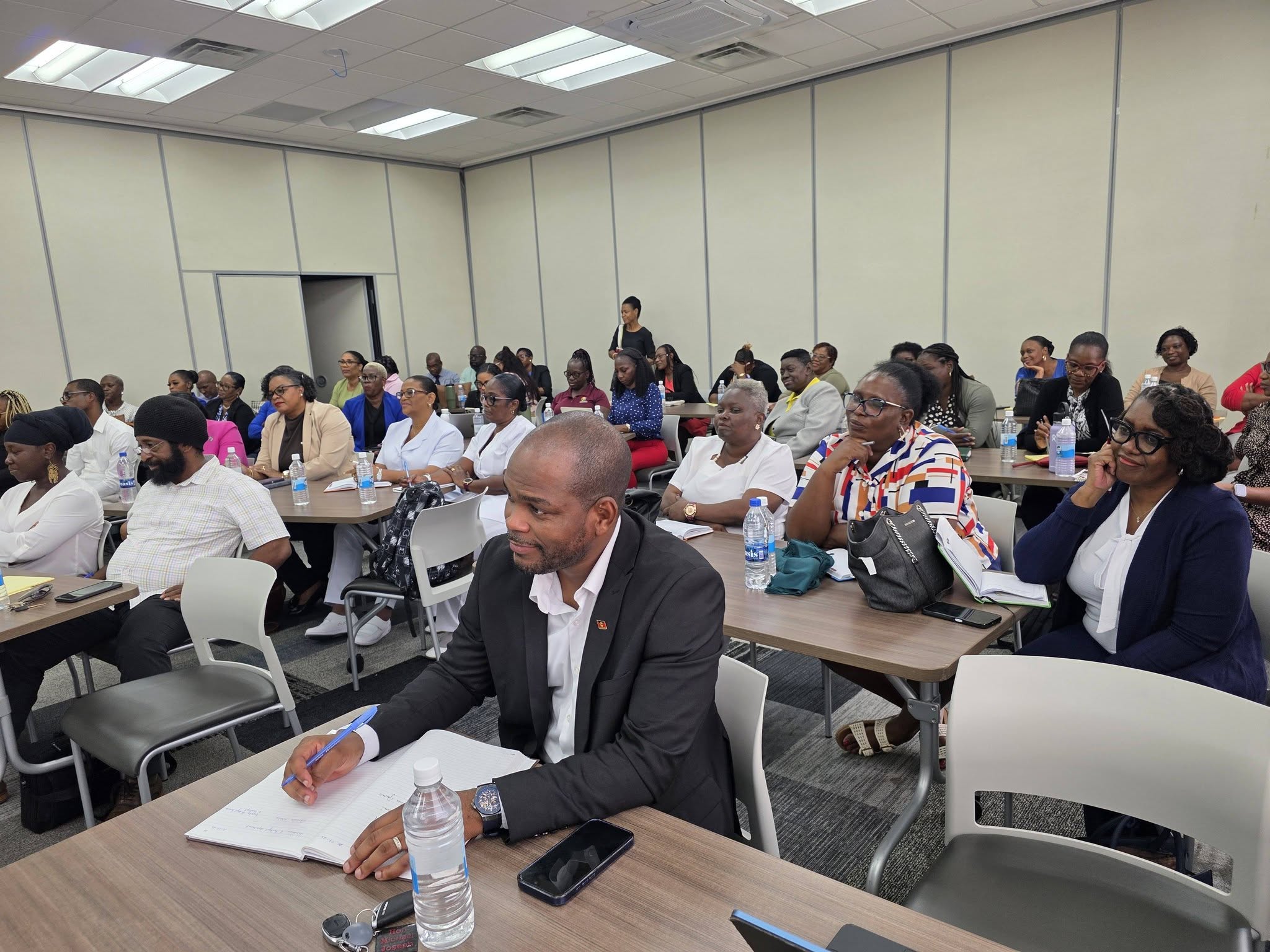
A pivotal step in national fiscal planning has begun as the Ministry of Health, Wellness, Environment and Civil Service Affairs launched its internal budget development cycle with a targeted strategic planning workshop. The gathering, organized to upskill senior leadership on crafting robust, outcome-focused budget proposals for the next fiscal cycle, was led by expert officials from the national Ministry of Finance.
Attendees ranged from department heads and division leaders to core accounting staff, all convened to gain clarity on the government’s official budget development framework and the specific standards required for final budget estimates. Once finalized, these estimates will be forwarded to the Ministry of Finance for evaluation as part of the broader national budget drafting process, which precedes the annual parliamentary Budget Debate scheduled for later this year.
In his opening remarks to participants, Minister Michael Joseph, who leads the combined ministry, emphasized that strategic budgeting extends far beyond the routine task of allocating numerical values to government projects. Instead, he framed it as a foundational opportunity to guide the long-term trajectory of the ministry’s work and impact.
“Building impactful public projects does not start with plugging numbers into a spreadsheet,” Joseph explained. “It begins with a clear, shared vision of where each department aims to go and what outcomes it intends to deliver. A strong budget must build on the progress we have already achieved, while serving as a clear roadmap to advance the ministry’s core mission forward.”
Drawing on his decades of leadership experience in the private sector, Joseph underscored that intentional strategic planning and disciplined fiscal management are universal drivers of organizational success, regardless of sector. “I have spent far more of my career working in private industry than in public service, and I have seen first-hand how critical intentional planning and rigorous budgeting are to moving an organization forward,” he noted. “If we bring that same culture of planning and discipline to public sector operations, we can position this ministry, the entire government, and our country to far more effectively achieve our national goals.”
The minister also reminded attendees that public sector resources are inherently limited, no matter the total size of a ministry’s budget allocation. This constraint, he argued, makes innovative thinking, creative problem-solving, and careful prioritization of core initiatives non-negotiable for effective public service delivery. “Whether a department receives $1 million or $1 billion in allocation, there will always be more critical work to do than available resources can support,” Joseph said. “That reality is why we must approach every stage of planning, prioritization, and program delivery with innovative thinking.”
Joseph further stressed that his ministry is one of the government’s most high-stakes portfolios, with responsibilities spanning from protecting public health and preserving the natural environment to addressing the growing impacts of climate change and supporting the nation’s entire public service workforce. He issued a clear challenge to department heads, division managers, and senior technical leaders: craft budget proposals that are strategic, forward-looking, aligned with the ministry’s long-term vision, push for innovative new approaches, and maximize the impact of every dollar allocated.
Following the workshop, Permanent Secretary Stacey Gregg-Paige extended formal gratitude to the Ministry of Finance for leading the engagement and providing critical guidance to the ministry’s leadership and finance teams. She noted that the workshop marks a significant first milestone in the ministry’s budget preparation process, and will help ensure that all departmental submissions are comprehensive, strategically aligned with national goals, and responsive to the country’s top priorities.
Moving forward, the ministry plans to continue close collaboration with the Ministry of Finance as it finalizes its budget estimates, which will be submitted for review and approval ahead of the national Budget Debate later this year.
-
CARICOM Develops Online Courses for Technical and Vocational Students
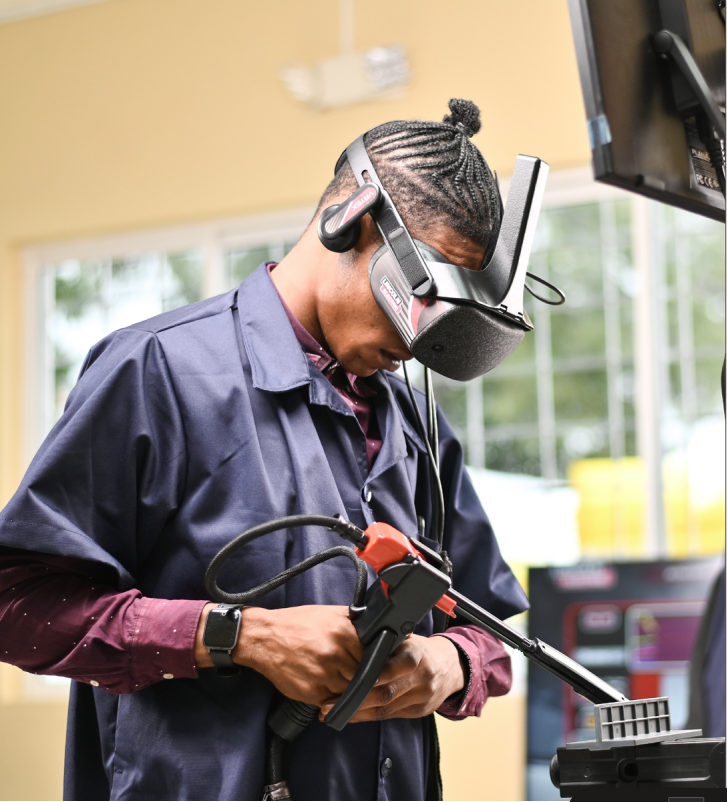
When regional institutions across the Caribbean Community (CARICOM) set out to modernize their Technical and Vocational Education and Training (TVET) systems, they rejected one-size-fits-all imported frameworks in favor of solutions built specifically for the unique needs of member states. That core vision guided the landmark Digitalisation of TVET Delivery Project, which concluded its initial phase with a virtual closing ceremony that celebrated tangible progress and laid the groundwork for long-term regional expansion.
Dr. Denise Stoney-James, Deputy Programme Manager for Education at the CARICOM Secretariat and the project’s lead manager, framed the initiative as a model for what collective regional action can achieve when complementary strengths are aligned around a shared goal. “This initiative sought to harness digital technology to transform Technical and Vocational Education and Training across the Caribbean. It reflects the power of regional cooperation and the importance of solutions tailored to our own realities,” she noted, emphasizing that locally rooted design has been central to the project’s early success.
Built on a innovative trilateral partnership structure that brings together the CARICOM Secretariat, the Brazilian Cooperation Agency, global technical experts, and regional education institutions, the project has already delivered a suite of targeted outcomes designed for long-term impact. Three custom online learning units have been developed from the ground up to fit CARICOM’s learner population, while education personnel including instructors, program monitors, instructional designers, and national focal points across four pilot countries—Barbados, Grenada, Jamaica, and Trinidad and Tobago—have completed hands-on training to lead ongoing digital delivery after the initial project phase concludes.
Unlike generic off-the-shelf digital learning materials, all content created through the project is culturally contextualized, featuring local CARICOM instructors and examples that reflect regional economic and social realities. To ensure long-term accessibility, new technical infrastructure and governance frameworks have been established, and all courses have been integrated into existing national education platforms to cement country ownership of the initiative. Targeted incentive programs have been implemented to boost enrollment among women and marginalized groups, expanding access to digital skills training for underrepresented populations, while regional peer networks and communities of practice have been launched to foster ongoing knowledge sharing across member states.
Early outcomes from the pilot phase mark a significant step forward for Caribbean TVET modernization. Regional capacity for digital TVET delivery has been substantially strengthened, with all four pilot countries successfully integrating the new digital tools and content into their existing national education systems. The project has also established a fully sustainable, country-led operating model that reduces long-term reliance on external support and builds regional institutional resilience. Critically, the initiative has laid the technical and institutional groundwork for region-wide scaling, with multiple additional CARICOM member states already indicating they are prepared to adopt the model for their own TVET systems.
Stoney-James emphasized that the project’s impact extends far beyond its immediate deliverables, positioning regional TVET systems to meet the shifting demands of the 21st century digital economy. “The project not only delivered immediate results but also created the conditions for sustainable expansion, positioning CARICOM TVET systems to meet the demands of a rapidly evolving digital economy,” she said.
The initiative also yielded key lessons that will shape future regional digital transformation efforts: institutional readiness, the project found, matters more than access to cutting-edge technology. While digital tools can be shared quickly across borders, long-term sustainability depends on national ownership, flexible implementation pathways, and alignment with each country’s existing institutional maturity. “Sustainable digital transformation depends not only on the solutions we build, but on the capacity of institutions to adopt, own, and sustain them over time,” Stoney-James affirmed.
The project was developed to address long-standing structural gaps that have held back CARICOM TVET systems for years. For decades, regional institutions have struggled to keep pace with global digital shifts, with limited access to high-quality digital training and Industry 4.0 content, and wide disparities in institutional capacity across member states. While a small number of institutions had made independent progress toward digital modernization, many were still building the foundational systems needed to support digital delivery.
A second equally critical gap was the lack of learning content tailored to CARICOM’s specific context. In most cases, existing digital TVET materials were not aligned with CARICOM Vocational Qualifications (CVQs) and did not reflect the actual skill needs of regional labour markets, leaving a damaging mismatch between the skills graduates gained and the skills that regional employers demand. At the same time, demand for digital and technical expertise across the Caribbean has grown rapidly, as economic diversification, competitiveness efforts, and the rise of technology-driven workplaces created an urgent need for a coordinated regional response.
Launched in November 2022, the Digitalisation of TVET Delivery Project was developed as a strategic partnership between the CARICOM Secretariat and the Caribbean Association of National Training Authorities (CANTA), in response to a call for proposals from the Trilateral Technical Cooperation between Brazil, the European Union (EU) and Germany. The CARICOM Secretariat’s Human Resource Development (HRD) Programme ultimately secured €700,000 in technical support funding from the partnership to implement the initiative across CANTA member states. Brazil’s National Service for Industrial Training (SENAI), one of the largest TVET institutions in the world and a leading global innovator in vocational digitalization, joined as a core technical partner to lead the conversion of traditional in-person TVET curricula to flexible online programs. The project’s operational planning phase got underway in 2023, with a series of virtual planning meetings between all core partners followed by an in-person workshop convened in Brasilia, Brazil, from June 26 to 30 2023 to align on project goals and implementation timelines.
Today, the initiative stands as a proof of concept for regionally led digital transformation, offering a timely strategic pathway to reduce capacity disparities across CARICOM, strengthen regional economic resilience, and equip Caribbean learners with the in-demand skills needed to thrive in a fast-changing global economy.
-

Canadian wildfire smoke expected to pass over Caribbean; Antigua air quality remains good
A cross-continental air quality incident is unfolding this week, as smoke from Canada’s persistent wildfire season is on track to drift thousands of miles south to reach the northeastern Caribbean, according to the Antigua and Barbuda Meteorological Service (ABMS). However, the national weather agency has moved to reassure residents that the hazy plume will not trigger meaningful declines in local air quality. In an official air quality advisory published Tuesday, ABMS noted that latest atmospheric modeling suggests the smoke mass has already reached upper atmospheric layers over the region. The plume is projected to continue its westward trajectory, moving across the northern Caribbean and the Bahamas by the end of Wednesday. Even as the smoke moves through the broader Caribbean basin, air quality measurements across Antigua and Barbuda still rank in the World Health Organization’s “Good” category, and forecasters project this stable, healthy condition will hold steady throughout the plume’s passage. While the Canadian wildfire smoke will have little tangible impact locally, Antigua and Barbuda is already bracing for the next potential air quality challenge: a significant influx of Saharan dust that is forecast to arrive in the region starting Thursday. ABMS confirmed that it will maintain continuous monitoring of atmospheric and air quality conditions, and will issue additional public updates whenever new developments require it.