标签: Antigua and Barbuda

安提瓜和巴布达

  • Teachers’ union president says he is disappointed by stalled contract talks

    Teachers’ union president says he is disappointed by stalled contract talks

    The Antigua and Barbuda Union of Teachers (A&BUT) has voiced significant discontent regarding the prolonged delay in initiating crucial contract discussions with government authorities. Union President Casroy Charles revealed his profound disappointment during a recent broadcast interview, highlighting that formal proposals for a new collective bargaining agreement were submitted over seven months ago in June 2025, yet substantive negotiations have failed to commence as of January 2026.

    Charles emphasized the recurring nature of these delays within the bargaining process, noting that the previous agreement covering the 2018-2024 period was finalized merely months before its expiration in 2024. This pattern of last-minute negotiations has created persistent challenges for educators, with Charles stating that ‘negotiating a protracted period has always been problematic’ and regrettably ‘become the norm’ for contracts covering periods that have already passed.

    Supporting these concerns, General Secretary Sharon Clifford Kelsick confirmed the union has repeatedly communicated with government officials through written correspondence seeking to initiate discussions for the 2025-2026 agreement. Kelsick emphasized that best practices dictate negotiations should commence well before contract expiration, ideally early in the preceding year, rather than during the final year of the existing agreement.

    Both union leaders warned that continued delays risk perpetuating a cycle of retroactive settlements and prolonged uncertainty for teachers. Despite maintaining communication with the Chief Establishment Officer, the union expresses growing concern over the lack of progress. Charles affirmed the union’s commitment to pursuing timely negotiations, stating ‘We will stick at it’ while expressing hope that future bargaining processes would demonstrate improved efficiency and foresight.

  • Teachers’ union flags security gaps, unpaid allowances, delayed back pay

    Teachers’ union flags security gaps, unpaid allowances, delayed back pay

    Educators in Antigua and Barbuda are confronting persistent systemic failures as unresolved contractual disputes continue to undermine the nation’s educational infrastructure. The Antigua and Barbuda Union of Teachers (ABUT) has escalated its demands for governmental action, highlighting critical deficiencies in campus security, delayed salary adjustments, and uncompensated travel expenses for multi-campus instructors.

    Security vulnerabilities remain a paramount concern, with General Secretary Sharon Clifford Kelsick revealing that numerous schools operate without mandated protection despite contractual obligations. ‘We are not satisfied with the security issue at all,’ Kelsick stated during a recent media engagement, noting instances where educators arrive at facilities with either absent or insufficient security personnel. While some individual institutions have addressed concerns temporarily, the union emphasizes that comprehensive national-level resolution remains elusive under current collective bargaining agreements.

    Financial grievances compound the crisis, as retroactive salary payments continue to be distributed unevenly across the teaching workforce. Although partial disbursements occurred in December, many educators await full settlement despite governmental assurances of a January 31st deadline. Kelsick characterized the fragmented payment system as fundamentally unsatisfactory, stressing that ‘nobody really enjoys back pay when it comes in bits and pieces.’

    ABUT President Casroy Charles provided alarming financial context, estimating that resolving outstanding arrears would require approximately 4.5 months’ salary allocations. He further questioned whether departed or retired educators would receive owed compensation, highlighting administrative gaps in maintaining contact and banking information for former staff.

    The travel compensation crisis represents another dimension of the dispute, with Charles noting that teachers transporting themselves between multiple campuses using personal vehicles receive no reimbursement despite contractual provisions. The Ministry of Education has acknowledged this inequity yet has failed to implement practical solutions, leaving educators bearing unauthorized financial burdens.

    With negotiations for a new collective bargaining agreement currently suspended, union leadership vows to intensify advocacy until all outstanding matters receive satisfactory resolution.

  • Lions District Governor Begins Official Visit with Courtesy Calls in Antigua

    Lions District Governor Begins Official Visit with Courtesy Calls in Antigua

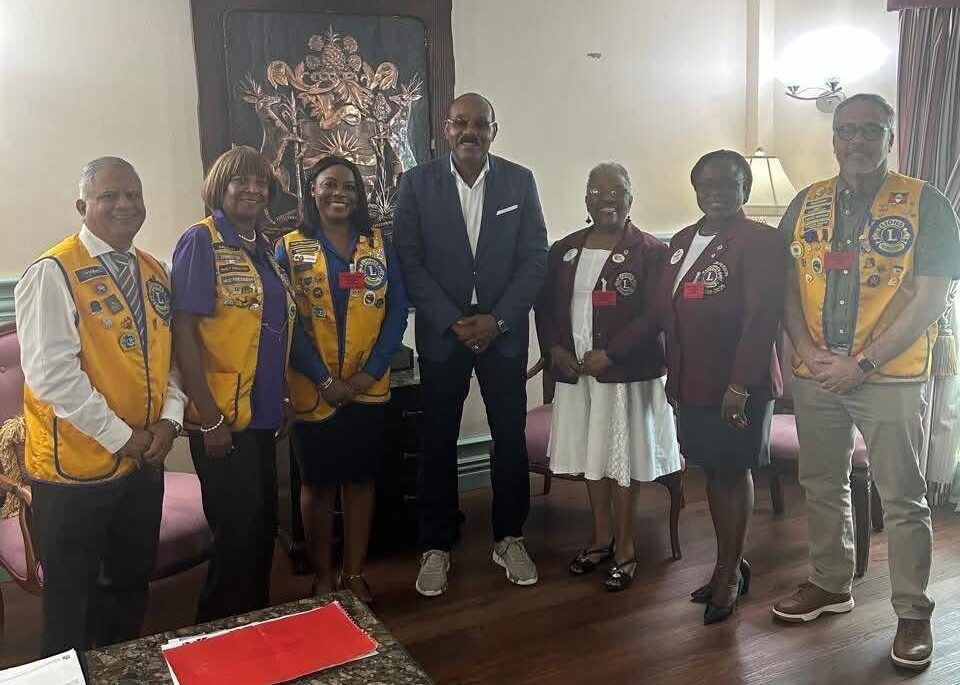
    Lions Clubs International District Governor Judy King, PMJF, has initiated her official tour of Antigua and Barbuda with high-level diplomatic engagements preceding planned visits to local chapters. The distinguished visitor, accompanied by Zone 2C Chairperson Lion Kim Joseph, PMJF, and representatives from the Antiguan Lions Club, embarked on a series of protocol meetings as part of her regional itinerary.

    The delegation conducted formal courtesy calls with two of the nation’s most prominent figures: His Excellency Sir Clare Roberts, KCN, KC, who serves as Deputy Governor-General, and Prime Minister Gaston Browne. These meetings mark significant recognition of Lions Clubs International’s humanitarian work and its collaborative relationship with Caribbean governments.

    This diplomatic outreach underscores the organization’s commitment to strengthening international partnerships and enhancing its community service initiatives throughout the region. The meetings likely focused on discussing ongoing philanthropic projects, potential areas for expanded cooperation, and strategies for addressing local community needs through the Lions Club’s global network of volunteers and resources.

  • Police Urge Vehicle Owners to Secure Vehicles at All Times

    Police Urge Vehicle Owners to Secure Vehicles at All Times

    The Royal Police Force of Antigua and Barbuda has issued a stark public safety alert following a concerning surge in vehicle thefts across the nation. Law enforcement authorities report that a pattern of owner negligence—primarily leaving vehicles unsecured with keys inside—is directly enabling criminal enterprises.

    This security crisis has manifested prominently in the St. John’s and Old Parham Road districts, where recent incidents highlight a troubling trend. In a specific case from January 13th, 2026, an orange Suzuki Ignis was stolen from St. John’s Street during morning hours. Police investigation confirmed the vehicle was unattended with its ignition keyed. Similarly, a white Kia Sorento vanished from Old Parham Road overnight between January 12th and 13th.

    Beyond the property loss, police intelligence indicates stolen vehicles are being repurposed to facilitate other serious criminal operations, thereby multiplying the threat to community safety. In response, the Police Administration is mandating heightened public vigilance and has released a comprehensive security protocol.

    The essential guidelines for vehicle owners include: never leaving keys in the ignition under any circumstances; consistently locking all doors and windows regardless of parking duration; opting for well-lit and secure parking areas; and immediately reporting any suspicious behavior to authorities.

    The force emphasizes that community cooperation is indispensable in combating this crime wave. Citizens possessing any information related to these thefts or associated criminal activities are urged to contact the Criminal Investigations Department (CID) or their nearest police station immediately.

  • Wounded Officer Trevon Giddings Appeals for Public Help After Losing Leg in Line-of-Duty Shooting

    Wounded Officer Trevon Giddings Appeals for Public Help After Losing Leg in Line-of-Duty Shooting

    In a heartfelt appeal for public solidarity, Officer Trevon Giddings has come forward to share his harrowing journey of recovery after sustaining catastrophic injuries during a police operation last year. The incident, which occurred on May 25, 2025, unfolded when Giddings responded to alerts concerning masked individuals in the Potters district. During the confrontation, he sustained three gunshot wounds, two of which critically damaged his lower limb. Despite exhaustive medical efforts to save the injured leg, surgical teams ultimately performed a necessary amputation of his right leg.

    The physical and emotional toll of this life-changing event has been compounded by significant financial pressures. Medical experts estimate that comprehensive rehabilitation—including advanced prosthetic technology, reconstructive surgical procedures, and extensive physical therapy—will require approximately $200,000. To address these substantial costs, a GoFundMe initiative has been established, though current contributions total just over $10,000, representing a fraction of the required amount.

    Giddings’ story highlights the profound personal sacrifices made by law enforcement personnel and the challenging road to recovery many face after severe line-of-duty injuries. His appeal underscores the critical role community support plays in helping injured first responders rebuild their lives and achieve functional independence following traumatic events.

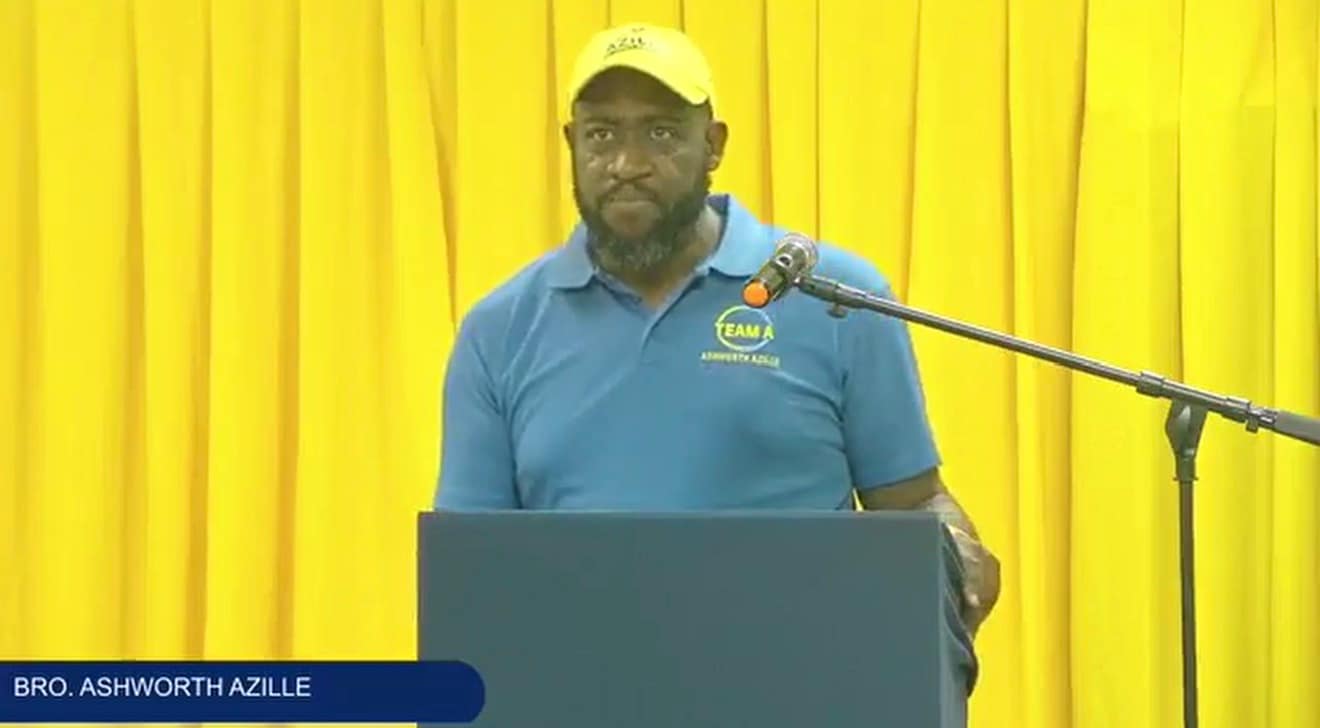
  • Azille says MPs are competing with ordinary citizens for government contracts

    Azille says MPs are competing with ordinary citizens for government contracts

    A significant controversy has emerged in the realm of government procurement, with allegations surfacing that elected officials are improperly leveraging their positions to secure state contracts. According to recent statements, Members of Parliament are actively participating in the competitive bidding process, effectively placing them in direct competition with private citizens and small business owners for government business opportunities.

    This development raises profound questions about the integrity of public procurement systems and the potential for conflicts of interest. The practice, if substantiated, suggests an uneven playing field where those in positions of power may enjoy unfair advantages in accessing government tenders. Such dynamics could potentially undermine principles of transparent governance and equitable economic participation.

    The implications extend beyond mere competition, touching upon fundamental issues of governance ethics and public trust. When elected representatives engage in commercial activities with the government they oversee, it creates potential ethical dilemmas and perceptions of preferential treatment. This situation warrants careful examination of existing regulatory frameworks governing the conduct of public officials and their involvement in government contracting processes.

    Stakeholders across the political and economic spectrum are calling for greater transparency in how government contracts are awarded and more stringent disclosure requirements for elected officials with business interests. The allegations highlight the ongoing challenge of maintaining clear separation between public service and private commercial interests in democratic systems.

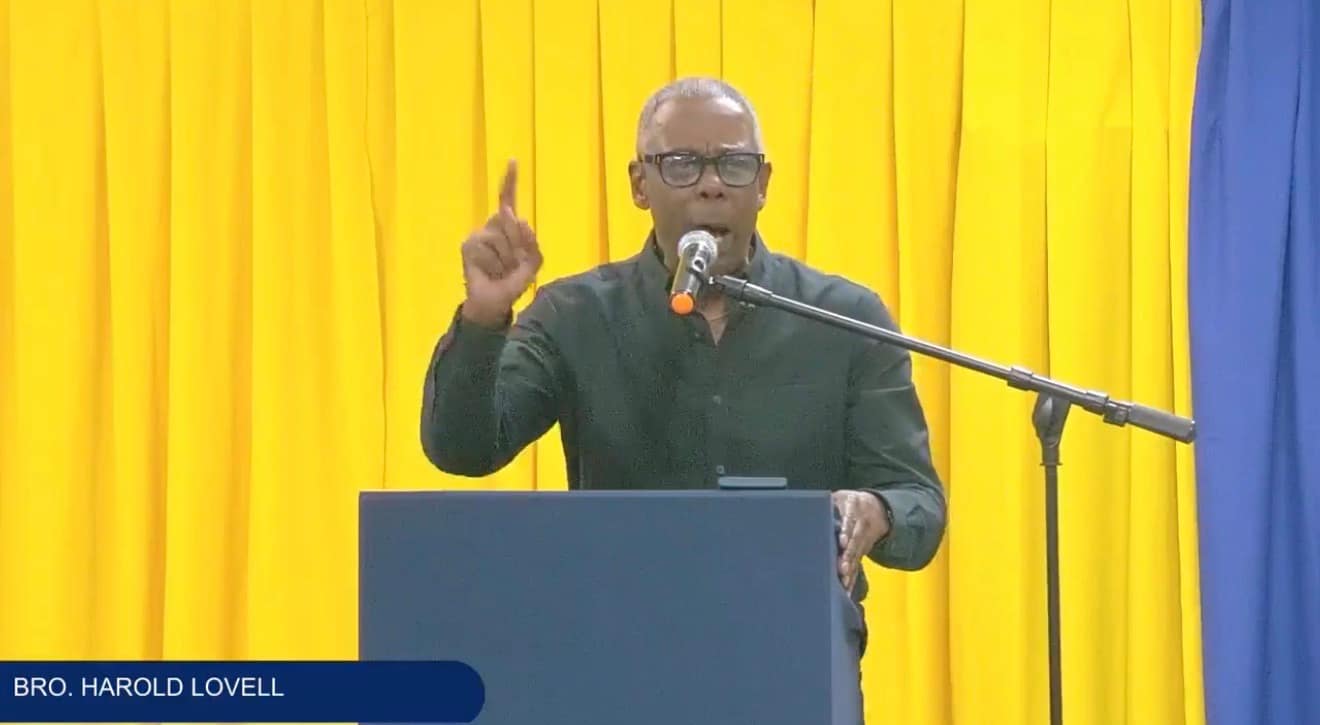
  • Lovell says PM Browne will not sue the U.S Law Firm because the lawyer is also Trump’s Attorney

    Lovell says PM Browne will not sue the U.S Law Firm because the lawyer is also Trump’s Attorney

    In a significant political development, Prime Minister Gaston Browne of Antigua and Barbuda has formally decided against pursuing litigation against a prominent United States law firm. The decision comes despite the firm’s legal representation of former U.S. President Donald Trump, creating a complex diplomatic scenario.

    According to statements from political rival Harold Lovell, PM Browne has consciously chosen to avoid legal confrontation with the American legal entity. This resolution demonstrates careful consideration of international relations and the potential implications of challenging a firm with such high-profile political connections.

    The situation originated from previously undisclosed legal matters between the Antiguan government and the U.S.-based firm. While specific details remain confidential, the involvement of Trump’s personal attorney adds layers of political sensitivity to what might otherwise be considered routine legal proceedings.

    Political analysts suggest this decision reflects strategic diplomacy by the Browne administration, potentially avoiding unnecessary tension with U.S. political entities. The choice demonstrates measured statesmanship in navigating the complex intersection of international law, diplomacy, and global politics.

    The development has sparked discussions within Caribbean political circles about balancing national interests with the complexities of international legal relationships, particularly when involving figures with significant global influence.

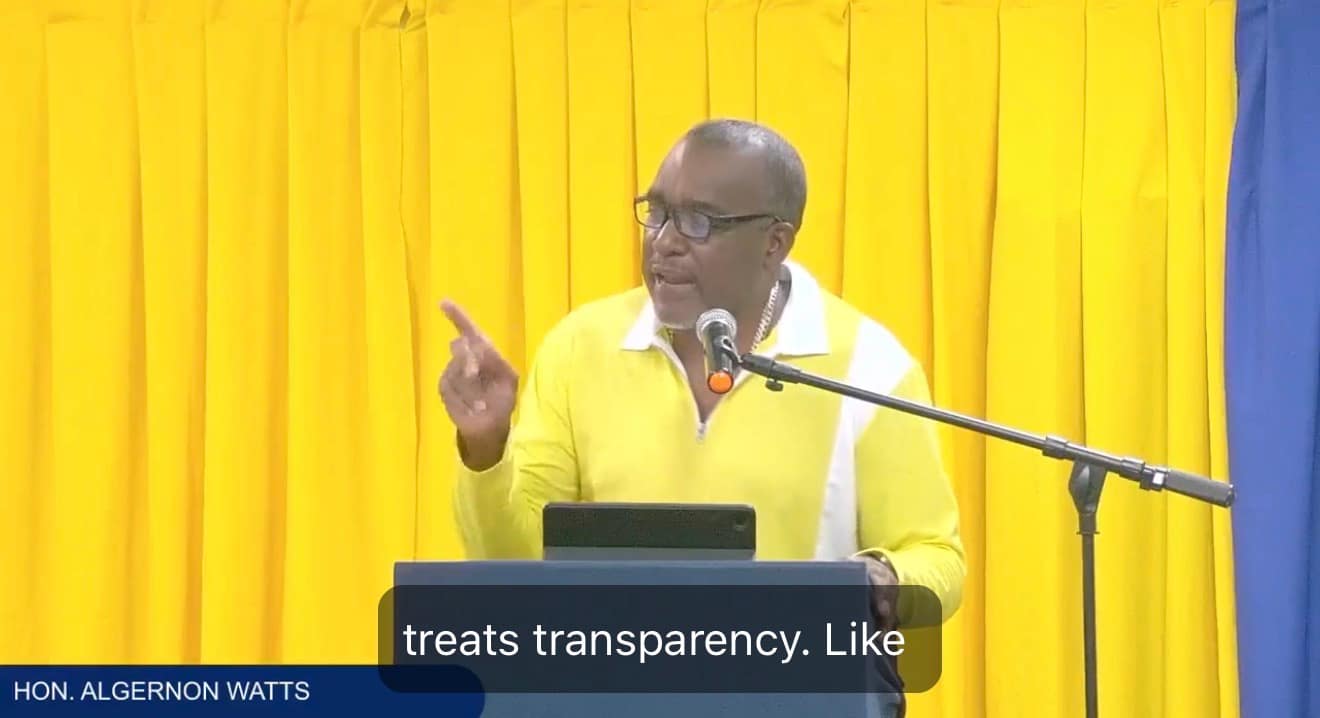
  • Watts Questions Government Secrecy Over U.S. Refugee Deal

    Watts Questions Government Secrecy Over U.S. Refugee Deal

    Algernon Watts, Member of Parliament for St. George, has launched a comprehensive critique of the Antiguan government’s proposed refugee and deportee arrangement with the United States, raising fundamental questions about transparency, fiscal responsibility, and national sovereignty. During a virtual rally organized by the United Progressive Party, Watts articulated multiple concerns regarding the agreement’s formulation and potential implementation.

    The parliamentarian highlighted the conspicuous absence of preliminary briefings, parliamentary discourse, or public consultation before the arrangement’s disclosure. Watts emphasized that citizens only became aware of the agreement post-factum, characterizing the government’s communication as a ‘confession after the fact’ rather than transparent governance.

    Watts specifically referenced the Prime Minister’s acknowledgment of months-long correspondence with the U.S. State Department, questioning why these negotiations remained concealed. ‘If you must assert something wasn’t intended to be secret, its handling inevitably suggests otherwise,’ Watts contended. ‘You cannot conceal matters and then introduce them surreptitiously.’

    The MP challenged governmental assurances regarding case-by-case evaluations, an annual cap of ten individuals, and criminal exclusions, arguing that verbal commitments without written frameworks provide inadequate protection. ‘Numerical limits do not constitute strategy, and slogans cannot replace substantive safeguards,’ Watts stated. ‘Blind trust, particularly when extended to habitual prevaricators, falls short of coherent national policy.’

    Watts warned that opaque decision-making erodes public trust and fosters social fragmentation, particularly within small communities. ‘When determinations occur behind closed doors, the immediate casualty is civic confidence,’ he observed. ‘This vacuum becomes filled with speculation, apprehension, and ultimately, societal division.’

    The legislator posed practical questions regarding housing, medical screening, long-term healthcare, and trauma counseling for potential arrivals, questioning whether financial burdens would shift to citizens and already strained public services. ‘Without comprehensive planning, the weight falls upon ordinary citizens, overextended clinics, social workers, and communities where working-class Antiguans already struggle,’ Watts asserted.

    Regarding accountability, Watts questioned responsibility protocols for potential mishaps, noting that consequences would manifest locally rather than in Washington. He further cautioned about precedent-setting implications, suggesting that initial limits could expand without public consent through exception proliferation.

    Connecting to broader bilateral concerns, Watts referenced recent U.S. visa restrictions and proposed bond requirements affecting Antiguans, juxtaposing these with the current arrangement’s potential pressures. He demanded full disclosure of draft memoranda, legal authority, cost allocations, and administrative responsibilities, while urging written commitments against cap expansion without parliamentary approval and public consultation.

    Watts clarified that his position reflects pro-national interest rather than anti-migrant sentiment, concluding: ‘Antigua and Barbuda constitutes neither warehouse nor storage facility. Cooperation must be predicated on earned consent through governance conducted in daylight, not secrecy.’

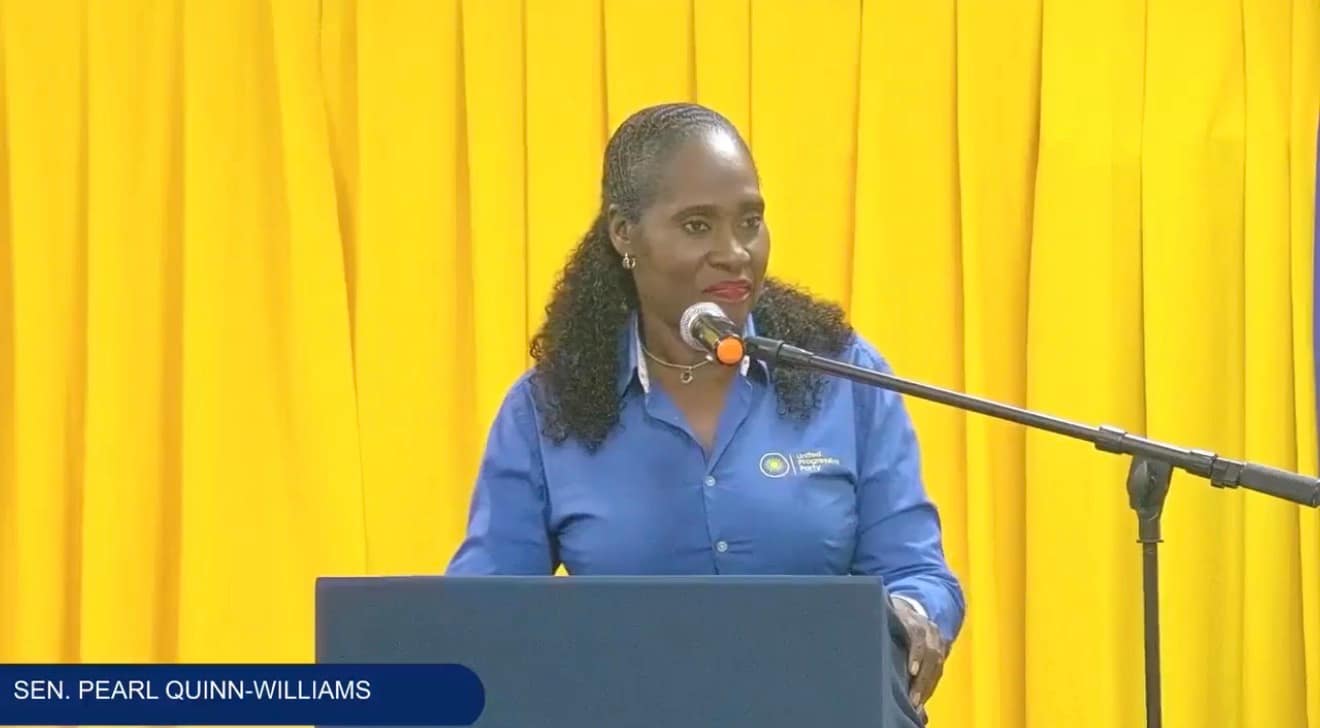
  • Senator Quinn Williams urges training of local nurses before Cuban repatriation

    Senator Quinn Williams urges training of local nurses before Cuban repatriation

    In a strongly-worded address during a United Progressive Party virtual rally, Senator Pearl Quinn Williams has challenged the government’s healthcare staffing strategy, demanding substantial investment in domestic nursing education before proceeding with the repatriation of Cuba’s medical contingent. The senator articulated deep concerns about the administration’s approach to replacing experienced Cuban medical professionals with healthcare workers from Ghana without establishing a robust local foundation first.

    Williams emphasized that the Cuban medical brigade, having provided years of invaluable service to Antigua and Barbuda’s public health infrastructure, should remain during an extended transition period to ensure continuity of care while local candidates receive comprehensive training. She highlighted multiple unaddressed considerations in the proposed transition, including potential language barriers, the necessity for foreign replacements to familiarize themselves with the local healthcare system, and the critical question of how patient services would be maintained during the gap between personnel changes.

    The senator proposed a strategic reallocation of resources, suggesting that funds currently designated for foreign healthcare workers should be redirected toward supporting local trainees and expanding medical scholarship programs. She advocated for a phased approach where the Cuban medical professionals would only be repatriated after sufficient numbers of qualified local healthcare workers are prepared to assume their responsibilities, characterizing this as a more sustainable and citizen-focused model for healthcare system reform.

    Williams’ commentary extended beyond the immediate personnel concerns to address broader systemic challenges within the public health sector, noting severe operational strains resulting from staffing deficits, insufficient resources, and financial limitations at the Ministry of health.

  • Antigua and Barbuda Defence Force plans multi-year recruitment drive

    Antigua and Barbuda Defence Force plans multi-year recruitment drive

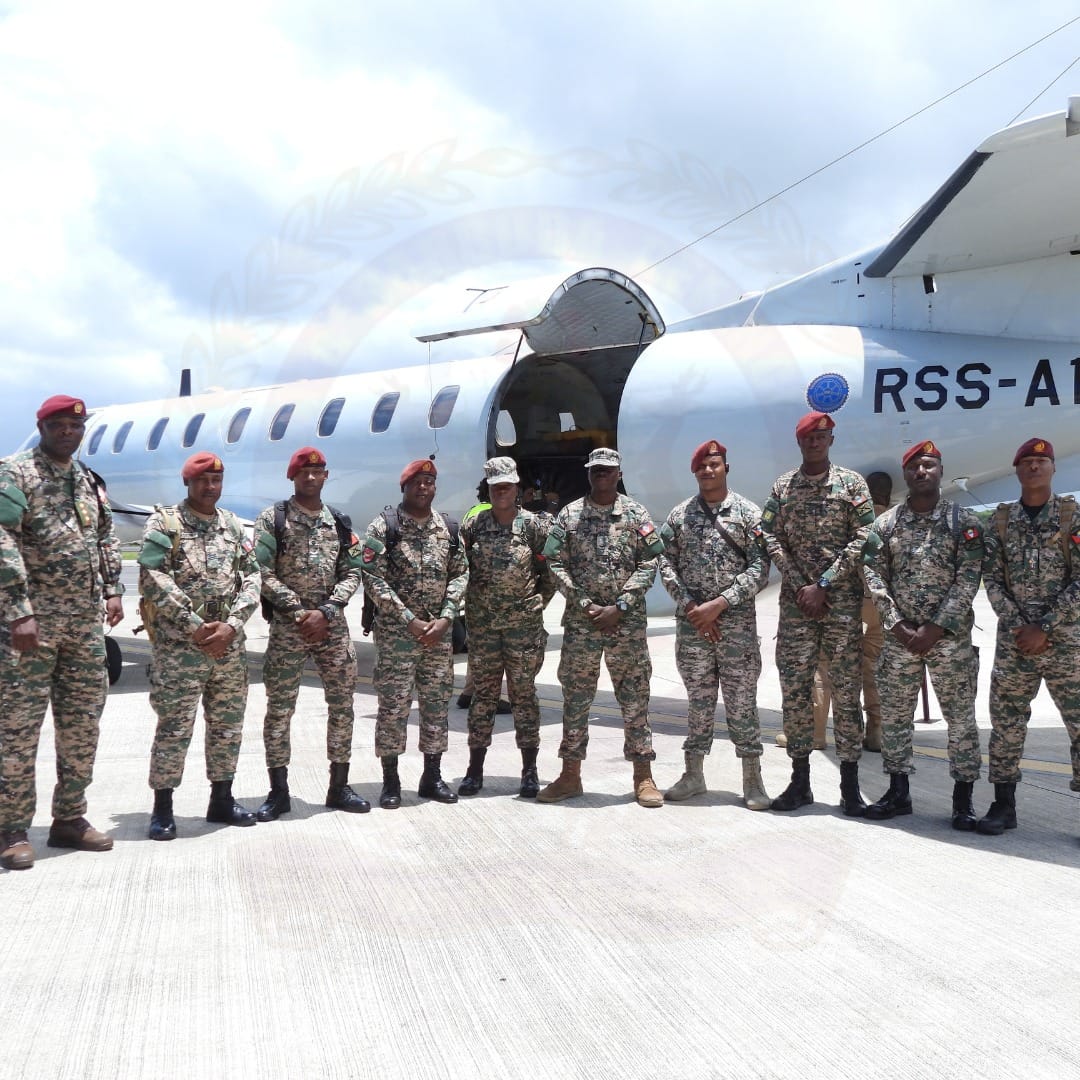
    The Antigua and Barbuda Defence Force (ABDF) has initiated a significant strategic expansion, commencing recruitment for an initial contingent of 50 new soldiers this year. This move represents the first phase of a comprehensive, multi-year plan to substantially enhance the nation’s military capabilities.

    Chief of Defence Staff Telbert Benjamin confirmed the expansion initiative is already underway, with the Defence Force’s Public Relations and Human Resource departments leading the recruitment campaign. Benjamin emphasized that this recruitment drive is projected to continue systematically over the next four years, with its progression contingent upon ongoing budgetary approvals from the government.

    Beyond military personnel, the ABDF is simultaneously seeking to recruit civilians for critical support positions. These roles span strategic programming, community outreach, office administration, and logistics management. Officials reported exceptionally strong application rates for these civilian posts, with interest extending beyond Antigua to include qualified candidates from across the Caribbean region.

    The substantial expansion of the Defence Force is designed to significantly strengthen national capacity across multiple security and public service domains. Enhanced personnel resources will enable more robust border security operations, improved disaster response capabilities, and greater contributions to national initiatives in health, education, and food security programs. This strategic enhancement positions the ABDF to more effectively address both conventional defense requirements and emerging non-traditional security challenges.