标签: Antigua and Barbuda

安提瓜和巴布达

  • COMMENTARY: Nursing Our Troubles

    COMMENTARY: Nursing Our Troubles

    Essential service providers—including nurses, teachers, and police officers—consistently face financial hardships despite incremental salary adjustments over the years. While wage increases offer temporary relief, they fail to address the escalating costs of living, including rising taxes, housing expenses, and service charges. The core issue persists: salaries simply cannot keep pace with inflationary pressures, highlighting the need for structural reforms rather than isolated pay raises.

    Beyond salaries, the primary grievances focus on housing affordability and childcare costs. Many struggle to secure decent rental accommodations or mortgages, while families with young children face significant expenses for shift-based childcare. The absence of reliable public transportation further compounds financial strain, necessitating private vehicle ownership and maintenance costs that exceed realistic salary adjustments.

    Historical policy proposals from the Antigua-Caribbean Liberation Movement (ACLM) reveal longstanding awareness of these challenges. Their 1980 and 1989 election manifestos outlined comprehensive solutions including community complexes, daycare centers, and regulated public transportation systems to reduce energy dependence and housing costs. The ACLM explicitly framed housing as a fundamental right—not a privilege—advocating for annual construction targets and rental regulation bodies similar to consumer affairs departments.

    However, implementation has been hampered by cyclical advocacy patterns. Strong bargaining entities for nurses and teachers often remain passive during favorable political administrations, only vocalizing demands during political transitions. This pattern undermines consistent progress and reframes legitimate advocacy as political opportunism.

    The solution requires sustained national commitment rather than individual migration. Retaining trained professionals—particularly in healthcare—demands addressing systemic issues through housing reforms, transportation infrastructure, and childcare support, ensuring essential workers can serve their communities without financial desperation.

  • All Saints Clinic Closure Linked to Sewage and Safety Issues, Minister Says

    All Saints Clinic Closure Linked to Sewage and Safety Issues, Minister Says

    Antigua and Barbuda’s Health Minister Sir Molwyn Joseph has provided a detailed explanation for the extended shutdown of the All Saints Community Clinic, citing critical sewage system failures and safety hazards that rendered the facility unsuitable for patient care. The disclosure came during a recent government briefing addressing community concerns over the prolonged closure.

    Minister Joseph revealed that the decision to close the clinic followed years of complaints from nursing staff about sewage fumes infiltrating essential areas of the building, including food preparation and dining spaces. The minister characterized these conditions as ‘unacceptable for healthcare delivery,’ emphasizing that the problems required comprehensive infrastructure solutions rather than temporary fixes.

    Technical investigations identified improperly designed drainage pipes as the core issue, creating persistent foul odors and genuine health risks that necessitated major corrective action. Joseph defended the government’s approach of keeping the facility closed until fundamental infrastructure problems could be properly addressed, rather than resorting to premature reopening.

    The renovation plan involves a complete redesign of the sewage system, repair of existing leaks, and facility expansion to accommodate new services including a dental clinic and enlarged pharmacy department. While acknowledging community frustration, Joseph countered claims that residents have been deprived of healthcare, noting that patients have been redirected to nearby facilities including Glanvilles Polyclinic, though he conceded transportation challenges exist and improvements are being pursued.

    The government’s objective is to reopen All Saints as a modernized healthcare facility meeting elevated public health and safety standards. Completion timelines remain dependent on progress with the necessary infrastructure work, with health officials promising further updates as designs are finalized and repairs advance.

  • Why Ghana? Minister Says The English Language Was A Major Factor

    Why Ghana? Minister Says The English Language Was A Major Factor

    Antigua and Barbuda’s government has formally justified its decision to recruit nurses from Ghana, emphasizing pragmatic healthcare considerations over political motives. Health Minister Sir Molwyn Joseph presented a multi-faceted rationale during a recent media briefing, highlighting three core factors: proven regional experience, English-language proficiency, and high-quality medical training.

    Minister Joseph revealed that Ghanaian nurses already have an established track record within Caribbean healthcare systems, specifically in The Bahamas and Barbados. Positive performance reports from these regional postings provided the foundational confidence that Ghanaian medical staff would integrate seamlessly into Antigua and Barbuda’s health infrastructure and meet stringent professional standards.

    Addressing potential language barrier concerns, the Minister pointed to Ghana’s historical and educational background. ‘Ghana was a colony like Antigua and Barbuda — only British,’ Joseph stated, adding, ‘I assure you that they are quite capable of speaking the King’s language.’ This shared colonial history under British rule ensures that Ghanaian healthcare professionals are trained in English-speaking environments, facilitating clear communication in medical settings.

    The Minister further challenged any perceptions of inferior medical training standards in African nations. ‘Africa has produced some of the most outstanding doctors and nurses now applying their trade in the world,’ Joseph asserted, noting that many Ghanaian medical professionals currently serve in major metropolitan centers including New York and London. He emphasized their contributions to highly specialized medical fields and research at prestigious international institutions, with many holding advanced qualifications and patents.

    The recruitment initiative represents a dual approach to addressing nursing shortages: importing immediately available qualified staff while concurrently developing domestic capabilities through expanded nurse training programs at the University of the West Indies Five Islands Campus. The government maintains that patient care standards will remain uncompromised throughout this transitional period of workforce stabilization.

  • Future Pro to Host UK Football Pathways Session in Antigua Ahead of CAF Combine

    Future Pro to Host UK Football Pathways Session in Antigua Ahead of CAF Combine

    Future Pro is set to make a significant return to the Caribbean region with an exclusive Football Pathways Evening scheduled for Wednesday, February 4th in Antigua and Barbuda. The event, strategically timed ahead of the upcoming CAF Combine, will take place at the Weatherills Hotel in St. John’s from 4:30 PM to 7:00 PM.

    The program will commence with an initial meet-and-greet session from 4:30 PM to 5:30 PM, allowing attendees to network with Future Pro representatives. This will be followed by a comprehensive presentation from 5:30 PM to 6:15 PM detailing the organization’s football development pathways. The evening will conclude with an interactive question-and-answer segment and personalized one-on-one discussions from 6:15 PM to 7:00 PM.

    Future Pro highlighted their proven track record with Antiguan talent, specifically mentioning recent successes including Kylano, who earned a trial with Blackburn Rovers’ under-21 squad, and Marco Michael, who secured a trial opportunity with FC Andorra.

    Due to limited capacity, the event requires advance registration. Interested football players and parents must pre-register by contacting Future Pro directly at the provided telephone number: +44 7894 322273. The venue will offer both parking facilities and seating arrangements, with attendees requested to gather at the outdoor lawn gazebo area.

  • CARICOM chair Drew meets PM Browne, FM Greene in Antigua

    CARICOM chair Drew meets PM Browne, FM Greene in Antigua

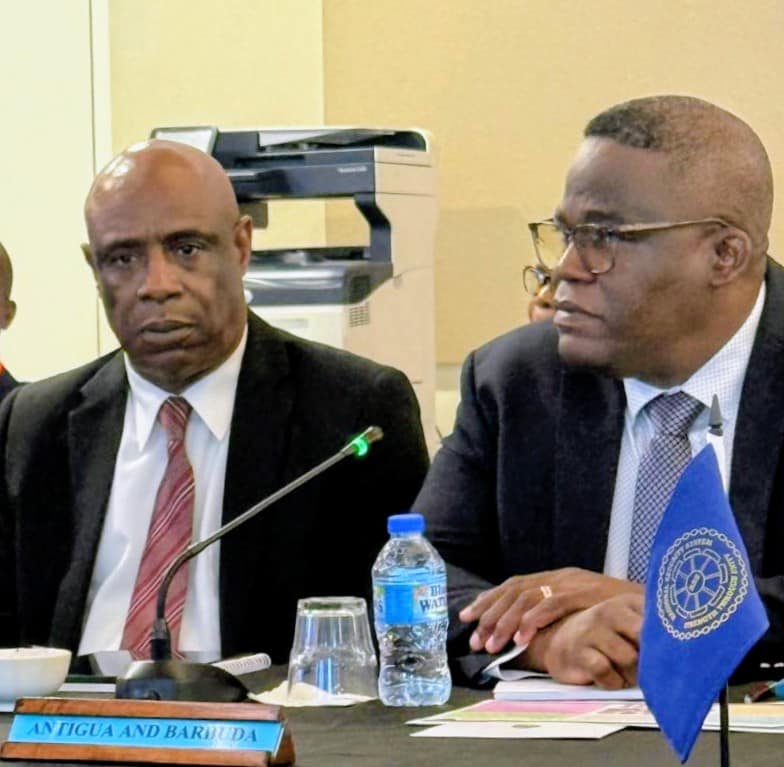
    In a significant demonstration of regional solidarity, CARICOM Chairman Dr. Terrence Drew convened high-level consultations with Antigua and Barbuda’s leadership on January 20th. The strategic dialogue brought together Prime Minister Gaston Browne and Foreign Affairs Minister E.P. Chet Greene for comprehensive discussions on pressing regional matters.

    The high-stakes meeting, held as part of ongoing diplomatic engagements among Caribbean Community leaders, focused on identifying critical areas requiring coordinated regional responses. Dr. Drew, who concurrently serves as Prime Minister of St. Kitts and Nevis, emphasized the imperative of unified approaches to address challenges affecting Caribbean nations.

    Central to the discussions was the reinforcement of collaborative mechanisms designed to advance the collective interests of Caribbean citizens. The leadership exchanged perspectives on developing strategic frameworks for enhanced cooperation across multiple sectors, including economic development, climate resilience, and regional security.

    Both parties reaffirmed their commitment to maintaining open channels of communication and strengthening institutional capabilities within CARICOM’s governance structure. The dialogue produced consensus on several key initiatives aimed at bolstering regional integration and maximizing the collective bargaining power of Caribbean states in international forums.

    The meeting represents a continuation of CARICOM’s proactive approach to regional governance, demonstrating the organization’s evolving role in addressing complex transnational issues through diplomatic coordination and shared policy development.

  • Police Investigating Suspected Suicide in Jennings

    Police Investigating Suspected Suicide in Jennings

    Authorities in Antigua and Barbuda have initiated a comprehensive investigation following the tragic death of a young woman in the Jennings area on Tuesday afternoon, January 20, 2026. The Royal Police Force has confirmed they are treating the incident as a suspected suicide.

    According to preliminary reports from the Office of Strategic Communications, the deceased has been identified as a female in her mid-twenties. Police personnel and forensic investigators remain actively engaged at the scene, meticulously working to reconstruct the circumstances that led to this devastating outcome.

    The law enforcement agency has assured community members that they are pursuing all necessary investigative protocols to establish a complete understanding of the events preceding the woman’s death. While details remain limited during these preliminary stages, officials have committed to providing additional information as their inquiry progresses and more facts become substantiated.

    This incident has cast a somber atmosphere over the Jennings community, raising concerns about mental health awareness and support systems for young adults throughout the twin-island nation. The police have emphasized their dedication to conducting a thorough and sensitive investigation that respects both the dignity of the deceased and the concerns of the local community.

  • WATCH: Hospital Leaders Say New Nurses Will Reduce Emergency Room Wait Times

    WATCH: Hospital Leaders Say New Nurses Will Reduce Emergency Room Wait Times

    In a significant development for healthcare services, the Sir Lester Bird Medical Centre has announced that the integration of newly recruited nurses is set to transform emergency department operations. This strategic enhancement aims to directly tackle prolonged wait times and elevate the standard of urgent medical care.

    Senior hospital administrators have identified chronic nursing shortages as a primary catalyst for strained emergency services. Previously, limited staff were compelled to manage excessive patient inflows while simultaneously addressing diverse clinical demands, creating operational bottlenecks.

    During comprehensive media discussions, officials highlighted how staffing deficiencies particularly compromised triage functions—the critical process of evaluating patients and prioritizing care based on medical urgency. Inadequate triage coverage had decelerated patient flow, exacerbating congestion and extending waiting periods.

    The newly appointed nurses, bringing specialized emergency room training and substantial professional experience, are poised to reestablish robust triage protocols. This reinforcement will facilitate more efficient patient assessment and treatment pathways, potentially yielding improved health outcomes and diminished frustration among patients and their families.

    Beyond patient benefits, this staffing expansion addresses concerning workforce wellbeing issues. Prolonged understaffing had precipitated nurse burnout and fatigue, potentially impairing operational efficiency and elevating clinical risk. With reinforced personnel, hospital leadership anticipates reduced overtime requirements, boosted morale, and more consistent care quality.

    Additionally, the influx of nursing professionals will enable senior staff to reallocate focus from frontline duties to their administrative and supervisory responsibilities. This rebalancing is expected to enhance departmental coordination, strengthen oversight mechanisms, and optimize resource utilization across the medical center.

    While acknowledging that emergency department congestion stems from multiple factors, healthcare executives emphasize that fortifying nursing support constitutes a pivotal measure toward wait time reduction and public confidence restoration. This initiative represents one component of broader strategies to stabilize healthcare infrastructure while advancing long-term local nursing education programs.

  • Antigua Defends Ghana Nurse Recruitment, Says Process Was Lawful and Thorough

    Antigua Defends Ghana Nurse Recruitment, Says Process Was Lawful and Thorough

    The Government of Antigua and Barbuda has issued a robust defense of its internationally coordinated effort to recruit nurses from Ghana, characterizing the initiative as a necessary and meticulously executed response to systemic staffing crises within its healthcare sector. Facing persistent vacancies across hospitals, mental health facilities, and community clinics, the Cabinet authorized the mission as a targeted stabilization measure.

    Health authorities detailed that a senior multidisciplinary delegation, comprising nursing leadership, hospital administrators, and public health officials, conducted an intensive in-person selection exercise in Ghana during September. This rigorous process was designed to evaluate each candidate’s clinical proficiency, communication abilities, and overall professional readiness against the nation’s stringent legal and regulatory standards.

    From an initial pool of 190 applications, a thorough screening process identified eligible candidates for interviews. Following assessments, 127 nurses were recommended for professional vetting by the Antigua and Barbuda Nursing Council, which granted final approval to 123 registered nurses. Subsequently, 112 were selected for deployment, pending completion of mandatory professional registration, medical and police clearances, and immigration formalizations.

    Government officials emphasized the collective and criteria-driven nature of the selection, asserting that no unilateral decisions were made and that any candidate failing to meet domestic professional benchmarks was disqualified, regardless of their qualifications in Ghana.

    Crucially, the administration clarified that this international recruitment does not displace local healthcare workers but instead aims to alleviate critical pressures by reducing excessive overtime, mitigating staff burnout, and ensuring care continuity. This initiative operates in parallel with long-term domestic strategies, including the expansion of local training programs through the University of the West Indies Five Islands Campus and incentives for specialized nursing education among Antiguans.

    The first cohort of Ghanaian nurses is anticipated to arrive by month’s end, with a phased integration plan that includes a comprehensive onboarding and orientation program to acquaint them with the local health system and workplace protocols. This forms part of a broader governmental vision to develop a self-sustaining national healthcare workforce.

  • Health Authorities Encourage Young Antiguans to Choose Nursing

    Health Authorities Encourage Young Antiguans to Choose Nursing

    Antigua and Barbuda has initiated a comprehensive national strategy to revitalize its nursing sector following significant workforce depletion caused by overseas migration, retirements, and historical staff reductions. Health authorities emphasize that cultivating domestic talent represents the cornerstone of achieving sustainable healthcare stability and enhancing patient care quality nationwide.

    During a recent press briefing, Health Minister Sir Molwyn Joseph issued a compelling appeal to youth, characterizing nursing as both a vital profession for national development and an essential service for public welfare. The minister highlighted a transformative educational advancement—the establishment of local nurse training capabilities through the University of the West Indies Five Islands Campus, which previously did not exist.

    Educational institutions report promising developments, with approximately 50 nurses already credentialed through the UWI Five Islands program. Projections indicate over 100 additional nursing graduates will enter the healthcare system within the next three years. These figures form part of an extended governmental plan to optimize nurse-to-patient ratios across primary care facilities and specialized tertiary medical services.

    Healthcare administrators and senior nursing officials indicate that this recruitment initiative simultaneously addresses critical staff exhaustion concerns. Current operational conditions reveal stretched personnel resources, with suboptimal nurse-to-patient ratios adversely affecting both workforce morale and care standards, particularly evident at the Sir Lester Bird Medical Centre.

    While acknowledging the temporary utilization of international recruitment to stabilize immediate healthcare delivery, authorities reaffirmed their ultimate objective: establishing a self-sufficient, locally educated nursing workforce. Government representatives stress that inspiring new generations to pursue nursing careers is fundamental to diminishing dependence on foreign personnel and safeguarding healthcare continuity for Antigua and Barbuda’s future.

  • WATCH: Minister Says Nurse Burnout and Staff Shortages Compromising Patient Care

    WATCH: Minister Says Nurse Burnout and Staff Shortages Compromising Patient Care

    Antigua and Barbuda’s public healthcare system is facing a severe crisis driven by chronic nursing shortages and escalating burnout levels, according to Health Minister Sir Molwyn Joseph. The minister characterized the problem as a deep-rooted structural issue rather than a temporary challenge, directly linking it to compromised patient care quality, especially within high-demand hospital environments.

    During a recent media briefing, Minister Joseph attributed the current predicament to years of inadequate workforce planning, which has resulted in consistently unsafe nurse-to-patient ratios. This systemic failure has left nursing professionals overworked and exhausted, with tangible repercussions for both patient safety and service delivery outcomes.

    Hospital administrators at the Sir Lester Bird Medical Centre provided alarming operational details, confirming that single nurses are frequently responsible for up to 10 patients in certain wards—far exceeding internationally accepted standards. This excessive workload has triggered a cascade of negative effects including heightened fatigue patterns, increased sick leave usage, and concerning staff turnover rates.

    Senior nursing officials elaborated on the practical consequences, noting that emergency departments experience particularly severe impacts. Inadequate staffing levels in critical care areas slow triage processes, delay treatment interventions, and create frustrating waiting experiences for patients and families alike, while simultaneously increasing pressure on already strained frontline workers.

    In response to this developing crisis, the government has initiated a dual-phase strategy combining immediate stopgap measures with long-term systemic solutions. Temporary recruitment efforts are underway to stabilize current staffing levels, while parallel initiatives focus on expanding local nurse training programs and developing specialized clinical competencies.

    Health officials emphasize that addressing the burnout epidemic is fundamental not only for preserving staff wellbeing but also for restoring public confidence in the nation’s healthcare infrastructure. Achieving sustainable nurse-to-patient ratios remains a paramount objective as Antigua and Barbuda works toward building a more resilient and effective healthcare system for the future.