标签: Antigua and Barbuda

安提瓜和巴布达

  • Community Activist Raises Concerns Over Missing Teen’s Repeated Escapes and Whereabouts

    Community Activist Raises Concerns Over Missing Teen’s Repeated Escapes and Whereabouts

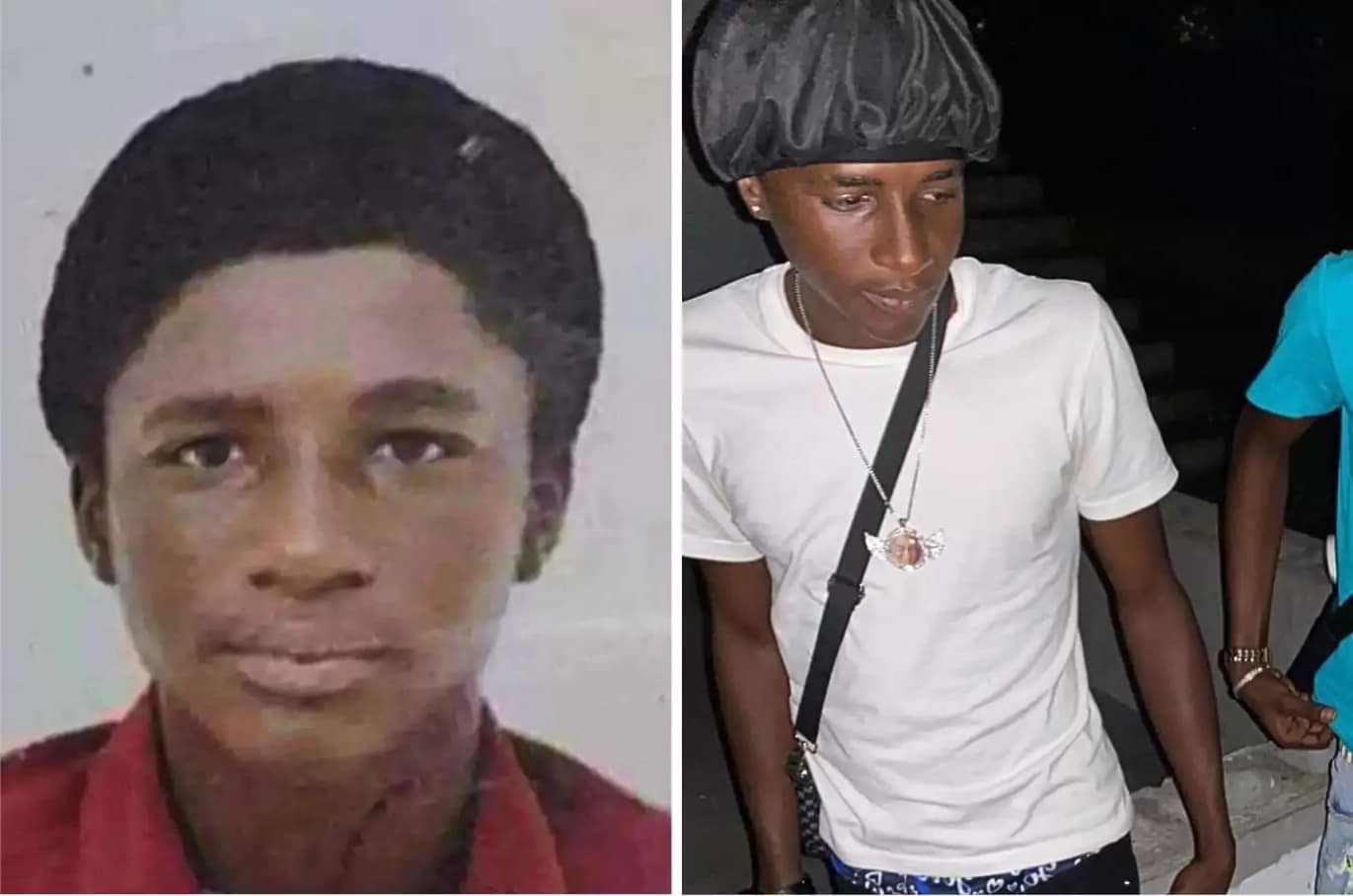
    The search for a missing teenager Tejornie has entered a new phase following a string of unconfirmed sightings across the island, with a prominent local community activist pressing public officials and medical institutions to step up coordinated intervention efforts to locate and secure the vulnerable youth.

    In a public statement released over the weekend, community organizer Mary John outlined multiple separate sightings of the teen recorded on Sunday alone. According to John’s account, witnesses spotted Tejornie in five distinct locations: near the salt pond adjacent to the desalination plant off Fort James Beach, across the residential neighborhood of Villa, in the Yorks district, along the busy thoroughfare of Central Street, and even moving around his parents’ own property during the quiet early hours of the morning for brief, unobserved visits.

    John emphasized that one of the most pressing unaddressed questions in the ongoing search is where Tejornie has been staying overnight. Pinpointing the teen’s resting location, she argued, is the single most critical piece of information needed to guarantee his personal safety and facilitate a safe, successful recovery before any harm can come to him.

    Beyond coordinating the public search effort, John also called for immediate procedural changes at the Sir Lester Bird Medical Centre. The activist explained that Tejornie remains in need of a full psychiatric evaluation before a planned potential transfer to the specialized Clarevue Psychiatric Hospital, and she urged hospital leadership to tighten security protocols to stop the teen from leaving the facility without authorization again.

    In John’s view, Tejornie’s specific mental health needs mean he must be placed in a structured, controlled clinical environment to allow his condition to stabilize. To accelerate the search, she has appealed to residents of high-traffic areas including Bay Street, Dredge Bay, Yorks, and Fort Road to proactively share the teen’s photograph across local social networks and community groups, and to report any information about his recent movements to search teams or local authorities immediately.

    As of press time, official law enforcement and government agencies have not issued any public comment confirming or denying the accuracy of the reported sightings shared by John.
  • King’s Autobody Honours Two Old Road Women for Community Service

    King’s Autobody Honours Two Old Road Women for Community Service

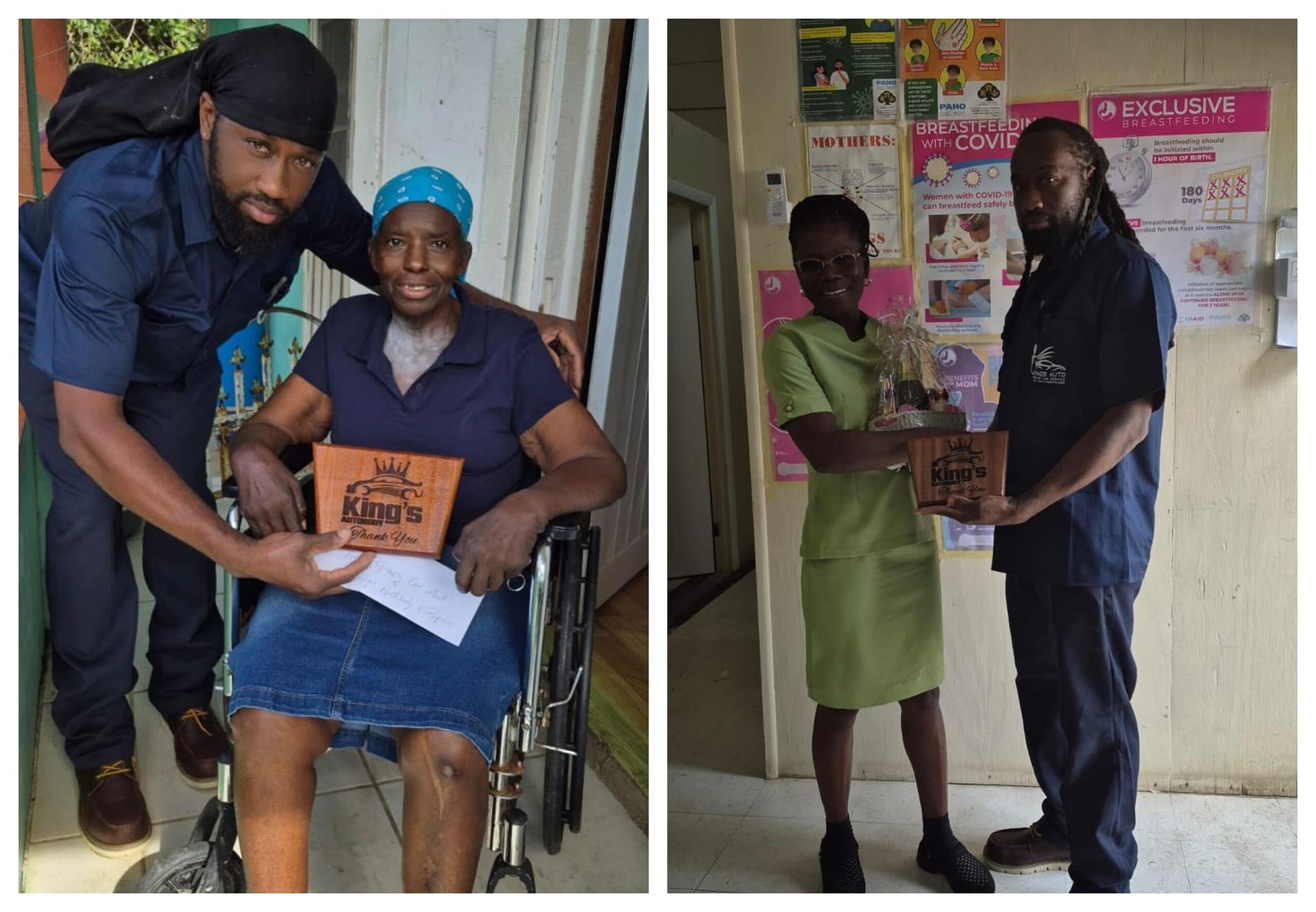
    Small local businesses often weave themselves into the fabric of the neighborhoods they serve, going beyond their core offerings to lift up the people who make their communities strong. This week, King’s Autobody Repairs carried on that tradition by shining a well-deserved spotlight on two extraordinary women from Old Road Village, celebrating their decades of selfless service and unwavering commitment to improving the lives of their neighbors.

    The first woman, whose years of quiet hard work and consistent kindness have left a lasting mark on the community, was recognized for her ongoing contributions to local life. The auto repair shop framed the honor as more than just an award—it was a heartfelt token of respect, meant to acknowledge the countless small acts of effort and care that often go unrecognized in daily community life.

    In a separate announcement, King’s Autobody Repairs highlighted the second woman’s decades of work in the local healthcare sector. The business offered high praise for her gentle care, deep compassion, and steady dedication to every resident of Old Road Village who has relied on her services over the years.

    For the local auto shop, these dual recognitions are far from a one-off publicity gesture. They are part of a sustained, intentional strategy of corporate giving back to the community that has supported the business for years. In posts shared about the initiative, King’s Autobody Repairs emphasized that its mission extends far beyond fixing damaged vehicles. At its core, the business is rooted in the well-being of Old Road Village, and it remains fully committed to lifting up local residents and honoring the unsung heroes who make the community what it is.

  • Thousands join Michael Joseph for traditional Jouvert Celebrations

    Thousands join Michael Joseph for traditional Jouvert Celebrations

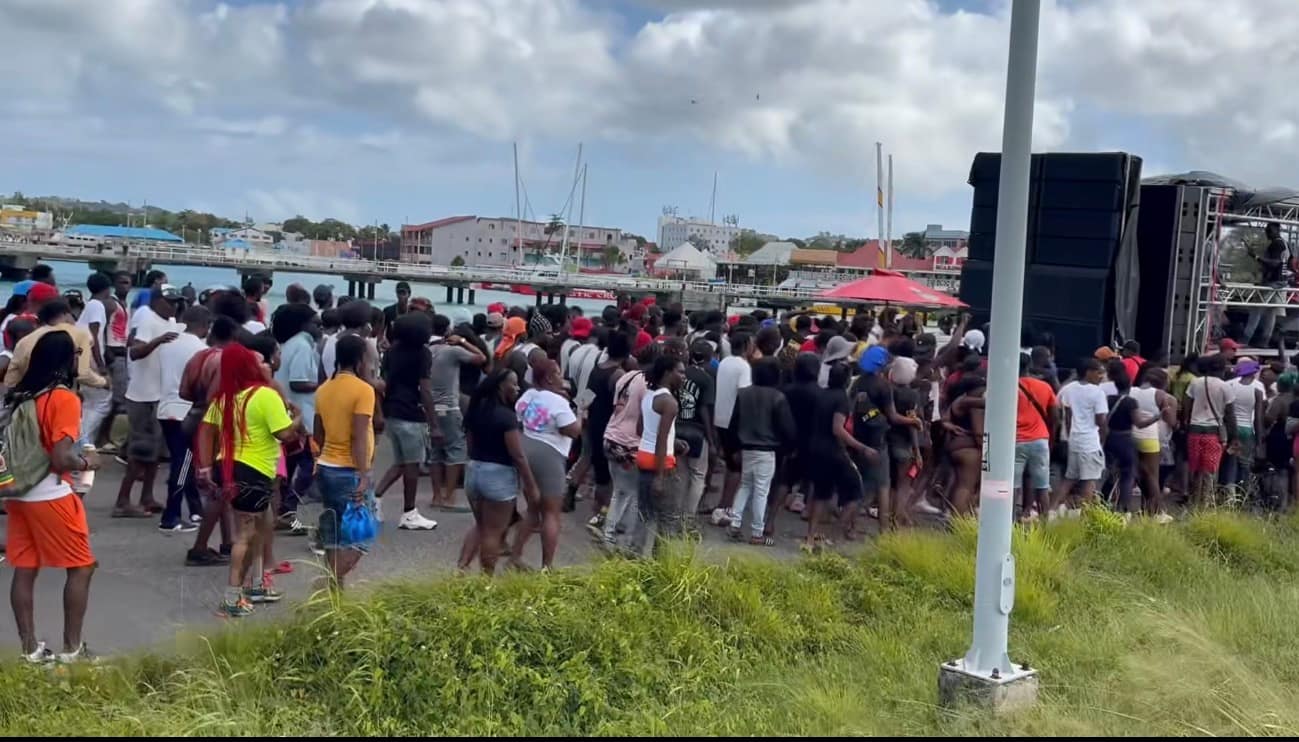
    Across the vibrant streets of the host community, a sea of smiling faces and colorful bodies converged over the weekend to join politician and cultural advocate Michael Joseph for the annual celebration of Jouvert, one of Caribbean culture’s most beloved and enduring pre-Carnival traditions.

    Jouvert, which traces its roots back to 18th century Trinidad and Tobago, is a dawn-started celebration that honors working-class cultural heritage, blending music, body painting, mud and powder throwing, and dynamic folk dancing into a single immersive communal experience. Unlike more polished Carnival parades that follow in the weeks after, Jouvert maintains a raw, grassroots energy that centers connection to ancestral traditions and collective joy.

    Local organizers estimated that more than 5,000 attendees turned out for this year’s event, exceeding pre-event turnout projections by nearly 20 percent. Participants arrived before sunrise, many carrying homemade paint, cocoa butter, and colored powder, ready to join the processional led by Michael Joseph, a long-standing supporter of preserving Caribbean cultural traditions for younger generations.

    In a short opening address to the crowd, Joseph emphasized the importance of Jouvert as more than just a party, framing it as a living link to the history and resilience of Caribbean people. “This celebration is a testament to how our culture has survived, evolved, and brought people together across generations and backgrounds,” Joseph told the assembled crowd. “To see thousands of people here today, young and old, from near and far, reminds me why we fight to keep these traditions alive.”

    As the sun rose over the procession, steelpan bands struck up traditional folk rhythms, and revelers danced through the streets, covering one another in bright paint and powder. Many attendees shared that they have made the celebration an annual family tradition, bringing children along to pass down the cultural knowledge and joy that defines Jouvert. Local small businesses, from food vendors to craft sellers, also reported a significant boost in revenue over the course of the event, highlighting the economic as well as cultural impact of the large gathering.

    No major incidents were reported throughout the day, with event organizers and local law enforcement praising the crowd for its festive but respectful energy. Organizers have already announced plans to expand the event for next year, with additional programming focused on educating younger attendees about the history of Jouvert and its role in Caribbean cultural identity.

  • OPINION: How Did We Get Here? Let the Children Play

    OPINION: How Did We Get Here? Let the Children Play

    For decades, childhood across much of the developed world has undergone a quiet but profound transformation. Where previous generations spent large swathes of their free time roaming neighborhoods, building forts, inventing backyard games and solving disputes on their own, today’s children are far more likely to have their days structured by adult-organized activities, screen time, and academic demands that bleed into after-school hours. This shift has not happened by accident, but it has left many experts and observers asking a critical question: how did we arrive at a point where unstructured, child-led play has become an afterthought in modern childhood?

    The roots of this change stretch across multiple areas of modern life. Changing parental attitudes, driven in part by widespread misperceptions about safety and a growing emphasis on academic achievement from an early age, have led many caregivers to limit unsupervised outdoor play. Parents today are far more likely to worry about stranger danger, even as data shows that rates of child abduction and harm have dropped dramatically over the past 30 years. At the same time, the pressure to build a competitive college application has pushed families to pack children’s schedules with sports teams, music lessons, tutoring and other “enrichment” activities that leave little room for free, self-directed play.

    Urban and suburban design has also played a major role. Many communities built over the past 50 years prioritize car travel over walking and biking, creating barriers to children moving independently between homes and parks. Cut off from easy access to safe public spaces, children have fewer opportunities to gather and play without adult transportation and supervision. The rise of digital entertainment has compounded this issue, with high-quality, engaging screen content keeping children indoors for hours on end, replacing the physical and social interaction that comes with outdoor play.

    The consequences of this decline in unstructured play are impossible to ignore. Research from child development experts across the globe has consistently linked free play to critical gains in executive function, emotional regulation, creativity, and social skills. When children direct their own play, they learn to negotiate, solve problems, manage conflicts, and think creatively – skills that no structured lesson or adult-led activity can teach as effectively. Studies have also linked reduced outdoor play to rising rates of childhood anxiety, depression, obesity, and attention deficit disorders, creating a public health crisis that affects children across all socioeconomic groups.

    This is not an argument that all structured activities are harmful, or that digital technology has no place in modern childhood. Many children thrive in organized sports and arts programs, and digital tools can offer valuable learning opportunities when used thoughtfully. The problem lies in the imbalance: we have squeezed almost all unstructured, child-led time out of childhood, leaving children constantly overstimulated or constantly directed, with no space to explore their own interests and develop on their own terms.

    It is time to reverse this trend. Communities need to invest in safe, accessible public spaces that are designed for children to play independently, from neighborhood parks to walking paths that connect residential areas. Schools need to push back against over-testing and excessive homework, restoring recess and unstructured break time that allows children to recharge and socialize. Parents need to challenge the cultural narrative that every moment of childhood needs to be productive or optimized for future success, and give children the space to just be children.

    At its core, play is not a waste of time. It is how children learn to navigate the world, build relationships, and develop the skills they need to become healthy, capable adults. If we want the next generation to thrive, we need to step back, and let the children play.

  • Antigua and Barbuda swimmers add three more medals and records on day two of CARIFTA Aquatics

    Antigua and Barbuda swimmers add three more medals and records on day two of CARIFTA Aquatics

    After a standout opening day of competition at the CARIFTA Aquatics Championships, Antigua and Barbuda’s swimming delegation picked up right where they left off on the second day of finals, capturing three additional medals and smashing five national and age-group records to extend their strong early run at the tournament.

    Building on a three-medal haul from day one, the Caribbean nation’s athletes added a full set of gold, silver, and bronze to their overall tally on day two, with two new national records and three new age-group benchmarks added to their growing list of career and national achievements.

    Teen swimmer Madison MacMillan emerged as the day’s standout performer for the team, taking top honors in the women’s 400 metres individual medley with a final time of 5 minutes 15.85 seconds. Her winning mark not only earned her the gold medal but also reset the Antigua and Barbuda national record, established a new age-group record, and knocked time off her own previous personal best.

    Fellow teammate Anya DeGannes followed closely behind MacMillan in the same 400m individual medley event, claiming the silver medal with a time of 5:27.71. Like MacMillan, DeGannes also walked away from the race with a new age-group record and a new personal best to add to her career highlights.

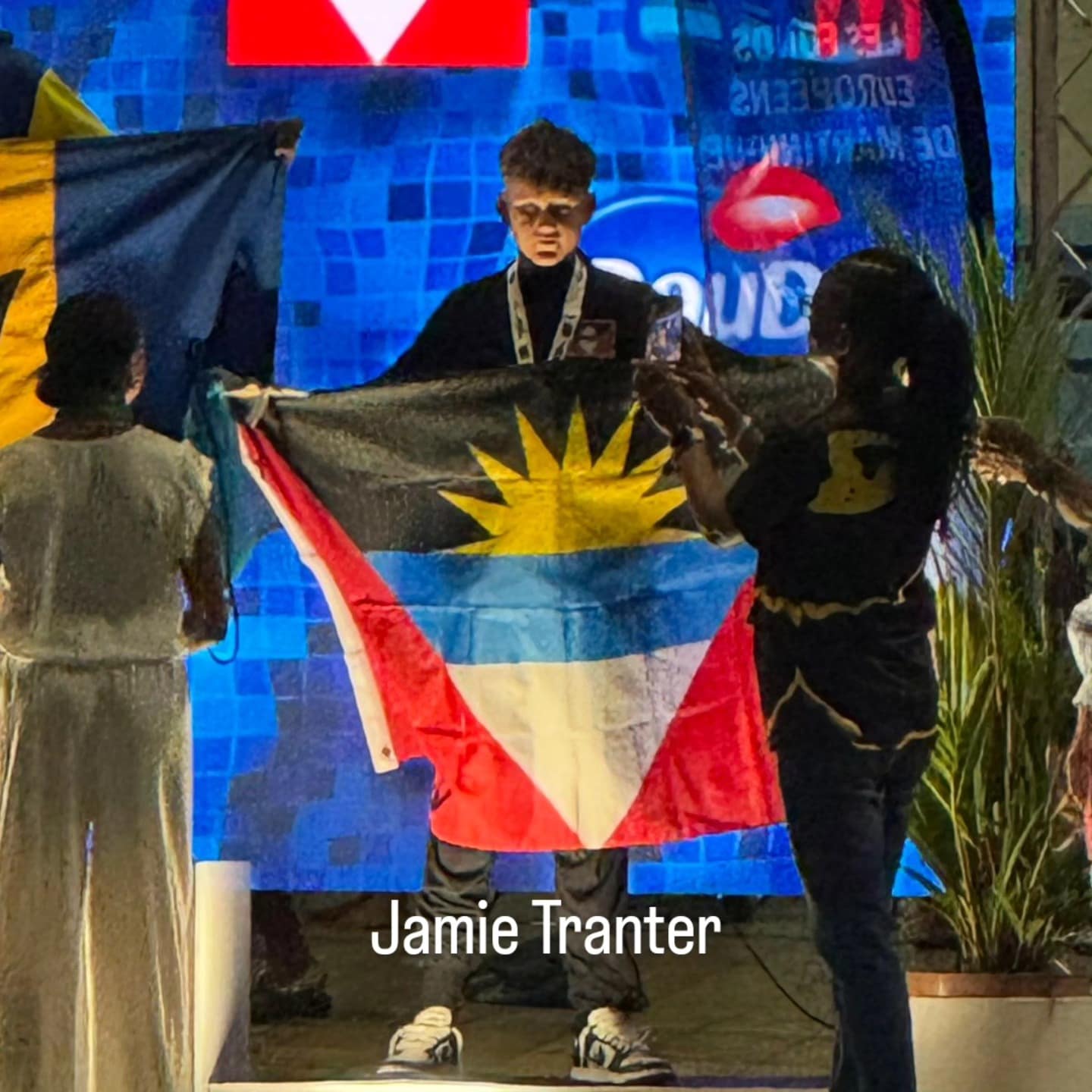
    Jamie Tranter rounded out the day’s medal haul for Antigua and Barbuda, securing the bronze medal in the men’s 50 metres backstroke with a personal best time of 1:03.91.

    While Alessandro Bazzoni just missed out on joining his teammates on the podium, finishing fourth in the men’s 400 metres individual medley with a time of 5:08.89, he still enjoyed a career-defining race. Bazzoni finished just 0.45 seconds off the bronze medal position, but his time set both a new national record and a new age-group record, marking a major milestone for the young swimmer.

    In other day two races, Kaylee Warner notched sixth-place finishes in both the 200 metres freestyle and 50 metres butterfly, posting a new personal best of 2:22.75 in the 200m freestyle event. Alyssa Watkins also posted solid results, earning eighth place in the 50 metres butterfly and 13th place in the 400 metres individual medley.

    The successful second day follows an equally impressive opening day of competition, when Antigua and Barbuda also captured three medals to kick off the championships. DeGannes opened her tournament with a gold medal in the 100 metres butterfly, breaking the age-group record and notching a personal best in the process. MacMillan added a silver in the women’s 800 metres freestyle, while Ellie Shaw claimed another silver in the women’s 200 metres breaststroke to round out day one’s medal haul.

    Several other Antigua and Barbuda swimmers posted strong top-eight finishes on day one outside of the medal round. Tranter finished fourth in the 50 metres backstroke with a personal best, while Christopher Walter placed fifth in the 100 metres butterfly, also hitting a new personal best. Warner secured seventh in the 50 metres backstroke and sixth in the 100 metres butterfly, and Watkins took seventh place in the 100 metres butterfly.

    In a post-competition statement, the Antigua and Barbuda Swimming Federation praised the team’s performance across the first two days of the event. Officials noted that the consistent medal haul and repeated record-breaking swims are clear evidence of sustained growth and progress for the country’s competitive swimming program, highlighting the depth of talent and preparation among the athlete roster.

  • Jaeda Pigott advances to U17 800m final at CARIFTA Games

    Jaeda Pigott advances to U17 800m final at CARIFTA Games

    The 50th CARIFTA Games, a premier regional track and field competition for young Caribbean athletes, has already delivered a mix of breakthrough moments and near-misses for Team Antigua and Barbuda. Leading the team’s successes so far is teenage middle-distance runner Jaeda Pigott, who locked in an automatic qualification spot for the Under-17 girls’ 800 metres final after a standout performance in her preliminary heat.

    Pigott crossed the finish line in 2 minutes 18.03 seconds to claim second place in her heat, a result that met the automatic qualification standard and kept Antigua and Barbuda’s strong early streak on the track alive. The young runner’s consistent pacing and strong final sprint earned her a well-deserved spot in the upcoming final, where she will compete for a regional medal against top runners from across the Caribbean.

    In other preliminary round action for Antigua and Barbuda, Under-17 boys’ 800 metres athlete Lion Samuel recorded a time of 2:07.48 in his opening heat. Meanwhile, the nation’s Under-20 boys’ 4×100 metres relay team posted a solid time of 41.85 seconds in their qualification heat, but fell just short of securing a place in the final. The team finished a hair behind the British Virgin Islands relay squad, which clocked 41.51 seconds to claim the final qualification spot, leaving the Antigua and Barbuda team out of the final round by a narrow margin.

    Following the first day of preliminary competition, the Antigua Barbuda Athletic Association issued a statement acknowledging the team’s efforts, noting that all athletes delivered determined performances against deeply competitive fields. Despite the relay team’s disappointing near-miss, association representatives highlighted that young competitors from the nation have continued to hold their own against some of the best junior runners in the Caribbean, competing at a consistently high level throughout the opening rounds of the games.

  • Joseph, Henry, Pigott among athletes setting personal bests for Antigua and Barbuda at CARIFTA

    Joseph, Henry, Pigott among athletes setting personal bests for Antigua and Barbuda at CARIFTA

    The annual CARIFTA Games, one of the Caribbean’s most prestigious regional track and field competitions for young emerging athletes, delivered a series of standout results for Team Antigua and Barbuda this year, with five local competitors turning in career-topping performances across sprint and distance events.

    The first wave of personal bests came during the competition’s morning session, where two young male sprinters dominated their respective age-group 200-meter races. Delbert Joseph, competing in the hotly contested Under-20 boys’ division, crossed the finish line with an official time of 21.73 seconds, shaving precious milliseconds off his previous best mark to set a new personal standard. Not to be outdone, 17-and-under sprinter Geron Henry recorded his own career best in the same event, stopping the clock at 21.92 seconds in his preliminary outing.

    In the afternoon session, the island nation’s middle-distance competitor Jaeda Pigott matched her teammates’ momentum in the Under-17 girls’ 800 meters. The young runner crossed the line with a final time of 2 minutes and 18.03 seconds, securing a new personal best that capped a successful day of competition for Antigua and Barbuda’s track contingent.

    Two more local distance runners turned in impressive career performances in the Under-17 boys’ long-distance events. Shawn-Ze Joseph finished with a time of 10:25.48, while teammate Elite Thomas crossed the line shortly after at 10:31.62, both hitting new personal milestones in the race.

    In a post-competition statement, the Antigua Barbuda Athletic Association highlighted that the string of personal bests marks encouraging steady progress for the country’s track and field development program. The association noted that the results reflect a consistent upward trajectory for young Antigua and Barbuda athletes, who continue to push their limits and raise their competitive profiles against top regional talent at the tournament.

  • Maliek Francis wins bronze in U20 javelin at CARIFTA Games

    Maliek Francis wins bronze in U20 javelin at CARIFTA Games

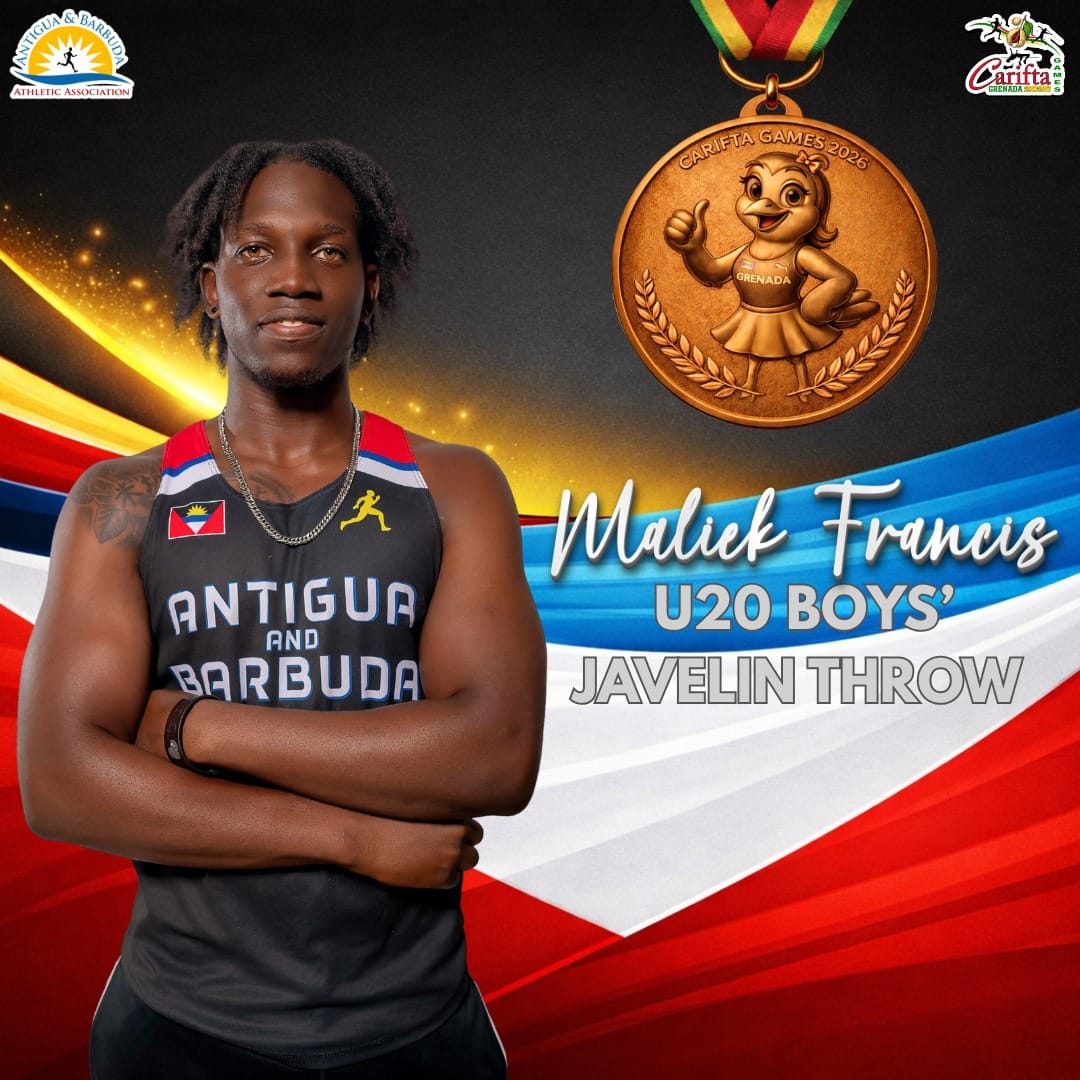
    At the recently concluded CARIFTA Games, the Caribbean’s premier annual youth athletics championship, Antigua and Barbuda picked up a new podium finish thanks to rising throwing star Maliek Francis. Competing in the fiercely contested Under-20 boys’ javelin event, Francis delivered a personal best-caliber throw of 60.14 meters, which earned him a well-deserved bronze medal to add to his nation’s overall medal count at the regional tournament.

    The Antigua Barbuda Athletic Association was quick to publicly celebrate Francis’ achievement, lauding the young athlete’s disciplined preparation and competitive composure during the event. In an official statement, the governing body for the sport in the country framed his performance as a masterclass demonstration of raw strength, unwavering focus, and flawless technical execution, emphasizing that the bronze medal was the direct product of months of consistent hard work off the track.

    Beyond the individual accolade, Francis’ standout result at the 202x CARIFTA Games underscores a clear upward trajectory for Antigua and Barbuda’s development in Olympic field events. As one of the Caribbean nation’s highest-performing competitors at this year’s championships, the young javelin thrower has cemented his status as one of the country’s most promising young athletic prospects, pointing toward future success for both Francis and Antigua and Barbuda’s athletics program on regional and global stages.

  • Devil’s Bridge kite tradition marks 21 years of Easter Monday celebrations

    Devil’s Bridge kite tradition marks 21 years of Easter Monday celebrations

    For more than two decades, one of Antigua and Barbuda’s most beloved Easter celebrations has brought communities together across generations, and this year the coastal tradition reaches a meaningful milestone. The annual Easter Monday kite-flying gathering at Devil’s Bridge, a signature cultural event that has become woven into the nation’s holiday identity, is celebrating its 21st anniversary in 2024.

    Held from 9 a.m. to 7 p.m. along the country’s scenic eastern coastline, the event turns the open sky above Devil’s Bridge into a moving canvas of color. Every kite that takes flight is handcrafted by local participants, each bearing unique designs that reflect the creativity and artistry of Antigua and Barbuda’s people. What started as a casual, informal pastime for local residents has gradually grown into a cornerstone of the country’s Easter observances, drawing thousands of locals and visitors alike each year.

    Unlike large-scale commercial festivals, this gathering centers on connection and shared heritage. Multi-generational families travel to the coastline to take part: grandparents pass down kite-building techniques to younger children, friends reconnect over the holiday, and attendees bond over their shared love of this distinctly Antiguan and Barbudan tradition. Organizers note that the 21-year milestone stands as a testament to the event’s lasting, enduring appeal. Far from fading with time, the kite-flying day continues to grow in popularity, remaining one of the most anticipated highlights of the national Easter calendar, balancing lighthearted family fun with a deep, abiding sense of cultural heritage.

  • Adrian Williams Gives His Side Of The Story

    Adrian Williams Gives His Side Of The Story

    For weeks, swirling rumors and secondhand accounts have dominated public conversation around events connected to Adrian Williams, leaving key gaps in the public understanding of what actually unfolded. Now, for the first time, Williams is stepping forward to share his own version of events, pushing back against incomplete narratives that have circulated in mainstream and social media alike.

    In his firsthand account, Williams addresses long-unanswered questions that have fueled speculation, laying out the sequence of events as he experienced them, from the initial triggers that set the situation in motion to the aftermath that has reshaped his public standing. He outlines contextual details that had not been previously reported, explaining how misinterpretations of his actions and statements took root and spread beyond his control.

    Williams’s decision to go public with his side of the story comes amid growing calls for transparency from observers who have only been able to access fragmented accounts from other sources. While his narrative does not resolve all outstanding questions surrounding the situation, it provides a critical missing perspective that allows the public to build a more complete picture of what occurred. Moving forward, Williams indicates he is prepared to answer further questions and engage in any appropriate processes to clarify the facts for all parties involved.