标签: Antigua and Barbuda

安提瓜和巴布达

  • Antigua and Barbuda Edge Grenada 1-0 to Move Third

    Antigua and Barbuda Edge Grenada 1-0 to Move Third

    In a tightly contested CONCACAF Nations League encounter at Estadio Cementos Progreso on Tuesday evening, a single moment of brilliance decided the outcome. Antigua and Barbuda clinched a crucial 1-0 victory against Grenada, with forward Deonre Joseph emerging as the national hero. The match, which commenced at 6 p.m. local time under the oversight of referee Roger Meléndez, was characterized by intense midfield battles and resolute defending from both Caribbean sides. The deadlock was finally broken in the 58th minute when Joseph capitalized on a scoring opportunity, securing all three points for his team. This result has significant implications for the group standings, elevating Antigua and Barbuda to third position and enhancing their prospects in the tournament. The victory marks a pivotal step in their campaign, demonstrating a growing tactical maturity under pressure.

  • US Sanctions island leaders accusing them of creating openings for China to increase its influence in the region.

    US Sanctions island leaders accusing them of creating openings for China to increase its influence in the region.

    The United States has escalated its strategic countermeasures in the Pacific region by implementing sanctions against several island leaders, alleging they have deliberately facilitated opportunities for China to expand its geopolitical influence. This decisive action represents a significant development in the ongoing great power competition between Washington and Beijing for regional supremacy.

    According to official statements from the U.S. Treasury Department, these sanctioned individuals have allegedly engaged in activities that compromise the political integrity and sovereignty of their respective nations, creating vulnerabilities that China has exploited to advance its strategic interests. The sanctions specifically target leaders accused of establishing economic and security arrangements that potentially undermine U.S. interests and regional stability.

    The measures include asset freezes and financial restrictions designed to limit the sanctioned leaders’ access to international banking systems. This punitive action forms part of a broader U.S. strategy to counter what officials describe as China’s ‘predatory economic practices’ and ‘expanding military footprint’ in the Pacific region.

    Regional analysts note that this development reflects growing American concern over China’s increasing engagement with Pacific Island nations through infrastructure projects, financial assistance programs, and security cooperation agreements. The U.S. government has repeatedly emphasized its commitment to ensuring a ‘free and open Indo-Pacific’ while expressing concerns about debt diplomacy and erosion of regional governance standards.

    The sanctioned leaders, whose identities and specific national affiliations remain protected under diplomatic protocols, now face significant limitations in conducting international transactions and engaging with financial institutions that operate within U.S. jurisdiction. The State Department indicated that these measures aim to promote accountability and encourage adherence to international norms regarding sovereignty and transparent governance.

  • Hospital Beds Occupied by Social Cases, Straining Emergency Care

    Hospital Beds Occupied by Social Cases, Straining Emergency Care

    The Sir Lester Bird Medical Centre faces an escalating institutional crisis as non-medical ‘social cases’ persistently occupy critical bed space, creating severe operational constraints for emergency medical services. Hospital authorities report that this longstanding issue continues to strain resources despite repeated interventions.

    Medical Director Dr. Shivon Belle-Jarvis provided disturbing details about the nature of these cases, explaining that numerous individuals arrive at the facility without requiring urgent medical attention. These patients, while medically stable, remain hospitalized indefinitely due to the absence of safe discharge options. Many lack identifiable family contacts, while others have relatives who explicitly refuse to assume responsibility for their care.

    The situation reached critical levels recently when 17 social cases simultaneously occupied beds desperately needed for emergency and inpatient medical care. Although temporary relief occurred during a recent weekend with reduced numbers, the problem rapidly resurged within days, demonstrating the cyclical and entrenched nature of this healthcare challenge.

    Dr. Belle-Jarvis emphasized the fundamental mismatch between the hospital’s acute care mission and its current role as an unintended long-term shelter. She issued a compelling appeal for families and community networks to strengthen support systems for elderly and vulnerable populations.

    This hospital crisis has triggered governmental response, with officials acknowledging widening concerns about elder neglect and abuse. The Cabinet has formally announced upcoming legislation specifically targeting the abandonment of elderly citizens and establishing stronger protections for their assets, signaling recognition that this medical institution’s struggles reflect broader societal failures.

  • Caribe Wave 2026 Registration Opens in Antigua and Barbuda

    Caribe Wave 2026 Registration Opens in Antigua and Barbuda

    Antigua and Barbuda’s National Office of Disaster Services (NODS) has officially commenced registration procedures for the Caribe Wave 2026 tsunami simulation exercise. This critical disaster preparedness initiative, scheduled for March 19, 2026, represents a cornerstone of the nation’s comprehensive strategy to enhance emergency response capabilities against potential tsunami threats.

    Through an official communiqué, NODS emphasized that this annual multi-organizational drill serves as an essential platform for both institutions and communities to rigorously evaluate their emergency response mechanisms. The exercise aims to strengthen collective readiness through practical simulation of real-world disaster scenarios.

    Government authorities are actively urging diverse sectors to participate, including commercial enterprises, educational institutions, government agencies, and community organizations. Each entity is expected to form dedicated response teams to engage in the full-scale exercise.

    Prospective participants must formally register through the NODS administrative office via telephone at 462-4206. Registration mandates disclosure of organizational details, including the official name of the institution, projected participant numbers, and identified evacuation safe zones.

    NODS characterized the initiative as an indispensable element within Antigua and Barbuda’s integrated disaster risk mitigation framework. The agency highlighted that broad-based community and organizational engagement fundamentally contributes to strengthening national resilience and public safety standards.

    The Caribe Wave exercise constitutes a region-wide endeavor across Caribbean territories, designed to assess the effectiveness of tsunami early warning infrastructure, emergency information dissemination channels, and mass evacuation procedures. This transnational cooperation reflects the Caribbean community’s shared commitment to disaster risk reduction in seismically active zones.

  • St. John’s Rural South to Host Town Hall Meeting Thursday

    St. John’s Rural South to Host Town Hall Meeting Thursday

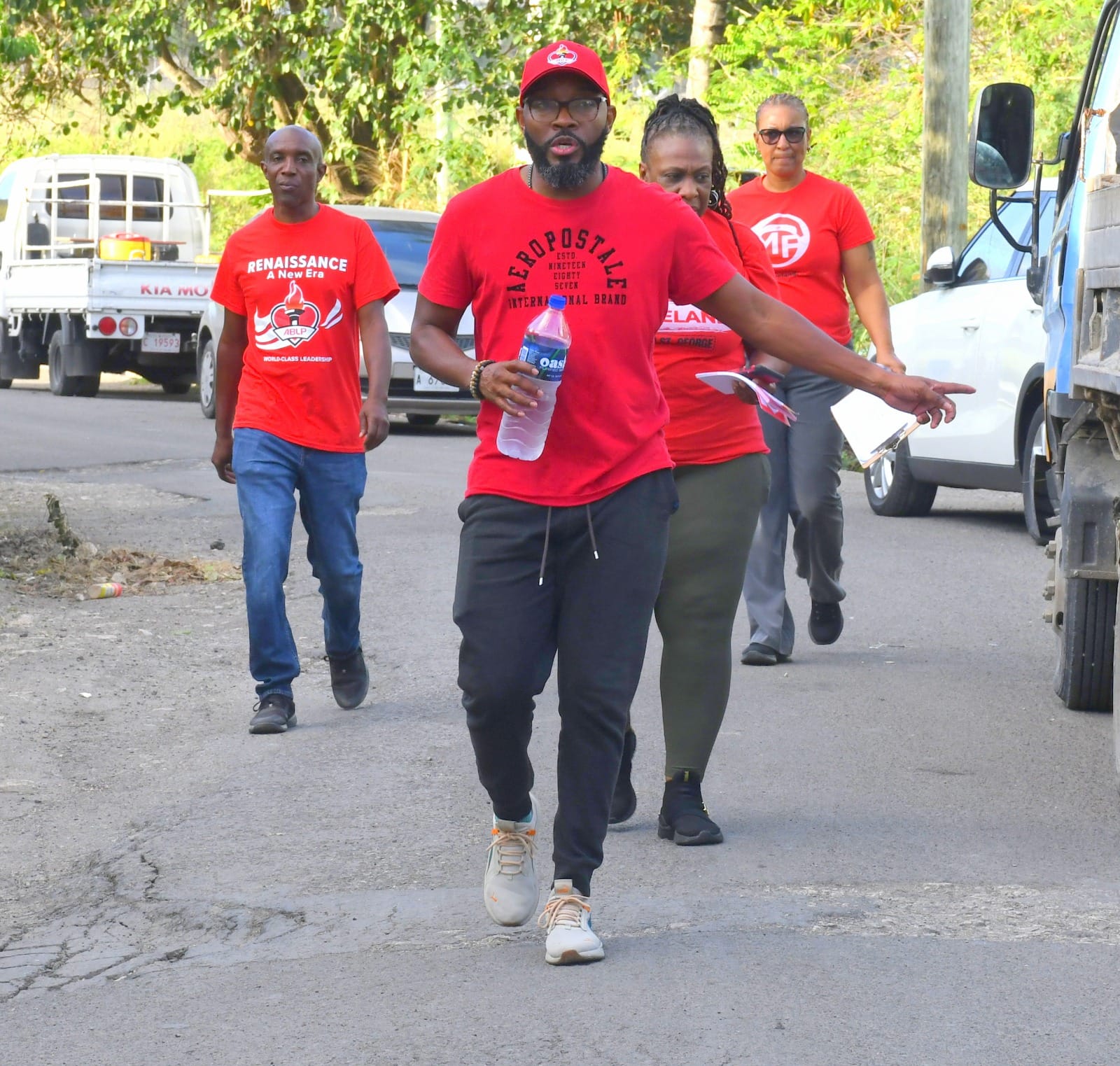
    The political leadership of Antigua and Barbuda will engage directly with constituents of St. John’s Rural South in a comprehensive town hall meeting scheduled for Thursday evening. The gathering, set to commence at 6 p.m. at Golden Grove Primary School, will feature an influential panel including Prime Minister Gaston Browne, local Parliamentary Representative Daryll Matthew, Attorney General Steadroy ‘Cutie’ Benjamin, and ruling ABLP Party Chairman E.P. Chet Greene.

    This forum represents a significant opportunity for residents to voice concerns and seek clarifications on multiple pressing policy areas. The announced agenda encompasses six critical domains: infrastructure development initiatives, employment opportunities and job creation strategies, housing and accommodation challenges, community crime prevention measures, national immigration policies, and specific constituency matters affecting daily life in St. John’s Rural South.

    The town hall format emphasizes the government’s commitment to transparent governance and participatory democracy, allowing for unfiltered dialogue between policymakers and the citizens they represent. Such direct engagement opportunities are particularly valuable for addressing hyperlocal issues that might otherwise receive limited national attention. The choice of venue at a community school further underscores the administration’s intent to maintain accessibility and approachability in these discussions.

  • Leatherback Nesting Season Begins as Environmental Group Urges Vigilance

    Leatherback Nesting Season Begins as Environmental Group Urges Vigilance

    The Environmental Awareness Group (EAG) has issued a public advisory alerting residents and visitors to the imminent arrival of leatherback sea turtles along the shores of Antigua and Barbuda for the critical 2026 nesting period. This conservation organization emphasizes the necessity of community involvement in monitoring these endangered marine creatures during their reproductive cycle.

    Citizens are being mobilized as environmental stewards to report any indications of sea turtle presence, including: nesting females, visible egg clutches, distinctive track patterns on beaches, or emerging hatchlings. The EAG has established a dedicated reporting channel, directing observations to their office at telephone number 462-6236.

    Critical guidelines have been disseminated to ensure minimal human disruption to these vulnerable species. The public is strongly advised to maintain considerable distance from nesting turtles and strictly refrain from using photographic flashes during nocturnal hours, as artificial illumination can severely disorient both adult turtles and offspring, potentially jeopardizing their survival.

    The conservation group further advocates for active public participation in educational outreach, urging community members to disseminate awareness information and bolster preservation initiatives designed to safeguard these threatened marine animals throughout this biologically significant season. This collective effort represents a crucial component of broader wildlife protection strategies in the Caribbean region.

  • Cuba says it is running out of jet fuel as US oil blockade bites

    Cuba says it is running out of jet fuel as US oil blockade bites

    Cuba has been plunged into a severe aviation fuel crisis, compelling its government to issue an extraordinary notice to international airlines on Sunday evening. The advisory explicitly states that jet fuel will be unavailable at nine of the island’s airports, including the major hub of José Martí International Airport in Havana, from Tuesday through March 11th.

    This acute shortage, directly attributed to a stringent US oil blockade, has effectively severed Cuba’s access to its traditional petroleum suppliers in Venezuela and Mexico. The immediate repercussions were swift: Air Canada announced the suspension of all flights to the island, while other carriers began implementing extended layovers in the Dominican Republic to facilitate refueling before continuing to Cuban destinations.

    Aviation veterans note that while fuel scarcities have occurred in the past, an official public announcement of this magnitude is unprecedented. The situation evokes memories of a similar crisis over a decade ago, when transatlantic flights were forced to refuel in Nassau, Bahamas. Presently, regional airlines are adapting by carrying additional fuel, while longer-haul flights are diverting to hubs like Cancun, Mexico.

    The roots of this emergency extend deep into decades of US sanctions, which have recently intensified. Following a US military operation targeting Venezuela’s Nicolás Maduro, former President Donald Trump adopted a more confrontational stance, signing an executive order in January imposing tariffs on nations supplying oil to Cuba. Concurrently, US Defense officials have enforced a stringent oil quarantine, recently boarding a sanctioned tanker in the Indian Ocean to tighten the pressure on Venezuela and, by extension, Cuba.

    The cascading effects of this energy emergency are crippling daily life. Major public events, including the Havana International Book Fair, have been suspended. The national baseball season has been restructured for efficiency, banks have slashed operating hours, and the public bus system in Havana has virtually ceased operation. Citizens are enduring power outages lasting up to ten hours, severe vehicle fuel rationing, and critical shortages of food and medicine, drawing stark comparisons to the economic devastation of the 1990s ‘Special Period’.

    With Cuban officials remaining silent on the duration of this notice, the nation braces for prolonged disruption, caught in the grip of a geopolitical struggle that is strangling its economy and infrastructure.

  • WEHNER REPORTS: Debris From Recent Demolition Left On Site

    WEHNER REPORTS: Debris From Recent Demolition Left On Site

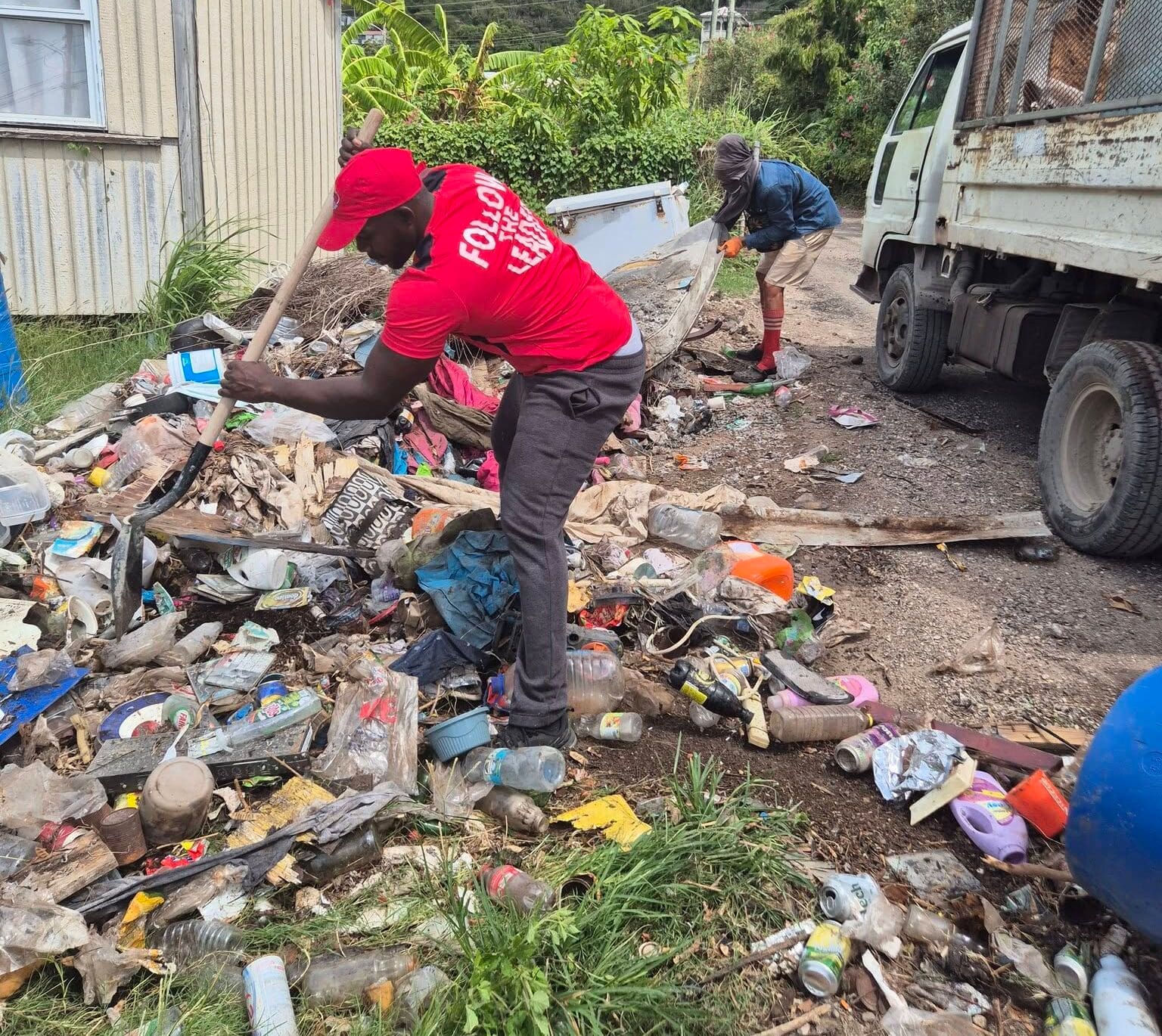
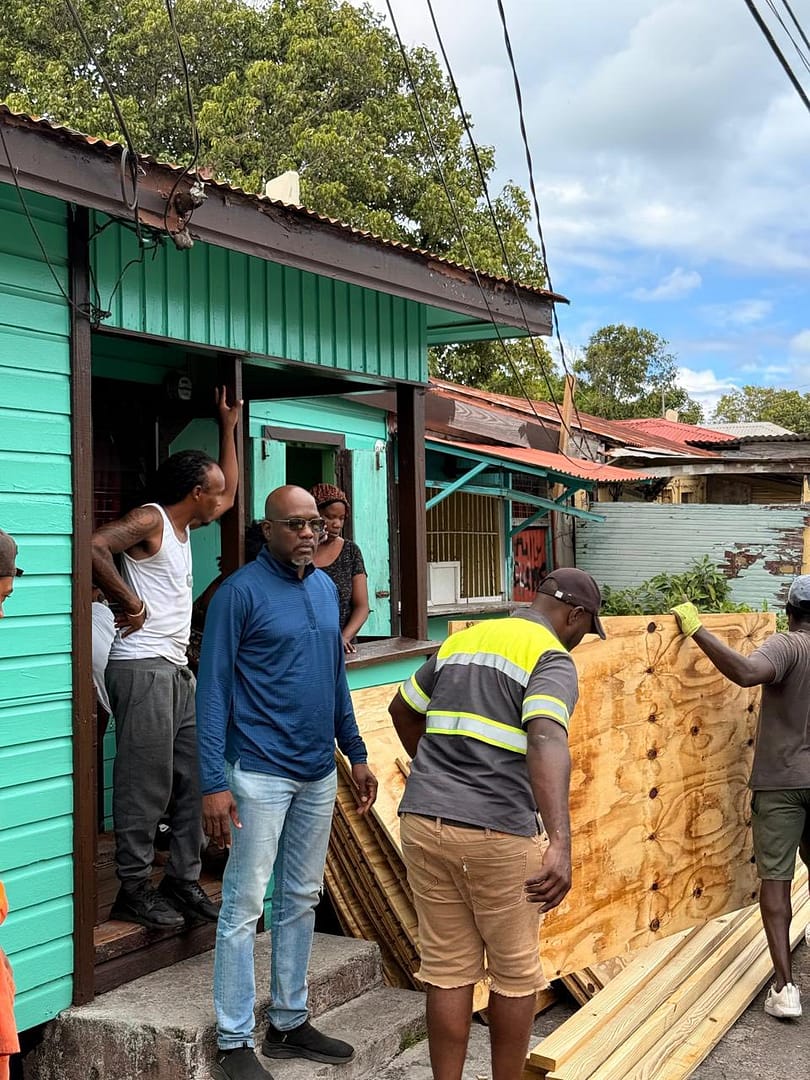
    A recent investigative report by Wehner has brought to light significant concerns regarding the handling of demolition waste at a local site. Following a recent structural demolition, a substantial quantity of debris, including concrete rubble, twisted metal, and assorted construction materials, has been left piled and unsecured on the property. This negligence has reportedly persisted for several weeks, exceeding the typical grace period permitted for site clearing after such operations.

    The situation presents multiple immediate hazards. Local residents have expressed growing apprehension over potential environmental contamination, particularly from dust particles becoming airborne during windy conditions. Furthermore, the unsecured site is seen as an attractive nuisance, posing a serious risk of injury to children or trespassers who might access the area. The piles of debris also obstruct clear lines of sight for drivers and pedestrians in the vicinity, creating a public safety issue.

    This case raises critical questions about the enforcement of municipal codes and regulations governing construction and demolition sites. Typically, permits for such projects include strict stipulations for timely debris removal and site remediation to ensure community safety and aesthetic standards. The failure to adhere to these protocols suggests a potential breakdown in oversight by the responsible contractors and possibly the local regulatory bodies tasked with monitoring compliance.

    The Wehner report underscores the need for heightened accountability from both construction firms and city inspectors to prevent such oversights, which compromise public welfare and community standards.

  • GARD Center Partners with Sir Novelle Richards Academy to Champion Inclusive Skills Development

    GARD Center Partners with Sir Novelle Richards Academy to Champion Inclusive Skills Development

    Antigua and Barbuda has initiated an innovative educational program that merges vocational training with special needs education, marking a significant advancement in inclusive learning practices. The Gilbert Agricultural and Rural Development (GARD) Center, in collaboration with the Special Education Needs Programme at Sir Novelle Richards Academy, has launched a comprehensive 12-week workshop designed to equip students with practical skills for economic participation.

    Funded by the Antiguan government under Education Minister Honourable Daryll Matthew, the program commenced on February 2, 2026, with seventeen students and four instructors participating. The curriculum encompasses three critical areas: customer service and hospitality training, backyard gardening techniques, and hydroponics agriculture.

    The initial phase focused on developing competencies in Antigua’s service-oriented economy through experiential learning methodologies. Students engaged in role-playing exercises, guided interactions, and hands-on activities to cultivate communication abilities, workplace etiquette, teamwork dynamics, and personal responsibility.

    On February 4, 2026, the program expanded to agricultural education through partnership with the Ministry of Agriculture’s Extension Division. Extension Officer Efuru facilitated sessions on seed germination, fundamental plant care, and crop production basics. These modules emphasized sustainability principles, food security awareness, and environmental responsibility while fostering patience and accomplishment through tangible results.

    The teaching team, comprising Mrs. Sindy Parker (Integrated Science), Ms. Jordane Roberts (Mathematics), Ms. Latoya Honoré (English and Head of SEN Department), and Ms. Andrea Wynter (Social Science), has reported notable improvements in student engagement, self-confidence, and social interaction since the program’s inception.

    This initiative represents a strategic investment in national development that transcends traditional education boundaries. By providing special needs students with marketable skills in hospitality and sustainable agriculture, the program creates avenues toward employment, entrepreneurial ventures, and economic self-sufficiency. It aligns with broader national objectives regarding workforce development, social inclusion, and economic resilience while addressing long-term food security concerns.

    Furthermore, the program challenges conventional perceptions about disabilities by demonstrating that with appropriate practical training and real-world learning opportunities, all students can meaningfully contribute to their communities. As the workshop progresses through its twelve-week duration, organizers anticipate it will serve as a replicable model for inclusive vocational education throughout the Caribbean region.

    The GARD Center continues to strengthen its collaborative partnerships with Sir Novelle Richards Academy, the Ministry of Education, and the Ministry of Agriculture, reaffirming its commitment to initiatives that empower individuals, strengthen communities, and build a more inclusive and sustainable national future.

  • Dr. Linroy Christian Elected Vice-Chair of Global Plastics Treaty Talks

    Dr. Linroy Christian Elected Vice-Chair of Global Plastics Treaty Talks

    The United Nations Mission of Antigua and Barbuda has announced the election of Dr. Linroy Christian as Vice-Chair of the Intergovernmental Negotiating Committee’s fifth session (INC-5.3), marking a significant development in global environmental diplomacy. This appointment comes at a critical juncture in international efforts to establish a comprehensive, legally binding framework addressing plastic pollution worldwide.

    The Intergovernmental Negotiating Committee bears the responsibility of formulating an international instrument capable of mitigating plastic contamination across terrestrial and marine ecosystems. For Small Island Developing States such as Antigua and Barbuda, the plastic pollution crisis represents an existential threat that disproportionately affects their environmental security, economic stability, and community resilience.

    Plastic pollution continues to endanger marine biodiversity, compromise ocean health, undermine sustainable livelihoods, and weaken the adaptive capacity of vulnerable coastal populations. The escalating crisis demands immediate, coordinated multinational action to develop effective regulatory mechanisms.

    Dr. Christian’s election recognizes his extensive advocacy and diplomatic leadership in addressing this pressing environmental challenge. The Antiguan delegation expressed confidence in his ability to support Chair Ambassador Julio Cordano in steering negotiations toward substantive, ambitious outcomes during this decisive phase of treaty development.

    The recent diplomatic transition also saw First Secretary Asha Challenger concluding her bureau representation after being elected Vice President in 2023. While relinquishing her bureau and rapporteur positions, Challenger maintains active involvement in the negotiation process, ensuring continuity of Antigua and Barbuda’s diplomatic engagement.

    With both officials demonstrating exceptional commitment to environmental governance, Antigua and Barbuda reinforces its strategic positioning within global conservation efforts. The nation continues to advocate vigorously for robust international cooperation to protect marine ecosystems and ensure environmental sustainability for future generations.