The persistent lack of available government-controlled land has cemented housing as the most urgent unmet challenge for constituents in St John’s Rural South, according to Antigua Barbuda Labour Party (ABLP) candidate and incumbent Education Minister Daryll Matthew. Speaking during a recent interview on ABS Television’s weekly candidate-focused segment “Know Your Candidates”, Matthew detailed the unique geographic and structural barriers that set this dense urban constituency apart from other regions when it comes to advancing large-scale housing development.
Unlike many rural and suburban constituencies across the country, St John’s Rural South has essentially no undeveloped government-owned land available to repurpose for new residential construction. The vast majority of parcels in the area are held by private owners, with existing development packed tightly across the constituency. Matthew added that a large share of the current housing stock is not only extremely compact and low-density but also significantly deteriorated, with many structures falling into disrepair after years of neglect.
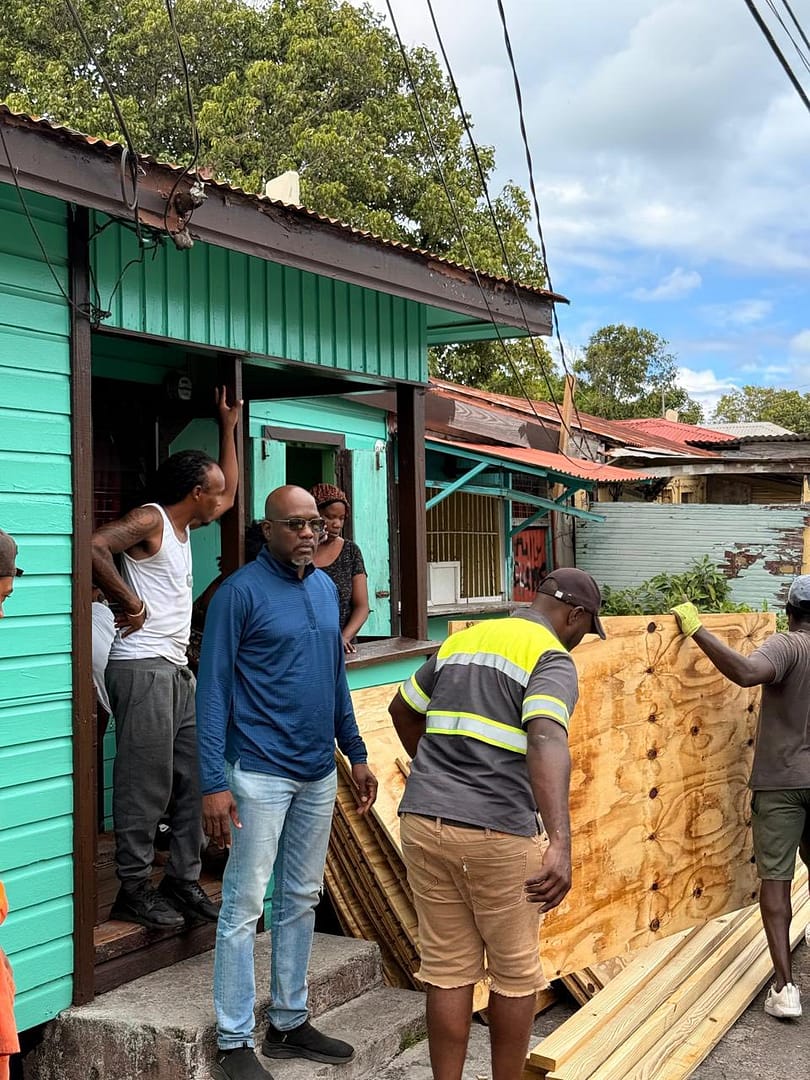
Given these hard constraints, regional and national government officials have shifted their focus away from building entirely new residential communities and toward upgrading the existing housing that already exists in the constituency. A key pillar of this ongoing work is the national government’s HAPI home repair program, which provides subsidized construction materials to eligible homeowners looking to complete critical repairs and renovations to their properties. Matthew noted that dozens of local residents have already been able to leverage the program to fix structural damage, update outdated systems, and dramatically improve their overall quality of life.
Beyond targeted home improvements, the government has also ramped up efforts to clear dangerous abandoned structures from the constituency. Matthew confirmed that local teams have already completed a substantial number of demolitions of derelict, unoccupied properties that posed safety hazards to neighboring residents and dragged down local property values.
Looking toward the future if he retains his seat in the upcoming election, Matthew outlined several long-term strategies currently under consideration to expand housing access in the region. With space at a premium, one of the most promising proposals is to rezone underused parcels for higher-density residential development, specifically condominium-style complexes that can house more families on the same amount of land than low-rise single-family developments. Matthew added that the government is also moving forward with plans to inventory and repurpose long-abandoned private properties that have sat unused for decades, clearing them and returning them to the open real estate market to increase available inventory.
Many of these new developments, Matthew explained, will help ease overcrowding in the existing housing stock by giving local residents the option to move into newer, larger homes within the region. For residents who are able to access land in other, less developed parts of the country, moving outside the constituency also opens up much-needed housing space for families that remain.
In closing, Matthew emphasized that there is no single silver bullet to solve St John’s Rural South’s housing challenges, given the constituency’s unique combination of dense development and limited available land. He argued that a holistic approach combining targeted home repair support, targeted redevelopment of blighted existing sites, and smarter, more efficient land use policies will be required to meaningfully expand access to safe, affordable housing for all constituents.