标签: Antigua and Barbuda

安提瓜和巴布达

  • Resurfacing of West Indies Oil Road Commences

    Resurfacing of West Indies Oil Road Commences

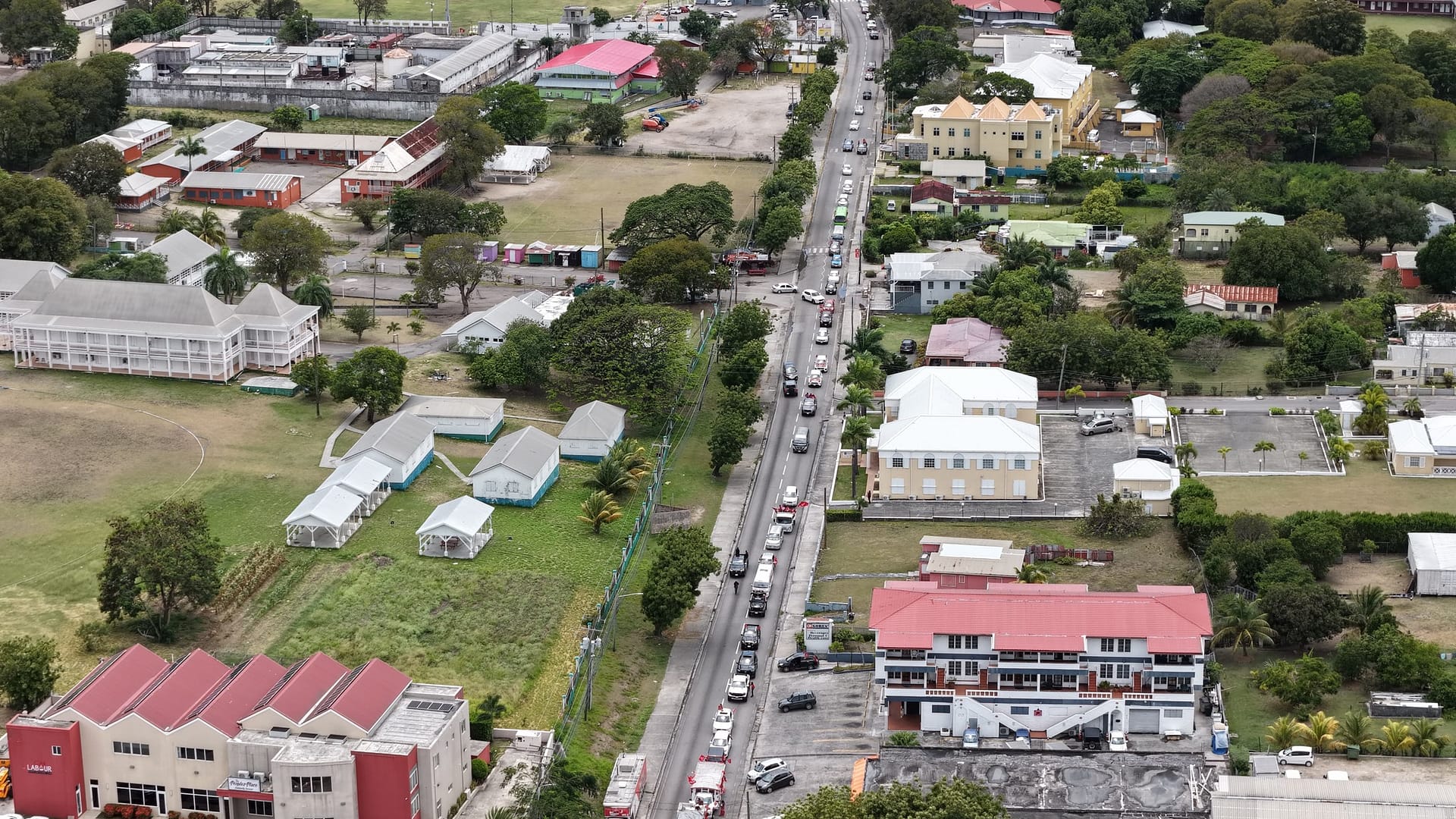
    The Ministry of Works has initiated preliminary operations for the comprehensive resurfacing of West Indies Oil Road, a critical thoroughfare connecting Friars Hill Road and Marble Hill Road. This infrastructure enhancement project commenced with preparatory work this weekend, necessitating the implementation of a designated detour route throughout Saturday and Sunday. Despite the ongoing construction activities, all commercial establishments along the affected corridor continue normal operations without interruption. Transportation authorities have advised motorists to anticipate minor delays and consider alternative routes where possible. The resurfacing initiative represents part of the government’s broader commitment to maintaining and upgrading key transportation networks across the region. Officials emphasize that the temporary inconvenience will result in significantly improved road conditions and enhanced driving safety upon project completion. Further updates regarding project timelines and additional traffic management measures will be communicated through official channels as work progresses.

  • Sir Ronald Sanders Installed as University of Guyana’s 11th Chancellor

    Sir Ronald Sanders Installed as University of Guyana’s 11th Chancellor

    In a landmark ceremony today, the University of Guyana formally inaugurated Sir Ronald Sanders as its eleventh Chancellor, marking a significant milestone in the institution’s history. The distinguished diplomat, who currently serves as Antigua and Barbuda’s Ambassador to both the United States and the Organization of American States, assumes the ceremonial leadership role during what university officials characterize as a transformative period in the institution’s evolution.

    The installation ceremony, attended by university officials, academic dignitaries, and special guests, represents a pivotal moment in the university’s ongoing development. Sir Sanders brings extensive diplomatic experience and regional influence to his new position, which is expected to enhance the university’s academic prestige and international standing.

    This leadership transition occurs as the University of Guyana continues to expand its academic offerings and strengthen its regional partnerships across the Caribbean and beyond. The ceremony celebrated both the institution’s progress and the new Chancellor’s assumption of duties, signaling a renewed commitment to educational excellence and regional cooperation in higher education.

    The Chancellor’s role, while largely ceremonial, carries significant symbolic importance in representing the university’s values and aspirations. Sir Sanders’ appointment is particularly notable given his extensive background in international relations and diplomatic service, which aligns with the university’s ambitions to increase its global engagement and academic influence.

  • HAPPENING NOW: NODS, Minister Turner Convene Emergency Meeting Over Cooks Landfill Oil Spill

    HAPPENING NOW: NODS, Minister Turner Convene Emergency Meeting Over Cooks Landfill Oil Spill

    Antigua’s National Office of Disaster Services (NODS) has initiated a high-level emergency response to address a significant environmental incident at Cooks Landfill. The agency has convened senior emergency management officials and Minister for Social and Urban Transformation Rawdon Turner to coordinate containment and mitigation efforts following the reported oil spill.

    The emergency coordination meeting represents the government’s initial multi-agency response to the developing situation. While specific details regarding the spill’s volume, origin, and environmental impact remain under assessment, the mobilization of top-level officials indicates the incident’s potential severity.

    Minister Turner’s involvement highlights the cross-governmental approach to the crisis, combining disaster management expertise with social and urban policy considerations. The collaboration suggests concerns about potential impacts on nearby communities and infrastructure, though official statements await further investigation.

    Environmental monitoring teams are expected to deploy to assess contamination risks to local ecosystems and water sources. The emergency response protocol activation follows established procedures for hazardous material incidents, though the full scope of the response will depend on ongoing situation assessments.

    Additional operational details, including containment strategies and public safety measures, are anticipated as the coordinated response effort progresses throughout the coming hours.

  • APUA Addresses environmental conditions at the Roberts Building in Cassada Gardens

    APUA Addresses environmental conditions at the Roberts Building in Cassada Gardens

    The Antigua Public Utilities Authority (APUA) has issued a formal response to public concerns regarding environmental conditions at its former headquarters, the Roberts Building in Cassada Gardens. In an official statement, the utility provider clarified that despite public speculation, the presence of mold within the facility has not been scientifically verified through multiple independent assessments.

    Over a two-year period spanning from 2023 to 2025, APUA commissioned several comprehensive environmental evaluations to address employee and public concerns. These investigations included testing requested by the Aviation Department through the Pan American Health Organization (PAHO), supplemented by two additional independent assessments initiated by APUA management.

    The PAHO assessment, while not detecting mold presence, identified moisture accumulation within a baseboard area. The recommended remediation involved removing twelve inches around the affected section, which was promptly completed. Another independent evaluation identified localized fungus within sheetrock materials, which was subsequently addressed through professional remediation protocols including enhanced ventilation systems, sealing of central air ducts, and thorough cleaning of air conditioning units.

    As part of ongoing maintenance efforts, deep cleaning of the entire Roberts Building was conducted in February 2025, with an additional specialized cleaning of the Planning Department completed in December 2025 following further environmental testing. Current improvement works are progressing according to schedule and are expected to conclude within the next two to three weeks. Upon completion, a final comprehensive cleaning will be performed, followed by an independent reassessment to verify the building’s environmental condition.

    APUA officials noted that some visible discoloration observed within the facility has been attributed to moisture accumulation related to the aging infrastructure of certain fixtures, particularly during periods of intense heat. These occurrences have been characterized as sporadic and limited in scope rather than widespread issues.

    The Authority emphasized that employee and customer health safety remains its highest priority, confirming that all professional recommendations received to date have been fully implemented. APUA maintains its commitment to continuous monitoring and responsible management of environmental conditions across all its facilities.

  • Minimum Wage, Pay For Established Non-Established and Pensioners To Increase

    Minimum Wage, Pay For Established Non-Established and Pensioners To Increase

    In a significant move aimed at enhancing the financial well-being of its workforce and retired citizens, the government has officially sanctioned a broad increase in remuneration and pension benefits. The new policy mandates an upward adjustment to the national minimum wage, alongside salary enhancements for both established and non-established public sector employees. Furthermore, pensioners are set to receive a corresponding boost to their benefits.

    The decision, emerging from extensive deliberations between government officials, labor unions, and economic advisors, is framed as a strategic response to prevailing economic pressures, including the rising cost of living and inflationary trends. The wage hikes are designed to bolster household incomes, stimulate consumer spending, and provide a more sustainable standard of living for a substantial segment of the population.

    For employees, the distinction between ‘established’—typically those with permanent, pensionable positions—and ‘non-established’ workers is a critical one in public sector compensation structures. This initiative ensures that both categories are included in the financial uplift, promoting greater equity within the civil service. The simultaneous increase in pension payments acknowledges the ongoing financial challenges faced by retirees, ensuring their benefits keep pace with the economic environment.

    Economic analysts are monitoring the potential macro-economic implications of this decision, which includes its effect on national expenditure, potential inflationary pressures, and broader economic vitality. The government has stated that these measures are a cornerstone of its commitment to social welfare and economic stability, with implementation schedules and exact percentage increases to be detailed in an upcoming official circular.

  • Matthew mounts firm defence of immigration Amnesty likely to commence in March

    Matthew mounts firm defence of immigration Amnesty likely to commence in March

    The Canadian federal government is preparing to initiate a sweeping immigration regularization program, with official sources indicating a targeted commencement date in March. This ambitious initiative, designed to grant permanent residency status to hundreds of thousands of undocumented migrants, represents one of the most significant immigration policy shifts in recent Canadian history.

    Immigration Minister Marc Miller has emerged as the program’s most vocal advocate, mounting a vigorous defense against growing political opposition. In recent parliamentary sessions and public appearances, Minister Miller has articulated a multifaceted justification for the amnesty, emphasizing both humanitarian imperatives and economic pragmatism.

    “Regularizing the status of undocumented individuals who contribute to our society and economy isn’t just morally sound—it’s economically prudent,” Minister Miller stated during a press conference. “These individuals already form an integral part of our communities, our labor force, and our social fabric. Providing them with permanent status will enhance their productivity, increase tax compliance, and strengthen social cohesion.”

    The program’s architecture reportedly includes stringent eligibility criteria requiring demonstrated economic contribution, clean criminal records, and established community ties. Implementation is expected to occur through a phased approach, prioritizing long-term residents with verifiable employment histories and family connections in Canada.

    This policy initiative has ignited intense debate across the political spectrum. While civil society organizations and immigration advocates have welcomed the announcement as a landmark victory for human rights, opposition critics have raised concerns about potential strain on public services, the message it sends regarding immigration enforcement, and procedural fairness to those pursuing conventional immigration pathways.

    The March implementation timeline suggests the government aims to establish the program’s operational framework before potentially entering a new election cycle, positioning immigration policy as a defining element of its political agenda.

  • Residents Decry Late-Night Bar Noise in St John’s Rural South

    Residents Decry Late-Night Bar Noise in St John’s Rural South

    A mounting public outcry over nocturnal noise pollution is intensifying in the St. John’s Rural South community of Antigua, where residents are demanding rigorous enforcement of existing sound ordinances. The core of the grievance targets local bars and entertainment venues, accused of generating excessive noise levels that severely impair residential tranquility and quality of life.

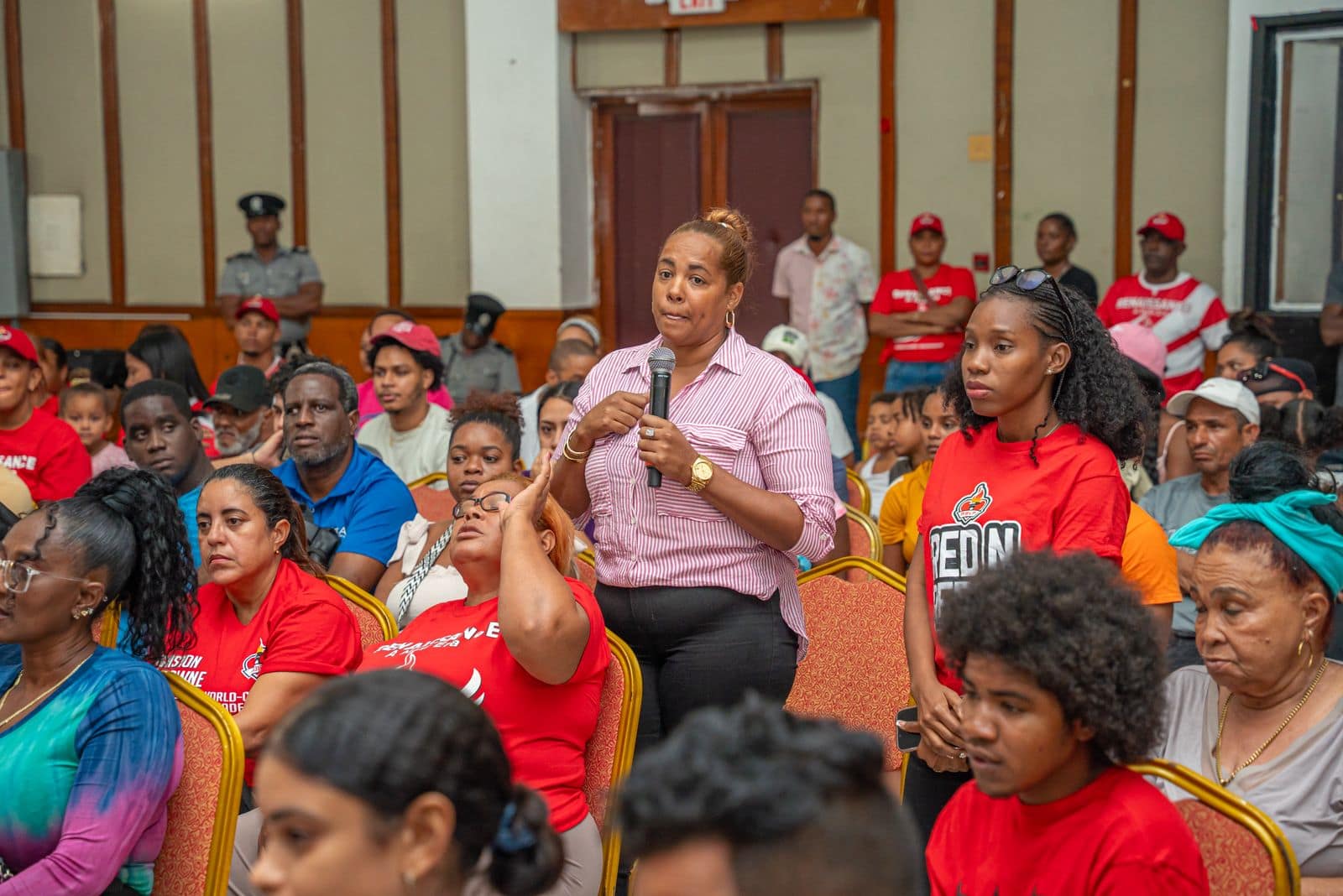
    Community members voiced their frustrations during a recent town hall assembly, detailing the profound impact on their wellbeing. One attendee reported music audibly blaring as late as 2:30 a.m., highlighting the potential consequences of chronic sleep deprivation, including deteriorated mental health and diminished professional performance.

    Adding a deeply personal dimension to the issue, another resident shared her particular challenges. As an individual recuperating from a surgical procedure while simultaneously caring for two children with autism, she described an unbearable situation. Weekend noise disturbances, she noted, frequently commence as early as 5 p.m. and persist until 3 a.m., including Sunday evenings, critically disrupting essential rest before the weekly commencement of work and school.

    In response to these escalating concerns, high-ranking government officials have committed to intervention. Attorney General Sir Steadroy Benjamin and Prime Minister Gaston Browne publicly pledged to engage law enforcement agencies. Their objective is to ensure strict adherence to the legal statute mandating a significant reduction in music volume after 11 p.m. PM Browne further issued a direct appeal to the business community, urging proprietors to exercise greater consideration and social responsibility towards their residential neighbors’ fundamental need for undisturbed rest.

  • Government to Address Travel Concerns of Dominican Permanent Residents

    Government to Address Travel Concerns of Dominican Permanent Residents

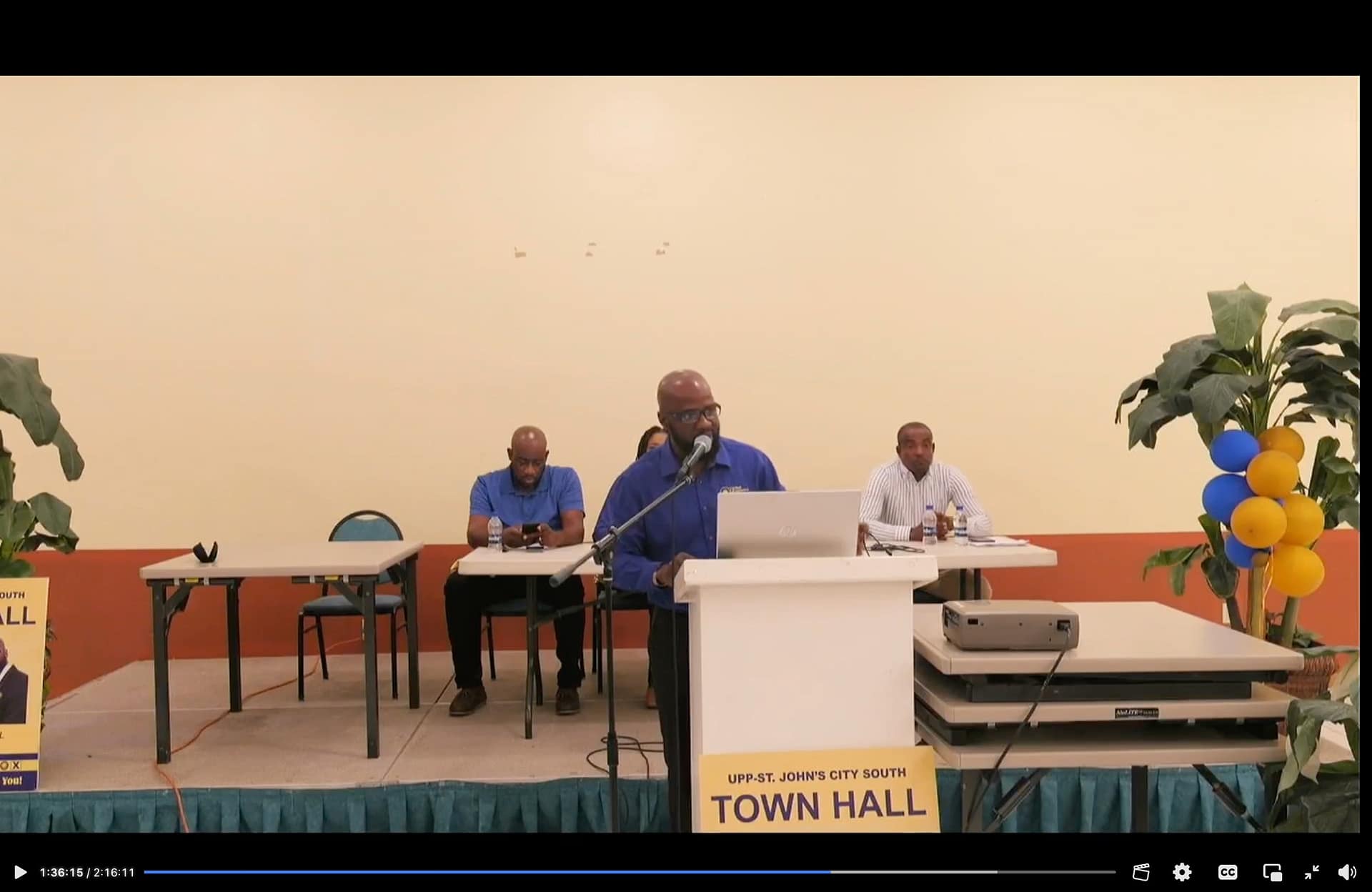
    The government of Antigua and Barbuda has committed to addressing significant immigration concerns raised by its Dominican community regarding re-entry difficulties despite holding valid permanent residency status. The issue came to light during a town hall meeting in the St. John’s Rural South constituency on Thursday evening, where residents revealed that individuals carrying official residency stamps were being subjected to additional visa requirements when returning from international travel.

    Attorney General Sir Steadroy Benjamin formally acknowledged the administrative and legislative shortcomings causing these disruptions. He characterized the situation as a ‘legislative flaw’ within the current system and confirmed that the Cabinet plans to establish a definitive policy to resolve the matter at its upcoming session.

    In a statement addressing community fears, Benjamin emphasized, ‘Many of our friends from the Dominican Republic are apprehensive about traveling abroad, as their hard-earned residency status currently provides no guaranteed re-entry. We are committed to rectifying this injustice. Once an individual has legally acquired residency, they must be afforded the right to both work and move freely.’

    The Attorney General confirmed that a considerable number of Dominican nationals have been adversely affected by these procedural inconsistencies. He provided assurances that the government would implement corrective measures to uphold the integrity of the residency system and ensure the protection of migrants’ rights, reinforcing the nation’s commitment to fair and transparent immigration practices.

  • PAHO/WHO and Antigua and Barbuda sign Multi Country Cooperation Strategy 2026–2031

    PAHO/WHO and Antigua and Barbuda sign Multi Country Cooperation Strategy 2026–2031

    In a significant move for public health collaboration, Antigua and Barbuda has formally ratified the Pan American Health Organization/World Health Organization (PAHO/WHO) Multi-Country Cooperation Strategy (MCCS) for the period 2026–2031. The signing ceremony, held in St. John’s, marks a national commitment to a unified regional agenda designed to enhance health outcomes and tackle development challenges across Barbados and the Eastern Caribbean nations.

    The Hon. Sir Molwyn Joseph, Minister of Health, Wellness, Environment and Civil Service Affairs, executed the official endorsement on behalf of the Antiguan and Barbudan government. The event was witnessed by Dr. Amalia Del Riego, the PAHO/WHO Representative for Barbados and the Eastern Caribbean Countries, signaling a strengthened partnership between the nation and the international health body.

    This national ratification follows a broader regional launch event convened in Washington, D.C., in September 2025, where health ministers from across the Eastern Caribbean collectively pledged their support for the strategic framework.

    Forged through comprehensive dialogue between governmental authorities and PAHO technical experts, the MCCS 2026–2031 establishes a cooperative blueprint to confront pressing health issues. Its core objectives are structured around five pivotal pillars: reinforcing health governance and leadership; combating the spread of communicable diseases; mitigating the prevalence of non-communicable diseases (NCDs) and mental health conditions; driving the transformation of national health systems; and developing health infrastructures resilient to climate change impacts.

    The ceremony was attended by key national figures, including Sen. Michael Joseph, the Junior Minister of Health, Dr. Kamaria De Castro, Chief Medical Officer, Dr. Teri-Ann Joseph, Deputy Chief Medical Officer, and personnel from PAHO’s decentralized office in Antigua and Barbuda.

    Dr. Del Riego praised the nation’s proactive leadership, stating, “This formal endorsement by Antigua and Barbuda solidifies our mutual dedication to constructing more robust, equitable, and climate-resilient health systems. PAWHO anticipates ongoing cooperation to achieve tangible, sustainable improvements for the well-being of all citizens.”

  • Cabinet Reviews New Governance Structure for Festivals Commission

    Cabinet Reviews New Governance Structure for Festivals Commission

    In a significant move to transform its cultural governance framework, the national Cabinet convened a special session with key stakeholders to establish a new operational structure for the Festivals Commission and Ministry of Creative Industries. The high-level meeting brought together senior officials from the creative ministry, festival commission representatives, and Treasury delegates to deliberate on a comprehensive reorganization plan.

    The proposed architecture represents a strategic division of responsibilities, with the Festivals Commission being designated as the primary authority for planning and executing major national productions and flagship cultural events. Concurrently, the Ministry of Creative Industries will maintain administrative oversight of smaller-scale cultural activities, including national observances and community-based events.

    This structural reform emerges from the government’s broader initiative to enhance management transparency, professional execution of cultural events, and economic development within the creative sector. The reorganization specifically addresses persistent concerns regarding financial accountability, procurement practices, and bureaucratic efficiency that have historically plagued large-scale cultural productions.

    Officials emphasized that the new framework will implement strengthened financial controls, improved documentation protocols, and more transparent engagement mechanisms with service providers. These measures are designed to prevent budget overruns while ensuring technical and professional oversight commensurate with large-scale productions.

    The government’s commitment extends beyond administrative restructuring, encompassing substantial investments in modernizing performance venues and training facilities. A cornerstone of the new approach involves comprehensive training and professional development programs within the creative arts.

    Furthermore, the strategy emphasizes deepened collaboration between cultural institutions and the tourism industry, including the packaging of cultural experiences for visitors and hotel partnerships. This synergy aims to enhance visitor experiences while expanding economic opportunities for local entertainers, vendors, and service providers.

    The holistic framework ultimately seeks to position the cultural sector as a sustainable and meaningful contributor to national development through transparent, efficient, and professionally managed cultural productions.