标签: Antigua and Barbuda

安提瓜和巴布达

  • Antigua and Barbuda weightlifters attend 1-week training & workshop in Barbados (29 May – 4 June 2026)

    Antigua and Barbuda weightlifters attend 1-week training & workshop in Barbados (29 May – 4 June 2026)

    A group of aspiring weightlifting athletes and their coach from Antigua and Barbuda have set off for neighboring Barbados, kicking off a week-long specialized training initiative designed to fine-tune their skills ahead of a major regional multi-sport event.

    The delegation, which departed on May 28, 2026, consists of three rising competitive athletes – Jaunii Nathaniel, Daniel Antonio, and Kevesha Nedwell – led by their head coach Durand Meade. The immersive workshop, running from May 29 to June 4, 2026, is hosted by the Barbados Weightlifting Association, and brought together a team of high-profile international experts to lead the training program.

    Heading up the workshop is Andrew Callender, a leading technical official from the host nation’s weightlifting governing body, with supplementary technical guidance provided by a seasoned professional coach affiliated with USA Weightlifting. The training curriculum is purpose-built to address key areas of elite weightlifting development: it covers granular technical form refinement, targeted competition strategy and mental preparation, evidence-based strength and conditioning programming, and personalized sport science support, all aligned to help athletes reach their peak performance when it matters most.

    Full financial backing for the entire training and workshop initiative comes from the Continental Weightlifting Federation, while the Antigua and Barbuda National Olympic Committee stepped in to cover critical logistical arrangements for the traveling delegation, removing administrative and operational barriers for the team.

    The three athletes attending the workshop have already secured guaranteed invitational spots to compete at the 2026 Central American and Pan American Games, which will be held in the Dominican Republic later this year. This intensive workshop is a core component of their tailored pre-competition preparation plan, built to boost their competitiveness and help them deliver strong results at the regional multi-sport gathering.

    Cliff Williams, spokesperson for the Antigua and Barbuda Weightlifting Federation, expressed the organization’s appreciation for the collaborative opportunity in a statement. “We are incredibly grateful to the Continental Weightlifting Federation and our hosts in Barbados for providing access to this high-caliber development opportunity,” Williams said. “This workshop will not only elevate the performance of our current athletes and coaching staff but also help us grow weightlifting as an emerging sport in our country as we gear up for the upcoming games.”

  • Hopeful Hearts Foundation Seeks Donations for June 13 Food and Clothing Drive

    Hopeful Hearts Foundation Seeks Donations for June 13 Food and Clothing Drive

    Across Antigua and Barbuda, thousands of low-income and crisis-impacted families continue to struggle to access basic daily necessities, and local non-profit Hopeful Hearts Foundation is stepping up to bridge this gap with a community-wide donation drive scheduled for June 13, 2026. The organization has issued a public call for donations of essential items, aiming to collect enough goods to provide critical support to hundreds of vulnerable households already enrolled in its assistance programs.

    The foundation is accepting a wide range of high-need items to meet diverse family requirements: lightly worn or new children’s clothing for kids aged 5 to 15, apparel for adult men and women, footwear of all sizes, non-perishable staple groceries, personal hygiene and toiletry products, as well as blankets and bath towels. Unlike some donation drives that only accept new goods, Hopeful Hearts welcomes both new and gently used items that remain in good, clean condition, making it easy for community members to clear out gently worn belongings while giving back to neighbors in need.

    Kristine Louisa, the founder and chief executive officer of Hopeful Hearts Foundation, emphasized that collective community action is at the core of the drive’s mission. “At Hopeful Hearts Foundation, we hold firm to the belief that even the smallest acts of kindness can ripple out to create lasting, transformative change for people facing hardship,” Louisa explained. “This food and clothing drive is more than just a donation event—it is a chance for our entire community to come together, stand in solidarity with families going through tough times, and offer tangible support that makes a real difference. No contribution is too small; every item donated will directly improve the life of someone in our local area.”

    This upcoming initiative is just one part of Hopeful Hearts Foundation’s long-standing commitment to lifting up vulnerable populations across the twin-island nation. For years, the organization has centered its work on lifting community well-being through compassionate action, direct service, and intentional public outreach, with a core mission that extends beyond emergency aid to include youth empowerment and sustainable community development. Beyond this drive, the organization delivers ongoing support through educational programming, policy advocacy, and regular humanitarian service projects that address systemic gaps in access to basic needs.

    Local residents, private businesses, and community organizations that wish to participate in the drive or learn more about donation drop-off locations and timelines are encouraged to reach out to the foundation directly at (268) 770-4700. Organizers note that broad participation from across Antigua and Barbuda will be key to making the 2026 Food and Clothing Drive a success, and ensuring every family that needs support can receive the items they require this year.

  • COMMENTARY: Youth Vaping Is Growing Faster Than Caribbean Policy

    COMMENTARY: Youth Vaping Is Growing Faster Than Caribbean Policy

    Across the Caribbean basin, a growing public health crisis is unfolding at a pace that regulatory frameworks have failed to match: youth vaping rates are climbing far faster than regional governments can update and enforce effective policies to curb the trend. This commentary examines the widening gap between the spread of e-cigarette use among young people in the region and the slow, fragmented policy responses that have left communities vulnerable.

    Vaping product manufacturers have targeted Caribbean youth with aggressive marketing tactics, capitalizing on loose regulatory oversight that has allowed flavored nicotine products, disposable vapes, and low-cost devices to flood local markets. From small convenience stores in coastal tourist towns to school campuses in inland communities, these products are easily accessible to teenagers, many of whom are mislead by industry claims that vapes are a safer alternative to traditional cigarettes, unaware of the long-term lung damage, nicotine addiction, and cognitive impairment linked to adolescent e-cigarette use.

    Regional public health data collected over the past three years tells a stark story: youth vaping prevalence has increased by an average of 45 percent across 12 Caribbean nations, with some island states reporting doubling of rates among 13 to 17-year-olds. Yet policy updates have moved at a glacial pace. Many countries still rely on outdated tobacco control laws written long before modern e-cigarette products entered the market, and few have implemented comprehensive measures such as flavor bans, indoor vaping restrictions, high excise taxes, or strict age-verification requirements for sales.

    Fragmented governance across the small island nations that make up the Caribbean also creates barriers to coordinated action. Many countries lack the resources to fund robust public awareness campaigns, train law enforcement to crack down on illegal sales to minors, or monitor the evolving vape market to address new product types as they emerge. Tourism-reliant economies have been hesitant to enact strict regulations that industry lobbying groups claim would hurt business, despite clear evidence that the long-term public health costs of unaddressed youth vaping will far outweigh any short-term economic gains.

    Public health advocates across the region are calling for urgent, coordinated policy reform to close the gap between the rising epidemic and regulatory action. They emphasize that investing in evidence-based vaping control measures now will prevent a generational public health crisis, reducing rates of lifelong nicotine addiction and chronic respiratory disease among Caribbean young people. Without faster, more decisive action, experts warn, youth vaping will continue to spread, leaving an enduring burden on regional health systems and the well-being of the next generation.

  • LISTEN: PM Defends Son’s Purchase and Resale of Long Bay Beachfront Parcel

    LISTEN: PM Defends Son’s Purchase and Resale of Long Bay Beachfront Parcel

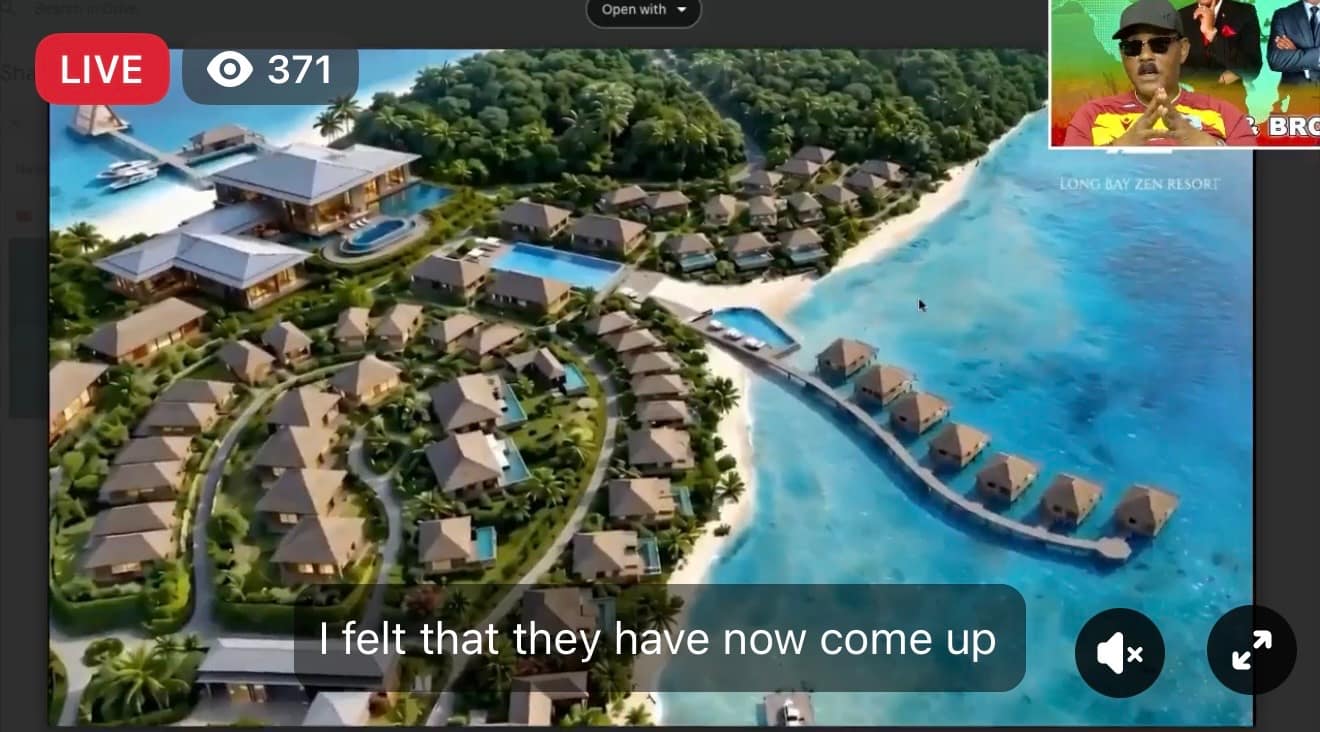
    Amid growing public controversy over the proposed Long Bay Zen Resort in Antigua and Barbuda, Prime Minister Gaston Browne has stepped forward to lay out the full, decades-long ownership and development background of the Long Bay site, pushing back against widespread criticism that misrepresents the project’s footprint and legal standing.

    Speaking during his weekly *Browne and Browne* radio broadcast on Saturday, the prime minister emphasized that the new resort is not an unauthorized encroachment on untouched public beach land, as critics have claimed. Instead, it marks a long-delayed redevelopment of the original Long Bay Hotel, a hospitality site that has operated in the area for more than half a century.

    To address one of the public’s biggest concerns — restricted access to Long Bay Beach — Browne explicitly refuted rumors that the development would block public entry to the coastline. “For those who are worried that this project will take over Long Bay and cut off ordinary people and other beach users from the shore, that is simply not the case,” he said. “We are only redeveloping the footprint of the old Long Bay Hotel.”

    Browne walked through the project’s modern development timeline to clarify delays that have sparked speculation. He explained that the current development group purchased the former hotel site roughly 11 years ago, with initial plans for a much larger construction project. Those plans were derailed unexpectedly when the developers lost tens of millions of dollars deposited in an offshore bank that collapsed into financial insolvency, bringing work to a halt for years.

    The prime minister also addressed criticism from opposition groups over the 1-acre beachfront parcel tied to the site, pointing to a surprising parallel with the previous United Progressive Party (UPP) administration. Browne recalled that when the UPP was in power, the party explored a plan to acquire that same waterfront acre as part of its own Long Bay hotel development proposal — a move that Browne’s Antigua and Barbuda Labour Party (ABLP) opposed at the time over concerns that it would shrink public beach access.

    “What the UPP planned to do was take that waterfront acre and push ordinary members of the public into a small corner, cutting down their access to the beach,” Browne said. That proposed UPP transaction never ultimately moved forward, and after years of no completed payment, the parcel was re-listed on the open market.

    Browne openly acknowledged that his own son purchased the 1-acre parcel from owner LaFourie in 2014, after negotiating the price down from an asking price of roughly US$1.2 million to a final sale price of US$750,000. Several years later, his son sold the parcel to the Chinese investors who are now leading the Long Bay Zen Resort project for US$1.5 million. The prime minister stressed that this was a straightforward private transaction between two independent private parties, with no improper government influence or intervention involved, rejecting claims of political favoritism.

    According to Browne, the full timeline of the property confirms that the land has been privately owned and actively listed for development for decades. The current Zen Resort project is entirely contained within the boundaries of the former Long Bay Hotel, he said, and does not encroach on any public beach lands.

    Recently, the Long Bay Zen Resort officially broke ground. The project is planned as a low-carbon luxury development, and will include 120 guest rooms when completed.

  • LISTEN: PM Browne Says A Proposal To Accept Up To 120 Deportees Is Not in Antigua’s Best Interest

    LISTEN: PM Browne Says A Proposal To Accept Up To 120 Deportees Is Not in Antigua’s Best Interest

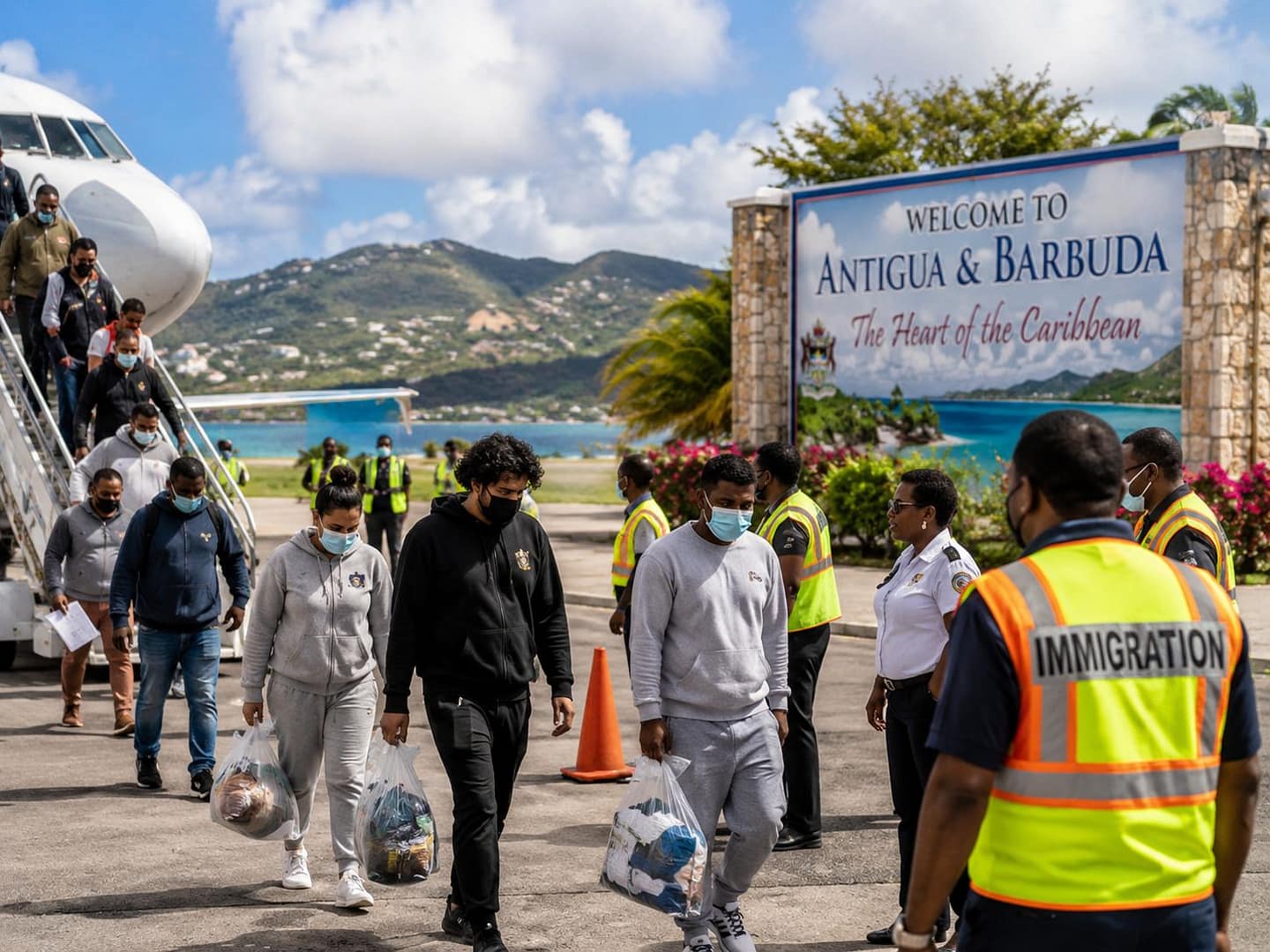
    As bilateral negotiations over a proposed deportation arrangement continue between Antigua and Barbuda and the United States, Prime Minister Gaston Browne has publicly drawn a hard line against a U.S. request that would see the small Caribbean nation accept up to 120 third-country nationals annually, calling the proposal “totally unacceptable” and prioritizing the country’s limited capacity and national security over blind cooperation. Speaking during his weekly *Browne and Browne* radio broadcast on Saturday, Browne clarified that Antigua and Barbuda has only offered to accept a maximum of 10 deportees per year under any finalized deal, a cap that aligns with the nation’s size and inherent vulnerabilities.
    Browne revealed that the initial 120-person proposal came with no binding commitments for U.S. assistance, nor any guarantee that comprehensive background checks would be completed on individuals before transfer. That lack of structure, he emphasized, is a non-starter for his administration. “At one point I was told that they had asked us to accept as many as 120 individuals and there was no guaranteed assistance, no guaranteed due diligence. And I said to them that that is totally unacceptable,” Browne told listeners.
    The prime minister outlined three non-negotiable conditions that Antigua and Barbuda is requiring Washington to meet before any agreement can move forward. First, all individuals must undergo rigorous vetting by U.S. law enforcement and immigration authorities to screen out criminal elements. Browne stressed that even a single high-risk individual can have outsized negative consequences for a small nation like Antigua and Barbuda, saying “one criminal element coming into our country can make a difference.”
    Second, Browne insisted that every deportee transferred to the country must hold valid, official travel documentation. He explained that undocumented migrants detained in the U.S. often destroy their identity papers to avoid deportation, and Antigua and Barbuda cannot absorb stateless individuals with no verifiable background. “What happens sometimes is some of these immigrants, who they detain as soon as they get to the United States, they tear up their travel documents and we can’t have them come here as stateless individuals,” he said.
    While Browne reaffirmed Antigua and Barbuda’s commitment to maintaining a constructive, cooperative relationship with the United States, he made clear that cooperation will never come at the cost of the island nation’s core national interests. “We have said to them that, look, they have their issues, and we want to help. We want to be a cooperative state. But we cannot participate or agree to anything that is to our detriment,” he said.
    The prime minister pushed back against any expectation that he would accept an unfavorable deal, asking rhetorically: “I mean, can anybody justify the prime minister of this country being part of any decision, or agreeing, or being compliant with anything that is not in the best interest of this country?” He noted that Antigua and Barbuda’s small geographic size and population leave it uniquely vulnerable to security risks, requiring extreme caution when entering any arrangements involving the transfer of foreign nationals. “We’re small, powerless and very vulnerable. Based on that vulnerability, we have to make sure that we keep our country safe and secure,” Browne said.
    He added that the administration’s top concern is avoiding the accidental admission of individuals with criminal histories, a outcome that he says would never happen under his leadership. “Where there is any probability for us to even inadvertently and complicitly allow criminals to come into the country, as I said, that’s not in my leadership,” he stated.
    As of Saturday, Browne confirmed that negotiations with U.S. officials remain ongoing, and Antigua and Barbuda has not yet received a formal response from the U.S. State Department after the country submitted its latest counter-proposal outlining its conditions and annual cap. Discussions on the arrangement were launched after the two sides signed a non-binding memorandum of understanding that outlined a framework for Antigua and Barbuda accepting a limited number of third-country nationals. From the start of negotiations, the Antigua and Barbuda government has maintained that while it stands ready to assist its international partners, any final agreement must align with the country’s national security needs and practical capacity to absorb new arrivals.

  • Sea Bridge Ferries Raises Fares Effective June 1

    Sea Bridge Ferries Raises Fares Effective June 1

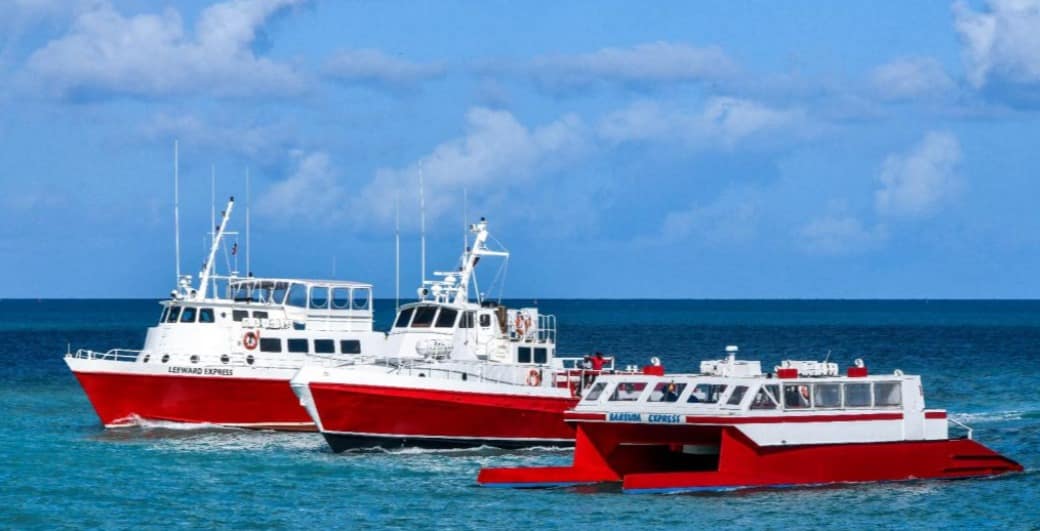
    After holding ticket prices steady for six years, regional ferry operator Sea Bridge Ferries has officially announced that it will implement a fare adjustment starting June 1, 2026, a change driven by unrelenting upward pressure on fuel and general operational expenses.

    In a public statement released to customers this week, the company confirmed that it has not modified its pricing structure since 2020, choosing to absorb the bulk of rising industry costs internally over the past half-decade to keep its cross-water service accessible and affordable for regular commuters, leisure travelers, and commercial clients alike. But according to the announcement, ongoing volatility in global energy markets paired with steady increases in other overhead costs from labor to vessel maintenance have finally made a price adjustment unavoidable.

    Under the newly revised pricing framework, a single one-way passenger ticket will be priced at $155, broken down into a $140 base fare and a separate $15 fuel surcharge to offset energy costs. For passengers opting for round-trip travel, the total cost will come to $275, consisting of a $250 base fare and a $25 fuel surcharge.

    Sea Bridge Ferries emphasized that the decision to raise fares is partially rooted in broad global supply chain disruptions and shifting market conditions that have pushed up costs across fuel production, processing, and distribution networks — impacts that have rippled through nearly every transportation and logistics sector worldwide.

    The company framed the fare hike as a modest adjustment, noting that leadership made a deliberate effort to minimize the increase passed on to customers while still securing the long-term viability of its service. “We recognize that any change to pricing can create inconvenience for our passengers, and we worked diligently to make this adjustment as fair and limited as possible,” the company said in its official announcement.

    Sea Bridge Ferries added that the additional revenue generated by the fare increase will be critical to upholding the high safety standards, operational efficiency, on-time reliability, and passenger comfort that its customers expect, ensuring the service can continue operating consistently into the future. The new pricing structure will go into effect on Monday, June 1, 2026.

  • CIU Donates EC$20,000 to Panache Steel Orchestra for 2026 Panorama Season

    CIU Donates EC$20,000 to Panache Steel Orchestra for 2026 Panorama Season

    The Citizenship by Investment Unit (CIU) has announced a generous financial donation of EC$20,000 to Panache Steel Orchestra, providing critical support for the ensemble’s upcoming participation in the highly anticipated 2026 Panorama season. This contribution marks more than just a one-off gift — it underscores the organization’s long-standing commitment to nurturing local cultural talent and preserving the rich musical heritage of steelpan, a genre deeply rooted in Caribbean identity.

  • Prime Minister Says YIDA to Invest Additional US$100M in Antigua and Barbuda

    Prime Minister Says YIDA to Invest Additional US$100M in Antigua and Barbuda

    In a major announcement that promises to boost the economic trajectory of Antigua and Barbuda, the nation’s Prime Minister has confirmed that China-based YIDA is set to inject an additional US$100 million into new development projects across the twin-island Caribbean nation. This fresh capital injection marks the next phase of YIDA’s long-term investment partnership with Antigua and Barbuda, building on previous commitments that have already supported infrastructure, tourism, and job creation initiatives across the country.

    Industry analysts note that the new investment comes at a critical moment for Antigua and Barbuda, which has been working to expand its non-tourism economic sectors and strengthen its resilience following global economic volatility. The Prime Minister highlighted that the $100 million will be allocated across high-priority projects, including upgrades to transportation infrastructure, expansion of hospitality facilities, and development of mixed-use commercial spaces that are expected to draw more international visitors and business activity to the islands.

    Local business leaders have welcomed the commitment, noting that the new investment will create hundreds of temporary construction jobs and dozens of permanent full-time positions across multiple sectors once projects are completed. It also reinforces Antigua and Barbuda’s reputation as an attractive destination for foreign direct investment in the Caribbean, signaling ongoing confidence from international developers in the nation’s long-term economic outlook. Government officials have added that they will work closely with YIDA representatives to ensure transparent project implementation and that all developments align with the country’s national sustainable development goals.

  • Senator Malaka Parker Celebrates Daughter’s Graduation in 3D Animation

    Senator Malaka Parker Celebrates Daughter’s Graduation in 3D Animation

    Opposition Senator Malaka Parker has taken to public platforms to share joyful news of a significant personal milestone: her eldest daughter, Mene’ Tovi Lewis, has successfully completed her higher education and graduated from the prestigious Savannah College of Art and Design (SCAD) with a Bachelor of Fine Arts focused on 3D Animation. In an enthusiastic public post marking the occasion, Parker invited her audience to join in celebrating her firstborn’s hard-earned achievement, urging followers to congratulate, applaud, and share in the warmth of Lewis’ big day. The celebratory announcement was accompanied by a series of candid photos captured during the college’s commencement ceremony held in Georgia. The images show Lewis dressed in traditional academic regalia, posing alongside family members while holding her official diploma cover and a bouquet of celebratory flowers. Parker also shared snapshots of the official graduation program and the SCAD commencement booklet, giving followers a full look at the memorable occasion. Lewis’ degree culminates years of dedicated study in 3D Animation, a fast-growing specialized field centered on digital design, immersive visual storytelling, and computer-generated imagery. These skills are in high demand across a wide range of creative sectors, including feature film, broadcast television, video game development, and many other emerging digital entertainment industries. For Parker and her family, the graduation represents not just a personal academic win for Lewis, but also the successful payoff for years of commitment and hard work in a competitive creative discipline.

  • Guadeloupe Ferry Brings More Than 360 Visitors to Antigua and Barbuda

    Guadeloupe Ferry Brings More Than 360 Visitors to Antigua and Barbuda

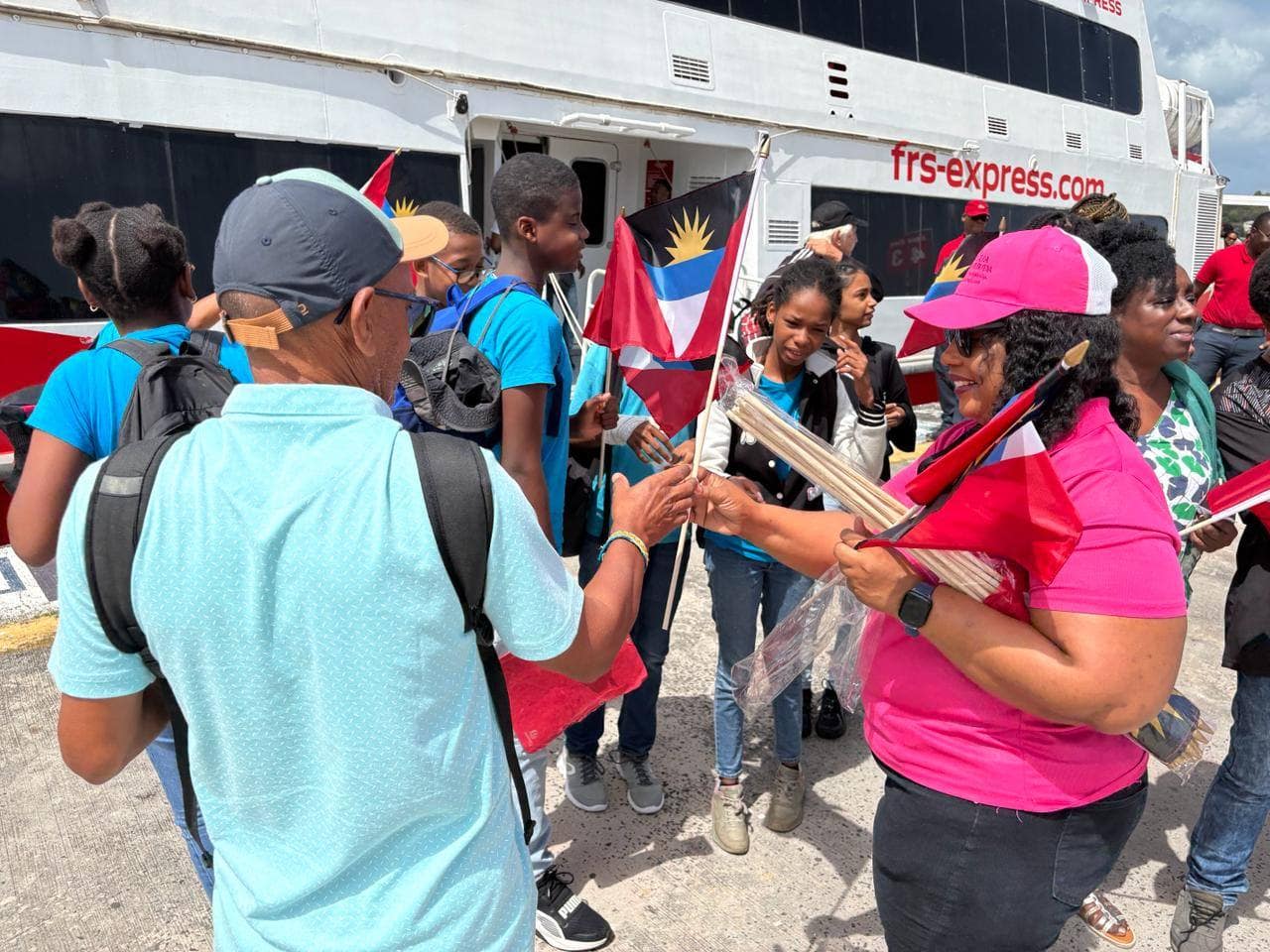
    Antigua and Barbuda has opened its doors to hundreds of travelers from across the Caribbean this month, marking a key milestone in the island nation’s push to revitalize regional tourism. Among the latest arrivals were more than 360 visitors from Guadeloupe, who completed their journey to the twin islands via a direct ferry service earlier this week, officials from the Antigua and Barbuda Tourism Authority confirmed.

    This wave of regional visitors is not a random influx: it is the direct outcome of a sustained, long-term strategy by the destination’s tourism leadership to deepen travel integration across the Caribbean and strengthen transportation and people-to-people connections between neighboring island states. Images released publicly by the tourism authority capture warm, welcoming moments, with local officials greeting incoming guests before they set off to explore island attractions, join cultural activities, and attend curated events across Antigua and Barbuda during their stay.

    For tourism policymakers in the country, growing intra-Caribbean travel has moved to the top of the strategic agenda in recent years. Beyond the initial welcome, officials have reiterated their unwavering commitment to expanding cross-regional transportation networks, developing unique, tailored visitor experiences, and building long-term relationships that encourage regional travelers to return to the islands again and again. The current wave of arrivals comes as the destination continues to ramp up marketing and infrastructure investment to position itself as a top go-to spot for neighboring Caribbean residents looking for a quick getaway or extended vacation.

    Looking ahead, the Antigua and Barbuda Tourism Authority extended its gratitude to all visitors who chose the twin islands as their travel destination, and expressed measured confidence that the upward trend in regional travel will continue through the coming quarters, delivering widespread economic benefits to local communities that rely on tourism.