标签: Antigua and Barbuda

安提瓜和巴布达

  • Bench Warrant Issued After Man Misses Court on Cannabis Charges

    Bench Warrant Issued After Man Misses Court on Cannabis Charges

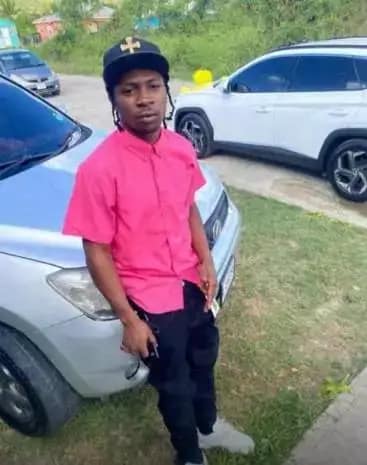
    A Trinidad and Tobago national is now the subject of an active arrest warrant after failing to appear in Antigua’s High Court for proceedings concerning significant cannabis-related offenses. The bench warrant was formally issued by the magistrate this Tuesday when defendant Andre Solomon and his legal representative were both absent from the scheduled hearing.

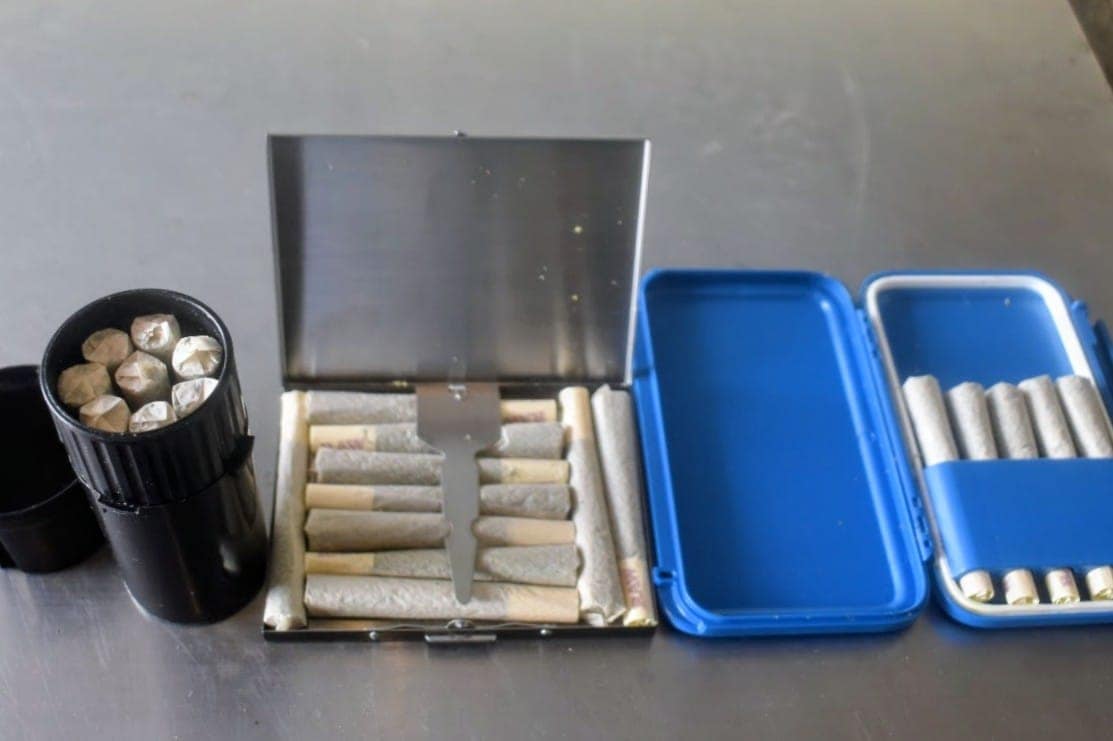
    The charges stem from coordinated police operations conducted earlier this year at multiple locations including Pares and Parham. Law enforcement officials reported substantial seizures during these raids, including 192 grams of cannabis, over two pounds of processed marijuana, and approximately 790 cannabis plants. The investigation expanded one week later with an additional search at a Hodges Bay residence, where authorities allegedly discovered another four-and-a-half pounds of cannabis, leading to further criminal charges.

    Despite being granted conditional release on a $50,000 bail package with a $5,000 cash requirement, Solomon violated his bail conditions which mandated regular reporting to both police and Immigration authorities. Records indicate Solomon had been residing in the country under a visitor’s permit that expired in July of the previous year, adding immigration complications to his existing legal challenges.

  • Family files wrongful death claim over prisoner’s death in custody

    Family files wrongful death claim over prisoner’s death in custody

    The family of Chinlee Robinson, a 23-year-old who died while incarcerated at His Majesty’s Prison in January 2025, has initiated a wrongful death lawsuit against the government. The legal claim, submitted to the Attorney General’s Office, accuses both prison authorities and police officials of gross negligence leading to Robinson’s tragic demise.

    Robinson was discovered deceased on January 24, 2025, merely hours after receiving bail for an alleged mobile phone theft offense. Recent testimony during a Coroner’s Inquest revealed contradictory narratives about the events preceding his death. A juvenile inmate testified about hearing a sudden scream on the night of January 23 followed by unusual silence throughout the correctional facility. The witness further described inadequate overnight supervision protocols, noting inmates remained confined to their cells from mid-afternoon without proper monitoring.

    Forensic medical analysis presented to the inquest determined the cause of death as asphyxiation resulting from oxygen deprivation, neck trauma, and subsequent cardiac failure. Family members emphasized Robinson’s excellent physical condition as an active footballer with no pre-existing health complications.

    Notably, Robinson had endured approximately five weeks in detention and was reportedly experiencing significant distress due to unexpected delays in his release caused by administrative passport complications.

    Legal representative Wendel Alexander, acting for the grieving family, has formally demanded a comprehensive homicide investigation. Law enforcement authorities have dismissed this request, with Assistant Police Commissioner Clifton Cabral asserting no indications of criminal wrongdoing. Conversely, Superintendent of Prisons Colonel Trevor Pennyfeather acknowledged strangulation as the probable cause of death, creating contradictory official statements.

    The civil suit seeks substantial compensation including general and punitive damages, alongside legal expenses and accrued interest, highlighting the family’s pursuit of accountability and justice.

  • Directorate of Gender Affairs Opens Nominations for International Women’s Day 2026 Spotlight Series

    Directorate of Gender Affairs Opens Nominations for International Women’s Day 2026 Spotlight Series

    The Directorate of Gender Affairs (DoGA) in Antigua and Barbuda has officially commenced its nomination process for the International Women’s Day 2026 Spotlight Series, initiating a nationwide search for exceptional female philanthropists whose transformative contributions have significantly impacted local communities.

    Aligned with the 2026 theme ‘Give to Gain,’ this initiative seeks to identify and celebrate women who have demonstrated remarkable dedication to community upliftment through selfless service and resource allocation. The program specifically targets individuals whose generosity has created tangible social improvements across the nation.

    DoGA has extended an open invitation to public members, community organizations, and institutional bodies to submit nominations for women exemplifying leadership through actionable compassion. Ideal candidates are those who consistently dedicate time, assets, and emotional support to enhance societal welfare without seeking recognition.

    The selection criteria emphasize transformative contributions in multiple domains including exceptional community service, advocacy for vulnerable populations, youth empowerment initiatives, compassionate leadership, and sustainable change creation. This recognition program forms an integral component of DoGA’s annual International Women’s Day observances, designed to illuminate the frequently overlooked contributions of women driving national development through quiet, consistent action.

    The nomination window will remain open until February 18, 2026, with submission guidelines available through DoGA’s offices at Lower Nevis Street or via telephone consultation at 1 (268) 560-5207. The Directorate emphasizes the importance of public participation in identifying deserving candidates whose altruistic efforts embody the spirit of transformative giving worthy of national acknowledgment.

  • Families of 2 Trinidadian nationals killed in strikes sue Trump administration

    Families of 2 Trinidadian nationals killed in strikes sue Trump administration

    The United States government faces a significant legal challenge as relatives of two Trinidadian nationals killed in a military operation have initiated a lawsuit in federal court. The case concerns a U.S. strike on an alleged drug-smuggling vessel off the Venezuelan coast on October 14, which resulted in the deaths of six individuals, including Chad Joseph and Rishi Samaroo.

    Legal representatives for the families filed the claim in Boston’s federal court, vehemently contesting the official narrative. One attorney characterized the incident as ‘lawless killings in cold blood; killings for sport and killings for theatre,’ suggesting a severe overreach of military authority.

    This event occurs within the context of an intensified U.S. counter-narcotics campaign in the Caribbean and Eastern Pacific. Since September, American forces have struck at least 36 vessels, resulting in over 120 fatalities. The Trump administration has publicly defended these actions as necessary measures against ‘narco-terrorists’ allegedly transporting drugs that contribute to American deaths.

    However, the legal complaint challenges the very foundation of these operations. The U.S. government has positioned its campaign as a non-international armed conflict against traffickers. Prominent legal experts, cited in the filing, argue this classification may itself violate international laws governing such conflicts, particularly concerning the use of lethal force against non-combatants.

    The lawsuit was filed under the Death on the High Seas Act, a statute permitting foreign citizens to seek redress in U.S. courts for wrongful deaths occurring in international waters. The plaintiffs—Joseph’s mother and Samaroo’s sister—maintain that the two men were engaged in legitimate fishing and farm work in Venezuela and were merely returning to their home in Trinidad and Tobago when their boat was destroyed.

    Sallycar Korasingh, Joseph’s mother, articulated a powerful critique of the operation’s morality and legality, stating that if her son was suspected of wrongdoing, the appropriate response should have been arrest and due process, not execution. The core legal argument posits that the killings constitute wrongful death because the men were not participating in military hostilities against the U.S.

    The Pentagon has thus far declined to comment on the pending litigation. This case follows a similar pattern of international legal action, including a separate petition by the family of a Colombian man killed in another U.S. strike, which was recently brought before the Inter-American Commission on Human Rights.

  • The government is not ignoring pipe replacement, Minister says

    The government is not ignoring pipe replacement, Minister says

    The Antigua and Barbuda government has announced a strategic prioritization of immediate water production increases over comprehensive pipeline replacement to tackle the nation’s pressing water shortage crisis. Utilities Minister Melford Nicholas, during a recent appearance on Pointe FM’s ‘Taking Stock’ program, provided detailed insights into the country’s water infrastructure challenges.

    Minister Nicholas revealed that a substantial portion of the nation’s water distribution network consists of corroded cast-iron pipes exceeding 50 years of service. These aging conduits have deteriorated significantly over time, contributing to persistent issues including water discoloration and substantial leakage problems throughout the system.

    The government’s current approach focuses on enhancing potable water production capacity despite recognizing that increased output places additional strain on the compromised infrastructure. Nicholas explained that this temporary measure is necessary to provide residents with relief from immediate water shortages while long-term solutions are developed.

    Regarding the pipeline replacement initiative, the minister confirmed the securing of external grant funding valued at approximately US$60 million dedicated to infrastructure modernization. However, he emphasized the monumental scale of the undertaking, noting that the network spans hundreds of miles across the nation, requiring a phased implementation approach due to both systemic complexity and logistical considerations.

    While replacement work has commenced in critically affected areas, Nicholas stressed that production improvements cannot be delayed pending full infrastructure overhaul. The government’s dual-focused strategy aims to address both immediate citizen needs and long-term water system sustainability through this carefully balanced approach.

  • APUA to Take Responsibility for Road Reinstatement by June, Utilities Minister Says

    APUA to Take Responsibility for Road Reinstatement by June, Utilities Minister Says

    In a significant policy shift aimed at resolving a perennial infrastructure issue, Antigua’s Utilities Minister Melford Nicholas has announced that the Antigua Public Utilities Authority (APUA) will assume full responsibility for road reinstatement following underground utility works starting this June. The announcement was made during Minister Nicholas’s appearance on Pointe FM’s ‘Taking Stock’ program, where he characterized the current situation as a ‘long-standing and deeply entrenched problem.’

    The minister detailed how the existing system created a vicious cycle of infrastructure deterioration: newly repaired or resurfaced roads would frequently be excavated shortly afterward for utility repairs, leading to premature damage and repeated financial burdens on the state. This decades-old practice, according to Nicholas, has consistently compromised road quality nationwide while creating ongoing inconveniences for motorists and pedestrians.

    Under the new framework, APUA will be required to restore excavated roads to acceptable standards immediately upon completion of their underground works, rather than leaving this task to the Public Works Department after the fact. This approach marks a fundamental restructuring of accountability mechanisms, with Nicholas emphasizing that ‘clearer coordination and defined responsibility’ are essential for achieving longer road service life.

    While specific enforcement mechanisms were not outlined during the broadcast, the minister positioned this policy change as a deliberate corrective to systemic failures that have persisted across generations. The initiative represents an effort to institutionalize higher standards and greater accountability within the country’s infrastructure development processes, potentially ending a pattern that has plagued Antigua’s transportation network for decades.

  • Tevin Willock Sentenced to Seven Months’ Imprisonment for escaping custody

    Tevin Willock Sentenced to Seven Months’ Imprisonment for escaping custody

    In a decisive ruling at the Magistrate’s Court of Antigua and Barbuda, Tevin Willock of Green Bay has been ordered to serve a seven-month custodial sentence after admitting guilt to two criminal charges. The verdict was delivered on Tuesday, January 27, 2026, by Magistrate Mighty following Willock’s confession to the crimes of Escaping Lawful Custody and Malicious Damage.

    The judicial proceedings revealed that Willock executed an escape from the St. John’s Police Station, subsequently evading authorities for a period before his capture. Law enforcement agencies initiated an extensive manhunt, issuing public alerts and conducting specialized operations to secure his apprehension. The breakthrough occurred when police units focused their efforts in the Gray’s Farm district, successfully locating and returning the fugitive to custody.

    Magistrate Mighty imposed a six-month incarceration term for the jailbreak violation, supplemented by an additional one-month sentence for the property destruction offense, mandating consecutive service of both penalties at His Majesty’s Prison.

    The Royal Police Force of Antigua and Barbuda has formally acknowledged the collaborative role played by community members in facilitating Willock’s recapture. In an official statement, the Police Administration expressed profound appreciation for public cooperation, emphasizing its essential contribution to law enforcement effectiveness and the preservation of societal security across the nation.

  • Government of Antigua and Barbuda to Host Executive Committee Meeting of the Council of Legal Education

    Government of Antigua and Barbuda to Host Executive Committee Meeting of the Council of Legal Education

    Antigua and Barbuda has been selected as the host nation for the biannual Executive Committee meeting of the Council of Legal Education (CLE), scheduled for January 30-31, 2026. The high-level gathering will convene at the prestigious St. James Club and Villas, marking a significant moment for Caribbean legal education collaboration.

    Established over five decades ago, the Council of Legal Education maintains its critical role in standardizing legal training across Caribbean nations while ensuring adherence to the highest ethical benchmarks within the profession. The Executive Committee functions as the primary administrative and strategic authority, directing regional legal education policies, overseeing law school operations, and formulating long-term developmental strategies.

    The upcoming summit will bring together Executive Committee members and Attorneys General from throughout the Caribbean region for intensive strategic dialogues. Key agenda items include enhancing operational effectiveness of CLE-affiliated law schools, addressing financial sustainability challenges, reviewing regulatory frameworks, and advancing the broader mission of legal education excellence across the Caribbean basin.

    Hon. Sir Steadroy ‘Cutie’ Benjamin, Minister of Legal Affairs and Attorney General, expressed profound honor regarding Antigua and Barbuda’s selection as host nation. ‘This prestigious gathering underscores our nation’s growing prominence in legal education leadership,’ Minister Benjamin stated, reaffirming the government’s dedication to fostering professional excellence and ethical integrity within the legal sector.

    The announcement reflects Antigua and Barbuda’s established track record in producing exceptional legal talent, with numerous graduates from regional law schools achieving distinction both within the Ministry of Legal Affairs and through private practice across the Caribbean region. The government anticipates the 2026 meeting will further solidify the nation’s contributions to advancing legal education standards throughout the Caribbean community.

  • Venezuela’s acting president says she has had ‘enough’ of US orders

    Venezuela’s acting president says she has had ‘enough’ of US orders

    Venezuela’s acting President Delcy Rodríguez has publicly challenged Washington’s directives, declaring she has had “enough” of external commands while navigating the nation’s complex political transition. The statement, delivered to oil workers in Puerto La Cruz and broadcast on state television, marks a significant shift in tone from the US-backed interim leader who assumed power following the dramatic capture of former president Nicolás Maduro.

    Rodríguez finds herself balancing competing pressures: maintaining support from Maduro loyalists domestically while managing expectations from the Biden administration that facilitated her interim leadership. Her remarks represent the first major pushback against US demands, particularly regarding the resumption of Venezuela’s oil production. “Let Venezuelan politics resolve our differences and our internal conflicts,” she asserted, referencing the nation’s substantial costs from confronting fascism and extremism.

    The White House maintained diplomatic distance from Rodríguez’s comments, with President Trump stating he was unaware of her criticisms while emphasizing the countries’ “very good relationship.” This response comes despite Trump’s earlier assertion that the US would “run” Venezuela following Maduro’s capture in a January raid that brought the former leader to face charges in the United States.

    In a demonstration of confidence, Rodríguez declared Venezuela does not fear the US while advocating for “respectful relations based on international law and basic human respect.” This delicate positioning reflects her strategy of asserting sovereignty while avoiding direct confrontation with Washington.

    Concurrently, Venezuela has undertaken significant confidence-building measures, releasing at least 104 political prisoners on Sunday according to rights group Foro Penal. This brings the total releases to approximately 266 since January 8, when the government promised “significant” releases as a peace gesture. President Trump acknowledged these efforts as a “powerful humanitarian gesture,” while Venezuelan officials indicated openness to a UN verification mission.

    The developments occur against the backdrop of Venezuela’s crucial oil industry, which remains central to both its economy and diplomatic relations. With the world’s largest extra-heavy crude reserves compatible with US refineries, Rodríguez is expected to prioritize arrangements with US oil companies despite her recent assertions of independence.

  • COMMENTARY: Make Antigua And Barbuda Great Again?

    COMMENTARY: Make Antigua And Barbuda Great Again?

    Antigua and Barbuda faces a profound sovereignty crisis that challenges the very foundation of its national identity. Four decades after gaining independence, citizens grapple with troubling questions about their nation’s direction and leadership priorities.

    The core issue revolves around perceived abandonment of indigenous interests in favor of foreign entities. Large land tracts have been transferred to international investors, beach access has become contentious, and economic policies seemingly prioritize outsiders over local citizens. This has created a sense of displacement among Antiguans and Barbudans, many of whom feel like secondary citizens in their homeland.

    Historical context reveals persistent structural problems. Since the 1981 independence from Britain, the constitutional framework maintained symbolic ties to the British monarchy while failing to establish genuine economic empowerment for locals. Development strategies historically focused on catering to European and North American tourists and investors rather than building sustainable local infrastructure.

    Recent economic dependencies have compounded these issues. The country’s entanglement with Chinese financing has created unsustainable debt levels, while the Citizenship by Investment (CBI) program has commodified national identity. Critical domestic issues persist—inadequate road systems, water supply challenges, agricultural neglect, and insufficient public facilities including parks and restrooms.

    Law enforcement capabilities appear skewed toward political suppression rather than crime solving, further eroding public trust. The educational system fails to provide meaningful career opportunities, driving brain drain as skilled citizens seek better prospects abroad.

    The author identifies failed leadership as the primary culprit, citing insufficient implementation of ‘Antiguanization’ policies and lack of commitment to local economic control. Despite political rhetoric during election cycles, substantive changes remain elusive.

    The proposed solution demands leadership focused on three fundamental pillars: prioritizing Antiguans and Barbudans in development planning, fostering genuine patriotism tied to national sovereignty, and empowering citizens to own and control their economy. Only through such transformative approach can the nation transition from its current state—described as a ‘neo-plantation’ economy—to a true homeland that values its citizens above foreign interests.