标签: Antigua and Barbuda

安提瓜和巴布达

  • Port Cargo Volume Up 9%, Gov’t Says, Signalling Strong Consumer Spending

    Port Cargo Volume Up 9%, Gov’t Says, Signalling Strong Consumer Spending

    Newly released government data indicates a significant upswing in national economic activity, with port cargo volumes climbing by a robust 9% year-on-year. This notable increase serves as a powerful barometer of the nation’s economic health, strongly suggesting that consumer spending remains vigorous despite broader global economic headwinds.

    The surge in imported goods, particularly consumer electronics, apparel, and household merchandise, points to sustained household confidence and disposable income levels. Analysts are interpreting this data as a clear indicator that domestic demand is providing a solid foundation for economic growth. The movement of goods through major national ports is often regarded as a leading economic indicator, reflecting real-time shifts in supply chains and end-consumer appetites.

    This positive trend is attributed to a combination of stable employment figures, rising wages, and easing inflationary pressures, which together have bolstered consumer purchasing power. The government report highlights that both retail and wholesale sectors are experiencing heightened activity, with logistics networks operating at near-capacity levels to meet demand. The data provides policymakers with encouraging signs that the economy is navigating potential challenges effectively, with strong internal drivers compensating for external uncertainties in the global trade landscape.

  • Over 54,000 People Employed in Antigua and Barbuda, Jobless Rate Falls Below 5%

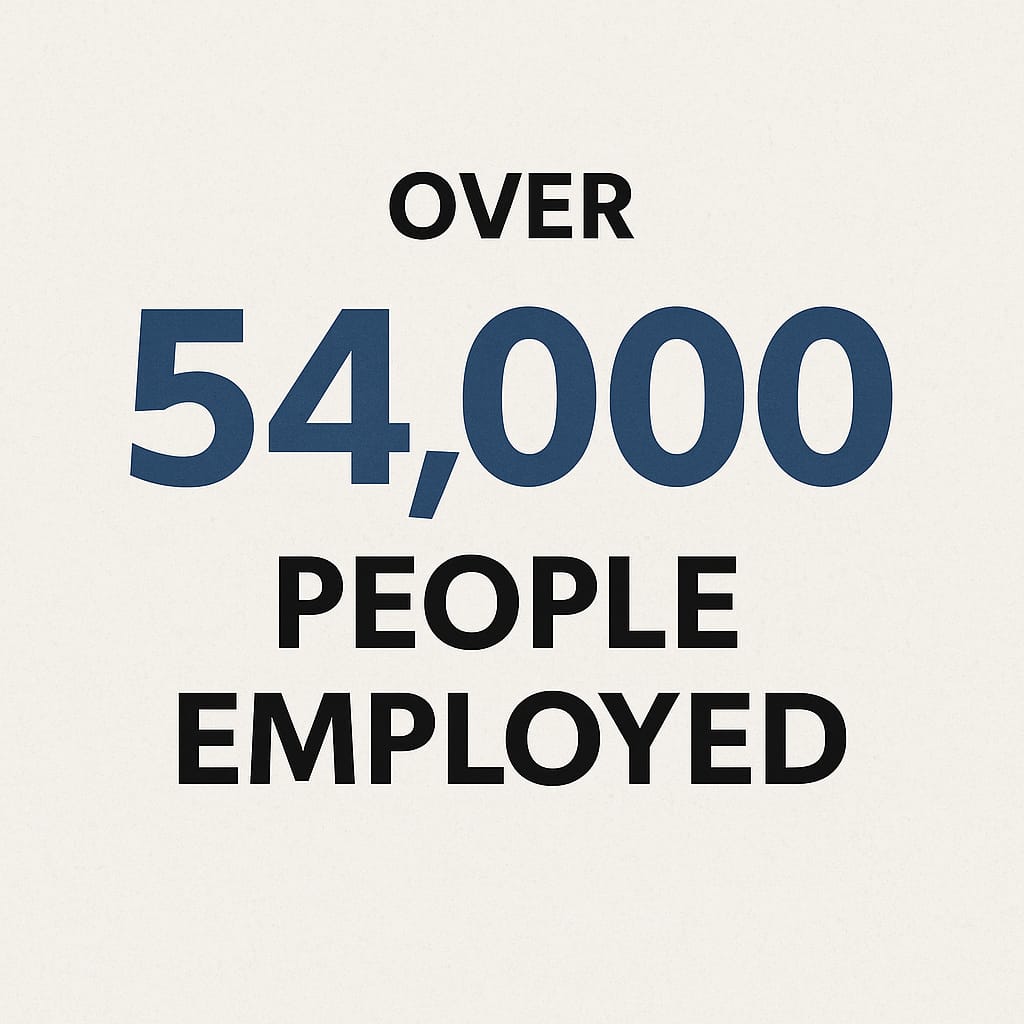
    Over 54,000 People Employed in Antigua and Barbuda, Jobless Rate Falls Below 5%

    The twin-island nation of Antigua and Barbuda has reached an unprecedented employment milestone, with Prime Minister Gaston Browne announcing that workforce participation has hit its highest level in modern history. During Thursday’s parliamentary presentation of the 2026 national budget, Browne revealed that over 54,000 citizens are now gainfully employed, pushing the national unemployment rate below the 5 percent threshold—a figure the administration characterizes as reaching ‘full-employment levels.’

    This remarkable turnaround represents a dramatic improvement from a decade ago, when unemployment lingered in double digits. Prime Minister Browne attributed this economic transformation to his government’s aggressive investment-driven development model and strategic policy interventions. Multiple sectors have contributed to this employment surge, with construction activity reaching a record $900 million, tourism arrivals rebounding strongly, and service industries expanding steadily.

    The administration’s capital investment programs have played a crucial role in both immediate job creation and long-term economic development. Major infrastructure initiatives—including housing developments, water system upgrades, and road rehabilitation projects—have generated substantial employment opportunities while building foundational assets for future growth.

    These employment gains coincide with other positive economic indicators: a projected 5 percent growth rate for 2026, nearly $7 billion in expected national output, and a primary fiscal surplus of $254.9 million. Looking forward, the government plans to continue its workforce development initiatives through educational investments including tuition-free access to the University of the West Indies Five Islands Campus after scheduled upgrades, full payment of CSEC examination fees starting in 2026, and expanded skills training programs.

    Parliamentary debate on the 2026 budget, which outlines these economic achievements and future plans, will continue next week.

  • Construction Sector Triples to $900M, PM Says, Marking a Decade of Unprecedented Expansion

    Construction Sector Triples to $900M, PM Says, Marking a Decade of Unprecedented Expansion

    Prime Minister Gaston Browne has announced a landmark achievement for Antigua and Barbuda’s economy, revealing that the nation’s construction industry has expanded dramatically to reach a valuation of $900 million. This figure represents a threefold increase, underscoring a period of exceptional growth over the past ten years.

    The announcement, made during a national address, highlights the sector’s transformation into a critical pillar of the country’s economic framework. The Prime Minister attributed this unprecedented expansion to a combination of strategic public infrastructure projects, a surge in private foreign direct investment, and a robust residential housing market driven by the Citizenship by Investment Program (CIP).

    This sustained boom has yielded significant socioeconomic benefits, including substantial job creation across various skill levels and a notable boost to ancillary industries such as manufacturing, quarrying, and retail. The government’s policy of fostering an investor-friendly environment is cited as a key catalyst for this growth, encouraging large-scale developments in tourism, commercial real estate, and luxury housing.

    The sector’s performance is widely regarded as a bellwether for the nation’s overall economic health, with its success creating a positive multiplier effect throughout the local economy. This decade of expansion not only demonstrates resilience but also positions the construction industry as a fundamental driver of Antigua and Barbuda’s continued development and prosperity.

  • Budget 2026 Promises ‘Most People-Centred’ Agenda in Nation’s History, PM Says

    Budget 2026 Promises ‘Most People-Centred’ Agenda in Nation’s History, PM Says

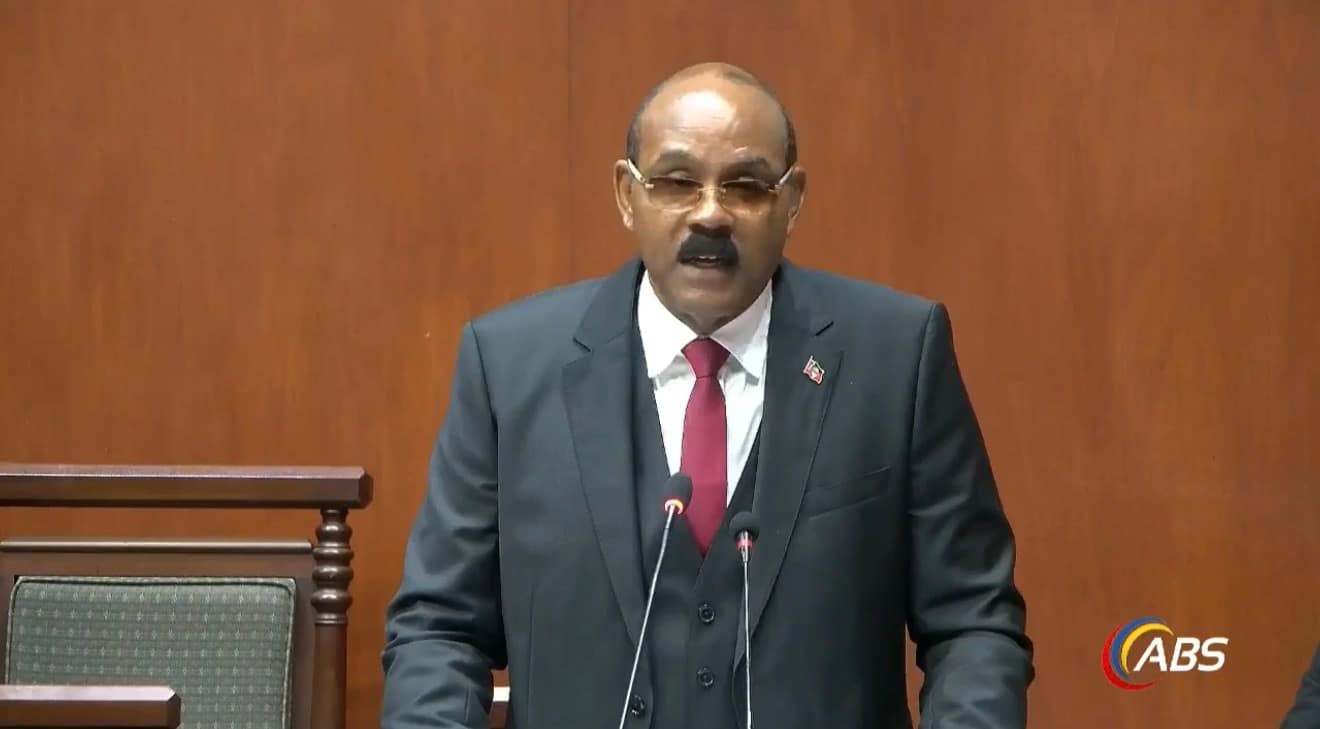
    Prime Minister Gaston Browne has announced a transformative fiscal blueprint for 2026, characterizing it as the most socially conscious budget in Antigua and Barbuda’s history. The comprehensive economic plan, presented under the banner “People-Centered Growth and Development,” represents a strategic shift from economic stabilization to widespread social prosperity.

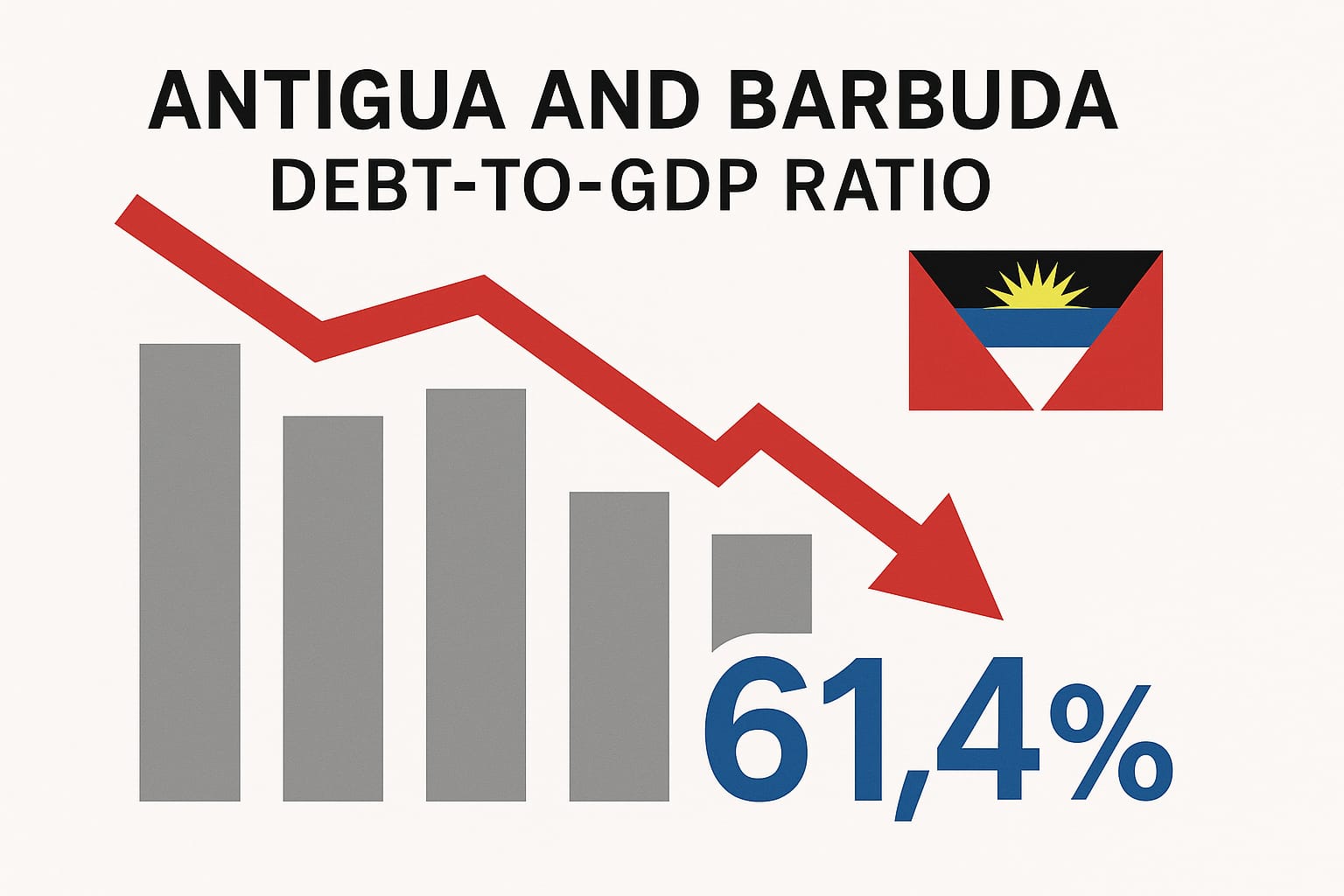
    Addressing Parliament on Thursday, Browne revealed impressive economic indicators supporting this ambitious agenda. The nation anticipates 5% economic growth in 2026, with gross domestic product approaching $7 billion. Fiscal metrics show remarkable improvement: a primary surplus of $254.9 million, overall surplus of $116.3 million, and debt-to-GDP ratio declining to 61.4%—nearing the Eastern Caribbean Currency Union’s 60% target for the first time.

    The administration’s economic transformation narrative highlights a journey from survival borrowing to surplus generation enabling substantial public investment. Strategic developments in tourism infrastructure, construction projects, housing initiatives, water systems, and port modernization have created broad-based economic momentum.

    Social program enhancements form the budget’s cornerstone. Commitments include fully subsidized university education at the upgraded University of the West Indies Five Islands Campus, government-covered secondary education examination fees starting 2026, and expanded affordable housing options. The measures further incorporate wage and pension increases alongside continued subsidies for essential commodities including fuel, electricity, and staple food items.

    Healthcare receives significant attention with allocated funding for a new $10 million renal treatment center and the revitalization of cancer care facilities. Infrastructure development focuses on road network improvements, enhanced water production capabilities, and climate-resilient construction to address hurricane vulnerabilities.

    While acknowledging persistent global economic challenges, Browne emphasized national resilience achieved through strategic planning and disciplined fiscal management. The Prime Minister urged continued stability, noting that sustained progress requires consistent commitment rather than occurring automatically.

    Ministers will provide detailed departmental breakdowns when parliamentary budget debates commence next week.

  • Debt-to-GDP Falls to 61.4%, PM Says, Bringing Antigua Closer Than Ever to ECCU Target

    Debt-to-GDP Falls to 61.4%, PM Says, Bringing Antigua Closer Than Ever to ECCU Target

    In a significant fiscal milestone, Antigua and Barbuda has achieved its most favorable debt position in over ten years, with Prime Minister Gaston Browne announcing a debt-to-GDP ratio of 61.4% during Thursday’s 2026 national budget presentation. This figure places the twin-island nation within immediate reach of the Eastern Caribbean Currency Union’s benchmark target of 60%, marking a transformative recovery from the 120% debt burden recorded in 2014.

    The Prime Minister characterized this dramatic reduction—effectively halving the national debt over eight years—as concrete validation of his administration’s strategic fiscal consolidation policies. Addressing Parliament, Browne emphasized that this achievement demonstrates ‘sound fiscal management’ and positions the country favorably for enhanced financial stability.

    Economic analysts note that approaching the ECCU benchmark carries substantial implications for the nation’s financial future. A lower debt ratio typically translates to improved credit ratings, reduced borrowing costs, and increased access to favorable financing terms—critical factors for sustainable economic development.

    The debt reduction coincides with impressive fiscal performance, including an overall surplus of $116.3 million and a primary surplus of $254.9 million. These positive indicators have been fueled by robust revenue generation across key sectors, particularly tourism, construction, and import-related activities.

    Browne’s fiscal update accompanied the presentation of the 2026 budget, themed ‘People-Centered Growth and Development,’ which prioritizes investments in education, healthcare, housing, and infrastructure. The Prime Minister assured that these initiatives would be supported by maintained fiscal discipline, noting that the government now comfortably covers all expenses, including interest payments, while retaining development funds.

    Parliamentary debate on the proposed budget is scheduled to resume next week, with lawmakers expected to examine the detailed spending plans within the context of the country’s improved economic standing.

  • Antigua and Barbuda Records $254.9M Primary Surplus, PM Announces in 2026 Budget

    Antigua and Barbuda Records $254.9M Primary Surplus, PM Announces in 2026 Budget

    In a landmark fiscal announcement, Antigua and Barbuda has revealed extraordinary financial results for the 2026 budget cycle, demonstrating one of the most robust economic performances in the nation’s contemporary history. Prime Minister Gaston Browne presented the national budget to Parliament on Thursday, disclosing a remarkable primary surplus of $254.9 million alongside an overall surplus of $116.3 million.

    The substantial surpluses signify a dramatic reversal from the significant deficits that plagued the nation’s economy over a decade ago. Prime Minister Browne attributed this financial transformation to stringent fiscal discipline, consistent economic growth, and enhanced revenue generation across multiple sectors. “Achieving a primary surplus exceeding a quarter billion dollars demonstrates our capacity to meet all financial obligations, including debt servicing, while retaining substantial reserves,” Browne stated, characterizing the figures as testament to a resilient and strategically managed economy.

    Critical to this fiscal success has been the dramatic improvement in the nation’s debt profile. According to Finance Ministry data, the debt-to-GDP ratio has been reduced to 61.4 percent—a sharp decline from the 120 percent level recorded when the current administration assumed office eleven years ago. This improved debt position enables the government to pursue ambitious public investment initiatives while reinforcing social safety nets for vulnerable populations.

    The economic resurgence has been fueled by multiple factors including sustained growth patterns, revitalized tourism numbers, heightened construction activity, and increased import volumes. Enhanced tax compliance measures and broader post-pandemic recovery trends have further bolstered government revenues.

    Under the theme “People-Centered Growth and Development,” the 2026 budget prioritizes strategic investments in education, healthcare, housing, and infrastructure development. These initiatives will be funded through the nation’s strengthened fiscal position without requiring additional borrowing.
    Parliamentary debate on the budget proposal is scheduled to commence next week, setting the stage for legislative approval of the government’s economic agenda.

  • PHOTOS: C.O. Williams Pushes Ahead with Road Surface Works in Pares Village

    PHOTOS: C.O. Williams Pushes Ahead with Road Surface Works in Pares Village

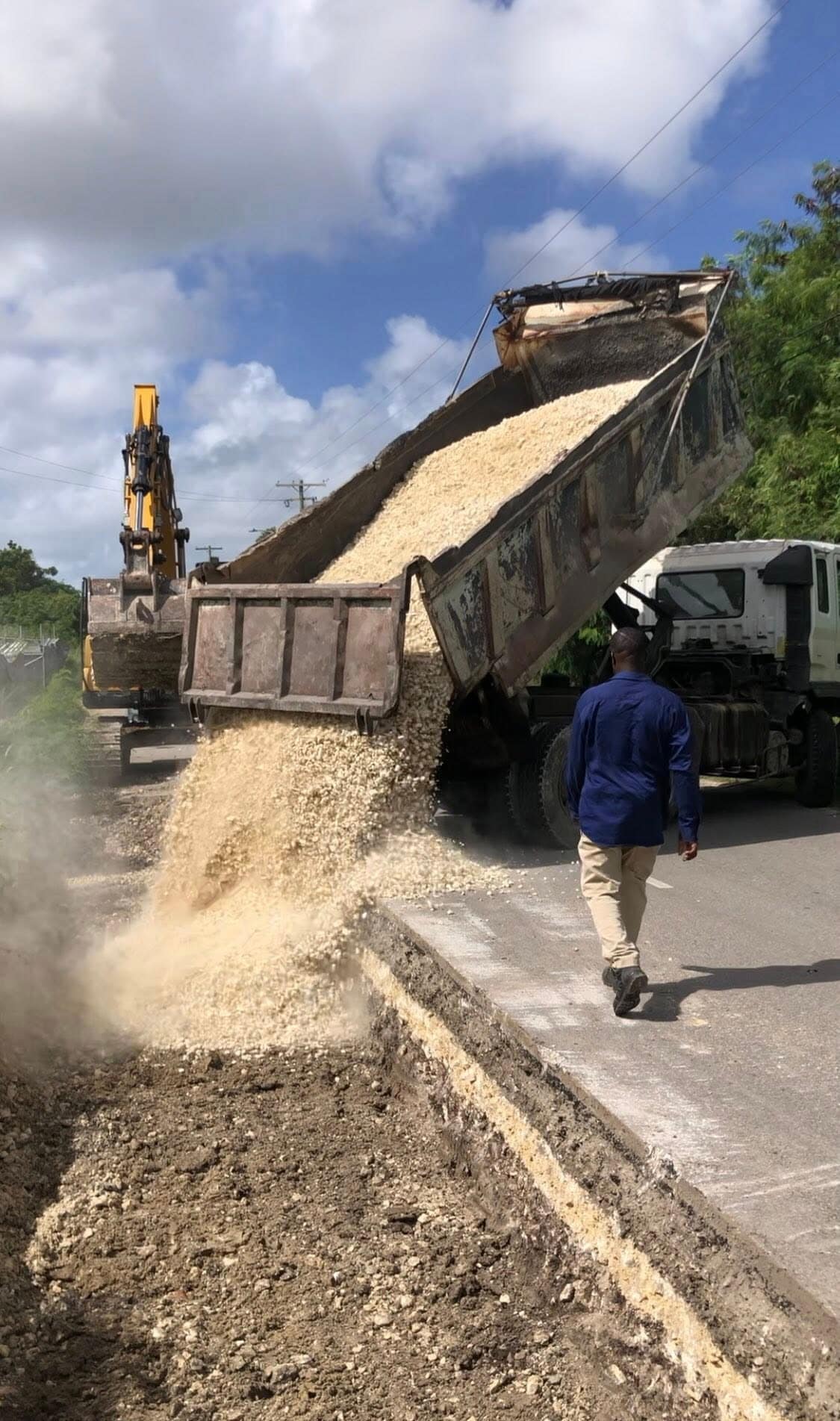
    Infrastructure enhancement efforts are progressing steadily in Antigua as C.O. Williams Ltd. (Antigua) advances its comprehensive asphalt preparation and repair initiative along the Sir Sydney Walling Highway in Pares Village. The ongoing project represents a significant investment in the island’s transportation infrastructure, focusing on improving road safety and driving conditions for local residents and visitors alike. Construction crews are methodically working to address surface deterioration and structural weaknesses that have developed over time through weather exposure and constant traffic flow. The rehabilitation strategy involves meticulous preparation of the existing roadbed followed by application of premium-grade asphalt materials designed to withstand tropical climate conditions. While temporary traffic management measures are in effect to facilitate the construction process, motorists are advised to exercise caution when traversing the work zones and consider alternative routes during peak construction hours. The project timeline anticipates minimal disruption to daily commutes, with most intensive work scheduled during lower-traffic periods. This infrastructure improvement initiative forms part of broader governmental efforts to modernize Antigua’s road network and enhance connectivity between key communities and economic centers across the island.

  • ABLP Rural West Branch Honours Long-Serving Supporters at Appreciation Luncheon

    ABLP Rural West Branch Honours Long-Serving Supporters at Appreciation Luncheon

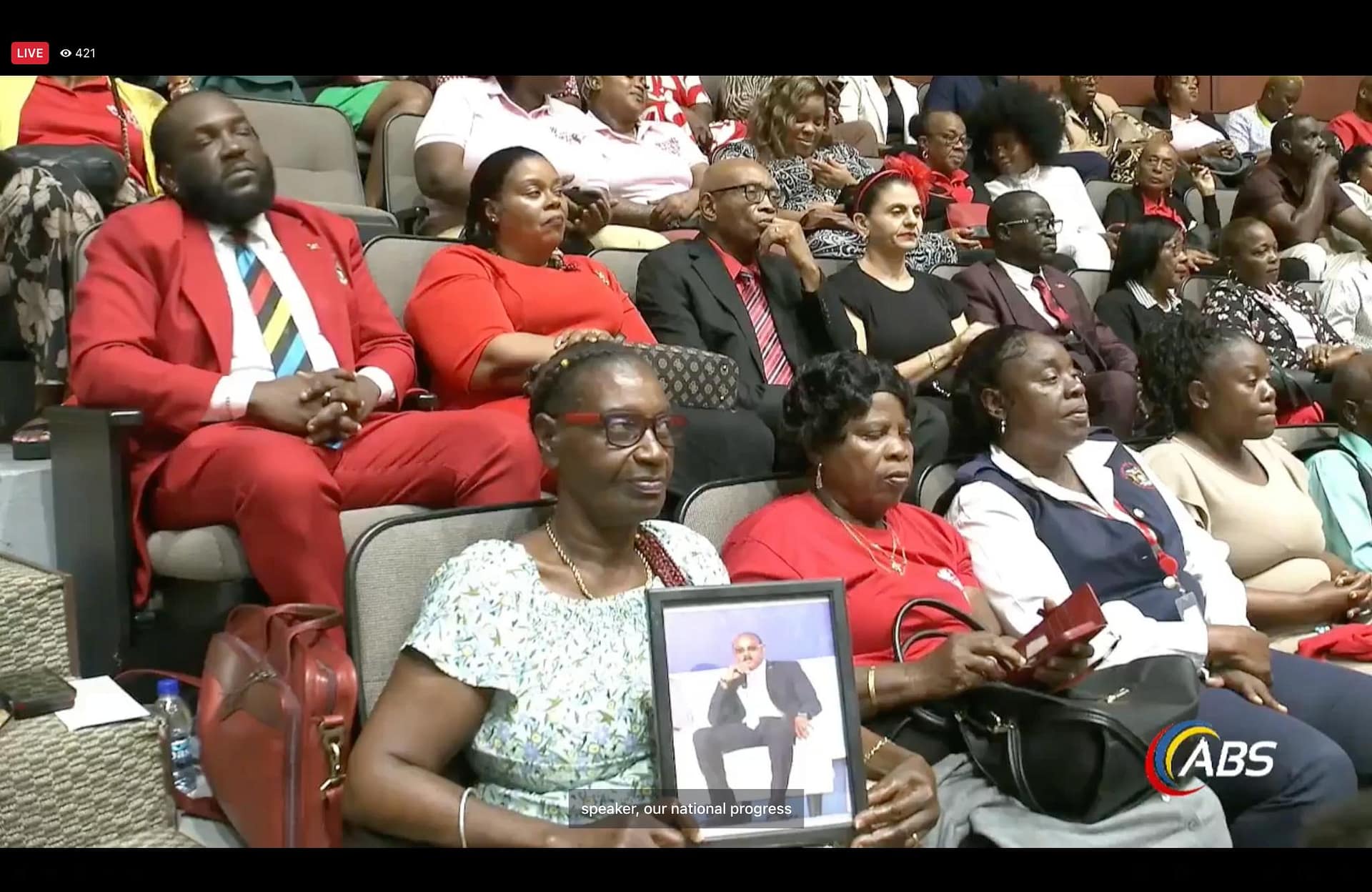
    The St John’s Rural West Branch of the Antigua and Barbuda Labour Party hosted a special appreciation luncheon this week, celebrating over sixty of its most dedicated long-term supporters. The event served as a formal recognition ceremony for community members whose sustained loyalty and voluntary efforts have significantly contributed to the constituency’s political work across multiple decades.

    Branch officials characterized the gathering as both a heartfelt tribute and a strategic initiative to honor those who have fundamentally shaped the area’s developmental trajectory. According to organizers, these individuals have not only ‘paved the way’ through their unwavering commitment but have also established a strong foundation for the party’s ongoing community engagement efforts.

    Attendee Carol Bird expressed appreciation for the recognition, commending branch leadership for what she described as a profoundly meaningful gesture. ‘This reflects the strength of our team and the dedication of our supporters,’ Bird remarked, highlighting the symbiotic relationship between the party and its grassroots base.

    Beyond commemorating historical contributions, organizers clarified that the luncheon was designed to reinforce collective unity and strengthen organizational cohesion. The event represents part of a broader strategy to maintain active engagement with community stakeholders while advancing the branch’s ongoing initiatives throughout the St John’s Rural West constituency.

  • Government to Cover CSEC Exam Fees for All Students in 2026, Browne Announces

    Government to Cover CSEC Exam Fees for All Students in 2026, Browne Announces

    In a landmark announcement during Wednesday’s parliamentary budget session, Prime Minister Gaston Browne revealed transformative educational reforms that will eliminate tuition costs for qualifying citizens at key higher education institutions. The sweeping initiative, presented as part of the 2026 national budget, represents a significant investment in human capital development for the Caribbean nation.

    Central to the education overhaul is the commitment to provide tuition-free access to the University of the West Indies Five Islands Campus for eligible Antiguan citizens. This benefit will take effect upon completion of current infrastructure enhancements underway at the institution. The government simultaneously declared that tuition fees at the Antigua and Barbuda College of Advance Studies will be abolished entirely beginning in 2026.

    In a complementary measure aimed at supporting secondary education, the administration will assume financial responsibility for all students undertaking CSEC (Caribbean Secondary Education Certificate) examinations. Prime Minister Browne characterized these initiatives as strategic investments designed to broaden educational accessibility while alleviating economic burdens on families nationwide.

    The comprehensive educational package forms part of a broader developmental agenda that prioritizes human resource development as fundamental to national progress. Further details regarding implementation timelines and eligibility criteria are anticipated in forthcoming government communications.

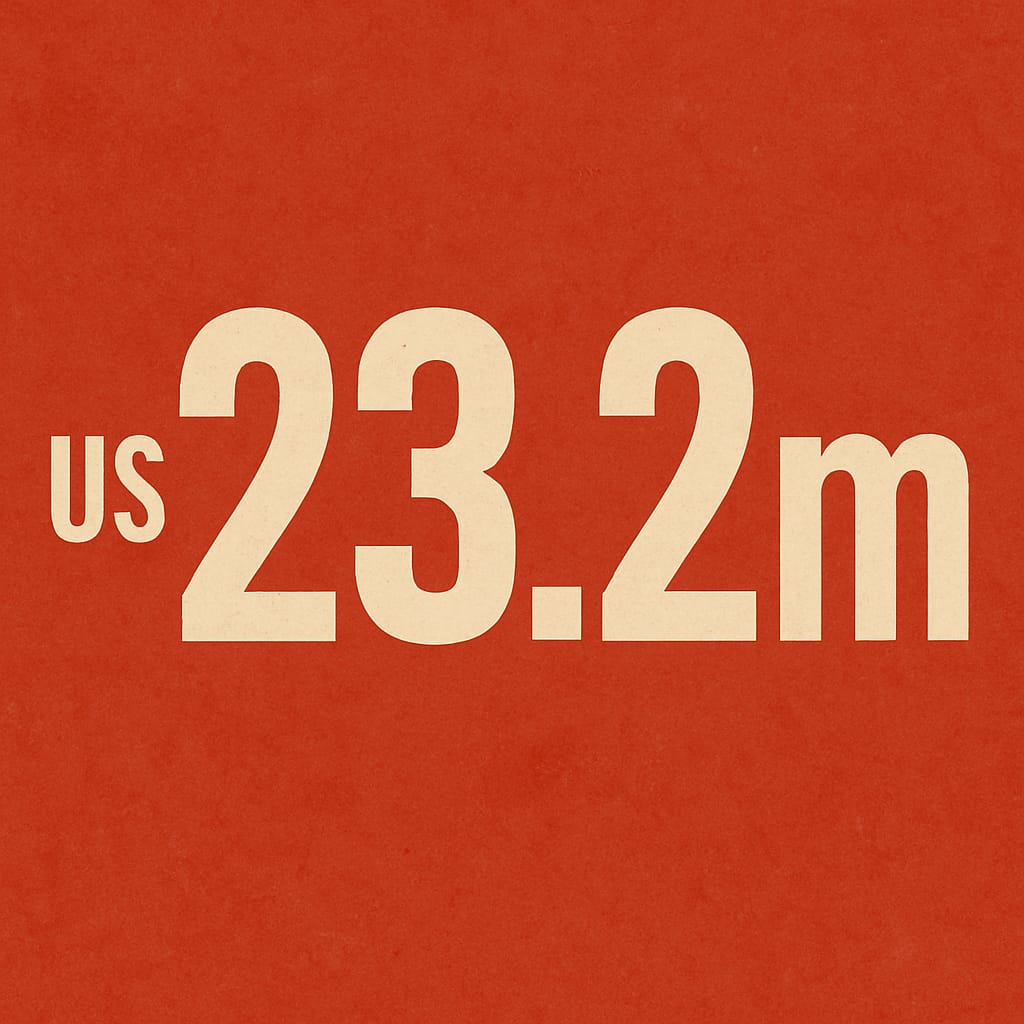
  • Short-term rentals generated US$23.2m in Antigua and Barbuda

    Short-term rentals generated US$23.2m in Antigua and Barbuda

    New regional data exposes significant economic imbalances within the Caribbean’s short-term rental market, with four destinations accounting for the overwhelming majority of tourism revenue while smaller nations struggle to gain foothold in the lucrative sector.

    According to AirROI’s comprehensive analysis covering October 2024 through October 2025, the entire CARICOM region generated approximately $396 million from vacation rental properties. However, this wealth distribution reveals a pronounced concentration, with The Bahamas, Jamaica, Belize, and Barbados collectively capturing 84% of total market revenue.

    The Bahamas emerged as the undisputed regional leader, amassing $148.6 million in short-term rental earnings—representing nearly 38% of all CARICOM income in this sector. Jamaica secured second position with $80.8 million, followed by Belize at $53.4 million and Barbados with $51.3 million.

    Antigua and Barbuda positioned itself as a mid-tier performer within the regional landscape, generating $23.2 million during the tracking period. This performance placed the twin-island nation ahead of Eastern Caribbean counterparts including St. Lucia, which recorded $13 million in short-term rental revenue.

    The data reveals particularly challenging conditions for smaller Caribbean territories. Montserrat’s vacation rental market produced merely $123,700 over the thirteen-month period, while Haiti and Dominica registered $175,200 and $487,000 respectively, highlighting the structural challenges facing less-developed tourism markets in the region.

    This detailed market analysis provides crucial insights into the Caribbean’s evolving tourism economy, demonstrating how short-term rental platforms are reshaping regional economic dynamics while simultaneously exacerbating existing disparities between established and emerging tourist destinations.