博客

  • SVREL issues update on Caymanas Park operations after Hurricane Melissa

    SVREL issues update on Caymanas Park operations after Hurricane Melissa

    Supreme Ventures Racing and Entertainment Limited (SVREL), the exclusive promoter of horse racing in Jamaica, has detailed its recovery plans for Caymanas Park in the wake of Hurricane Melissa. In a recent press release, the company expressed its heartfelt concern for all Jamaicans affected by the storm, emphasizing its commitment to safety and swift restoration.

    Initial assessments at Caymanas Park revealed damage to five stables, with repair teams already mobilized to address the issues. SVREL is prioritizing the resolution of electrical, structural, and technological challenges to ensure the facility’s safety and operational efficiency. Notably, the racing surface remains intact and ready for use.

    To minimize disruptions for racing enthusiasts, SVREL has confirmed that simulcast racing will resume on October 31, 2025, at Caymanas Park and select Off-Track Betting (OTB) locations in Kingston, St. Andrew, and St. Catherine. Live racing, however, remains temporarily suspended, with a resumption date to be announced later. OTB locations in other parishes will stay closed as recovery efforts continue, with updates to follow when it is safe to reopen.

    SVREL concluded its statement with a message of solidarity: ‘Our hearts go out to all who have been impacted by Hurricane Melissa. We stand together with you in strength and solidarity as we rebuild. Thank you for your patience, understanding, and continued support.’
  • Nick Lue’s top 5 reasons EVs are taking over Jamaica’s roads

    Nick Lue’s top 5 reasons EVs are taking over Jamaica’s roads

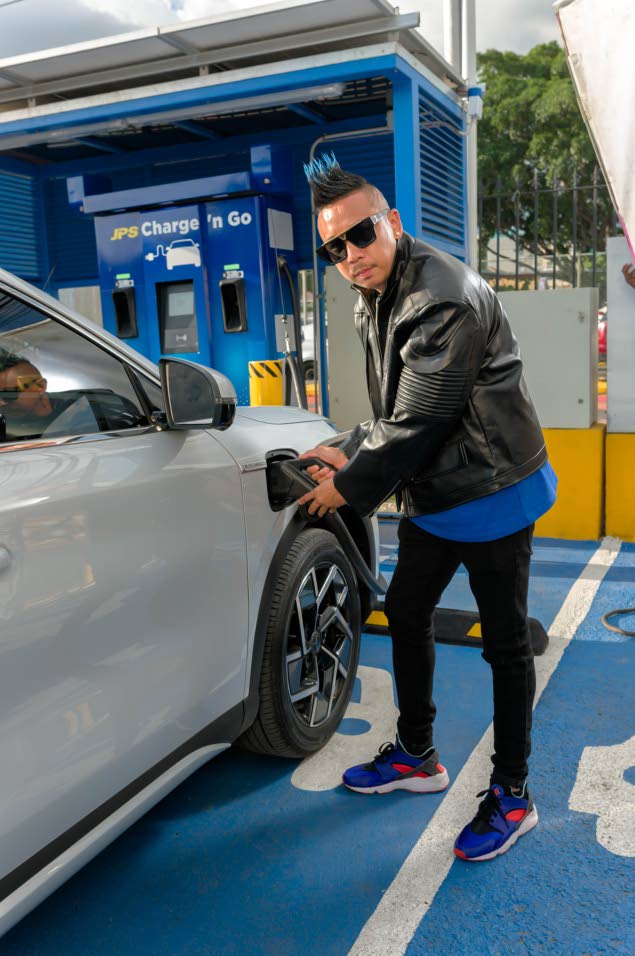
    Nick Lue, renowned for his SKVNKLifestyle brand rooted in speed and performance, is now at the forefront of Jamaica’s electric vehicle (EV) movement. As the nation increasingly considers the transition from gasoline to electric, Lue has become a pivotal voice, test-driving the latest models and simplifying the EV experience for Jamaicans. In a recent interview, he shared the top five reasons why EVs are gaining momentum in Jamaica. Firstly, the instant torque of EVs offers an exhilarating driving experience, with immediate acceleration that surpasses traditional combustion engines. Secondly, soaring gas prices have made EVs a financially attractive alternative, with significant savings on charging costs. Thirdly, the EV market has diversified, with brands like BYD, MG, and Audi offering models tailored to local needs and budgets. Fourthly, the advanced technology in EVs, from intelligent navigation to remote control via smartphone apps, provides a futuristic driving experience. Lastly, the cultural shift towards embracing something new and stylish has fueled the EV hype. Lue believes that the combination of performance, savings, and innovation ensures that EVs are not just a trend but a lasting transformation in Jamaica’s automotive landscape.

  • Dominican students to represent country in first Global Robotics Challenge 2025 in Panama

    Dominican students to represent country in first Global Robotics Challenge 2025 in Panama

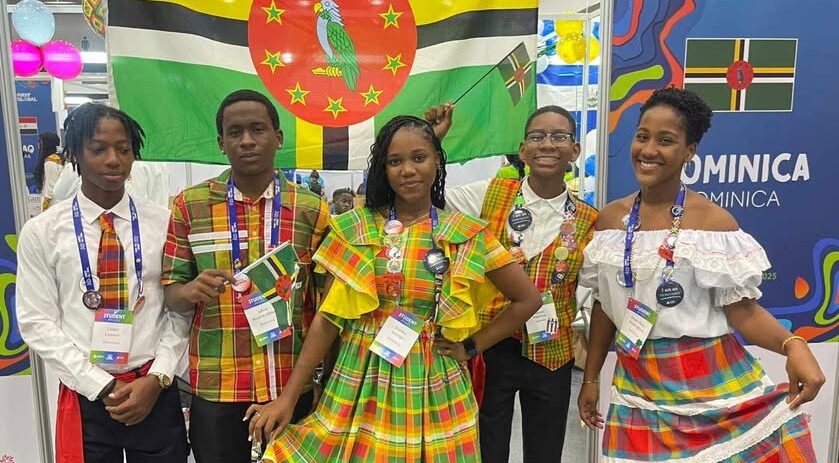
    The Dominica Robotics Association, bolstered by a coalition of sponsors and community partners such as Create Caribbean, NTRC, 767.Dev, Jaydees Naturals, and Astaphans, has proudly announced that a team of Dominican students will represent the nation at the prestigious FIRST Global Robotics Challenge 2025 in Panama. This international event brings together young innovators from across the Caribbean and the globe, inspiring them to create robots that address pressing real-world challenges through cutting-edge science and technology. The Dominican delegation consists of five exceptionally talented students from Dominica State College and St. Mary’s Academy, each excelling in fields like computer science, mechanical engineering, information technology, and scientific research. The team members include Dianka George, Cadel Casimir, Khae-Ryan Shillingford, Jahim Riviere-Alfred, and Kaelan Matthew. They will be mentored by Phoenix Jacques and Co-Mentor Odessa Dinnard. The association expressed its confidence in the team’s ability to showcase Dominica’s innovation and technical prowess on the global stage. Additionally, the organization has extended an invitation to other passionate students aged 13 to 18 with an interest in robotics, engineering, or technology to join the national team or related projects by contacting them via email at [email protected].

  • Trump Cuts Tariffs on China in Exchange for Fentanyl Crackdown

    Trump Cuts Tariffs on China in Exchange for Fentanyl Crackdown

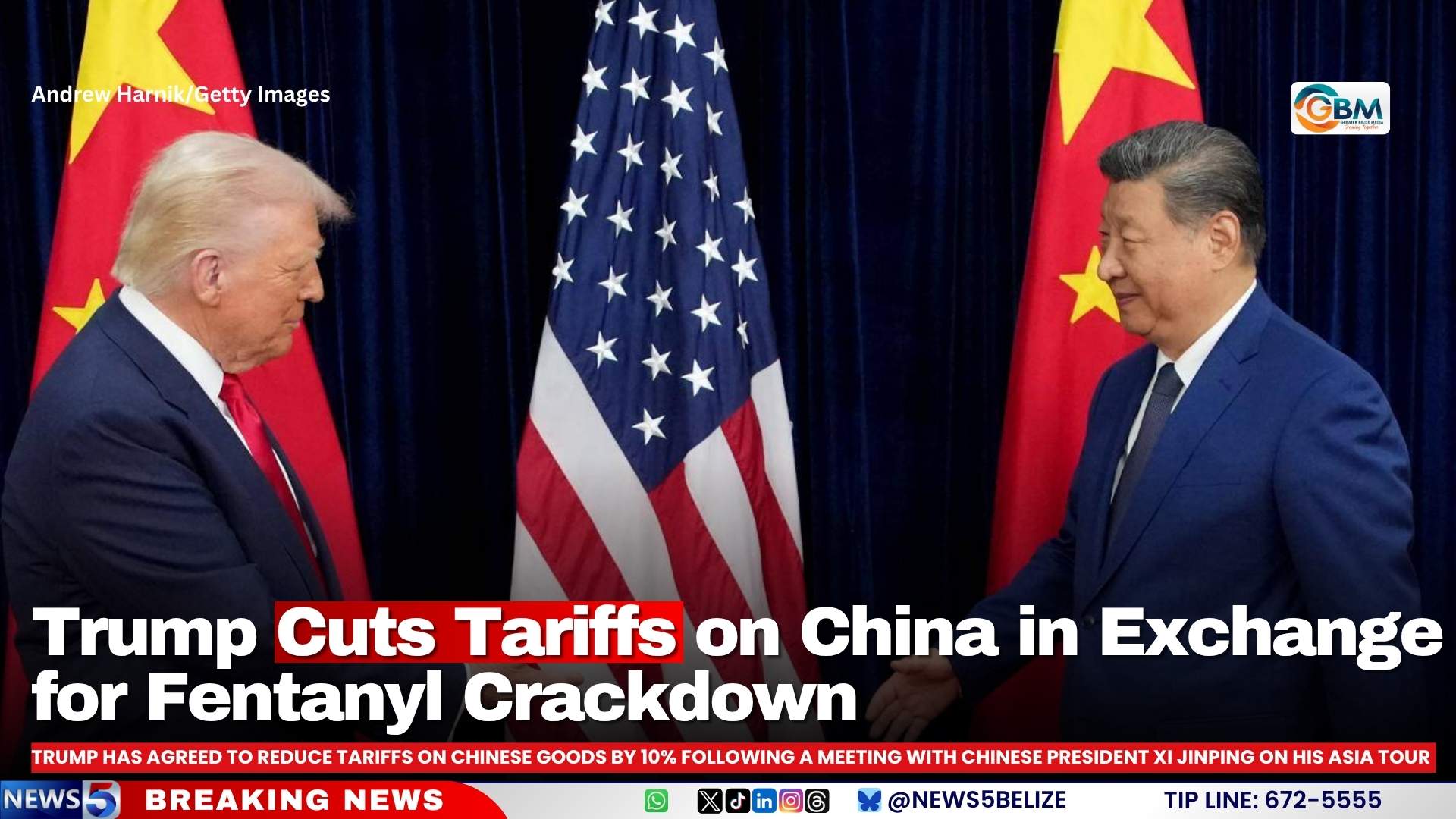
    In a significant diplomatic move, President Donald Trump has agreed to reduce tariffs on Chinese goods by 10% following a high-stakes meeting with Chinese President Xi Jinping during his Asia tour. The tariff reduction comes in exchange for Beijing’s renewed commitment to crack down on fentanyl exports, a critical issue for the United States. Speaking to reporters aboard Air Force One, Trump lauded the meeting as a “12 out of 10” and expressed optimism that a comprehensive trade deal is within reach. He also confirmed plans to visit China in April, with Xi expected to reciprocate with a visit to the U.S. later in the year. Trump justified the tariff cut by highlighting China’s “very strong action” on fentanyl, including adding key precursor chemicals to its controlled substances list and curbing black-market exports. U.S. agencies have observed a decline in fentanyl purity and border seizures, indicating some success in China’s efforts. However, critics caution that the deal is a gamble, given Trump’s previous accusations of China failing to honor similar commitments. Additionally, Beijing has yet to confirm a final agreement on TikTok’s U.S. operations, another contentious issue in trade talks. The deal also risks straining relations with Mexico and Canada, both of which face increased tariffs despite their own anti-fentanyl efforts. Canada, which accounts for less than 1% of fentanyl entering the U.S., may perceive the move as particularly unfair. Meanwhile, China retains significant leverage in the trade war, having restricted rare-earth exports, halted U.S. soybean purchases, and limited access to its AI chip market. Trump’s tariff rollback may be an attempt to regain strategic footing in a trade conflict where China has often dictated the pace.

  • Suriname maakt indruk op prestigieus mode- en designfestival Nicaragua Diseña

    Suriname maakt indruk op prestigieus mode- en designfestival Nicaragua Diseña

    Suriname made a remarkable impact at the 14th edition of Nicaragua Diseña, Latin America’s premier fashion and design platform. The Surinamese delegation, led by Ambassador Wendy Paulus-Aminta, founder of SrananProdo International, included two designers, international top model Sharda Moira Johnn, and Anushka Ramesar-Gopalrai, Chairwoman of the Women Economic Foundation Suriname (WEF). The event, held from October 24 to 26 at the Olof Palme Convention Center in Managua, attracted participants from Colombia, Mexico, Peru, Vietnam, and China. Suriname was the only Caricom nation to participate for the second time, positioning itself as a bridge for future Caribbean involvement. Designers Heidi Asongie of Orichic Design and Julio Irokromo of Attitude Design received widespread acclaim for their collections inspired by Surinamese nature and culture, featuring elements like pangi’s, tembe art, and traditional indigenous clothing. Suriname was described as ‘the talk of the day’ by attendees. Ambassador Paulus expressed pride, stating, ‘Our designers not only brilliantly showcased our culture but also opened doors for new regional collaborations.’ Sharda Moira Johnn graced the runway and conducted a masterclass for over a hundred models, while Gopalrai engaged in discussions with Nicaraguan government agencies about collaboration in the creative and women’s entrepreneurship sectors. Paulus emphasized, ‘This participation proves that Suriname is ready to build its own international platform for creative expression and partnership.’

  • NGO calls for stronger community action after Chapman Lane shooting

    NGO calls for stronger community action after Chapman Lane shooting

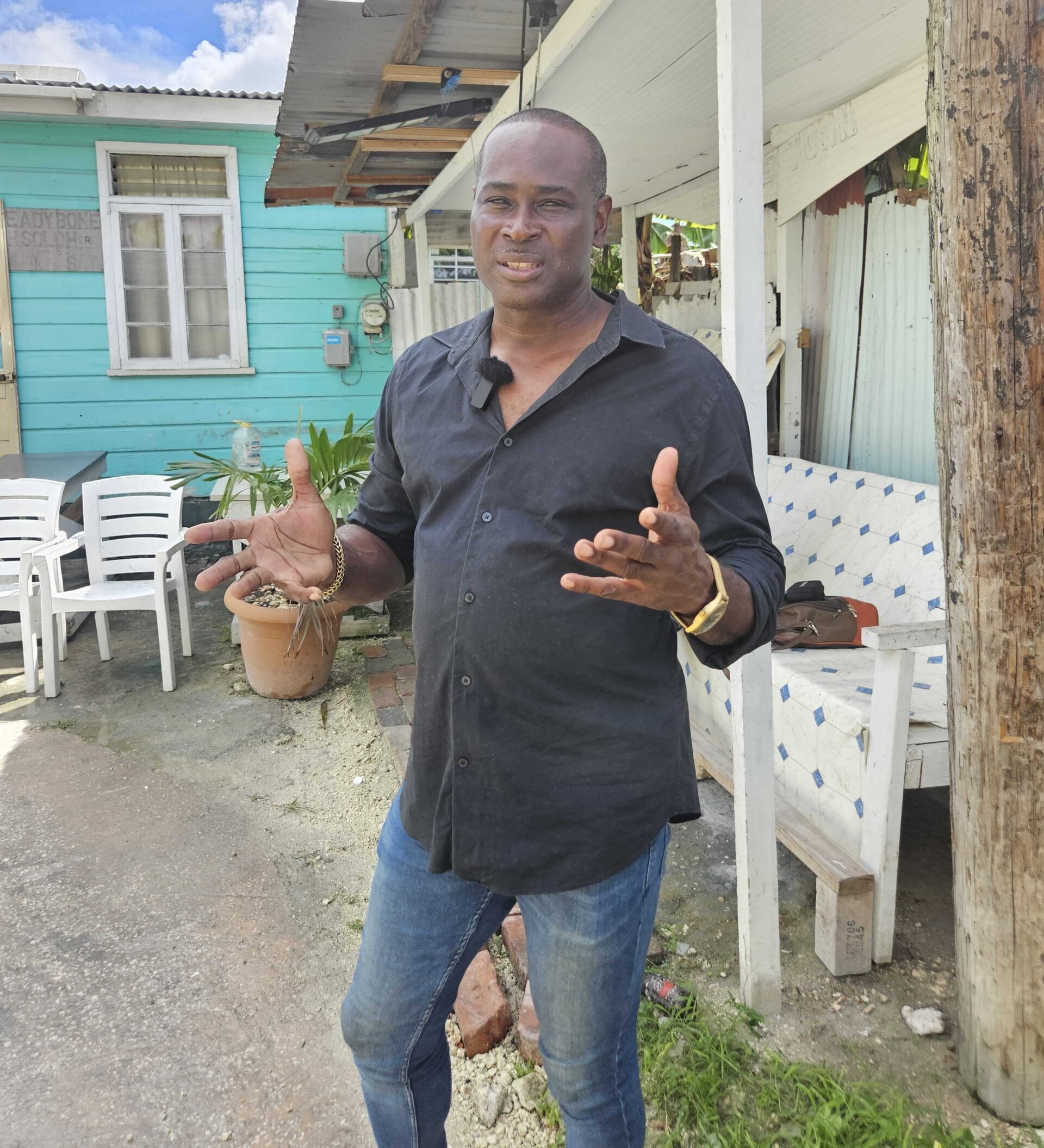
    In the wake of the tragic shooting of 30-year-old Kadeem Jelani Maycock on Wednesday, members of the Executive Coalition NGO are advocating for intensified community-driven initiatives to address escalating violence. Maycock, a resident of 3rd Avenue, Chapman Lane, St Michael, was fatally shot near his home, where he had been living with his grandmother until her passing two months prior. Henderson Williams, Chief Executive Officer of the Coalition, recounted that the incident occurred while he and his team were engaging with locals about the forthcoming ‘We Gatherin” activities, slated to commence in November. Williams emphasized that this tragedy highlights the pressing necessity for robust social engagement and youth intervention programs to curb violence in vulnerable neighborhoods. He reiterated the Coalition’s dedication to collaborating with government bodies and community members to foster trust and reinforce neighborhood unity.

  • Condos at The Beach Club, Barbuda Start at $7 Million as Luxury Sales Launch

    Condos at The Beach Club, Barbuda Start at $7 Million as Luxury Sales Launch

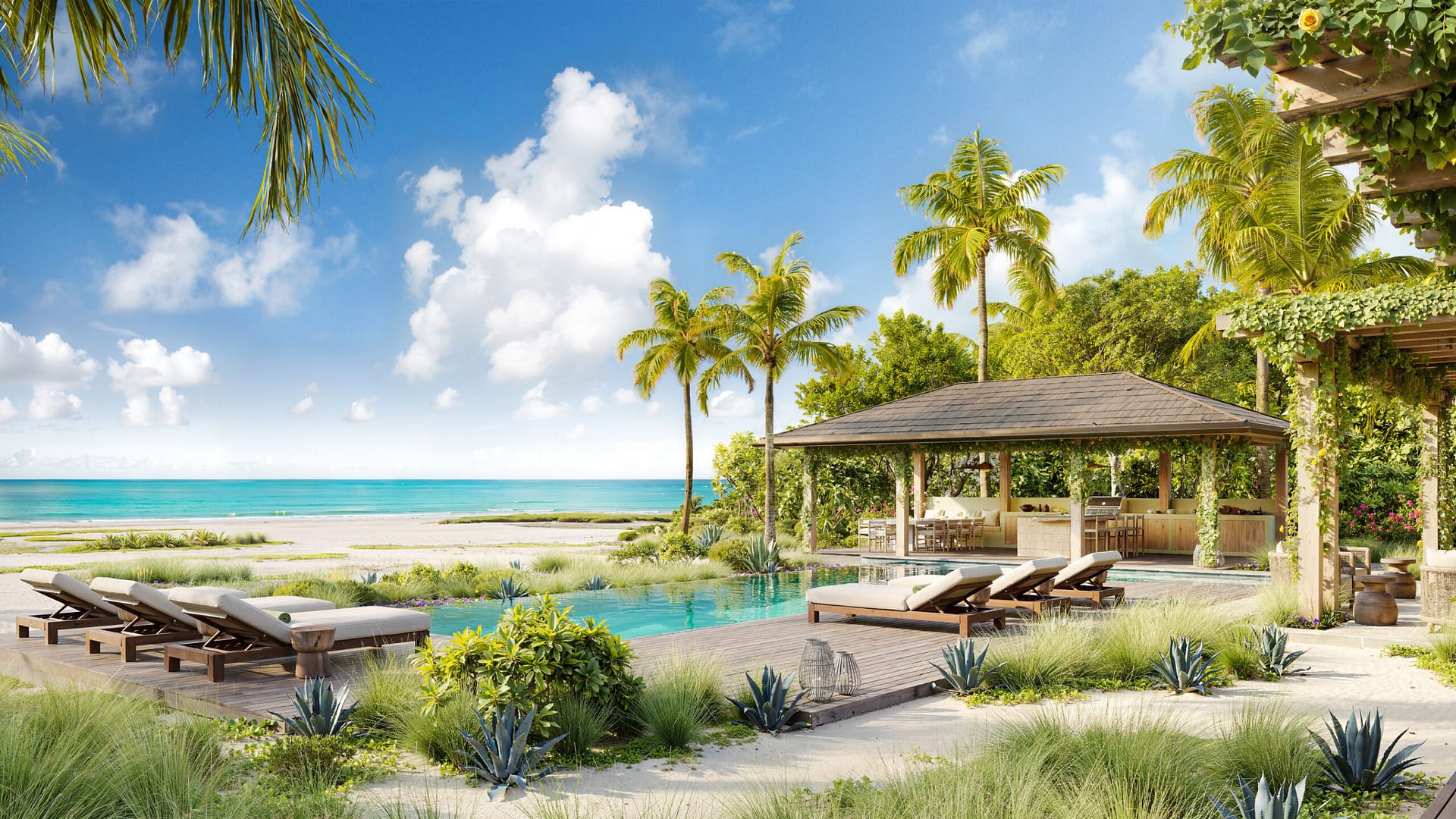
    The Beach Club, Barbuda, has unveiled its exclusive collection of ultra-luxury beachfront residences, with prices ranging from US$7 million for The Beach Club Villas to US$15 million for The Beach Club Estates. The Nobu Beach Inn Residences, fully serviced by the Nobu Beach Inn, start at US$12 million. Spanning 400 acres of pristine coastline, this ambitious project is the brainchild of founders Robert De Niro, Daniel Shamoon, and James Packer. Central to the development is the Nobu Beach Inn resort, expected to be completed by late 2026, which will offer private homes, villas, and estates designed to blend world-class hospitality with a nature-first, low-impact approach. Managing Partner Daniel Shamoon described the resort as ‘a discreet, low-key destination where world-class hospitality subtly meets the ease of Caribbean living,’ promising buyers and guests a ‘true toes-in-the-sand, barefoot luxury experience.’ The development features three residential options: the Nobu Beach Inn Residences, comprising 25 serviced beachfront homes ranging from 5,000 to 6,000 sq. ft.; The Beach Club Villas, offering 23 one-acre beachfront lots with flexible layouts; and The Beach Club Estates, consisting of seven six-acre plots with up to 480 ft. of shoreline. Amenities include the Nobu Barbuda restaurant, an omakase sushi bar, an oceanfront pool, a spa, and tennis courts. Sustainability is a key focus, with the resort utilizing renewable energy, an on-site farm, and employing local Barbudans. Located on Barbuda’s southwest coast, The Beach Club is conveniently accessible via the new Burton Nibbs International Airport, with private jet and inter-island connections from Antigua just 10 minutes away.

  • Antigua and Barbuda Engages in Landmark Biodiversity Talks in Panama

    Antigua and Barbuda Engages in Landmark Biodiversity Talks in Panama

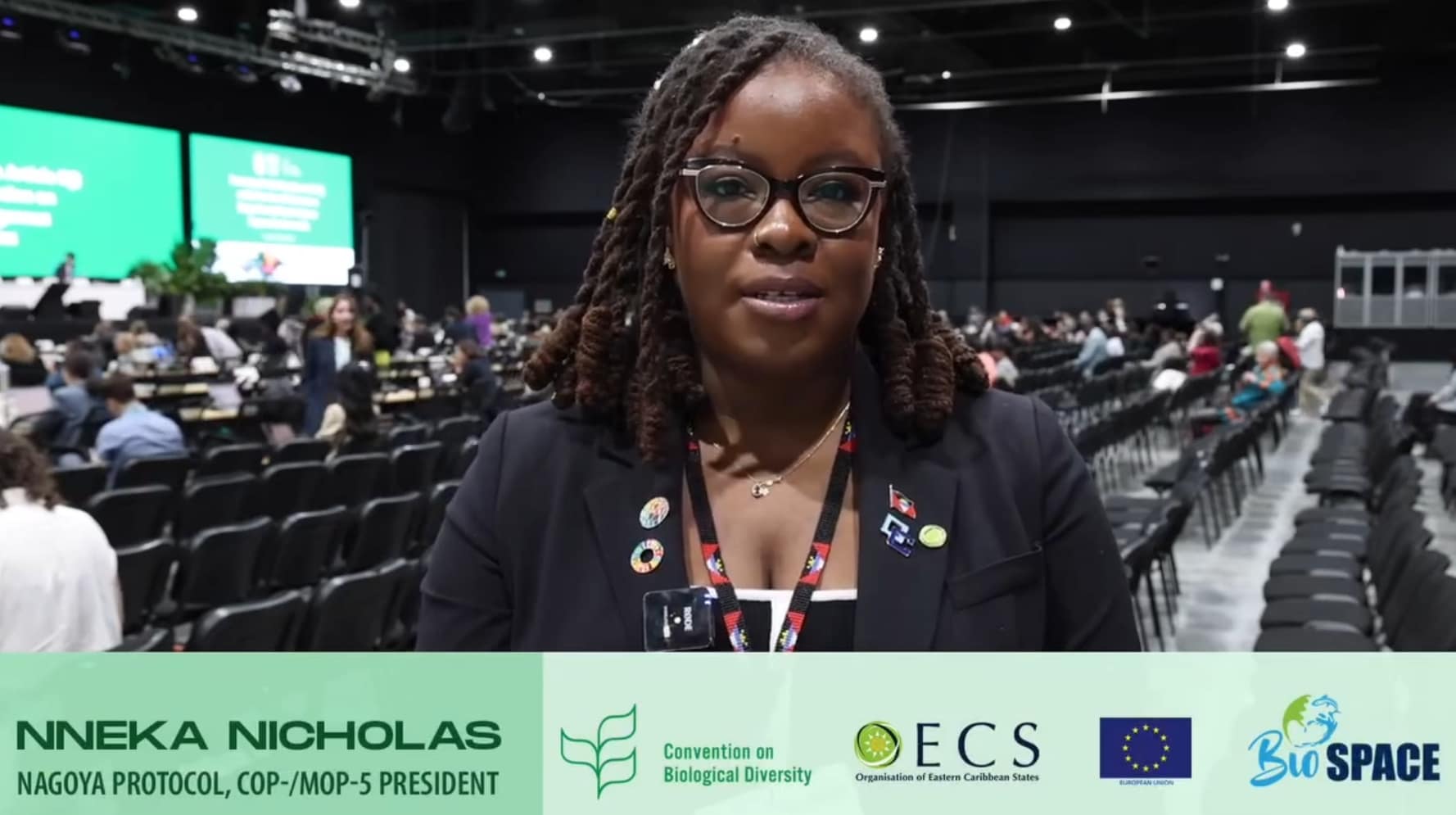
    Antigua and Barbuda is stepping into a pivotal role in global biodiversity governance as the inaugural meeting of the Subsidiary Body on Article 8(j) of the Convention on Biological Diversity commences in Panama City. Nneka Nicholas, Head of Delegation and President of the Nagoya Protocol COP/MOP-5, underscored the significance of this gathering for Indigenous Peoples and Local Communities (IPLCs) throughout the region. She articulated that the newly established body, a product of COP16, is designed to bolster the knowledge, innovations, and practices of IPLCs that are crucial for biodiversity conservation. This Subsidiary Body, which replaces the former Ad Hoc Working Group, is fully aligned with the Kunming-Montreal Global Biodiversity Framework. This alignment signifies a revitalized dedication to incorporating Indigenous knowledge into international biodiversity strategies, marking a significant step forward in global environmental governance.

  • Liberty Caribbean Foundation Mobilises Relief for Jamaica

    Liberty Caribbean Foundation Mobilises Relief for Jamaica

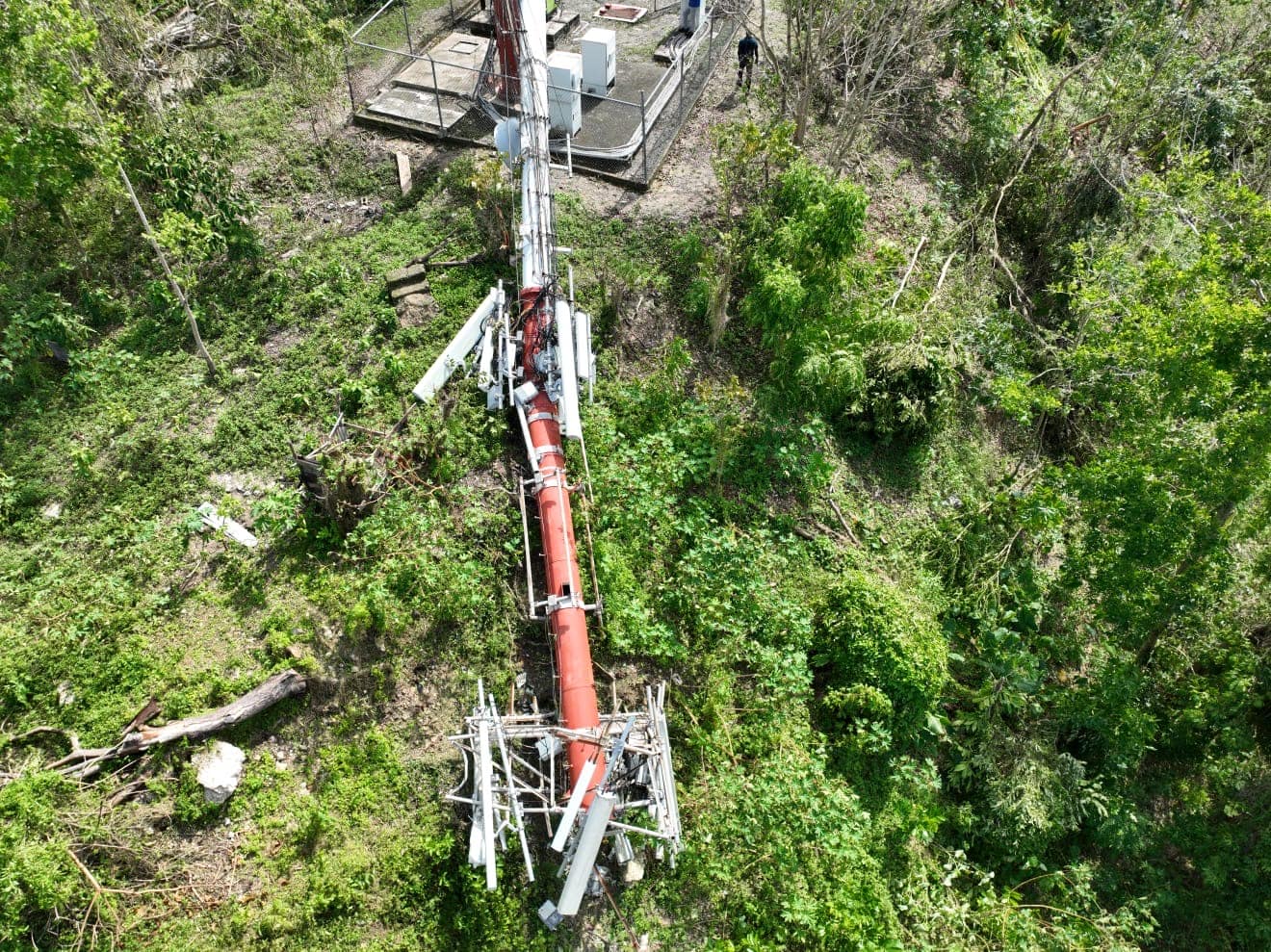
    In response to the catastrophic impact of Hurricane Melissa, the Liberty Caribbean Foundation has launched an immediate regional relief initiative to aid affected colleagues, families, and communities across Jamaica. The Foundation, the charitable arm of Flow and Liberty Business, has strategically positioned relief supplies and established logistics to deliver essential resources such as food, water, emergency kits, and connectivity solutions to devastated areas as soon as local authorities permit safe access. Ensuring the safety of staff remains the top priority, with teams actively verifying the well-being of all employees. While outreach efforts continue, the Foundation is prepared to commence relief shipments at the earliest opportunity, pending official clearance. Inge Smidts, Chief Executive Officer of Liberty Caribbean, emphasized, ‘Our primary responsibility is to our people and the communities that depend on us. We have mobilized resources across the region to ensure a swift, coordinated, and responsible response. Wherever it is safe to provide assistance, we will be there—offering immediate relief and supporting long-term recovery.’ The Foundation is collaborating closely with national and local authorities, community organizations, and trusted relief partners to efficiently target assistance, avoid duplication, and ensure aid reaches the most vulnerable households and shelter populations. Simultaneously, Liberty Caribbean’s crisis-management teams are prioritizing employee welfare and the restoration of critical communications infrastructure. Smidts added, ‘We understand that recovery will be a prolonged effort. Beyond emergency supplies, we are committed to partnering with local organizations on rebuilding and resilience initiatives that restore livelihoods and strengthen communities. The Foundation will remain engaged for as long as necessary.’ Hurricane Melissa, which made landfall in southwestern Jamaica on October 28 as a Category 5 hurricane with maximum sustained winds of 185 mph, tied with Hurricane Dorian (2019) and the 1935 ‘Labor Day’ hurricane for the strongest Atlantic hurricane landfall on record by wind speed. The Foundation is calling for public and corporate support to scale relief operations. Donations will directly fund the procurement and delivery of essential supplies and support long-term recovery programs in the hardest-hit communities. Secure online donations can be made at: https://www.libertycaribbeanfoundation.org/hurricane-relief.

  • Climate Events Drain Caribbean Economies by 2.13% of GDP Each Year

    Climate Events Drain Caribbean Economies by 2.13% of GDP Each Year

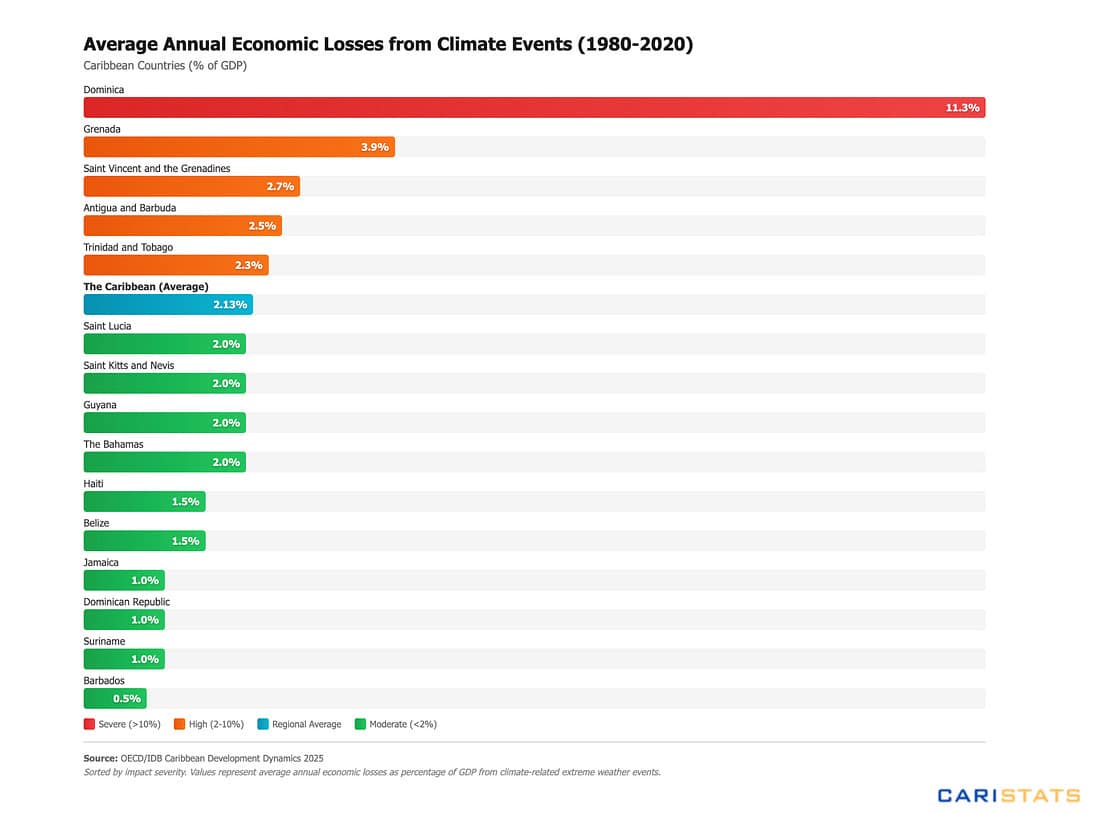
    Caribbean nations are disproportionately impacted by climate-related disasters, with annual economic losses averaging 2.13% of GDP between 1980 and 2020, as revealed by a recent OECD/IDB analysis. This vulnerability was starkly highlighted by Hurricane Melissa, a historic Category 5 storm with winds reaching 185 mph, which devastated Jamaica this week. Government officials reported extensive destruction, widespread flooding, and power outages affecting over 530,000 residents. Dominica faces the highest economic burden, with annual losses equivalent to 11.3% of GDP, followed by Grenada (3.9%) and Saint Vincent and the Grenadines (2.7%). Even Barbados, with relatively lower exposure at 0.5% of GDP, experiences losses that would be deemed catastrophic in developed nations. Notably, the Caribbean contributes a mere 0.23% of global greenhouse gas emissions. The frequency of extreme weather events has surged by 85% from 2001 to 2020 compared to the previous two decades, with 322 climate disasters affecting 24 million people over the 40-year period. Haiti, the Dominican Republic, and Jamaica accounted for 60% of regional climate hazard events. Despite these challenges, Caribbean nations are leading the way in innovative climate finance solutions, such as hurricane clauses, blue bonds, and debt-for-nature swaps, which could serve as models for other climate-vulnerable regions while fostering resilience for future generations.