
The political scene in Antigua and Barbuda has been reignited with the return of Malaka Parker, a figure whose reentry into frontline politics has sparked widespread debate. However, her comeback is perceived less as a new beginning and more as a repetition of past failures. Parker’s political career has been characterized by grandiose claims and self-promotion, yet these have seldom translated into concrete achievements for the nation. Her reliance on rhetoric over results has left her credibility in question.
博客
-
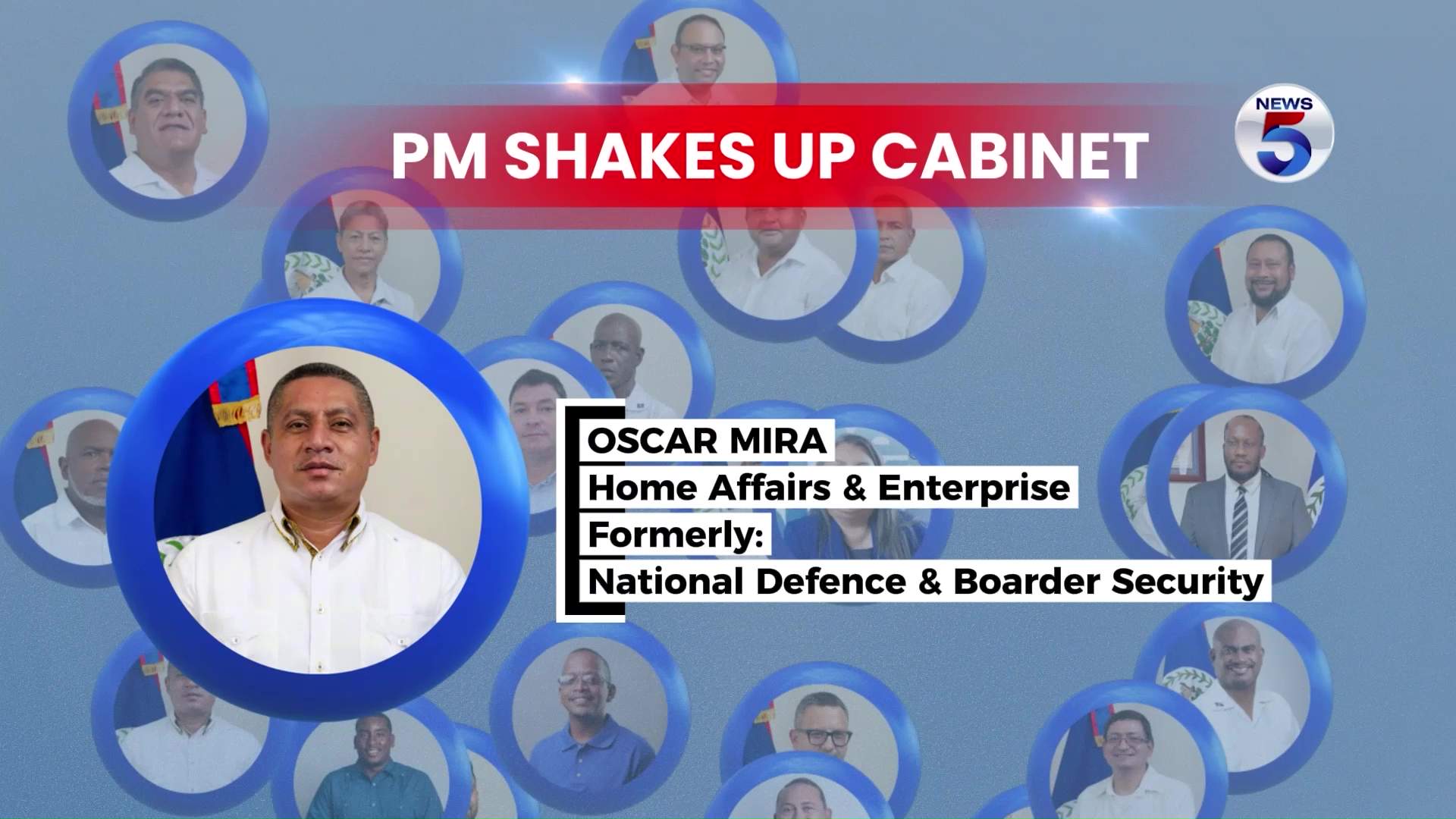
Can Oscar Mira Handle Belize’s Toughest Ministry?
Oscar Mira’s recent transition from the Ministry of National Defense and Border Security to the Ministry of Home Affairs has sparked widespread debate in Belize. Widely regarded as one of the most challenging roles in the government, the Home Affairs portfolio demands a robust strategy to combat crime and ensure public safety. Critics question whether Mira is equipped for this high-pressure position, while supporters argue he has the determination to succeed. In a recent interview in Belmopan, Mira addressed the skepticism head-on, emphasizing his commitment to the role. He stated, ‘I work at the pleasure of the prime minister. As a member of Cabinet, it is my duty to fulfill the responsibilities entrusted to me. I will not shy away from any challenge.’ Mira acknowledged the complexity of the task, vowing to collaborate with law enforcement and other departments to reduce crime to manageable levels. The move has been labeled by some as ‘political suicide,’ but others see it as an opportunity for Mira to prove his capabilities. As Belize grapples with rising crime rates, all eyes are on Mira to deliver results.
-
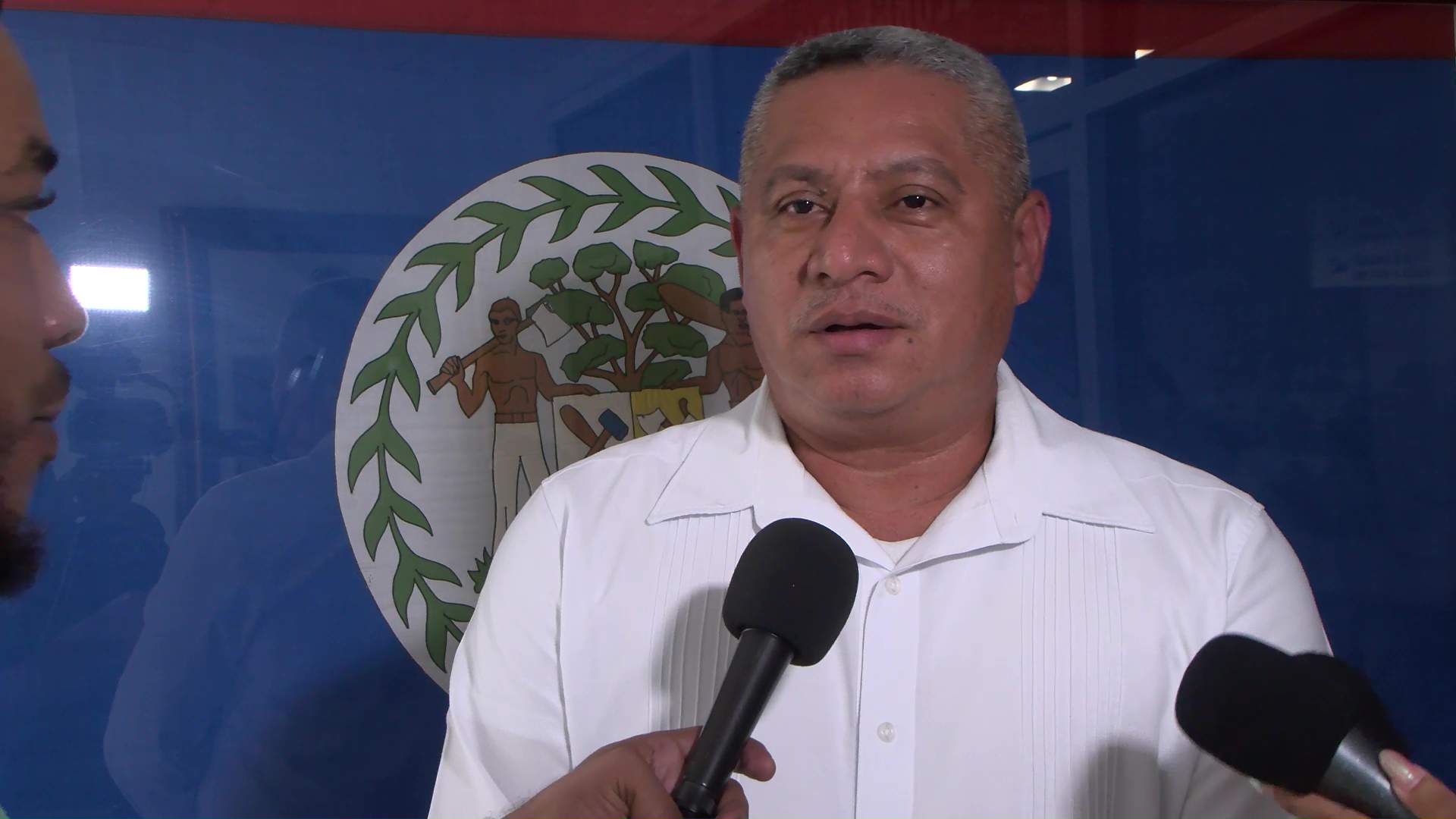
Oscar Mira Seeks Right Fit for Home Affairs CEO
In a significant development within the Ministry of Home Affairs, Minister Oscar Mira has initiated a meticulous search for a new Chief Executive Officer (CEO). The selection process has garnered considerable attention, with prominent figures such as former Commissioner of Police Chester Williams and Deputy Commissioner Bart Jones emerging as potential candidates. Minister Mira, however, has underscored that the decision transcends mere appointment; it is about identifying a leader with the requisite expertise and vision to propel the ministry forward. Speaking to reporters, Mira revealed ongoing consultations with the Office of the Prime Minister to ensure the selection of a suitable candidate. He emphasized the critical nature of the role, particularly in the context of security and operational efficiency. While rumors have circulated regarding the exclusion of former CEO Ms. Sharole, Mira clarified that her departure was part of broader organizational changes. Kareem Musa, Minister of Immigration, expressed confidence in the potential candidates, highlighting their proven track records in law enforcement. As the process unfolds, the focus remains on securing a leader capable of fostering seamless operations within the ministry.
-
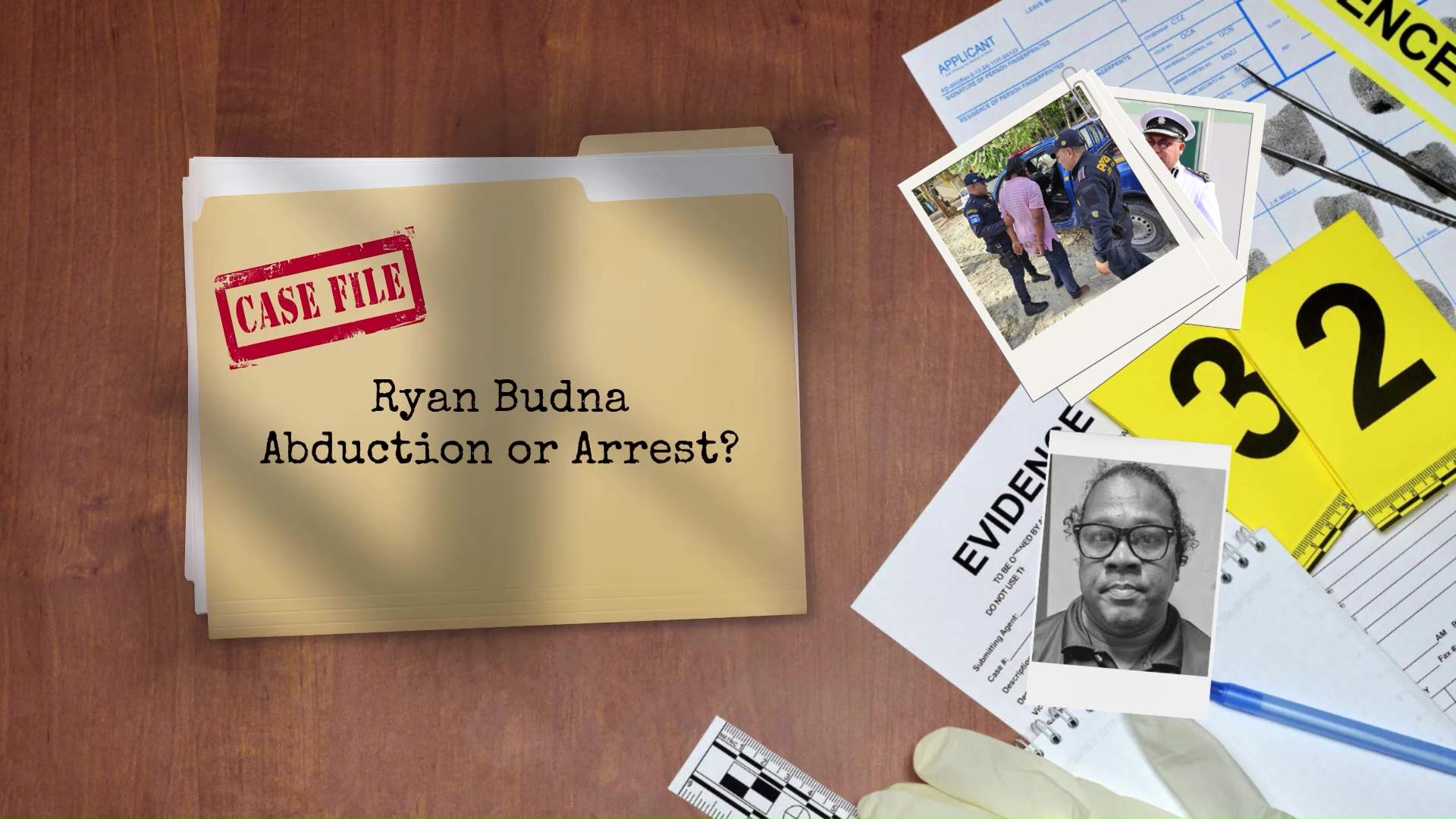
Oscar Mira Faces Crime Fighting and Budna Fallout
As Oscar Mira assumes the role of Belize’s Minister of Home Affairs, he faces the dual challenge of addressing rising crime rates and managing the fallout from the Joseph Budna investigation, a case that has severely undermined public trust in the Belize Police Department. The investigation file has been handed over to the Director of Public Prosecutions (DPP), with Mira emphasizing a hands-off approach to ensure impartiality. Despite mounting pressure, Mira has refrained from interfering, stating, ‘That file has been sent to the DPP. It is her job to give us the advice we need.’ When questioned about the lack of substantial evidence in the police investigation, Mira maintained his stance, asserting that he has not seen the file and will not influence the process. The controversy has sparked debates about transparency, with reporters pressing Mira on whether the investigation tape should be released. Mira reiterated his commitment to justice but stressed that his role does not involve meddling in concluded investigations. ‘The trust that we will work for, we will get it back,’ he affirmed, highlighting his dedication to restoring public confidence in law enforcement. However, critics question how he plans to rebuild trust while distancing himself from a scandal that continues to haunt the department.
-

Can New Home Affairs Minister Secure Corozal Free Zone?
In a strategic move to enhance security and streamline governance, Prime Minister John Briceño has merged the Ministry of Enterprise with the Ministry of Home Affairs. This decision comes amid growing concerns over safety in the Corozal Free Zone, a critical economic hub. The newly appointed Minister of Home Affairs, Oscar Mira, has outlined his immediate priorities to address these issues. Mira emphasized his commitment to ensuring a secure environment for businesses to operate without fear. ‘I am scheduled to meet with the CEO of the Freezone and the chairman of the board shortly,’ Mira stated. ‘Our goal is to thoroughly examine all aspects and ensure that businesses can thrive in a safe and secure environment.’ While Mira acknowledged that he has yet to receive a comprehensive briefing on the current situation, he assured that his team would mobilize all necessary resources to address any security challenges. When questioned about the police department’s capacity to counter alleged cartel influence in the Freezone, Mira responded cautiously, stating, ‘I need to understand the specifics of these allegations first. Our focus is on pooling all resources to make the area safe for business.’ This development underscores the government’s proactive approach to safeguarding economic interests while addressing security concerns in the region.
-

Voorbij de vlag: de Onvoltooide Onafhankelijkheid
As Suriname marks 50 years of independence, the nation finds itself reflecting on the deeper meaning of freedom. The journey since 1975, when Suriname formally severed ties with its colonial past, has been one of both pride and introspection. Yet, the question lingers: what has been achieved with this hard-won independence? True liberation, it seems, demands more than political autonomy; it requires a transformation within the people themselves. The scars of slavery, indentured labor, and colonial exploitation remain etched in the national consciousness, symbolized by monuments like the statue of Kwakoe, whose broken chains still hang from his wrists. These remnants of history serve as a reminder that while the nation is free in name, it remains bound by the invisible chains of division, distrust, and complacency. The relationship with the Netherlands, though complex, persists through shared language, culture, and familial ties. Rather than dwelling on past grievances, the call is for Suriname to view the Netherlands as a partner in progress, fostering collaboration in trade, education, and sustainable development. The true battle for independence, however, lies within. It is a fight against the internalized colonial mindset that perpetuates inequality and corruption. The promise of oil revenues offers economic potential, but it is not a panacea for the nation’s structural challenges. Real change will only come when Surinamese society confronts its own shortcomings, embraces unity, and takes collective responsibility for its future. Fifty years of independence is not just a milestone but a call to action—a reminder that true freedom is a daily commitment, requiring courage, character, and the recognition that liberation begins with self-transformation.
-
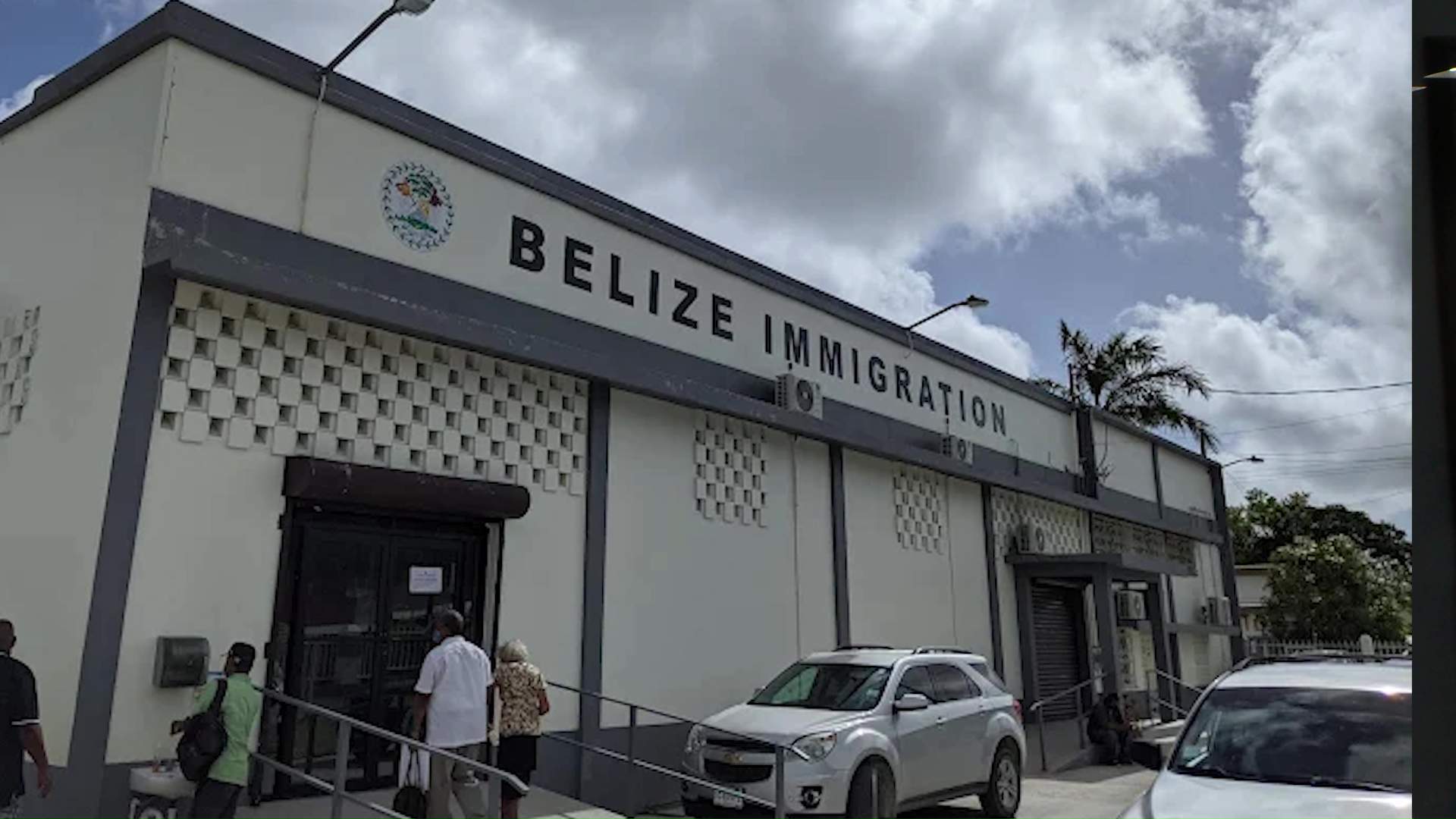
Kareem Musa’s Big Switch from Home Affairs to Immigration
In a significant Cabinet reshuffle, Kareem Musa has transitioned from his role as Minister of Home Affairs to take charge of the Ministry of Immigration, Labor, and Governance. This move has ignited widespread speculation and debate across Belize. While some critics view this as a demotion, Musa firmly asserts that it is a promotion, emphasizing the complexity and importance of his new responsibilities. He expressed optimism about his new role, highlighting the challenges in immigration, labor, and governance, and underscored the Prime Minister’s confidence in his legal expertise to navigate these critical areas. The timing of this reshuffle has raised questions, particularly in light of the ongoing investigation into the kidnapping of Joseph Budna. Musa has categorically denied any involvement in the case, stating that the Prime Minister and the Cabinet are fully aware of his innocence. He also addressed concerns about the investigation’s progress, noting that there is substantial evidence, including video footage and officer statements, which could be revisited. This transition marks a pivotal moment in Musa’s political career, with implications for Belize’s governance and public perception.
-
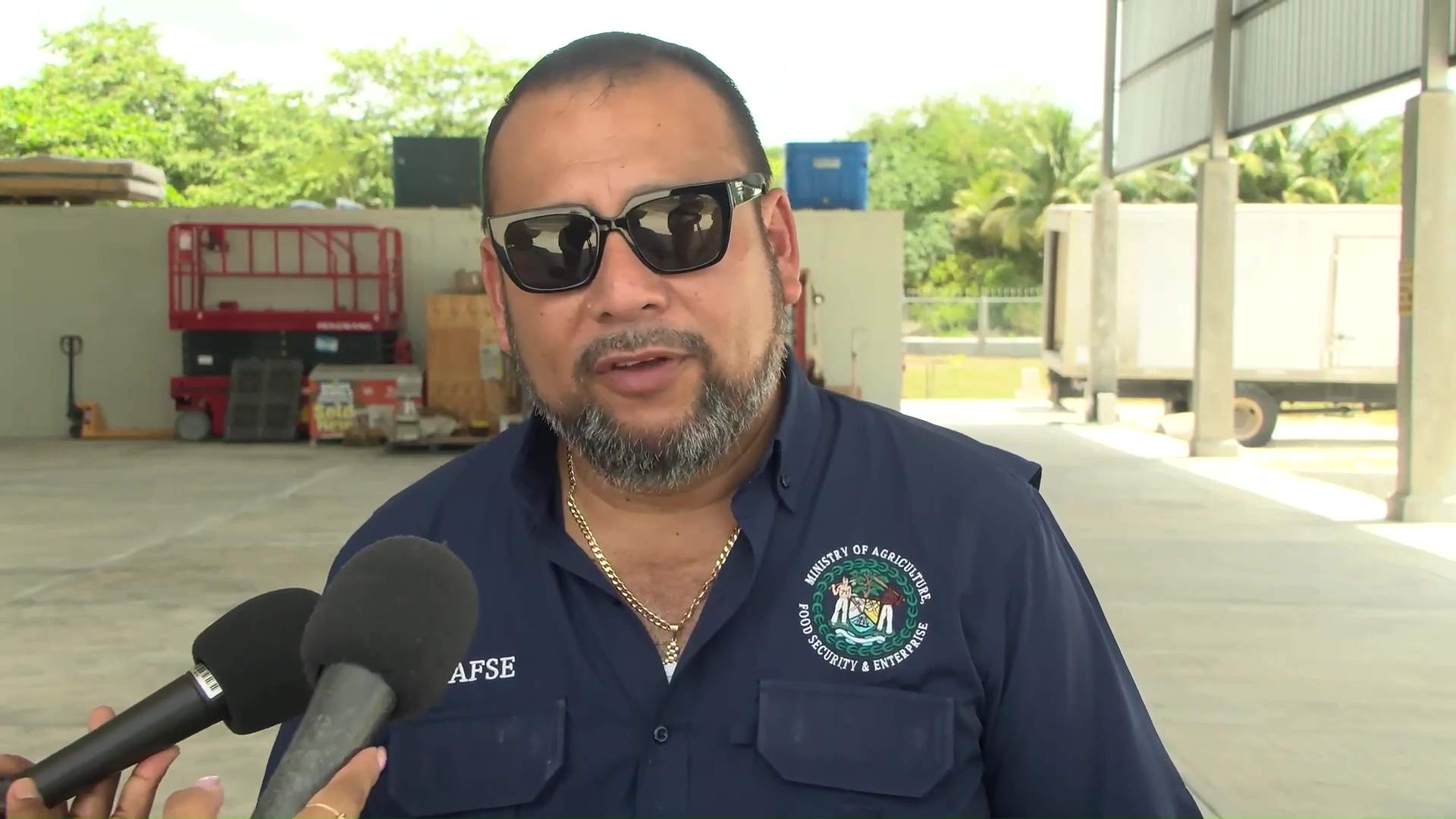
Horse Fall or Washington Pressure? Abi Mai Steps Down
In a surprising turn of events, Belize’s Prime Minister John Briceño announced on Tuesday that Minister of Agriculture Jose Mai has taken a leave of absence due to health reasons. According to Briceño, Mai sustained a back injury from a horse fall approximately a year ago and now requires surgery. However, this explanation has been met with growing skepticism, as rumors suggest that Mai’s departure may have been influenced by external pressures, particularly from Washington. The situation has sparked intense speculation and debate within Belize’s political circles. When questioned, Mai’s Cabinet colleagues offered mixed responses. Oscar Mira, Minister of Home Affairs, acknowledged that Mai had indeed suffered an accident but refrained from elaborating further, stating, “All of us decide and know how we feel. Sometimes we need to take a break.” Kareem Musa, Minister of Immigration and Labor, admitted he had not been able to reach Mai for comment but noted that the minister had been complaining of pain for some time. The prime minister’s account, while supported by some, continues to be scrutinized as the public seeks clarity on the true reasons behind Mai’s sudden leave.
-

Pierre tours Halls of Justice site ahead of election
Prime Minister Philip J. Pierre conducted a site visit to the Halls of Justice Project on Thursday, November 20, to assess the construction progress as the December 1 election approaches. The project, a flagship initiative of the current administration, is being developed under a Build Own Lease Transfer (BOLT) agreement between the Government of Saint Lucia and Themis LTD, a subsidiary of NH International. With a fixed project cost of EC$143 million, Themis LTD is fully financing the construction, including office furniture, filing systems, and Information and Communication Technology (ICT) infrastructure. Upon completion, the government will lease the facilities for up to 12 years before ownership is transferred to the people of Saint Lucia.
During the visit, Prime Minister Pierre expressed his satisfaction with the project’s progress, particularly noting the diverse workforce comprising individuals from CARICOM nations. He emphasized the significance of the centralized facility, which will serve as the official home of the judiciary in Saint Lucia. Pierre highlighted the current challenges faced by the judiciary, including inadequate court facilities and structural issues, and underscored the importance of consolidating all legal and judicial operations under one roof.
The Prime Minister also praised the innovative investment model employed for the project, contrasting it with traditional state department housing agreements. He explained that the lease structure ensures the country will eventually gain full ownership of the property, making it a sustainable investment for Saint Lucia. Pierre emphasized that this approach avoids perpetual rental payments and instead provides long-term benefits to the nation.
Civil engineer John Peters, the project director, provided an update on the construction progress. He reported that the ground floor of the annexe building, which will house criminal courts, has been completed. Work on the foundation of the main building, intended for commercial, family, and civil courts, is progressing well, with hopes of reaching the first or second floor by year-end. Despite weather-related challenges, Peters expressed confidence in meeting the two-year completion timeline.
-
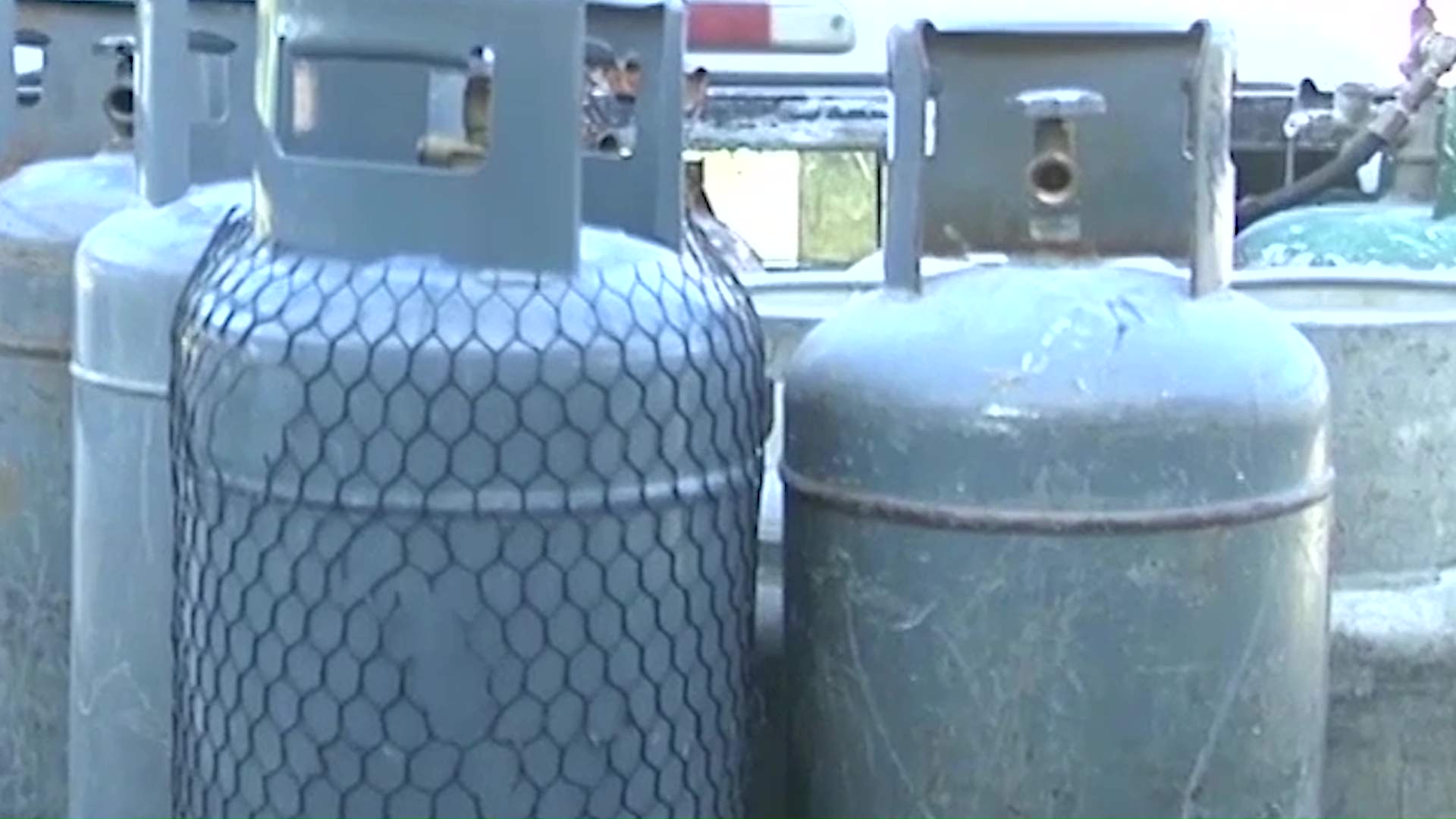
CCJ Delivers Judgment in Belize’s LPG Import Showdown
In a landmark ruling, the Caribbean Court of Justice (CCJ) has upheld Belize’s legislation centralizing the importation of liquid petroleum gas (LPG) under the National Gas Company. The decision marks the culmination of a protracted legal battle between the Belizean government and four private gas companies—Gas Tomza, Western Gas, Southern Choice Butane (Zeta Gas), and Belize Western Energy—who challenged the policy as a violation of their constitutional rights to work and property. The government, represented by the Controller of Supplies, the Minister of Economic Development, and the Attorney General, argued that the reforms were essential to address systemic issues in the LPG sector, including supply insecurity, transfer pricing, poor product quality, and smuggling. Senior Counsel Eamon Courtenay emphasized that the legislation aimed to dismantle monopolistic practices and establish a fairer, more stable system. The private companies had previously won a $60 million claim at the High Court, but the Court of Appeal overturned the decision, prompting the government to escalate the case to the CCJ. The CCJ ultimately ruled that the Court of Appeal erred, affirming that no constitutional rights were breached and dismissing the companies’ claims. This decision reinforces the government’s authority to regulate critical sectors in the public interest.