
Antigua and Barbuda has set the stage for its highly anticipated Culinary Month 2026 with an exclusive preview event hosted at the prestigious Platform by the James Beard Foundation in Manhattan’s Pier 57. The intimate gathering brought together elite U.S. media, culinary influencers, and industry leaders for a captivating introduction to the islands’ rich culinary heritage, innovative techniques, and vibrant flavors. The evening featured a meticulously curated multi-course dining experience led by three of Antigua and Barbuda’s most celebrated chefs: Chef Claude Lewis, Chef Kareem Roberts, and Chef Maurine Bowers, alongside special guest Chef Devan Rajkumar. The menu highlighted traditional Antiguan and Barbudan dishes reimagined with modern flair, including Salt Fish Croquettes, Steamed Grouper, and Rum-Soaked Banana Sponge Cake. Complementing the meal were bespoke cocktails crafted by mixologist Ralph John Emmerson, designed to evoke the islands’ warmth and vibrancy. Culinary Month 2026, scheduled for May 1–31, promises to be a month-long celebration of food, culture, and creativity, featuring Restaurant Week, the Caribbean Food Forum, and the FAB Festival. The event aims to position Antigua and Barbuda as a leading destination for Caribbean culinary tourism.
博客
-
Students Explore how unmanned drones are reshaping farm management
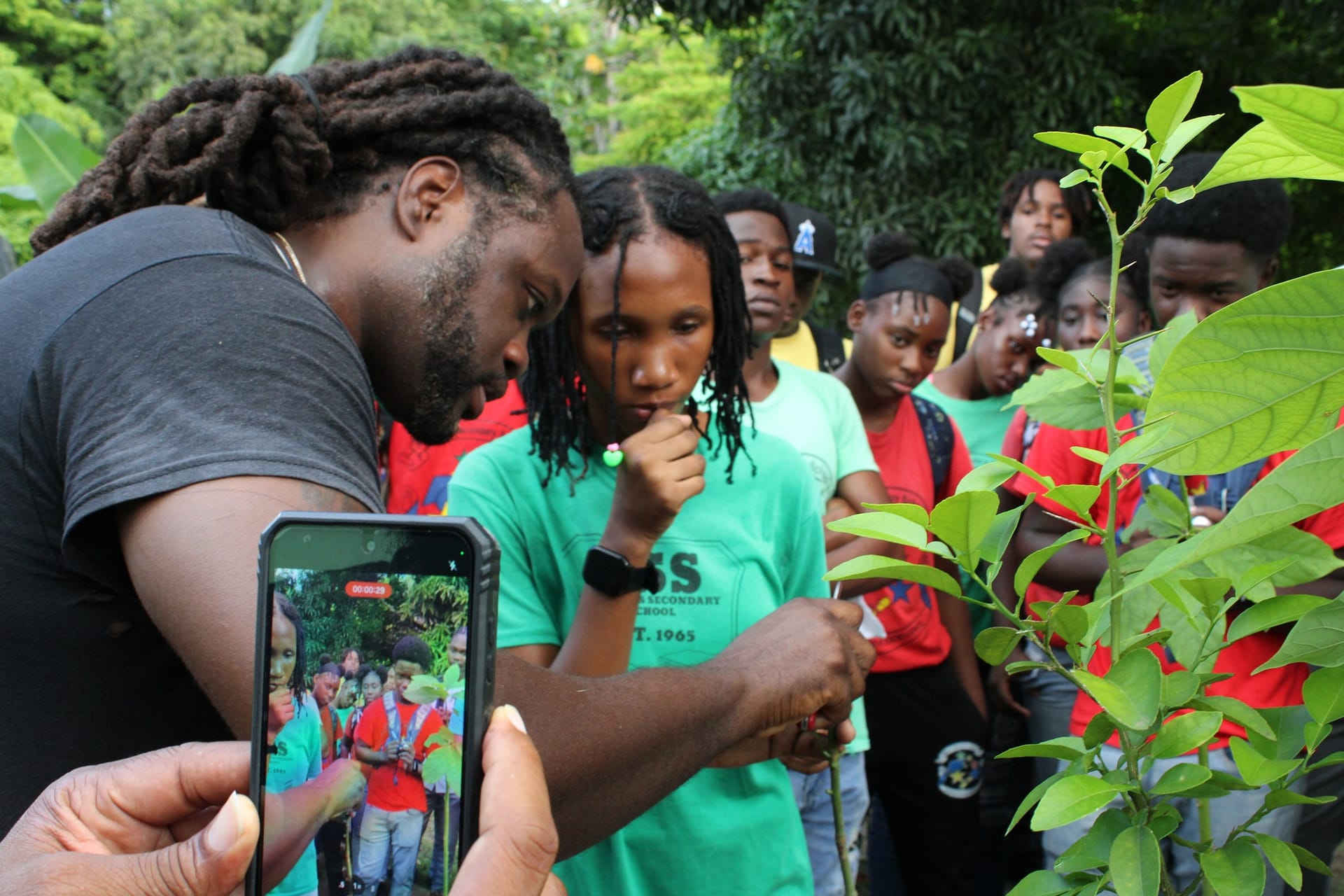
The third day of the CCRAF on the Road – MSB Project (Antigua & Barbuda Chapter) took place at the Greencastle Agricultural Station, where approximately 30 agricultural science students from Jennings Secondary, Antigua Grammar School (AGS), and St. Mary’s Secondary continued their exploration of cutting-edge agricultural practices. The day began with an engaging demonstration of drone technology led by Mr. Itejah Simmons. He showcased how unmanned aerial systems are revolutionizing farm management, covering topics such as aerial mapping, crop monitoring, identifying plant stress and disease hotspots, assessing water distribution, and using drones for rapid field diagnostics. The session emphasized how data collected from drones can enhance decision-making processes, offering students a glimpse into the future of precision farming, particularly in small-island contexts. The primary goal was to deepen students’ understanding of innovative agricultural applications that contribute to long-term food and nutrition security. In the afternoon, the focus shifted from high-tech to hands-on learning as students participated in a plant propagation workshop. Facilitated by Mr. Victor Harris, Station Manager, and Mr. Rennice Nicholas, Propagation Specialist, along with the Greencastle Agricultural Station staff, the workshop introduced students to essential plant propagation techniques. These included seed propagation, cuttings, air-layering, division, and the preparation of propagation media. Students practiced identifying suitable plant material, preparing cuttings correctly, and understanding the environmental conditions necessary for successful root development. The combination of digital agriculture (drones) and fundamental horticultural skills (propagation) provided students with a comprehensive understanding of how traditional knowledge and modern technology can work synergistically. By the end of the day, students had expanded their expertise in two critical areas of agriculture: precision technology and plant production fundamentals. The CCRAF initiative underscores the importance of integrating knowledge, practice, and innovation to cultivate the next generation of resilient agricultural leaders.
-

NIA Cabinet Engages Teachers in Consultation on Destiny SSZ Proposal
The Nevis Island Administration (NIA) Cabinet held a significant stakeholder engagement session with educators on November 19, 2025, to discuss the proposed Special Sustainability Zone (SSZ) project for Nevis’ south coast. The meeting, held at the Nevis Performing Arts Centre (NEPAC), attracted hundreds of teachers eager to understand the initiative’s potential impact on the island’s future. Premier Mark Brantley, who moderated the session, emphasized the government’s commitment to inclusive public consultations, stating that the project aims to drive economic growth and development while addressing the island’s needs. He highlighted the project’s potential to create local employment opportunities, reducing the need for young Nevisians to seek work abroad. Minister of Education and Youth, Senator Troy Liburd, provided a detailed presentation on the Destiny SSZ, outlining its conceptual design, residential areas, amenities, and a marina district. He also revealed a $1 million annual scholarship fund for Nevisian students and projected the creation of 19,600 jobs. During the Q&A session, teachers raised concerns about environmental impacts, economic benefits, and educational sector advantages, to which Cabinet members responded with assurances of transparency. Premier Brantley expressed gratitude for the educators’ active participation, noting their input would be incorporated into discussions with developers. This meeting followed similar consultations with various community groups as part of the NIA’s island-wide effort to ensure broad public involvement in shaping Nevis’ future.
-

What comes out of our mouths defiles, and sometimes defines us
Amid the relentless wave of political discourse dominating media and social platforms, I initially intended to remain a passive observer. However, the troubling narratives emerging from the campaign trails of the Unity Labour Party (ULP) in constituencies traditionally held by the opposition New Democratic Party (NDP) have compelled me to speak out. The ULP’s repeated assertion that these communities have endured “neglect” for 25 years due to opposition representatives is not only misleading but also a damning admission of the ruling party’s failure to fulfill its constitutional obligations. While I may harbor personal reservations about the performance of certain opposition MPs, it is crucial to clarify that public assistance and constituency development fall under the purview of the executive branch, not the opposition. Opposition MPs lack control over budgets, ministries, social programs, or state resources. Civil servants are tasked with serving the public, not political parties. Thus, when ULP politicians boast that constituencies were denied assistance because they “did not vote ULP,” they are not critiquing the NDP but confessing to 25 years of deliberate neglect—a blatant form of corruption. A government is elected to serve all citizens, not just its supporters. By strategically withholding attention, projects, and social support from communities based on their voting patterns, the administration not only penalizes its political opponents but also inflicts harm on the nation. This selective neglect exacerbates poverty, widens inequality, and undermines national development. High poverty rates, far from being confined to specific constituencies, permeate every sector—education, health, crime, taxation, and the economy—straining national resources and weakening the middle class. Independent reports have highlighted persistently high youth unemployment and rising poverty levels in several areas of Saint Vincent and the Grenadines (SVG) over the past two decades. When a government deems entire constituencies unworthy of development due to their political allegiances, it erodes the foundations of democracy and good governance. Worse, it abandons its own supporters within these communities, treating them as collateral damage. This strategy has predictably backfired, as evidenced by the ULP’s declining support across multiple election cycles. Citizens who feel marginalized and undervalued do not forget neglect; they endure it daily. The irony of the ULP’s campaign slogans, such as “Labour Loves You, Labour Is Wuking Fo We,” is stark. How can a government claim to “love” and work for the people while openly admitting to withholding public assistance from entire communities? These phrases, designed to project care and unity, are deployed in constituencies where the government has confessed to denying development and support solely because the people “did not vote for them.” This is not love; it is propaganda aimed at controlling the narrative and shifting blame onto the very citizens who were deprived. Such messaging seeks to convince people that their hardships stem from a lack of loyalty, when the true betrayal lies with those who exploited public office for personal gain rather than national progress. A government that exacts political retribution on its citizens for exercising their constitutional right to vote demonstrates a dangerous disregard for public integrity. It is an affront to the hardworking people of SVG who strive to build stable lives under systems that should protect, not hinder, them. Like Sanballat and Tobiah, who sought to obstruct the rebuilding of Jerusalem’s walls, we are witnessing leadership more focused on obstruction than nation-building. SVG needs leaders who refuse to weaponize public resources and instead commit to uplifting every community without malice, favoritism, or conditions. Silence is not an option. These issues demand public scrutiny, honest discourse, and accountability. Democracy cannot flourish where citizens are punished for their votes. Public office is a sacred trust, and when it is wielded as a tool of exclusion, it becomes treason.
-

Team Rubis donation motivates Marriaqua Gov’t School students
The Marriaqua Government School recently became the beneficiary of a generous donation from RUBIS West Indies Ltd., as the company reaffirmed its dedication to fostering educational excellence. On November 4, the school witnessed a heartwarming ceremony where EC$3,000 worth of essential school supplies were presented to students and staff. Fifteen students received bookbags stocked with necessary items, while the school itself was equipped with critical resources such as printing paper, files, white markers, erasers, folders, exercise books, notebooks, pens, and pencils. This initiative underscores RUBIS’s ongoing commitment to supporting education and ensuring students have the tools they need to thrive. Elroy Edwards, RUBIS Accounts Executive, emphasized the company’s mission, stating, “We are proud to contribute to the learning environment at Marriaqua Government School. Providing students and teachers with the right resources not only supports academic achievement but also inspires and motivates students to reach their full potential. At RUBIS, we are committed to giving back to our communities and fostering a brighter future for the next generation.” Headmistress Susan Joyles expressed profound gratitude on behalf of the school community, highlighting the transformative impact of the donation. “Your generous contributions have made a meaningful difference, helping our students feel better equipped and motivated to learn. Acts of kindness such as yours create a positive learning environment and remind our children that there are people and organizations who care about their education and well-being. We are sincerely grateful for your continued support and partnership,” she remarked. This initiative is part of RUBIS’s broader efforts to invest in local communities, demonstrating its commitment to education and social responsibility while positively impacting the lives of both students and educators.
-

EAS: Suriname heeft al fundament gelegd voor betrouwbare stroomvoorziening
The Energy Authority Suriname (EAS) has responded to recent reports of widespread power outages across multiple districts, acknowledging the concerns of citizens and businesses. The regulator emphasized the critical importance of a reliable electricity supply for the nation. Since 2021, the EAS has laid the groundwork for improved regulation and modernization of the sector, with significant preparatory work addressing current challenges. The EAS has three core mandates: advising the government, regulating the electricity sector, and promoting a safe, reliable, and affordable power supply. Additionally, it approves kWh tariffs, ensures compliance with laws, and encourages sustainable energy solutions. Following a recent outage earlier this month, the EAS received information from the EBS and highlighted the need for better preventive maintenance, timely inspections, infrastructure modernization, and more transparent public communication. A key part of the solution lies in the Electricity Sector Plan, submitted to the government in May 2025 for approval. This plan includes a 20-year strategic vision, a five-year investment roadmap, technical recommendations, improved tariff methodologies, and proposals for strengthening legal frameworks. The EAS is also collaborating with sector partners and the Inter-American Development Bank on projects to modernize regulations, enhance oversight, build capacity, and invest in sustainable energy. A transparent framework for renewable energy project tenders has already been developed. The EAS has prepared necessary analyses, frameworks, and recommendations for future working groups, enabling the country to build on existing efforts rather than starting anew. The authority stressed that electricity is a basic necessity and is ready to support the government and sector partners with data, policy proposals, and international best practices. The recent outage underscores the urgency of implementing the Electricity Sector Plan to ensure Suriname achieves a reliable, affordable, and sustainable energy supply.
-
INTRANT issues traffic plan for Bad Bunny’s concerts
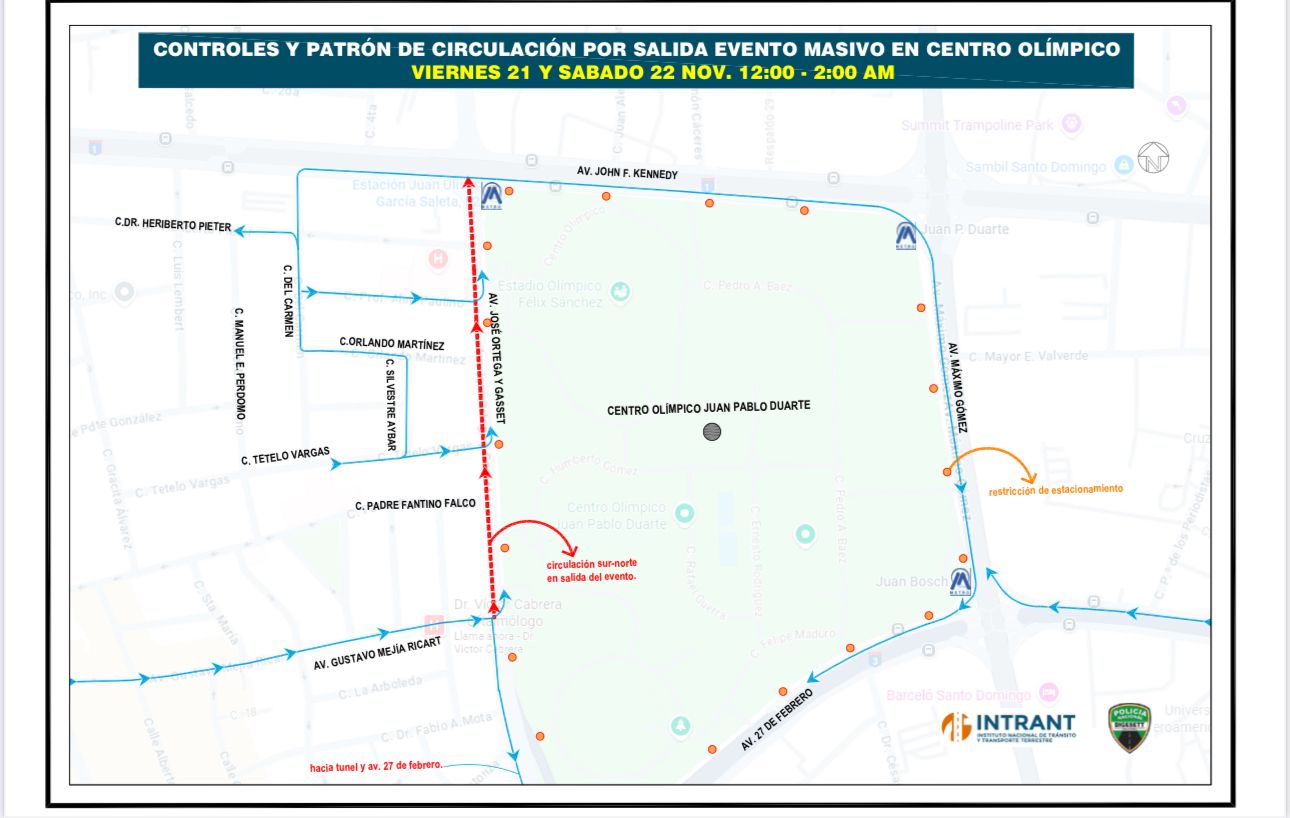
In preparation for the highly anticipated Bad Bunny concerts near the Juan Pablo Duarte Olympic Center this Friday and Saturday, the National Institute of Transit and Land Transportation (INTRANT) and the General Directorate of Traffic Safety and Land Transportation (DIGESETT) have unveiled a comprehensive traffic management plan. To mitigate congestion in the event zone, motorists are advised to utilize alternate routes, including Mexico Avenue, Abraham Lincoln Avenue, Independence Avenue, George Washington Avenue, Delgado Street, and Leopoldo Navarro Avenue, starting at 3:00 p.m. These routes are designed to divert traffic away from the immediate vicinity of the Olympic Center. Additionally, parking restrictions will be enforced on major thoroughfares such as Máximo Gómez, 27 de Febrero, John F. Kennedy, and Ortega y Gasset avenues. Sidewalk occupation and lingering in public areas will also be prohibited to maintain order. Vehicle access to the Olympic Center will be strictly limited to sports activities and internal operations, with entry permitted only through gates on Máximo Gómez Avenue and 27 de Febrero Avenue. Buses and tour operator vehicles will be allowed to drop off passengers in surrounding areas, with John F. Kennedy Avenue designated as a primary transfer point. For the concert’s exit, expected in the early morning hours, Ortega y Gasset Avenue will operate exclusively southbound, from Gustavo Mejía Ricart Avenue to John F. Kennedy Avenue, with priority given to pedestrian safety. Authorities have strongly encouraged the use of public transportation, including the Santo Domingo Metro, bus corridors, and authorized taxis, to reduce traffic pressure. Officials emphasized that these measures aim to enhance traffic flow and ensure safer mobility throughout the National District during the event.
-
Bad Bunny kicks off his world tour at the Olympic Stadium this Friday
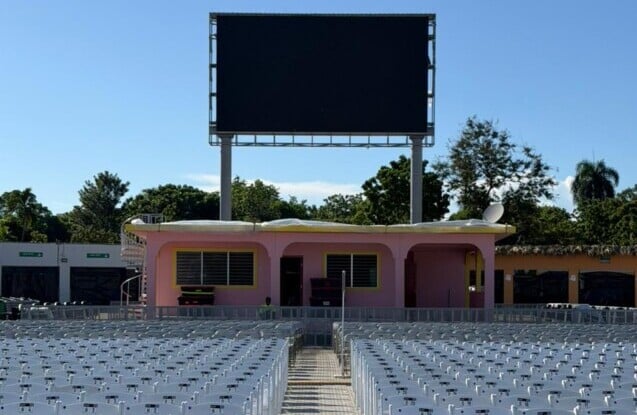
Santo Domingo is set to become the epicenter of global entertainment as Bad Bunny officially launches his highly anticipated ‘DeBÍ TiRAR Más FOTOS World Tour’ this Friday at the Olympic Stadium. The Dominican Republic has been chosen as the starting point for this monumental tour, underscoring the region’s growing prominence in the international music scene.
-

Dominican Republic faces rising diabetes rates
The Dominican Republic is grappling with a mounting diabetes crisis, as highlighted by the National Institute of Diabetes, Endocrinology and Nutrition (INDEN). Recent data reveals that 13.45% of the population is living with diabetes, while an alarming 2.35% remain undiagnosed, leaving them vulnerable to severe health complications. Broader health estimates indicate that 14% of Dominicans have diabetes, and an additional 9.3% are in a prediabetic state, signaling a pressing public health challenge that is overwhelming the nation’s healthcare infrastructure. INDEN has underscored the critical risks associated with undiagnosed diabetes, including heightened chances of cardiovascular disease, kidney failure, and vision impairment due to delayed treatment. The institution has issued a public appeal for regular health screenings, the adoption of healthier lifestyles, and enhanced early-detection initiatives to curb the escalating impact of this chronic condition on the population.
-
Deputy warns Intrant is profiting from new motorcycle helmet rules
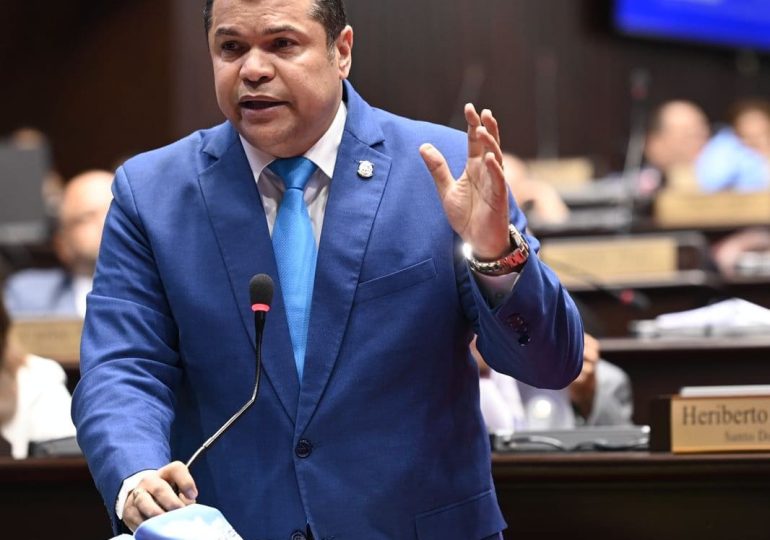
Santo Domingo – Representative Tobías Crespo, the architect behind Law 63-17 on Mobility and Transit, has leveled serious allegations against the National Institute of Transit and Land Transportation (INTRANT). Crespo accused the agency of deviating from its core mission of regulating and ensuring road safety in the Dominican Republic, instead engaging in profit-driven practices. The lawmaker’s critique centers on INTRANT’s new regulation mandating the use of specific motorcycle helmets, which he claims imposes undue financial burdens on motorcyclists. According to Crespo, the helmets, priced at RD$3,500 each for both drivers and passengers, are excessively costly and appear to benefit select companies rather than prioritizing public safety. He argued that this move contradicts the spirit of Law 63-17, which was designed to enhance road safety, not to create exclusive business opportunities. Crespo urged INTRANT to focus on enforcing existing laws that improve mobility and protect citizens, rather than implementing measures that exploit the population. He also referenced Law 176-07, which mandates municipalities to safeguard public interest and prevent policies that prioritize private profit over transparency and security. While Crespo acknowledged the importance of helmets meeting international safety standards, he emphasized that regulations must not be manipulated to financially benefit a privileged few.