
A serious traffic incident unfolded on Sunday afternoon along the Pares Main Road, leaving a man hospitalized after his pickup truck overturned. According to police reports, the driver, who was the sole occupant of a Mazda pickup, was traveling eastbound when he reportedly lost control of the vehicle. The truck subsequently struck a culvert and flipped onto its roof. Emergency personnel from the Parham Police Station and Emergency Medical Services swiftly arrived at the scene. They provided immediate medical attention to stabilize the injured driver before transporting him to a nearby hospital. As of now, the driver’s condition remains undisclosed. The accident occurred shortly after 1 p.m., and authorities have launched an ongoing investigation to determine the exact cause of the crash.
博客
-
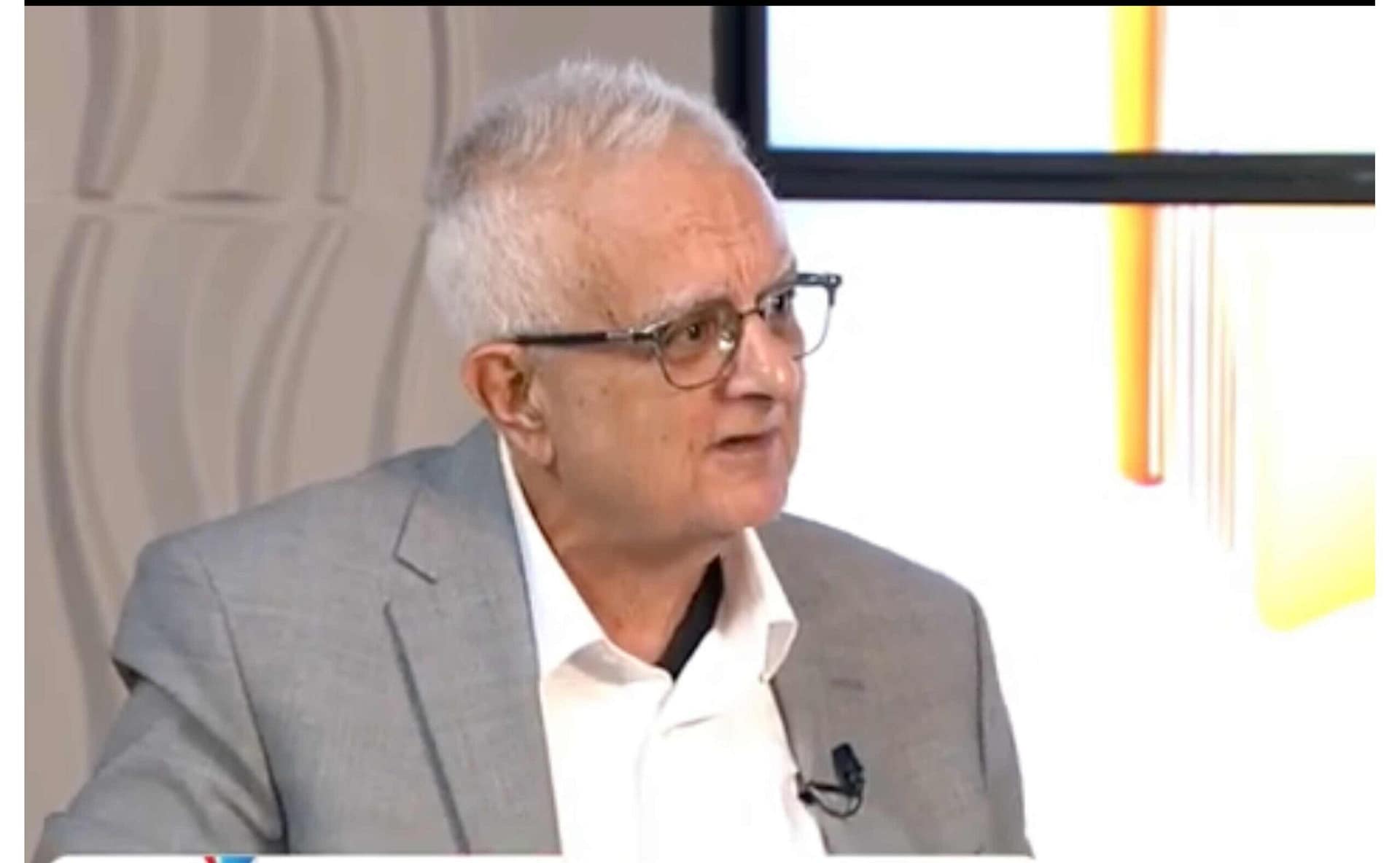
St. Lucia House Speaker Claudius J. Francis Hails Senior Counsel Anthony Astaphan’s Distinguished Legal Legacy
Anthony Astaphan SC has established himself as one of the Caribbean’s most formidable legal minds, renowned for his fearless advocacy, profound understanding of constitutional law, and steadfast dedication to democratic governance. Admitted to the Bar in 1983 and appointed Senior Counsel in 1999 by the Eastern Caribbean Supreme Court, Astaphan has become a pivotal figure in the region’s legal landscape. His practice spans Dominica, St. Vincent & the Grenadines, Antigua and Barbuda, and Saint Lucia, with a focus on constitutional law, public law, and defamation. He is frequently sought after to represent governments and political leaders in high-profile cases.
Astaphan’s legal prowess is matched by his strategic insight into political and constitutional dynamics. He has played a crucial role in safeguarding the legitimacy of elected governments, particularly in Dominica, where he has led landmark cases on electoral reform, judicial independence, and the separation of powers. His courtroom demeanor—bold, unyielding, and meticulously analytical—has earned him both acclaim and criticism, solidifying his reputation as a legal force in the Caribbean.
Among his most significant achievements are cases that have reshaped the constitutional framework of the Organization of Eastern Caribbean States (OECS). Astaphan has successfully argued before the Caribbean Court of Justice and the Privy Council, defending the rule of law and the authority of elected officials. His work has clarified critical legal principles, including the limits of judicial review, the scope of parliamentary privilege, and the boundaries of executive discretion.
Beyond his litigation success, Astaphan is a prolific commentator and public intellectual. His writings and media engagements reflect a deep commitment to democratic integrity and legal accountability. He has also served as President of the Bar Association of Dominica, where he advocated for legal education and professional standards.
Anthony Astaphan SC’s career is more than a series of legal victories; it is a testament to the transformative power of principled advocacy. His enduring influence continues to shape Caribbean constitutional law, inspiring a new generation of lawyers to view the law not merely as a profession but as a vocation. His courtroom contributions, often cited as masterpieces, stand as a testament to his unparalleled impact on the legal profession.
-
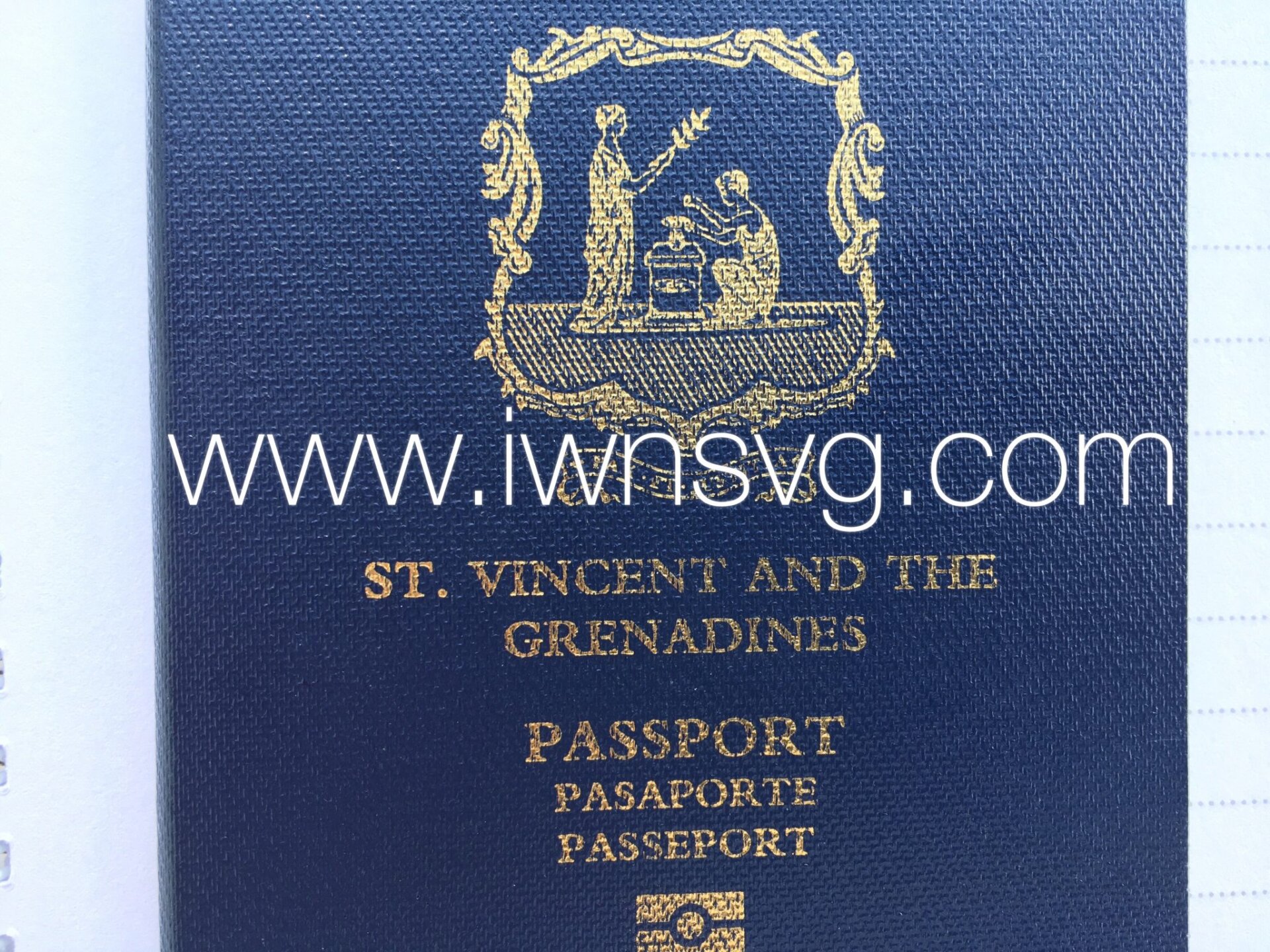
‘Passport can’t eat’
The Citizenship by Investment (CBI) programme, a transformative model of foreign direct investment, has become a cornerstone of economic growth across most Organisation of Eastern Caribbean States (OECS) nations. However, in St. Vincent and the Grenadines (SVG), this proven initiative is often overshadowed by political rhetoric, leaving citizens misinformed about its potential benefits. While neighbouring countries like St. Kitts and Nevis, Antigua and Barbuda, Grenada, Dominica, and St. Lucia have harnessed CBI to fuel their economies, SVG lags behind, missing out on decades of prosperity. CBI, also known as economic citizenship, allows individuals to obtain citizenship by investing significantly in the host country. Despite having a passport ranked similarly to its neighbours in global visa-free access, SVG continues to dismiss the programme entirely. The Eastern Caribbean Central Bank, through Governor Timothy Antoine’s proposed regulatory framework, has emphasized the importance of CBI to the region’s economic stability and advancement. Neighbouring islands have reaped tangible benefits from CBI, including modern infrastructure, luxury developments, and higher GDP per capita. For instance, St. Kitts and Nevis boasts well-maintained highways, double salary bonuses for public servants, and upscale hotels, all funded by CBI revenues. Similarly, Dominica is constructing a new international airport with CBI funding. These outcomes highlight the programme’s potential to uplift entire nations. As SVG reflects on its leadership and policy direction, it is crucial to move beyond outdated rhetoric and embrace innovative economic strategies. The nation deserves policies that elevate all citizens, ensuring a rising tide lifts every ship.
-
Setting the Standard: Why Antigua’s Aviation Future Demands Regulatory Precision
As Antigua’s aviation industry prepares for the 2026 International Civil Aviation Organization (ICAO) audit, a pressing need for regulatory precision has emerged. With over a decade of experience as a Corporate Aviation Service Provider, our company has witnessed the sector’s evolution firsthand. From establishing FBO 2000, which set a benchmark for excellence in Antigua, St. Kitts, and Nevis, to its acquisition by global leader Signature Flight Support, the journey has been transformative. Today, equipped with the region’s largest corporate aviation hangar and the logistical capacity to cater to ultra-wealthy clients, we are poised to elevate the industry once more. However, world-class infrastructure alone is insufficient without robust regulation. A critical issue lies in the unique land ownership structure surrounding Runway 10, where 90% of the land is privately owned. This anomaly, coupled with the absence of a “Registration of a Difference” filed with ICAO, creates a regulatory grey area that jeopardizes aviation insurance and operational compliance. As Antigua operates on a decommissioned US Air Base while being a full ICAO member, the implications of private land ownership within an airport have yet to be fully addressed. The 2026 ICAO audit demands clarity and the establishment of proper regulatory procedures to ensure safety, security, and international trust. Antigua’s aviation sector must now harmonize its assets and history with the regulatory discipline required to meet global standards.
-

Antigua and Barbuda Eyes Sports and Conference Tourism to Diversify Sector
Antigua and Barbuda is poised for significant advancements in its tourism industry, as government officials unveil plans to diversify the sector by emphasizing sports and conference tourism. Prime Minister Gaston Browne, addressing the nation over the weekend, highlighted tourism as the cornerstone of the country’s economy. However, he stressed the importance of developing high-value niches to ensure year-round activity and reduce dependency on conventional leisure travel. This strategic shift aims to attract a broader range of visitors, including sports enthusiasts and business professionals, thereby enhancing economic resilience. The move reflects a long-term vision to position the twin-island nation as a versatile and competitive destination in the global tourism market. By leveraging its natural beauty and infrastructure, Antigua and Barbuda seeks to capitalize on emerging trends and secure sustainable growth for its tourism sector.
-

St. Peter MP Visits Gunthropes Residents Amid Ongoing Road, Drainage Concerns
Rawdon Turner, Member of Parliament for St. Peter, conducted a comprehensive tour of the Gunthropes community on Thursday, engaging directly with residents amidst ongoing infrastructure issues that have severely impacted daily life. Turner emphasized the importance of transparent and candid dialogue with affected individuals, acknowledging that while some progress has been made with concrete paving, significant upgrades remain essential. Residents voiced their concerns, highlighting areas still in dire need of repair. Accompanied by Public Works officials, including the minister and director, Turner reaffirmed the government’s dedication to completing the project. Officials outlined a phased approach to repairs, prioritizing the most severely damaged sections. Turner stressed that his hands-on, accessible approach allows him to better grasp the community’s challenges. “Meeting residents directly on the damaged roads is crucial to understanding their realities,” he stated. “While there is much work ahead, we are committed to moving forward with integrity, service, and resolve.” Turner plans to extend his outreach to other St. Peter communities in the coming weeks to address similar issues. Gunthropes residents expressed appreciation for the engagement and expressed hope that the renewed focus would result in sustainable improvements.
-

Choosing a government is a life-and-death decision
In St. Vincent and the Grenadines (SVG), many aspects of our daily lives are often taken for granted. Born into a system of established privileges, we seldom recognize the sacrifices that made these freedoms possible. This complacency poses a significant threat, as people rarely value or defend what they perceive as ‘free.’ Voting, a cornerstone of democracy, is one such privilege that demands our attention and responsibility. While it may seem freely accessible today, its foundation was built on the struggles of past generations who endured hardships to secure a better future for their descendants. As we approach the 2025 elections, it is crucial to reflect on the legacy we are leaving for future Vincentians. Democracy thrives on participation, and abstaining from voting effectively hands power to the incumbent government by default. The consequences of not voting are profound, impacting everything from economic policies to public health decisions. The COVID-19 pandemic underscored the gravity of governmental decisions, as frontline workers were mandated to take vaccines—a decision made by elected officials. This highlights the symbiotic relationship between voters and their representatives: by casting a vote, citizens grant authority to leaders whose decisions can shape—or even endanger—their lives. Voting is not merely a right but a shared responsibility to ensure that elected officials prioritize the prosperity and well-being of all citizens. Vincentians must move beyond blind party loyalty and critically evaluate whether their leaders are truly working for the people or merely preserving their own interests. The recent electoral trends in neighboring Caribbean nations, such as Barbados, Grenada, and St. Lucia, demonstrate the power of an informed electorate to hold leaders accountable. As SVG heads to the polls, the question remains: Who can be trusted to make decisions in the best interest of the people? The answer lies in active participation and a commitment to safeguarding democracy for generations to come.
-

Scrub Life Cares Announces 5th Annual “Grow With The Flo” Women & Girls Health Expo, Set for May 23rd, 2026
Scrub Life Cares, a prominent public health NGO in Antigua and Barbuda, has announced the 5th Annual Grow With The Flo Women & Girls Health Expo, scheduled for Saturday, May 23rd, 2026. This event coincides with the organization’s fifth anniversary in November, marking a significant milestone in its mission to promote menstrual equity and comprehensive reproductive and sexual health literacy. Since its inception in 2021, the Expo has grown into a cornerstone community health event, uniting women, girls, families, educators, and health professionals in a day dedicated to dignity, access, and education. Tanya Ambrose, MPH, Founder and CEO of Scrub Life Cares, emphasized the event’s importance, stating, ‘This year celebrates the growth of a movement shaped by our community and partners. It’s a testament to the power of prioritizing dignity, equity, and education.’ Over the years, the Expo has expanded its reach, attracting increasing participation from men and boys, reflecting a broader societal recognition of menstrual and reproductive health as community-wide concerns. The 2026 Expo will adopt a more family-centered approach, offering programs that include maternal and child health education, prenatal and postpartum support, breastfeeding resources, and family bonding activities. This expansion aligns with Scrub Life Cares’ commitment to addressing public health needs across all life stages. Through its advocacy, research, and community engagement, the organization has established itself as a leader in advancing health equity in Antigua and Barbuda. As it celebrates its fifth anniversary, Scrub Life Cares invites families, educators, health professionals, and community leaders to join the 2026 Expo, promising an event that is bigger, bolder, and more impactful than ever.
-

China-expo trekt volle zalen: Surinamers maken kennis met technologie, cultuur en innovatie
The Touch China Event, a vibrant exhibition blending Chinese culture, technology, and business, captivated Surinamese audiences with its diverse offerings. Held for the fourth time, the event featured interactive experiences such as playing with a robotic dog, navigating virtual reality, and challenging a robot to a game of chess. Attendees also explored heavy machinery, communication services, and global shipping solutions, while enjoying photo opportunities with popular cultural figures like Labubu. Traditional Chinese calligraphy and authentic tea tastings added a cultural touch to the event. Organized by the Confucius Institute and the Chinese Embassy, the event drew significant attention, with Surinamese President Jennifer Simons and Ambassador Lin Ji highlighting the strong bilateral ties between the two nations. The exhibition also spotlighted China’s advancements in aerospace, green energy, and electric transportation, with President Simons expressing Suriname’s interest in collaborating with China on green innovation. The Confucius Institute, a key player in promoting Chinese language and culture, reported robust enrollment in Mandarin courses, with over 150 students participating in annual exams and some pursuing exchange programs or studies in China. Co-director Shelley Soetosenojo emphasized the accessibility of Mandarin learning, with courses costing SRD 600 and spanning 16 weeks.
-

Free KDP Workshop Held This Week at the National Public Library During Inaugural National Authors’ Week
In a landmark event celebrating literary creativity, the National Public Library hosted a free Kindle Direct Publishing (KDP) workshop this week as part of the inaugural National Authors’ Week. The workshop aimed to empower aspiring writers by providing them with essential tools and knowledge to self-publish their works through Amazon’s KDP platform. Attendees gained insights into the publishing process, from manuscript preparation to marketing strategies, while also learning about the benefits of digital publishing. The event attracted a diverse audience, including first-time writers, seasoned authors, and literary enthusiasts. This initiative underscores the growing importance of self-publishing in the modern literary landscape and highlights the library’s commitment to fostering creativity and accessibility in the arts.