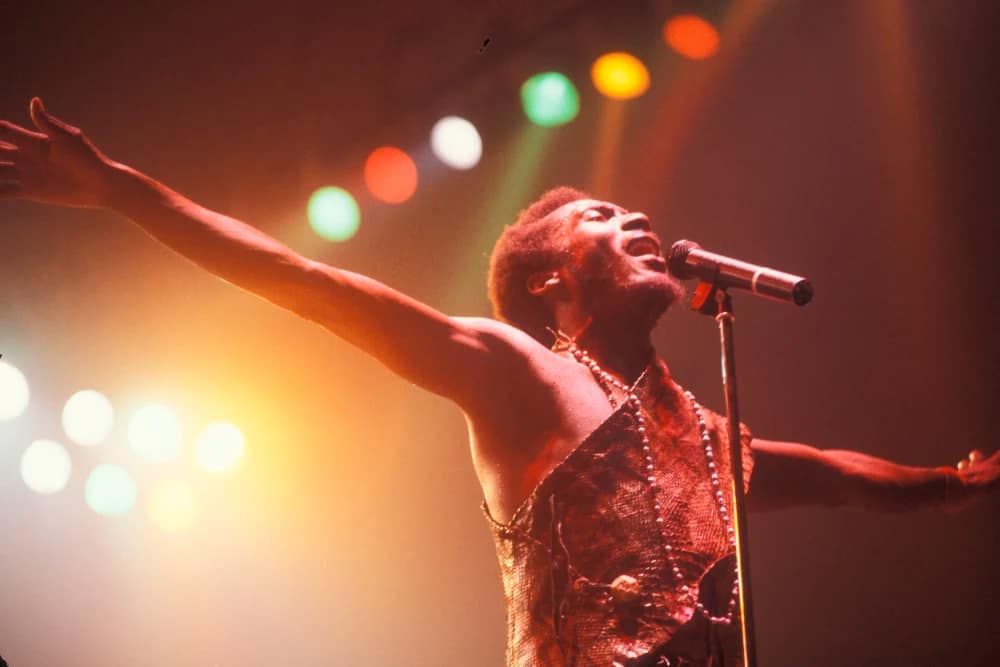
The music world mourns the loss of Jimmy Cliff, the legendary Jamaican musician who played a pivotal role in globalizing reggae music. His family confirmed his passing on Monday through his official channels. Cliff, aged 81, was celebrated for timeless hits such as “Many Rivers to Cross” and “The Harder They Come,” the latter being the title track of the 1972 film in which he starred. The movie’s soundtrack was instrumental in introducing Jamaican reggae to international audiences, cementing Cliff’s status as a cultural ambassador. Born in Jamaica in 1944, Cliff achieved his first local hit at just 14 with “Hurricane Hattie.” Over his illustrious career, he earned two Grammy Awards and seven nominations. In 2010, he was inducted into the Rock & Roll Hall of Fame, one of only two Jamaicans to receive this honor, alongside Bob Marley. Wyclef Jean delivered the induction speech, and writer Rob Bowman noted that Cliff’s role in “The Harder They Come” alone would have justified his inclusion. His contributions to music and culture will continue to resonate globally.
博客
-
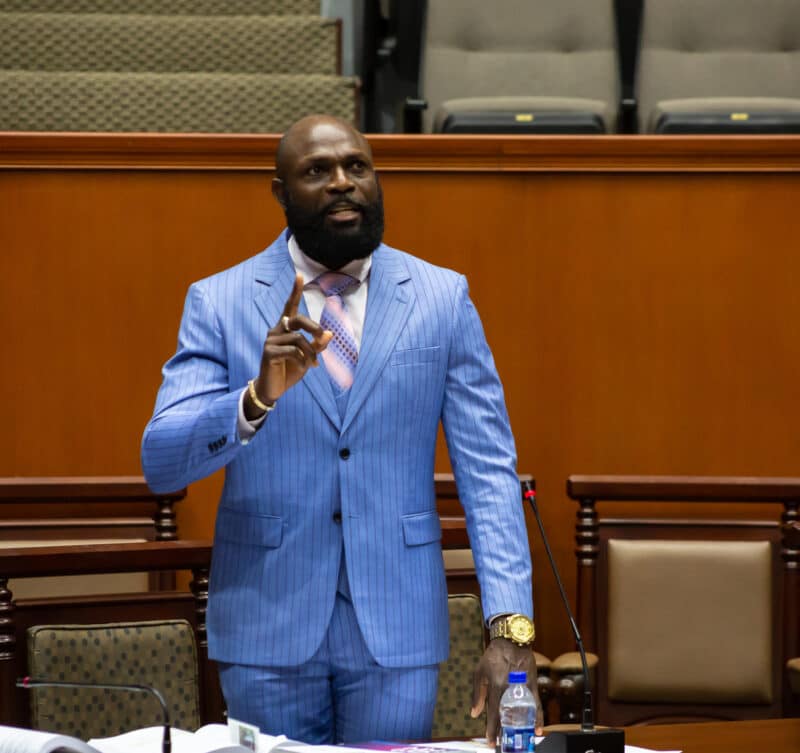
PM Questions Whether Opposition MPs Can Contribute Meaningfully to Budget Debate
Prime Minister Gaston Browne has cast doubt on the ability of opposition MPs to meaningfully contribute to the upcoming national budget debate, citing a perceived lack of preparation and policy depth. Speaking on the Browne and Browne Show, Browne specifically questioned the readiness of United Progressive Party MPs, naming individuals such as Serpent, Pringle, and Shuggy, and expressing skepticism about their capacity to engage with the government’s fiscal plans. The Prime Minister’s remarks were part of a broader discussion on whether opposition members might boycott the budget proceedings or use the debate for political attacks. Browne dismissed the possibility of a boycott, asserting there was “no reason” for such action, and instead focused on questioning the opposition’s preparedness. He suggested that the MPs lack the economic expertise and policy substance needed to offer a credible response to the budget. Browne emphasized that this year’s budget will showcase the government’s strong performance, including growth projections, public-sector investments, and new policy goals. He framed the budget as a critical test of leadership and competency within Parliament. The Prime Minister also reiterated his broader critique of the opposition, accusing them of attempting to “undermine order” on issues such as vending regulations and illegal dumping enforcement. While Browne did not specify what he expects from the opposition during the debate, he made it clear that the government is prepared to defend its economic record and advance its policy agenda. The national budget debate is scheduled for next week in Parliament, where both sides will present their positions on the government’s fiscal strategy for the coming year.
-

New Camera Network Will Not Only Police Crime But Littering and Traffic Violations Too
Prime Minister Gaston Browne has announced the deployment of a comprehensive national surveillance system in Antigua and Barbuda, featuring approximately 200 strategically placed cameras. This initiative aims to address a range of issues, including crime, littering, and traffic violations, marking one of the most significant upgrades in the nation’s monitoring and enforcement capabilities. During an appearance on the Browne and Browne Show, Browne emphasized that the system will enable law enforcement to monitor illegal activities in real time, contributing to both national security and environmental cleanliness. The government has already invested over a million dollars in the project, underscoring its commitment to the initiative. Browne highlighted the challenges of policing illegal dumping, noting that many violations go unreported, leaving enforcement officers without evidence. The new cameras are designed to address this issue by capturing violations directly. Additionally, the system will be linked to enforcement personnel, allowing for immediate identification and action against offenders. The Prime Minister stressed the government’s determination to maintain clean public spaces, stating, ‘Antigua and Barbuda must be a clean and beautiful country.’ The camera network is part of a broader effort that includes clearing derelict buildings, removing abandoned vehicles, enforcing beach vending rules, and increasing penalties for environmental violations. The first phase of the system is expected to become operational following an on-site assessment by the technical team.
-

ONS VOLKSLIED opnieuw bezongen
Suriname, a nation celebrated for its cultural diversity, stands out for its unique embrace of religious freedom and spiritual unity. The country’s ability to bring together various religious denominations on a single platform for prayer and meditation is a testament to its harmonious coexistence. Surinamese people collectively honor each other’s religious holidays, fostering mutual respect and understanding. At the heart of this unity lies a profound spiritual connection to the One Supreme Being, the invisible, immaterial, and boundless Father of all souls. This divine presence, which transcends injustice and inequality, guides individuals toward acceptance, love, and moral clarity, enabling them to act with integrity and compassion. The spiritual elevation offered by this connection encourages the best in humanity, emphasizing virtues like goodness and righteousness as the foundation for progress. Suriname’s history, shaped by the convergence of diverse cultures and societal backgrounds, reflects a collective journey of spiritual growth. The philosophy of karma provides a broader perspective, suggesting that souls have sought each other out to rebuild what was once broken. This process requires recognizing one another as kindred spirits, each with a unique role to play. Mother Earth, one of the five elements that constitute human existence, provides unwavering support, teaching lessons of unconditional giving, tolerance, acceptance, and respect. Together with the other elements, she creates an environment where cohabitation and harmony thrive naturally. However, the shift toward arrogance, greed, and selfish motives threatens this balance, leading to misuse, manipulation, and corruption. A positive attitude toward work not only promotes health but also stimulates creativity, contributing to a sense of purpose and self-worth. True freedom, rooted in the realization of one’s spiritual essence, allows individuals to act with honesty and integrity. The core qualities of the soul—love and peace—form the basis for self-respect, compassion, and appreciation for nature. These values, combined with the unconditional love of God, define the dignity and pride of Suriname, making it a beacon of independence and resilience. Celebrating Suriname in Suriname is the true essence of Srefidensi, a reflection of the nation’s spiritual and cultural richness.
-
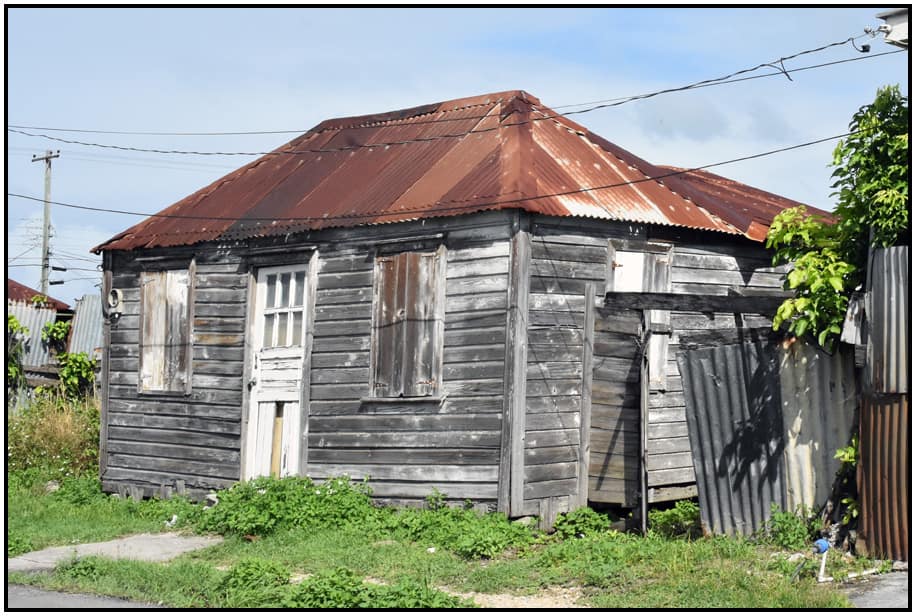
First set of derelict homes to be demolished after 28 days notice expires
Prime Minister Gaston Browne has announced a significant step in the government’s national clean-up campaign, issuing 28-day notices for the demolition of unsafe and derelict homes across the country. The initiative aims to address public health concerns and enhance community aesthetics by targeting structures deemed structurally unsound, long-abandoned, or misused for illegal activities such as dumping and squatting. Speaking on the Browne and Browne Show, the Prime Minister emphasized the urgency of the effort, stating, ‘We have given notice for a number of homes… I think it’s 28 days. You’re going to see us breaking down a ton of these… homes.’ This demolition program is part of broader beautification and environmental enforcement measures, which also include removing derelict vehicles and clearing abandoned structures. While specific locations were not disclosed, Browne confirmed that the initiative aligns with the government’s commitment to restoring neighborhoods and mitigating health hazards. The first demolitions will commence once the 28-day notices expire, marking a pivotal phase in the ongoing urban renewal project.
-

Antiguan Researcher Earns Top Honor From U.S. Speech-Language Pathology Association
Aethiopia Joseph-Salmon, an Antiguan-born PhD candidate at Purdue University, has been awarded a prestigious accolade by the American Speech-Language-Hearing Association (ASHA) for her pioneering research on fibromyalgia. Her work, which investigates the cognitive and communication challenges faced by fibromyalgia patients, was selected as one of the 88 ‘Meritorious Posters’ out of 1,586 submissions at ASHA’s annual convention held from November 20–22, 2025. Joseph-Salmon’s study highlights the often-overlooked struggles of fibromyalgia patients, emphasizing the potential role of speech-language pathologists in addressing these symptoms, which many patients find as debilitating as chronic pain. This recognition adds to her growing list of achievements, including ASHA’s Students Preparing for Academic and Research Careers Award in 2024. Diagnosed with fibromyalgia five years ago, Joseph-Salmon’s personal experience with the condition inspired her to pursue research aimed at improving care for others. She credits her upbringing in Antigua and the support of her mother and early mentors for her academic success. As one of the first Antiguans to complete Howard University’s speech-language pathology program, Joseph-Salmon aspires to develop speech-language services in Antigua and Barbuda, ensuring better support for individuals with communication challenges.
-

Her next round of ‘breaking’ and ‘resetting’
During a recent youth rally, a ‘special guest’ took the stage to address the audience on behalf of the United Labour Party (ULP). However, her speech was less an endorsement and more a plea for assistance, a pattern familiar to those who know her well. Even Candyman, who introduced her, has previously noted this tendency after prolonged interactions. While I have been a lifelong supporter of Labour, my current uncertainty stems not from anger at the opposition New Democratic Party (NDP) but from dissatisfaction with how the ULP has managed key issues over the past five years, including the controversial vaccine mandate. Her speech did little to strengthen my allegiance to the ULP; instead, it deepened my reflection on Mike Browne’s commentary, pushing me toward abstaining from voting in the upcoming election. Her intelligence, eloquence, and confidence are undeniable, but she may not be what the ULP needs now. Her past remarks, such as labeling Curtis King a ‘disgrace’ and dismissing Keisal Peters as merely a ‘wardrobe and a hair salon,’ raise questions about her alignment with the party. Despite her criticisms of the NDP, their leadership remained silent, perhaps recognizing the underlying motivations behind her outbursts. As the ULP welcomes her into a visible role, internal warnings are emerging publicly, urging caution. Will the party heed these concerns, or will history repeat itself?
-
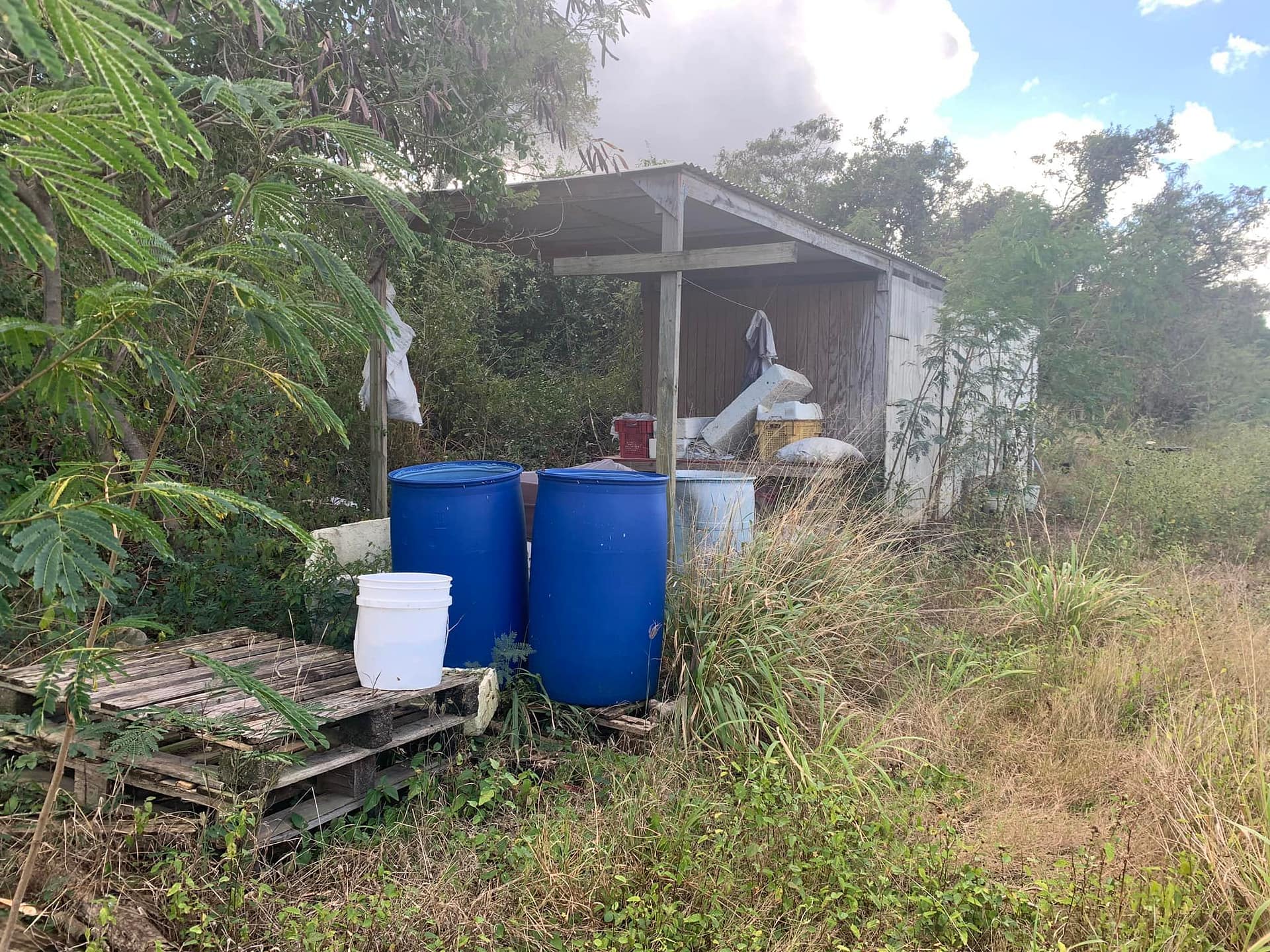
PM Says Policy On Idle Farm Land Applies to ‘Everyone’ Not Just Serpent
In a decisive move to boost agricultural productivity, Prime Minister Gaston Browne has announced that the government will reclaim idle farmland if owners fail to commence cultivation within 30 days. Addressing the issue on the Browne and Browne Show, the Prime Minister emphasized that numerous individuals are holding valuable agricultural plots without utilizing them, thereby hindering national food security. “They have 30 days, failing which the lands will be reallocated to serious farmers,” Browne declared. He criticized those who keep government-owned farmland inactive, stating, “They see all this land on the bush, not recognizing they’re already assigned to different people who are just holding on to them. They’re literally holding the land and not putting it on the bush… juicing. So that will come to an end.” Browne assured that the policy applies universally, irrespective of political affiliation, citing opposition MP Algernon “Serpent” Watts as an example of a non-productive farmer. “Even people like Serpent and so on, if Serpent doesn’t start a farm again, of course we’re going to take them back. This has nothing to do with any form of political victimization,” he clarified. The Prime Minister revealed that the government has identified multiple cases of abandoned agricultural leases, including one individual who owns 26 acres but has sold all his agricultural equipment. “We know he’s no longer in that space. But just holding on to the land. Just holding on to the land,” Browne noted. He stressed that the reassignment program aims to ensure state land is used for food production and national food security, adding that “many others… are just holding government’s land and not producing.” While Browne did not specify when repossessions would begin, he affirmed that enforcement would follow once the 30-day deadline expires.
-
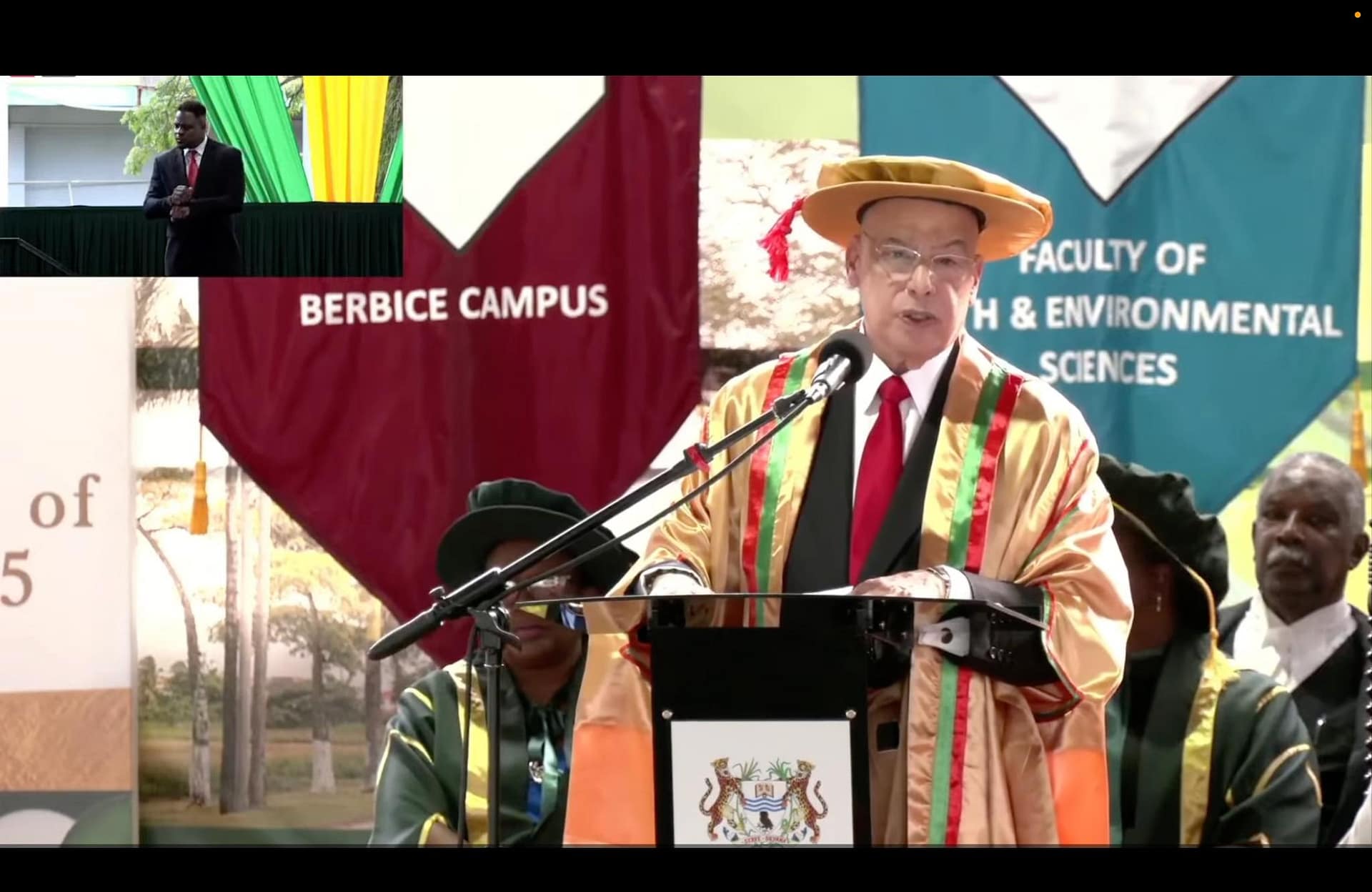
Sir Ronald Sanders Receives Honorary Doctor of Laws from University of Guyana
In a momentous ceremony on November 22, 2025, the University of Guyana bestowed the Honorary Doctor of Laws (LLD) upon Sir Ronald Michael Sanders, Antigua and Barbuda’s Ambassador to the United States and the Organization of American States (OAS). The prestigious accolade was presented during the university’s 59th Convocation Ceremony by Vice-Chancellor Professor Paloma Mohamed-Martin. The honor recognized Sir Ronald’s exceptional contributions to diplomacy, journalism, and international cooperation, cementing his legacy as one of the Caribbean’s most distinguished figures. The citation, delivered by senior lecturer Mr. R. Creighton (Mr. Arkwrighton), lauded Sanders’ decades-long career, emphasizing his “principled advocacy, intellectual rigor, and steadfast belief in the power of international collaboration.” The university highlighted his groundbreaking achievements, including his rise to General Manager of the Guyana Broadcasting Service at just 25 years old and his influential syndicated commentaries on justice, governance, and small-state diplomacy. His diplomatic milestones, such as chairing the OAS Permanent Council for three terms and leading the 2016 Good Offices Mission to Haiti, were also celebrated. The citation further underscored his unwavering commitment to Guyana’s constitutional order, electoral integrity, and territorial sovereignty, particularly in the context of the Guyana–Venezuela border dispute. Sanders’ global impact has earned him numerous accolades, including the Order of Merit of Ukraine in 2025. In his address, Sir Ronald reflected on Guyana’s transformative potential, urging the graduating class to shape a future defined by character, courage, and national purpose. The ceremony concluded with warm applause as Sir Ronald departed, with the university acknowledging the privilege of hosting such an accomplished diplomat amidst his demanding international commitments.
-

A product of the Education Revolution — and the lessons it taught me
As a beneficiary of what is often celebrated as the ‘educational revolution,’ I find myself reflecting on my journey with a mix of gratitude and realism. My opportunity came through a government-backed loan, but it was my father who shouldered the interest payments while I pursued my degree. For that, I am deeply thankful—both to the government and to my dad. Upon returning home, I was committed to contributing to my country’s human resource pool. I applied repeatedly for teaching positions in the public sector, but no doors opened. Undeterred, I pressed on. I found work in the private sector, worked diligently, and remained ambitious, even as I continued to pay off my student loan. When I became pregnant, my employer saw it as a burden rather than a natural part of life. I was eventually made redundant, left jobless with a baby in my arms and a loan still due every month. Yet, I continued paying, using the redundancy payout. Accountability mattered to me. At my second job, I again applied to teach—still no response. I sought stability, wanting to provide for my son. Eventually, I found myself working within a statutory body, where I witnessed inefficiencies and leadership driven by fear rather than inspiration. Skills were misaligned with roles, and decisions were made based on approval, appearance, and proximity to power rather than merit. Despite financial struggles, I kept paying my loan, even consolidating it into my mortgage to build a home for my child. Ambition drove me forward. I noticed a stark contrast: while some of us paid faithfully, others who benefited from the same educational opportunities did not. They lived freely, while those of us taking responsibility were weighed down by the system. I began to question whether I should have borrowed more—enough for school and a home—because life seemed designed to keep us repaying institutions until retirement. The turning point came when I realized I was no longer growing—emotionally, professionally, or financially—in my environment. I refused to beg politicians for favors, compromise my integrity, or believe that advancement should come through connections rather than qualifications. So, I made the hardest decision of my life: I left my country, SVG, the workforce I once hoped to strengthen, and the opportunities I never received. I left a system whose direction no longer aligned with my ideals. Ironically, I now teach in another nation’s classroom, shaping another nation’s children, while the classrooms of my birth country remain untouched by my hands. This is not a call to rebellion but a reminder that loyalty does not mean silence, and gratitude does not mean blindness. We have the right to question, grow, and choose. As Thomas Jefferson said, ‘When the people fear the government, there is tyranny; when the government fears the people, there is liberty.’ I once feared speaking out because of my job, but I no longer live with that fear. Today, I write to encourage reflection—not rebellion; awareness—not allegiance. Your vote is your power. Use it.