博客

  • VIDEO: Fire chief reports on blaze at Questelles Gov’t School

    VIDEO: Fire chief reports on blaze at Questelles Gov’t School

    In response to significant structural damage caused by a recent fire incident, educational authorities have announced temporary relocation plans for students of Questelles Government School. The blaze, which erupted on December 29, 2025, resulted in the complete destruction of one school block’s roofing system, rendering the facility unsuitable for academic activities.

    Beginning next term, all fifth and sixth-grade students will transition their educational activities to the Campden Park Community Centre. This alternative venue has been prepared to accommodate the displaced pupils while restoration work commences at the original school premises.

    Superintendent Mark Ellis, commanding officer of the Fire Brigade, provided an official assessment at the incident scene. While the full investigation remains ongoing, preliminary reports indicate the fire caused extensive damage to the school’s infrastructure. The relocation strategy ensures educational continuity while addressing safety concerns arising from the damaged facility.

    The educational district has implemented comprehensive measures to minimize disruption to the academic calendar. School administrators are coordinating with transportation services and community center staff to ensure a seamless transition for affected students and faculty members.

  • Authorities Warn of Heavy Penalties for Archaeological Vandalism

    Authorities Warn of Heavy Penalties for Archaeological Vandalism

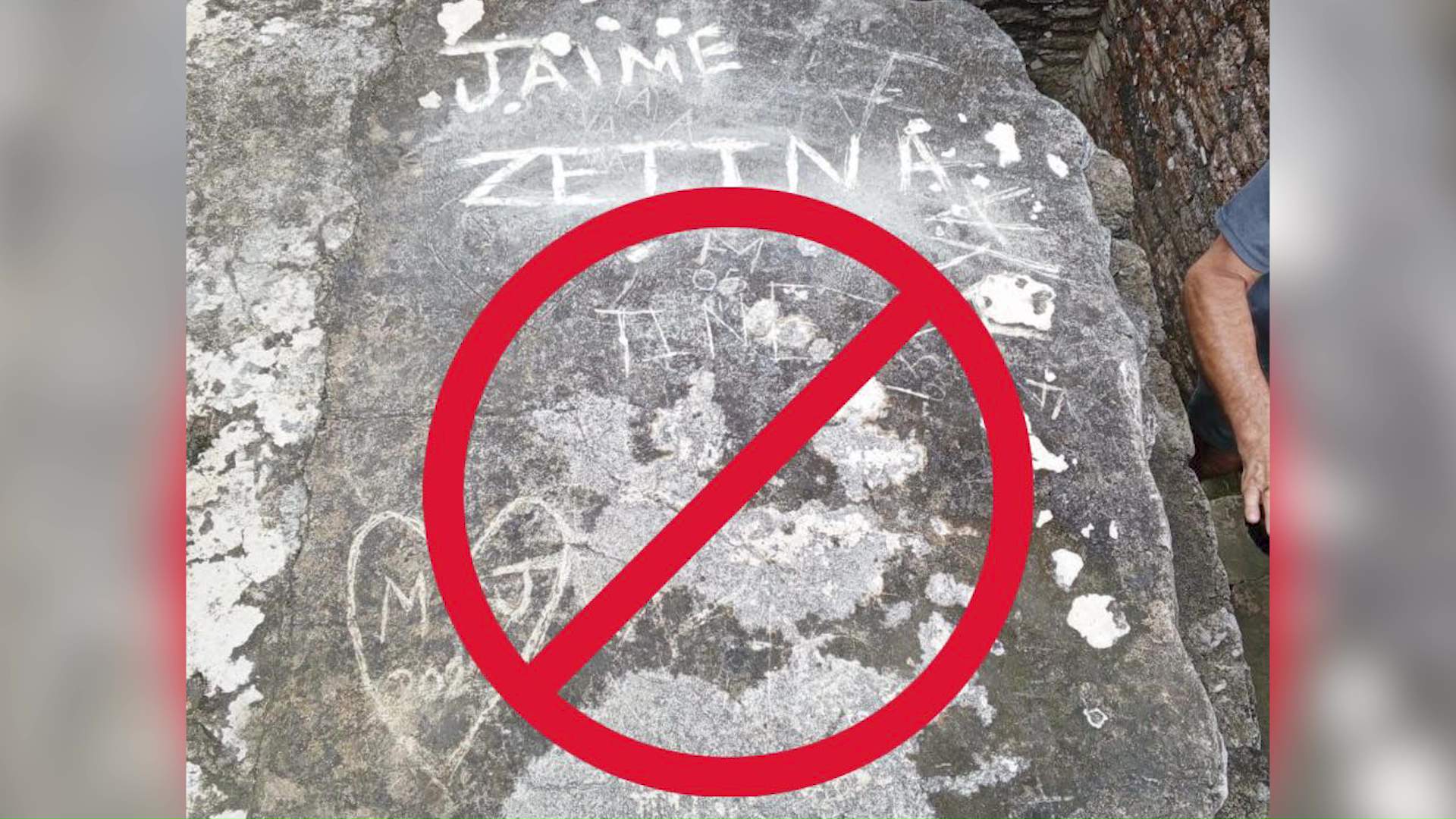
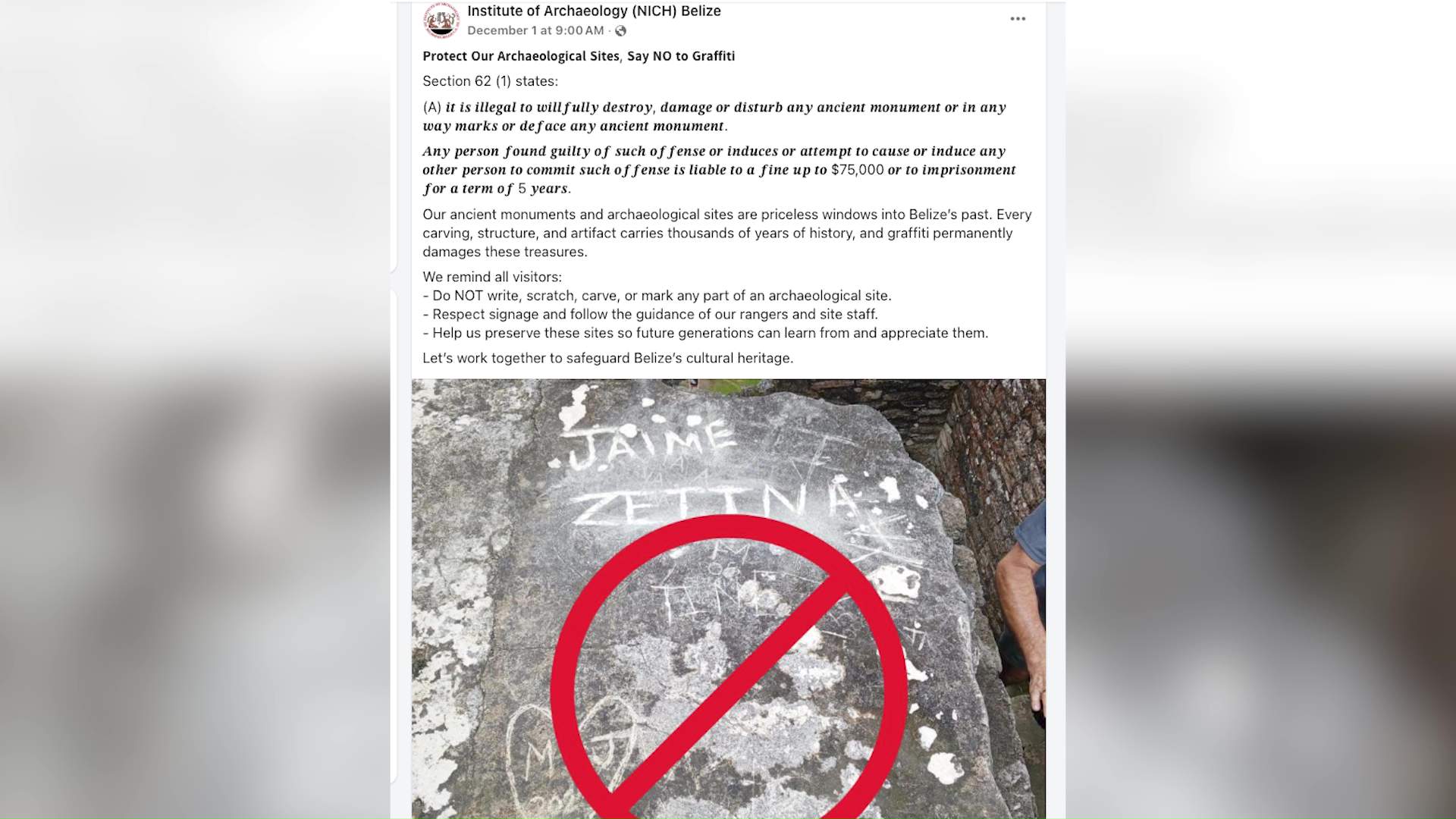
    Belizean archaeological authorities have issued a forceful response following the recent defacement of the ancient Maya city of Xunantunich by vandals. The Institute of Archaeology has reinforced that such acts of graffiti constitute not only profound disrespect but also carry severe legal consequences, including fines reaching $75,000 or potential imprisonment for up to five years.

    Dr. Melissa Badillo, Director of the Institute of Archaeology, expressed profound disappointment at the recurring incidents targeting the nation’s cultural treasures. She emphasized that these ancient structures represent irreplaceable portals to Belize’s historical legacy, with graffiti inflicting permanent damage to delicate carvings, architectural features, and artifacts.

    The Institute maintains ongoing educational outreach programs targeting schools, tour operators, local communities, and researchers to foster preservation awareness. However, the recent vandalism has prompted officials to issue a stark reminder about the illegal nature of such activities. Dr. Badillo noted that while the tourism industry presents certain challenges regarding site protection, all visitors—whether domestic or international—must exercise responsibility when accessing these sacred spaces.

    Authorities are seeking to identify the individuals responsible for the latest incident while calling for collaborative efforts from tour guides and visitors alike to prevent further damage to Belize’s cultural heritage sites.

  • Vandals Endanger Ancient Monuments in Belize

    Vandals Endanger Ancient Monuments in Belize

    Belize’s cultural guardians are confronting a devastating assault on the nation’s archaeological treasures as deliberate vandalism threatens ancient Maya monuments. Dr. Melissa Badillo, Director of the Institute of Archaeology, has issued an urgent plea for public responsibility amid escalating damage to these irreplaceable heritage sites.

    In a recent interview, Dr. Badillo expressed profound frustration and disappointment at the deliberate destruction of structures that have endured for millennia. The vandalism, primarily through graffiti and physical damage, represents both a cultural tragedy and an enforcement challenge for site rangers who struggle to monitor vast archaeological zones.

    While offenders face substantial financial penalties under existing legislation, practical enforcement remains problematic. The Institute is now considering unprecedented measures including temple closures, restricted access to vulnerable areas, and enhanced monitoring protocols. Electronic ticketing systems provide some forensic capability to identify visitors, but Dr. Badillo acknowledges that technological solutions alone cannot solve what is fundamentally a social problem.

    The emotional toll on preservationists is palpable. Dr. Badillo characterized the destruction as not merely illegal but spiritually devastating, noting that these monuments embody Belizean identity and connect present generations to ancient Maya civilization. She emphasized that while the artifacts themselves are priceless, their loss represents an incalculable diminishment of cultural heritage.

    Ultimately, the solution requires collective responsibility rather than merely increased enforcement. Both Belizean citizens and international visitors must recognize their role as stewards of these sacred spaces. The Institute’s message is clear: protecting these wonders for future generations transcends legal compliance and speaks to national pride and historical consciousness.

  • Is Belize really better off, or just feeling better?

    Is Belize really better off, or just feeling better?

    As Belize approaches the new year, Prime Minister John Briceño has presented an ambitious assessment of national progress, highlighting significant improvements across multiple sectors. The government’s initiatives have reportedly generated increased employment opportunities with sustainable wages, enhanced public safety, and strengthened educational and healthcare infrastructure. Particular emphasis has been placed on rural development, with villages receiving paved roads, improved drainage systems, clean water access, and technology-equipped classrooms.

    The administration points to two flagship programs as evidence of economic momentum: GST-free weekends that have stimulated tens of millions in consumer spending, and the public share offering of Hydro Belize Ltd., which has attracted hundreds of Belizean investors within days of its launch. The Prime Minister characterizes these developments as transformative steps that will keep profits circulating within the local economy for generations.

    However, beneath this official optimism, critical questions emerge regarding the depth and sustainability of these gains. Analysts are examining whether the reported progress adequately addresses persistent challenges including cost of living pressures, crime rates, and equitable distribution of resources. The contrast between government achievements and underlying structural issues presents a complex picture of Belize’s current development trajectory, suggesting that while short-term indicators appear positive, long-term solutions require continued attention.

  • BEL Warns of Financial Strain Despite Tariff Increase

    BEL Warns of Financial Strain Despite Tariff Increase

    Belize Electricity Limited (BEL) has received regulatory approval for increased electricity tariffs effective January 1st, yet company officials warn the approved rates fall significantly short of addressing their financial challenges. The Public Utilities Commission authorized a rate increase of 3 cents per kilowatt-hour to be implemented over a thirty-month period, substantially less than the nearly 5 cents over twenty-four months that BEL had requested.

    The discrepancy between requested and approved rates creates a projected $19 million shortfall for the utility company. BEL’s financial statements reveal mounting pressures including substantial debts to power producers, increasing local liabilities, and over $80 million in emergency expenditures for gas turbines deployed to prevent widespread blackouts.

    According to company statements, these emergency measures prevented potentially severe service interruptions that could have resulted in up to two hours of daily power outages across Belize. Meanwhile, delays in solar energy projects have cost consumers approximately $53 million in lost potential savings according to company estimates.

    While BEL has committed to enhanced operational controls and greater transparency, the utility reserves the right to pursue additional cost recovery mechanisms in the future. The situation presents an ongoing challenge for Belize: balancing reliable electricity service with affordability for consumers amid rising infrastructure costs and transition to renewable energy sources.

  • Belize Marks 8 Years of Offshore Oil Ban, But Will It Last?

    Belize Marks 8 Years of Offshore Oil Ban, But Will It Last?

    Belize commemorates the eighth anniversary of its groundbreaking Petroleum Operations (Maritime Zone Moratorium) Act, legislation that permanently halted offshore oil exploration in its territorial waters. This environmental milestone originated from widespread public opposition that emerged in 2010 when petroleum concessions were initially granted to multiple companies.

    The movement gained unprecedented momentum through a coalition of environmental organizations, concerned citizens, and international supporters including prominent figures like actors Morgan Freeman and Ted Danson. Their collective efforts culminated in a historic legislative victory on December 30, 2017, establishing one of the world’s most comprehensive offshore drilling bans.

    Despite earlier attempts to force a government-sanctioned referendum through voter signatures—which faced significant procedural challenges—the coalition organized an independent ‘People’s Referendum’ that demonstrated overwhelming public support for marine protection. The sustained advocacy ultimately compelled political action, resulting in the moratorium’s formal adoption.

    In a significant reinforcement of the policy, the Briceño administration amended the legislation in 2023 to mandate a national referendum before any potential repeal or amendment. Constitutional Minister Henry Charles Usher confirmed the government’s commitment to maintaining the ban while ensuring meaningful public consultation regarding petroleum exploration matters.

    The nation now faces ongoing deliberations about balancing economic development with environmental stewardship, particularly given Belize’s dependence on marine ecosystems that support more than half its population through tourism and fisheries. As global energy demands evolve, the durability of Belize’s environmental safeguard remains a subject of both celebration and cautious observation.

  • Who Tore Down Calcutta’s Christmas Tree?

    Who Tore Down Calcutta’s Christmas Tree?

    The tranquil community of Calcutta Village has been shaken by a deliberate act of destruction targeting its central Christmas tree during the early hours of December 30, 2025. According to eyewitness accounts, the meticulously decorated tree—adorned with ornaments contributed by local residents—stood intact at approximately 3:00 a.m. but was discovered demolished less than sixty minutes later.

    Village Chairperson Alex Tzub expressed profound dismay at the incident, confirming that significant portions of the tree structure were fractured and numerous decorative elements were either shattered or forcibly dispersed across the vicinity. Despite the damage, Tzub affirmed the community’s determination to restore the display symbolizing seasonal unity.

    This episode represents the latest within an escalating sequence of vandalism incidents troubling the village. Tzub highlighted preceding criminal activities including targeted attacks on vehicle windshields and glass doors near the community center, indicating a persistent pattern that has evaded resolution due to insufficient evidence or eyewitness testimony.

    The village leadership is urgently appealing to residents for collaborative vigilance and information regarding these destabilizing acts. Tzub emphasized that such events tarnish the reputation of the entire community beyond its administrative bodies, stressing the necessity of collective action to identify perpetrators and prevent further occurrences in the traditionally peaceful locality.

  • Election : The Prime Minister reiterates to the CEP his determination to support the electoral process

    Election : The Prime Minister reiterates to the CEP his determination to support the electoral process

    In a significant demonstration of governmental commitment to democratic processes, Haitian Prime Minister Alix Didier Fils-Aimé personally visited the Provisional Electoral Council (CEP) headquarters on December 30, 2025. During this high-profile engagement, the Prime Minister emphatically reaffirmed his administration’s comprehensive backing for the upcoming 2026 electoral cycle.

    The Haitian leader expressed particular satisfaction with the CEP’s publication of a revised electoral calendar, characterizing the timeline as both realistic and credible in meeting democratic standards. He further commended the Presidential Transitional Council (CPT) for its diligent work in preparing the crucial electoral decree that will govern the process.

    Security concerns emerged as a central theme of the Prime Minister’s address, with specific emphasis on protecting displaced populations and ensuring national stability. Fils-Aimé identified these elements as absolute prerequisites for guaranteeing all citizens the fundamental right to participate freely in the democratic process.

    Reaching beyond national borders, the Prime Minister issued a strategic appeal to the international community, urging intensified support for Haiti’s security apparatus. This call specifically referenced the need for enhanced backing of the Gang Suppression Force (FRG) and other law enforcement operations critical to establishing the secure environment necessary for successful elections.

    The government’s coordinated approach—combining domestic electoral preparation with international security cooperation—signals a determined effort to conduct Haiti’s 2026 elections under optimal conditions, potentially marking a turning point in the nation’s political landscape.

  • Reflections on faith, rest, work as Old Year’s Night approaches

    Reflections on faith, rest, work as Old Year’s Night approaches

    As the final hours of the year approach, Barbados showcases a rich tapestry of traditions and personal philosophies surrounding Old Year’s Night celebrations. Across the island nation, residents are preparing to welcome the new year through distinctly different yet equally meaningful approaches that reflect their values, circumstances, and outlooks on life.

    For many Barbadians, religious observance forms the cornerstone of their year-end activities. Arla Daniel represents those who prioritize spiritual connections, describing her plans to attend services at All Saints Anglican Church in St. Peter after sharing a meal with her congregation. She emphasizes the transformative atmosphere of the ‘fully lit’ church, where admission fees grant participants a memorable visual and spiritual experience to conclude the year surrounded by community.

    In contrast, numerous islanders embrace a more spontaneous approach to the occasion. Roger Carter exemplifies this perspective, expressing his philosophical acceptance of life’s uncertainties by deliberately avoiding structured plans. His attitude reflects a broader sentiment that meaningful moments cannot be scheduled, preferring to let the evening unfold organically rather than conform to societal expectations.

    Home-centered celebrations provide comfort and practicality for many residents. Vincent Taylor and Anderson Barnes both advocate for domestic tranquility, with Taylor planning to enjoy spiritual music while welcoming what he hopes will be a peaceful new year. Barnes reinforces this perspective, noting the annual recurrence of the celebration makes extravagant observances unnecessary, choosing instead to appreciate Christmas purchases in the comfort of his home.

    The economic realities of modern life shape another dimension of Barbadian year-end traditions. Jerome Wilkerson openly prioritizes productivity over celebration, stating plainly that his primary objective is to ‘work and make money.’ His pragmatic approach—planning to potentially celebrate only after securing earnings—highlights how financial considerations influence cultural practices.

    Family connections and tempered optimism emerge as additional themes in Barbados’s year-end landscape. Eugene Joseph plans to combine parental bonding with modest celebrations, intending to share quality time with children while hopefully witnessing fireworks displays. Her acknowledgment of upcoming challenges demonstrates a characteristically Bajan resilience—approaching difficulties with calm determination rather than apprehension.

    This spectrum of traditions, from deeply spiritual to resolutely practical, illustrates how Barbadians across demographic and philosophical lines find personal significance in the transition between years, blending cultural heritage with individual circumstances to create meaningful rituals.
  • Transport unions end dispute and move forward with 27 de Febrero Corridor

    Transport unions end dispute and move forward with 27 de Febrero Corridor

    SANTO DOMINGO – In a landmark development for Dominican Republic’s public transportation, a coalition of major transport associations has formally presented a unified operating agreement to the National Institute of Transit and Land Transportation (Intrant). The agreement, submitted on Tuesday, paves the way for the long-stalled 27 de Febrero Transport Corridor to commence operations in the coming year.

    The breakthrough was achieved through collaboration between the National Transportation Federation New Option (Fenatrano), the Association of Car Owners of 27 de Febrero (Asoprocavefe) under Juan Hubieres’ leadership, and transport operator Pedro Gómez. This memorandum of understanding effectively resolves a multi-year conflict that had paralyzed the infrastructure project, marking a significant step toward modernizing the nation’s transit systems.

    Hubieres clarified that the current submission implements an accord originally established in June between Fenatrano, Asoprocavefe, and the transport collective represented by Pedro Marcelino Gómez Morel. This resolution eliminates internal disputes and ongoing legal challenges that previously obstructed progress. The formalization of this agreement ensures no further impediments to the government’s scheduled corridor initiatives for the upcoming period.

    Pedro Gómez celebrated the consensus as a pivotal moment for the sector, highlighting how the resolution ends years of discord while creating mutual benefits for all operators and fostering sustainable growth in public transportation. The parties confirmed that the operating license for the 27 de Febrero Corridor will be registered under the current consortium of operators, including Asoprocavefe, Sitraur R-1, Aspchopicma, and Asochotrece.