博客

  • The independence of trade unions

    The independence of trade unions

    Independent trade unions represent worker-led organizations operating free from external control by employers, government entities, or political parties. These autonomous bodies primarily function to protect and advance members’ rights through collective bargaining processes, negotiating improved compensation packages and workplace conditions while providing essential support on employment-related matters.

    Despite potential financial support through government subventions or employer grants, genuine independence requires operational autonomy without external influence. Members benefit from negotiated agreements, professional representation during meetings, and access to legal and financial advisory services that would otherwise be unavailable to individual workers.

    Registration provides trade unions with legal corporate status, formalizing their operational structure. The registration certificate serves as definitive evidence of independence in legal contexts and grants specific statutory rights. This legal standing enables unions to initiate protective legal actions against member exploitation and unfair treatment.

    However, independence from employer and government interference does not equate to immunity from national legislation. Legal registration alone cannot guarantee substantive autonomy, as unions must still operate within established legal frameworks while maintaining internal self-governance.

    International Labor Organization (ILO) standards reinforce trade union independence, emphasizing workers’ rights to autonomous operation free from state or employer intervention as fundamental to freedom of association. Historical precedents, such as Margaret Thatcher’s Conservative government in 1979, demonstrate how repressive labor legislation can threaten union effectiveness, highlighting the perpetual importance of safeguarding autonomy.

    Maintaining genuine independence requires strategic relationship management with government and employers, avoiding rubber-stamp approval of predetermined decisions. Financial self-sufficiency remains preferable to dependence on external funding sources. Strong internal structures demonstrating good governance, democratic principles, ethical standards, and transparent decision-making processes ultimately define an organization’s authentic independent character.


  • The UWI’s Centre for Reparation Research Announces Second International Reparation Debate Competition

    The UWI’s Centre for Reparation Research Announces Second International Reparation Debate Competition

    KINGSTON, JAMAICA – The Centre for Reparation Research (CRR) at The University of the West Indies has unveiled plans for the second International Reparation Debate Competition, scheduled to launch in January 2026. This groundbreaking initiative will leverage digital platforms for virtual preliminary rounds before culminating in a live championship event in Kingston, Jamaica by March 2026.

    Building upon the remarkable success of its inaugural 2025 edition, the competition serves as a dynamic platform for youth across the Caribbean and diaspora communities to engage in intellectually rigorous discourse on reparatory justice. The previous tournament featured student delegations from five Caribbean nations and the United Kingdom, with some countries fielding up to five school teams.

    The competition framework centers on the CARICOM 10-Point Plan for Reparatory Justice, addressing critical topics ranging from the moral and economic foundations of reparations to the contemporary responsibilities of former colonial powers in addressing persistent systemic inequalities. Each participating team consists of five students supported by two faculty mentors, creating a unique synergy between youthful energy and academic guidance.

    The 2025 championship concluded with St. Joseph’s Convent Port of Spain from Trinidad and Tobago claiming victory in a finale praised by judges and dignitaries for its intellectual depth and transformative potential. Participants demonstrated exceptional ability to connect scholarly research with activist perspectives while articulating visions for a more equitable future.

    Professor Sonjah Stanley Niaah, Director of the CRR, emphasized the program’s evolving scope: “By integrating academic rigor with digital engagement strategies, we’re ensuring the reparation dialogue remains both accessible and impactful. The 2026 competition will feature influencer-led campaigns, livestreamed debates, and strengthened partnerships to broaden global participation.”

    The expanded 2026 edition aims to reach audiences across the Caribbean, Americas, Africa, and Europe through innovative digital formats. Educational institutions throughout the Caribbean and United Kingdom are invited to register participation via the official portal at www.uwi.edu/crr.

  • UWI Celebrates Professorial Appointments in Science, Economics, and Innovation

    UWI Celebrates Professorial Appointments in Science, Economics, and Innovation

    The University of the West Indies (UWI) has marked a significant milestone in its academic calendar with the formal installation of 37 distinguished scholars to professorial positions. This celebratory event, held on November 17, 2023, at the regional university’s St. Augustine campus in Trinidad and Tobago, honored excellence across a diverse spectrum of disciplines, with a pronounced emphasis on Science, Technology, Economics, and Innovation.

    The ceremony, a cornerstone of academic recognition, saw the elevation of faculty members to the ranks of Professor, Clinical Professor, and Professor Emeritus. Vice-Chancellor Professor Sir Hilary Beckles presided over the event, lauding the appointees for their profound contributions to knowledge creation and their pivotal role in addressing complex regional and global challenges. He emphasized that these appointments are not merely personal achievements but are vital to strengthening the university’s research infrastructure and its capacity for innovation.

    The newly appointed professors represent a wide array of fields, including Medical Sciences, Economics, Engineering, Agriculture, and the Humanities. Their collective research portfolio addresses critical areas such as sustainable development, public health, digital transformation, and economic policy for small island developing states. This strategic investment in top-tier academic leadership is viewed as a direct reinforcement of UWI’s mandate to drive developmental solutions for the Caribbean community and enhance its standing as a premier global institution.

  • AIDS Secretariat’s “Teen Talk Seminar: My Life, My Choices” hailed a resounding success

    AIDS Secretariat’s “Teen Talk Seminar: My Life, My Choices” hailed a resounding success

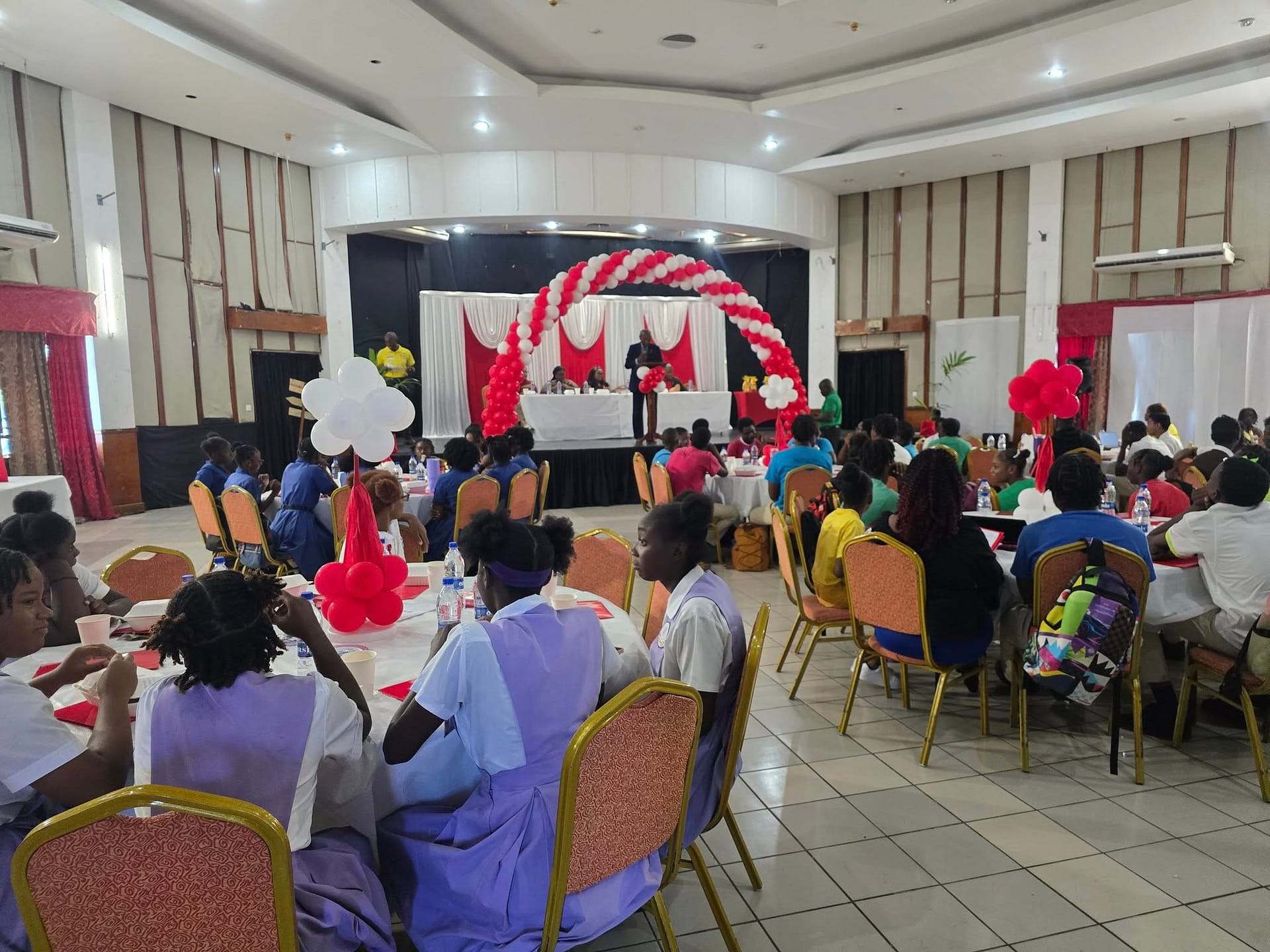
    In a significant initiative to safeguard adolescent health, the AIDS Secretariat alongside the Ministry of Health, Wellness, Environment and Civil Service Affairs has executed the “Teen Talk Seminar: My Life, My Choices.” This pivotal event brought together students from a diverse range of ten secondary schools throughout Antigua and Barbuda, focusing on empowering the nation’s youth with critical life skills and health knowledge.

    The Honourable Minister of Health, Sir Molwyn M. Joseph, provided a compelling keynote, passionately advocating for the exercise of personal willpower to avoid high-risk activities. He emphasized the paramount importance of self-protection against sexually transmitted infections (STIs) and underscored the value of seeking counsel from reliable and informed sources. Minister Joseph issued a formal commendation to the AIDS Secretariat, urging the continuation of these impactful, youth-oriented educational forums.

    A distinguished panel of experts enriched the seminar with motivational insights. Presentations were delivered by Dr. Margarethe Belle, Lorella Benjamin, Joy-Ann Harrigan, and Nikisha Smith. The event also featured formal remarks from Ms. Janet Simon, who holds the dual roles of CARICOM Youth Ambassador and Commonwealth Youth Peace Ambassador, adding a significant regional perspective to the dialogue.

    The curriculum was meticulously designed to address core challenges facing teenagers today. Interactive sessions delved into essential modules including: a comprehensive overview of STIs, the realities of sex and teenage life, the biological impact of HIV on the human body, building self-esteem, developing critical media literacy skills, and formulating strategies to navigate complex social pressures.

    This seminar is a cornerstone of the AIDS Secretariat’s expanded schedule of events leading up to World AIDS Day 2025. The international observance of World AIDS Day is set for Monday, December 1st. The week-long series of awareness activities will culminate on Sunday with a Grand Red Ribbon Day and a vibrant Street Parade through the capital city of St. John’s, symbolizing community solidarity and the ongoing fight against HIV/AIDS.

  • What Barbados’ republican journey teaches parents about raising principled children

    What Barbados’ republican journey teaches parents about raising principled children

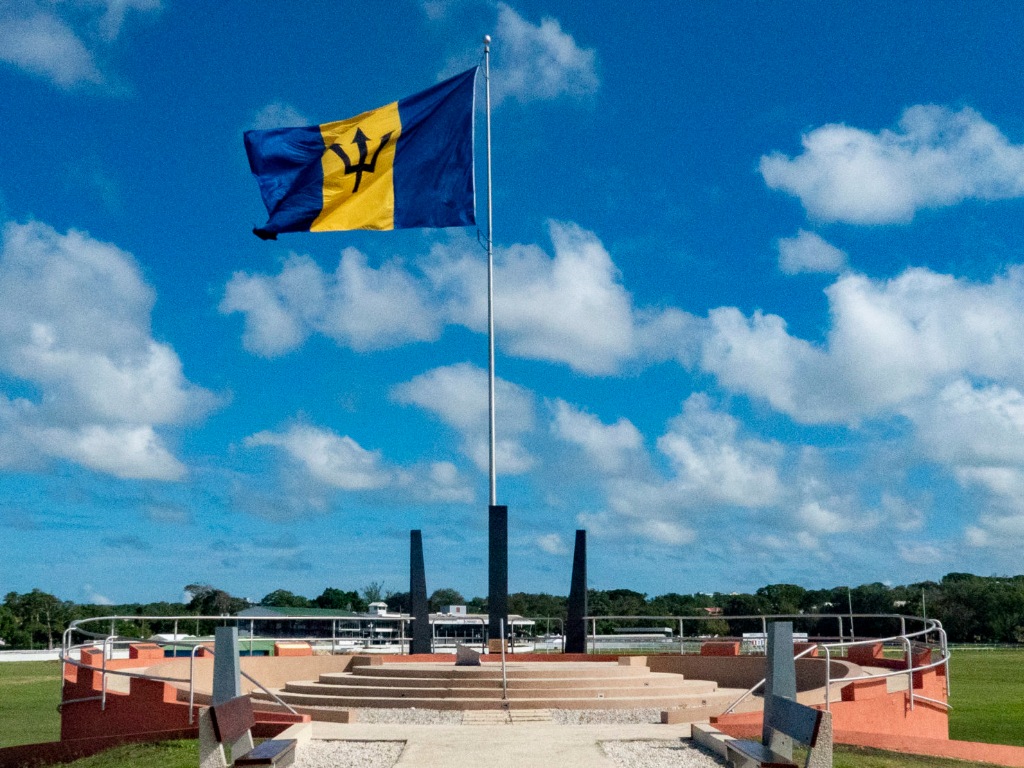
    The transformation of Barbados from colonial territory to independent republic offers profound insights into the universal process of raising autonomous individuals. When the island nation lowered the Union Jack on November 30, 1966, it embodied the tentative first steps of a child venturing into sovereignty. The subsequent declaration of republican status in 2021 represented the mature assertion of self-governance—akin to an adult claiming full agency over their destiny.

    This parallel between national development and child-rearing reveals fundamental truths about independence. Both processes involve gradual release of control, establishment of identity, and the delicate balance between freedom and responsibility. Barbados’ journey demonstrates that true sovereignty isn’t about rejecting history but about claiming one’s narrative while building resilient institutions.

    The nation’s progression—from political sovereignty to republican status to maintaining global competitiveness as a small island developing state—mirrors the developmental stages of childhood. Each phase required appropriate guardrails: legal frameworks for the nation, protective boundaries for children. The late Prime Minister Errol Walton Barrow’s stewardship emphasized that independence without responsibility leads to chaos, a principle equally applicable to parenting.

    Central to both journeys is identity formation. Barbados’ republican transition symbolized confidence in national selfhood, just as children require a strong sense of identity to navigate autonomy. This involves instilling pride in heritage while allowing space for individual expression, even when choices diverge from traditional expectations.

    Effective independence management requires autonomy support combined with open communication. Barbados maintained international relationships while asserting self-determination, similar to how parents can respect children’s agency while maintaining familial connections. The nation’s resilience through economic shocks, climate threats, and global uncertainty demonstrates the importance of preparing both nations and children for inevitable challenges.

    Ultimately, Barbados’ story provides a blueprint for nurturing independence through gradual release of control, celebration of milestones, and anchoring freedom in core values. Both national sovereignty and successful parenting represent acts of faith—not in the absence of difficulties, but in the capacity to overcome them through strengthened identity and embraced responsibility.

  • New PM promises inclusive, prayerful governance

    New PM promises inclusive, prayerful governance

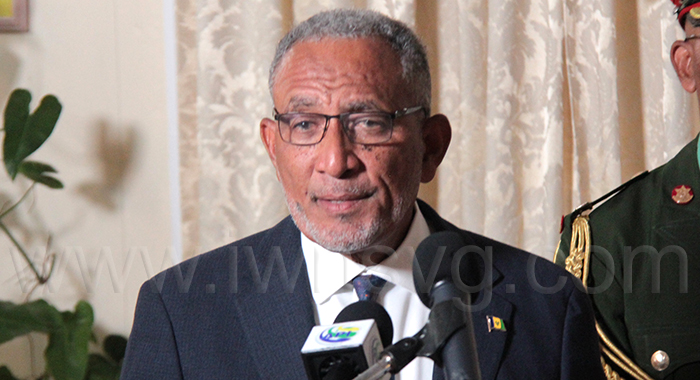
    KINGSTOWN, St. Vincent – In a historic political transition, Godwin Friday was formally inaugurated as the fifth Prime Minister of St. Vincent and the Grenadines since the nation gained independence in 1979. The swearing-in ceremony, conducted by Governor General Dame Susan Dougan on Friday evening, marked the culmination of a decisive electoral victory that ended the 24-year governance of Ralph Gonsalves’ Unity Labour Party (ULP).

    Friday’s New Democratic Party (NDP) achieved an extraordinary 14-1 mandate in Thursday’s general election, preventing the ULP from securing an unprecedented sixth consecutive term. The 66-year-old leader, also a seasoned attorney, pledged to govern inclusively, emphasizing his commitment to serve “for all the people of this country.”

    In his inaugural address, Prime Minister Friday outlined a vision centered on national unity and transformative development. “It is my duty to uplift living standards, moral values, hopes and expectations of our people,” he declared, emphasizing the need to transcend partisan politics. He stressed the importance of collective effort for national progress, noting that the country’s population of under 110,000 should be viewed as “precious, not small.”

    The new Prime Minister acknowledged the significant challenges ahead, referencing policy plans presented during the campaign while remaining open to alternative solutions. He expressed particular commitment to addressing economic disparities, stating, “It does us no good as a people for some to be thriving while others are struggling.”

    Friday paid tribute to his predecessor, Arnhim Eustace, who led the NDP from 2000 to 2016, recognizing his foundational contributions to the party. Governor General Dougan offered both congratulations and counsel, urging the new administration to foster an inclusive society and progressive agenda while navigating global turbulence.

    The ceremony also honored former Prime Minister Gonsalves for his quarter-century of public service, with the Governor General noting the foundation established during his tenure. Gonsalves remains the sole ULP representative in the new Parliament.

    Prime Minister Friday announced that his cabinet appointments would be revealed next week, with the administration immediately commencing work on implementing its campaign commitments under what he described as “a new dawn” for the nation.

  • Renewables body wants ‘fair access’ to grid after new utility licence approved

    Renewables body wants ‘fair access’ to grid after new utility licence approved

    The Barbados Renewable Energy Association (BREA) has issued a compelling call for strengthened regulatory safeguards and equitable grid access policies following the government’s decision to award Barbados Light and Power Company with a substantial 30-year national grid management license. This development, formalized through an agreement with the Ministry of Energy, has prompted BREA President Meshia Clarke to emphasize the critical need for transparency and accountability within the island’s power sector.

    While recognizing the license agreement as a pivotal milestone that provides essential regulatory clarity and establishes the legal framework for utility operations, BREA maintains that the true measure of success will lie in its implementation. The association contends that mere contractual formalization falls short without concrete mechanisms ensuring fair grid accessibility and accelerated renewable integration.

    BREA’s leadership articulated both the opportunities and responsibilities inherent in this long-term arrangement. The license presents potential for sustained investment and technological innovation within Barbados’ electricity infrastructure. Conversely, it carries the responsibility to guarantee nondiscriminatory grid access, particularly for small and medium enterprises, independent power producers, and residential consumers seeking renewable interconnection.

    The association emphasized that delayed interconnection processes and restrictive practices would directly undermine national energy objectives and effectively limit grid accessibility. With regulatory stability now established, BREA expects the utility to prioritize resolving grid stability challenges to facilitate seamless renewable integration.

    Acknowledging Light and Power’s previous cooperation in energy transition efforts and consistent service delivery despite prior licensing ambiguities, BREA nevertheless stressed the necessity of robust oversight. The Ministry of Energy and Fair Trading Commission must ensure utility operations align with national policy directives without compromising consumer or investor interests.

    The recent devastation caused by Hurricane Melissa in Jamaica served as a sobering reminder of why community resilience through energy participation is fundamentally essential rather than optional. BREA advocates for meaningful involvement pathways for schools, churches, and community organizations in the energy transition process.

    Transparent performance reporting and public disclosure mechanisms were highlighted as critical components for building institutional trust and maintaining accountability. As Barbados pursues ambitious 2035 renewable energy and carbon-neutrality targets, BREA insists the new license must catalyze accelerated adoption rather than perpetuate outdated practices. The association pledged continued stakeholder engagement through technical collaboration and public education initiatives to transform the license into an instrument for inclusive growth and sustainable energy transformation.

  • President of the Barbados Co-operative & Credit Union League underscores unity, resilience, stability in his Independence Message.

    President of the Barbados Co-operative & Credit Union League underscores unity, resilience, stability in his Independence Message.

    As Barbados commemorates another year of independence, the nation’s credit union movement reflects on its pivotal role in fostering economic resilience and community empowerment. Under the leadership of the Barbados Co-operative & Credit Union League, the movement has embraced a philosophy centered on growth, collaboration, and harmony to navigate contemporary challenges.

    This year’s celebrations coincide with strategic advancements within the financial sector, where credit unions have prioritized systemic modernization while maintaining compassionate member services. The movement has demonstrated remarkable adaptability in addressing pressing issues such as rising living costs and small business revitalization through tailored financial solutions.

    Collaboration emerges as a cornerstone achievement, with strengthened partnerships between credit unions, government entities, and community organizations. This cooperative approach has facilitated knowledge sharing, resource optimization, and meaningful contributions to national dialogues on financial wellbeing.

    The movement’s resilience shines through its ability to withstand global economic pressures and rapidly evolving financial landscapes while preserving its core identity. This endurance enables continuous service improvement without compromising the fundamental principles of fairness and transparency.

    Harmony remains the guiding principle ensuring balanced decision-making that benefits broader communities rather than select interests. As Barbados progresses, the credit union movement reaffirms its commitment to values that have historically strengthened both the organization and the nation.

    The independence anniversary serves as both milestone and reminder of the movement’s ongoing mission: to create equitable opportunities for all Barbadians through financial inclusion and community support.

  • Scotland District road rehab ‘makes progress’

    Scotland District road rehab ‘makes progress’

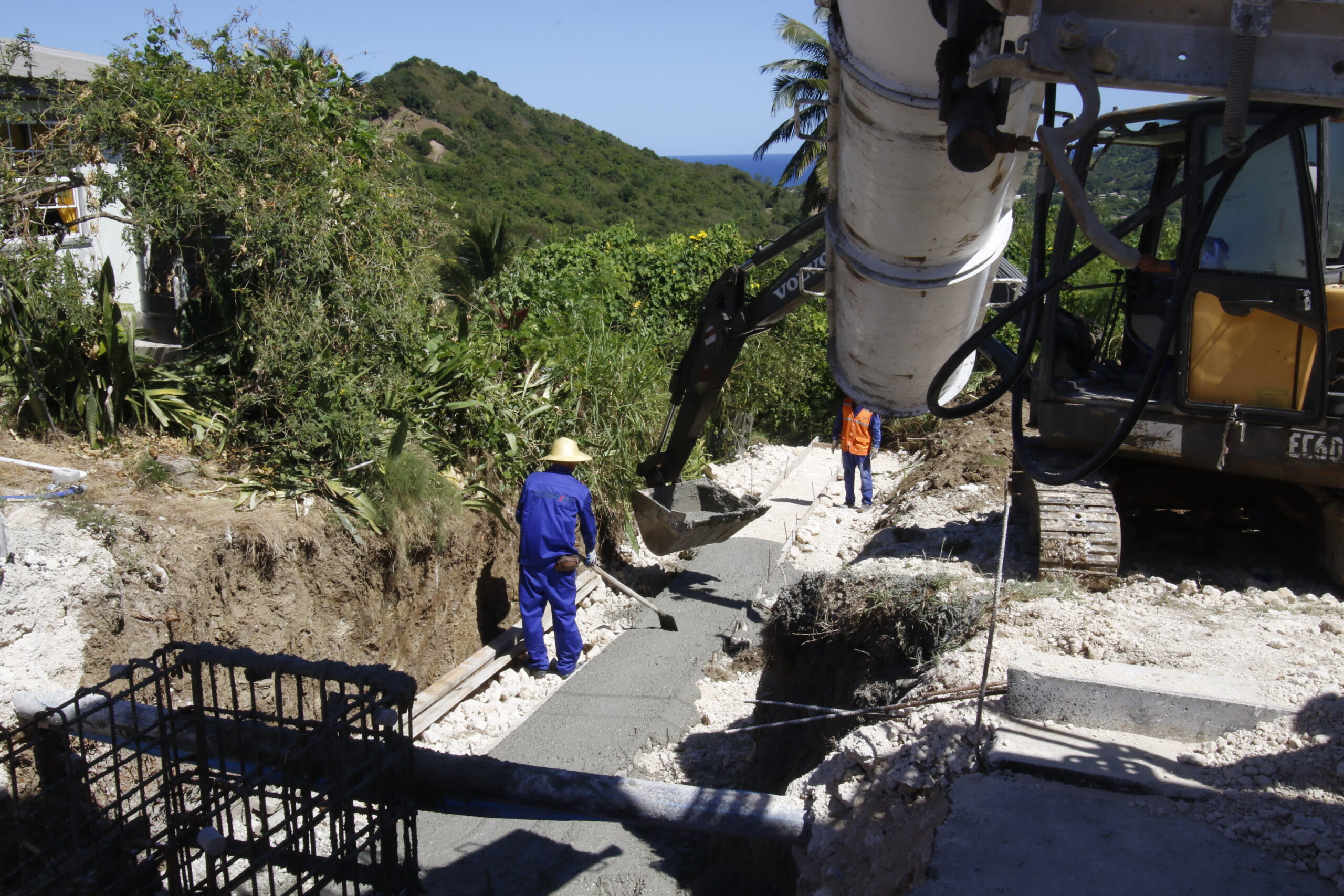
    In the geologically volatile Scotland District of Barbados, two of the most technically complex routes in the national road rehabilitation program—Ermy Bourne Highway and Highway F (Phase 2)—are progressing toward their completion deadlines of July 2026 and August 2024 respectively. Chinese state contractor COMPLANT, leading the infrastructure initiative, confirmed the timeline despite confronting substantial environmental and technical obstacles.

    Project Manager Wang Wei detailed the multifaceted challenges facing engineering teams, including unstable terrain patterns, seasonal rainfall disruptions, and the logistical complexities of utility relocations. The project, launched in 2020 and funded through a concessional loan from China’s Export-Import Bank, focuses on one of Barbados’ most fragile geological zones, spanning the erosion-prone region of St Andrew characterized by unstable clay, chalk soils, and high landslide susceptibility.

    Additional high-priority sites accelerated by the Ministry of Transport & Works due to structural deterioration and public inconvenience include White Hill, Laynes Bridge, Airy Hill Bridge, and Melvins Hill Bridge. Wang emphasized that many bridges and culverts, such as Bruce Vale Bridge, required complete reconstruction after decades of service in corrosive conditions left them structurally compromised and unsuitable for modern transportation demands.

    Road degradation has been largely attributed to aged asphalt surpassing its service life and inadequate drainage infrastructure, permitting water infiltration that damaged subgrades and triggered localized collapses—notably at Bloomsbury and Laynes Bridge gully.

    To date, 11 roads including Jemmotts Road and Chance Hill Road have been fully paved, with active construction ongoing across 16 additional roads, bridges, and culverts. Eight bridges are scheduled for reconstruction, with Bruce Vale Bridge already completing pile foundation works and nearing abutment construction.

    COMPLANT has implemented rigorous environmental and geotechnical safeguards, including Dynamic Cone Penetration testing and detailed subsurface investigations. Collaboration with government forester Nigel Jones ensured protection of rare species during excavation phases. Despite persistent challenges, Wang reaffirmed the team’s commitment to high construction standards and scientific management practices to ensure both quality and timeliness of the project.

  • Parliament adjusts excise tax to encourage import and trading of older vehicles

    Parliament adjusts excise tax to encourage import and trading of older vehicles

    The Commonwealth of Dominica has enacted significant fiscal legislation through parliamentary approval, introducing a dual-measure approach to transportation policy. The Excise Tax Amendment for 2025 establishes a tiered taxation system for imported vehicles based on manufacturing age, while simultaneously reintroducing the Highway Maintenance Levy to fund infrastructure projects.

    Finance Minister Dr. Irving McIntyre presented the comprehensive policy framework during the 2025-2026 National Budget address. The revised excise structure maintains a minimal 1 percent charge on vehicles under five years old, while implementing progressive increases: $3,000 for vehicles aged 5-10 years, $4,000 for 10-15 years, and $10,000 for vehicles exceeding 15 years. Concurrently, the general excise tax rate for vehicles under ten years will decrease from 28 percent to 25 percent.

    Dr. McIntyre emphasized the environmental and economic rationale behind these measures. “This initiative encourages population transition toward newer, more efficient vehicles with reduced carbon emissions and lower maintenance costs,” he stated during parliamentary proceedings. The minister highlighted multiple benefits including improved road safety, reduced environmental impact, and support for local vehicle commerce.

    Separately, the government legislated the reinstatement of the Highway Maintenance Levy effective October 1, 2025. Private vehicles will incur a $100 annual charge, with motorcycles assessed at $50. Commercial vehicles face scaled rates based on weight classifications, ranging from $150 for vehicles under 6,721 pounds to $500 for those exceeding 33,600 pounds.

    The levy, originally implemented in 2015-2016 and generating $10.4 million before its 2022 suspension, previously funded critical infrastructure including the Charles Avenue rehabilitation project. Dr. McIntyre noted the initial repeal responded to fuel price surges during the Russia-Ukraine conflict, but current normalized fuel prices and substantial road infrastructure investments necessitate the levy’s restoration.

    Vehicle owners are encouraged to consider these contributions as investments in national development and infrastructure sustainability.