
Ghanaian passport holders have gained new visa-free travel access to three countries across the Caribbean, Africa and South Asia, following the entry into force of reciprocal agreements officially announced by Ghana’s Ministry of Foreign Affairs. The most expansive of the new policies grants Ghanaian travelers the right to visit Antigua and Barbuda without a pre-departure visa for stays of up to 90 days. For the other two partner nations – the Maldives and Zambia – Ghanaian citizens may also enter without visa approval, with a maximum permitted stay of 30 days in both countries. All three agreements cover every category of Ghanaian passport, including ordinary travel passports, official service passports and diplomatic passports. Critically, the arrangements are fully reciprocal, meaning eligible citizens of Antigua and Barbuda, the Maldives and Zambia enjoy the same visa-free entry privileges when traveling to Ghana, aligned with the same stay duration terms outlined for Ghanaian travelers. While the new pacts eliminate visa requirements, travelers still must meet all basic entry rules for their destination. This includes holding a valid passport that meets the host country’s validity standards, complying with standard immigration screening processes, and adhering to any prevailing public health or entry regulations in place at the time of travel. Anyone planning to work, enroll in educational programs, or establish permanent residence in a destination country is still required to apply for and obtain the appropriate specialized permits before their arrival. Ghana’s Ministry of Foreign Affairs outlined the core objectives driving the new agreements, noting that the policy changes are designed to cut down on travel barriers for citizens of all four countries, while deepening diplomatic, economic and people-to-people ties between Ghana and each partner nation. The official announcement of the new visa-waiver rules was made on September 8, coinciding with the date the agreements formally entered into force. Local Ghanaian media outlet Graphic Online first published detailed reporting on the terms and implications of the new policies after the official announcement.
博客
-

If we want a healthier Caribbean tomorrow, we must give children and young people a meaningful role in shaping it today.
An opinion piece from three young Caribbean public health advocates has put forward a bold new framework for advancing regional wellness, arguing that meaningful youth engagement—rather than top-down guidance on individual behavior—is the foundation of a healthier Caribbean future.
Written by Chelsea Antoine, Latifah Holder and Danielle Mullings, all members of the youth advocacy network Healthy Caribbean Youth, the op-ed challenges the long-held assumption that improving public health starts with dictating to young people what to eat, how to stay active, and how to manage their well-being. Instead, the authors argue that systemic change must come first: young people need accessible resources, supportive environments, and formal seats at the decision-making table to drive sustainable change for themselves and their communities.
Across the Caribbean region, the authors note, young people face widespread structural barriers to healthy living that public health messaging often ignores. Young residents are consistently told to prioritize nutritious diets, but fresh, healthy food remains out of reach for many due to cost and limited access in underserved communities. They are urged to stay physically active, yet safe, inclusive public spaces for recreation and exercise are often unavailable or poorly maintained. And while mental health awareness has grown in recent years, stigma still silences open conversations, and many young people remain unsure where to turn for affordable, reliable support.
“We cannot keep telling young people to make healthier choices without asking whether we are making those choices practical, affordable and accessible,” the authors write.
This core argument is why the 2026 Caribbean Wellness Day theme—*Engage, Empower and Elevate Youth*—carries such critical importance for the region, the advocates explain. Wellness is not an individual responsibility alone, they emphasize: it is a collective mission that requires cross-sector collaboration, inclusive policy design, cultural acceptance, and accessible health services that create the conditions for young people to thrive.
Against a backdrop of growing regional challenges—including rising rates of noncommunicable diseases (NCDs), persistent food insecurity, and the evolving impacts of climate change—empowering young people means more than just handing them basic health information. It requires equipping them with the knowledge, confidence, and institutional support to make informed decisions about their own well-being. It also means normalizing open conversations about mental health, the authors stress: asking for help and speaking honestly about emotional struggles is not a sign of weakness, and invisible mental health challenges deserve the same level of attention and investment as physical health conditions.
Central to the authors’ vision is the idea that young people must be recognized as more than just recipients of public health programs. “To elevate means recognising that young people are not simply beneficiaries of health interventions. We are ambassadors of change, innovators, advocates, leaders and partners in improving health outcomes across our communities and the Caribbean,” they write.
For regional wellness to become a lasting reality, the authors argue, it must be elevated to a top regional priority. Policymakers, private sector businesses, educational institutions, and civil society organizations all have a role to play in building environments where healthy choices are not just encouraged, but are the most practical and accessible option for all residents.
The Caribbean region, the authors note, holds a unique opportunity to reimagine wellness for its specific context. Shared challenges from NCDs, food insecurity and climate change create a natural collective foundation for developing tailored, homegrown solutions that meet the region’s unique needs.
In closing, the advocates emphasize that a healthier Caribbean cannot be built by only urging individuals to make better choices. Systemic change requires centering the people who will shape the region’s future: “Ultimately a healthier Caribbean cannot be created by simply telling people to make better choices. So, let us engage young people. Empower us, elevate us, because we are not waiting to become the future of the Caribbean. We are already helping shape it today.”
The three authors bring decades of combined regional and global public health experience to the call. Antoine is a public health and project management professional at the Caribbean Public Health Agency (CARPHA), where her work focuses on monitoring and evaluation, youth engagement, and health advocacy to advance equitable, healthy communities across the region. Holder is a public health specialist with expertise in program and project planning, focused on NCD prevention, health education, and community engagement, with a commitment to delivering impactful public health campaigns for Caribbean communities. Mullings is a multidisciplinary expert who leverages technology and storytelling to advance health, education and youth empowerment; she serves on Jamaica’s National Artificial Intelligence Task Force and the RJR Gleaner Youth Advisory Board, and has collaborated with leading global institutions including UNICEF Jamaica, the World Bank, the World Health Organization, and Transform Health to amplify Caribbean perspectives in international development.
-
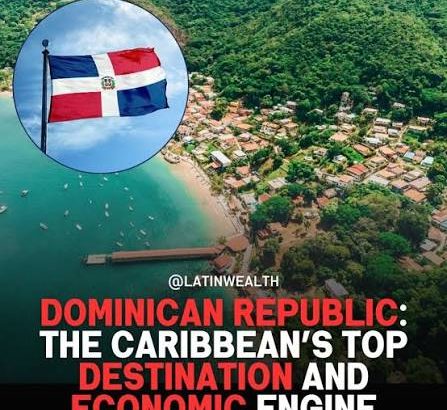
Tourism, among the sectors with the lowest employee turnover in the Dominican Republic
Across Latin America and the Caribbean, shifting labor dynamics have put employee retention at the forefront of business strategy, particularly as younger workers increasingly change roles more frequently than previous generations. In the Dominican Republic, two key sectors – technology and tourism – have emerged as standouts in maintaining stable workforces and reducing staff turnover. According to Natalia Vásquez, country manager for ManpowerGroup in the Dominican Republic, the tourism industry, which is a major driver of foreign direct investment and job creation in the country, currently holds an annual turnover rate between 25% and 30% – a figure lower than many other critical sectors of the Dominican economy. Vásquez explained that expanding tourism development projects across the country, from the southern regions to the Punta Bergantín development in Puerto Plata, are reshaping internal migration patterns by creating local employment opportunities for skilled workers. Instead of relocating to major urban centers to find work, talented individuals are now able to build careers in their home communities, which in turn creates long-term value for both employers and local economies. As Vásquez highlighted, the tourism value chain extends far beyond hotel staff, encompassing thousands of roles across food and beverage services, transportation, hospitality cleaning, and a wide range of supporting service industries that collectively sustain the sector’s growth. Despite these positive trends for tourism and technology, broader labor market challenges persist in the Dominican Republic. The country continues to grapple with high levels of informal employment, which stood at 54.1% during the first quarter of 2026, according to data from the Central Bank of the Dominican Republic (BCRD). Of the 5.2 million people currently employed in the country, only 2.5 million hold formal, regulated positions. Sectoral data shows significant gaps in formalization across different industries: agriculture and construction, for example, only have 12% and 15% formal employment respectively, while other sectors such as manufacturing (70%) and education (96%) boast far higher rates of formal, regulated work. Industry analysts note that the success of the tourism and technology sectors in retaining staff offers a blueprint for other Dominican industries seeking to improve retention and formalize their workforces. By expanding local opportunities and aligning business growth with community development, these sectors have demonstrated that it is possible to reduce worker mobility even in a market characterized by high overall turnover.
-
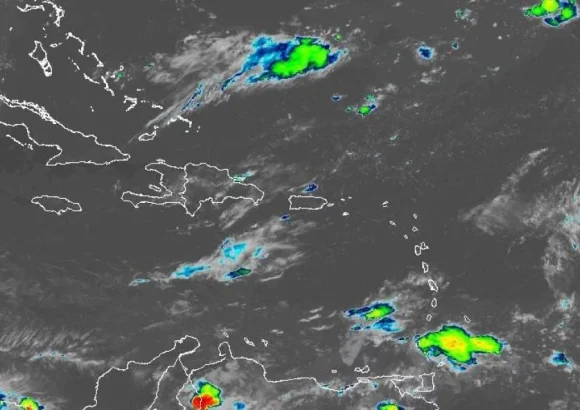
The heat and Saharan dust will mark this Sunday, but there is a change in the afternoon.
Residents across much of the Dominican Republic are preparing for a hot, dry, and overcast Sunday, as the country’s national meteorological body confirmed that a mass of dry, dust-laden air originating from the Sahara is driving unusual weather patterns across the island nation.
The Dominican Institute of Meteorology, better known by its local acronym Indomet, released the detailed forecast on Saturday, breaking down how the incoming Saharan dust intrusion will shape conditions across different regions through the end of the weekend. While most areas will see little to no rainfall and hazy gray skies paired with above-average high temperatures, localized pockets of the country will face scattered storm activity through the day.
Early in the day, consistent winds blowing from the east and northeast are expected to carry small amounts of moisture to northeastern coastal zones, bringing brief, isolated showers that are not forecast to disrupt daily activities significantly. As temperatures rise through the afternoon, the combined influence of localized atmospheric dynamics and a low-pressure trough stretching across multiple levels of the troposphere will trigger more intense weather events in the country’s central southern corridor.
These late-day events will include isolated heavy downpours, sudden thunderstorms, and sharp wind gusts across Greater Santo Domingo, San Pedro de Macorís, San Cristóbal, and several adjacent provinces. The storm activity is projected to taper off gradually as the day moves into early evening, according to the forecast.
A core public safety advisory from Indomet centers on the extreme heat forecast for the entire country. Even areas that see brief afternoon storms will maintain high temperatures, with the heat index pushed even higher by the combination of airborne dust and residual moisture. To prevent heat-related illness, the institute has issued clear guidance for residents: stay hydrated by drinking water regularly throughout the day, opt for lightweight, loose-fitting, pale-colored clothing that reflects sunlight, and avoid unprotected exposure to direct sunlight between the peak heating hours of 11 a.m. and 5 p.m.
The advisory places special emphasis on protecting the populations most vulnerable to heat stress, including young children, pregnant people, and older adults. Indomet urges these groups to remain in cool, well-ventilated spaces as much as possible during the hottest part of the weekend.
In addition to its land-based weather forecast, Indomet also released updated guidance for marine activities along the country’s coastlines. Along the Dominican Republic’s southern Caribbean coast, particularly in waters south and southwest of Pedernales, operators of small, shallow-draft vessels are advised to exercise increased caution when navigating, and to avoid traveling long distances from shore. The warning comes in response to abnormal wave patterns generated by the current atmospheric conditions. All other sections of the Caribbean coast, as well as the entire Atlantic coastline of the Dominican Republic, remain open for all navigation activities with no restrictions in place.
-
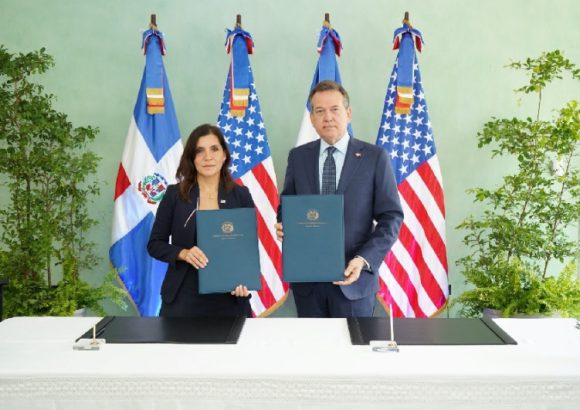
Dominican Republic, U.S. agree to cooperate on critical minerals, rare earths
SANTO DOMINGO — In a diplomatic move aimed at reinforcing global economic and energy security, the Dominican Republic and the United States have formalized a new Framework Cooperation Agreement focused on shoring up the security and resilience of critical mineral and rare earth element supply chains, while unlocking fresh investment and development opportunities tied to the extraction and processing of these high-stakes strategic resources.
The official signing ceremony took place in the Green Room of the Dominican Ministry of Foreign Affairs, with Dominican Foreign Minister Víctor “Ito” Bisonó and U.S. Ambassador to the Dominican Republic Leah F. Campos putting pen to paper. Key senior officials including Dominican Energy and Mines Minister Joel Santos Echavarría were in attendance to mark the occasion, alongside multiple vice ministers from the Dominican foreign ministry, senior ministry directors, senior diplomatic representatives from the U.S. Embassy, and Executive Vice President Miguel Ángel Díaz of the Dominican Mining Company (Emidom).
Addressing attendees after the signing, Foreign Minister Bisonó outlined the core priorities of the new partnership. Under the terms of the agreement, the two nations will collaborate closely to safeguard their respective critical minerals and rare earths markets, co-identify mutually beneficial development projects, and streamline access to financing for initiatives across both countries’ territories. “This is an opportunity that we must approach with a long-term vision and a very clear compass: to protect our national interests and ensure that the development of our resources generates ever greater value for the country and for our people,” Bisonó emphasized.
He added that the cooperation framework aligns directly with the foreign policy agenda set by Dominican President Luis Abinader, and advances the active economic diplomacy strategy prioritized by the country’s Ministry of Foreign Affairs.
For her part, Ambassador Campos framed the agreement as far more than an industry-specific deal, framing it as a landmark commitment to shared national sovereignty, collective security, and mutual prosperity. “It guarantees that, when extracting, processing, and manufacturing the materials of the future, we do so together, as trusted partners, and not as countries dependent on the goodwill of another,” she said.
This framework is part of a broader U.S. initiative that has already been signed with 26 other nations around the world. The pact is rooted in the widespread recognition that critical minerals are an irreplaceable input for manufacturing advanced technologies ranging from electric vehicle batteries to defense systems and consumer electronics. Its core goal is to accelerate inclusive market development that strengthens supply chain resilience and security across the full value chain — from initial mining and extraction to downstream material separation and processing.
Notably, the text of the agreement clarifies that it functions as a political and programmatic roadmap for collaboration, rather than a legally binding instrument. It does not create enforceable rights or obligations under either domestic or international law, does not open the door to legal action between the parties, and establishes no binding commitments, whether explicit or implied.
-
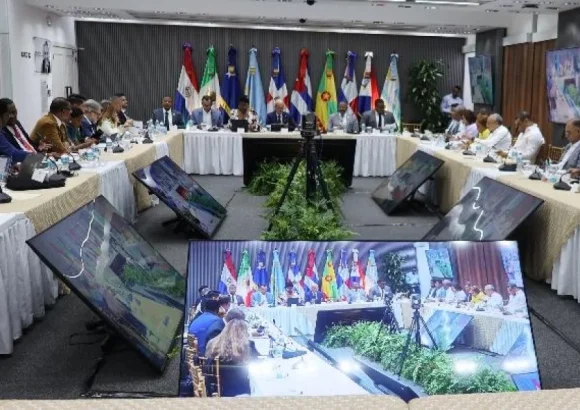
Latin American parliaments move to tackle Caribbean Sargassum damage
The Caribbean region, long recognized as one of the global frontlines of the accelerating climate crisis, has brought regional lawmakers together in the Dominican capital of Santo Domingo, where the Latin American and Caribbean Parliament (Parlatino) has agreed to launch a unified, cross-border response to escalating environmental threats that endanger core pillars of the region’s prosperity and stability.
As Parlatino President Rolando González Patricio highlighted during the gathering, the Caribbean’s fragile ecosystems already bear visible, irreversible marks of the planet’s unfolding environmental emergency, far more acutely than most other regions around the globe. Beyond the far-reaching impacts of rising global temperatures and shifting weather patterns, the region is also grappling with a accelerating collapse of native biodiversity that compounds existing climate risks, creating a web of interconnected challenges that no single national government can address in isolation. González Patricio emphasized that collective, coordinated action between legislative bodies across the region is the only viable path forward to deliver meaningful, lasting solutions.
One of the most pressing urgent threats addressed by delegates is the unprecedented influx of sargassum seaweed, a relatively new challenge that has emerged in the region only over the past few years. Jorge Hugo Cavoli, Vice President of the Dominican Parliament’s Special Commission for the Caribbean, announced that lawmakers are moving forward with two key landmark initiatives: a regional Parliamentary Charter on Climate Action, and a formal declaration of a regional sargassum emergency.
Cavoli explained that the unrelenting sargassum blooms have already caused severe damage to the Caribbean’s tourism sector, which serves as the primary engine of economic growth and employment for most small island nations across the region. Individual countries lack the resources and geographic scale to tackle the transboundary bloom crisis on their own, making coordinated Parlatino-led action a critical step toward effective mitigation, he added.
Beyond the sargassum crisis, delegates also centered discussions on the growing threat climate change poses to regional food security. Unlike most Caribbean nations, which rely on imports for 80% to 90% of their domestic food supply, the Dominican Republic has emerged as a regional success story: the country recently earned a “zero hunger” designation from the United Nations Food and Agriculture Organization (FAO), and currently produces between 85% and 90% of the food consumed by its population. Lawmakers noted that the Dominican Republic is positioned to share its experience and agricultural expertise with neighboring countries to strengthen collective food resilience in the face of climate shocks.
The gathering also marked a key milestone for small Caribbean states, with the formal establishment of Parlatino’s Special Commission for the Caribbean. Commission Chair Senator Otami SS Thomasia of Aruba stressed that the new body creates a critical platform for small island nations, which are disproportionately impacted by climate change despite contributing almost nothing to global emissions, to amplify their voices in regional climate policy discussions. Commission President Alfredo Pacheco echoed that sentiment, framing the meeting and the new commission as important steps forward in building a more coordinated, inclusive regional response to the climate crisis.
-

When will gas stations stop accepting card payments?
The National Association of Gasoline Retailers (Anadegas) is set to halt operations of the national vehicle identification electronic payment service at all 780 of its affiliated stations starting September 25, in a coordinated protest against what association leaders call unreasonably high operating costs that place an unsustainable financial strain on independent fuel station owners.
Anadegas president Juan Elías Pérez says that retailers are currently forced to surrender 27% of their total gross profits just to cover fees for the electronic payment service, a burden he describes as financially impossible for most small business owners to absorb. According to Pérez, the shutdown decision was reached through a consensus vote across all of the association’s regional branches, and leadership at both the national and regional levels will continue holding strategic planning sessions right up until the planned September 25 shutdown date.
Pérez acknowledged that ongoing mediation efforts from the Minister of Industry, Commerce and SMEs, as well as the Executive Director of Pro Consumidor, have been made to resolve the conflict, but he added that these good-faith efforts have not resulted in meaningful concessions from the other parties involved in the dispute. He also confirmed that the National Federation of Merchants and its leadership have publicly committed to full, unwavering support for the fuel retailers’ demands, with prominent business leader Iván García in attendance at the most recent meeting where the shutdown was formally approved.
“Out of 34 countries evaluated, we are the ones who pay the highest fees for the Verifón service, and we refuse to accept this unfair arrangement from any party,” Pérez said in an interview. The Anadegas president is also calling on leaders from other commercial sectors that face similar exploitative fee structures with electronic payment systems to join the movement, including operators of hardware stores, auto parts retailers, appliance sellers, and independent small supermarkets.
“Every sector that uses these services is stuck paying an abusive Verifón fee that siphons off money we earn through hard work,” Pérez added. Over the coming week leading up to the shutdown, Anadegas will roll out a national mobilization campaign, holding regional meetings to update station owners on the latest developments and coordinate on-the-ground actions for the September 25 shutdown. Pérez emphasized that broad, unanimous support for the protest exists across all 780 affiliated stations.
“We are fully prepared and completely united. Support for disconnecting the service is massive across every one of our 780 stations,” he said. While the association remains firm on its plan to move forward with the shutdown, it has reiterated that it stays open to continuing dialogue with all parties to reach a resolution. Anadegas says it will only accept a solution that establishes fair operating conditions and fee structures that do not place an unsustainable financial burden on fuel retailers across the country.
-
Tax revenue from tourism triples: it amounts to RD$45 billion
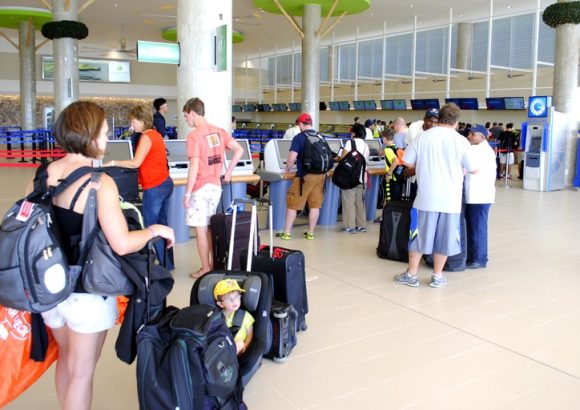
At the 2026 Dominican Republic Hotel and Tourism Association (Asonahores) Trade Show, leading economist Nassim Alemany shared striking new data that highlights the rapidly expanding economic footprint of the Caribbean nation’s tourism sector. Over the past 10 years, total tax revenue generated directly and indirectly by tourism activity has tripled, climbing from roughly RD$15 billion a decade ago to more than RD$45 billion in 2025.
Alemany’s analysis, first reported by local financial outlet El Dinero, accounts for a full range of levies tied to the tourism industry: from corporate and individual income taxes linked to tourism operations, to passenger service fees, and all other government charges collected from hotels, resorts, and tourism-related businesses.
The economist emphasized that the strong performance of tourism tax collections extends far beyond the sector’s visible direct contributions to the national economy, offering clear evidence of its deep spillover benefits across multiple domestic industries. Post-pandemic growth trends have been particularly robust, with Alemany confirming that sector-linked tax revenue has been growing at a faster pace in the years following 2020 than it did in the pre-COVID era.
Alemany attributed this rapid growth to two key factors: the ongoing expansion of the tourism industry itself, and its extensive interconnectedness with nearly every other segment of the Dominican economy. Unlike many narrow economic sectors, tourism does not operate in isolation. It relies heavily on inputs and services from a wide range of domestic industries, creating widespread economic activity and tax generation far outside hotels and restaurants.
New data included in Alemany’s presentation underscores this cross-sector reach. In 2025 alone, the Dominican tourism sector spent an estimated RD$220 billion on purchases from domestic industries. Breaking down that spending, the commercial sector received the largest share at RD$68 billion, followed by manufacturing at RD$26 billion, construction at RD$22 billion, and transportation at RD$6.8 billion.
This surge in tax collection aligns with the growing overall weight of tourism in the Dominican Republic’s national GDP. Alemany’s calculations show that when combining the sector’s direct, indirect, and induced economic impacts, tourism contributes a total of 15.9% to the country’s annual gross domestic product. By comparison, its direct, on-site contribution alone stands at 8.3% of GDP, confirming that more than half of tourism’s total economic benefit comes from its ripple effects across other industries.
-
Hot weekend due to the impact of Saharan dust on the country
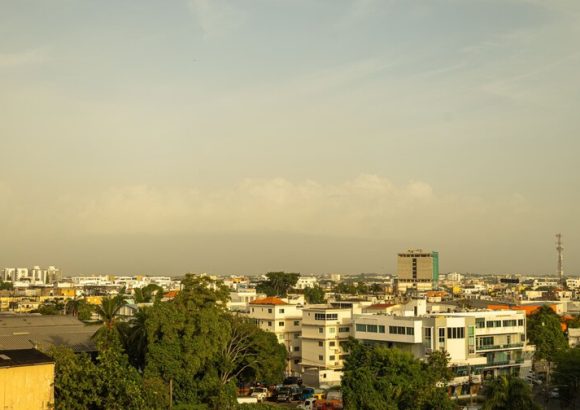
The Dominican Institute of Meteorology (Indomet) has issued a forecast confirming that an incoming plume of Saharan dust will blanket most of the Dominican Republic’s national territory this coming Saturday, bringing sustained hot, sunny conditions across the island nation even as a low-pressure trough lingers over the region. The dense concentration of airborne Saharan dust is projected to suppress rainfall across the vast majority of the country, though scattered light showers are still expected across a handful of provinces including Hato Mayor, San Pedro de Macorís, Monte Plata, Monseñor Nouel, and Greater Santo Domingo. In more localized zones along the country’s border region, heavier downpours paired with sudden thunderstorms and strong wind gusts could develop across San Juan, Santiago Rodríguez, Dajabón, Elías Piña, and Independencia, alongside adjacent nearby areas. These mixed weather conditions are set to hold until the early hours of Saturday night, at which point rainfall activity will subside and isolated cloud cover will become the dominant pattern, even as the uncomfortable, sweltering heat lingers across the country.
Looking ahead to Sunday, Indomet’s forecast calls for skies ranging from gray overcast to partly cloudy across different regions, with extended stretches of sunshine and very limited precipitation expected for most of the Dominican Republic. Even so, the combined influence of local atmospheric conditions and the lingering low-pressure trough could trigger isolated showers in parts of the country’s northwest and southeast regions, as well as across the Central Mountain Range and the northern section of Greater Santo Domingo. These showers are most likely to develop during the afternoon and continue into the early evening, after which scattered cloud cover and persistently warm temperatures will take over. For Greater Santo Domingo and the National District specifically, Sunday is forecast to see a mix of sunny and gray skies with light cloud cover, paired with isolated showers and possible thunderstorm activity during the afternoon hours.
Moving into Monday, meteorologists project a slight rise in nationwide humidity driven by wind interaction with the lingering trough. This increased moisture will set the stage for scattered showers to develop as early as the pre-dawn and early morning hours across Samaná, María Trinidad Sánchez, and Espaillat. Through Monday afternoon, showers, thunderstorms, and gusty winds are expected to spread across the northeast and southeast regions, including Greater Santo Domingo, with similar conditions also forecast for the Central Mountain Range, the Cibao Valley, and the country’s border region. This unsettled weather could hold through the early evening before tapering off.
The most impactful takeaway from Indomet’s forecast is the announcement that severe to extreme heat will persist across the Dominican Republic at least through Tuesday, September 15. Temperature readings are projected to climb above 37°C for multiple straight days in the country’s northwest, while central and eastern regions will see consistent highs above 35°C. Indomet has warned that the unrelenting stifling conditions stem from a combination of two factors: the annual peak heat period for the region, and the elevated concentrations of Saharan dust moving through the atmosphere, with the most intense heat expected over the weekend. Recent temperature records from the past several days already show readings approaching 40°C across multiple Dominican provinces.
-
BRICS roept op tot kalmte in Midden-Oosten en benadrukt belang van wereldwijde handel
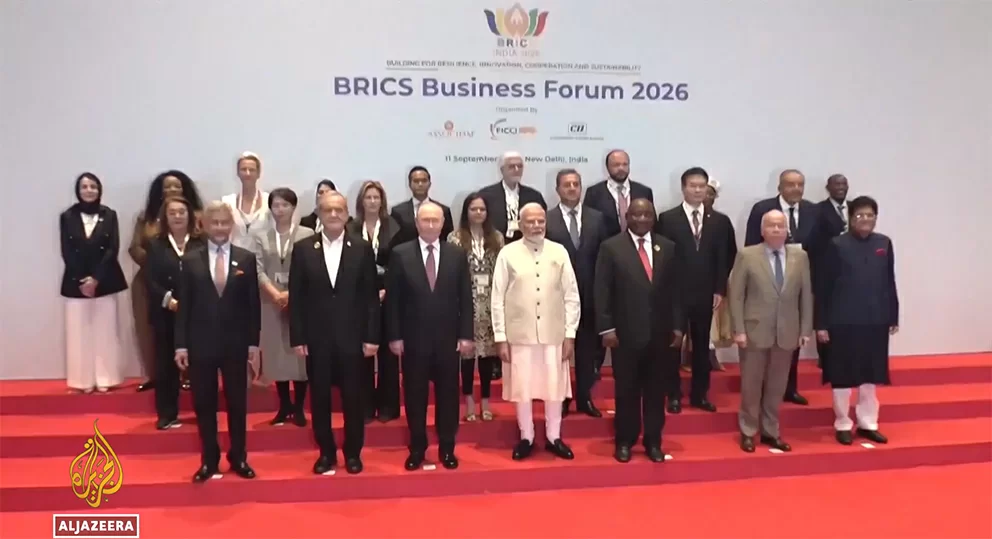
Against a backdrop of soaring global geopolitical tension driven by overlapping conflicts in the Middle East and Ukraine, the 2026 BRICS Summit convened in New Delhi this weekend, bringing together leaders of the 11-member bloc of major emerging economies to address shared global challenges and chart a new course for collective influence in the international order.
Hosted by Indian Prime Minister Narendra Modi, the summit launched on Saturday and wrapped up on Sunday, marking the handover of the BRICS rotating gavel to India. High-profile attendees included Chinese President Xi Jinping, making his first visit to India in seven years, Russian President Vladimir Putin, and Iranian President Masoud Pezeshkian. Other participating leaders included South African President Cyril Ramaphosa, Egyptian President Abdel Fattah el-Sisi, Ethiopian Prime Minister Abiy Ahmed, and Indonesian President Prabowo Subianto. The United Arab Emirates sent its Abu Dhabi Crown Prince as representative, while founding member Brazil was represented by Foreign Minister Mauro Vieira. Senior leaders from key global institutions, including World Health Organization, World Trade Organization, and UN Secretary-General António Guterres also joined the gathering.
In a landmark joint declaration adopted by all member states, BRICS leaders first prioritized the escalating crisis in the Middle East, expressing deep alarm over the ongoing spiral of tensions and calling on all parties to exercise maximum restraint. The statement specifically warned against intentional strikes on civilian infrastructure and nuclear facilities, and reaffirmed the bloc’s longstanding position on the Palestinian issue. Members issued a firm rejection of the forced displacement of Palestinian people and any attempt to alter the geographic or demographic status of occupied Palestinian territories. The declaration also called for an immediate end to Israeli military operations in Gaza, voiced full support for the United Nations Relief and Works Agency for Palestine Refugees (UNRWA), and backed full UN membership status for an independent Palestinian state.
Beyond regional conflict, the joint declaration outlined a broader agenda focused on strengthening global economic resilience, expanding cooperation among non-Western economies, and countering what members frame as unfair Western-dominated global governance structures. Key priorities included expanding cross-border alternative payment systems to reduce reliance on Western-dominated financial infrastructure, deepening collaborative research and governance frameworks for artificial intelligence, and unified opposition to unilateral sanctions and protectionist trade tariffs that disrupt global commerce.
In his remarks following his arrival in New Delhi on Saturday morning, President Xi emphasized that the ongoing conflict in the Middle East runs counter to the core interests of the entire global community, noting the catastrophic human and economic losses the crisis has already inflicted across regions. A day before the summit officially opened, Prime Minister Modi held bilateral talks with President Putin, where the two leaders agreed to deepen bilateral strategic and economic ties, and later met with Iranian President Pezeshkian to discuss critical issues of maritime navigation freedom and the safety of commercial shipping crews. During a closed-door plenary session, Egyptian President el-Sisi echoed these concerns, stressing that regional instability and disruptions to navigation in the Middle East have already caused severe spillover damage to the global economy, international trade flows, and global energy supplies.
Founded in 2009 as a cooperative forum for emerging economies seeking greater representation in global institutions long dominated by Western powers, BRICS has expanded significantly in recent years to 11 current members, growing its footprint as a leading voice for the Global South. However, the 2026 summit also laid bare the significant internal divisions that challenge the bloc’s unified action. Longstanding regional tensions between members Iran and the United Arab Emirates, who stand on opposite sides of ongoing confrontations between Iran, Israel and the United States, have created rifts over how to frame the Middle East conflict. A recent meeting of BRICS foreign ministers failed to produce a unified statement on the crisis, despite the bloc’s unified condemnation of U.S. and Israeli airstrikes on Iran last year. Beyond regional splits, BRICS also faces external pressure: successive U.S. administrations have imposed sweeping tariff measures on multiple BRICS members and labeled the bloc an anti-American actor, while the bloc’s finance ministers have pushed back against these measures, arguing they violate core WTO trade rules.
As chair, India has navigated these competing interests to push for a unified declaration, while working to strengthen the bloc’s collective influence on the global stage. Against the persistent backdrop of Middle East conflict, BRICS faces growing urgency to mitigate global economic damage and secure critical commercial shipping lanes, all while advancing its long-term goal of building alternative trade and financial systems to counter Western dominance. Despite internal challenges that make unity an ongoing struggle, the 2026 New Delhi summit has made clear the bloc’s enduring ambition to emerge as a stronger, more influential voice for the Global South in an increasingly fractured global order.