博客

  • Bowen Threatens Legal Action After Transport Board Withholds Vehicle Records

    Bowen Threatens Legal Action After Transport Board Withholds Vehicle Records

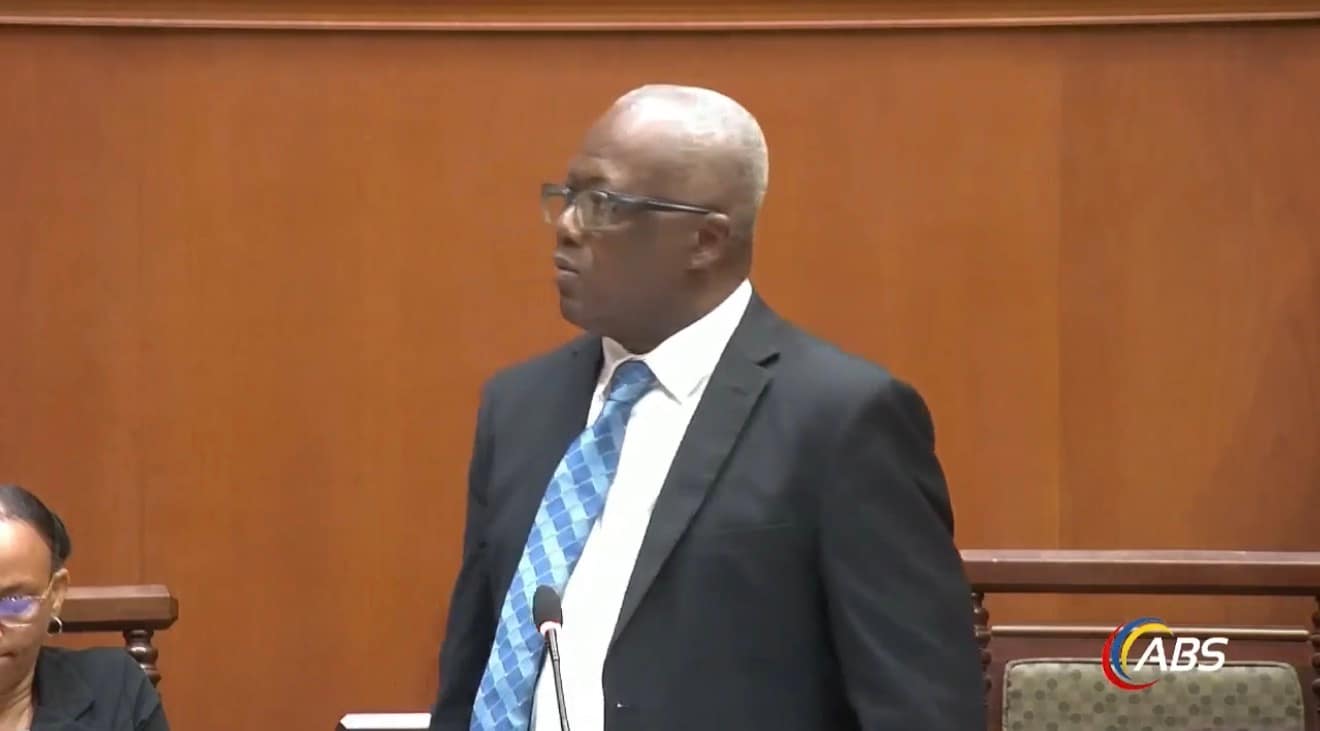
    In a dramatic escalation of his ongoing transparency campaign, opposition parliamentarian Sherfield Bowen issued a stark ultimatum during Friday’s 2026 Budget Debate: release crucial government records or face legal proceedings. The legislator revealed he would seek writs of mandamus – judicial orders compelling public officials to execute their statutory duties – against multiple government agencies.

    The confrontation originated from what Bowen termed a ‘vehicle-registration controversy’ when he sought basic information from the Transport Board regarding government-owned vehicles. Despite what he characterized as a straightforward inquiry about the number of officially registered state vehicles, Bowen received a blunt refusal: ‘I don’t think we can give you that information.’

    This obstruction, according to Bowen, transcends mere bureaucratic resistance. He framed it as a fundamental breach of democratic principles, emphasizing that elected representatives must have unfettered access to information concerning public assets and expenditures. The Transport Board case proved merely symptomatic of a broader pattern, with Bowen detailing similar stonewalling from multiple record-holding entities.

    He provided a particularly telling example involving the Social Security institution. Whereas several years prior he successfully obtained and utilized their data for governmental financial analysis, his subsequent requests for updated information have met with complete silence. ‘Ever since I did that, no matter how many times I request the data, not even an answer,’ Bowen told Parliament.

    Bowen’s threatened legal action specifically targets the Transport Board and the designated ‘keeper and custodian of government records.’ He maintains that this struggle transcends partisan politics, touching upon the core democratic obligation of transparency in governance. Public institutions, he argued, bear a non-negotiable duty to disclose information pertaining to state assets, public spending, and national financial management.

  • Bowen Says National Debt Rose from $2.6B in 2014 to $4B Today

    Bowen Says National Debt Rose from $2.6B in 2014 to $4B Today

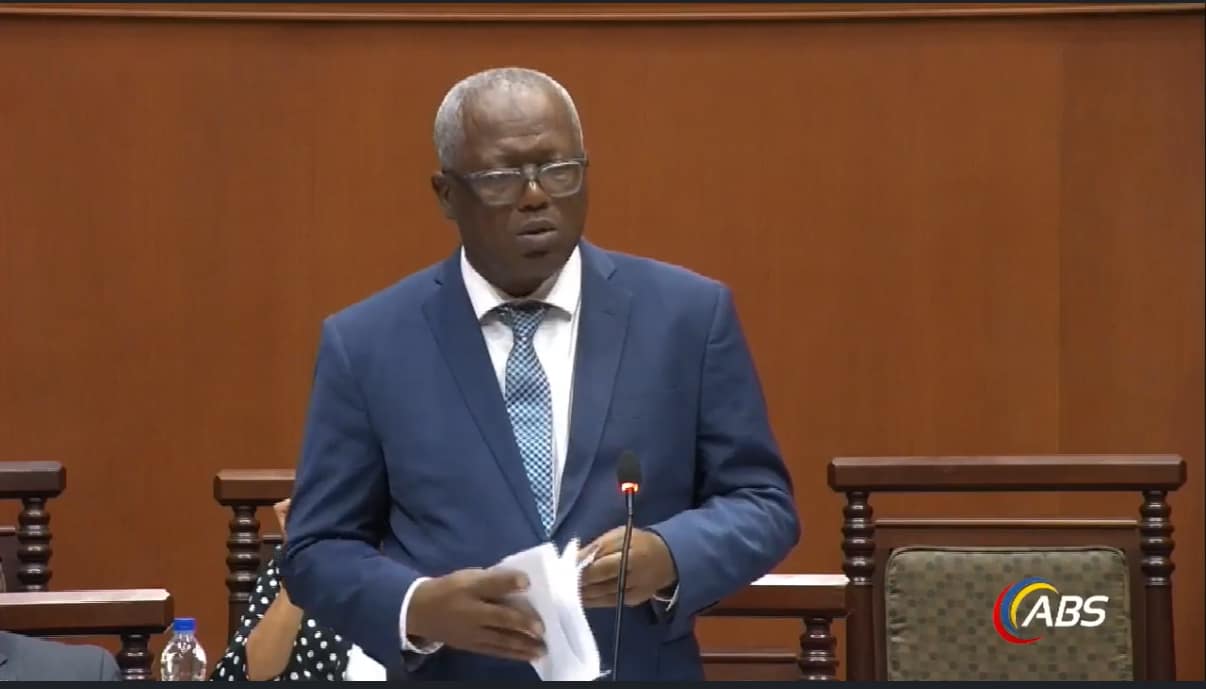
    In a striking parliamentary confrontation during the 2026 Budget Debate, Opposition Member of Parliament Sherfield Bowen delivered a scathing critique of the government’s fiscal narrative, presenting evidence that Antigua and Barbuda’s national debt has dramatically increased rather than decreased under current administration.

    Bowen challenged the administration’s frequent claims of successful debt management, revealing that while the government emphasizes debt-to-GDP ratios showing improvement from over 100% to approximately 61%, the actual dollar value of national liabilities tells a different story. According to the MP’s analysis, the national debt has ballooned from EC$2.6 billion in 2014 to approximately EC$4 billion in the current budget—representing a substantial increase in real terms.

    The parliamentarian referenced the 2014 Director of Audit’s Report as his baseline, highlighting that when the Antigua and Barbuda Labour Party assumed office, the debt stood at EC$2.6 billion. He systematically deconstructed the government’s percentage-based presentations, arguing that focusing solely on GDP ratios creates a misleading perception that obscures the true scale of borrowing.

    Bowen enhanced his argument with per-capita calculations, demonstrating that each citizen’s share of the national debt has effectively doubled from approximately EC$24,000 in 2014 to about EC$50,000 currently. This tangible metric, he contended, more accurately reflects the actual burden on the population than abstract percentage comparisons.

    The opposition MP attributed this debt accumulation to years of sustained budgetary deficits and continued borrowing, directly contradicting government assertions of improved public finances. His critique formed part of a broader examination of the budget’s presentation methods, which he accused of masking structural economic weaknesses behind favorably framed headline figures.

  • Ardel Laurent announces withdrawal from Miss Dominica pageant

    Ardel Laurent announces withdrawal from Miss Dominica pageant

    In an unexpected development for the Caribbean pageant circuit, contestant Ardel Laurent has formally withdrawn from the upcoming Miss Dominica Queen Pageant. The announcement was jointly issued through an official press release by the Discover Dominica Authority (DDA) and the Dominica Festivals Committee (DFC).

    Laurent’s departure from the national competition stems from personal circumstances demanding her complete attention. The contestant personally addressed her withdrawal with a statement expressing profound appreciation for the opportunity while acknowledging the difficulty of her decision. “This was not an easy decision to make,” Laurent stated, “as I truly value and appreciate the opportunity to be a part of such a prestigious event. I am grateful for the experience, the support and the kindness shown to me throughout the process.”

    Event organizers have responded with understanding and support. Monelle Alexis, Public Relations and Communications Specialist at DDA, commended Laurent’s conduct during her participation: “We respect Ms. Laurent’s decision and wish her continued success in her future endeavors. She has shown great promise and professionalism throughout the competition.”

    The pageant’s organizing committee confirmed that preparations continue uninterrupted for the February 12, 2026 event. The competition remains scheduled as a highlight of Dominica’s Carnival celebrations, with the remaining contestants progressing through their preparatory activities. Officials emphasized that the pageant’s timeline and operations remain unaffected by this development.

  • Government Appoints Dr. Dave Ray Diaspora Officer, Plans 2026 Diaspora Forum

    Government Appoints Dr. Dave Ray Diaspora Officer, Plans 2026 Diaspora Forum

    In a strategic move to deepen ties with its overseas citizens, the government of Antigua and Barbuda has established a specialized diplomatic position dedicated to diaspora relations. Foreign Affairs Minister EP Chet Greene formally announced the appointment of Dr. Davery as the nation’s first Diaspora Officer during his parliamentary address on the 2026 Budget.

    The creation of this role signifies a substantial policy shift from conventional consular assistance toward building a more structured and impactful partnership with Antiguans and Barbudans residing abroad. Minister Greene emphasized that this initiative reflects a renewed commitment to engaging diaspora communities, particularly those in major hubs like New York.

    Complementing this appointment, Minister Greene unveiled plans for a landmark Diaspora Business Forum, scheduled to take place in St. John’s in 2026. The government has strategically planned the event to coincide with the vibrant Carnival season, facilitating greater participation by enabling overseas nationals to combine cultural celebration with economic engagement without the need for multiple transcontinental trips.

    The forum’s primary objective will be to catalyze investment and foster the transfer of knowledge and skills from the diaspora to the domestic economy. Minister Greene explicitly stated that while financial remittances are valued, the administration seeks a more profound level of economic involvement. “We can’t just be talking about remittances,” Greene told Parliament, outlining a vision for the forum to serve as a platform for serious business dialogue that directly contributes to national development.

    This dual-pronged strategy—a dedicated officer and a major investment forum—forms part of a broader governmental effort to transform global overseas connections into sustainable, long-term economic partnerships for Antigua and Barbuda.

  • National Assembly Adopts New Logo

    National Assembly Adopts New Logo

    In a significant departure from tradition, Belize’s National Assembly has officially introduced a new institutional logo, marking the end of its long-standing reliance on the national Coat of Arms for representation. The legislative body announced the comprehensive rebranding initiative on December 12, 2025, establishing a visual identity that directly reflects its institutional character rather than using broader national symbols.

    The previous emblem, Belize’s historic Coat of Arms featuring a shield with logging tools, figures of a woodcutter and sailor, and the national motto “Sub Umbra Floreo” (Under the Shade I Flourish), had served as the Assembly’s identifying mark for decades. This symbol had appeared across all official documentation, the National Flag, and even the ceremonial Mace carried by the Speaker during proceedings.

    The newly adopted design prominently features the actual National Assembly building, creating a direct visual connection to the institution it represents. This strategic shift aims to establish a distinct identity specifically for the legislative branch while maintaining respect for national heritage.

    Complementing the visual change, the Assembly has issued comprehensive branding guidelines detailing specific requirements for fonts, color schemes, and application standards to ensure consistent and professional implementation across all official platforms and documents.

    The redesign has received full endorsement from the highest levels of government, with the Prime Minister and Cabinet expressing unanimous support for the initiative. Administrative responsibility for the logo’s management, protection, and authorized usage has been formally assigned to the Clerk of the National Assembly, ensuring proper governance of the new symbol.

  • Greene Records Appreciation for Outgoing Envoy, Says New Ambassador to China to Take Up Post Soon

    Greene Records Appreciation for Outgoing Envoy, Says New Ambassador to China to Take Up Post Soon

    The Government of Antigua and Barbuda has officially announced its diplomatic transition plan for its representation in China, with Senator Clement Antonio scheduled to assume ambassadorial duties in Beijing during the first quarter of 2026. Foreign Affairs Minister EP Chet Greene disclosed these arrangements during a parliamentary session on Friday, marking a significant shift in the nation’s foreign service leadership.

    Minister Greene formally acknowledged the recent departure of outgoing ambassador Stuart Young, placing on record the government’s profound appreciation for his distinguished service to the nation. The transition comes as part of a strategic diplomatic recalibration aimed at strengthening bilateral relations between Antigua and Barbuda and the People’s Republic of China.

    Senator Antonio, currently serving as Antigua and Barbuda’s resident ambassador to Ireland, will undertake relocation to China early in 2026 to assume his new responsibilities. The appointment represents a calculated move to enhance trade relations between the two nations, with China maintaining its position as the world’s central trading hub.

    Minister Greene emphasized the strategic importance of establishing a fully operational mission in Beijing, noting that many goods currently reach Antigua and Barbuda through indirect channels and third-party intermediaries. The presence of a dedicated ambassador and fully staffed embassy is expected to transform this dynamic, potentially reducing import costs for local businesses and consumers.

    The China mission forms an integral component of the government’s comprehensive strategy to alleviate cost-of-living pressures by facilitating direct trade relationships and eliminating intermediary markups. Greene actively encouraged Antiguan traders, importers, and business operators to utilize the diplomatic mission’s resources to establish direct commercial connections with Chinese counterparts.

    The Foreign Affairs Minister extended his congratulations to Ambassador-appointee Antonio, pledging his complete support to ensure a smooth transition and rapid operational readiness upon assumption of office in Beijing.

  • Following COP30, German-Caribbean climate discussions emphasize urgency of increased  resilience  goals building on COP30

    Following COP30, German-Caribbean climate discussions emphasize urgency of increased resilience goals building on COP30

    High-level diplomats, climate experts, and youth representatives convened in Grenada on December 4th for the third German-Caribbean Climate Dialogues, aiming to accelerate climate ambition and adaptation strategies following the recent COP30 summit. The high-level forum, held at Grand Anse’s Radisson Hotel, served as a critical platform for assessing COP30 outcomes and strengthening regional resilience efforts, particularly as Grenada continues recovering from 2024’s devastating Hurricane Beryl.

    Hosted by German Ambassador and Caribbean Climate Envoy Dr. Christophe Eick, the dialogue emphasized the moral authority of small island developing states in global climate negotiations. Ambassador Eick reiterated Germany’s commitment to supporting Caribbean resilience and clean energy transitions, highlighting new cooperation agreements with CARICOM totaling over €30 million. “Germany proudly leads as the largest Adaptation Fund contributor,” Eick stated, “but largest emitters must move faster to maintain the 1.5°C warming limit.”

    UNFCCC Executive Secretary Simon Stiell participated virtually, acknowledging COP30’s cooperative achievements while warning that “ambition without support will falter.” Climate Analytics Caribbean Director Rueanna Haynes provided expert analysis, noting that despite significant advances including tripled adaptation finance targets and the Just Transition mechanism, implementation must progress at unprecedented speeds.

    Grenadian climate ambassadors emphasized practical challenges during panel discussions. Special Envoy Safiya Sawney stressed regional unity: “We must treat CARICOM as an investment bloc to shape global decisions affecting our survival.” Dr. Spencer Thomas highlighted climate finance deficiencies, noting that while policies exist, consistent funding frameworks remain elusive.

    Youth representative Abigail Ellis of the Caribbean Youth Environment Network demanded greater inclusion: “Young people need access and investment to lead climate action that builds economies for our generation.” Audience participants echoed calls for accountability mechanisms for major emitters and explored climate litigation strategies.

    The dialogue concluded with consensus that despite COP30 progress, the global community must undertake more vigorous action. As Haynes summarized, “We have knowledge, evidence, and partnerships—now we need courage to act at the required scale and speed.”

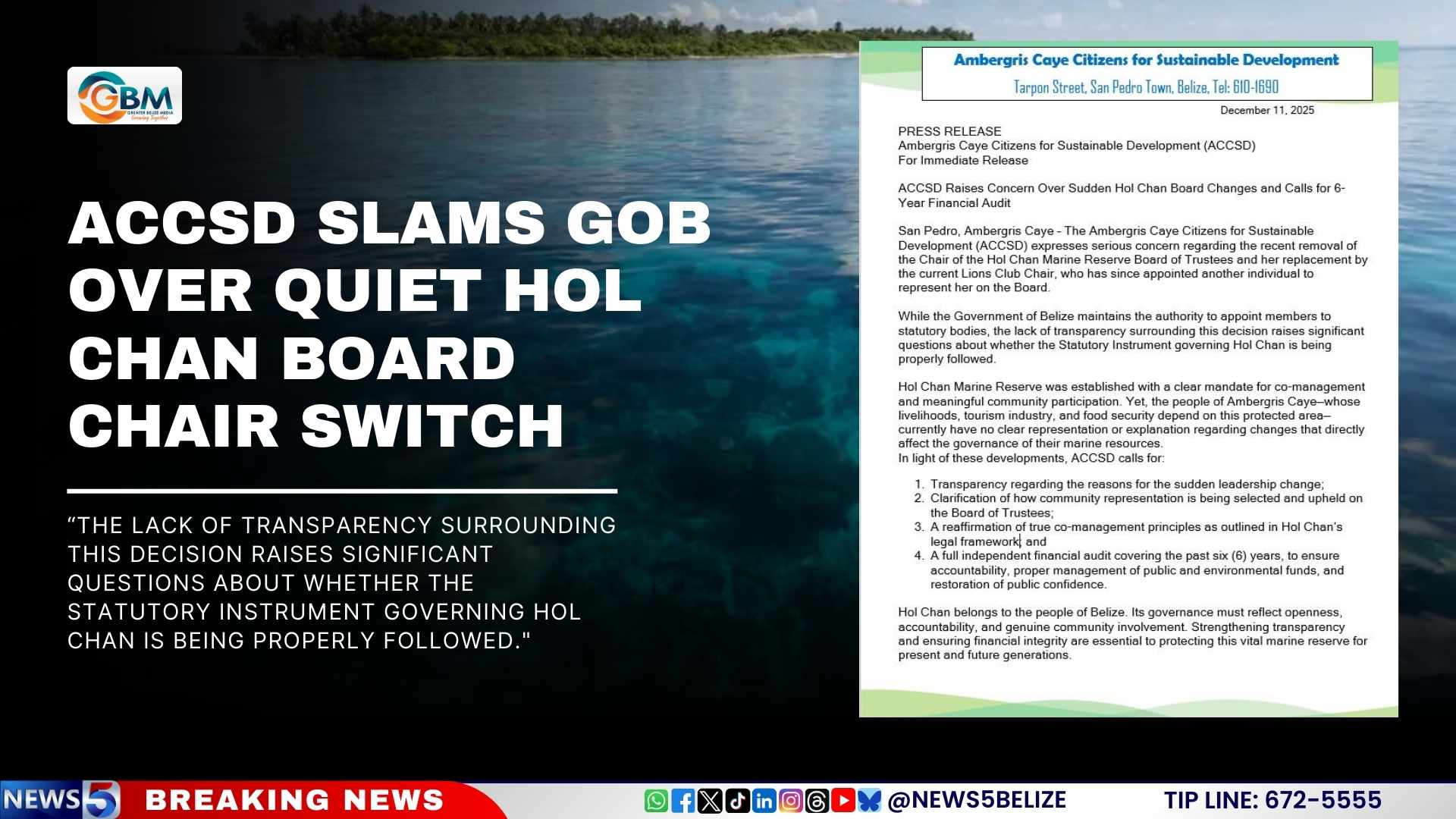
  • ACCSD Slams GOB Over Quiet Hol Chan Board Chair Switch

    ACCSD Slams GOB Over Quiet Hol Chan Board Chair Switch

    A contentious leadership transition at the Hol Chan Marine Reserve has sparked significant community outcry on Ambergris Caye, Belize. The Ambergris Caye Citizens for Sustainable Development (ACCSD) has formally challenged the Government of Belize (GOB) regarding the unexplained removal of the reserve’s Board of Trustees Chairperson.

    The advocacy group alleges the sudden administrative change occurred without public consultation or transparent justification. According to ACCSD’s statement, the outgoing chair was replaced by the current Lions Club Chair, who subsequently delegated a representative to assume the position—a move that has raised procedural concerns.

    This development has intensified existing apprehensions about the marginalization of community stakeholders in governance matters. ACCSD emphasizes that Hol Chan’s legal framework specifically mandates community participation in its operational oversight. The organization contends that the opaque nature of this leadership reassignment suggests potential non-compliance with the reserve’s governing Statutory Instrument.

    In response to these developments, ACCSD has issued a formal request for: (1) A comprehensive explanation justifying the chairperson’s removal, (2) A systematic review of community representation protocols within the reserve’s governance structure, and (3) An independent forensic audit examining Hol Chan’s financial records spanning the past six years.

    “Hol Chan belongs to the people of Belize. Its governance must reflect openness, accountability, and genuine community involvement,” ACCSD affirmed in their public statement.

    News outlets have solicited commentary from Andre Perez, Belize’s Minister of Blue Economy and Marine Conservation and Area Representative for Belize Rural South, though no official response has been provided at this time. The situation highlights growing tensions between local communities and governmental authorities regarding environmental governance and public accountability.

  • APUA halts subsea cable works after materials set on fire

    APUA halts subsea cable works after materials set on fire

    A critical digital infrastructure project in Antigua and Barbuda has been forcibly suspended following a deliberate arson attack that destroyed essential equipment. The Antigua Public Utilities Authority (APUA) confirmed that preparatory works for the nation’s subsea cable project at Morris Bay were halted after conduits and installed materials were intentionally set ablaze.

    Telecommunications crews discovered the extensive damage upon returning to the Old Road worksite on December 12th, with preliminary assessments indicating thousands of dollars in losses. The incident represents the culmination of escalating community tensions that have plagued the project throughout the previous week.

    APUA officials strongly condemned the destructive act, emphasizing that rising hostilities in the area have created unsafe conditions for both workers and residents. The authority reported that work had already faced multiple interruptions, including an unrelated confrontation between local residents and the Development Control Authority on December 10th that required APUA staff withdrawal.

    The suspended civil works encompass critical infrastructure development including specialized trenching, conduit installation, and construction of a beach manhole and equipment shelter—all essential components for supporting the landing of the new subsea cable. Repeated disruptions have significantly prolonged temporary traffic diversions originally caused by road cutting at Morris Bay, for which APUA has issued public apologies.

    Despite the setback, APUA reaffirmed its commitment to both the project and community engagement, noting that an October 14th town hall meeting with Old Road residents had generated largely positive feedback about the initiative. The subsea cable project represents a major national investment designed to substantially strengthen Antigua and Barbuda’s digital infrastructure and economic capabilities, with anticipated operational commencement in 2027. Authorities are currently working to restore security at the site before resuming operations.

  • Ingrijpende wijzigingen wet over leeftijd en leiding OM

    Ingrijpende wijzigingen wet over leeftijd en leiding OM

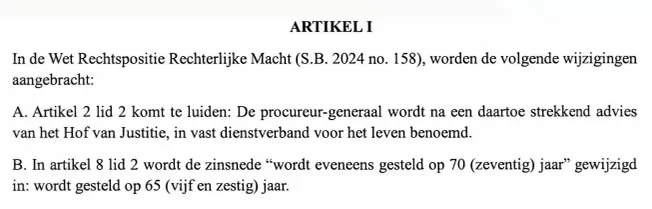
    The governing coalition in Suriname’s National Assembly has introduced landmark legislative amendments to overhaul the Judicial Positions Act, addressing constitutional inconsistencies from previous reforms. The proposed legislation aims to realign the appointment process for the Attorney General with constitutional mandates while restructuring retirement provisions for prosecutorial officials.

    Central to the initiative is the restoration of constitutional safeguards in the Attorney General’s appointment process. The amendments explicitly require mandatory consultation with the Court of Justice before any appointment, rectifying an omission in the 2024 legislative revision that bypassed Article 141(2) of Suriname’s Constitution. This procedural reinforcement strengthens institutional checks and balances between government branches, ensuring the judiciary’s independence remains protected.

    A significant pension reform reverses the 2024 decision that raised the retirement age for all Public Prosecution Service members to 70 years. The new legislation returns the retirement age to 65 for both the Attorney General and prosecutorial staff, acknowledging the unintended consequences of equalizing retirement ages between judicial and prosecutorial branches. While prosecutors won’t revert to the previous 60-year threshold, the adjustment restores the deliberate distinction between sitting magistrates (judges) and standing magistrates (prosecutors) that lawmakers argue is essential for institutional balance.

    Notably, the proposal introduces a collegiate leadership model, replacing the single Attorney General position with a prosecutorial college. This structural change aims to distribute authority and enhance collaborative decision-making within the Public Prosecution Service.

    President Jennifer Simons expressed support for the coalition-sponsored initiative during a government press conference, indicating executive backing for the constitutional alignment. The reforms represent a deliberate effort to correct perceived imbalances in judicial-executive relations while reinforcing constitutional governance mechanisms.