博客

  • Hawkish hold

    Hawkish hold

    In a decisive move reflecting heightened economic uncertainty, the Bank of Jamaica (BOJ) maintained its key policy rate at 5.75 percent during its December monetary policy meetings. This decision comes as the Caribbean nation grapples with severe economic disruptions following the catastrophic impact of Hurricane Melissa, which made landfall on October 28.

    The central bank’s Monetary Policy Committee unanimously agreed to retain the rate offered to deposit-taking institutions, signaling what financial analysts characterize as a ‘hawkish hold’ – maintaining current rates while explicitly preparing markets for potential future tightening. This approach underscores the delicate balancing act facing policymakers: supporting an economy devastated by natural disaster while containing mounting inflationary pressures.

    Revised damage assessments reveal the hurricane’s economic impact has exceeded initial projections, with infrastructure losses now estimated at over 40 percent of GDP, substantially higher than the previously estimated 30 percent. The agricultural sector suffered particularly severe damage, losing approximately half of its projected 2024 output value.

    These physical devastations have triggered immediate price escalations, with annual headline inflation accelerating to 4.4 percent in November 2025 from October’s 2.9 percent. The BOJ anticipates further sharp increases in coming months, expecting inflation to exceed its target range of 4-6 percent by early 2026.

    More concerning to policymakers is the upward trajectory of core inflation, which excludes volatile food and energy prices, reaching 4.3 percent in November. This indicates broadening price pressures beyond temporary hurricane-related disruptions. The central bank specifically warned of ‘second-round effects’ where initial price increases in essentials could propagate across the broader economy through heightened inflation expectations.

    The BOJ’s stance appears particularly assertive given the context of expansionary fiscal measures, with Parliament suspending fiscal rules to facilitate increased recovery spending. This fiscal stimulus, while necessary for reconstruction, potentially exacerbates inflationary risks by boosting aggregate demand.

    Economic projections remain grim, with real GDP expected to contract by 4-6 percent in the 2025/26 fiscal year due to extensive damage to productive capacity. A modest recovery is anticipated thereafter, with growth forecasts ranging between -1 percent and 1 percent for the following year.

    The MPC committed to vigilant monitoring of incoming data, particularly regarding core inflation dynamics, and pledged readiness to implement necessary policy actions should inflation risks threaten the return to target ranges. The next policy decision announcement is scheduled for February 23, 2026.


  • Lean times lead to high demand for food hampers

    Lean times lead to high demand for food hampers

    Trinidad and Tobago is experiencing an unprecedented surge in demand for essential food assistance, overwhelming charitable organizations and community initiatives during the holiday season. Multiple aid providers report exhausting their supplies within hours of distribution, highlighting a deepening socioeconomic crisis affecting vulnerable populations across the nation.

    Archbishop Charles Jason Gordon emphasized the critical importance of tangible support during these challenging times, noting that while spiritual comfort matters, practical assistance carries profound significance for struggling families. His organization distributed 750 food hampers in Beetham and Sea Lots communities on December 18, with outreach extending to remote areas including Toco and La Horquetta. The Archbishop observed that this year’s economic difficulties have created particularly severe circumstances, making traditional Christmas giving initiatives more vital than ever.

    The Salvation Army faces similar challenges, with Divisional Commander Major Chris Matthias reporting a ‘very serious uptick’ in assistance requests. The organization distributed 600 hampers from its Port of Spain office alone, with additional distributions occurring nationwide. Matthias identified recent layoffs and economic pressures as primary drivers behind the increased demand, noting that ‘need knows no season’ despite the traditional focus on holiday charity.

    Corporate donation declines have exacerbated the situation, according to Salvation Army advisory board member Paula Stowe. She appealed for continued support from both corporations and individuals, emphasizing that reduced contributions directly translate to fewer households receiving essential assistance. The organization purchases basic supplies through donations from its Red Kettle initiative, corporate partners, and mail-in exercises.

    Meanwhile, comedian Rhea-Simone ‘Simmy De Trini’ Auguste has developed an innovative approach to assistance through social media crowdsourcing. She has observed increased requests throughout the year, particularly during August back-to-school periods and the current Christmas season. Her method utilizes grocery gift cards from Bel Air Stores, providing recipients with dignity of choice while addressing practical challenges of transportation and storage. This approach also reduces waste by accommodating specific family needs, including medical requirements and dietary restrictions.

    The widespread reports from official charities and grassroots organizers alike paint a concerning picture of economic distress affecting diverse demographics across Trinidad and Tobago, suggesting systemic challenges that extend beyond seasonal assistance needs.

  • Bond for Arouca TikTok user who threatened PM

    Bond for Arouca TikTok user who threatened PM

    A Trinidadian court has placed a social media user on a three-year bond after she pleaded guilty to threatening Prime Minister Kamla Persad-Bissessar in a TikTok video. Alianna Samaroo, 30, from Arouca, received judicial leniency despite admitting to criminal charges under the Emergency Powers Regulations 2025.

    The Chaguanas Magistrates’ Court heard how Samaroo, operating under the username ‘alianna265’, directly addressed Venezuelan President Nicolás Maduro in her October 30 post, urging him to execute Prime Minister Persad-Bissessar and members of her Cabinet. The video sparked immediate police investigation and led to her arrest at a Chaguanas apartment following seven days of detention.

    Magistrate Marissa Gomez imposed a $20,000 peace bond requiring Samaroo to maintain good behavior for thirty-six months. The court stipulated that no conviction would be recorded upon successful completion of the bond period, though any violation would result in immediate sentencing proceedings.

    During proceedings, the mother of two delivered a comprehensive apology to both the Prime Minister and the court. ‘I admit that what I said was wrong,’ Samaroo stated. ‘I did not think about how serious those words were before I spoke.’ She expressed shame for her actions and emphasized that she never intended to cause harm or incite violence.

    The case has highlighted increased police monitoring of online activity. Commissioner of Police Allister Guevarro issued a stark warning that social media users making threats would face prosecution regardless of free speech claims. ‘Freedom of expression is a right,’ Guevarro stated, ‘but that freedom ends where criminal conduct begins.’

    This incident represents one of several recent cases involving online threats against public officials. Opposition Senator Dr. Amery Browne recently reported similar threats via Facebook, resulting in multiple charges against the perpetrator. Additionally, authorities arrested a Diego Martin woman in November for allegedly inciting violence against the Prime Minister in separate social media content.

    Samaroo’s legal representation, attorneys Roshni Balkaran and Shiva Boodoo, secured her release on $50,000 bail prior to sentencing. Her mother, Elizabeth Vasquez-Rosales, publicly appealed for forgiveness while expressing hope that the experience would teach her daughter respect for national institutions.

  • Trump targets Antigua, Dominica

    Trump targets Antigua, Dominica

    In a significant foreign policy development, the Trump administration has expanded its controversial travel restriction list to include two Caribbean nations—Antigua and Barbuda and Dominica. The December 16 proclamation marks these countries as requiring full or partial entry limitations due to their citizenship-by-investment programs that historically lacked residency requirements.

    The updated list now places these island nations alongside countries including Afghanistan, Congo, Eritrea, Iran, Libya, Somalia, Sudan, and Yemen. This classification has raised eyebrows among policy analysts and regional experts, given the substantial differences in security profiles between these Caribbean democracies and the other listed nations.

    Both Antigua and Dominica had recently engaged in productive dialogues with multiple U.S. departments regarding enhanced citizenship program safeguards. Antiguan Prime Minister Gaston Browne revealed ongoing discussions about strengthening investment citizenship protocols, while Dominican officials noted recent U.S. support for their legislative reviews. The abrupt announcement consequently caught both governments unprepared.

    Statistical data from U.S. Immigration and Customs Enforcement reveals minimal justification for the restrictions based on immigration concerns. As of November 2024, only 110 individuals from Antigua and Barbuda appeared on the non-citizen removal list out of 1.45 million entries, with Dominica accounting for merely 104. Overstay rates for 2024 stood at 1.3% for Antigua and 4.3% for Dominica—figures that pale in comparison to many non-restricted countries.

    The proclamation text suggests geopolitical motivations, stating restrictions are “country-specific to encourage cooperation.” Analysts speculate the administration may be leveraging travel policies to secure maritime cooperation crucial to U.S. maneuvers regarding Venezuela, or to pressure other Caribbean nations with similar citizenship programs including Grenada, St. Kitts and Nevis, and St. Lucia.

    This development reflects the continued implementation of President Trump’s distinctive approach to international relations, where immigration tools serve broader strategic objectives beyond conventional border security concerns.

  • Prices stable but consumers watch spending – Penny pinchers

    Prices stable but consumers watch spending – Penny pinchers

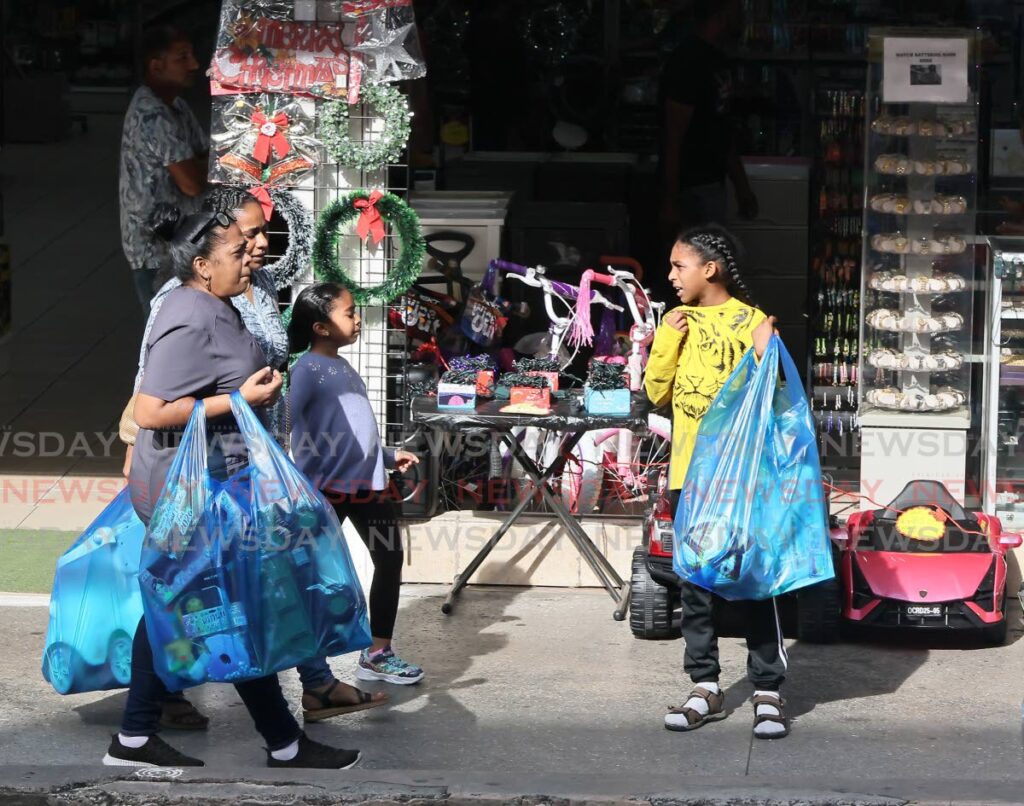
    While official statistics indicate minimal inflation growth of merely 0.1% in November, Trinidadian families are confronting severe economic challenges during the festive season. Consumers across the nation report dramatic price increases for essential food items, transforming Christmas shopping from a celebratory tradition into a source of profound financial stress.

    In detailed interviews with Newsday, numerous shoppers expressed their difficulties in affording basic necessities. Glenda, a Port of Spain resident, revealed that prices have surged dramatically, with most items now costing at least three to five dollars more than previously. As a mother of young children, she described the emotional toll of being unable to provide Christmas gifts or celebrations despite her children’s expectations.

    The economic strain extends beyond individual families. Charitable organizations report unprecedented demand for assistance, with the Salvation Army distributing 600 food hampers recently and preparing an additional 400. Recipients lined up as early as 6 am to secure these essential supplies, highlighting the severity of the situation. Both government and opposition MPs confirm that food assistance has become the primary request from constituents.

    A comprehensive price comparison study conducted by the Consumer Affairs Division between December 1-10 revealed significant price variations across supermarket chains. The survey examined over 50 items across 41 supermarkets nationwide, documenting substantial disparities. For instance, a 454g Butterball turkey ranged from $289.99 at Massy Stores to $217.95 at Tru Valu. Similar variations were observed for picnic hams, with prices fluctuating between $144.99 at Massy and $115 at John’s Supermarket.

    Minced meats showed particularly notable price differences, with chicken ranging from $31.81 per pound at Massy to $19.95 at West Bees. Regional disparities were also evident, with gala apples costing $5 at G & N supermarket in Debe compared to under $3 at other locations.

    The current price levels represent a significant increase from 2024, when Erin Farm picnic ham sold for $129.99 at Massy compared to today’s $144.99, and minced beef was priced at $31.81 per pound versus the current $38.55.

    Despite multiple attempts to obtain commentary from supermarket executives, including Supermarket Association president Biondi Bachew and Massy representatives, Newsday received no responses to inquiries about the price increases. The silence from industry leaders contrasts sharply with the financial reports showing Massy achieved $15.8 billion in revenue with over a billion in pre-tax profits for 2025, representing a 3% increase from the previous year.

  • Junk food next, Trump?

    Junk food next, Trump?

    In a controversial executive decision, President Donald Trump has designated fentanyl as a weapon of mass destruction (WMD), drawing immediate criticism and satirical commentary from observers. The declaration, which places the synthetic opioid in the same category as nuclear and chemical weapons, has been met with skepticism regarding its geopolitical motivations and factual accuracy.

    The administration’s justification characterizes fentanyl as “closer to a chemical weapon than a narcotic,” despite the drug’s primary trafficking routes originating from Mexico and China rather than Venezuela. This discrepancy has raised questions about the declaration’s relationship to current foreign policy objectives and election-cycle politics.

    Political analysts note that the WMD classification appears disconnected from Venezuela’s actual narcotics production capabilities, yet the South American nation is reportedly preparing for potential military attention from the United States. This development follows historical patterns of American intervention in Latin America under various pretexts.

    The sweeping nature of the designation has inspired satirical suggestions for other substances that cause gradual harm to populations. Commentators have ironically proposed extending WMD status to cigarettes, fast food products, and even social media platforms for their documented negative impacts on public health and psychological well-being.

    This policy move potentially expands the scope of the Patriot Act, raising concerns about civil liberties and the appropriate use of counterterrorism legislation. The declaration represents a significant escalation in the rhetorical and legal approaches to the ongoing opioid crisis, with uncertain implications for both domestic policy and international relations.

  • Denise Belfon Fixes Yuh Good

    Denise Belfon Fixes Yuh Good

    Internationally acclaimed soca artist Denise Belfon has unveiled her latest musical offering, “Fix You Good,” marking the commencement of the Carnival 2026 season. The track, released globally on December 12 across all digital platforms, presents a compelling narrative about normalizing emotional support for men during challenging times.

    Produced through a collaborative effort between Belfon and Grammy-winning Jamaican producer Rohan Rankine, the song is built upon Journey Music’s Dash Out Riddim—a innovative fusion that blends traditional soca rhythms with contemporary dancehall influences. This musical foundation creates a unique space for both assertive confidence and vulnerable emotional expression.

    The composition serves as a powerful rallying cry encouraging women to provide reassurance and steadfast support to the deserving men in their lives—including fathers, husbands, sons, and partners. Belfon’s lyrical approach masterfully balances tender vulnerability with her characteristic saucy energy, addressing themes of emotional support, recognition, and mutual care in relationships.

    Now residing in New York, Belfon acknowledges that geographical distance has provided her with broader perspective on relational dynamics and the silent pressures individuals face. “Sometimes being away from a space helps you see things clearer,” the artist reflected. “You realize how much people carry, especially men striving to do right every day.”

    The release emerges as a timely social commentary challenging conventional gender norms by acknowledging that men frequently bear significant emotional burdens while maintaining outward composure. Belfon emphasizes that the song originates from a place of genuine understanding about the pressures of providing and supporting families without adequate emotional recognition.

    “Fix You Good” represents the initial offering in what promises to be an active Carnival season for the veteran performer, known for previous hits including “Saucy Baby,” “Wining Queen,” and “Work.” The track establishes a thoughtful counterpoint to traditional carnival themes by prioritizing emotional connectivity alongside celebratory expression.

  • High Court dismisses activist’s challenge over denied request to burn police flag

    High Court dismisses activist’s challenge over denied request to burn police flag

    In a significant ruling addressing the balance between protest rights and public safety, High Court Justice Kevin Ramcharan has dismissed activist Umar Abdullah’s legal challenge against former Police Commissioner Erla Harewood-Christopher’s decision to prohibit the burning of a replica police flag during a 2023 protest.

    The court determined that the Commissioner’s restriction constituted a lawful and proportionate measure under the Summary Offences Act, specifically designed to prevent potential breaches of peace and public disorder. While approving Abdullah’s planned march through Port of Spain to protest alleged police extrajudicial killings, the prohibition against igniting any objects—including the Trinidad and Tobago Police Service (TTPS) flag replica—was upheld as constitutionally valid.

    Justice Ramcharan’s comprehensive judgment emphasized several critical factors supporting this decision: the emotionally charged nature of the protest targeting an institution allegedly responsible for civilian deaths, the inherent risks of igniting fires in densely urban environments, and documented historical instances where protests involving burning objects escalated into violence.

    “The apprehension that flag burning might instigate serious public disorder fell squarely within the Commissioner’s discretionary authority,” Ramcharan stated. He further noted that the protest’s context—occurring near police headquarters with likely attendance by affected families—created substantial risk of escalation into infrastructure damage and physical injury to participants and bystanders.

    The judgment clarified that while constitutional rights to free expression and assembly remain fundamental, the Summary Offences Act expressly permits reasonable limitations when proportionate to public safety concerns. The court found the restriction narrowly tailored since Abdullah retained full rights to conduct his march and voice criticisms through alternative means of symbolic speech.

    Abdullah, leader of the First Wave Movement NGO, had argued that flag burning constituted protected symbolic expression and that the Commissioner acted without evidential basis. These claims were rejected after judicial review found the decision rationally connected to legitimate public order considerations, with Abdullah having been interviewed by police prior to the determination.

    The activist was ordered to pay court costs, with amounts to be assessed by registrar if undisputed. Legal representation included Kiel Taklalsingh, Keron Ramkhalwhan, Rhea Khan and Shalini Sankar for Abdullah, while Tinuke Gibbons-Glenn and Kadine Matthew appeared for the state.

  • SLS: Motto’s love song to riddim

    SLS: Motto’s love song to riddim

    St. Lucian musician Lashley ‘Motto’ Winter is positioning groovy soca as the Caribbean’s most viable export for achieving sustained international recognition. For the upcoming 2026 Carnival season, the established singer, songwriter, and producer has crafted the ‘SLS (Soca Love Story)’ riddim, a production deeply inspired by the musical traditions of Laventille’s rhythmic sections and Trinidad’s tassa culture.

    Winter’s artistic perspective is shaped by his St. Lucian heritage, French Antillean influences, and extensive experience within Trinidad and Tobago’s carnival scene. He argues that while the region produces multiple soca subgenres—from St. Lucia’s Dennery Segment to Dominica’s bouyon—the melodic and accessible nature of groovy soca holds the greatest potential for worldwide appeal. He notes its rhythmic similarities to already-globalized genres like Afrobeats and reggaeton, suggesting this familiarity could ease its acceptance by international audiences.

    The artist points to the successful crossover attempts of icons like Machel Montano and recent collaborations, such as Yung Bredda’s work with Chloe Bailey, as critical steps toward mainstream acceptance. Motto’s own strategy involves strategic partnerships with American artists; his recent single ‘Ego’ featuring Sean Kingston exemplifies this targeted approach to gaining exposure in the lucrative U.S. and European markets.

    However, Winter emphasizes that authenticity is paramount. His goal is not to abandon soca for pop but to intelligently introduce the genre’s core sound to new listeners through established international platforms. Based in Miami, he is actively working to position himself within the American music industry while staying true to his Caribbean roots.

    Looking ahead to Carnival 2026, Motto expressed hope for a successful season and urged a swift resolution to the ongoing impasse between the government and promoters’ association, noting that such stability is crucial for the international perception and commercial viability of the event.

  • Small conventional bands semis: Pan showdown on December 20

    Small conventional bands semis: Pan showdown on December 20

    Victoria Square in Port of Spain transforms into a vibrant battleground on December 20 as 31 elite small conventional steel orchestras compete for advancement in Trinidad and Tobago’s National Panorama competition. This preliminary showdown will determine which bands proceed to the grand finals scheduled for January 10, 2026, at Skinner Park in San Fernando.

    The musical festivities commence at 4 PM with the Trinidad and Tobago Defence Force Steel Orchestra, culminating with Nu Stars Steel Orchestra’s closing performance. Pan Trinbago president Beverly Ramsey-Moore characterized the 2026 Panorama opening as an electrifying demonstration of vibrancy and precision, describing small conventional bands as “the true engine of the steelpan movement.”

    Following rigorous regional adjudication between December 5-13, Southern Stars Steel Orchestra (D’South Band) emerged as the preliminary frontrunner with 272 points. Their arrangement of the late Merchant’s 1982 calypso “Let Us Build A Nation Together,” orchestrated by Duvone Stewart, secured a three-point advantage over joint second-place finishers Fascinators Pan Symphony and Uptown Fascinators Steel Orchestra.

    The defending 2025 co-champions face heightened competition this season. T&TEC New East Side Dimension tied for fourth position with Fusion Steel Orchestra and Defence Force Steel Orchestra at 269 points, while Golden Hands Steel Orchestra shared seventh place with Tunapuna Tipica and Arima Golden Symphony at 265 points.

    Despite these preliminary results, both champion arrangers have issued determined warnings to competitors. Tobago’s Kersh Ramsey of T&TEC New East Side Dimension declared: “We’re looking for a clear path to victory. Having won back-to-back in 2024 and 2025, we are going for the hat-trick in 2026.” His San Fernando counterpart, Vanessa Headley-Brewster of Golden Hands, remains equally resolved to retain their title despite time penalty setbacks.

    The competition unfolds against broader cultural significance, with Ramsey-Moore highlighting that Panorama has already engaged over 3,000 steelpan musicians across 94 bands, affirming Trinidad and Tobago’s status as the undisputed Mecca of the steelpan.