博客

  • Caribbean immigrant advocacy group condemns Trump’s latest travel ban

    Caribbean immigrant advocacy group condemns Trump’s latest travel ban

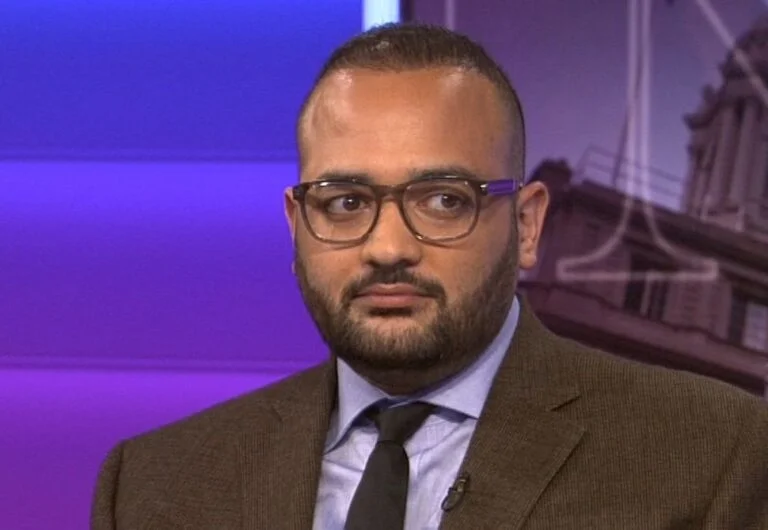
    NEW YORK – A sweeping expansion of the United States’ travel ban policy has drawn sharp condemnation from advocacy groups and foreign governments. The New York Immigration Coalition (NYIC), representing over 200 immigrant and refugee rights organizations across New York State, has denounced the Trump administration’s latest proclamation imposing an indefinite suspension on legal immigration processing for nationals from 20 additional countries.

    The policy update, announced last week, effectively halts all visa processing and immigration benefits for petitioners from 39 countries and Palestine. President Trump’s proclamation specifically named Antigua and Barbuda, Dominica, and Haiti among the newly restricted nations, with measures taking effect January 1, 2026.

    According to NYIC President and CEO Murad Awawdeh, the indefinite hold impacts a wide spectrum of immigration processes including citizenship applications, naturalization ceremonies, work permits, spousal petitions, and status adjustments administered by US Citizenship and Immigration Services (USCIS).

    Awawdeh characterized the policy as ‘driven by discrimination against applicants from African- and Muslim-majority countries’ and demonstrating ‘callous indifference to those fleeing war-torn regions.’ He warned the measure would create a vulnerable population ‘at risk of being funneled into the administration’s deportation machine,’ while enriching private prison corporations.

    The Caribbean Community (Caricom) has expressed formal concern regarding the restrictions affecting member states Antigua and Barbuda and Dominica. In an official statement, Caricom’s Bureau acknowledged nations’ rights to regulate border entry but noted concern over the lack of prior consultation and potential adverse effects on ‘legitimate travel, people-to-people exchanges, and the social and economic well-being of these small states.’

    The regional body specifically highlighted uncertainties regarding the status of existing visas after January 2026 and called for immediate engagement between US authorities and affected governments to address outstanding concerns. Caricom reaffirmed its commitment to ‘dialogue and cooperation based on mutual respect, shared interests and the rule of law.’

    Awawdeh has urged the US Congress to condemn the administration’s actions and demand policy reversal, noting that American taxpayers ultimately bear the costs of expanded detention programs while facing cuts to social services and healthcare access.
  • Hanover residents urged to remain vigilant against leptospirosis

    Hanover residents urged to remain vigilant against leptospirosis

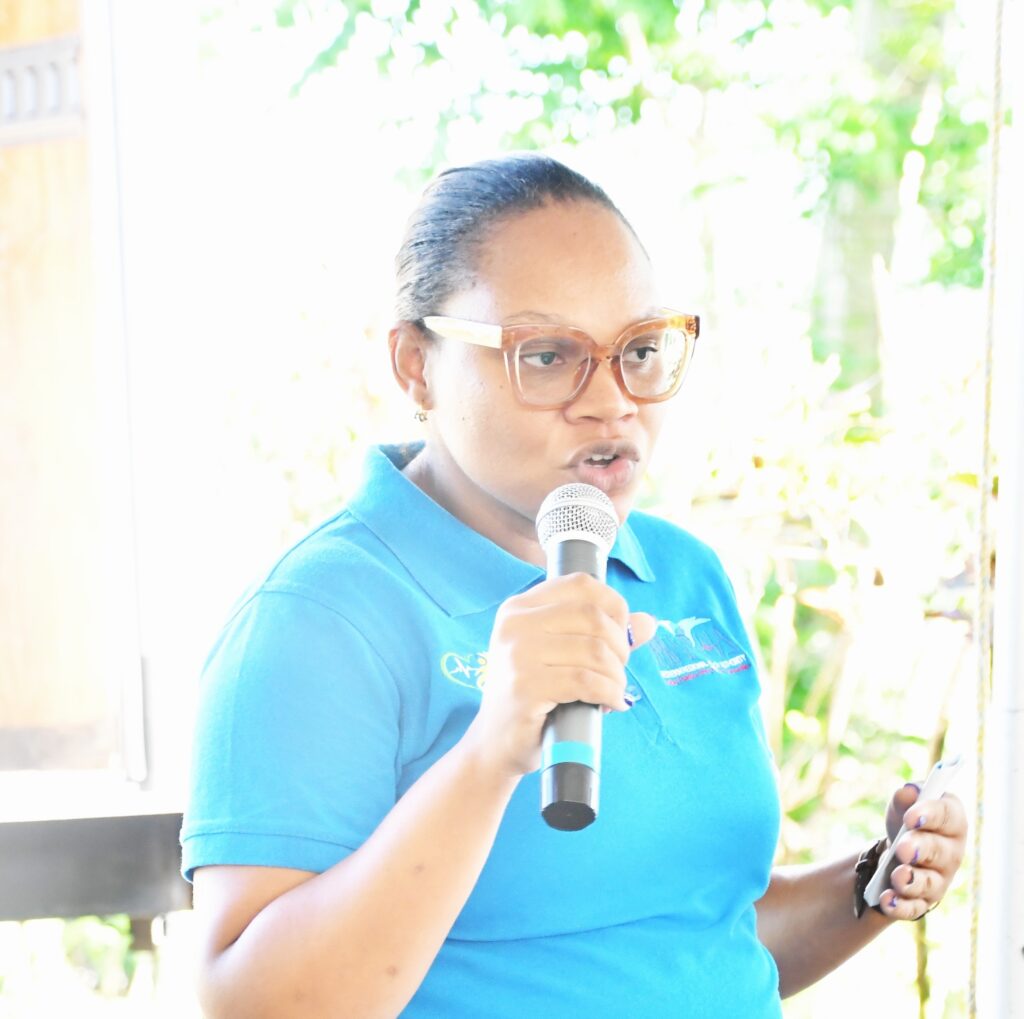
    Health authorities in Hanover, Jamaica, are maintaining their alert against leptospirosis transmission despite observing a downward trend in both confirmed and suspected infections. Andrene Smith-Benjamin, the parish’s Health Promotion and Education Officer, has issued comprehensive guidance for residents engaged in Christmas cleanup activities, emphasizing the critical need for protective equipment like waterproof boots and gloves.

    The bacterial disease, primarily transmitted through contact with urine from infected rats, poses a significant environmental threat as the pathogen can persist in contaminated water and damp soil for several months. Smith-Benjamin specifically warned that improper footwear and lack of hand protection during cleanup operations substantially increases infection risks.

    During a recent Ministry of Health and Wellness outreach event at Ramble Health Centre, the health official delivered crucial food safety recommendations, urging residents to meticulously inspect all food items for evidence of rodent interference. Consumers should discard any packaged goods showing signs of bites, tampering, damaged packaging, or exposure to floodwaters. Particular caution was advised regarding rusty, dented, or unlabeled canned goods.

    Smith-Benjamin further highlighted the danger of newly formed water bodies created by recent hurricane activity, noting these constitute high-risk contamination sources. The bacteria can enter the body through mouth exposure or open wounds during swimming activities. Vulnerable individuals with cuts or abrasions face particularly severe risks when contacting potentially contaminated water.

    Leptospirosis manifests through symptoms including fever, muscle and joint pain (especially in calf and back regions), gastrointestinal distress, and jaundice evidenced by yellowing eyes or skin. While treatable with prompt medical intervention, the disease can prove fatal if left untreated. Health authorities strongly recommend immediate hospital visitation upon symptom appearance and continued adherence to safe hygiene, food handling, and environmental cleanup practices.

  • WATCH: Woman dead, daughter and grandkids injured, in Manchester crash

    WATCH: Woman dead, daughter and grandkids injured, in Manchester crash

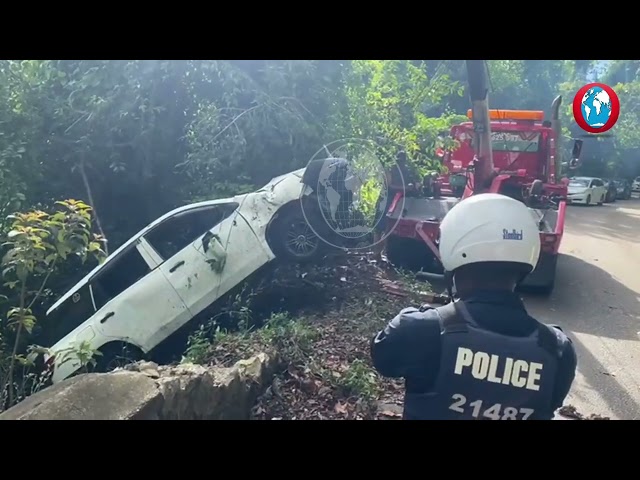
    A tragic vehicular accident in Manchester, Jamaica, has resulted in one fatality and multiple injuries, casting a somber shadow over the parish this Sunday morning. The incident occurred approximately at 8:00 a.m. along New Green Road in the vicinity of Martin’s Hill dump.

    Preliminary investigative reports indicate that the driver of a Nissan AD Wagon experienced a catastrophic loss of control over the vehicle. This mechanical or driver error led the car to veer off the roadway and plummet an estimated 100 feet into a deep precipice, causing severe damage to the automobile and critical injuries to its occupants.

    The victims have been identified as a 57-year-old woman, who was pronounced dead at the scene, and three other family members—her daughter and two grandchildren—who sustained serious injuries. All survivors were rushed to a medical facility for emergency treatment and remain hospitalized.

    In the immediate aftermath of the crash, the driver, amidst the chaos, encountered difficulties reaching emergency services via the Mandeville Fire Station’s telephone lines. Demonstrating remarkable presence of mind, she instead contacted a local towing service, Big Rat Wrecking, to alert them of the dire situation and request urgent assistance from authorities.

    The rescue operation was a coordinated effort involving Manchester firefighters, local law enforcement officers, and several courageous passersby. Together, they worked to extract the trapped individuals from the mangled wreckage at the bottom of the ravine, a complex and dangerous task given the terrain and the vehicle’s condition.

    The community of Manchester is reeling from the shock of the incident, which highlights ongoing concerns regarding road safety in certain perilous areas of the parish. An official investigation into the precise cause of the accident is currently underway by the Jamaican police.

  • Jamaican-born pastor pleads guilty to tax evasion scheme in New York

    Jamaican-born pastor pleads guilty to tax evasion scheme in New York

    NEW YORK – A prominent Brooklyn pastor has entered a guilty plea in federal court for orchestrating a sophisticated tax evasion operation that diverted church funds for personal enrichment. Paul Mitchell, 60, the Jamaican-born leader of Changing Lives Christian Centre and president of its affiliated daycare, confessed to a single count of tax evasion following a Department of Justice investigation.

    The seven-year scheme, spanning from 2015 to 2022, involved systematic misuse of religious organization assets. Court documents reveal Mitchell utilized church credit cards for extravagant personal purchases including high-end jewelry, luxury timepieces, and premium men’s apparel. He additionally transferred substantial cash amounts from institutional accounts to his personal banking services and wrote checks directly from church accounts to settle personal credit card debts and income tax obligations.

    According to federal prosecutors, Mitchell deliberately concealed these illicit financial gains from tax authorities, creating a significant tax liability shortfall. His actions resulted in an estimated $2.9 million loss to the Internal Revenue Service and approximately $316,700 in unpaid state taxes to New York.

    The pastor, who previously worked in banking for over fourteen years before his religious calling, now faces potential imprisonment of up to five years alongside restitution requirements and fines reaching $250,000. Mitchell’s church biography describes him as “a man of integrity and uprightness” who believes in empowering community members, starkly contrasting with the criminal behavior admitted in court.

    Born in Kingston, Jamaica, Mitchell immigrated to the United States with his family in 1971. His transition from banking to religious leadership in 2003 was characterized by his congregation as seamless. The case highlights serious financial misconduct within religious institutions and underscores increased regulatory scrutiny on nonprofit organizations.

  • Electricity outage hits San Francisco, thousands without power

    Electricity outage hits San Francisco, thousands without power

    SAN FRANCISCO, United States – A substantial electrical failure severely impacted San Francisco on Saturday, resulting in a widespread blackout that deprived approximately 130,000 residents of power for an extended duration. The city’s primary utility provider, Pacific Gas & Electric Company (PG&E), confirmed that a substation fire was the root cause of the disruption, which occurred during a critical pre-Christmas shopping weekend.

    At the peak of the incident, significant portions of the West Coast’s renowned technology hub were engulfed in darkness. The outage precipitated considerable public inconvenience, including the failure of numerous traffic signals and a suspension of services for the self-driving ride-hailing operator, Waymo. Public transportation networks also experienced considerable delays and disruptions.

    In an official communication via social media platform X, PG&E provided a restoration update, indicating that power had been successfully returned to roughly 90,000 customers by 9:00 PM local time. The utility company assured that efforts would continue through the night to restore electricity to the remaining 40,000 affected households.

    San Francisco Mayor Daniel Lurie addressed the public from the city’s emergency operations center, acknowledging the severity of the situation. He urged residents still without electricity to prioritize safety and to check on their neighbors. Mayor Lurie also confirmed that additional police, fire department personnel, and city officials had been deployed across affected areas and advised the public to remain at home unless absolutely necessary.

    The timing of the blackout proved particularly detrimental to local commerce. The San Francisco Chronicle reported that numerous businesses were compelled to shutter on one of the busiest shopping weekends of the year. Dense fog further compounded the challenging conditions, rendering typically vibrant commercial districts unusually quiet and causing what one retail manager described as a ‘devastating’ financial impact so close to the Christmas holiday.

  • US intercepts Venezuelan-linked oil tanker in Caribbean

    US intercepts Venezuelan-linked oil tanker in Caribbean

    In a significant escalation of maritime enforcement, United States authorities have intercepted a second oil tanker with connections to Venezuela within weeks. The operation, conducted in international waters east of Barbados, was carried out by the US Coast Guard with Pentagon support following President Donald Trump’s directive for a “total and complete blockade” against sanctioned vessels associated with Caracas.

    Homeland Security Secretary Kristi Noem confirmed the interception on social media platform X, stating: “The United States will continue to pursue the illicit movement of sanctioned oil that is used to fund narco terrorism in the region. We will find you, and we will stop you.” Her announcement included aerial footage showing US military helicopters operating above a large tanker’s deck.

    White House spokeswoman Anna Kelly identified the vessel as part of Venezuela’s “shadow fleet,” alleging it was “falsely flagged” and engaged in trafficking “stolen oil to fund the narcoterrorist Maduro regime.” The tanker, believed to be the Panama-flagged ‘Centuries,’ had previously docked in Venezuela and was carrying sanctioned petroleum products.

    The Venezuelan government issued vehement condemnation through Vice President Delcy Rodríguez, who denounced the action as “theft and hijacking” and cited the “forced disappearance” of the vessel’s crew. Rodríguez declared these acts “will not go unpunished” and promised to pursue complaints through the United Nations Security Council and other international bodies.

    Legal experts note the unusual nature of the seizure, as Jeremy Paner, a former OFAC investigator, pointed out that the specific vessel itself had not been under US sanctions. The incident raises broader concerns among Caribbean nations about US enforcement actions occurring in international waters within the region, potentially setting precedents for maritime jurisdiction and energy security.

  • Trini in troubled Tanzania seeks help to replace lost passport

    Trini in troubled Tanzania seeks help to replace lost passport

    A Trinidadian expatriate residing in Tanzania finds herself in a precarious legal limbo after immigration authorities misplaced her passport, leaving her without valid identification during a period of significant political turmoil. The woman, who chose to remain anonymous, originally relocated to Tanzania seeking career advancement opportunities unavailable in her homeland.

    Her residency renewal process typically involved submitting documentation through local immigration channels to the national headquarters in Dodoma. However, during her 2023 renewal attempt, officials claimed to have misplaced a supplementary travel document and subsequently refused to release her passport. The situation deteriorated further this year when immigration authorities admitted they could no longer locate her passport entirely.

    Her attempts to secure replacement documentation through Trinidad and Tobago’s diplomatic channels proved frustratingly ineffective. The High Commission in Nigeria redirected her to London, where communications went unanswered, leaving repatriation as the only apparent solution—an option she resisted due to professional commitments and seasonal business demands.

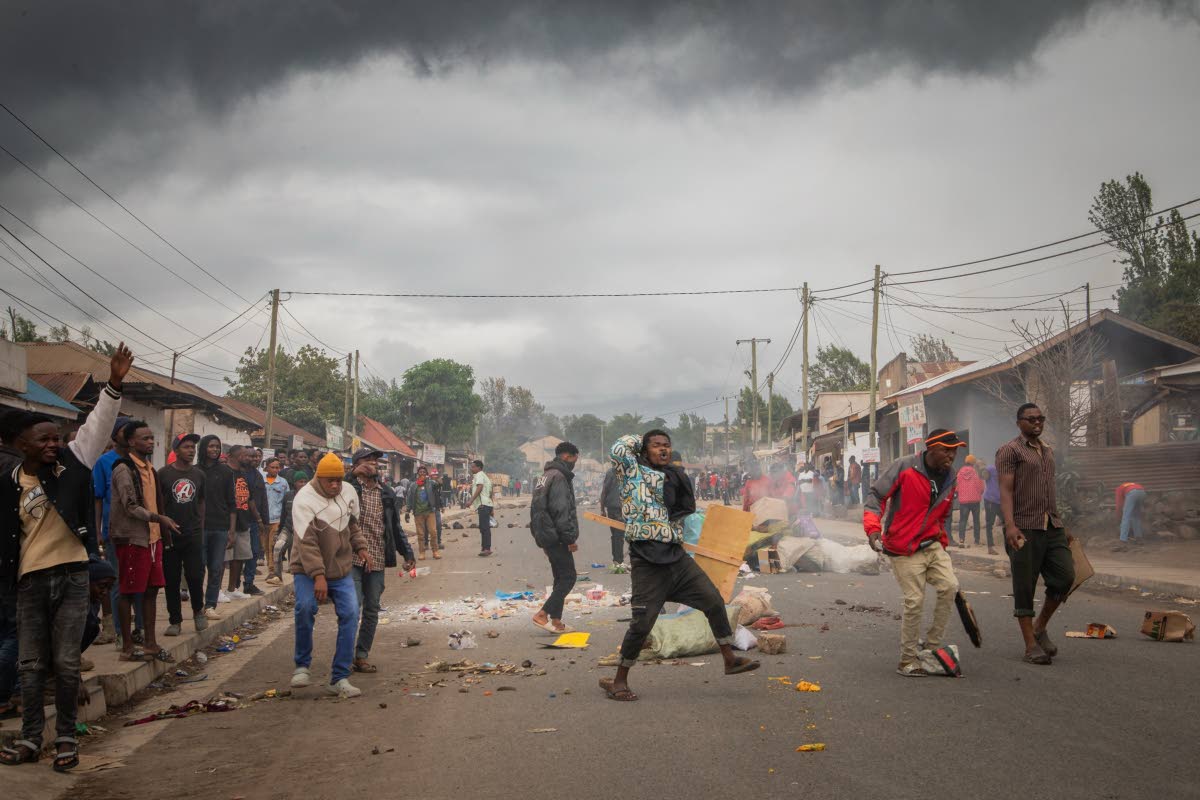
    This personal crisis escalated against the backdrop of Tanzania’s contentious October 29 general elections. Official results claiming a 97.66% victory for the ruling Chama Cha Mapinduzi party were met with widespread skepticism amid reports of electoral irregularities. Violent protests erupted, resulting in alleged hundreds of casualties according to external sources, though government figures remain unconfirmed.

    The administration responded by attributing the unrest to foreign agitators, implementing widespread identity checks and roadblocks. President Samia Suluhu Hassan publicly condemned the violence while emphasizing the involvement of non-Tanzanian elements. This official narrative intensified the Trinidadian woman’s vulnerability, as she lacked the documentation to prove her legal status.

    Following media intervention, immigration officials in Trinidad provided direct contacts to the London High Commission, which holds jurisdiction over passport issuance for citizens in Europe, Africa, and China. An officer suggested the passport might have been diverted for illegal trade, noting the high value of Trinidad and Tobago passports in document trafficking circles due to their visa-free access to numerous countries.

    The Minister of Foreign Affairs has pledged assistance, and the woman has now received assurances from London that her replacement documents will be expedited once processed.

  • ‘Painting’ with coloured paper – Allisha Ali’s rising profile as Caribbean artist in Canada

    ‘Painting’ with coloured paper – Allisha Ali’s rising profile as Caribbean artist in Canada

    In an extraordinary fusion of technology and tradition, Toronto-based software engineering manager Allisha Ali has emerged as an unexpected force in the art world through her innovative paper-quilling techniques. Born in Trinidad and migrating to Canada at age ten, Ali has developed a distinctive artistic practice that transforms colored paper strips into vibrant visual narratives of Caribbean heritage and personal memory.

    Without formal art training, Ali discovered paper artistry as therapeutic expression during intervals between managing tech teams and raising her two daughters. Her unconventional medium involves meticulously layering and blending paper strips to create textured compositions that mimic brushstrokes—all without using any paint. “Just glue and paper,” Ali explains. “I have stacks of different colors and I blend them. It’s very tactile, very therapeutic.”

    Her engineering background profoundly influences her creative process. She describes her approach as “modular,” constructing artworks from individual components much like software systems are designed. This methodological crossover demonstrates how her technical expertise informs her artistic vision.

    At the heart of Ali’s work lies her Trinidadian roots and family history. Her breakthrough piece, “Oropouche,” depicts cocoa pods connected to her father’s lineage and the agricultural legacy of northeastern Trinidad. The artwork emerged from a deeply personal journey—returning to Trinidad seven years after her father’s death. “There was a lot of emotion in that trip—grief, nostalgia, joy,” she recalls. “I always think of Trinidad as paradise, but it’s layered.”

    Another significant work, “Bazodee,” captures the overwhelming experience of returning to bury her father, transitioning visually from anxiety to intense emotional release. Her portfolio has expanded to include socially conscious works like “The Water Protector,” honoring Indigenous water activists in Canada, and “Soul Rebel,” a portrait of Bob Marley that pays homage to the music that filled her childhood home.

    Despite recent recognition—including her first sale after someone discovered her work on Instagram and her inaugural exhibition in the Greater Toronto Area—Ali maintains her full-time tech career. She now aims to participate in juried exhibitions and eventually stage a solo show, all while continuing to develop more complex, message-driven works that create space for Caribbean stories in Canadian cultural spaces.

  • Why everyone’s talking about batana oil – from ancestral wisdom to modern haircare hero

    Why everyone’s talking about batana oil – from ancestral wisdom to modern haircare hero

    A traditional Honduran hair care ingredient has captured global attention, transitioning from indigenous ritual to social media sensation. Batana oil, extracted from the nuts of the American oil palm, has become the latest obsession in beauty circles, praised for its remarkable hair-restorative properties.

    This amber-brown oil with a distinctive nutty aroma originates from the rainforest region of La Mosquitia, Honduras, where the indigenous Miskito people have hand-processed it for generations. The area’s reputation for hair health is so established that it’s commonly referred to as “the Land of Beautiful Hair.”

    Biochemist Cheryl Bowles, founder of Cher-Mere products with over three decades of experience studying plant-based ingredients, explains the science behind batana oil’s effectiveness. “When you strip away the hype, every ingredient must stand on its own chemistry,” Bowles states. “Batana oil has a very specific profile that makes it effective for strengthening, conditioning, and protecting the hair shaft.”

    The oil’s potency derives from its unique composition: essential fatty acids (oleic and linoleic) that nourish and soften hair, antioxidants including Vitamin E and beta-carotene that protect against oxidative stress, and a balanced combination of saturated and unsaturated fatty acids that provide both richness and protective coating abilities.

    For Caribbean hair specifically, which faces constant exposure to heat, humidity, hard water, and chemical treatments, batana oil offers particular benefits. Its heavy yet penetrative structure works deep into the hair shaft while forming a protective barrier that helps retain moisture—especially valuable in humid climates where hydration evaporates quickly.

    Beyond its cosmetic applications, batana oil represents a cultural legacy. The Miskito people’s traditional techniques—slow-roasting, hand-cracking, and filtering—have supported community development while preserving the palm’s ecosystem for generations.

    Bowles emphasizes the importance of honoring these origins while applying modern scientific rigor. Her development process involved testing batana oil’s performance on varying hair textures and creating blends with complementary oils like rosemary and tea tree to enhance strength and scalp health.

    The current popularity of batana oil reflects a broader shift toward ingredients with authentic roots and proven efficacy. As Bowles notes, “We’re seeing a return to ancestral knowledge. People want ingredients that come from the earth, from real history, and that actually work.”

    Users report multiple benefits including softer, more manageable hair, reduced scalp dryness and flaking, decreased shedding, and improved shine without greasiness. The oil can be used as a pre-shampoo treatment, overnight mask, scalp massage oil, leave-in sealant, or enhancer when blended with other botanical oils.

  • Law meets compassion — Sherise Hosein shows up at Xmas and beyond

    Law meets compassion — Sherise Hosein shows up at Xmas and beyond

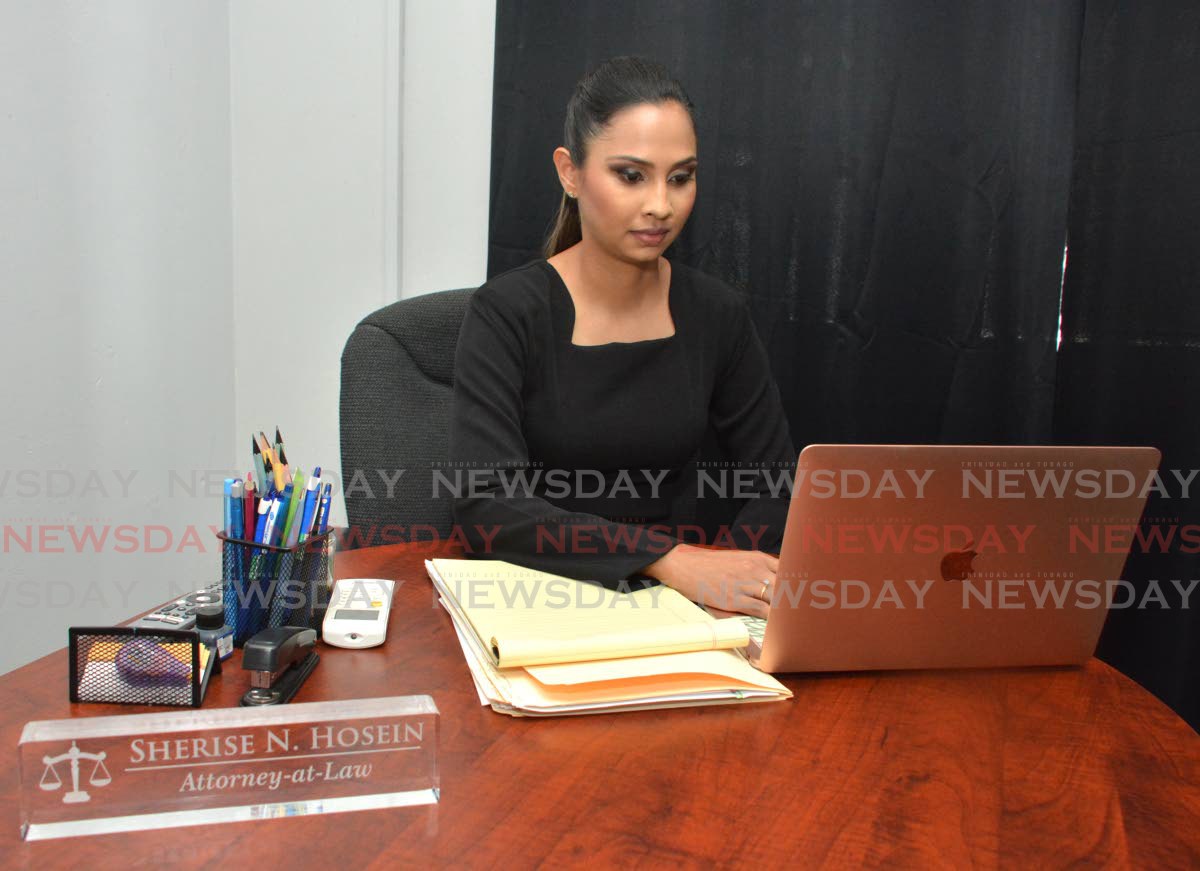
    While Christmas traditionally evokes images of festive gatherings and abundance, for Trinidad’s homeless and socially displaced populations, the season amplifies feelings of isolation and hardship. Attorney Sherise Naseem Hosein, 33, embodies an alternative spirit of Christmas through her dual commitment to legal excellence and humanitarian service.

    Operating from Mandamus Law Chambers in Couva, Hosein has dedicated her nine-year legal career to courtroom advocacy while simultaneously volunteering with the Socially Displaced Restoration Centre (SDRC). Her motivation stems from childhood values instilled by her taxi driver father Shameel Mohammed, secretary mother Fareza Hosein, and grandparents Jamadar and Zaibun Hosein. “They taught me kindness, empathy and consideration for others through daily actions,” she reflects, noting how the principle that “service to God is service to man” guided her development.

    Despite early academic challenges in reading, Hosein’s perseverance led her to pursue international relations at UWI, law through the University of London, and an MBA from Anglia Ruskin University. This educational foundation now supports her work with SDRC’s initiatives, including weekly food distributions and quarterly “care days” at Couva’s Inshan Ali Promenade. The organization is currently advocating to convert an abandoned Couva building into an overnight shelter with rehabilitation services.

    Hosein’s volunteer engagement extends to the TTPS Community Justice Clinic, where she has served as team lead for four years. This collaborative effort between police and volunteer attorneys provides accessible legal guidance on family matters, domestic violence, and land issues—cases often intersecting with social vulnerability. “The goal is to empower the community with knowledge so justice isn’t out of reach,” Hosein explains.

    The attorney challenges common misconceptions about homelessness, emphasizing that “many people are displaced due to circumstances beyond their control—loss, trauma, unemployment, or untreated mental-health challenges.” She identifies systemic gaps including affordable housing shortages and limited social support as contributing factors, advocating for both policy reform and community-driven solutions.

    Balancing legal practice with volunteer commitments requires meticulous organization, but Hosein finds the experience transformative. “Volunteering has reinforced how even smallest acts of kindness impact lives,” she observes. Her Christmas perspective has evolved beyond celebration to emphasize “compassion, presence, and small acts of kindness that bring comfort and dignity.”

    Hosein’s message to the public transcends seasonal giving: “Compassion isn’t only for special occasions. Even small contributions of time or support can build a stronger, caring community year-round.”