博客

  • Pioneer Athletics Club hosts its 10th annual award ceremony

    Pioneer Athletics Club hosts its 10th annual award ceremony

    The Pioneers Athletics Club Inc. marked a significant milestone on December 19th, hosting its 10th annual awards ceremony at the Dominica Olympic Committee conference room. The event, themed “Plan to win, Prepare to win, Expect to win,” brought together athletes, sponsors, and sports officials to celebrate exceptional athletic achievements throughout 2025.

    Distinguished guests included Dominica Olympic Committee President Billy Doctrove, who delivered the keynote address, and Dominica Amateur Athletics Association President Brendan Williams, who provided additional remarks. Club President Cedric Harris presented a comprehensive year-in-review report, revealing the organization had successfully accomplished 100% of its planned activities for the year.

    The ceremony honored outstanding performers across multiple age categories and disciplines. Akiesha Luke received the Female Athlete of the Year award, while Shakan Stedman claimed the Male Athlete of the Year title. The awards distribution showcased a meaningful evolution from previous years, with numerous accolades sponsored by former club members demonstrating their commitment to supporting the next generation of athletes.

    Recipients spanned various age groups and specialties: Tashera Edmund (Under-9 Female), Jayda Asiedu (Under-11 Female), Nyan Prince (Under-13 Female Sprints), and Eden Nesty (Under-13 Female Distance). Other notable winners included Jeremiah Rene (Best Under-15 Male), Bertina Carrette (Best Under-17 Female), and Keyoni Esprit (Best Under-17 Male). Senior category honors went to Meralda Thomas (Open Female) and Shakan Stedman (Open Male).

    The club extended gratitude to its sponsors whose support made both the awards ceremony and annual operations possible: Jollys Pharmacy, Reuben’s Bakery, Morancie & Sons, Carlton Phillips Motors & Co. Ltd, Janet-Harris George, Ronald Charles & Associates, Rapid Response, Big Edge Express, Crystle Wadsworth, and Daily Fresh.

  • FROM THE BLEACHERS: My 2026 wish list for sports

    FROM THE BLEACHERS: My 2026 wish list for sports

    Saint Lucia’s newly appointed Minister for Education, Youth Development, Sports, and Digital Transformation, Kenson Casimir, alongside colleague Minister Danny Butcher, face an ambitious timeline to transform the nation’s sports infrastructure by 2026. Their mandate encompasses three critical areas: enhancing existing tournaments, resolving persistent challenges, and developing community and national sports facilities.

    The centerpiece of this initiative is the long-awaited refurbishment of the George Odlum Stadium. The Philip J. Pierre administration secured $8 million from the Saudi Fund for Development in 2024 to restore the country’s sole international-quality athletics facility. However, the project’s commencement remains contingent upon the full completion of St Jude Hospital, anticipated in the first half of 2026. While the Sports Ministry will consult with national athletic and football governing bodies regarding track and pitch renovations, operational control of the stadium project falls outside their direct jurisdiction.

    Beyond physical renovations, the ministry must develop a comprehensive utilization strategy for the venue. This requires collaboration with local and regional track and field organizations, masters athletics groups, and football associations to identify hosting opportunities that would allow Saint Lucian athletes to compete on home turf. The Ministry of Tourism and Hotel and Tourism Association must be integral partners in these discussions to maximize the facility’s economic and sporting potential.

    The original vision for the stadium as part of a larger sports complex remains partially unrealized. While constructing a hostel and indoor sports facilities may prove challenging within five years, establishing a 25-meter four-lane pool warrants serious consideration. This aligns with the anticipated completion of the National Aquatic Centre in northern Saint Lucia by late 2026, finally realizing swimming’s long-standing goal of accessible practice pools across the island. The upcoming hosting of the 2027 CARIFTA Aquatics Championships provides additional impetus for aquatic facility development.

    Attention also turns to the Vigie Multipurpose Sports Complex, which has hosted basketball, netball, and volleyball events for decades despite repeated unfulfilled promises to cover at least one court. These sports have experienced declining participation and regional competitiveness, necessitating immediate intervention. The ministry prioritizes constructing covered courts in three key communities outside Castries—Micoud, Vieux Fort, and Soufrière—coupled with development programs to grow these disciplines through national federation involvement in grassroots training initiatives.

    Educational sports programming undergoes significant restructuring under the new administration. With only 25 schools eligible for sports participation now falling under a single ministry, the government aims for at least 50% school representation in the 2026-2027 sports program. This involves assigning coaches to schools and coaching supervisors to districts in collaboration with governing bodies.

    The Saint Lucia Sports Academy (SLSA) presents another critical challenge. Since 2019, the former Gros Islet Secondary School has operated as a regular secondary institution with specialized coaching in athletics, cricket, and football. The administration envisions transforming SLSA into a post-secondary institution functioning as a high-performance center similar to American prep schools. This elite development facility would prepare student-athletes for professional careers or university placements in North America, the UK, Australia, and India, particularly for netball and cricket.

    Implementing an effective scholarship program requires dedicated personnel to establish relationships with overseas institutions and systematic videotaping of practices and competitions for distribution to coaches and scouts. This structured approach could potentially provide free higher education for dozens of Saint Lucian athletes annually.

    While fully realizing Saint Lucia’s untapped sports potential represents a long-term endeavor, strategic investments in infrastructure and human resource development over the next two to three years could produce significant advancements in the nation’s athletic competitiveness and facilities.

  • Christmas cheer for hundreds at MP Blackman’s inaugural celebration

    Christmas cheer for hundreds at MP Blackman’s inaugural celebration

    St James North constituency witnessed a remarkable display of community spirit as MP Chad Blackman hosted his inaugural Christmas celebration, drawing over 500 children and their families to Gordon Greenidge Primary School grounds last Saturday. The festive gathering featured an array of entertainment, culinary treats, and gift distributions, creating a vibrant atmosphere of seasonal joy.

    In exclusive remarks to Barbados Today, Blackman emphasized the event’s significance in fostering communal bonds during the holiday period. “Christmas represents a special opportunity to ensure the children of St James North experience genuine celebration within their own constituency,” the parliamentarian stated, noting the overwhelming response from families exceeded expectations.

    The celebration transformed the school grounds into a wonderland of activities, with jumping tents captivating younger attendees and a performance artist creating balloon animals for delighted children. The event’s highlight featured acclaimed entertainer Tionne Hernandez delivering a live musical performance, enhancing the carnival-like ambiance.

    Beyond immediate festivities, Blackman articulated the event’s broader purpose as a platform for local talent development. “Our constituency possesses extraordinary creative potential,” he observed, revealing plans to systematically showcase artistic talents through 2026 as part of a cultural development strategy.

    The parliamentarian contextualized this initiative within Barbados’s wider cultural economy objectives, stressing the need for legislative support to enable creative professionals to monetize their skills. While marking his first Christmas event as elected representative, Blackman referenced previous community engagement during his senatorial tenure, noting significantly enhanced participation this year.

    Looking toward future development, Blackman highlighted ongoing agricultural initiatives, particularly a cooperative program connecting local farmers with hospitality establishments along the West Coast tourism corridor. “Our fertile lands represent economic opportunity,” he explained, emphasizing the importance of linking local production with national economic channels.

    The MP concluded by announcing forthcoming constituency engagements, including a January luncheon for senior citizens and a major community picnic, reinforcing his commitment to sustained community development through inclusive participation.

  • OPINION: Some reasons Saint Lucia stuck with Mr Pierre (Part 3)

    OPINION: Some reasons Saint Lucia stuck with Mr Pierre (Part 3)

    In the aftermath of Saint Lucia’s recent elections, a thorough examination of the United Workers Party’s (UWP) campaign critiques reveals several substantiated concerns, though their delivery ultimately failed to resonate with voters. The opposition party accurately highlighted pressing issues including the high cost of living, healthcare deficiencies, and escalating crime rates, yet struggled to present coherent alternative policies.

    The UWP’s central economic argument focused on the government’s maintenance of artificially elevated gasoline prices despite declining global and regional rates. While correctly identifying this pricing discrepancy, the party failed to acknowledge how complex economic ecosystems might justify such pricing through offsetting taxes that generate crucial government revenue for redistribution programs. This oversight revealed a significant gap in their economic reasoning.

    Further complicating their position, the UWP simultaneously proposed tax reductions while promising economically ambitious initiatives without clarifying their funding mechanisms. Their manifesto contained this fundamental contradiction: advocating for lower taxes while proposing programs that would require substantial government expenditure. Notably, the party avoided repeating their previous campaign promise of VAT reduction, instead offering no clear alternative taxation strategy.

    The government’s defense of fuel pricing rests on the concept of inelastic demand—gasoline as a necessity with few substitutes creates fiscal space for revenue generation. However, this approach inevitably burdens lower socioeconomic groups, potentially undermining the redistribution goals it aims to support.

    Regarding healthcare, the UWP accurately identified systemic weaknesses but faced credibility challenges due to their unfinished St. Jude Hospital project and vague health insurance proposals. Their plan lacked crucial details about financing structures, coverage specifics, and inclusion mechanisms for vulnerable populations, reducing it to what critics termed “elusive schemes and dreams.”

    On crime and violence, the UWP correctly criticized the government’s overreliance on resource provision to police without addressing root causes. However, their own proposals proved equally superficial—focusing on technical solutions like reinstating K-9 units and implementing port scanners rather than addressing institutional and social drivers of criminal activity. Their border control concept particularly suffered from insufficient detail, collapsing under minimal scrutiny.

    The party’s problematic comparison of crime statistics risked trivializing human tragedy, while their predominantly punitive approach—emphasizing expanded incarceration, relaxed firearm legislation, and attacks on marijuana decriminalization—failed to offer comprehensive solutions. As commentator TC Brown noted, those who politicize crime “play with fire,” though the UWP eventually introduced rehabilitative measures late in their campaign.

    Ultimately, while the UWP identified legitimate governance challenges, their inability to present coherent, fully-developed policy alternatives and their tactical missteps in campaign messaging contributed to their electoral outcome. The analysis suggests that effective opposition requires not just criticism but viable, well-articulated policy frameworks that withstand rigorous public scrutiny.

  • InterCaribbean Just Launched Puerto Rico-St Kitts Flights – Caribbean Journal

    InterCaribbean Just Launched Puerto Rico-St Kitts Flights – Caribbean Journal

    In a significant development for Caribbean aviation, interCaribbean Airways has inaugurated a new direct air service connecting San Juan, Puerto Rico with St. Kitts, marking a strategic enhancement to the region’s transportation network. The twice-weekly flight operation commenced with an official ceremony at Kayan Jet terminal, attended by government dignitaries, tourism executives, and airline representatives.

    This new air bridge establishes vital connectivity between St. Kitts and one of the Caribbean’s most crucial aviation hubs, facilitating smoother travel for both regional passengers and international visitors transiting through San Juan from major gateway cities across the United States and Europe. The service operates with flights departing San Juan on Fridays and Mondays at 5:20 PM, arriving in St. Kitts at 6:30 PM, while return flights operate Thursdays and Sundays departing at 8:30 AM with arrival at 9:40 AM.

    St. Kitts Tourism Minister Marsha T. Henderson emphasized the dual significance of recognizing the Puerto Rican market’s cultural and economic importance while simultaneously positioning San Juan as a strategic connection point for broader international growth. The enhanced airlift capacity is expected to generate substantial benefits across the local tourism ecosystem, supporting transportation providers, restaurants, and cultural experience operators.

    Kelly Fontenelle, CEO of the St. Kitts Tourism Authority, characterized the launch as a meaningful milestone in regional connectivity achieved through collaborative efforts between multiple stakeholders. The initiative aligns with the destination’s strategic objective to diversify arrival sources and improve accessibility across key markets.

    InterCaribbean Airways Chairman Lyndon Gardnier highlighted the route’s role in strengthening ties between Caribbean destinations while supporting family travel, business connections, and regional mobility. This expansion builds upon the airline’s growing partnership with St. Kitts and Nevis and reflects its broader commitment to improving intra-Caribbean air connectivity, addressing long-standing transportation challenges within the region.

  • Republic Bank’s Power to Make a Difference invests $2 million in Eastern Caribbean community partnerships

    Republic Bank’s Power to Make a Difference invests $2 million in Eastern Caribbean community partnerships

    Republic Bank (EC) Limited has officially inaugurated the 2025–2026 cycle of its Power to Make a Difference (PMAD) Programme, reinforcing its four-year legacy of strategic, purpose-driven social investment throughout the Eastern Caribbean. Under the revitalized theme ‘Powered by Purpose, Transforming Communities,’ the initiative continues to drive meaningful change across the region.

    The launch event, a Presentation of Partners gathering held on December 10 at the Sandals Grande Ballroom, introduced 14 new and returning partner organizations spanning six Eastern Caribbean territories. This expansion signals both the program’s growing influence and its deepening commitment to regional development.

    Financial commitments underscore the scale of this initiative: Republic Bank has channeled over $6.3 million into community projects across its operational territories during the past five years. Notably, nearly $2 million has been dedicated specifically to the PMAD Programme over the last three years, with Saint Lucia receiving approximately $500,000 in investments.

    The 2024/2025 funding cycle supported diverse initiatives focusing on youth empowerment through educational and cultural programs, environmental conservation, healthcare accessibility for differently-abled individuals, and entrepreneurship and sports development.

    Tracy Bartholomew, Managing Director for Republic Bank (EC) Limited Group, articulated the program’s philosophical foundation: “Our PMAD programme embodies the deepest values of Caribbean people. We help each other, lift as we climb, and build communities and bridges. Sustainability at Republic Bank transcends environmental concerns—it encompasses creating systems that enable individuals to flourish, communities to thrive, and opportunities to multiply regardless of geography, background, or circumstance.”

    The PMAD framework aligns with the United Nations Principles for Responsible Banking and supports the achievement of all 17 Sustainable Development Goals (SDGs). This cycle brings particular momentum to Saint Lucia, where projects emphasize innovation, inclusion, and youth development.

    Returning partner Orbtronics continues its leadership in STEM education, providing advanced robotics and industry-level training that prepares students for scholarships, university placements, and global technology careers. The National Council of and for Persons with Disabilities advances its media-based aquaponics program, enabling persons with disabilities to cultivate food, generate income, and operate modern agricultural technology independently.

    The Daren Sammy Foundation, established by the celebrated cricket icon, continues creating pathways for promising student-athletes from low-income backgrounds through mentorship, scholarship opportunities, and leadership development. New partner St. Mary’s College Secondary School joins with its robotics, coding, and ICT program designed to bridge the digital divide by providing hands-on technological access for young boys, cultivating future engineers, programmers, and digital innovators.

    Anna-Kaye Boodho, General Manager of Orbtronics, highlighted the distinctive nature of the bank’s partnership approach: “Republic Bank’s investment is not silent. It has enabled partners to learn, grow, and expand beyond initial expectations. Their care transcends corporate social responsibility obligations, nurturing authentic relationships rooted in a shared passion for lasting, positive change.”

    Collectively, these partnerships reflect RBEC’s steadfast belief in community-led progress and its dedication to forging opportunities for future generations. Through PMAD, the Bank sustains its investment in programs that strengthen social infrastructure, promote equity, protect vulnerable populations, encourage innovation, and empower Caribbean communities to thrive.

  • LETTER: The Unpaid Creatives of Antigua Carnival: A Tale of Frustration and Disrespect

    LETTER: The Unpaid Creatives of Antigua Carnival: A Tale of Frustration and Disrespect

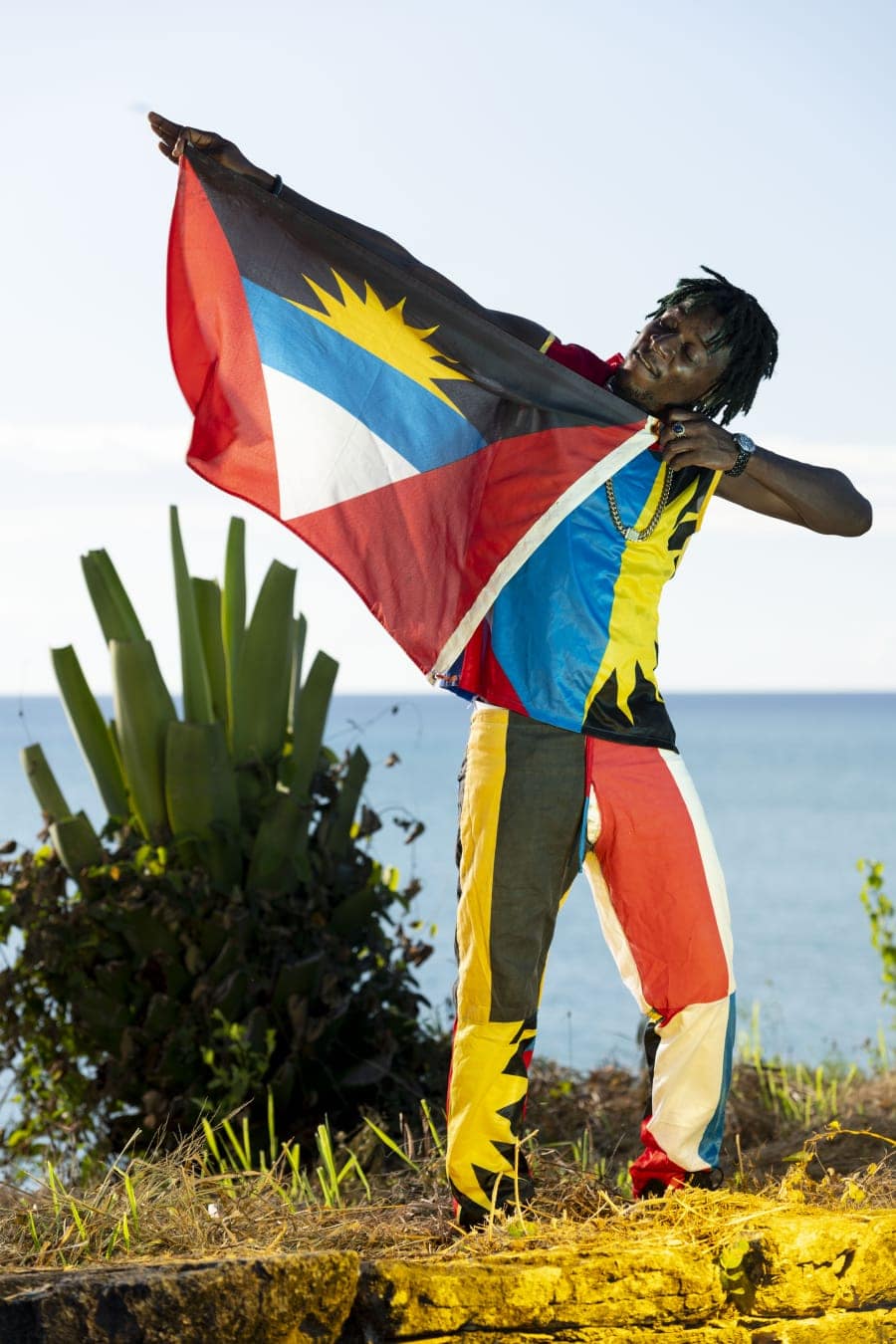
    Half a year following the conclusion of Antigua Carnival 2025, a cloud of financial uncertainty hangs over the very artists and creators who formed the backbone of the celebrated event. While memories of the vibrant festivities that ran from July 23 to August 3 linger, numerous participants—including meticulous mask makers, dedicated performers, and tireless bartenders—continue to await compensation for their services.

    The Antigua and Barbuda Carnival and Festival Commission, the entity tasked with orchestrating the national celebration, faces mounting criticism for its failure to disburse payments. This pattern of delayed remuneration is not a novel occurrence but rather a chronic issue that has plagued the cultural sector for years, raising serious concerns about the valuation of artistic labor.

    Behind the spectacle of breathtaking performances and elaborate costumes lies a stark reality of financial strain. Many creatives, who depend on such events for their livelihood, report significant hardship in meeting basic expenses. The ongoing neglect threatens to undermine the cultural ecosystem, potentially eroding the nation’s artistic heritage and discouraging future participation.

    Critics argue that the Commission’s inaction contradicts its mandated mission to promote and preserve local culture. Calls for reform emphasize the urgent need for transparent payment systems and contractual accountability to protect the welfare of cultural contributors. The situation has sparked broader conversations about the economic realities facing artists and the necessary safeguards to ensure the sustainability of cultural traditions.

    As public pressure mounts, stakeholders demand immediate rectification of outstanding payments and systemic overhaul to prevent recurrence. The resolution of this dispute carries significant implications for the preservation of Antigua and Barbuda’s cultural identity and the professional dignity of its artistic community.

  • Premier Trinidad en Tobago noemt Caricom onbetrouwbare partner

    Premier Trinidad en Tobago noemt Caricom onbetrouwbare partner

    Prime Minister Kamla Persad-Bissessar of Trinidad and Tobago has launched a remarkable diplomatic offensive against the Caribbean Community (CARICOM), publicly disassociating her nation from the regional body’s collective statement regarding recent U.S. travel restrictions. In a striking declaration, she characterized CARICOM as “currently not a reliable partner.

    The controversy stems from the United States’ December 16 implementation of partial travel restrictions targeting citizens of Antigua and Barbuda and Dominica. These measures primarily address security concerns surrounding Citizenship by Investment programs operated by these nations. In her Saturday media address, Persad-Bissessar explicitly stated that Trinidad and Tobago declined endorsement of CARICOM’s official expression of concern regarding American policy.

    The Prime Minister offered a robust defense of Washington’s position, asserting that sovereign nations must accept consequences for their policy decisions. She maintained that the U.S. response represents a measured reaction to risk management deficiencies within the investment citizenship programs of affected countries.

    Persad-Bissessar escalated her criticism to include fundamental structural issues within CARICOM, citing poor governance mechanisms, inadequate accountability protocols, internal divisions, and inappropriate interference in member states’ domestic affairs. She further identified CARICOM’s support for Venezuela’s Maduro regime—accused of human rights violations and regional aggression—as significantly undermining the organization’s credibility.

    Emphasizing national sovereignty, the Prime Minister declared that Trinidad and Tobago would prioritize its independent interests above regional consensus. “CARICOM does not determine our nation’s future. That choice belongs to our citizens,” she stated, framing the debate as a fundamental matter of self-determination.

    The statements have ignited intense domestic debate. Former Prime Minister Stuart Young accused Persad-Bissessar of damaging CARICOM relations and undermining ties with the United States, characterizing her approach as “alarming” and “reckless.” Former Foreign Minister Amery Browne similarly criticized the Prime Minister’s rhetoric as evading political responsibility through confrontational public statements.

    Despite mounting criticism, Persad-Bissessar maintained her position, affirming Trinidad and Tobago’s commitment to an independent foreign policy distinct from CARICOM’s political, security, and economic directives. She reiterated that American measures resulted from individual national choices and called for comprehensive reassessment of CARICOM’s effectiveness as a regional institution.

  • Missing: Sylvester Bertie Cumberbatch

    Missing: Sylvester Bertie Cumberbatch

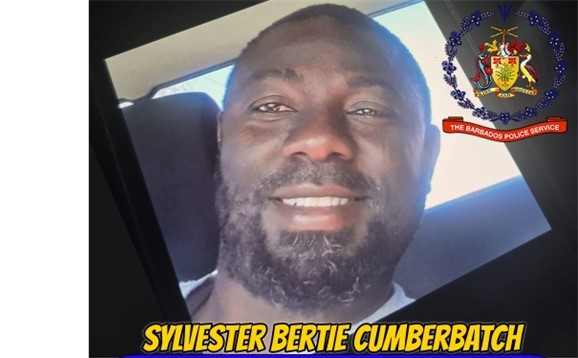
    Authorities in Barbados have launched a public appeal for assistance in locating 51-year-old Sylvester Bertie Cumberbatch, who vanished from Queen Elizabeth Hospital in the early hours of December 20. The St. Stephen’s Hill, St. Michael resident was last observed at approximately 3:45 a.m. at the medical facility, sparking concerns due to his pre-existing health complications.

    According to police descriptions, Cumberbatch stands approximately five feet nine inches tall with a slim build and dark complexion. His distinguishing facial features include a black and grey moustache and goatee, along with what witnesses describe as ‘full eyes.’ At the time of his disappearance, he was wearing distinctive clothing: a yellow and blue shirt paired with navy blue short pants.

    Of particular concern to authorities is Cumberbatch’s medical condition. The missing man suffers from a documented heart condition and has a catheter medically installed. Additionally, he speaks with a noticeable speech slur, which may affect his communication abilities. Investigators note that Cumberbatch is known to frequent the Westbury area of St. Michael, though his current whereabouts remain unknown.

    The Barbados Police Service has established multiple contact points for citizens with information regarding Cumberbatch’s disappearance. Concerned individuals can reach the Central Police Station at 430-7676 or 430-7630, contact the Police Emergency hotline at 211, or provide anonymous tips to Crime Stoppers at 1-800-TIPS (8477). Authorities have emphasized that any information, regardless of how insignificant it may seem, could prove crucial in locating the missing patient.

  • FEATURE: A Small Voice, A Huge Sound: Enoch Thomas Lights Up Jamaica with His Christmas Message

    FEATURE: A Small Voice, A Huge Sound: Enoch Thomas Lights Up Jamaica with His Christmas Message

    In an extraordinary display of youthful wisdom and national spirit, a young Jamaican boy named Enoch Thomas has become an overnight sensation and a symbol of hope. His heartfelt Christmas message, delivered with a clarity and depth far beyond his years, has resonated across the island nation, capturing the hearts of citizens and government officials alike.

    The phenomenon began when a video of Enoch’s eloquent address circulated widely on social media platforms. His message, far from a simple holiday greeting, wove together themes of unity, gratitude, and collective responsibility. He spoke poignantly about the importance of community bonds, cherishing family, and supporting one another through challenges, striking a chord with a populace yearning for positive narratives.

    The impact was immediate and profound. The video transcended typical viral content, evolving into a national talking point. Major local media outlets picked up the story, amplifying the young orator’s call for kindness and togetherness. His words were described as a ‘balm’ and a ‘beacon of light,’ offering a moment of collective pause and inspiration during the festive season.

    Remarkably, the message reached the highest echelons of Jamaican leadership. Prime Minister Andrew Holness publicly acknowledged Enoch, praising his maturity and the powerful simplicity of his words. This endorsement from the nation’s leader solidified the event’s significance, transforming a personal message into a national moment of reflection and pride. The story of Enoch Thomas underscores the powerful truth that a single voice, regardless of age, can ignite a wave of positivity and unite a country in hope and celebration.