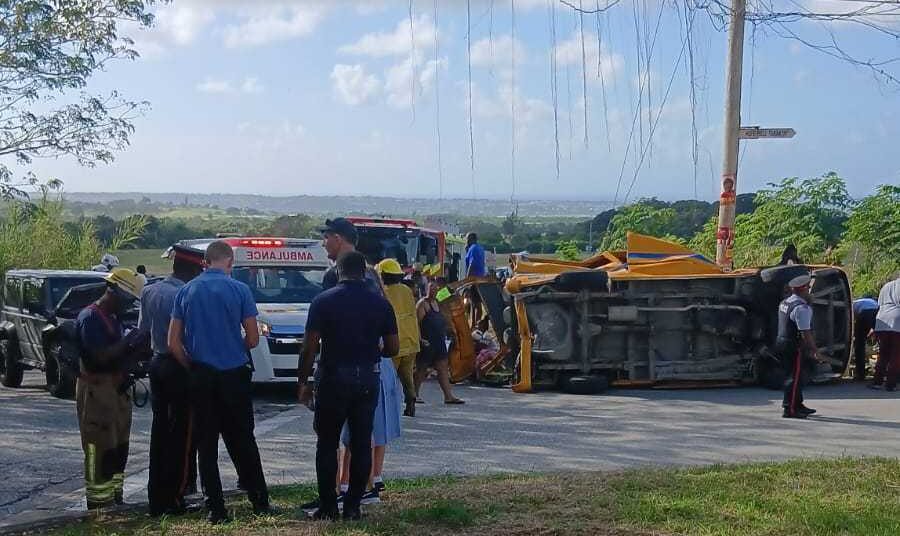
Emergency response teams from the Barbados Fire Service were dispatched to a significant road incident in St Thomas on Tuesday morning following reports of a two-vehicle collision. The accident occurred approximately at 8:30 a.m., involving multiple casualties including school-aged children. According to official statements from fire authorities, initial assessments indicated none of the injuries sustained were life-threatening. Investigation revealed one vehicle was operated by a 16-year-old driver accompanied by a 13-year-old passenger, raising questions about juvenile driving regulations. Multiple occupants from both vehicles received immediate medical evaluation and assistance at the scene while emergency personnel secured the area. Law enforcement officials have launched a comprehensive investigation to determine the precise circumstances and contributing factors behind the incident. The collision highlights ongoing concerns about road safety measures and youth driving practices in the region. Authorities have confirmed all involved parties were transported for additional medical evaluation as a precautionary measure despite the non-critical nature of their injuries.
博客
-
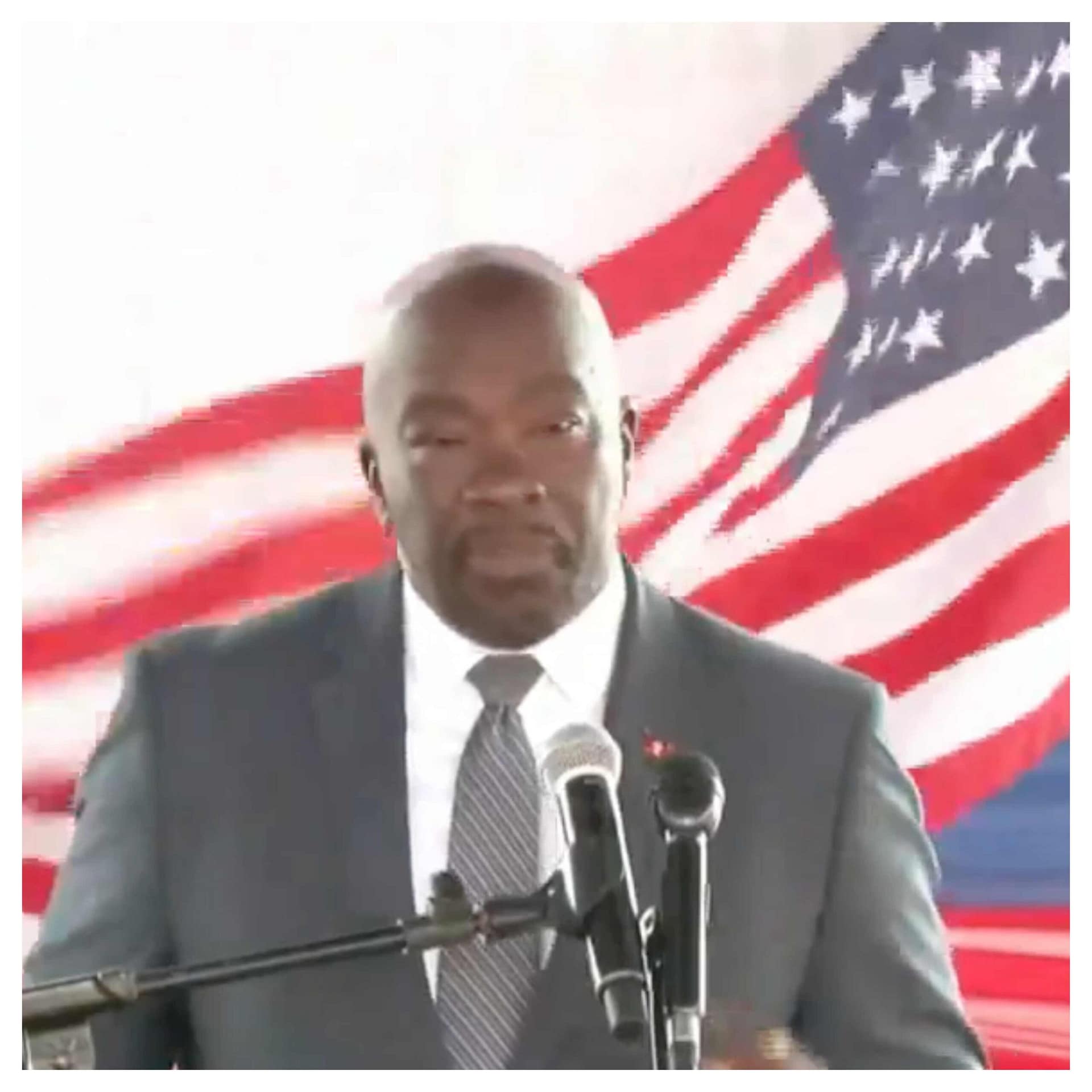
Utilities Minister Nicholas Fires Back at Walker Over APUA Road Repair Plan
A contentious political dispute has erupted in Antigua and Barbuda’s government over infrastructure management, pitting Utilities Minister Melford Nicholas against Barbuda MP Trevor Walker regarding proposed structural changes to road restoration operations.
Minister Nicholas launched a vehement counterattack against Walker’s criticism of his initiative to establish a dedicated road repair crew within the Antigua Public Utilities Authority (APUA). Nicholas pointedly reminded the public that Walker himself served as Minister of Public Works for approximately five years during the previous administration, highlighting that the chronic issue of poorly restored roads following utility work persisted throughout his tenure.
‘The chronic problem of APUA and PWD has existed since then,’ Nicholas asserted in his response, questioning how Walker could criticize the proposed action plan without acknowledging his own record on addressing the long-standing issue.
Walker, speaking on Observer Radio’s ‘Big Issues’ program, had expressed serious reservations about creating what he characterized as a duplicate ‘public works’-type unit within APUA. The opposition MP argued this organizational shift could create redundancy while potentially weakening the Ministry of Works’ core responsibilities. He emphasized concerns regarding standardization, supervisory control, and accountability mechanisms, noting the public lacked clarity on whether the proposed crew would operate under Public Works supervision or function autonomously within APUA.
Rather than transferring capabilities to the utilities authority, Walker proposed establishing a dedicated road restoration team within the Ministry of Works itself. This specialized unit would maintain technical oversight from Public Works while coordinating closely with APUA to ensure prompt response to utility-related excavations.
Minister Nicholas framed his proposal as a practical solution to break the cycle where newly rehabilitated roads undergo emergency utility repairs only to be left with substandard restoration. An integrated APUA team, he contended, would better synchronize utility upgrades with road projects, minimizing damage to finished road surfaces. The initiative would require significant investment in equipment and staffing.
The debate occurs against a backdrop of mounting public frustration over repeatedly excavated roads that remain poorly patched for extended periods. Both officials acknowledge the legitimate grievances of motorists and residents who face uneven road surfaces and prolonged restoration delays following essential utility repairs.
-

What we know about the Minneapolis shooting of Alex Pretti
Minneapolis is grappling with profound tensions following the fatal shooting of 37-year-old Alex Pretti by federal agents on Saturday, marking the second such incident involving immigration enforcement personnel this month. The event has triggered a major clash between federal authorities and local leadership, with starkly contradictory narratives emerging about the circumstances.
Pretti, a US citizen and intensive care nurse at the Minneapolis VA Medical Center, was killed during what officials described as a targeted operation in the Whittier neighborhood. The confrontation occurred at approximately 9:05 a.m. near the intersection of Nicollet Avenue and 26th Street, though accounts of what transpired diverge dramatically.
According to federal authorities, Border Patrol Commander Greg Bovino stated that Pretti approached agents brandishing a 9mm handgun and exhibited violent resistance during attempts to disarm him. Homeland Security Secretary Kristi Noem defended the agents’ actions, characterizing their response as appropriate to an assault situation and consistent with their training protocols.
Contradicting this official version, multiple eyewitness videos and testimonies present a different sequence of events. Footage indicates Pretti was filming agents with his phone while attempting to direct traffic near the operation area. Witness accounts suggest he intervened to assist a woman who had been shoved to the ground by an agent. Video evidence shows Pretti being pepper-sprayed and physically subdued by at least six agents while positioned between the woman and law enforcement. Critical footage captures an officer removing a handgun from Pretti’s waistband moments before another agent discharged their weapon. Audible gunshots are heard while Pretti remained pinned to the ground.
Minneapolis Police Chief Brian O’Hara expressed significant skepticism toward the federal account, noting Pretti was a lawful firearm owner with a permit to carry and no criminal history beyond parking violations. Chief O’Hara further revealed that federal agencies have withheld specific incident details from local police. Minnesota Governor Tim Walz denounced the federal narrative as containing falsehoods and demanded an independent investigation by the Minnesota Bureau of Criminal Apprehension. Judicial authorities have intervened with a temporary restraining order prohibiting federal agencies from destroying or altering evidence related to the shooting.
-

India en EU bereiken baanbrekende handelsdeal: tarieven worden flink verlaagd
In a landmark move reshaping global trade dynamics, India and the European Union have finalized a comprehensive trade agreement after two decades of negotiations. The pact, signed at Hyderabad House in New Delhi with Indian Prime Minister Narendra Modi, European Commission President Ursula von der Leyen, and European Council President Antonio Costa in attendance, represents one of the most significant trade liberalization efforts between the major economies.
The agreement eliminates or substantially reduces tariffs on 96.6% of EU exports to India by value, projected to save European businesses approximately €4 billion ($4.75 billion) in import duties. Conversely, the EU will eliminate tariffs on 99.5% of Indian imports within a seven-year framework, covering key Indian export sectors including seafood, leather goods, textiles, chemicals, rubber, base metals, and jewelry.
Prime Minister Modi hailed the agreement as “the mother of all deals” that will “create tremendous opportunities for India’s 1.4 billion people and millions of Europeans.” European Commission President von der Leyen characterized the pact as a “historic step” and emphasized that this marks “just the beginning” of enhanced EU-India economic cooperation.
The breakthrough comes amid shifting global trade alignments, accelerated by recent U.S. imposition of 50% tariffs on certain Indian goods and broader trade tensions under the Trump administration. The agreement notably excludes several agricultural products including soybeans, beef, sugar, rice, and dairy from tariff reductions.
The pact dramatically opens protected Indian market segments, with automobile tariffs dropping from as high as 110% to 10% over five years, benefiting European manufacturers including Volkswagen, Renault, Mercedes-Benz, and BMW. Immediately upon implementation, tariffs on 250,000 vehicles annually valued above €15,000 will drop to 30-35%.
Similarly, alcohol tariffs will see substantial reductions: wine tariffs falling immediately from 150% to 75% with a gradual reduction to 20%, while spirits tariffs will drop to 40%. Additional reductions apply to European machinery, electrical equipment, chemicals, and iron and steel products.
The EU has committed to providing flexibility regarding the Carbon Border Adjustment Mechanism (CBAM), its carbon tax regime affecting steel, cement, electricity, and fertilizers effective since January 1. Additionally, the EU will provide India with €500 million in financial support over the next two years to reduce greenhouse gas emissions.
Bilateral trade between India and the EU reached $136.5 billion in the fiscal year ending March 2025, slightly exceeding India’s trade with both the United States ($132 billion) and China ($128 billion). The agreement is expected to double EU exports to India by 2032.
Following a five-to-six month legal review period, full implementation of the agreement is anticipated within one year, marking a significant reconfiguration of global trade partnerships during a period of increasing geopolitical realignment.
-
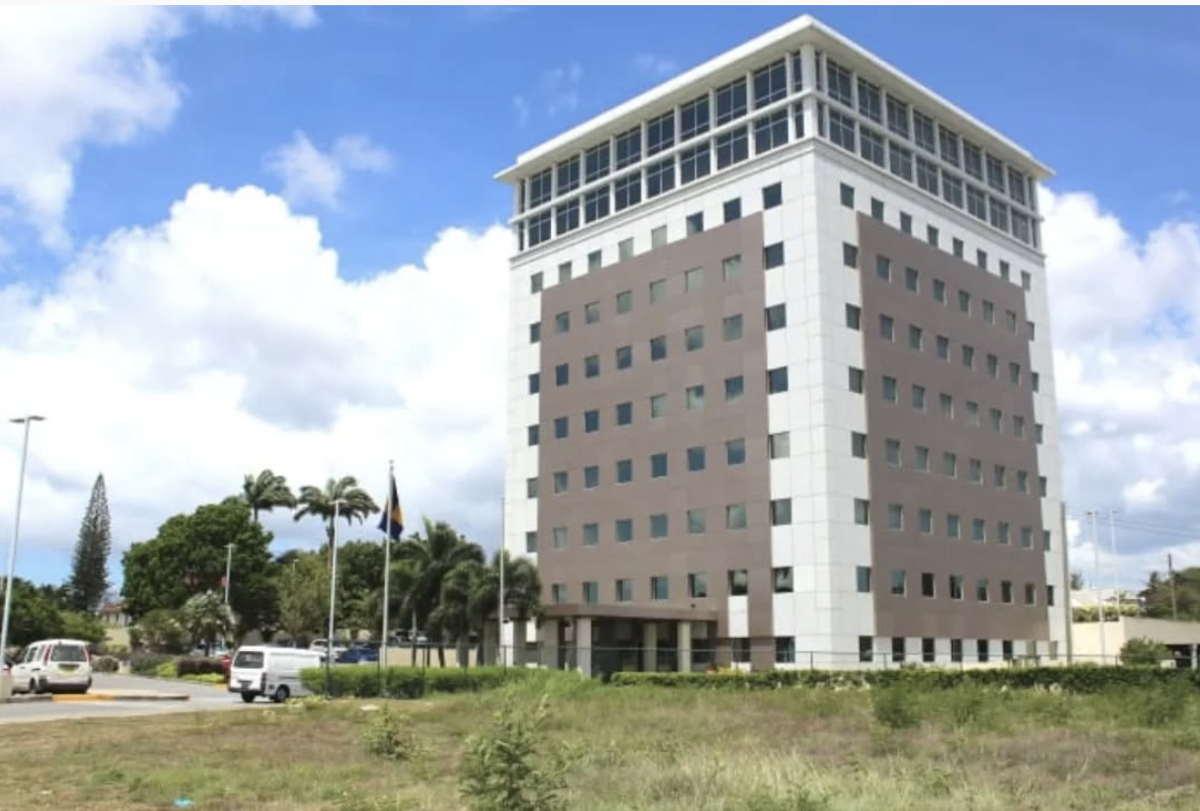
Election officials report full readiness for Nomination Day
Barbados’ electoral authorities have declared comprehensive readiness for Tuesday’s crucial Nomination Day, confirming all operational centers are fully staffed and security protocols are firmly established. Chief Electoral Officer Sherland Turton emphasized the commission’s thorough preparations, which include strategic placement of nomination centers, deployment of trained personnel, and coordinated police presence to ensure procedural integrity.
Turton confirmed to Barbados TODAY that all prospective candidates have been properly advised regarding collection and submission of their nomination packages, with no outstanding challenges reported on the eve of the electoral proceedings. This assurance comes as the nation prepares for an unusually competitive general election featuring an unprecedented number of political entities.
The electoral landscape showcases more than 80 candidates competing for representation in the 30-seat House of Assembly. The political arena is dominated by the established Barbados Labour Party (BLP) and Democratic Labour Party (DLP), both contesting all constituencies, while newly formed alliances and independent candidates create a remarkably diverse ballot.
Notable newcomers include Steve Prescott’s Reform Barbados party, the Friends of Democracy (FOD) targeting 12 seats, and the three-party coalition known as the People’s Coalition for Progress (PCP). This alliance combines the New National Party (NNP), Conservative Barbados Leadership Party, and United Progressive Party (UPP) in a significant reshaping of the island’s political dynamics. With one independent candidate also confirmed, all contenders have expressed confidence about the February 11 general election, which occurs a year ahead of the constitutionally mandated schedule.
-

Tad Jahly in custody, charged with murder of Lee Joshua Leslie
Authorities in Dominica have formally charged Tad Jahly Bellot of Grand Bay with the murder of 27-year-old Lee Joshua Leslie, who was fatally shot on September 11, 2025. The Commonwealth of Dominica Police Force (CDPF) confirmed Bellot remains in custody awaiting judicial proceedings following his arrest.
The lethal incident occurred at approximately 1:30 PM in the Lalay area of Grandbay, marking another episode in a series of firearm-related crimes that prompted government intervention earlier this year. In a public statement disseminated via social media, the CDPF extended gratitude to community members for their ongoing cooperation and vigilance, emphasizing that public assistance remains instrumental to effective law enforcement operations.
“Our collective dedication to ensuring citizen safety and security remains unwavering,” the police declaration asserted. “The CDPF persists in its diligent pursuit of justice and its commitment to preserving communal harmony through resolute action against offenders.”
This development follows Prime Minister Roosevelt Skerrit’s July announcement establishing a specialized Firearms Task Force within the CDPF framework. Created in response to escalating gun violence that Skerrit characterized as “brazen and reckless,” the multi-agency unit combines resources from the Criminal Investigation Department, Special Branch, K9 Unit, Customs and Excise Division, Dominica Coast Guard, and National Joint Intelligence Center.
Complementing these institutional measures, the government initiated a confidential tip line (1-800-8477) offering $1,000 rewards for information leading to the recovery of illegal firearms, with assurances of absolute anonymity for informants. Skerrit previously emphasized that these violent acts had profoundly disrupted public tranquility and undermined the nation’s cherished sense of safety, necessitating comprehensive countermeasures.
-
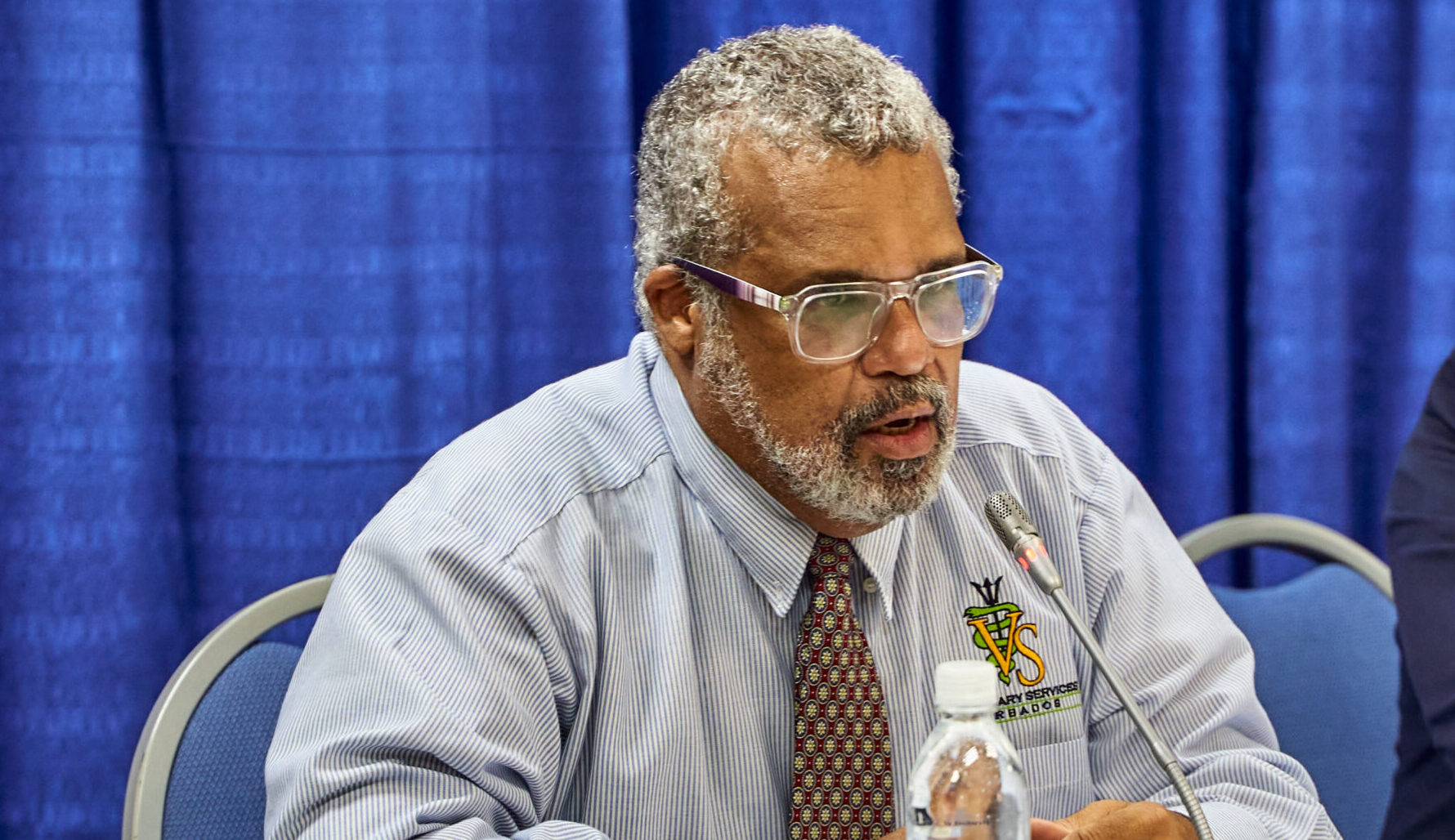
Illegal imports putting country’s agricultural sector in jeopardy
Barbados faces persistent threats to its agricultural sustainability and food security systems from the clandestine importation of unauthorized animal products, according to the nation’s top veterinary authority. Dr. Mark Trotman, Chief Veterinary Officer at the Ministry of Agriculture and Food Security, has issued a stern warning regarding the dangerous practice, emphasizing that smuggled commodities could introduce devastating animal-borne diseases with catastrophic potential for the island’s agricultural sector.
In an exclusive discussion with Barbados TODAY, Dr. Trotman revealed that ministry officials confront daily attempts by individuals attempting to bypass legal importation channels. The situation becomes particularly alarming, he noted, when these products originate from nations experiencing active outbreaks of contagious animal diseases.
“This constitutes an almost daily occurrence where passengers arrive carrying products, particularly animal-derived items,” Dr. Trotman stated. “Our primary concern emerges when diseases manifest in countries from which we typically import goods, necessitating immediate restrictions on specific commodities to prevent viral transmission into our territory.”
The veterinary expert explained that when travelers attempt to conceal products within their luggage without obtaining prior authorization, they create potentially hazardous situations. “Once these items land on Barbadian soil without proper import permits or accompanying health certification, they become prohibited entries—and by then, it’s already too late to prevent potential contamination risks.”
Despite these challenges, Dr. Trotman assured the public that regulatory agencies maintain firm control over the situation through collaborative efforts with the Customs Department. This interdepartmental cooperation has proven effective in identifying and intercepting the majority of illicit agricultural products before they cross the nation’s borders.
“We maintain robust systems for regulating animal and animal product imports,” Dr. Trotman affirmed. “While occasionally encountering unusual attempted smuggling operations, we depend significantly on Customs collaboration for detecting incoming risks. Our vigilance remains constant through stationed officers at both aerial and maritime ports who examine incoming commodities for potential threats to animal and public health.”
The Chief Veterinary Officer strongly advised citizens to adhere to established regulations and consult official channels before attempting any agricultural imports. While acknowledging that the veterinary department currently lacks an operational website—a situation reportedly in development—he directed the public to communicate via email at vetservices@agriculture.gov.bb for formal guidance and written requirements.
“The essential message is to follow official instructions and seek our direct guidance,” Dr. Trotman emphasized. “We provide comprehensive written documentation to eliminate any misinterpretation of importation protocols. When individuals contact us beforehand and fulfill import requirements, we typically encounter no difficulties. Problems arise primarily with previously banned items or deliberate attempts to circumvent restrictions despite clear prohibitions.”
-
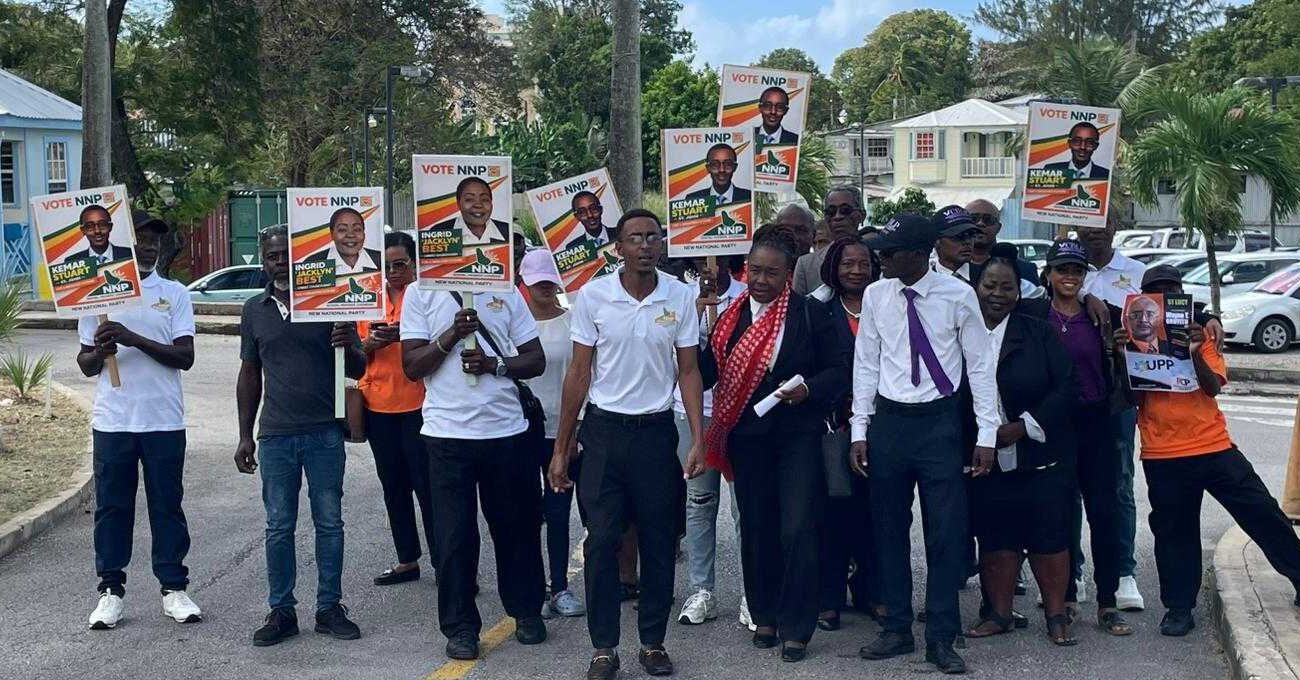
People’s Coalition for Progress fielding 15 candidates
A new political force has formally entered Barbados’s electoral arena as the People’s Coalition for Progress (PCP) confirmed its participation in the February 11 general election. The alliance, comprising the New National Party (NNP), United Progressive Party (UPP), and Conservative Barbados Labour Party (CBLP), has nominated fifteen candidates across half the available constituencies, positioning itself as a viable alternative to the established two-party dominance.
The coalition’s candidates completed their nomination process Monday at the Treasury offices within the National Housing Corporation on Country Road, each submitting the mandatory $250 electoral deposit. This procedural step finalized the PCP’s electoral lineup just weeks before the nation heads to the polls.
NNP leader Kemar Stuart, contesting the St John constituency, expressed strong confidence in his campaign’s trajectory. He faces Democratic Labour Party (DLP) leader Ralph Thorne and incumbent Barbados Labour Party (BLP) representative Charles Griffith. “Our campaigning in St John has been exceptional,” Stuart stated. “The public response has exceeded expectations, and we are anticipating victory.” Stuart further criticized his opponent Thorne for switching constituencies and advocated for reducing the number of parliamentary seats to cut government expenditure.
Across the coalition, candidates highlighted diverse motivations for their political engagement. Patsy Nurse, PCP candidate for St Michael West, cited constituent dissatisfaction with current representation as her primary impetus. “The elderly and people with disabilities particularly concern me,” Nurse explained. “We’re hearing consistent complaints about inadequate infrastructure and housing shortages.”
Natalie Parris, NNP candidate for Christ Church East Central, described her entry into politics as a response to civic duty. “After prolonged contemplation and numerous public requests, I decided to answer the call,” Parris noted. “Witnessing persistent injustices compelled me to advocate for substantive change.”
Constituency-specific concerns emerged throughout the coalition. Carolyn Clarke, candidate for St Michael East, identified youth disengagement and public safety as critical issues. “Young people feel neither trusted nor secure,” Clarke observed, highlighting ongoing gun violence as a particular challenge. Meanwhile, Christ Church East candidate Ingrid Best emphasized persistent unemployment and infrastructure deficits, noting that some areas still lack basic sanitation facilities.
Corey Beckles, CBLP leader, outlined his grassroots campaign strategy, emphasizing direct community engagement. “We’re conversing with residents to understand their daily realities,” Beckles said. “While responses have been positive, communities ultimately demand actionable solutions.”
The coalition’s presence reflects broader electoral trends toward multiparty democracy. Wayne Griffith, returning candidate for St Lucy under the PCP banner, noted declining voter satisfaction with traditional options. “Growing apathy stems from inadequate representation,” Griffith argued. “Voters increasingly recognize the necessity of transitioning from a two-party system to a multiparty democracy.”
Among the PCP’s diverse roster, biology teacher Shannon Gonsalves brings scientific expertise to her St Thomas candidacy. “I’m enthusiastic about applying my microbiology background to public service,” Gonsalves remarked, potentially making history as one of Barbados’s youngest female parliamentary candidates.
As the election approaches, PCP candidates uniformly urged voters to prioritize substantive policy evaluation over political spectacle. Christ Church South candidate Christopher Alleyne advised constituents to “analyze candidates seriously, examine your socioeconomic position, and determine which representative genuinely addresses long-term development.”
-

PM: Full force of law for reckless drivers
Saint Lucia is confronting a severe road safety crisis in early 2026, prompting Prime Minister Philip J Pierre to issue an urgent call for action against reckless driving behaviors that have turned the nation’s roads into “death traps.” With over ten major accidents recorded within the first 26 days of the year—including four fatal collisions—the Prime Minister has directed law enforcement to implement stringent measures against traffic violators.
The human toll of this crisis was underscored by the recent death of businessman Leslie Clarke, franchise owner of Domino’s Pizza Saint Lucia, who became the latest road fatality statistic. Prime Minister Pierre, addressing journalists at a January 26 pre-Cabinet briefing, identified excessive speed as the predominant factor in these tragedies, while acknowledging that road infrastructure requires improvements.
“If we drive within the speed limit, people will not die. There may be accidents, but people will not die. People die because of the speed we drive at,” Pierre stated emphatically. He referenced several heartbreaking incidents, including a crash involving a baby on Corinth road, to illustrate the devastating consequences of irresponsible driving.
The Prime Minister dismissed suggestions to raise the legal driving age, asserting that responsibility transcends chronological age. “Young or old must exercise responsibility,” he noted. “You don’t need to be a certain age to be responsible for your actions.”
Pierre warned that persistent reckless driving could trigger increased insurance premiums across the board, potentially rendering some motorists uninsurable and affecting even cautious drivers. While acknowledging that reckless drivers constitute a minority, he emphasized their actions produce disproportionately devastating outcomes.
The government’s approach will prioritize public appeals for responsibility followed by stricter enforcement if voluntary compliance proves insufficient. Prime Minister Pierre has called upon media organizations to collaborate in highlighting dangerous driving practices as part of a comprehensive road safety campaign.
-

VIDEO: Pichelin Landslide with Doc Dangleben and Journalist Matt Peltier
A groundbreaking artificial intelligence feature has captivated millions worldwide by transforming static historical photographs into brief, lifelike animations. Developed by the genealogy platform MyHeritage, the ‘Deep Nostalgia’ tool utilizes sophisticated deep learning algorithms to analyze facial features in uploaded images and apply pre-recorded movement sequences, creating the illusion of historical figures turning their heads, smiling, and blinking.
The technology, licensed from the Israeli company D-ID which specializes in video reenactment using deep learning, has generated both widespread fascination and ethical debate. While millions have used the feature to animate photos of ancestors and historical figures, creating emotionally resonant connections to the past, concerns have emerged regarding potential misuse.
Privacy advocates have raised questions about the implications of such technology, particularly regarding consent when animating images of deceased individuals. The feature’s terms of service explicitly prohibit uploading photos of living people without permission, though enforcement remains challenging. Additionally, historians and ethicists have engaged in discussions about the emotional impact of seeing historical figures seemingly ‘brought back to life’ through algorithmic animation.
The viral phenomenon demonstrates the powerful intersection of artificial intelligence and human emotion, highlighting how emerging technologies can create profound personal experiences while simultaneously raising important questions about digital ethics and the appropriate use of historical imagery in the age of advanced AI.