博客

  • Over 10 000 students to sit online exams next month

    Over 10 000 students to sit online exams next month

    The Caribbean Examinations Council (CXC) is pioneering a transformative shift in regional assessment methods by implementing fully digital multiple-choice examinations for the January sitting of the Caribbean Secondary Education Certificate (CSEC). This landmark initiative will see over 10,000 students participating in mandatory electronic testing, eliminating traditional paper-based answer sheets in favor of computer-based selection.

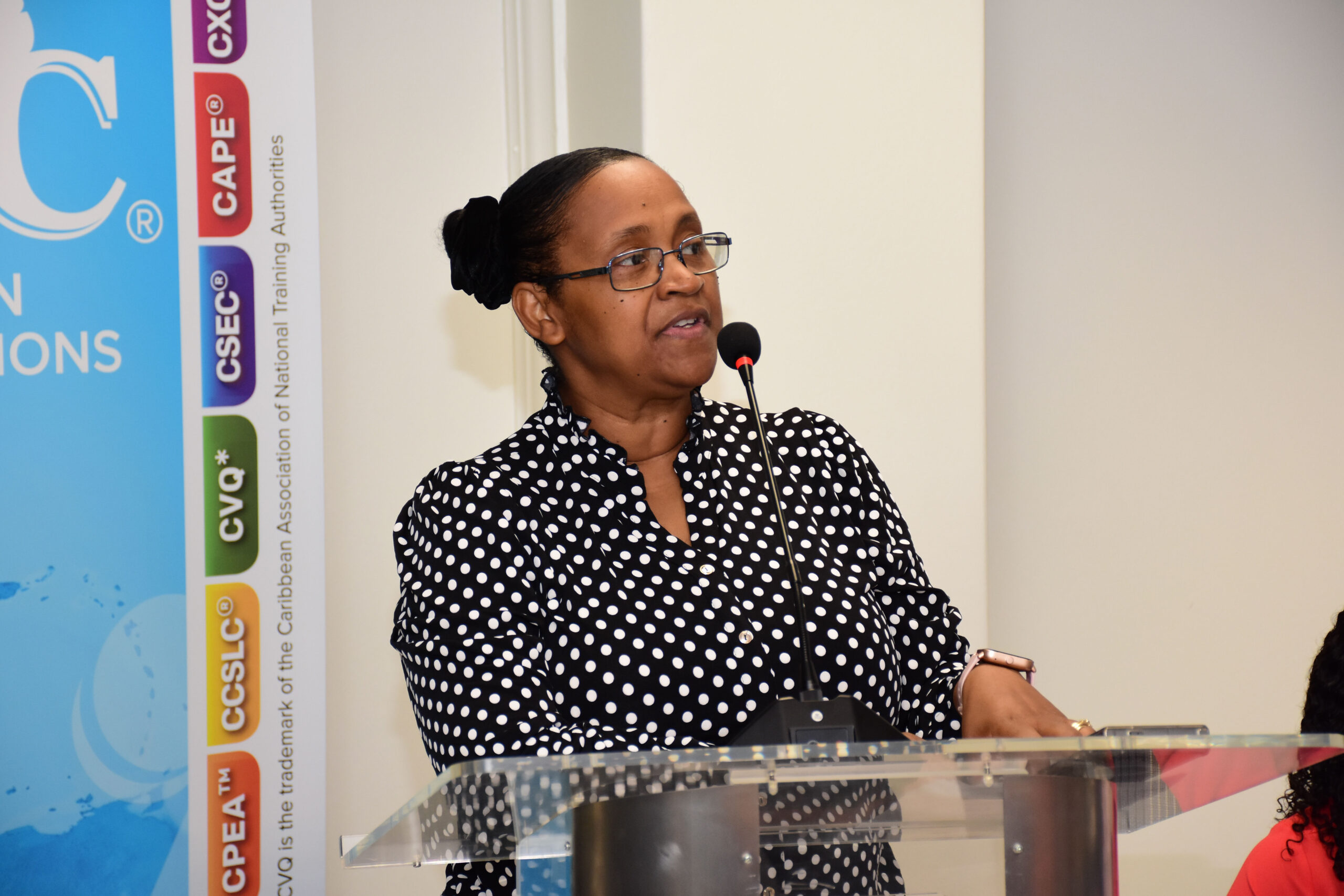
    Dr. Nicole Manning, CXC’s Director of Operations, confirmed in an exclusive interview that this represents a decisive evolution in secondary education assessment across the Caribbean region. While electronic testing isn’t entirely new to CXC, January 2024 marks the first complete transition to digital administration for multiple-choice components.

    The examination framework employs a hybrid model for comprehensive assessment. While multiple-choice sections will be fully digital, Paper Two will appear on-screen while candidates write responses on paper, creating a transitional approach that balances technological adaptation with familiar examination techniques.

    Infrastructure readiness and examination security have been paramount considerations in this digital rollout. CXC has implemented robust safeguards including the deployment of 18 additional specialized invigilators alongside detailed operational manuals. The council has proactively engaged telecommunications and utility companies across participating territories to ensure uninterrupted internet connectivity and power supply during critical examination periods.

    Dr. Manning emphasized that the January sitting was strategically selected for initial implementation due to its smaller candidate pool of approximately 10,000 subject entries, compared to the May/June session which typically involves over 100,000 candidates across nearly 600,000 subject areas. This scaled approach allows for manageable infrastructure testing and operational refinement.

    The digital initiative encompasses 13 CSEC subjects including Mathematics, English, Principles of Business, Principles of Accounts, multiple languages, and core sciences. While January participation is compulsory, the May/June 2024 sitting will maintain electronic testing as an optional component, with paper-based alternatives remaining available.

    This transition represents a significant step toward CXC’s long-envisioned goal of on-demand examinations, potentially enabling faster results processing and greater administrative agility across the Caribbean education system. The success of January’s digital rollout could pave the way for mandatory electronic testing across all examination sessions in future years.
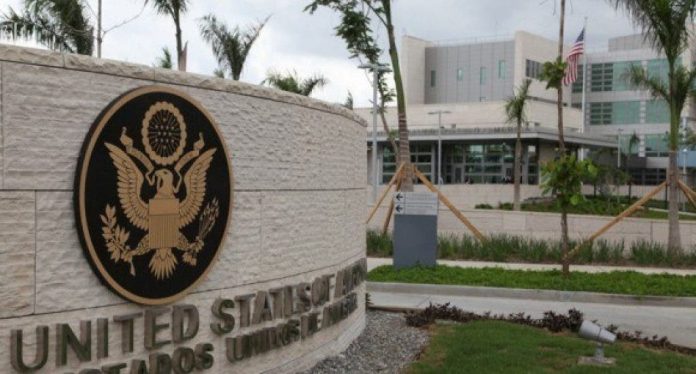

  • U.S. Embassy in the Dominican Republic closed for Christmas holiday

    U.S. Embassy in the Dominican Republic closed for Christmas holiday

    SANTO DOMINGO – The United States Embassy and its consular offices in the Dominican Republic will suspend regular operations from December 24 to 26, 2025, encompassing facilities in Santo Domingo, Punta Cana, and Puerto Plata. This temporary closure aligns with a U.S. federal executive order mandating the shutdown of all federal executive branch agencies during this period, which includes the federally recognized Christmas holiday on December 25.

    In an official communication disseminated via its social media platforms, the embassy confirmed that individuals with pre-scheduled appointments for consular services—including visa processing, passport applications, and notarial acts—will receive direct notifications regarding the rescheduling of their sessions. Standard operational services are projected to recommence at 7:00 a.m. on Monday, December 29, 2025.

    Crucially, the diplomatic mission emphasized that emergency services for American citizens will remain uninterrupted throughout the closure interval. The embassy affirmed its commitment to providing urgent assistance in critical scenarios involving arrests, severe health emergencies, fatalities, or missing persons reports, ensuring continuous support for U.S. nationals in distress.

  • Social : Rain of wishes 2026 (Part.1)

    Social : Rain of wishes 2026 (Part.1)

    As 2025 concludes, Haiti’s governmental bodies, cultural institutions, and diplomatic missions have collectively issued heartfelt seasonal greetings, blending traditional holiday wishes with calls for national unity and resilience. The messages reveal a nation grappling with profound challenges while maintaining determined optimism for the coming year.

    The Ministry of Youth, Sports and Civic Action set the tone by reflecting on a year marked by “inspiring sporting exploits and major legal advances,” urging citizens to embrace values of sharing, solidarity, and hope as essential foundations for social cohesion. This sentiment was echoed across multiple ministries, with the Ministry of Commerce and Industry specifically encouraging responsibility during celebrations and collective efforts toward “a more dynamic and prosperous society.”

    Law enforcement authorities struck a particularly poignant note, with the Haitian National Police renewing its commitment to “protect citizens, uphold republican order, and work with much more professionalism for collective security” despite ongoing challenges. Their message explicitly wished for peace, stability, and solidarity in 2026.

    The diaspora’s perspective emerged through consular messages from Montreal, Chicago, Santiago, and Miami. Montreal’s Consul General Anès Lubin notably reframed traditional wishes, stating that “‘Strength and courage’ would be more appropriate this year than the traditional ‘Peace and prosperity.’” This acknowledgment of Haiti’s difficult circumstances was balanced with references to the nation’s historical resilience, urging compatriots to remember their “heritage of the experience of the power of great unity against great adversity.”

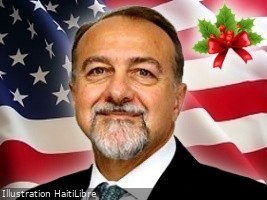
    International partners joined the chorus of seasonal messages, with the United States Embassy offering particularly empathetic wishes. Ambassador Henry T. Wooster acknowledged that “for many, this holiday season does not bring the simple joys of previous years,” expressing solidarity with “families affected by insecurity, displacement and daily difficulties” while wishing for “moments of calm, comfort, hope and light.”

    UN representative Carlos G. Ruiz Massieu of BINUH distilled the overarching aspiration into a single phrase: “For a year 2026 of progress towards Peace and stability in Haiti.” This sentiment connected institutional messages from cultural entities like MUPANAH museum and The Art Center, which emphasized adaptation and evolution through difficult times.

    The collective messages create a tapestry of cautious optimism, acknowledging present struggles while maintaining hope for national progress, security, and prosperity in the year ahead.

  • Foreign Ministry clarifies bidding process for Foreign Service health insurance

    Foreign Ministry clarifies bidding process for Foreign Service health insurance

    The Dominican Republic’s Ministry of Foreign Affairs (MIREX) has successfully rectified what it identified as an unlawful and discriminatory administrative practice concerning health insurance coverage for its diplomatic corps. This reform follows the expiration of a contract dating back to 2018 and the subsequent execution of fully compliant public tender processes.

    Upon its administrative review in 2020, MIREX discovered a significant inequity in the existing policy. International health insurance had been improperly restricted to ambassadors and a limited number of minister-counselors, a direct violation of the nation’s Law No. 630-16. This left a substantial portion of foreign service personnel and their families without adequate coverage.

    To address this, the ministry initiated a national public bidding process in October 2022. This procedure, conducted in strict accordance with Public Procurement and Contracting regulations, resulted in the contract being awarded to WorldWide Seguros. The company successfully demonstrated the requisite technical capabilities and presented the most economically advantageous offer. This new agreement extended vital health insurance coverage to all members of the diplomatic and consular services, along with their dependents, thereby restoring institutional equity and legal compliance.

    With the initial contract set to expire in September 2025, MIREX proactively launched a new tender. Four insurance providers participated in this competitive process. WorldWide Seguros was again selected as the winning bidder after presenting the lowest cost proposal while meeting all quality and service benchmarks. The ministry emphasized that both the 2022 and 2025 bidding cycles were executed with the highest standards of transparency and ethical procurement, ensuring both fiscal responsibility and equitable service provision for all foreign service employees.

  • FLASH : 1,000% increase in cases of sexual violence

    FLASH : 1,000% increase in cases of sexual violence

    The Inter-American Commission on Human Rights (IACHR) has issued an urgent warning regarding the dramatic escalation of sexual violence against women and minors in Haiti, describing the situation as critically worsening. As the principal autonomous body of the Organization of American States (OAS), the Commission emphasizes that the Haitian state must immediately reinforce protective measures for victims with support from international partners to curb further human rights abuses.

    United Nations agencies documented a staggering 1,000% increase in sexual violence cases between 2023 and 2024. Gang rape has evolved into a pervasive tactic, with reporting indicating both decreased ages of perpetrators and victims. Despite widespread underreporting due to fears of retaliation, at least 1,000 rapes—including gang rapes and sexual slavery—were officially recorded in the first half of 2025, primarily in regions dominated by armed groups.

    Systemic failures in Haiti’s security and judicial infrastructure have left victims without access to comprehensive care, protection, or legal recourse. This institutional breakdown fosters a culture of impunity and erodes the rule of law, perpetuating cycles of gender-based violence. Compounding the crisis, over 1.4 million people are internally displaced, more than half being children. Temporary shelters, while established, remain overcrowded and critically under-resourced, failing to safeguard women and girls from continued assault.

    The IACHR is calling for immediate international collaboration with Haitian authorities to implement robust prevention strategies, ensure accessible health services, and provide legal aid to victims. The Commission specifically highlights the necessity of establishing secure reporting channels to facilitate investigations and dismantle the entrenched impunity surrounding these crimes.

  • For Cordelah Duran, Christmas Means Hope, Not Presents

    For Cordelah Duran, Christmas Means Hope, Not Presents

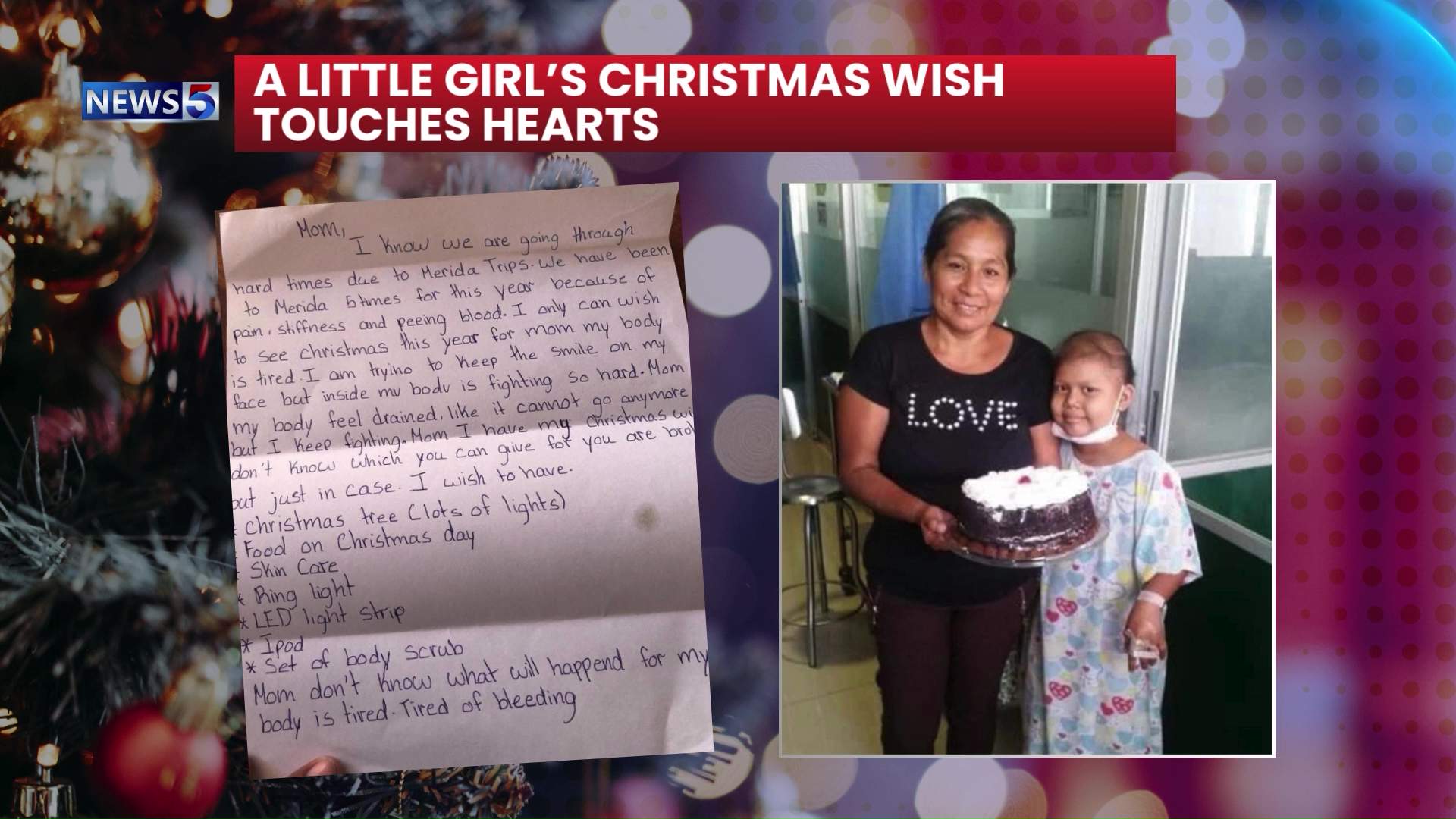
    While most children anticipate Christmas with dreams of presents and festivities, fourteen-year-old Cordelah Duran measures the holiday season through hospital visits and medical struggles. The Belizean teenager, battling pediatric cancer for over seven years, has redefined the meaning of Christmas hope through a heartfelt handwritten letter to her mother that transcends material desires.

    Cordelah’s journey represents both medical triumph and ongoing challenge. Currently in remission from cancer, she continues to endure complications affecting her heart and intestines, requiring regular treatment at O’Horan Hospital in Mérida. Her poignant letter, initially intended as private communication, reveals the exhausting reality of her condition while expressing a profound wish for simple normalcy: a Christmas tree with lights, family meals, and precious moments of happiness for her mother.

    The financial burden of Cordelah’s medical care has pushed her family to extreme limits, forcing her mother Delilah Arana to abandon her teaching career. Yet their story transcends individual struggle, highlighting a remarkable cross-border medical partnership. Since 2008, O’Horan Hospital has provided specialized care to Belizean children with cancer, with Dr. Pablo Gonzalez Montalvo leading efforts that have dramatically improved survival rates from 38% to 67% over the past decade.

    Dr. Montalvo emphasizes the transformative impact of pediatric oncology treatment: “If we do nothing, everybody will die. If you do something, most of them will conquer cancer and live full healthy lives. We give families forty, fifty, sixty years of life—that’s the huge impact of childhood cancer treatment.”

    Cordelah’s perspective embodies extraordinary resilience. “I try to ignore that I’m sick,” she explains. “If I think about it, I get down. So I just try to be a normal child like everyone else.” Her Christmas expectations have evolved into simple aspirations: quality time with family, shared meals, and creating memories rather than accumulating gifts.

    This narrative transcends seasonal sentimentality, serving as both a testament to medical progress and a reminder of childhood cancer’s ongoing challenges. Cordelah’s story illustrates how hope persists through medical adversity, redefining holiday spirit through resilience, familial love, and the courageous pursuit of normalcy amid extraordinary circumstances.

  • Remembering Jerry Lopez: The Heart of Albert Street

    Remembering Jerry Lopez: The Heart of Albert Street

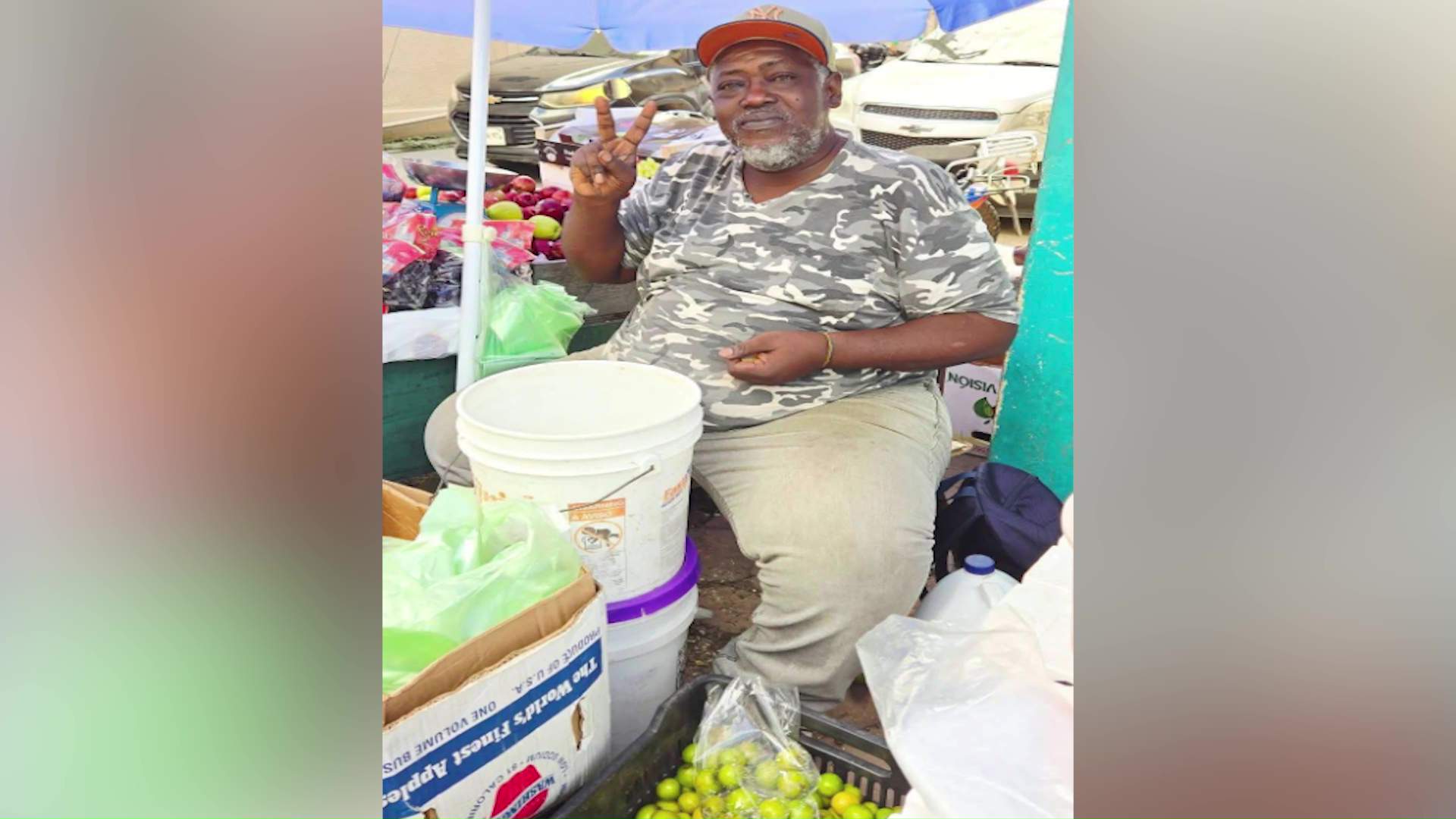
    The bustling heart of downtown Belize City has fallen silent with the sudden passing of Jerry Lopez, the cherished fruit vendor whose presence graced Albert Street for nearly three decades. Lopez, 52, collapsed and died of natural causes on Monday evening mere steps from the iconic fruit stand that served as both his livelihood and the community’s social nucleus.

    For thirty years, Lopez transformed his modest produce stall into an urban institution—a welcoming oasis where strangers became friends over shared smiles and seasonal fruits. His father had established the family tradition in the 1970s, selling fruits before the historic Palace Theater, with Jerry eventually assuming the role and becoming what many describe as ‘the face of downtown.’

    Beyond his commercial offerings of plums, custard apples, sour sap, and craboo, Lopez distributed generosity freely—gifting produce to schoolchildren, offering shoulders to lean on, and weaving together the social fabric of the community. His encouragement inspired fellow vendor Cindy Joseph to establish her own powder bun business adjacent to his stand, exemplifying his role as both mentor and catalyst for local enterprise.

    The impact of his loss resonates through multiple layers of Belize City society. Prime Minister John Briceño offered official condolences via social media, while Deputy Mayor Eluide Miller characterized Lopez as ‘synonymous with downtown’ and integral to the city’s social fabric. Cassius Lopez, Jerry’s older brother, now contemplates continuing the family legacy while mourning the man who embodied their father’s physical presence and entrepreneurial spirit.

    Lopez’s passing has sparked grassroots movements advocating for permanent memorials, including proposals to rename King Street in his honor—a testament to his profound community influence. He is survived by a son, whose recent high school graduation Lopez celebrated with immense pride, marking one of his final familial milestones.

    As makeshift memorials bloom at his former stall, the city collectively remembers not merely a vendor, but the enduring heart of Albert Street—a man whose legacy transcends commerce and embodies the very essence of community connection.

  • Safety or Setback? Prefab Transport Rules Are Questioned

    Safety or Setback? Prefab Transport Rules Are Questioned

    The prefabricated housing sector confronts a severe operational crisis following the implementation of revised transportation regulations that restrict the movement of fully assembled modular homes on national highways. This regulatory shift has left numerous construction companies grappling with logistical gridlock, with multiple completed dwellings stranded and unable to reach their intended destinations.

    Transport Ministry CEO Chester Williams convened emergency discussions with industry representatives to address the mounting predicament. During these critical talks, Williams acknowledged the compliance of transport operators with previous permit requirements, citing documented evidence that properly lit convoys with adequate warning systems and escort vehicles accompanied recent shipments.

    Current regulations mandate that structures exceeding twenty feet in width must be disassembled before highway transport—a requirement that renders numerous already-constructed homes effectively immobile. Williams emphasized the impracticality of demanding deconstruction, noting this would essentially force builders to demolish finished properties and reconstruct them onsite, potentially doubling costs for consumers.

    Proposed interim solutions include implementing police-escorted nighttime transport operations for existing inventory. However, Williams clarified that any permanent regulatory modifications would require Cabinet-level authorization. Simultaneously, homebuilders have committed to developing public awareness campaigns through informational commercials and notices regarding safe transport practices for oversized loads.

    The regulatory review was prompted by recent highway incidents involving prefab home transports, though preliminary investigations suggest proper safety protocols were followed in both cases, indicating factors beyond transport procedures may have contributed to the accidents.

  • Transport Ministry Under Fire for Flip-Flop Policies

    Transport Ministry Under Fire for Flip-Flop Policies

    The Ministry of Transport finds itself at the center of a growing controversy regarding its policymaking approach, following multiple instances of proposed regulations meeting public resistance and subsequent modifications. This pattern has raised questions about whether policies are being developed with adequate stakeholder engagement or implemented hastily without proper consultation.

    The sequence of contentious proposals began with initial plans for a national bus company that encountered significant pushback. This was followed by comprehensive motorcycle regulations criticized for their lack of clarity, and most recently, amendments to house transportation rules that generated strong opposition from affected parties.

    In response to mounting criticism, Transport Ministry CEO Chester Williams defended the department’s approach, characterizing the adjustments as responsive governance rather than policy reversals. “We are not walking back on nothing,” Williams stated during a phone interview. “We are putting in place a system temporarily until we can discuss.”

    Williams emphasized that recent meetings have produced recommendations requiring Cabinet approval before implementation, framing the process as one of listening to affected constituencies and making reasonable recommendations for governmental consideration. Regarding the motorcycle regulations specifically, Williams asserted there has been no retreat from the proposed framework, noting that the Prime Minister and Cabinet are collaboratively exploring how best the government can support this initiative while acknowledging the necessity of training programs.

    The ongoing situation highlights broader questions about governance methodology, particularly whether reactive policymaking is becoming institutionalized within the transport sector administration.

  • Diplomacy : Review and wishes of the American Ambassador Henry T. Wooster

    Diplomacy : Review and wishes of the American Ambassador Henry T. Wooster

    In his year-end address, U.S. Ambassador to Haiti Henry T. Wooster provided a comprehensive review of the nation’s tumultuous 2025 while extending holiday wishes to the Haitian people. The diplomat acknowledged the “profound hardship” facing the Caribbean nation, characterized by widespread insecurity, mass displacement, and political instability, yet emphasized the remarkable resilience demonstrated by Haitians throughout these challenges.

    Ambassador Wooster highlighted several significant achievements that brought national pride, including Haiti’s historic qualification for the 2026 World Cup after a 51-year absence from international soccer’s premier tournament. He also celebrated UNESCO’s recognition of compas music (konpa) as an intangible cultural heritage, noting these accomplishments demonstrate Haiti’s cultural richness beyond the narrative of gang violence.

    On security matters, the ambassador commended the Haitian National Police (HNP) for their courage and determination in confronting armed gangs under extremely difficult conditions. He reaffirmed America’s steadfast partnership through training, equipment, and technical assistance programs. Wooster specifically noted the UN Security Council’s authorization of a 5,500-strong Gang Suppression Force as a critical step forward, thanking the international community for responding to Haiti’s call for assistance.

    The diplomatic address recognized important institutional progress, particularly the publication of an electoral decree that establishes a pathway toward restoring constitutional order through elections. The United States pledged continued support for this process while urging swift action to organize free and fair elections by 2026.

    Ambassador Wooster emphasized the Trump Administration’s ongoing efforts to combat instability, noting that individuals destabilizing Haiti through arms smuggling, financing, or other means have been sanctioned, detained, or arrested both in Haiti and the United States. He declared that “the era of impunity in Haiti is over” for those seeking to profit from the nation’s instability.

    Looking ahead, the ambassador expressed optimism about 2026 offering an opportunity to restore security, conduct elections, and move toward a safer, more prosperous Haiti governed by leaders chosen by the people themselves. He concluded by extending Christmas and New Year wishes on behalf of the entire U.S. Embassy team, acknowledging the hard-working Haitians from all walks of life who continue working to build their nation.