
The twin-island nation of Antigua and Barbuda is poised to captivate the UK travel market with an immersive cultural showcase at the esteemed Destinations Holiday and Travel Show. Tourism officials and hospitality representatives are deploying a vibrant exhibition strategy designed to transport visitors directly to the Caribbean’s sun-drenched shores through sensory experiences. The national pavilion will feature interactive elements including live demonstrations of local cuisine, rhythmic musical performances, and artisan craft displays that highlight the destination’s rich heritage. This strategic participation aims to position the islands as a premier luxury and adventure travel destination for the 2024/2025 season, emphasizing their unique selling propositions of 365 pristine beaches, historical landmarks like Nelson’s Dockyard, and exclusive resort offerings. Industry analysts note this targeted marketing approach reflects a broader trend of destination marketing boards leveraging experiential activations to cut through competitive tourism landscapes and create emotional connections with potential travelers.
博客
-
IMF Calls for Stronger Oversight of State-Owned Enterprises
The International Monetary Fund (IMF) has issued a stark warning to the government of Antigua and Barbuda, highlighting significant vulnerabilities in the oversight of its state-owned enterprises (SOEs). Following its comprehensive Article IV consultation, the Fund concluded that systemic capacity constraints and a lack of financial transparency within these public entities present a substantial threat to the nation’s fiscal stability.
While acknowledging recent governmental efforts to centralize SOE monitoring within the Ministry of Finance, the IMF mission identified a critical shortfall: the dedicated oversight unit is severely under-resourced and lacks sufficient staffing. This deficiency critically impairs the authorities’ capacity to conduct thorough assessments of the financial health and contingent liabilities of SOEs, many of which are pivotal to economic output and essential public service provision.
A central pillar of the IMF’s recommendations is the imperative for regular and timely financial disclosures from all state-owned enterprises. The Fund emphasized that enhanced reporting mechanisms would fundamentally improve transparency, bolster public accountability, and reinforce the credibility of national economic policy. Officials were advised to prioritize the routine publication of key SOE financial data as institutional capabilities are strengthened.
Further concerns were directed at the country’s strained Supreme Audit Institution, with the IMF underscoring that robust audit functions are a non-negotiable prerequisite for ensuring proper governance of public funds and for containing potential fiscal contagion. The Fund asserted that comprehensive reforms in SOE governance are not merely administrative but are vital for safeguarding central government finances from being destabilized by the financial weaknesses of these enterprises. Such reforms are projected to enhance fiscal transparency, support more informed macroeconomic decision-making, and ultimately reduce fiscal risks.
-

Mill Reef Fund Donates EC$228,690 to Upgrade Critical Services at SLBMC
The Sir Lester Bird Medical Centre (SLBMC) has received a substantial philanthropic boost with a EC$228,690 donation from the Mill Reef Fund, marking a significant enhancement to the hospital’s critical care capabilities. This strategic investment will directly fund specialized medical equipment across three essential service areas: emergency care, surgical operations, and respiratory treatment services.
The contribution enables the acquisition of cutting-edge medical technology, including a state-of-the-art laparoscopic tower that replaces outdated equipment to ensure superior precision in minimally invasive procedures. The donation also funds an advanced electrocardiogram (EKG) machine for enhanced cardiac monitoring within operating theaters, alongside twelve specialized recliners designed to expand capacity and improve patient comfort in the Emergency Department’s Asthma Bay.
Medical Director Dr. Shivon Belle-Jarvis emphasized the transformative nature of this support, stating that the investment drives fundamental improvements in care delivery across the hospital’s most critical departments. The modernization of surgical facilities with new laparoscopic technology and enhanced patient monitoring systems substantially elevates treatment standards and precision, while the Asthma Bay expansion enables more effective patient management during high-demand periods.
Helene van Beuren, Chair of the Mill Reef Fund, reinforced the organization’s decades-long commitment to supporting Antigua and Barbuda’s health infrastructure, noting that the hospital plays a vital role in community well-being and requires adequate tools to deliver quality care. This donation represents the latest chapter in a long-standing partnership that has become an essential pillar of the nation’s healthcare system, reflecting shared dedication to improving health outcomes for all residents who depend on SLBMC’s services.
-
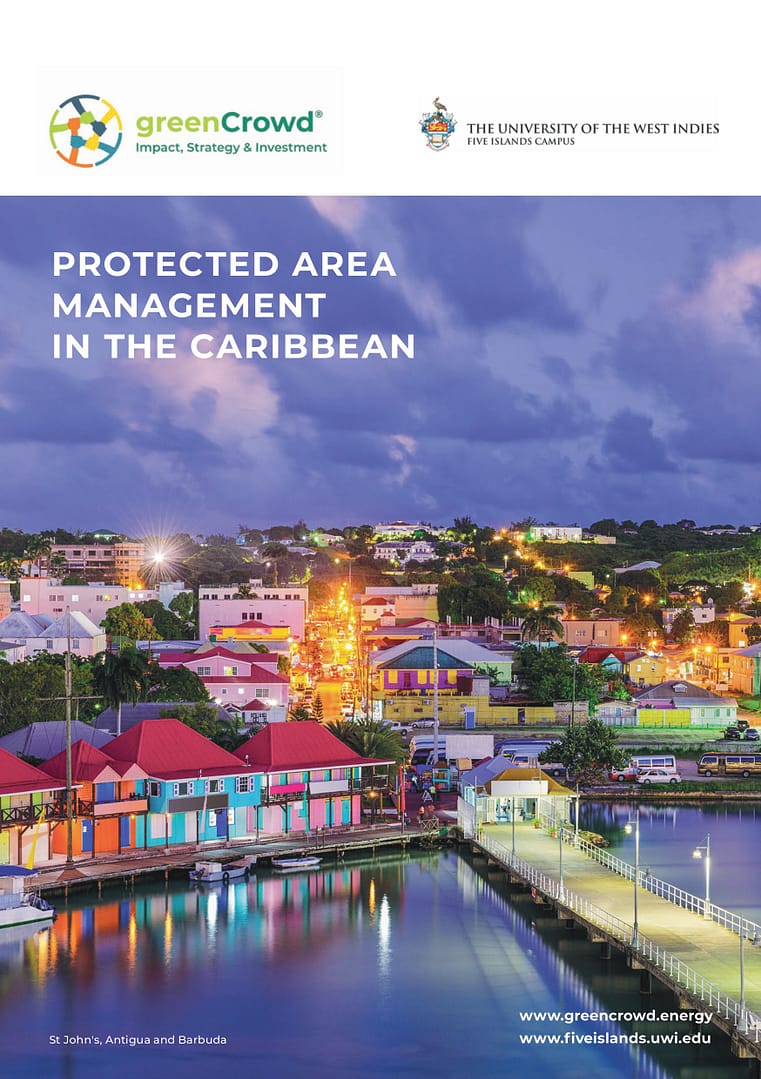
New UWI Study Shows How Caribbean Countries Can Better Protect Land and Sea
A groundbreaking collaborative publication between The Centre of Excellence for Oceanography and the Blue Economy (COBE) at The University of the West Indies Five Islands Campus and UK-based sustainability consultancy greenCrowd reveals transformative approaches to marine conservation financing across the Caribbean region. Released in January 2026, the comprehensive study documents how Small Island Developing States are overcoming significant resource constraints through financial innovation and community engagement.
The research examines the unique challenges Caribbean nations face, including limited terrestrial space, expansive marine territories requiring protection, and constrained human and financial resources. Despite these obstacles, the publication demonstrates how regional governments are achieving remarkable conservation milestones through creative financing mechanisms and localized management strategies.
Notable case studies include Jamaica’s community-operated fish sanctuaries, The Bahamas’ pioneering nature bond initiatives, and the Dominican Republic’s significant achievement in protecting 30% of its marine territories. The research highlights that marine tourism contributed approximately $48 billion to regional economies in 2019, representing 14% of the Caribbean’s collective GDP.
Dr. Branson Belle, Executive Director of COBE, emphasized the critical role of protected areas for island nations confronting climate change. “These conservation zones serve as essential buffers against environmental degradation while providing ecosystem services that our communities depend upon for both survival and resilience,” stated Dr. Belle. The publication aims to provide actionable frameworks that other island nations can implement to meet international conservation targets while addressing climate vulnerability.
The collaboration bridges ocean science with practical conservation finance, exploring sustainable funding approaches including blue bonds and debt-for-nature swaps that several Caribbean nations have successfully implemented. COBE, established in 2024 to strengthen regional capacity in ocean and coastal management, continues to work with governments to implement the strategies outlined in the publication.
GreenCrowd brings expertise in mobilizing institutional capital through their Impact Fund into scalable, climate-positive ventures, advising SMEs, public bodies, and financial institutions on clean energy, climate infrastructure, and nature-based solutions. The partnership represents a significant advancement in translating scientific research into practical conservation finance solutions for vulnerable island nations.
-
IMF Calls for Stronger Oversight of State-Owned Enterprises
The International Monetary Fund (IMF) has issued a stark warning to the government of Antigua and Barbuda, highlighting critical vulnerabilities in the oversight of its state-owned enterprises (SOEs) that present a substantial threat to national fiscal stability. This caution emerged from the conclusive assessment of the Fund’s recent Article IV consultation mission, which provides a comprehensive evaluation of the country’s economic health.
While the IMF acknowledged recent governmental initiatives to centralize SOE monitoring within the Ministry of Finance as a positive step, it pinpointed severe operational deficiencies. The specialized unit tasked with this crucial oversight is critically hampered by a lack of personnel and insufficient financial resources. These capacity constraints, the Fund argues, fundamentally cripple the government’s ability to conduct accurate assessments of the financial performance and underlying risks of SOEs, which are pivotal to the nation’s economic infrastructure and public service provision.
A central pillar of the IMF’s recommendations is the imperative for regular and timely financial disclosure from all state-owned entities. The Fund emphasized that enhanced reporting standards are non-negotiable for achieving greater transparency, bolstering public accountability, and reinforcing the credibility of government policy. Officials were encouraged to establish a framework for the routine publication of essential SOE financial data, contingent on first building the necessary administrative capacity.
Further compounding the oversight issue are significant concerns regarding the nation’s audit capabilities. The IMF reported that the Supreme Audit Institution, the primary body responsible for auditing public entities, is operating under visible strain and requires immediate reinforcement. Strengthening these audit functions was described as absolutely essential for ensuring proper scrutiny of public finances and for containing potential fiscal contagion.
The IMF concluded that robust SOE governance is not merely an administrative improvement but a vital safeguard. Enhanced oversight mechanisms would directly contribute to improved fiscal transparency, inform superior policy and financial decision-making, and most importantly, reduce the probability that financial distress within a state-owned enterprise could trigger a broader crisis within the central government’s finances.
-

Despite Global Visa Changes, Antigua and Barbuda ‘Open to the World,’ Fernandez Says
In a decisive response to evolving global travel regulations, Antigua and Barbuda’s Tourism and Civil Aviation Minister Charles Fernandez has unequivocally reaffirmed the nation’s commitment to maintaining open borders for international visitors. The announcement came through a strategic video address detailing the government’s tourism roadmap extending to 2026.
Minister Fernandez directly addressed recent visa policy modifications implemented by various nations, acknowledging their impact on global travel patterns while simultaneously emphasizing that such developments would not alter his country’s fundamental approach to tourism. ‘Despite the recently announced visa mandate affecting global travel, Antigua and Barbuda remains open for business and open to the world,’ Fernandez stated with deliberate emphasis.
The minister specifically highlighted the United States market as particularly resilient and crucial to the nation’s tourism economy. Fernandez expressed substantial confidence in the enduring strength of this bilateral travel relationship, characterizing the U.S. as one of Antigua and Barbuda’s ‘most important and resilient tourism markets.’
Fernandez further elaborated that connectivity, accessibility, and openness constitute the foundational pillars of the nation’s tourism strategy. This position remains steadfast even as numerous governments worldwide continue to recalibrate entry protocols in response to heightened geopolitical tensions and security assessments. The minister’s message concluded with a blanket welcome to visitors from all global source markets, ensuring the destination’s competitive stance in the international tourism landscape.
-
The fight against cancer reveals the genocidal face of the blockade
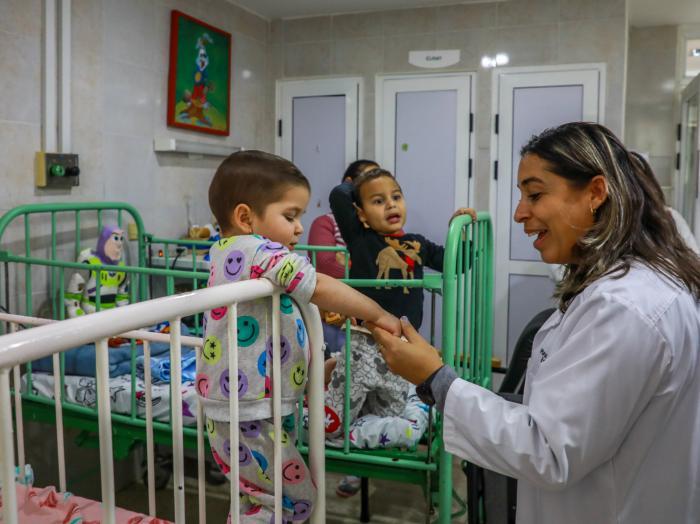
Cuba continues to advance its Comprehensive Cancer Control Program despite significant constraints stemming from the longstanding U.S. economic embargo, demonstrating the nation’s unwavering commitment to public health and patient care. On World Cancer Day, medical authorities revealed the substantial challenges facing oncology treatment in the country while reaffirming their dedication to maintaining cancer care services.
Dr. Luis Martínez Rodríguez, Director of the National Institute of Oncology and Radiobiology, emphasized that cancer represents the second leading cause of mortality in Cuba and the primary contributor to potential years of life lost. The country records approximately 50,000 new cancer diagnoses annually, with many cases being preventable through lifestyle modifications.
Dr. Carlos Alberto Martínez Blanco, Head of the Cancer Control Section at the Ministry of Public Health, detailed how the U.S. blockade has directly impacted disease management outcomes. The restrictions have created substantial obstacles across multiple domains including procurement of preventive vaccines, maintenance of critical medical technologies, acquisition of replacement components, access to specialized cancer medications, and implementation of advanced surgical technologies.
Despite these operational challenges, Cuba maintains a structured three-tiered healthcare approach that integrates primary care with specialized institutional services. The nation’s strategy emphasizes prevention, health promotion, and the development of an integrated national network coordinating clinical oncology, radiotherapy, and pediatric oncology services. This comprehensive framework underscores Cuba’s continued efforts to uphold the fundamental right to health care despite external economic pressures.
-
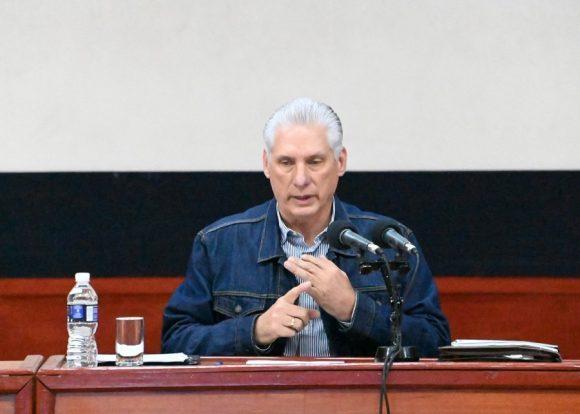
Cuban President appears before the media
In a nationally televised address, Cuban President Miguel Díaz-Canel delivered a comprehensive response to mounting pressures from the United States, addressing critical questions about Cuba’s international relations, energy security, and national survival strategies. The presentation, broadcast across state media platforms, came amid heightened tensions following US military actions against Venezuela and intensified economic measures against Cuba.
Díaz-Canel categorically rejected US characterizations of Cuba as a ‘failed state,’ asserting instead that Cuba represents a resilient nation successfully resisting ‘maximum pressure from the world’s leading power.’ He framed current difficulties as the result of prolonged economic warfare rather than systemic failure, emphasizing that ‘most current generations of Cubans were born under the US economic blockade.’
Regarding Cuba-Venezuela relations, the president dismissed notions of dependency, describing the partnership as one of ‘comprehensive cooperation’ spanning energy, education, healthcare, and cultural exchange. He detailed how the relationship evolved from bilateral cooperation into regional initiatives like ALBA-TCP and Petrocaribe, while acknowledging that recent US sanctions have significantly impacted fuel shipments from Venezuela.
The Cuban leader revealed receiving substantial international support, mentioning specific backing from Russia and China alongside solidarity from ‘governments, institutions, and companies’ worldwide. He noted that many support mechanisms remain confidential due to active US efforts to block assistance channels.
Díaz-Canel characterized US actions as part of a broader ‘ideological, cultural, and media war’ against sovereign nations, urging Global South countries to strengthen multilateral cooperation through blocs like BRICS, the Eurasian Union, and the Non-Aligned Movement. He drew historical parallels to fascist tactics, stating US actions resemble ‘Hitler’s hordes when they attack a country.’
On US-Cuba relations, the president reaffirmed Cuba’s historical openness to dialogue ‘without preconditions and on equal terms.’ He identified multiple potential cooperation areas including migration, security, environmental protection, and scientific exchange, while insisting that dialogue must occur without pressure and with respect for Cuban sovereignty.
The address concluded with a call for national unity and ‘creative resistance,’ emphasizing that Cuba would overcome current challenges through collective effort and international solidarity despite unprecedented economic pressure.
-

Expired passport? Emergency renewals now available at Dominican airports
The Dominican Republic has implemented a groundbreaking emergency passport renewal service at major international airports, providing a safety net for travelers facing documentation crises. According to the General Directorate of Passports, this specialized service will operate exclusively at selected airports including Las Américas International Airport Dr. José Francisco Peña Gómez (AILA), Punta Cana, Santiago, and Puerto Plata airports.
Director General Lorenzo Ramírez emphasized that the emergency service is strictly reserved for passengers who discover passport expiration issues immediately before travel and already possess confirmed flight tickets. The program will not function as a regular passport office and will only accommodate individuals with demonstrable travel emergencies requiring immediate resolution.
In a significant nationwide improvement, standard passport processing times have been dramatically reduced from five days to between 24 and 48 hours. Ramírez announced this acceleration during his appearance at the Corripio Communications Group Luncheon, noting that conventional services will now prioritize efficiency over premium options.
Edgar Díaz, Deputy Director of Passport Issuance and Renewal, clarified the emergency protocol requirements: ‘Travelers must present concrete evidence of their imminent departure through confirmed flight documentation. This service is specifically designed for those facing immediate travel deadlines, not for general passport applications.’
Concurrently, authorities unveiled details regarding the rollout of the new electronic passport system. The advanced document will require appointments scheduled at least 15 days in advance, with the application process formally commencing on February 19. The initial phase will operate exclusively by appointment in Santo Domingo before expanding to other high-demand provinces across the country.
-

Supervisor of Elections to Lead CARICOM Election Observation Mission to Barbados
The Caribbean Community (CARICOM) has formally appointed a three-member regional delegation to oversee Barbados’s forthcoming General Elections scheduled for February 11, 2026. Leading the mission as Chief Observer will be Mr. Ian S. Hughes, the Supervisor of Elections, who will head the team in an independent contractor capacity.
Mr. Hughes will be supported by two seasoned electoral officials: Mr. Andrew Smith, Regional Manager at the Electoral Commission of Jamaica (EOJ), and Ms. Josephine Tamai, Chief Election Officer of Belize. The observation mission is set to be stationed in Barbados from February 5 to February 13, 2026, encompassing the pre-election, election-day, and immediate post-election periods.
In accordance with the Mission’s established Terms of Reference, Mr. Hughes will provide strategic leadership and operational guidance to ensure a comprehensive assessment of the electoral process. His responsibilities include overseeing the team’s efforts to monitor, evaluate, and report on the fairness, transparency, and credibility of the proceedings.
Expressing his commitment to the role, Mr. Hughes acknowledged CARICOM for entrusting him with this critical responsibility. He emphasized his dedication to capturing the full context and subtleties of the electoral environment, ensuring the mission’s reporting is both accurate and insightful.